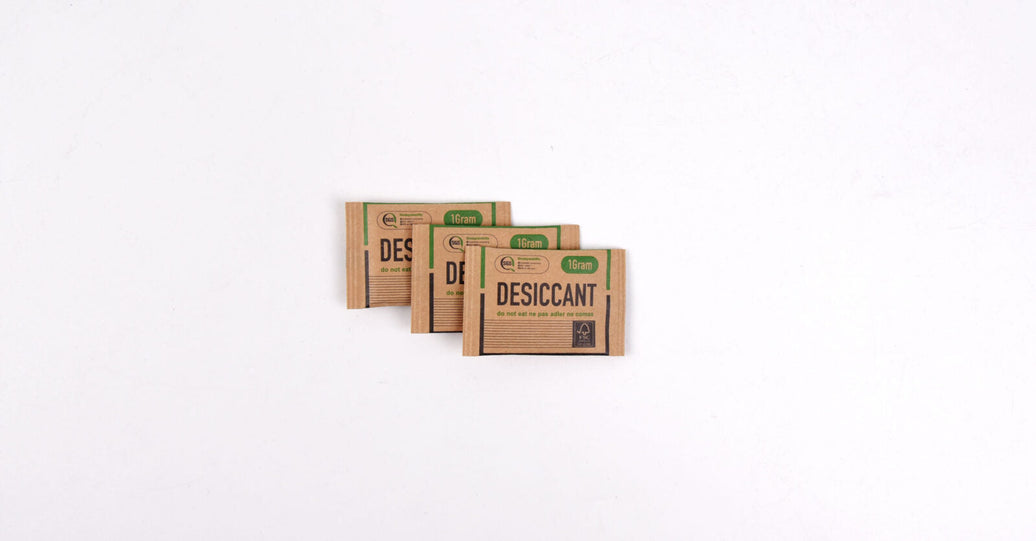
Quick answer: A paper desiccant is a moisture absorber built into a flat, paper-like sheet instead of being poured into a sachet. Three different products are sold under the name: paper that is itself the adsorbent, ordinary silica or clay packed in a paper bag, and a finished desiccant card cut from an adsorbent sheet. ATMOSIScience Fiber Card is the third kind: a plant-fiber core with calcium chloride bound into the fibers, wrapped in printable compostable paper. Under documented conditions of 25 °C and 90% RH it adsorbs more than 70% of its own weight, about 2.3 times what common silica gel holds. Choose it when space, line speed, print or a paper-based pack matter more than raw bulk capacity.
Most people searching for paper desiccant have one of two problems. A sachet will not fit where the moisture is, or a sachet is causing trouble on the line or with customers. A flat format can solve both. The difficulty is that suppliers use the same words for very different products, and the difference decides whether you get real moisture control or a nice-looking wrapper.
This guide sorts out the vocabulary, explains how a fiber-based paper desiccant holds water, shows the numbers that matter, and is honest about when a sachet is still the better choice.
Three products sold as paper desiccant
| What it is | Where the adsorbent is | What the paper does |
|---|---|---|
| Adsorbent paper or board | Inside the fiber web itself | The paper is the desiccant |
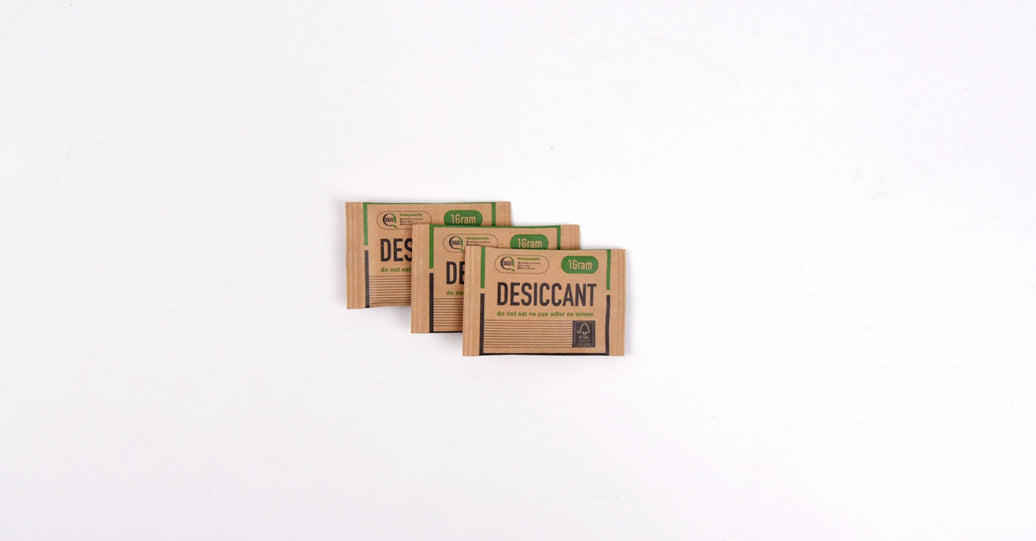
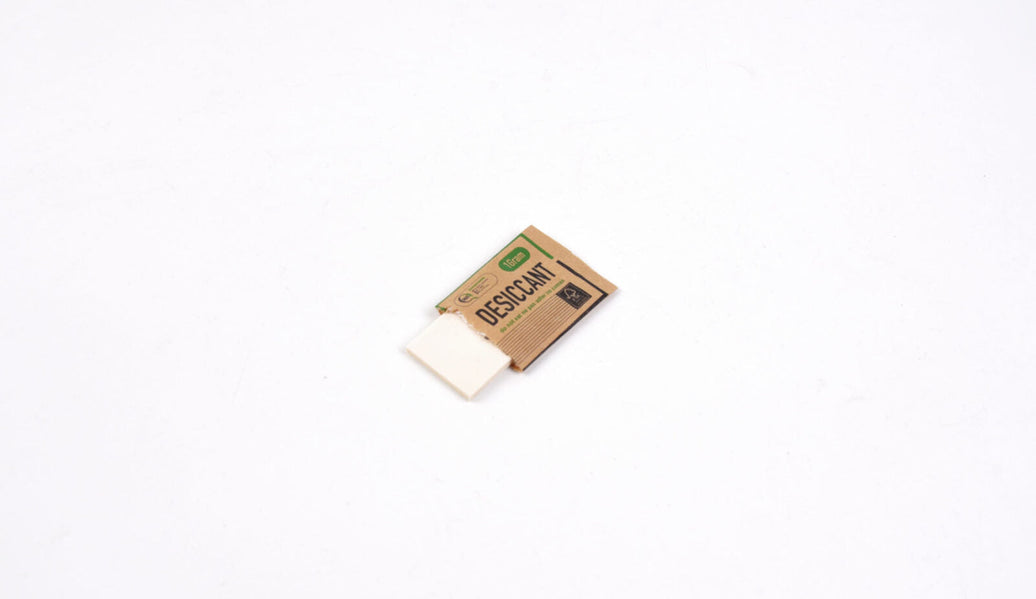
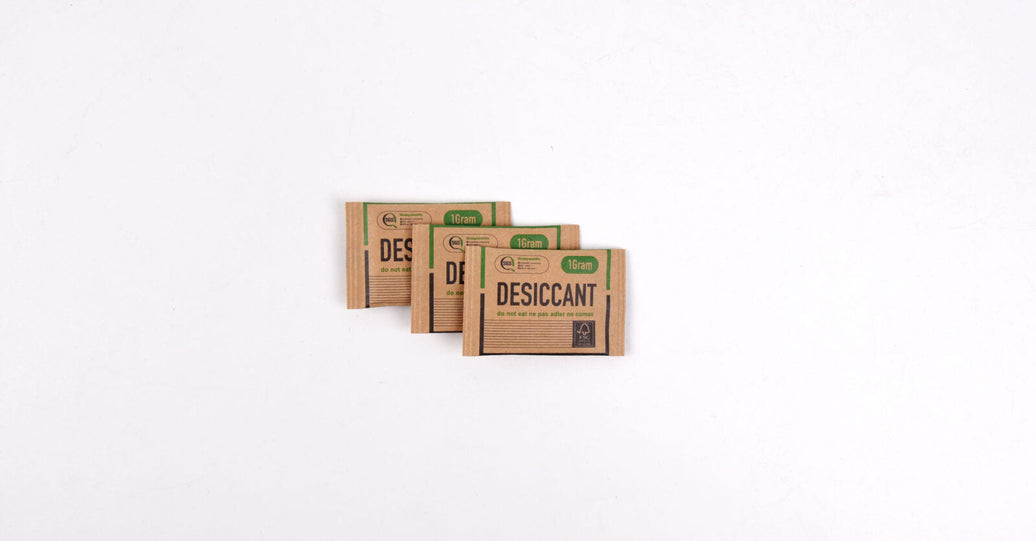
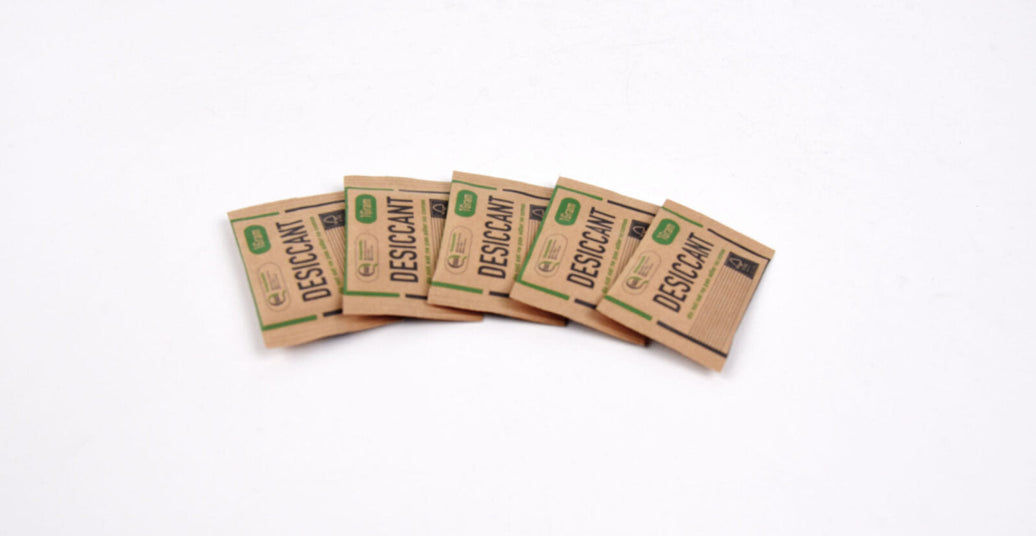
| Paper-bag sachet (often sold as eco or kraft paper desiccant) | Loose silica gel or clay granules in the bag | Only the wrapper |
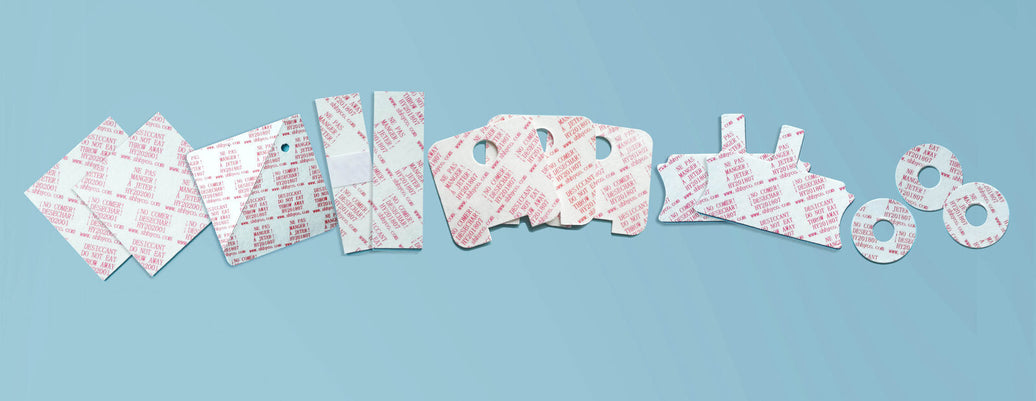
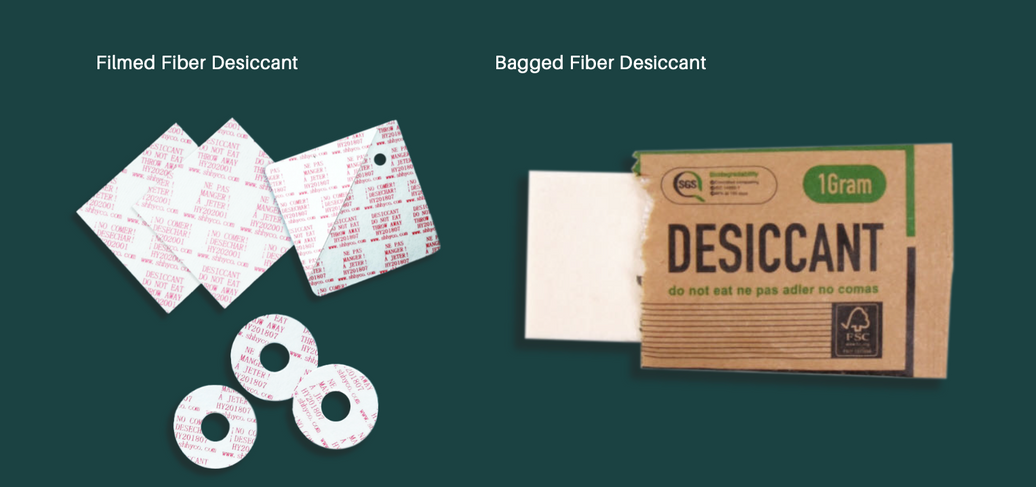
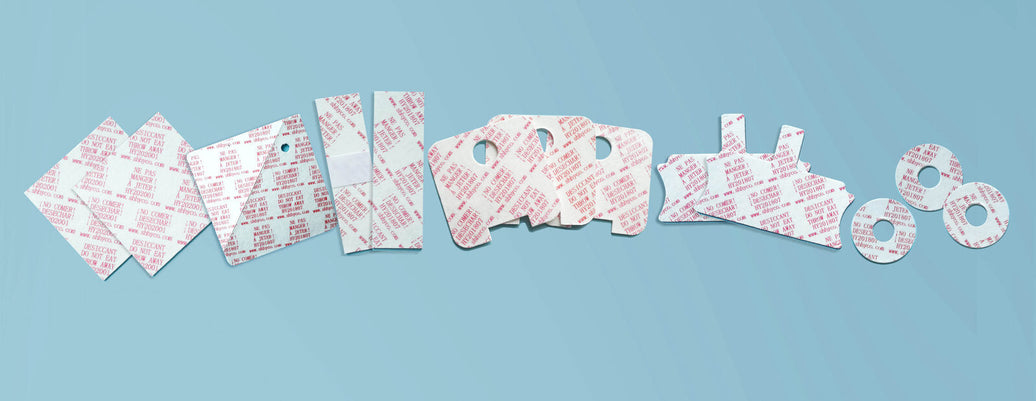
| Desiccant card (Fiber Card) | A bonded plant-fiber core | Core plus a printable outer paper layer, die-cut to shape |
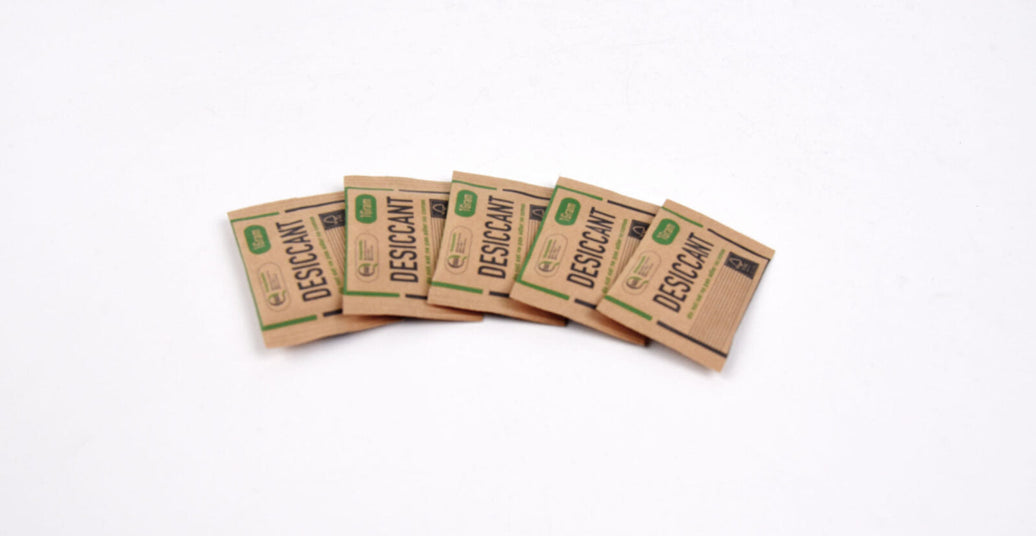
The second category is the one that causes confusion. A paper bag filled with silica gel behaves like any silica sachet: the same capacity per gram, the same loose media inside if the bag tears. The paper changes the disposal story for the wrapper, not the chemistry. We look at this in detail in natural desiccants compared and how the desiccant wrapper decides performance.
How a fiber-based paper desiccant holds water
Fiber Card uses two mechanisms in one sheet, as described in the product documentation:
- Physical adsorption. Porous lignocellulose fibers pull water vapour into micro-channels by capillary action.
- Chemical binding. Calcium chloride is held inside the fiber matrix, where it binds water. Because the salt is locked into the fibers, the documentation reports no brine leakage, dust or corrosion.
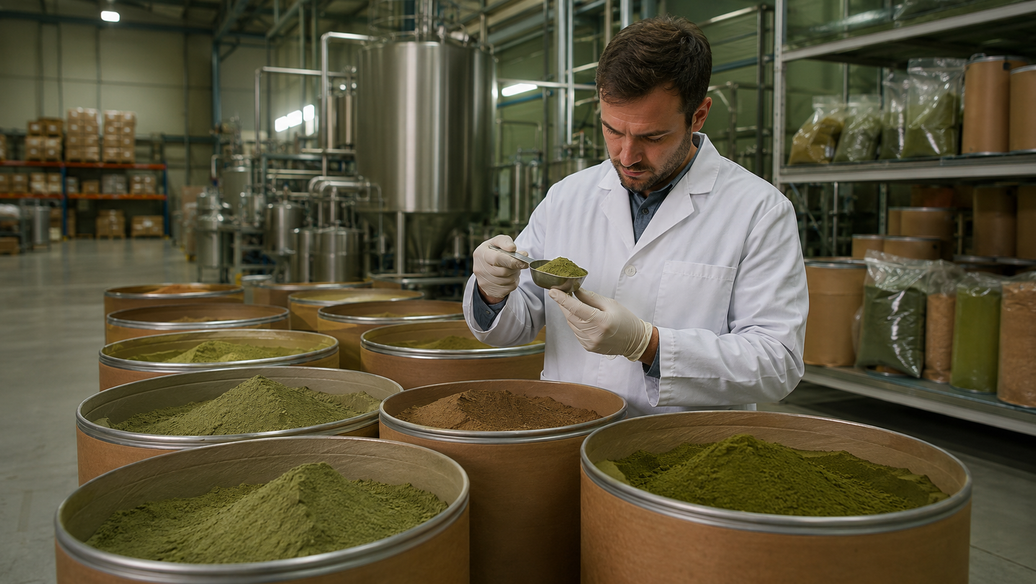
The core is natural plant fiber combined with polymer materials and is documented as non-toxic and food-contact safe. The outer layer can be Tyvek, non-woven, laminated paper or printable compostable paper, chosen to suit the application. If you want the deeper version, read how fiber desiccant works and what is inside a fiber desiccant.
What a paper desiccant actually holds
Capacity is always a number at a stated temperature and humidity. A desiccant that holds a lot at 90% RH may hold much less at the 30 to 50% RH that most dry goods are packed at. These are the published ATMOSIScience fiber desiccant criteria at 25 °C:
| Relative humidity | Fiber desiccant adsorption (own weight) | Common silica gel |
|---|---|---|
| 20% RH | more than 10% | not published here |
| 50% RH | more than 35% | not published here |
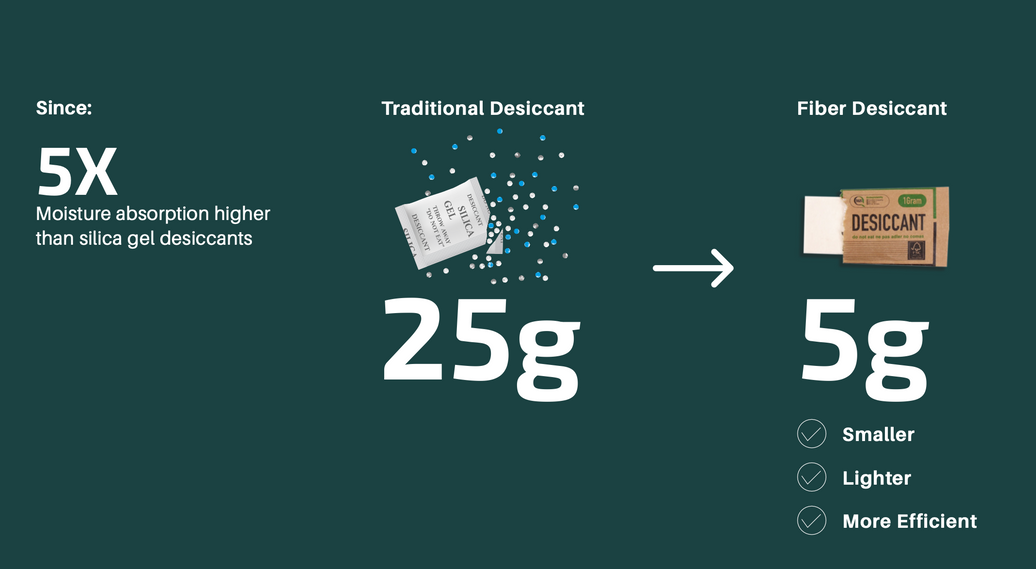
| 90% RH | more than 70% | about 30% |

The only like-for-like comparison point with silica gel is at 90% RH: more than 70% against about 30%, or roughly 2.3 times. We do not quote a bigger multiple for the card, because the documented comparison does not support one. On the spec sheet that becomes a practical swap ratio: the FF-15 reference card weighs about 1.0 g and is rated as equivalent to 2.5 g of silica gel.
Fiber Card reference sizes (all 1.0 mm thick)
FF-3: 25 × 12 mm, about 0.15 g, equivalent to 0.5 g silica gel
FF-6: 30 × 20 mm, about 0.35 g, equivalent to 1 g silica gel
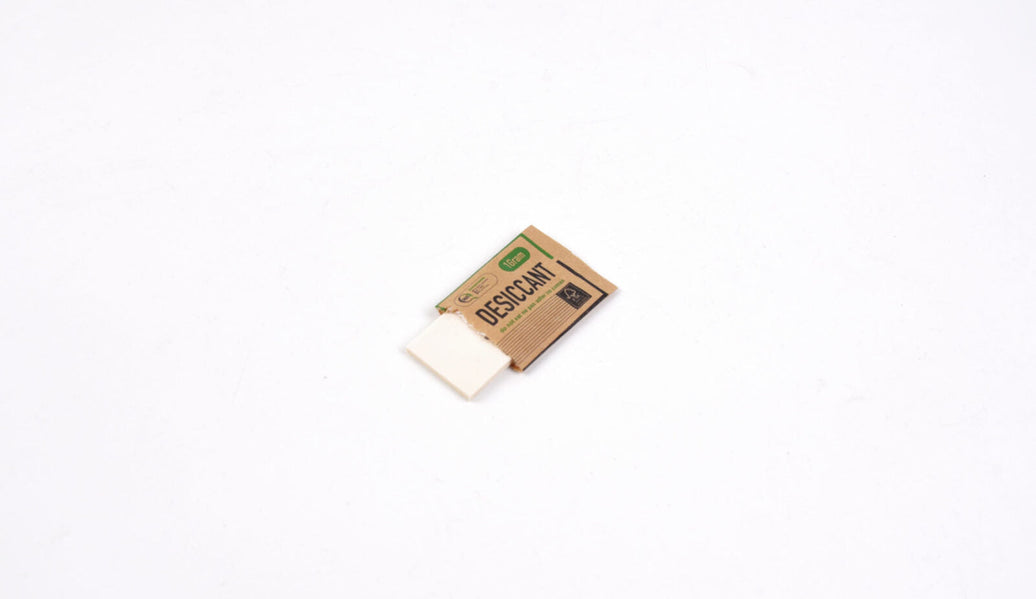
FF-15: 60 × 25 mm, about 1.0 g, equivalent to 2.5 g silica gel
Custom shapes, sizes and thinner constructions are cut to order.
For how to read numbers like these on any supplier’s sheet, see how to compare desiccant spec sheets and silica gel equivalency in grams.
When a paper desiccant beats a sachet
- There is no room for a pouch. Cap cavities, blister wells, slim flow-wrap packs and stick packs leave fractions of a millimetre. A flat card fits where a lumpy sachet cannot. See bottle-cap desiccant inserts.
- A machine has to place it. A stiff card feeds and drops predictably. Loose sachets tangle and double-feed. Our co-packer guide to automated insertion explains why stiffness decides line speed.
- The customer should not open or remove it. Consumers cut open sachets, pour them out or throw them away on day one. A card that sits in the cap or on the pack wall is far less likely to be removed.
- You want the surface. The outer paper is printable, so a required insert can carry your logo, a use instruction and a clear do-not-eat line. See custom-printed desiccant cards.
- Loose media is unacceptable. A bonded fiber core has no beads or granules to escape into a powder if the wrapper is damaged. That matters on supplement and food lines, as covered in loose-fill desiccant risks.
- The pack is going paper-based or compostable. A paper pouch or glass jar with a plastic film sachet inside undermines the claim on the front of the pack. A desiccant with matching compostability certification keeps the story consistent.
When a sachet is still the better choice
A paper desiccant is not the answer to every moisture problem. Be careful in three situations:
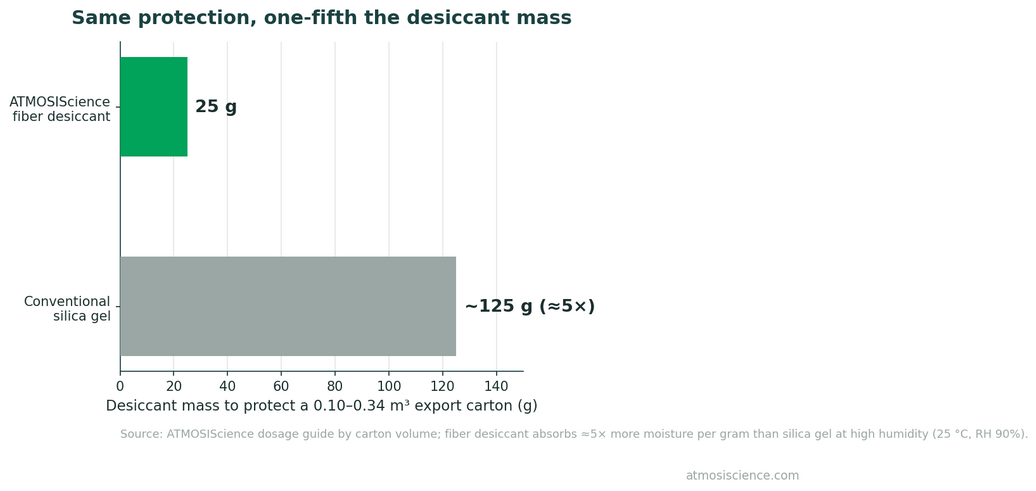
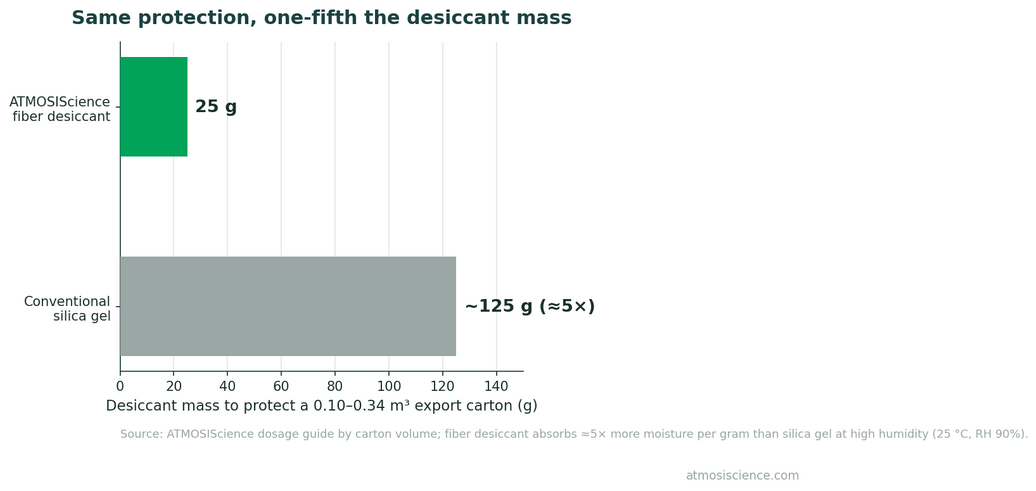
- Very large moisture loads. Shipping containers, bulk bags and drums need tens or hundreds of grams of desiccant. A bagged fiber desiccant is more practical there, and ATMOSIScience bagged material is documented at more than 100% of its own weight in adsorption.
- Ultra-low humidity targets. Some probiotics and moisture-sensitive drug products need the headspace held near 10% RH or lower. That is molecular sieve territory, explained in molecular sieve vs silica gel vs fiber desiccant.
- Products that must not be over-dried. Gelatin capsules, gummies and some botanicals need a humidity band, not maximum dryness. A one-way desiccant keeps pulling water. Read two-way humidity liner or one-way desiccant before you specify.
Paper desiccant in wellness and powder packaging
Supplement and powder brands are the fastest-growing users of flat desiccants, for practical reasons. Tubs and pouches are opened 20 to 30 times, so the desiccant has to handle repeated humid-air intake, not just shelf-life permeation. Bottles have induction seals and tight caps. And many wellness brands sell on clean, low-plastic packaging.
Typical placements are a card under the cap or in the neck of a bottle, a card on the inside wall of a resealable pouch, or a small card in a sachet-in-sachet stick pack. The sizing logic for each is in desiccant for resealable packs, desiccant for HDPE bottles with induction seals and desiccant in stick packs. The product-by-product view is in our dietary supplement desiccant hub.
Documents to ask for
A paper desiccant in a food or supplement pack is a food-contact material, so the paperwork matters as much as the capacity. ATMOSIScience lists the following for its fiber desiccant: FDA 21 CFR 175.300 food-contact documentation, SGS compostability testing to EN 13432 and ASTM D6400, an ISO 14067 carbon footprint of 1.44 kg CO₂e per kg, SGS RoHS, SGS REACH SVHC screening and an SGS anti-mould test. Always check which component and which format each certificate covers. Our guide to what a desiccant certificate actually covers shows how.
What to send when you ask for a quote
A flat-format request gets a fast, accurate answer when it includes five things:
- The cavity or cap finish the card must fit, with dimensions
- The pack type, volume and barrier material
- How often the pack is opened and the target shelf life
- Whether the card will be printed, and with what
- Whether the product is food, supplement or pharmaceutical
Frequently asked questions
Is paper desiccant the same as blotting paper?
No. Blotting paper soaks up liquid water by capillary action. A paper desiccant adsorbs water vapour from the air in a closed pack and holds it, with a measured capacity at a stated humidity.
Is paper desiccant safe to use with food and supplements?
It can be, when the materials carry food-contact documentation and the card is clearly marked as not edible. Fiber Card is documented as food-contact safe, but like every desiccant it is not intended to be eaten. See food-contact desiccants and FDA 21 CFR.
How thin can a paper desiccant be?
The standard Fiber Card reference sizes are 1.0 mm thick. Thinner constructions can be cut to order, but less material means less capacity, so the moisture load sets the practical floor.
Can paper desiccant be reused?
Fiber desiccant can be dried in air and reused in non-food uses. A card that has been inside a food or supplement pack should not be moved into another food pack. Details in can you reuse or recharge desiccant.
Is a paper desiccant compostable?
The ATMOSIScience fiber desiccant is certified as industrially compostable, which is not the same as home compostable. A printed or laminated finished card is a different article from the bare sheet, so confirm the certificate covers the exact construction you buy.
Send us the space you have
Tell ATMOSIScience where the desiccant has to sit and what it has to protect. We will come back with a Fiber Card size, a sample and the food-contact documents.
Prefer email? info@atmosiscience.com