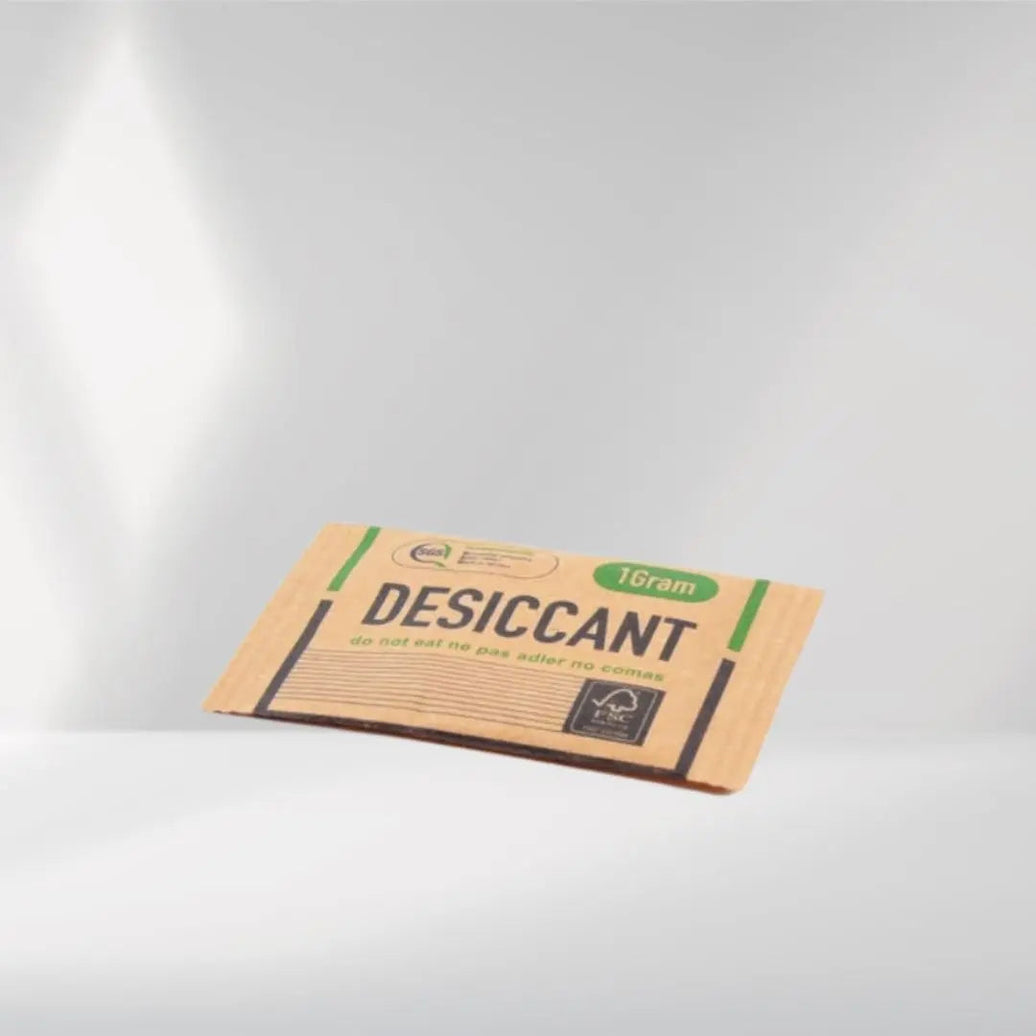
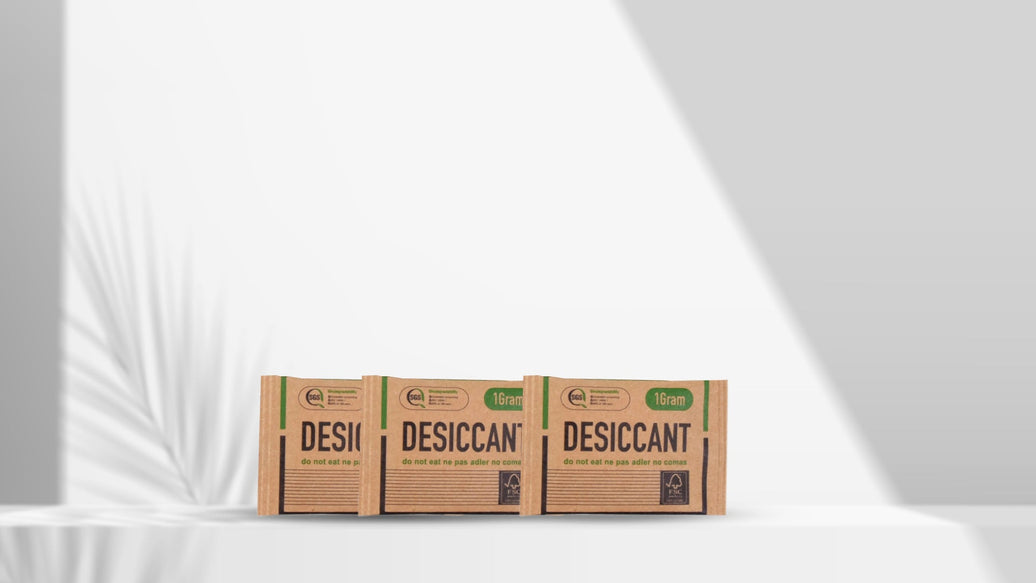
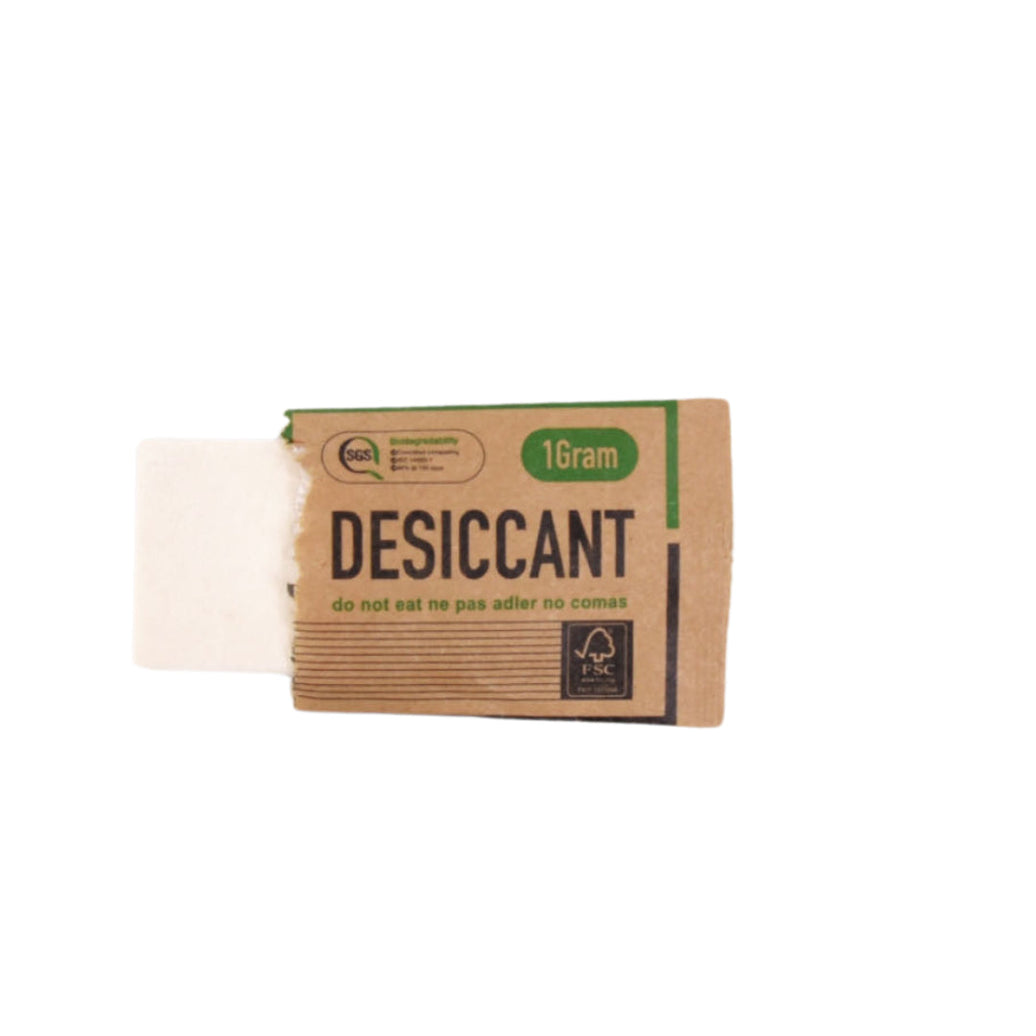
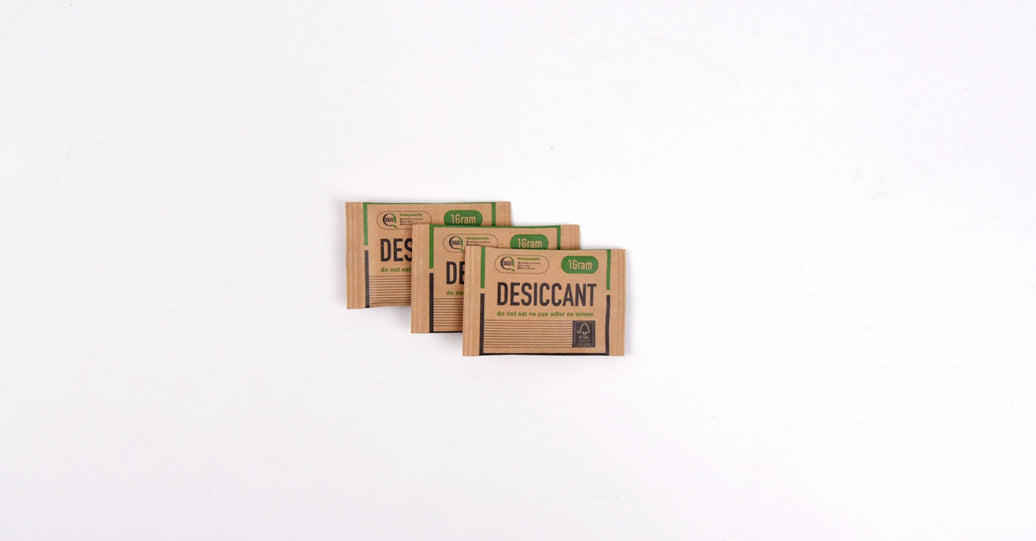
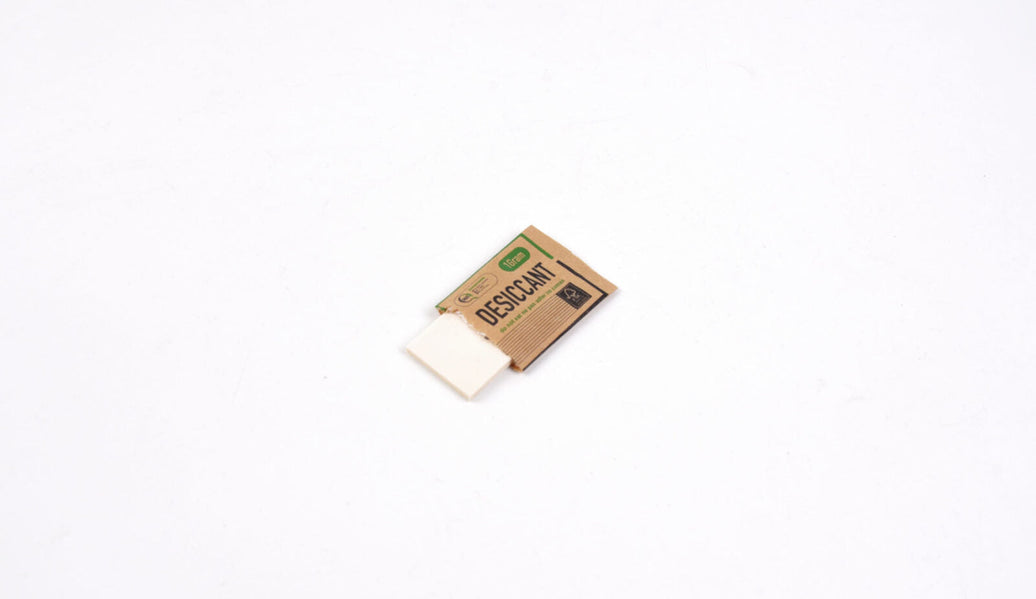
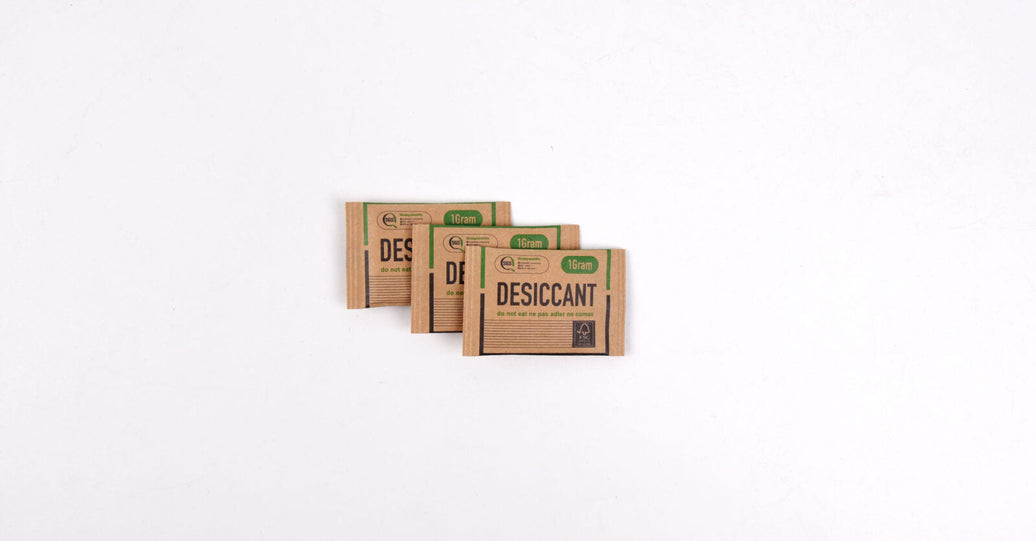
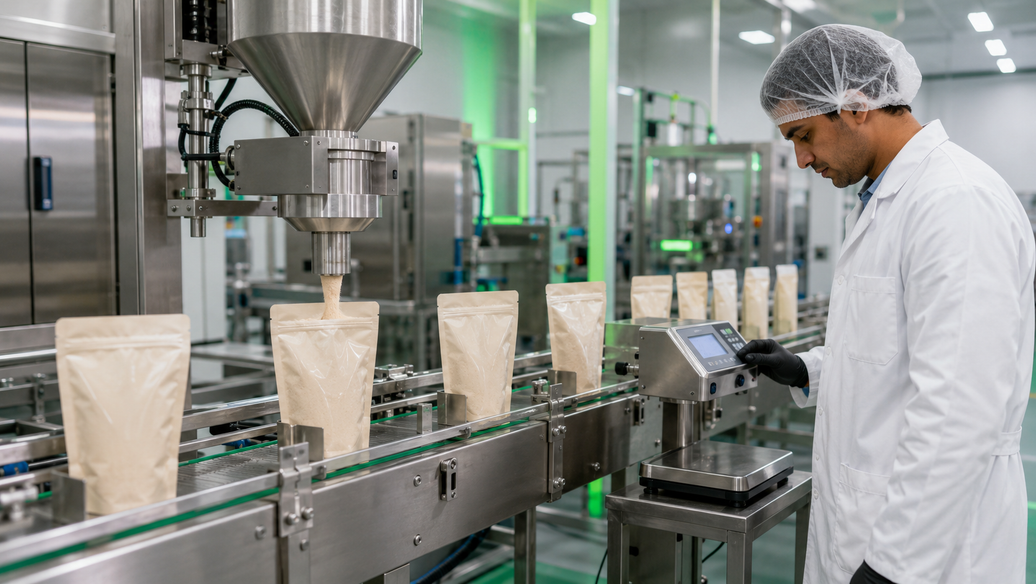
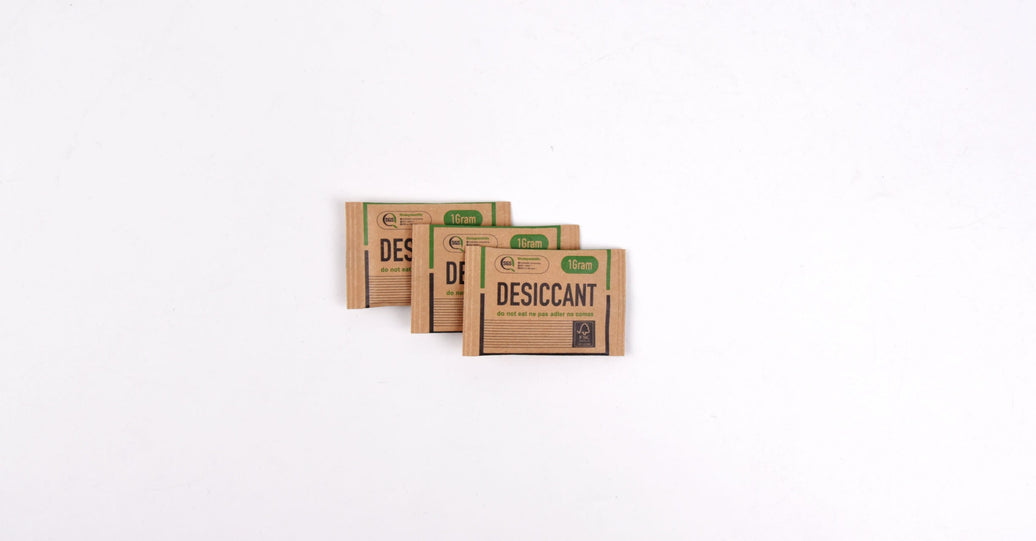
Ask a line engineer what they think of desiccant and the answer is rarely about absorption capacity. It is about the feeder. Soft, pillow-style sachets are among the least automation-friendly components in packaging: they flex, snag, stick together, present inconsistently to pick heads, and mis-drop into the seal area. Plenty of co-packers still insert desiccant by hand for exactly this reason — a labor line item that exists only because the component is floppy.
This guide covers the options for automated desiccant insertion and why the format decision — sachet vs. rigid card — is really an equipment decision.
Why soft sachets fight the line
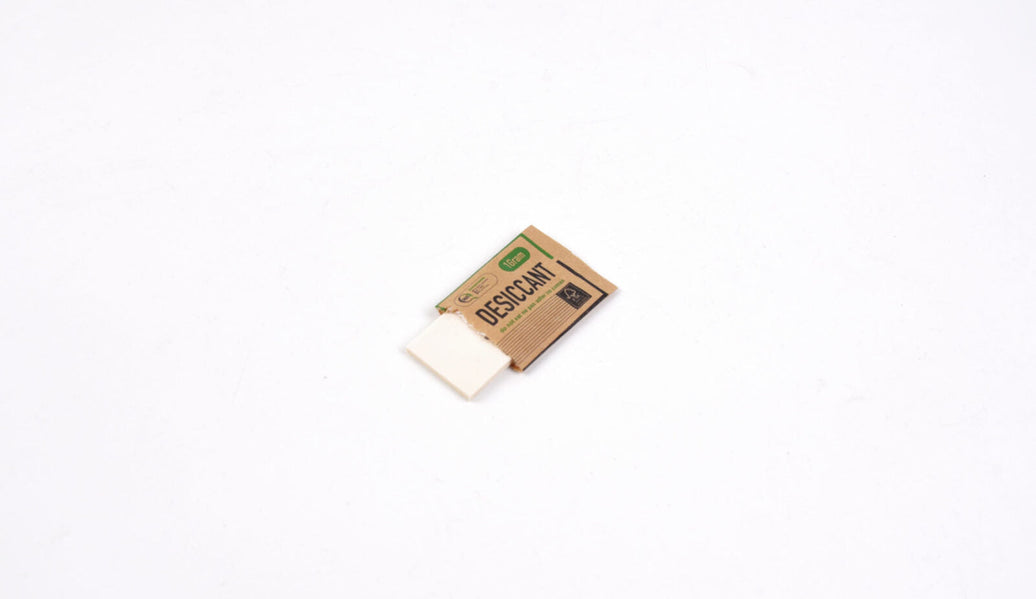
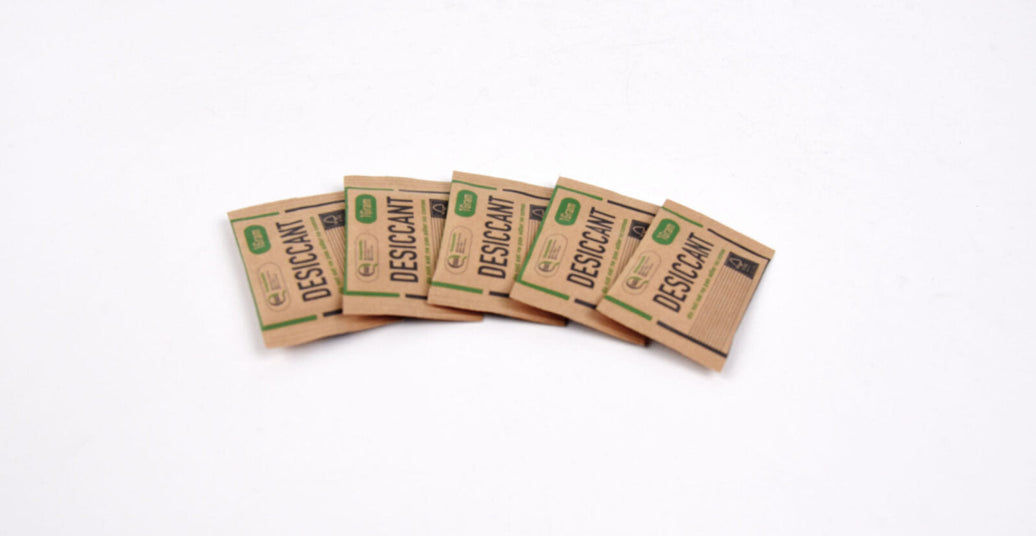
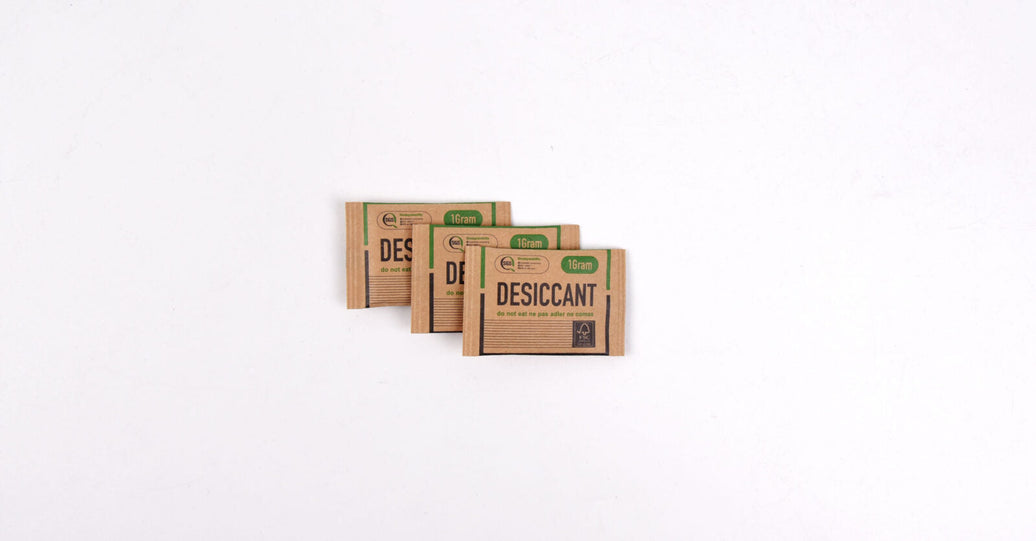
A flexible sachet has no stable geometry. The consequences compound at speed: inconsistent presentation in bowl and tray feeders, double-picks when sachets nest into each other, vacuum pick heads losing grip on a flexing surface, sachets folding into the seal jaw and voiding the seal, and mis-drops that bury the desiccant where the consumer — or a metal detector check — cannot find it. Every one of those failure modes generates either a line stop or a quality escape.
Hand insertion avoids the jams but caps line speed, adds a repetitive-motion labor station, and introduces the human variability QA audits flag: the skipped unit, the double unit, the sachet placed under the product instead of on top.
What a rigid card changes
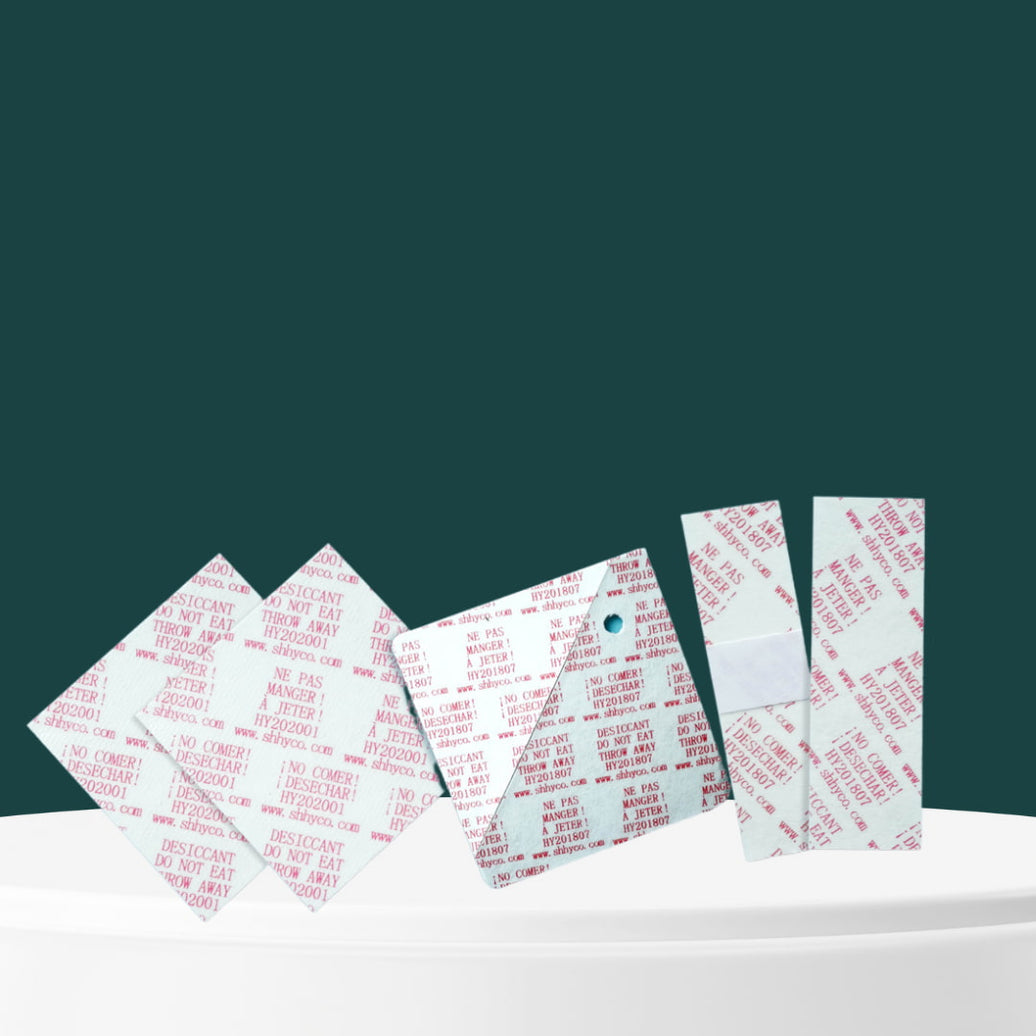
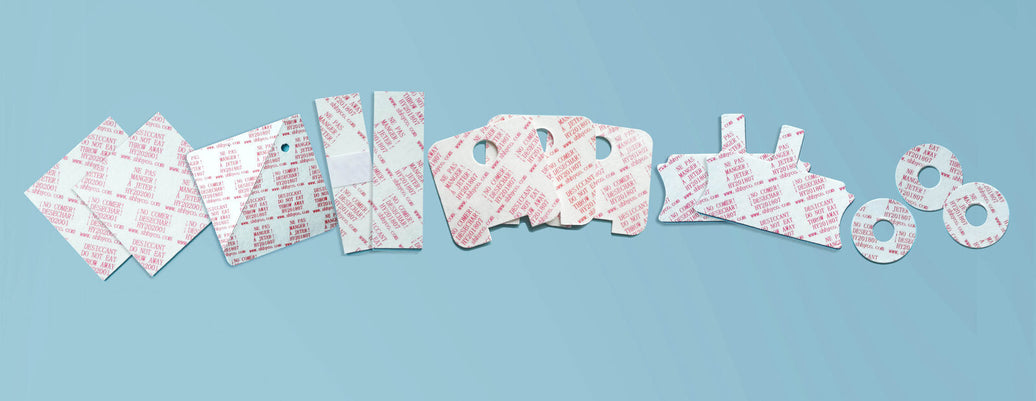
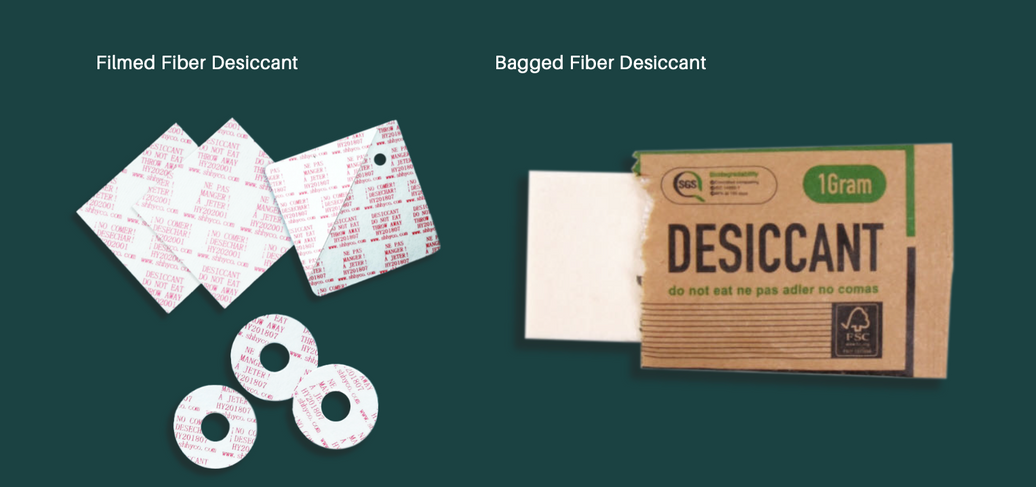
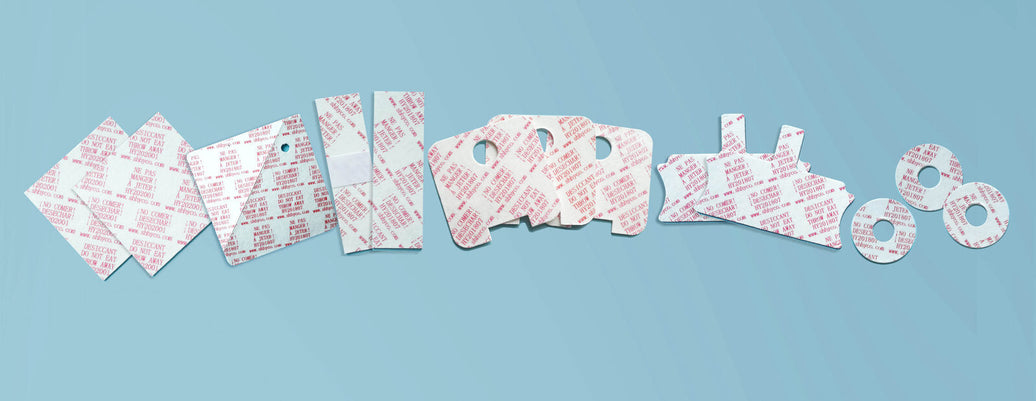
ATMOSIScience film desiccant is a flat, rigid card — stiffer than some credit cards — and that stiffness is precisely the property automated handling wants:
Stable geometry. A rigid card presents the same face, the same way, every time. It stacks in magazines like cards, which opens the door to friction-feed and pick-and-place equipment of the kind already proven for coupon and insert feeding — rather than specialized sachet dispensers.
Predictable placement. A card dropped flat lands flat. It does not fold, bounce into the seal area, or bury itself in the powder bed — it sits visibly on top, which is also where the consumer needs to find it (see the format discussion in our film desiccant guide).
No dust, no leakage. The fiber substrate is a continuous mat — nothing to shed into the fill area even if a card is damaged, unlike bead-filled sachets whose puncture mode is covered in loose-fill desiccant risks.
Die-cut to the package. Cards are cut to the canister or tub diameter (square or circle, 0.5/1.0 mm thickness), so placement tolerance is generous — a card sized to the container cannot land badly.
Brandable. The same card prints a full-color logo in the center, which lets a co-packer offer customers a branded insert as a value-add line item — detailed in custom-printed desiccant cards.
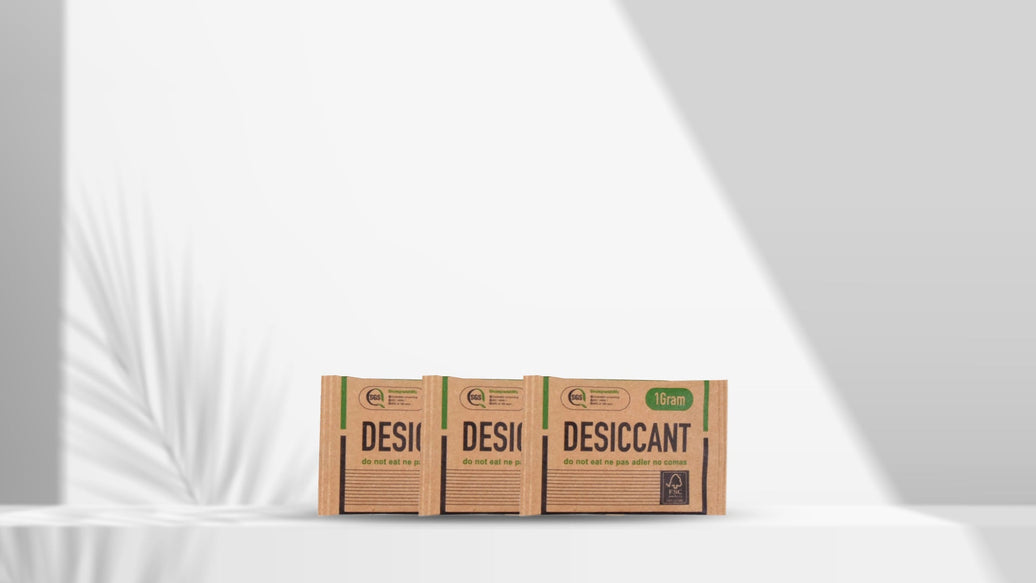
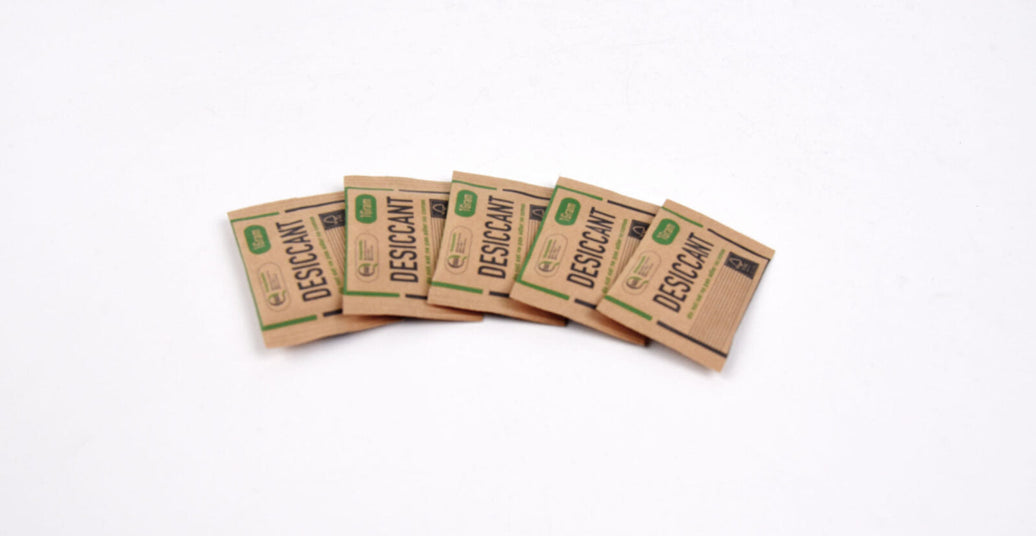
Where sachets remain right: bulk liners, drums, and totes — applications with no automation constraint and large headspace, where high-capacity sachets (25–60 g) are the efficient format. Capacity guidance per container is in the dosage guide.
Fewer units to insert in the first place
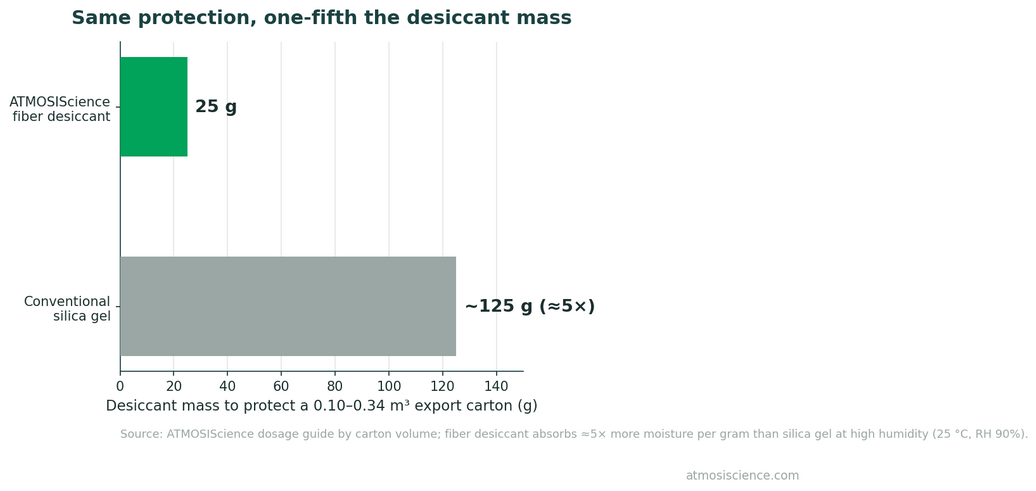
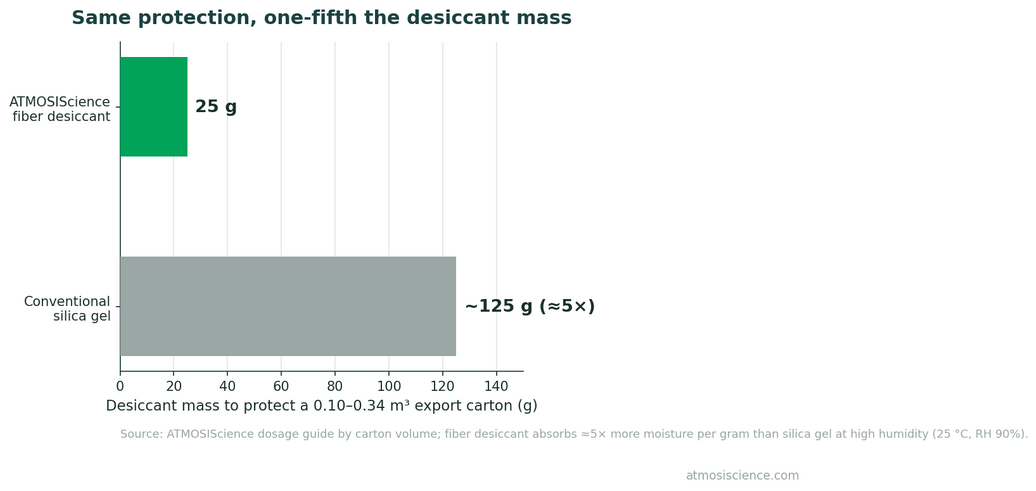
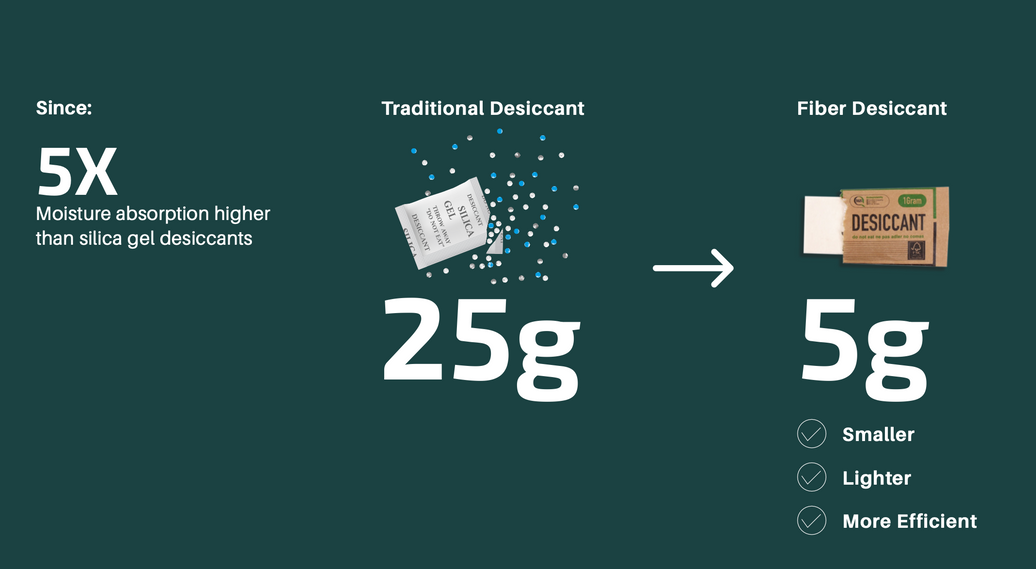
Capacity per gram is an automation variable too. Fiber desiccant absorbs over 70% of its own weight at 25°C and RH 90% — roughly 5x conventional silica gel — which often means one insert where a silica program needed two, or a smaller card at the same protection level. Fewer, smaller, stiffer components is the direction every line engineer wants the BOM to move; the mass math is in how to cut desiccant mass by up to 80%.
The QA file that travels with the component
Co-packers answer for every component in their customers' audits. The fiber platform ships with the file: SGS ISO 9001 manufacturing (Cert. CN05/31171), full raw-material disclosure (lignocellulose fiber, calcium chloride, PLA, food-grade paper, water), compostability under ASTM D6400 and EN 13432, and a documented carbon footprint of 1.44 kg CO₂e/kg — roughly 31% lower than silica gel. Supplier-vetting criteria: the B2B buyer's checklist. The paper wrapping also keeps the component aligned with customers' plastic-reduction commitments.
Frequently asked questions
Can the card run on existing insert/coupon feeding equipment?
The card's rigid, flat, consistent geometry is the property such equipment depends on. Integration is validated per line during sampling — send the card spec to your equipment vendor alongside the trial request.
What happens if a card is mis-dropped into the seal area?
A rigid card in the seal jaw is immediately visible as a crushed seal — a detectable reject, unlike a thin sachet corner that produces a slow leaker. Detectability is the better failure mode.
Do cards come magazine-stacked for feeders?
Packing format (stacked, shingled, bulk) is specified per program at quoting — state your feeder type in the quote request.
Can we trial the card on one SKU before committing the line?
That is the recommended path: sample cards against one container spec, run a line trial, then scale. Start the conversation with your dimensions and line speed.
Make the desiccant the easiest component on the line
ATMOSIScience supplies die-cut film desiccant cards and bulk fiber sachets at co-packer scale, with the documentation file that travels into customer audits.
Run a line trial first. Request card samples and bulk pricing through our desiccant solutions page or contact our team, or evaluate the material with the Fiber Desiccant.
Related reading: Film Desiccant Explained · Desiccant for Baking Mixes · Why Powders Cake
Get card samples for a line trial
Tell us your container spec, line speed, and feeder type — our team responds with a die-cut recommendation, packing format options, and bulk pricing.