Quick answer: There is no universal number of weeks or months. A desiccant lasts until its capacity is used up, and how fast that happens is set by the package: service life = usable capacity ÷ moisture ingress rate. In a well-sealed high-barrier pack, a correctly sized desiccant can serve for the full shelf life; in a leaky or frequently opened pack, the same unit can be spent in days. Sizing to the package — not to a calendar — is the whole game.
“How long does a desiccant pack last?” is among the most-searched desiccant questions, and the honest answer is a formula, not a date. Suppliers who promise a flat “lasts six months” without asking about your film, seal and opening pattern are guessing. Here is the math ATMOSIScience walks buyers through, in plain terms.
The service-life equation
Two quantities decide everything:
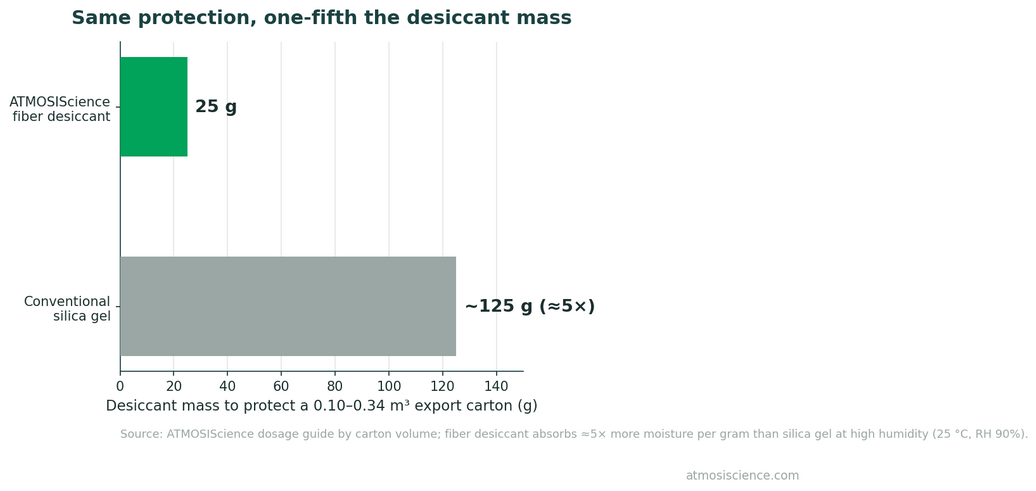
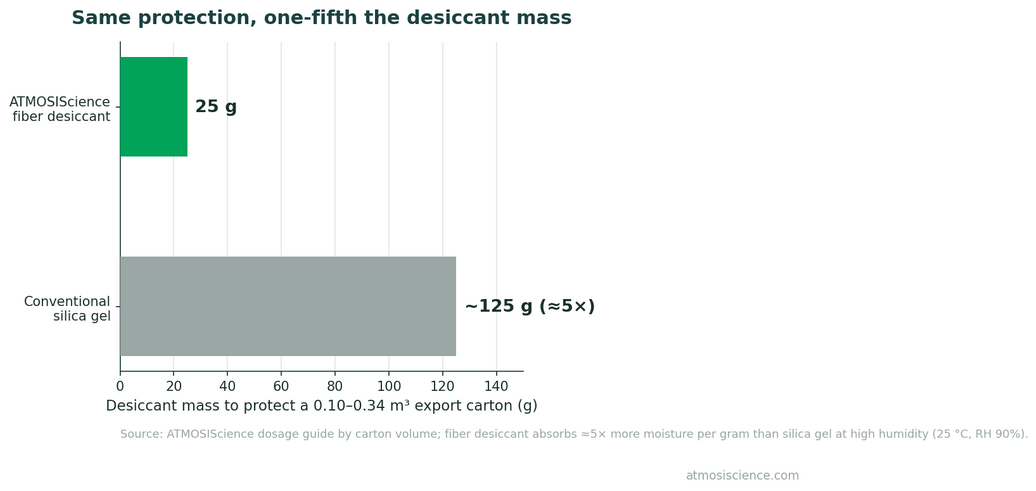
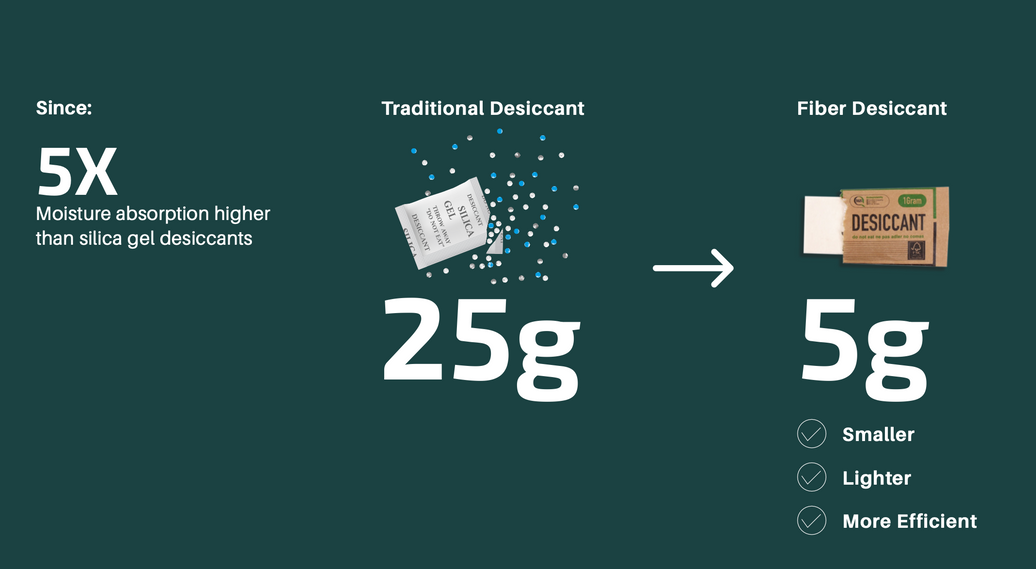
1. Usable capacity — how much water the unit can hold at your storage humidity. Capacity is humidity-dependent: ATMOSIScience fiber desiccant adsorbs more than 10% of its own weight at RH20, more than 35% at RH50 and more than 70% at RH90 (25°C). A desiccant “lasts” longer at low ambient RH simply because less water is coming at it and it holds a reserve.
2. Ingress rate — how fast water vapor enters the sealed volume: film permeation (the WVTR of the packaging film × surface area), seal and closure leaks, and the air exchanged every time the pack is opened.
Divide one by the other and the answer is time. Everything a buyer can do to extend desiccant life lives on the ingress side: better film, honest seals, fewer open-door moments.

An illustrative walk-through
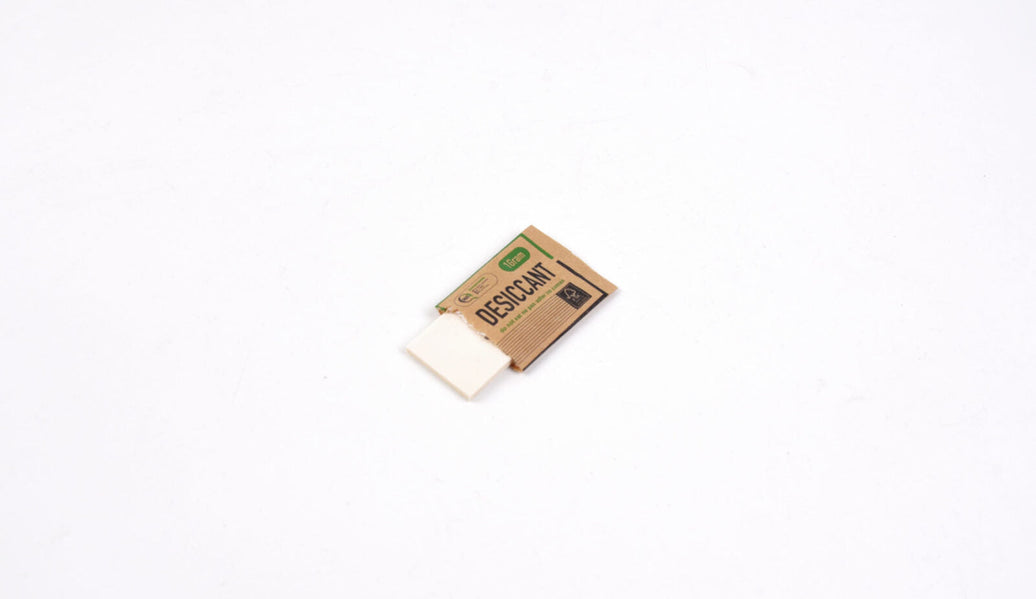
(Illustrative method, not a product claim — real sizing uses your film's measured WVTR.) Take a sealed pouch whose film and seals admit a small, steady amount of water vapor per day at warehouse conditions. Multiply that daily ingress by your shelf-life target in days: that is the total water the desiccant must hold while keeping internal RH below your product's threshold. Choose the sachet gram weight whose capacity at that threshold RH exceeds the total with margin. Run the same math at worst-case (summer sea freight, RH90 class air) — the sizing that survives the worst leg is the sizing that protects the promise, which is why sea-freight sizing differs from warehouse sizing.
What quietly shortens desiccant life
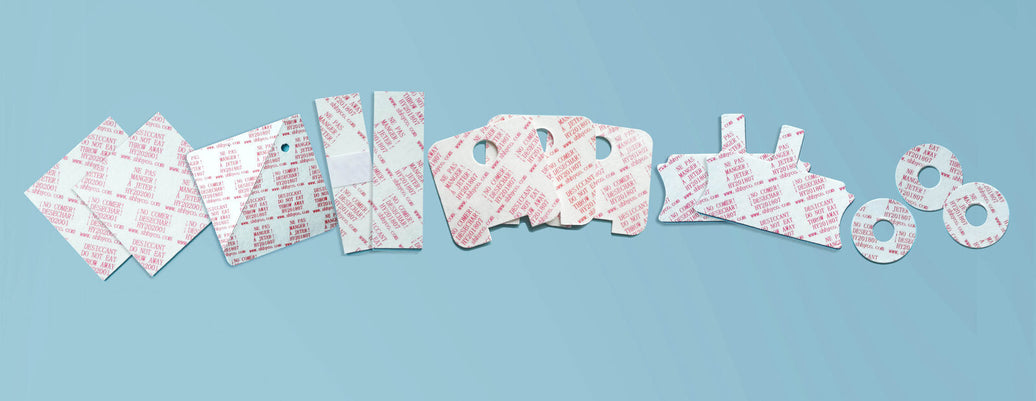
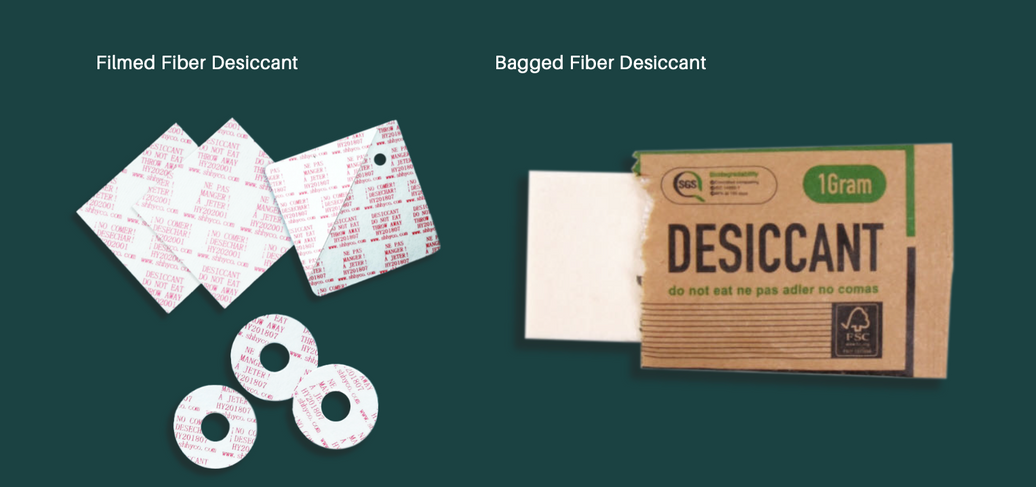
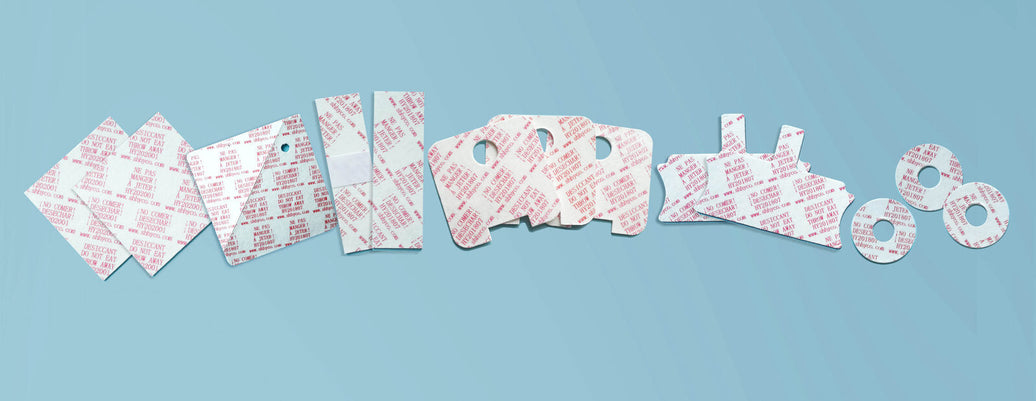
Opening cycles. Every consumer opening exchanges the headspace air. A tub opened daily for 60 days asks far more of its desiccant than the same tub opened twice — one reason cap inserts and film cards that stay put across the use-up period outperform a single sachet thrown in at filling.
Pre-use exposure. Sachets staged open on the line spend capacity before the customer ever sees them — storage discipline is covered in Does Desiccant Expire?
Seal defects. A channel leak in one heat seal can multiply ingress many times over — sizing cannot rescue a leaking pack, a pattern diagnosed in the failure-modes guide.
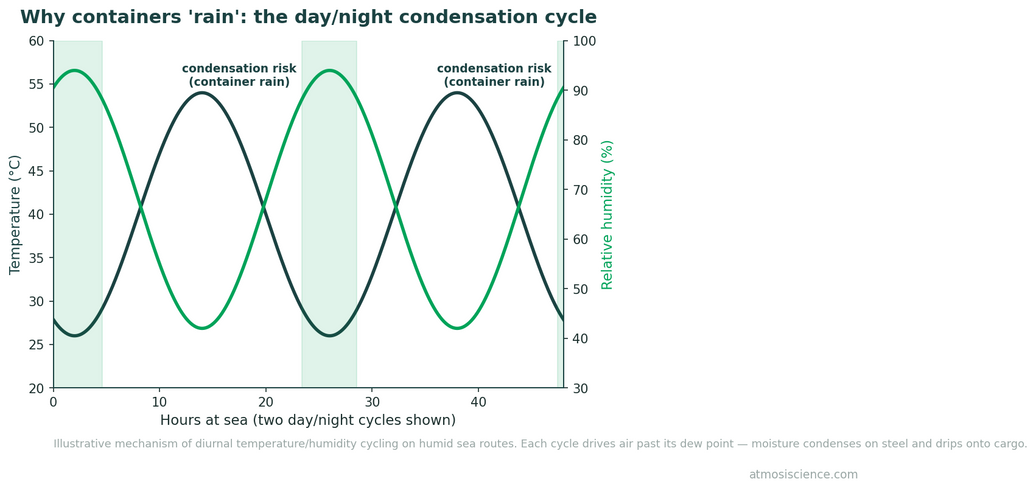
Temperature swings. Warm-cold cycling drives condensation events that dump concentrated moisture into the pack air — the mechanism behind container rain.
How to know it is still working
Weight gain is the direct check: a desiccant that has gained close to its rated capacity is done. In-pack humidity indicator cards give a passive readout at audit time. And the product itself reports late: caking, clumping and lost crunch mean the desiccant was exhausted some time ago — the moisture-to-expiry connection is unpacked in How Desiccants Extend Powder Shelf Life.
Design for shelf life, not for weeks
The buying question worth asking is not “how long does your desiccant last?” but “what gram weight do you recommend for this film, this volume, this route, this shelf life — and what capacity data backs it?” A supplier who answers with adsorption-by-RH numbers and a worst-case calculation is selling engineering; one who answers with a flat number of months is selling hope. The spec-reading checklist in How to Compare Desiccant Spec Sheets shows what to demand.
FAQ
How long does a desiccant last in a sealed bag?
Sized correctly for the bag's film and seal quality, through the stated shelf life — commonly one to two years for high-barrier packs. The number belongs to the package design, not to the sachet in isolation.
Does a bigger desiccant always last longer?
More capacity extends life only if ingress stays constant. Fixing a leaky seal or upgrading film usually buys more time per dollar than doubling grams.
How long does desiccant last once the customer opens the pack?
Through a normal use-up period if the closure is resealed — opening cycles are part of correct sizing. Products with long use-up windows (large tubs) are exactly where cap inserts and film cards earn their keep.
Do two-way humidity packs last longer than one-way desiccants?
They do a different job: holding a target band, releasing as well as adsorbing. In stable sealed enclosures the two-way fiber platform is engineered for multi-year service.
Get a sizing calculation for your package
Send the package format, film type, fill volume and shelf-life target. The team returns a worst-case-sized recommendation with the capacity data behind it — no calendar guesses.