Quick answer: Loss on drying measures everything volatile, not just water — fast, cheap, good for routine release. Karl Fischer titration measures water specifically and is the reference method where accuracy matters. Water activity measures available water, and it is the number that predicts caking, microbial growth and shelf life. They are not interchangeable: two powders can share the same moisture content and behave completely differently because their water activity differs.
“What is the moisture in this powder?” sounds like one question with one number. It is three questions with three numbers, and most disputes between a supplier and a customer over a moisture specification come down to the two parties measuring different things and comparing the results as if they were the same.
Choosing the method well means knowing what each one physically detects.
1. Loss on drying (LOD)
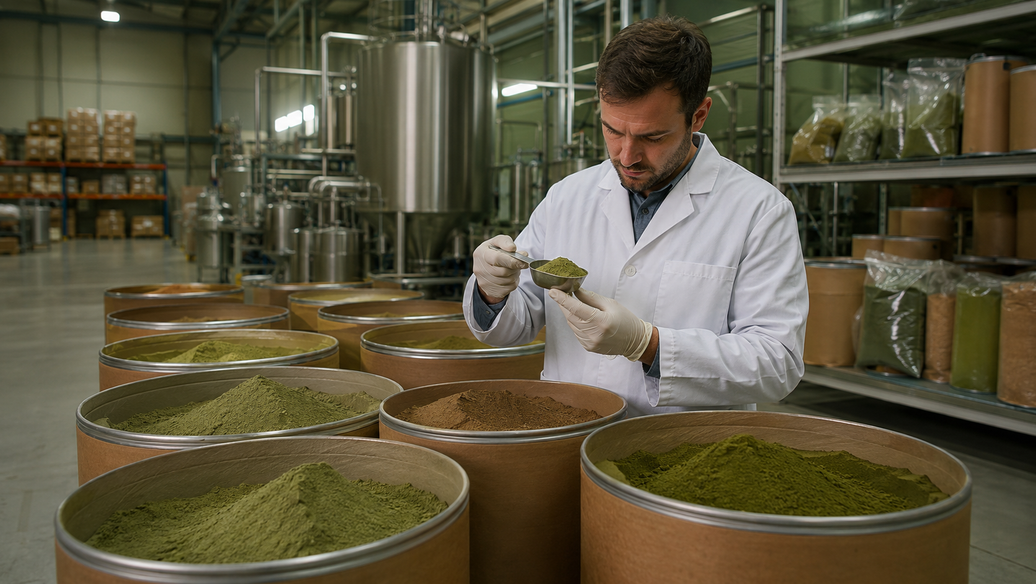
A sample is weighed, heated under defined conditions, and reweighed. The mass lost is reported as a percentage.
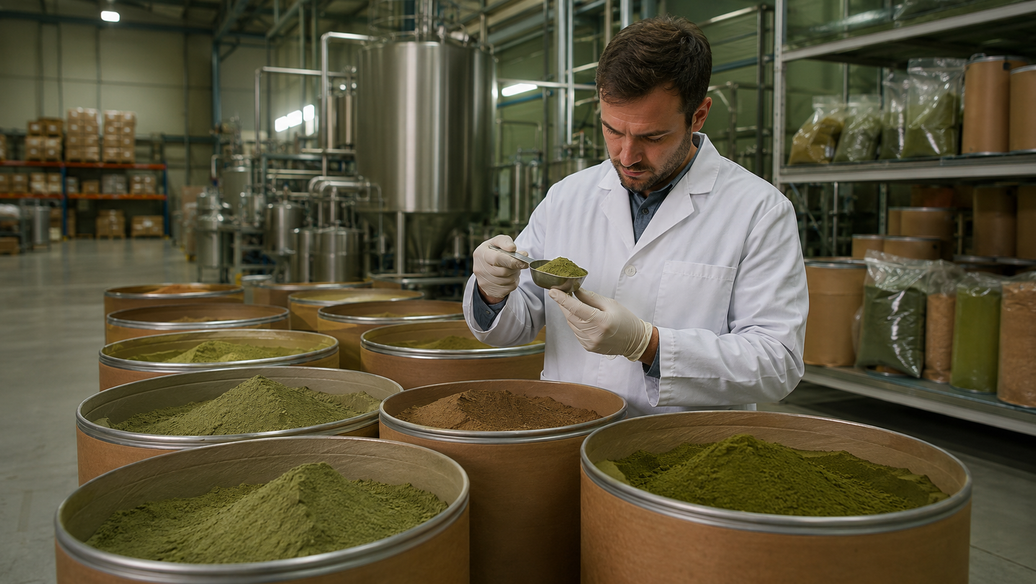
What it actually measures: everything that leaves the sample at that temperature. Water, yes — but also residual solvents, aroma volatiles, essential oils and any decomposition products. On a botanical extract or a flavoured powder, a meaningful part of an LOD result may not be water.
Strengths: fast, inexpensive, easy to run at line side, excellent for trending and routine release against an established limit.
Weaknesses: not water-specific; results depend entirely on the temperature, time and endpoint used, so an LOD figure without its conditions is uninterpretable.
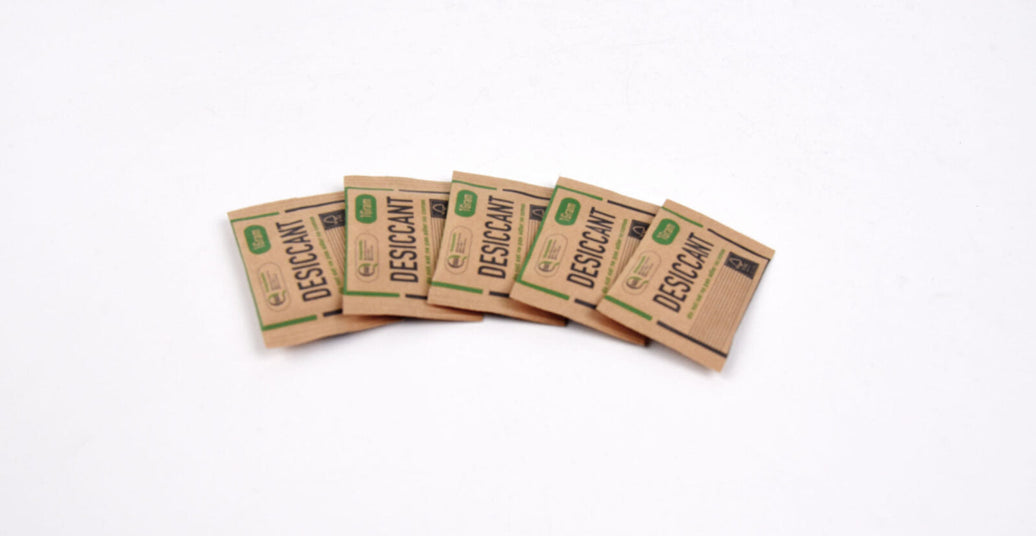
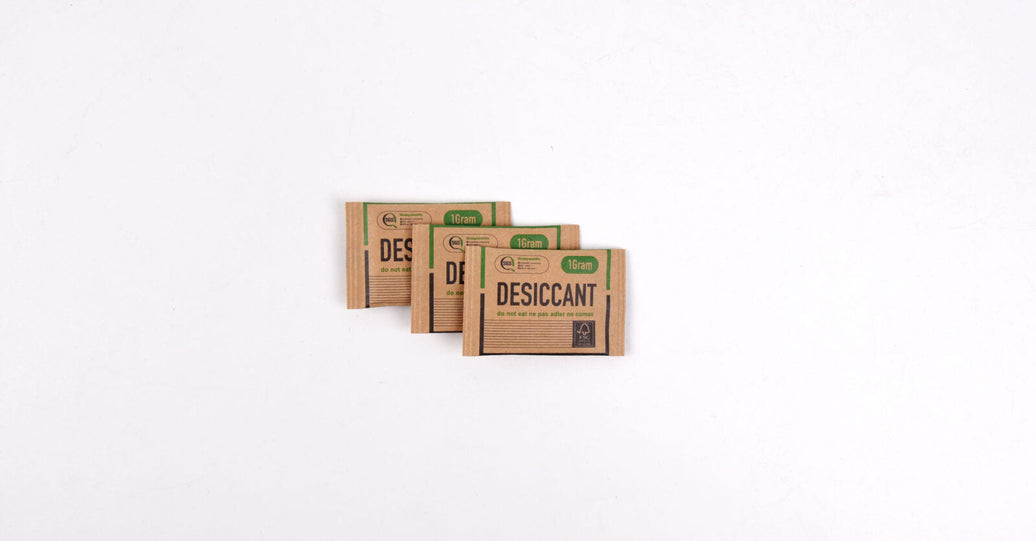
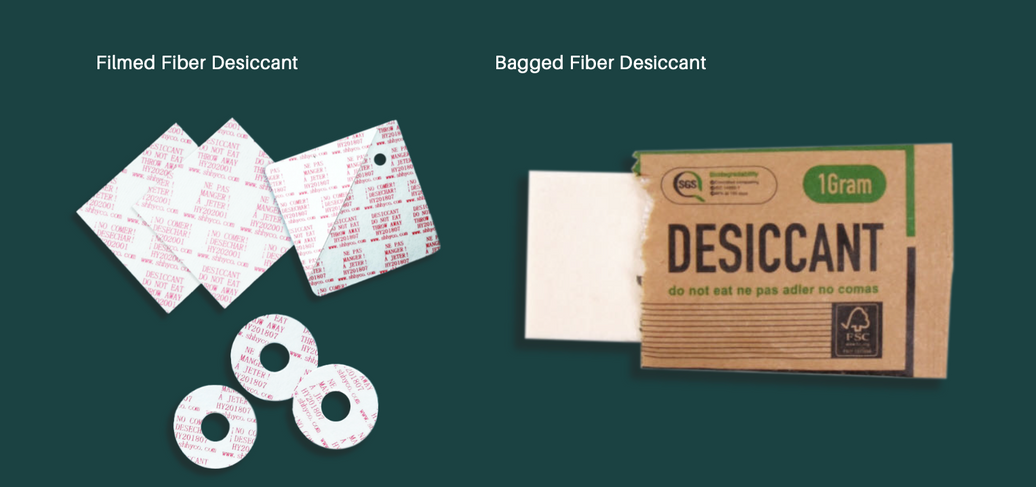
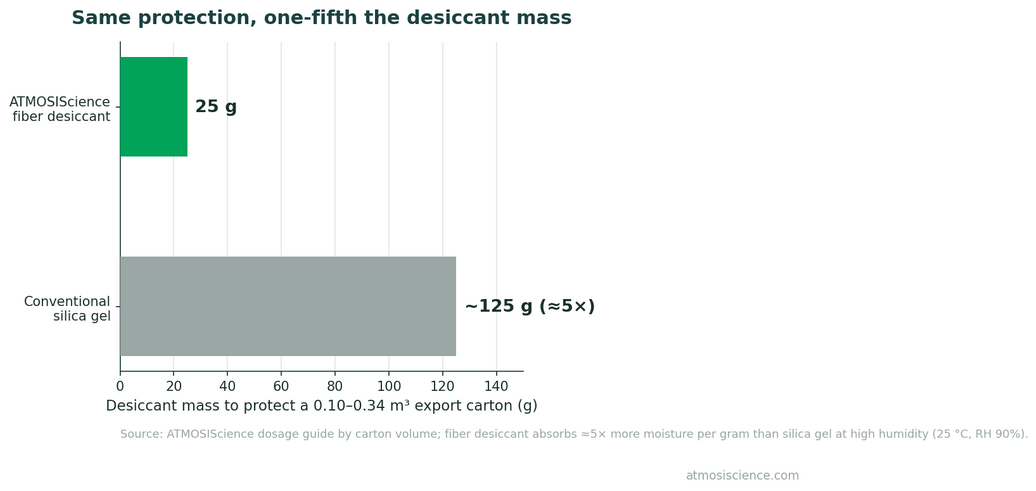
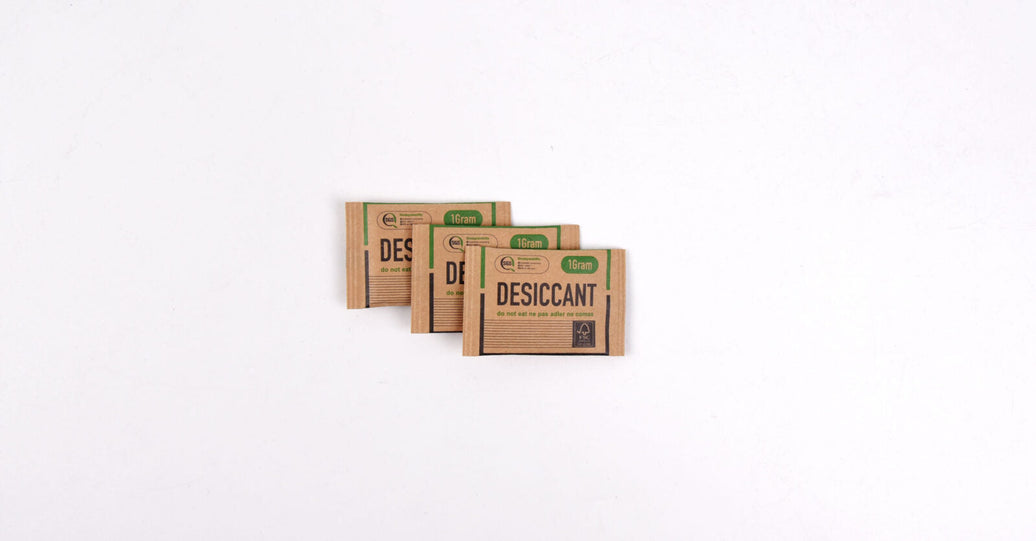
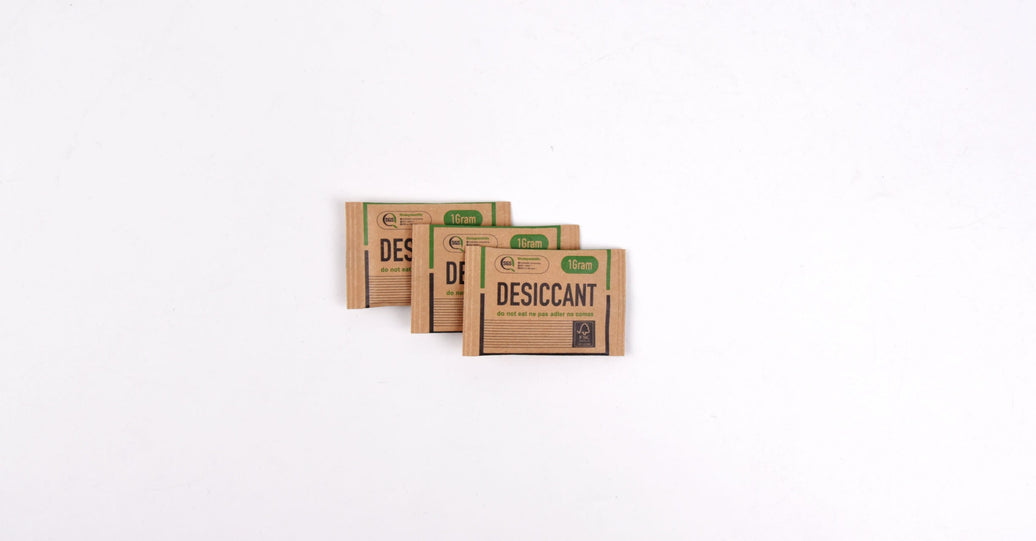
Where it appears in a specification: commonly. ATMOSIScience fiber desiccant is specified at loss on drying below 10%, which is the figure on the certificate of analysis and the one to check on an incoming lot. Reading a desiccant COA line by line shows how that value sits alongside the adsorption results.
Always record the conditions
An LOD result is a measurement plus a method. “LOD 4.2%” means nothing on its own; “LOD 4.2% at 105°C to constant weight” is a result. When comparing a supplier figure with your own, confirm the conditions match before concluding there is a discrepancy.
2. Karl Fischer titration
A chemical titration that reacts specifically with water. Available in volumetric form for higher moisture levels and coulometric form for trace levels.
What it measures: water, and only water. Volatiles that would inflate an LOD result do not register.
Strengths: specific, accurate, sensitive down to trace levels, and the reference method for pharmaceutical and many ingredient applications.
Weaknesses: slower, requires reagents and trained operators, and is sensitive to sample handling. Some sample matrices need an oven accessory to liberate bound water.
When to use it: where the specification is tight, where the product contains significant non-water volatiles, where a dispute needs resolving, and where a regulatory submission requires a water-specific method.

3. Water activity
A sample equilibrates in a sealed chamber and the headspace relative humidity is measured. Water activity is reported on a 0 to 1 scale, where 0.50 corresponds to 50% equilibrium relative humidity.
What it measures: the availability of water, not the amount. Water bound into a crystal lattice or chemically held is present in the moisture content but unavailable, so it does not raise water activity.
Why it is the number that predicts behaviour: caking, microbial growth, enzymatic activity and chemical degradation are all driven by available water. Two powders at 5% moisture content can sit at very different water activities and therefore behave very differently on the shelf.
Weaknesses: temperature-sensitive, so the measurement temperature must be recorded. Requires equilibration time. Does not give a moisture content figure, so it does not replace LOD or Karl Fischer for mass-balance work.
Water activity versus moisture content covers the two numbers QA teams most often confuse, and water activity versus relative humidity covers the shelf-life link.
Choosing between them
| Question | Method |
|---|---|
| Does this lot meet its release limit? | Loss on drying |
| Exactly how much water is present? | Karl Fischer |
| Will this cake or grow microbes? | Water activity |
| What humidity must the pack hold? | Water activity plus a sorption isotherm |
| Why do our result and the supplier’s differ? | Compare methods and conditions first |
Most powder QA programmes end up running LOD routinely, water activity at development and stability points, and Karl Fischer for arbitration and tight specifications.
Sampling errors that invalidate the result
The method is usually not the weak link. Sampling is.
- Exposure during sampling. A hygroscopic powder gains measurable moisture in the seconds it sits open on a bench. Sample into a sealed container and analyse promptly.
- Sampling location. Moisture is not uniform in a bulk container. The top surface and the wall next to a cold warehouse partition read differently from the core.
- Sample size. Too small and a single agglomerate skews the result; too large and equilibration is incomplete.
- Temperature at measurement. Water activity moves with temperature. Record it.
- Time since packing. A pack sampled at fill and the same pack sampled two weeks later are different measurements, and the second is the one that reflects shelf-life risk.
That last point is the one that matters for packaging decisions. A powder can be perfectly in specification at fill and still cake at week six, because the moisture that caused the problem entered through the pack rather than arriving with the ingredient.

From measurement to a packaging specification
Numbers only earn their cost when they change a decision. The sequence:
- Measure water activity on good product to establish the baseline.
- Build a sorption isotherm to find the humidity at which uptake accelerates — the caking threshold. See reading a moisture sorption isotherm.
- Set the in-pack humidity target below that threshold, with margin.
- Calculate the moisture load from sealed-in air, permeation and opening cycles.
- Size the desiccant against that load over the claimed shelf life — the service-life calculation.
- Verify in real distribution, measuring in-pack humidity and product water activity at the end, not only at the start.
If a moisture problem is already occurring, the ten-question powder moisture risk audit is the faster route to the cause.
Frequently asked questions
Is loss on drying the same as moisture content?
No. LOD captures all volatiles lost under the stated conditions. On a product with essential oils or residual solvent, LOD reads higher than the true water content. Karl Fischer separates the two.
Which method should go in a supplier specification?
State the method and its conditions, not just a limit. “Moisture ≤5%” is unenforceable; “LOD ≤5% at 105°C to constant weight” or “water ≤5% by Karl Fischer” is.
Can water activity be converted to moisture content?
Only through a sorption isotherm for that specific material at that specific temperature. There is no universal conversion, and treating one as a proxy for the other is a common error.
What water activity is safe for a powder?
It is material-specific. Microbial growth is broadly suppressed at low water activity, but caking thresholds vary widely between a whey protein, a spice blend and a deliquescent electrolyte salt. Determine it for your own formulation.
How often should moisture be measured?
Every incoming lot for release, plus stability pulls across the claimed shelf life. Measuring only at goods-in tells you what the ingredient arrived at, not what the pack delivers to the consumer.
Turn your moisture data into a pack specification
Send your water activity or moisture figures with the pack format and shelf-life target. ATMOSIScience will translate them into a desiccant specification sized to the real load.
Prefer email? info@atmosiscience.com