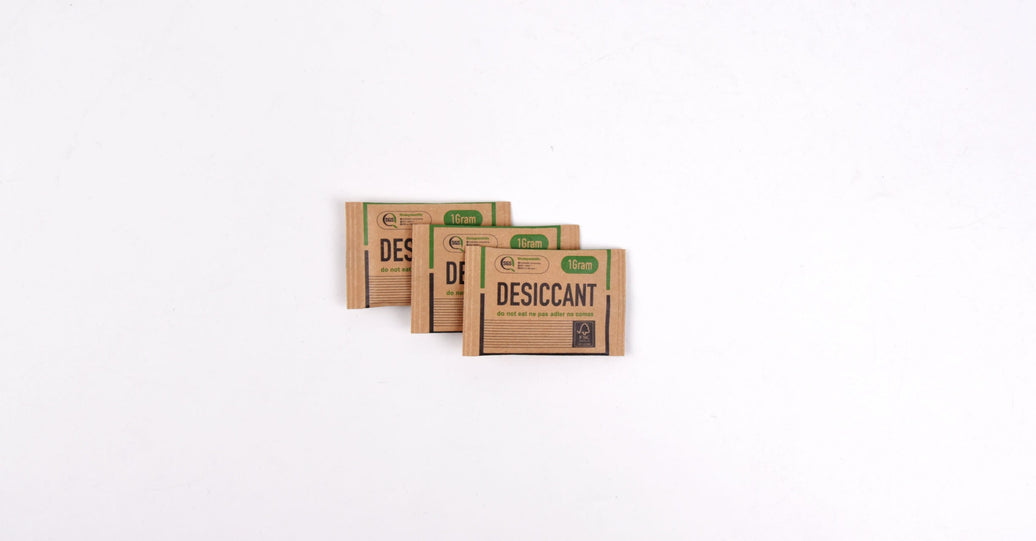
Quick answer: A paper packaging recyclability score is built from four laboratory parameters — coarse reject, flake content, macrostickies area and optical homogeneity — each contributing a maximum of 35, 15, 40 and 10 points. A total of 71 to 100 is graded “good recyclability”. In SGS report CQMR260700043401 (17 July 2026), a bare plant-fibre desiccant sheet scored the maximum on all four parameters for a total of 100. The report itself states the result no longer applies once the sample’s structure is changed or assembled with other components — which is the single most important sentence in the document.
“Recyclable” is the most abused word in packaging. It appears on brand decks and supplier one-pagers with no method, no threshold and no scope. A recyclability score is different: it is a number produced by a defined laboratory procedure, and it can be checked.
This article explains what the four parameters measure, what a perfect score means, and — more usefully — what it does not.
The method
The assessment used here follows the Central Europe protocol published under Grant No. 4CE555P3. The sample is repulped in a hydrapulper, screened, formed into standard sheets, and analysed. The output is four scored parameters and a reference table mapping the total onto a verdict:
- 71 to 100 points — good recyclability
- 1 to 70 points — fair recyclability
- Coarse reject in the warning range — tolerable, but needs design improvements or process adaptations
- Macrostickies in the warning range — tolerable, but needs improved adhesive applications
- Coarse reject or flake content above threshold — not suitable for standard recycling processes
- Macrostickies above threshold — not suitable for any recycling process as an individual product
Notice how much of that table is about adhesives and coatings, not about the fibre. That is the whole point of the test.

Parameter one: coarse reject (35 points)
Coarse reject is the fraction that will not disperse in the pulper — the lumps a mill has to screen out and send to landfill or energy recovery. High coarse reject means a mill loses yield and gains a disposal cost, which is why it carries the second-highest weighting.
In the tested sample, coarse reject came back at 0 with a yield of 100%. Nothing was screened out.
Parameter two: macrostickies area (40 points)
Macrostickies are tacky contaminants — adhesive residues, hot-melt, certain coatings — that survive pulping and then foul the paper machine, causing web breaks and defects downstream. They carry the highest weighting of all four parameters, and they are the reason so many otherwise paper-looking packs fail.
The tested sample returned 626 mm²/kg, measured with SIMPALAB analysis software, which scored the full 40 points.
If you take one thing from this article: macrostickies is where labels, adhesives and print decide the outcome. A pack can be 100% cellulose and still fail here.
Parameter three: flake content (15 points)
Flake content measures small non-fibrous fragments — typically polymer film — that pass the coarse screen but still contaminate the finished sheet. The tested sample recorded 0.39%.
Parameter four: optical homogeneity (10 points)
The scoring for this one is refreshingly plain: very good scores 10 points, good scores 5, tolerable scores 0. The tested sample was rated very good, with no visible inhomogeneity — the standard handsheet showed no specks, shading or contamination visible to inspection.
The sentence that matters most
Directly beneath the result, the report carries this note:
The result will no longer applicable when the structure design of the sample is changed or assembled with other components into post process products.
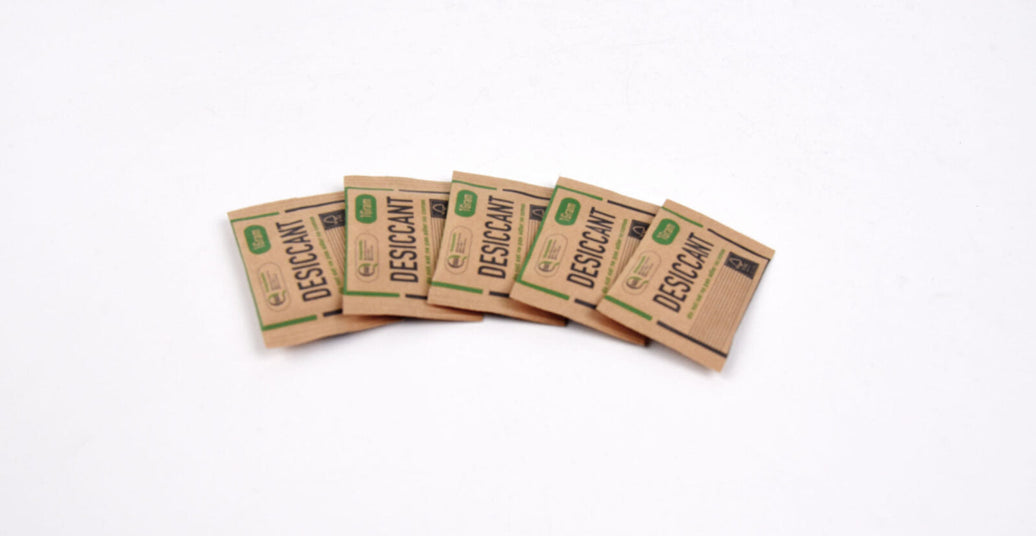
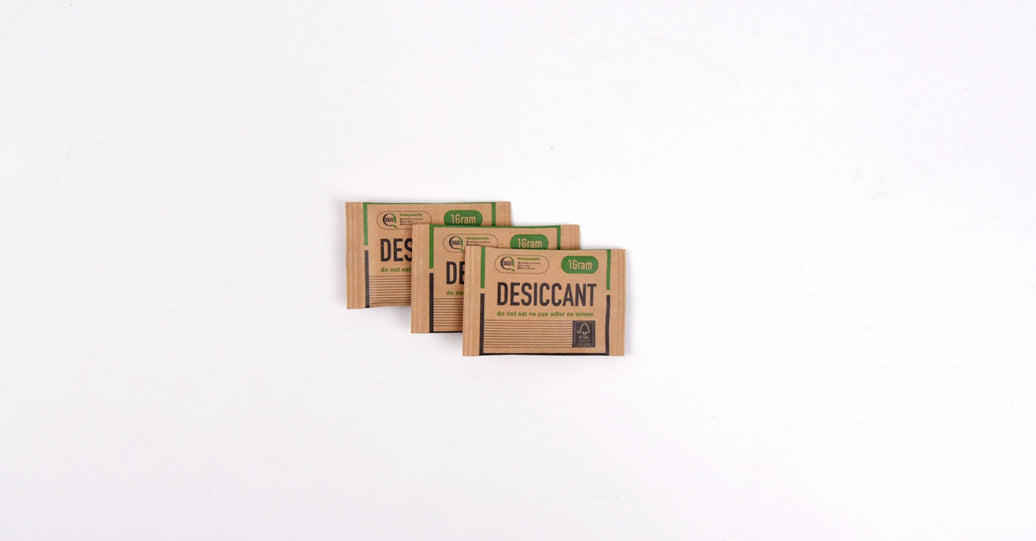
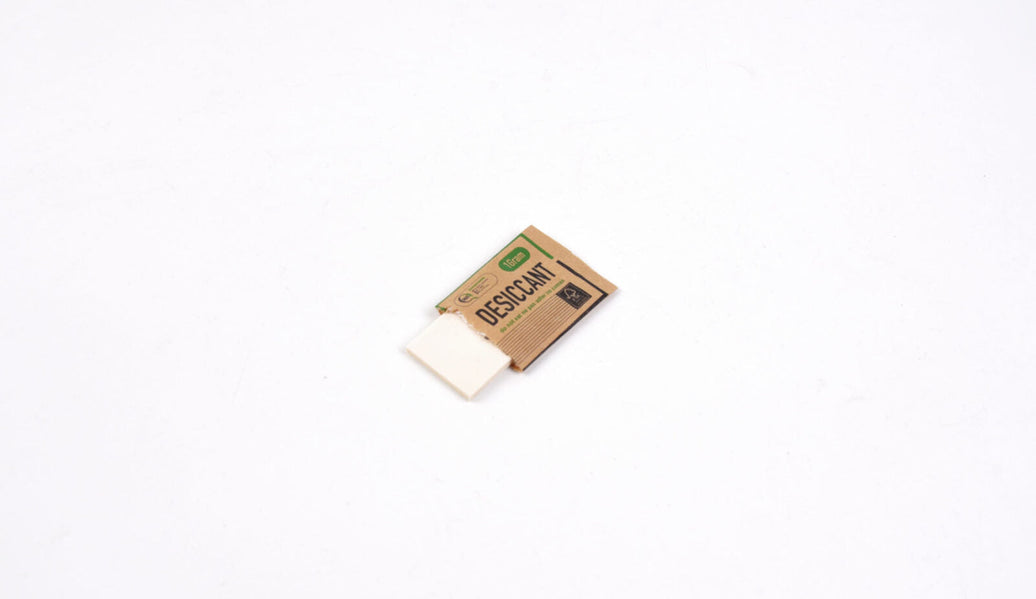
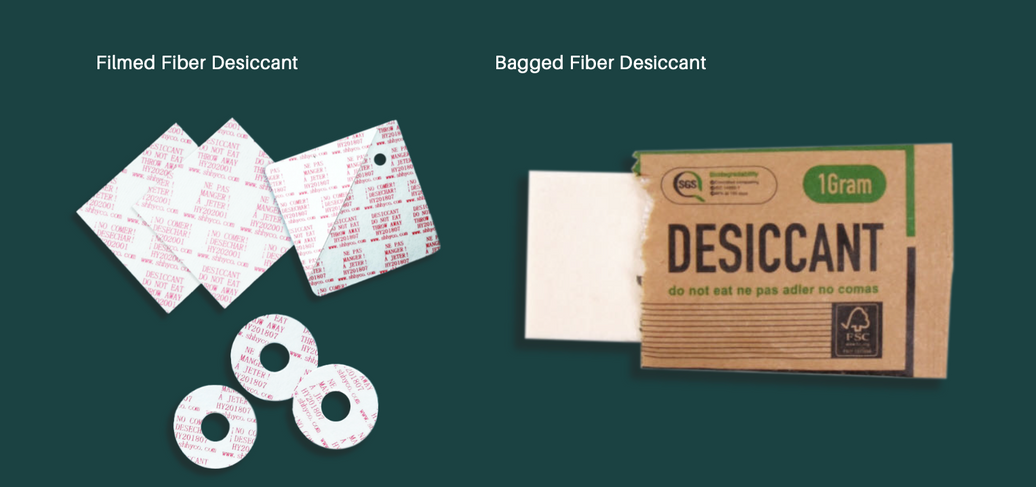
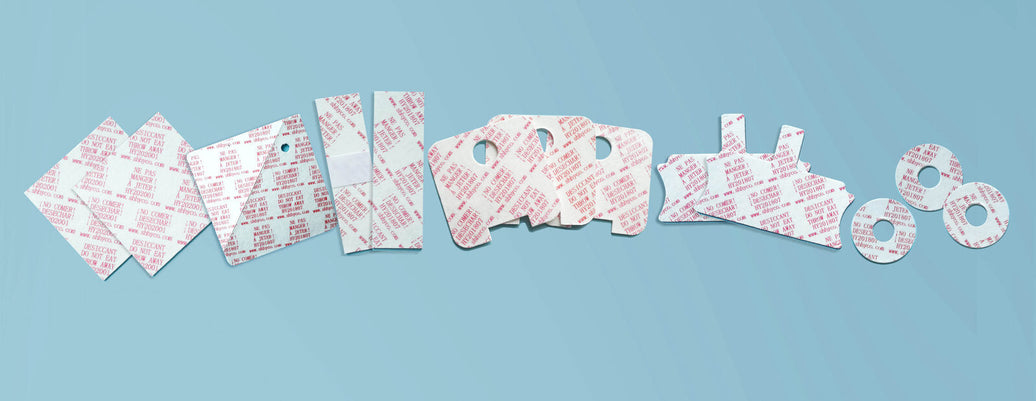
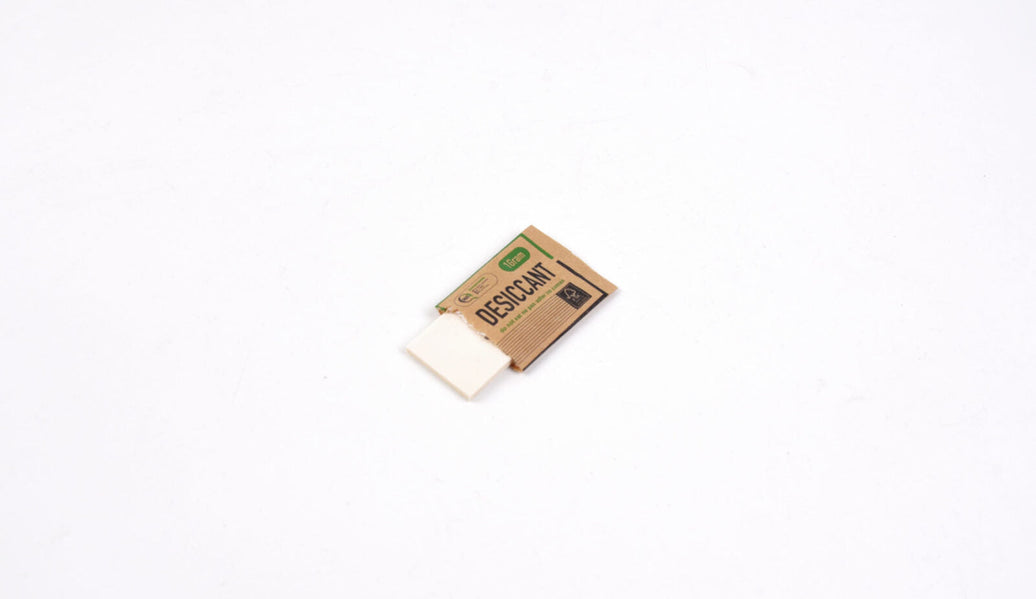
Read that carefully. The tested article was the bare fibre sheet — described in the report as “paper”. A 100/100 on that sheet is a strong statement about the substrate. It is not a recyclability claim for a finished sachet with an overwrap, a printed film card, or any assembled article.
Any supplier — ATMOSIScience included — who quotes a substrate score as though it covered the finished product is overstating the case. If your compliance question is about the assembled article, the assembled article has to be tested. This distinction is doing real regulatory work under European rules; see PPWR recyclability grades and the PPWR compliance hub.
How to use a recyclability score in procurement
- Ask what was tested. Component or assembled article. This question alone separates real evidence from marketing.
- Ask which protocol. Scores from different schemes are not interchangeable.
- Ask for the parameter breakdown, not just the total. A 75 built on a warning-range macrostickies result behaves very differently in a mill than a 75 built on fibre losses.
- Check the date and the report number. Both should be on the face of the document.
- Re-test after any design change. New adhesive, new ink, new film — new test.
For the wider picture on end-of-life claims, see the sustainable desiccant guide and our note on ash content and fibre yield.
Frequently asked questions
Is a 100/100 score the same as being certified recyclable?
No. It is a laboratory assessment against a defined protocol for a defined sample. Certification schemes and regulatory grading are separate processes with their own scopes.
Why is macrostickies weighted higher than coarse reject?
Because coarse reject costs a mill yield, while macrostickies can shut a paper machine down. The weighting reflects operational consequence.
Does a good score mean the pack will actually be recycled?
Not on its own. Design for recycling is one condition; separate collection and recycling at scale in the destination market is another. Both matter under European rules.
Can a plastic-containing pack score well?
It can pass some parameters, but polymer film tends to show up in flake content and coatings in macrostickies. This is the structural reason mono-material designs test better.
How often should a recyclability test be repeated?
Whenever the article changes materially, and on whatever interval your customer or regulator specifies. The note on the report makes clear the result is tied to the tested structure.
Ask for the recyclability test report
Tell us which format you are evaluating and which market it ships into, and the ATMOSIScience team will send the relevant test documentation with its scope stated plainly.
Prefer email? info@atmosiscience.com