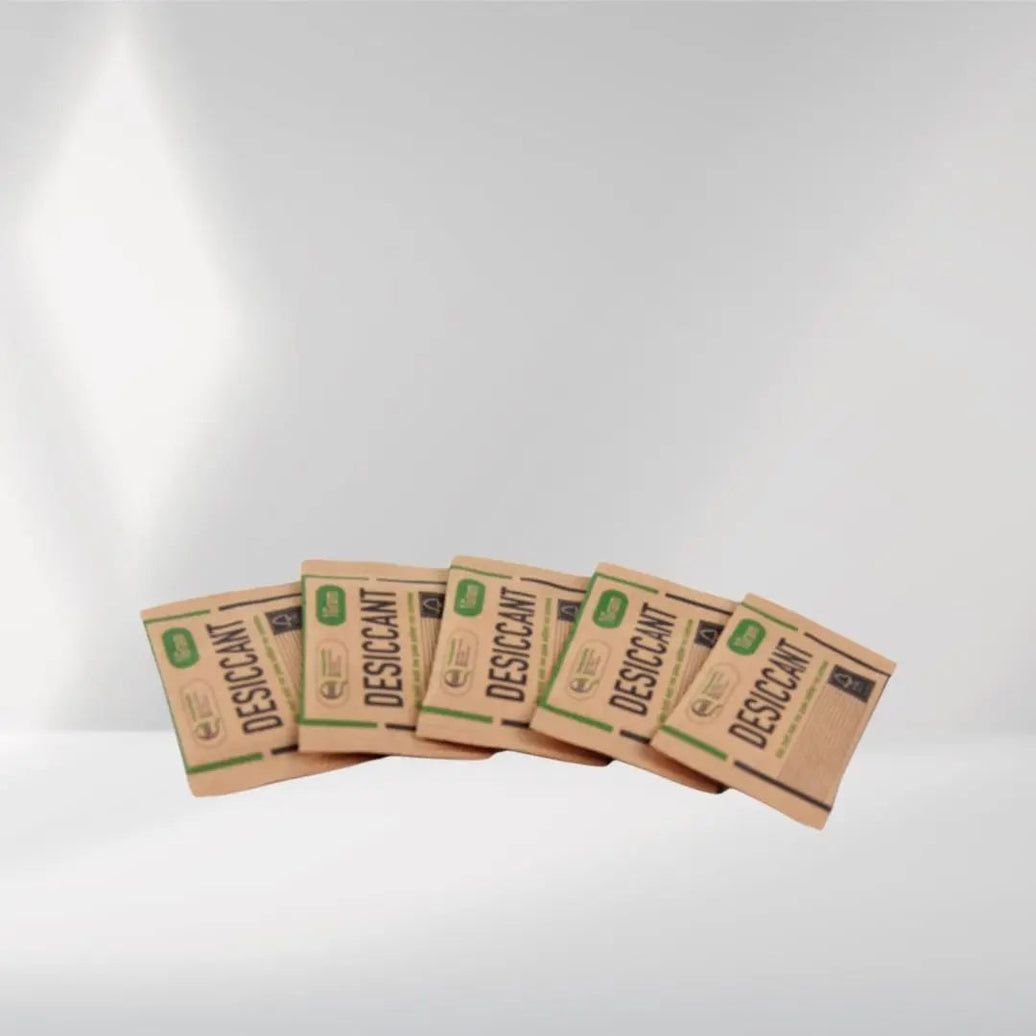
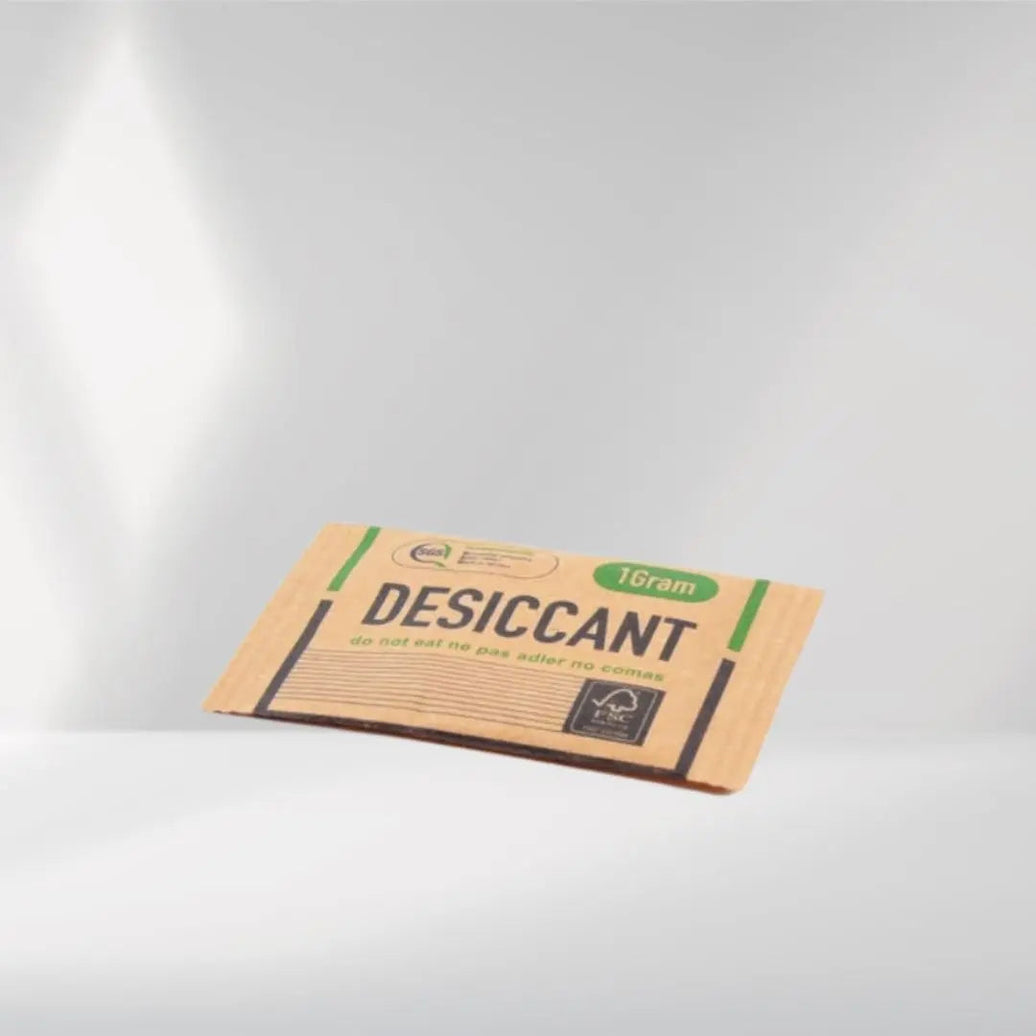
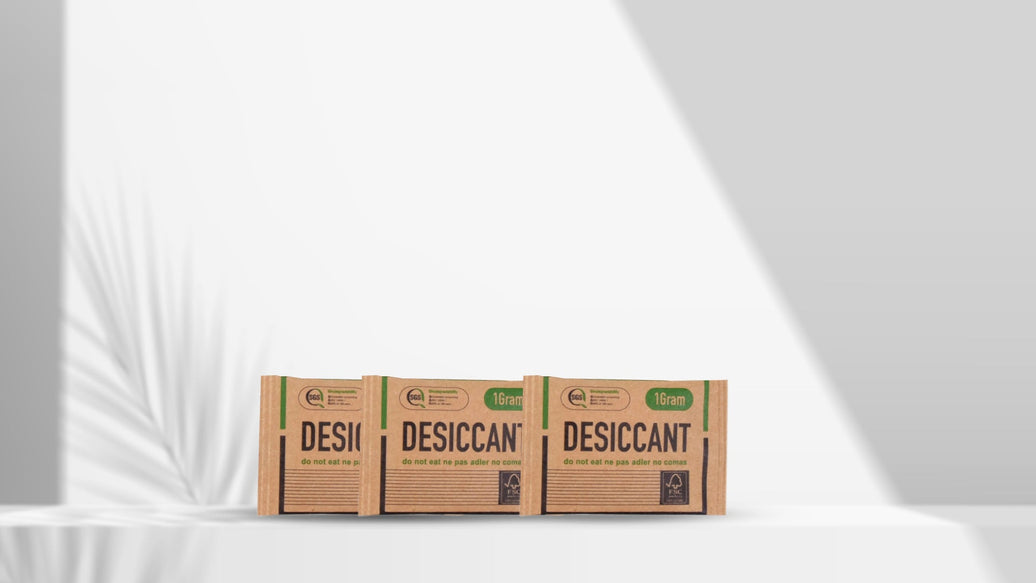
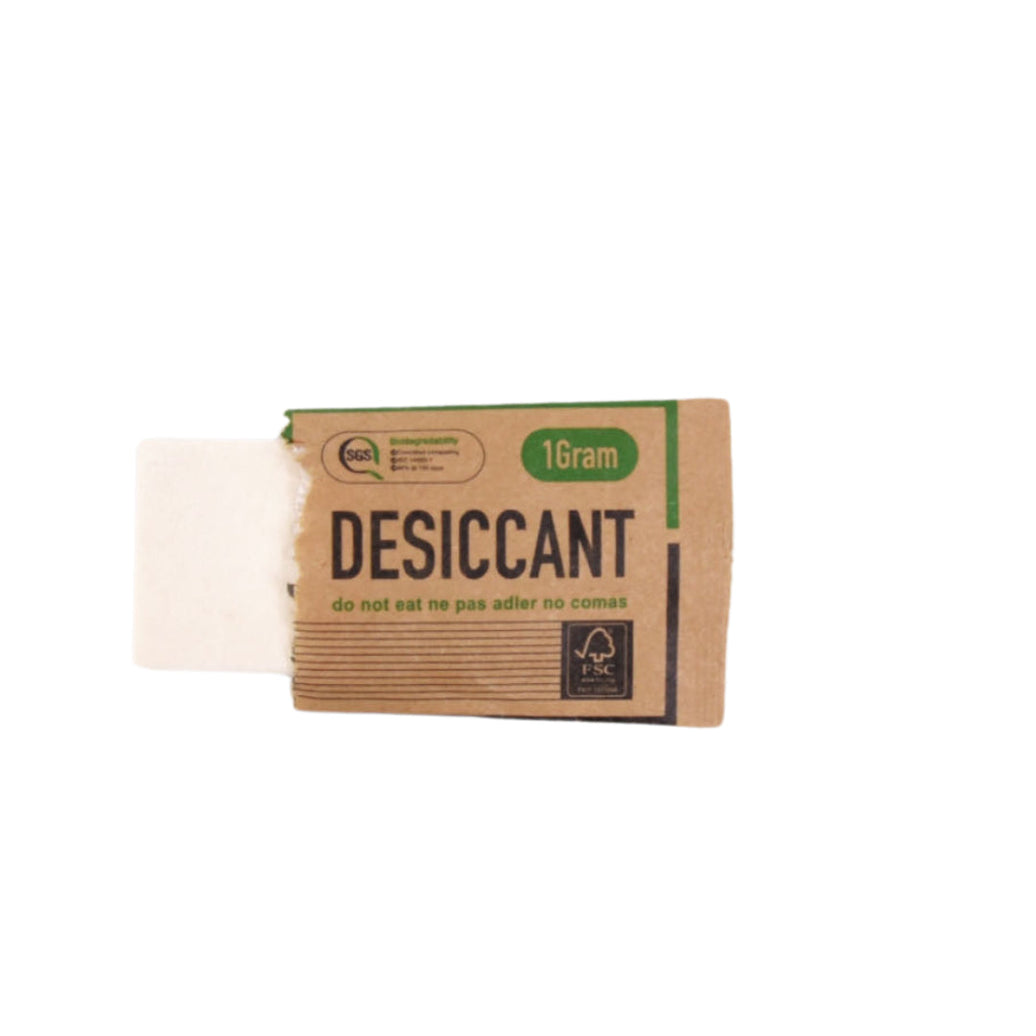
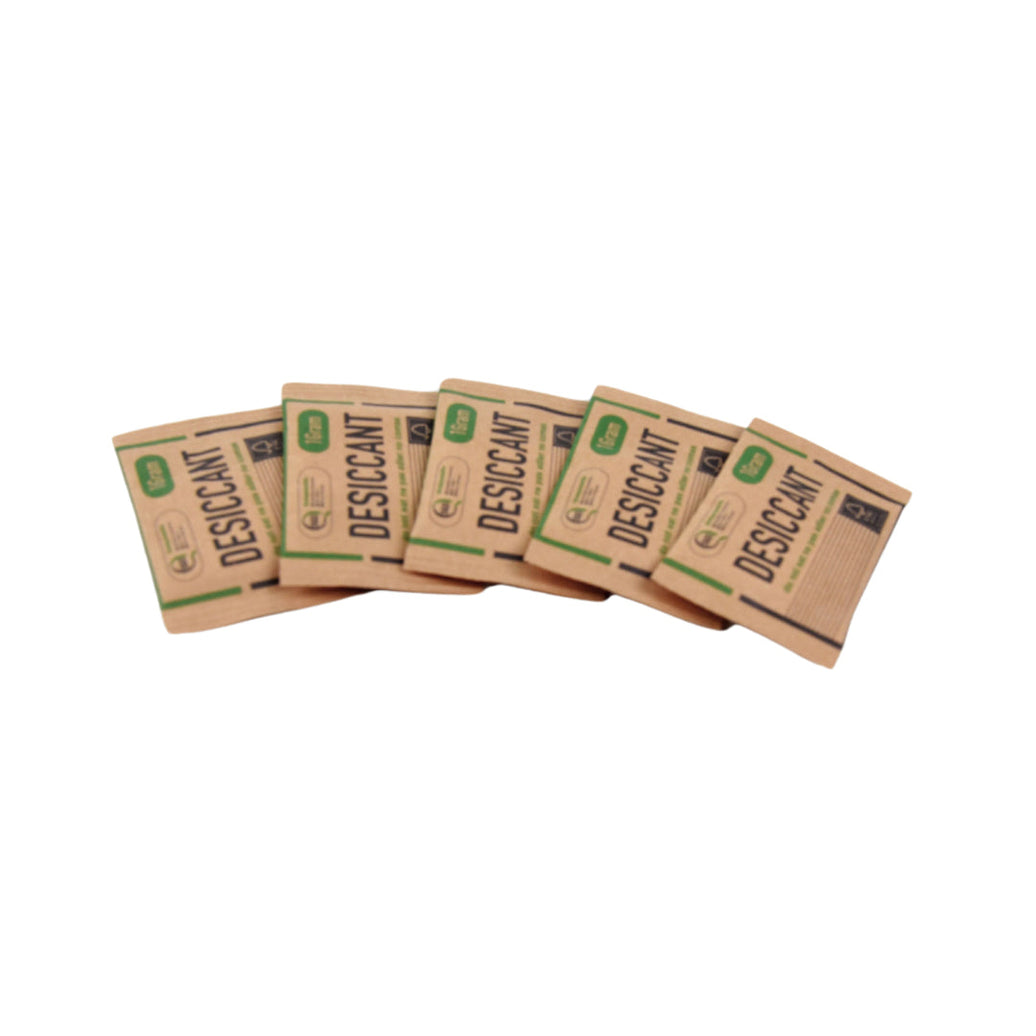
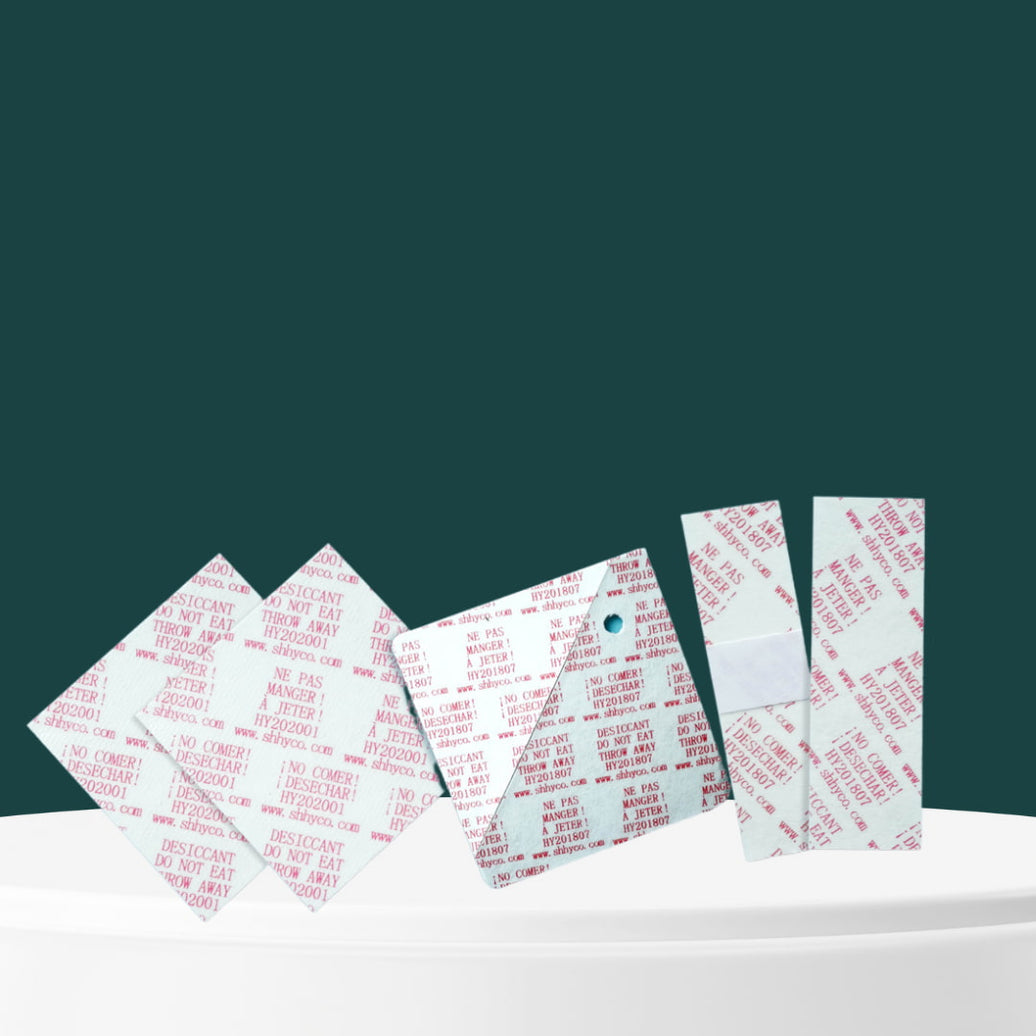
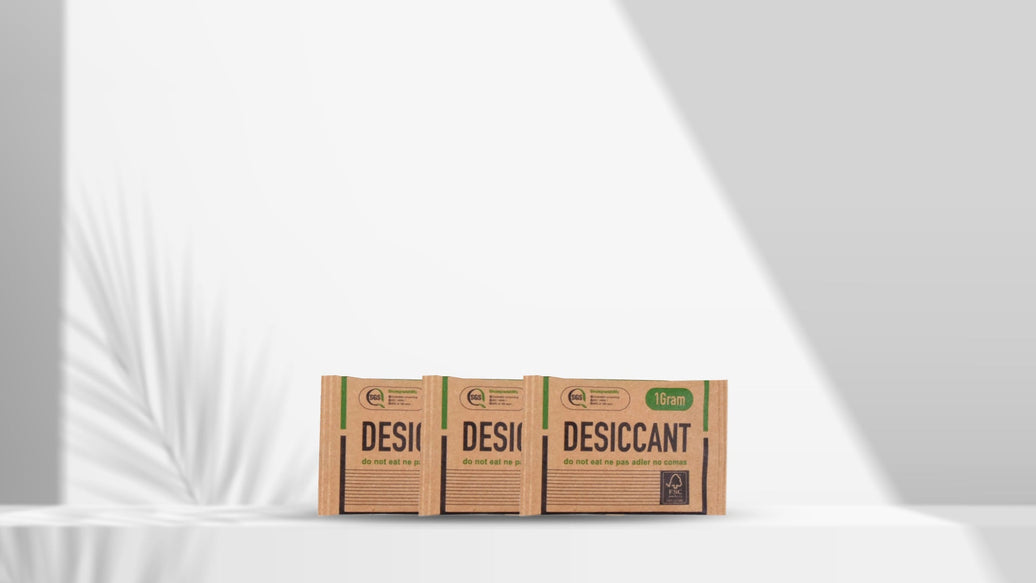
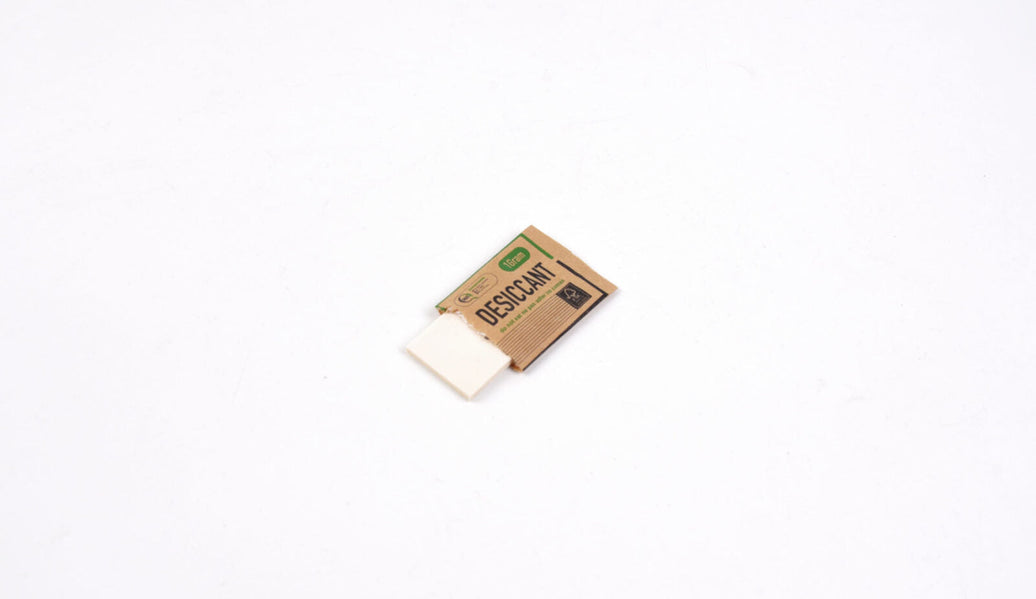
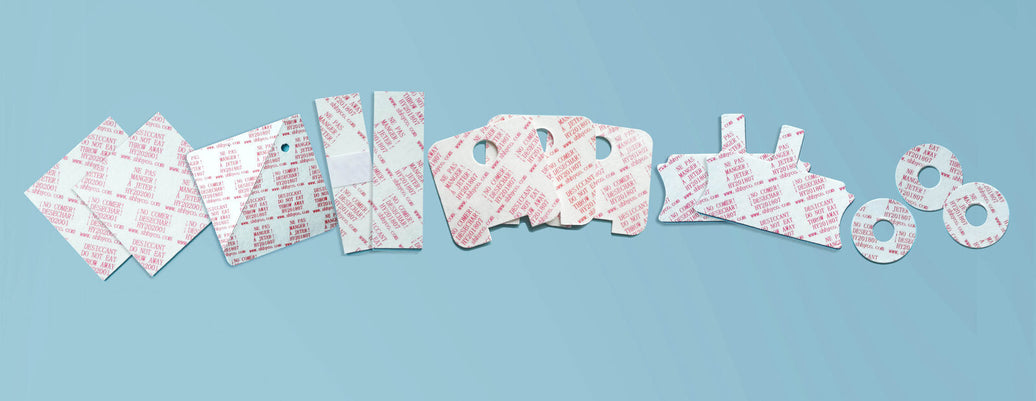
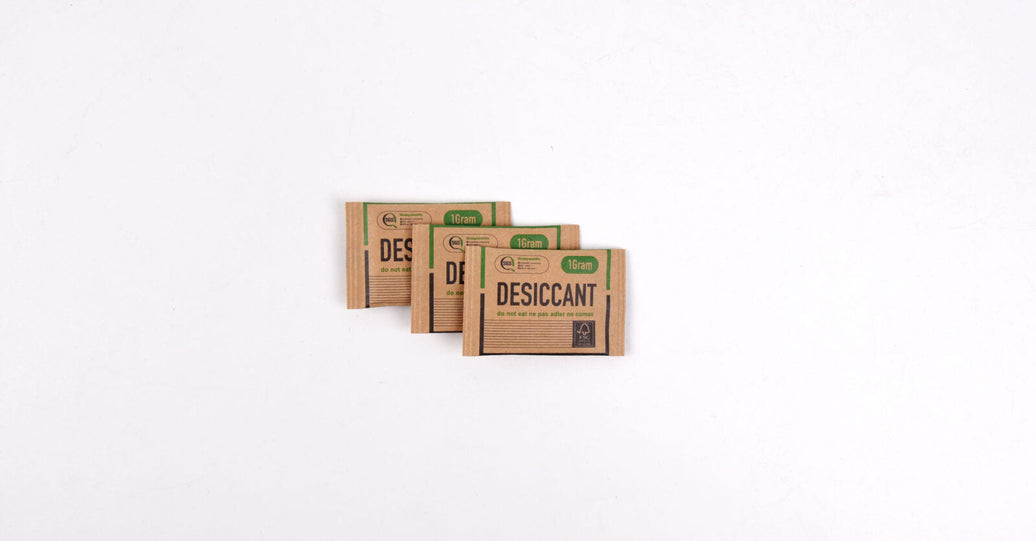
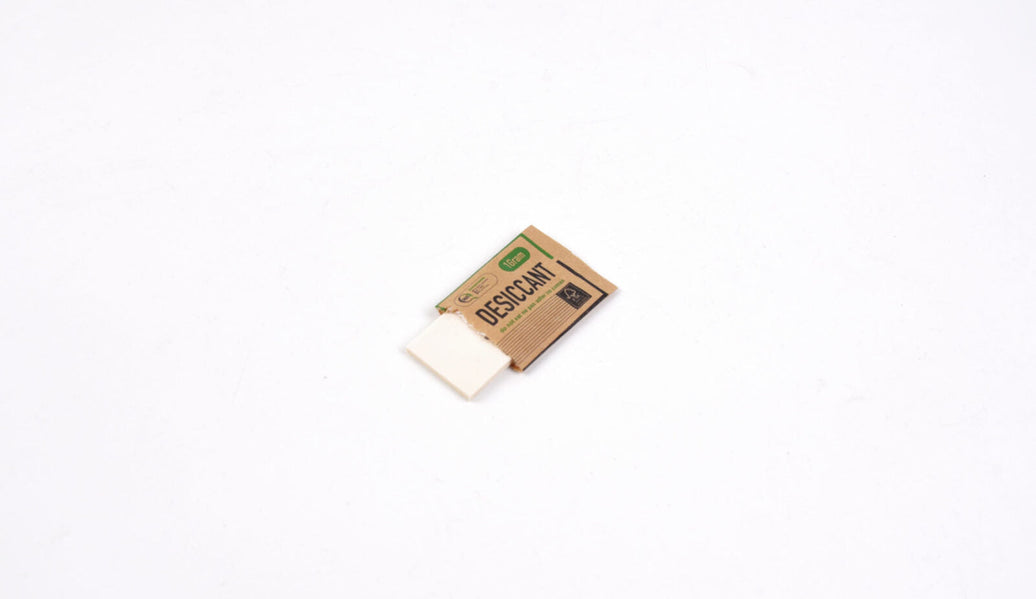
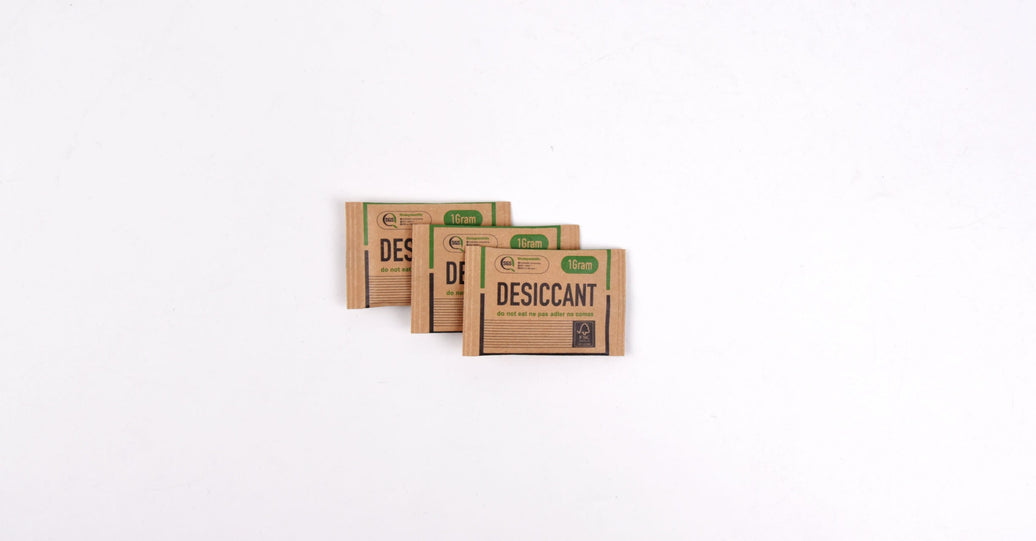
Quick answer: A printed desiccant sachet is a printed food-contact article sitting inside the pack, often touching the product directly. Ink can reach food by three routes: set-off from the printed face onto the reverse when material is reeled, penetration through a porous substrate, and gas-phase transfer of volatile components. There is no EU-wide specific measure for printing inks on food-contact materials, so compliance runs through the framework Regulation 1935/2004, good manufacturing practice under 2023/2006, and industry exclusion-list schemes. The document to request is a printing-ink compliance statement naming the ink system, the exclusion list applied, and any migration testing performed — not a generic food-grade letter.
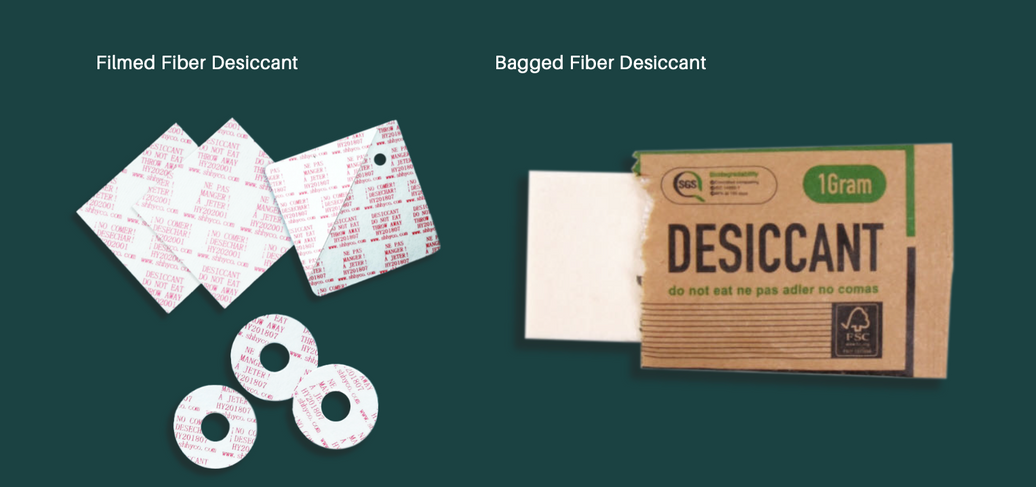
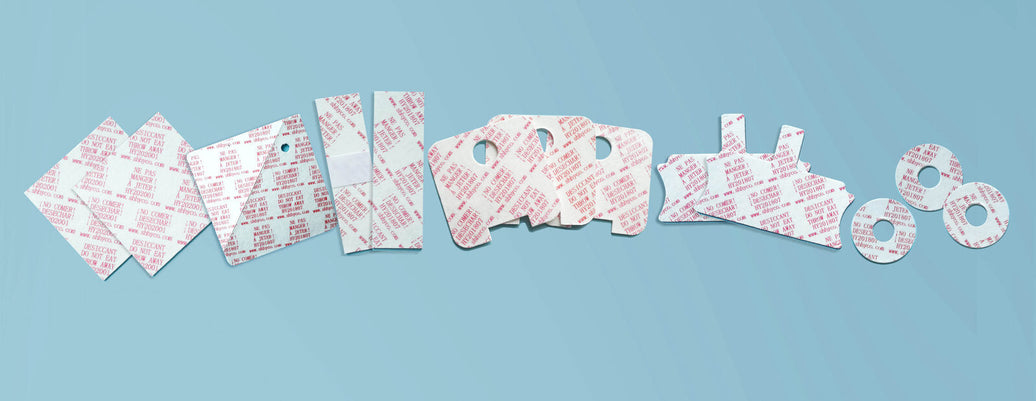
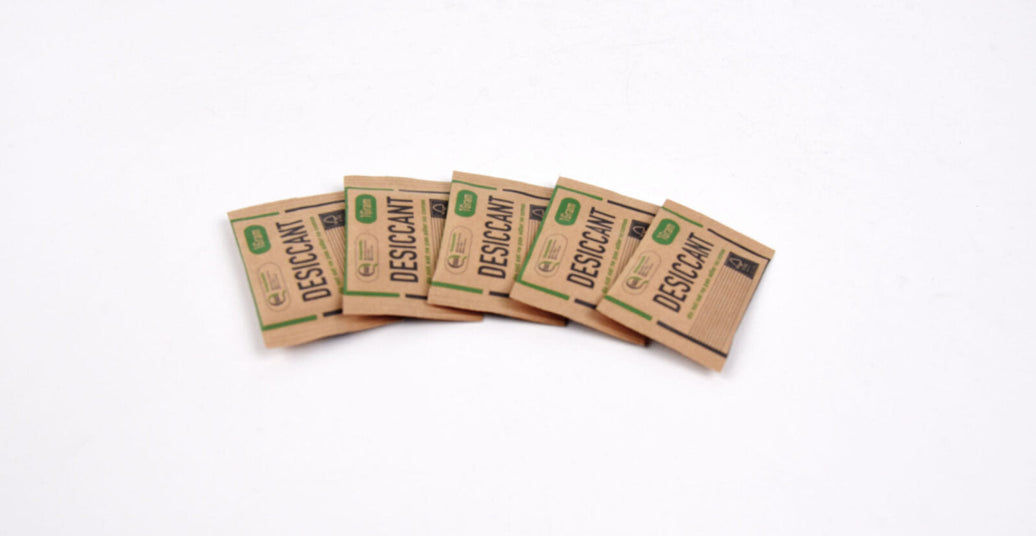
Custom-printed desiccant is a growing request. Brands want the insert to carry a logo, a scan-to-learn-more code, or a reassuring line of copy instead of an anonymous white square. The commercial logic is sound and we have written about it in turning a required insert into brand real estate. The compliance logic is where teams move faster than their documentation.
The reason is structural. A printed carton sits outside a barrier. A printed desiccant sachet sits inside the barrier, frequently buried in the product itself.
The three migration routes
Set-off
Printed web material is wound into reels before conversion. The printed face contacts the unprinted reverse of the layer above it, and ink components can transfer. When that reverse becomes the food-contact face of a sachet, transferred ink is now facing the product. Set-off is the route most often missed, because the finished sachet appears to have ink only on the outside.
Penetration
Paper and non-woven substrates are porous by design — that porosity is what lets moisture reach the adsorbent. The same porosity gives ink components a path through the wrapper. A substrate chosen for high water-vapour transmission is, by construction, not a barrier to small molecules.
Gas-phase transfer
Volatile ink components can move through headspace without any physical contact at all. In a sealed pack this is a closed system with a long contact time — often the full shelf life. Photoinitiators and residual solvents are the classic concerns here, and they are why an ink that is fine on a shipping carton is not automatically fine on an in-pack insert.

The regulatory position, stated plainly
There is no harmonised EU specific measure covering printing inks for food-contact materials in the way Regulation 10/2011 covers plastics. That absence is often misread as "unregulated". The correct reading is that the general obligations apply in full:
- Regulation (EC) 1935/2004 — materials must not transfer constituents to food in quantities that endanger health, change composition unacceptably, or deteriorate taste and odour. Taste and odour is a real failure mode for aroma-sensitive powders such as coffee, cocoa and tea.
- Regulation (EC) 2023/2006 — good manufacturing practice, which for printing explicitly addresses set-off control and requires a quality assurance system.
- National measures — several Member States apply national rules for printed food-contact materials, and Switzerland operates a positive list for printing inks that many suppliers use as the de facto benchmark.
- Industry exclusion lists — ink manufacturer associations maintain exclusion policies that suppliers can declare conformity to.
The broader EU food-contact framework and what to request against it is covered in EU food contact rules for desiccants, and the US position in food-contact desiccants and FDA 21 CFR.
What to request from a supplier
A generic "our sachets are food grade" letter does not address printing. Request these five specifics:
| Document | What it must state |
|---|---|
| Ink system identification | Manufacturer, product code and curing technology — water-based, solvent, UV-cured |
| Compliance statement | Which exclusion list or positive list the ink conforms to, and against which substrate and application |
| Set-off control | The GMP measures applied in reel handling and storage |
| Migration data | Test conditions, simulant, and results — or an explicit statement that testing was not performed and why |
| Sensory testing | For aroma-sensitive products, an odour and taint assessment on the finished sachet |
That last row deserves emphasis. For coffee, tea, cocoa and botanical powders, taint is a far more likely commercial failure than a toxicological one — and it is the one that generates consumer complaints. See desiccant for matcha, loose-leaf tea and whole-bean coffee and instant coffee and creamer powders.
Design choices that lower the risk
Three decisions reduce exposure without giving up branding entirely.
Print less area. A centred logo on an otherwise unprinted face carries a fraction of the ink load of full-coverage printing, and is usually all the brand recognition the insert needs.
Choose the substrate deliberately. A film-laminated card behaves differently from a porous paper wrapper. The trade-offs between wrapper types are set out in Tyvek, non-woven, paper or film.
Consider whether the print needs to be on the sachet at all. Where the desiccant sits inside a secondary carton, printing the carton achieves the same brand outcome with none of the migration exposure.
Frequently asked questions
Is UV-cured ink acceptable on a food-contact desiccant sachet?
It can be, with the right ink chemistry and cure control, but it raises the photoinitiator question and demands stronger evidence. Ask specifically what is used and what testing supports it, rather than accepting the technology as inherently compliant or inherently unsafe.
Does the do-not-eat warning have to be printed in ink?
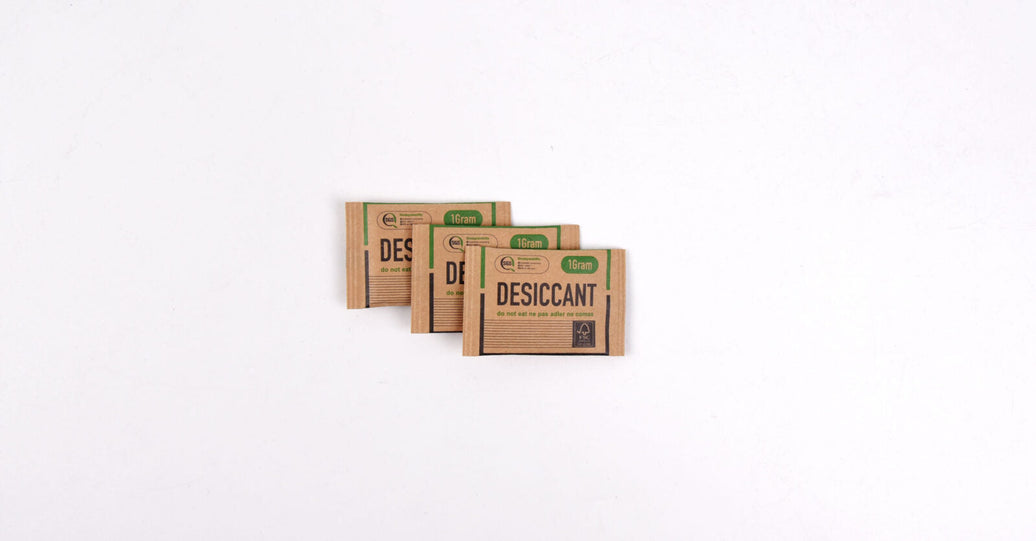
The warning is printed, and it is the reason nearly every sachet carries some ink. That does not change the analysis — it means even an unbranded sachet needs an ink compliance position. Background in the do-not-eat label article.
Will this show up in a BRCGS or SQF audit?
Food-contact compliance of packaging components is a standard audit line, and printed in-pack components attract attention. The questions auditors ask about desiccants are listed in desiccants in a BRCGS or SQF audit.
Does PPWR change any of this?
PPWR addresses substances of concern in packaging, which reaches inks as constituents. It does not replace the food-contact framework. Both apply. See REACH SVHC versus PPWR substances of concern.
What if my supplier cannot produce an ink statement?
Then the supplier is a converter who has not asked their own ink supplier the question. That is fixable, but it tells you something about the depth of their documentation generally — see eight questions that separate a supplier from a reseller.
Ask us for the ink and food-contact statement
Tell us what you want printed and what product it will sit in, and we will send the substrate, ink and food-contact documentation before you commit to artwork.
Prefer email? info@atmosiscience.com