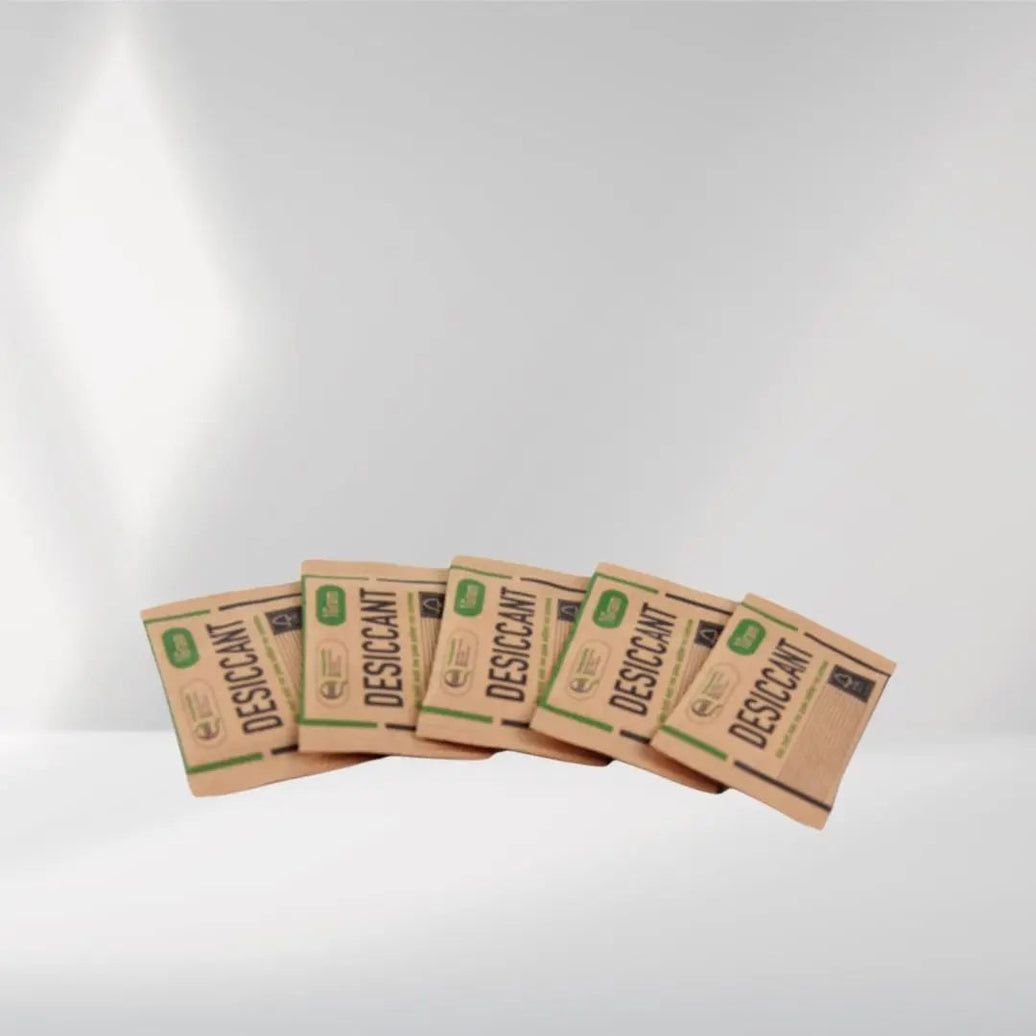
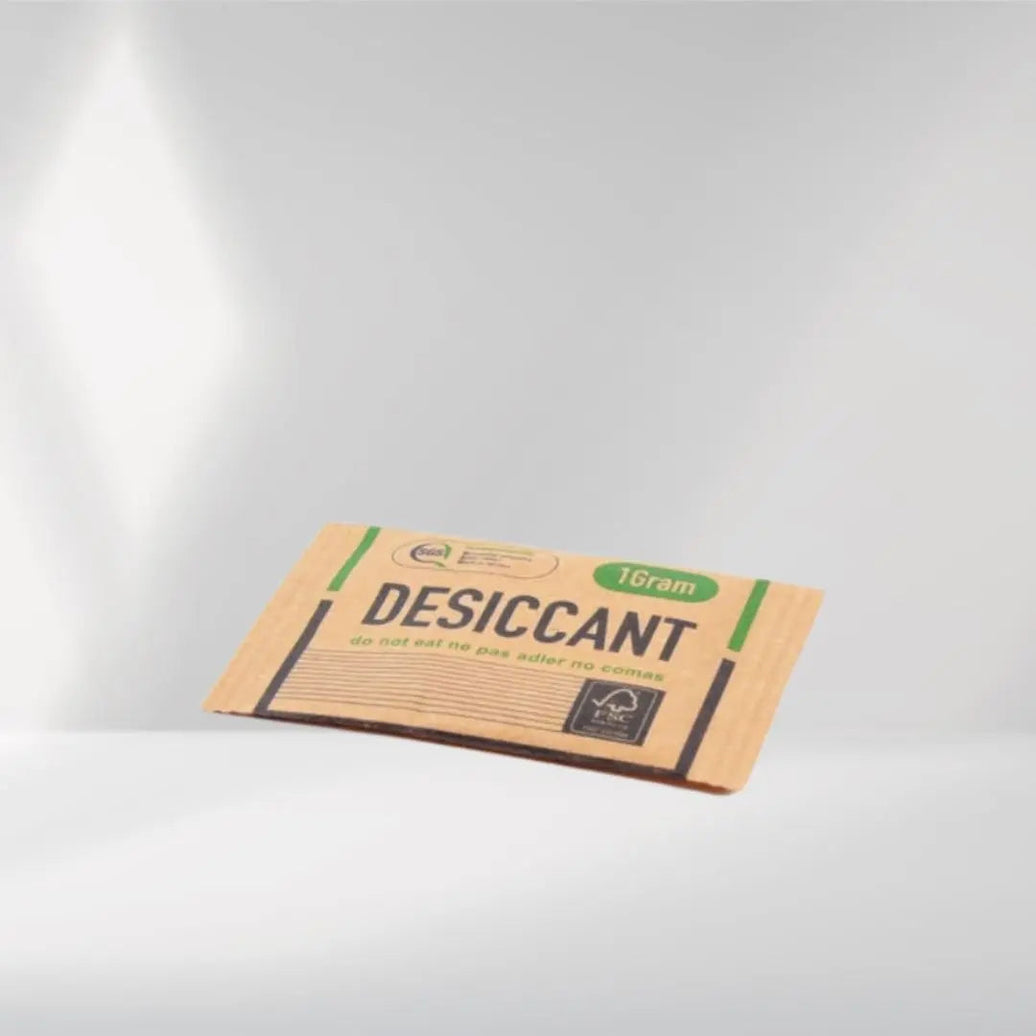
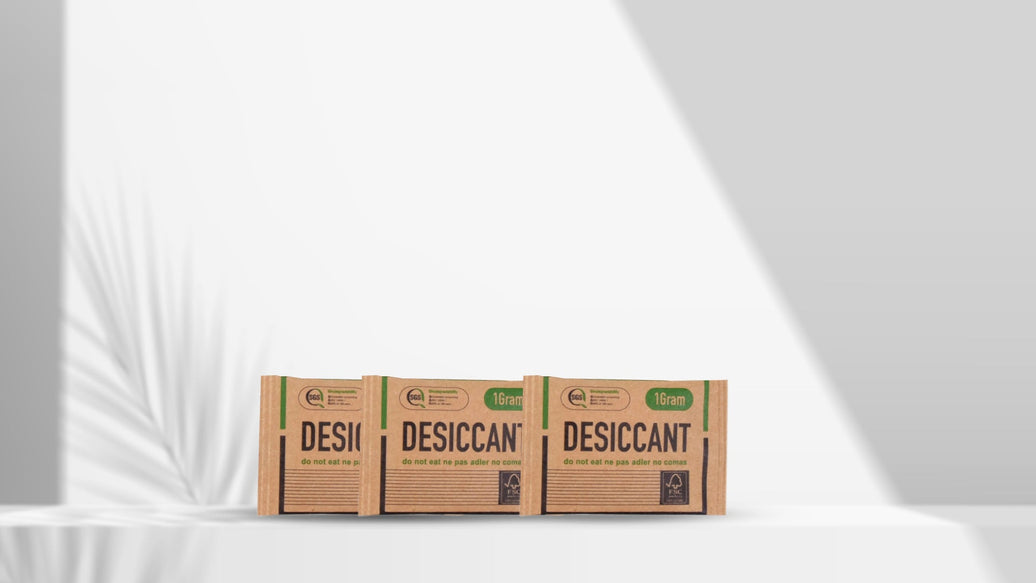
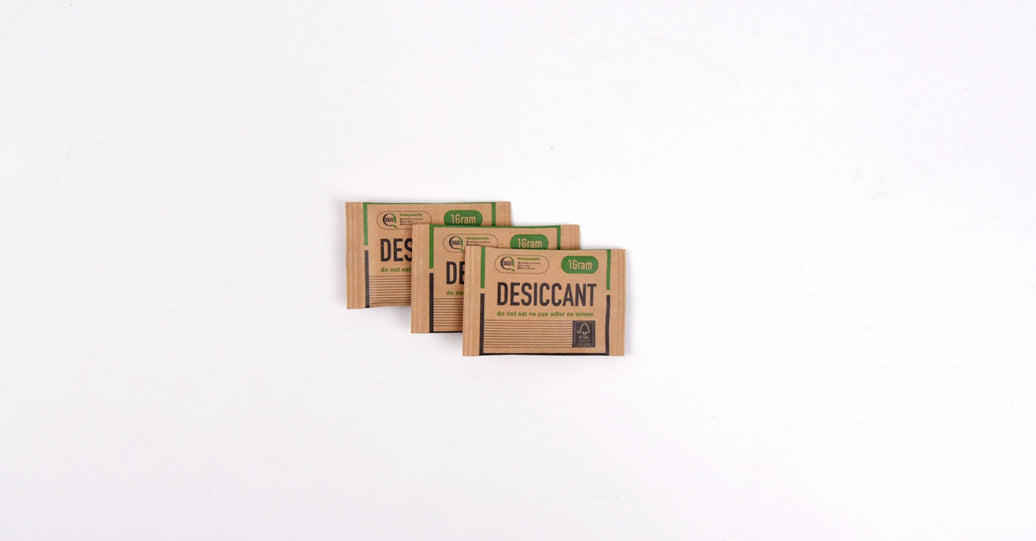
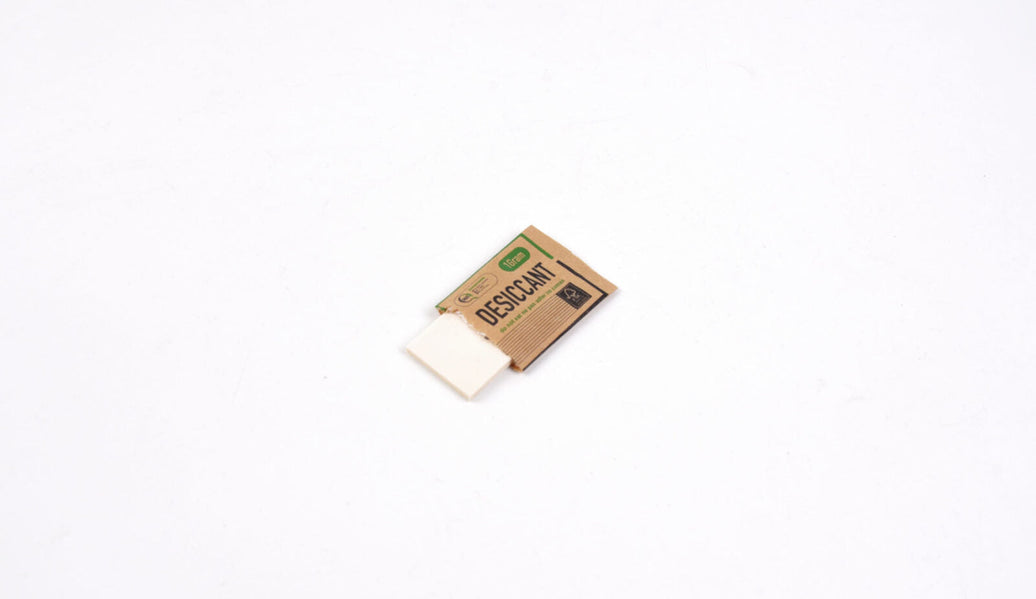
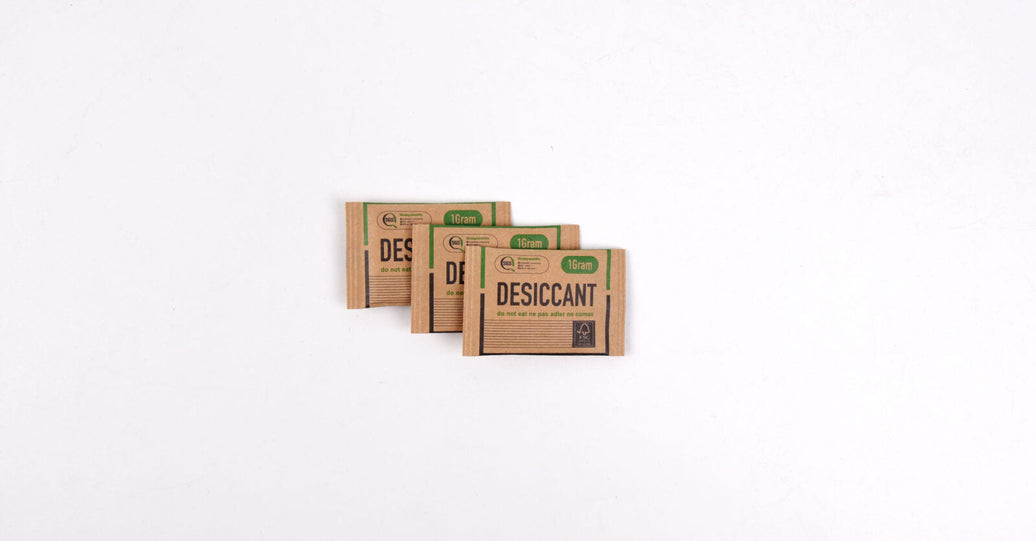
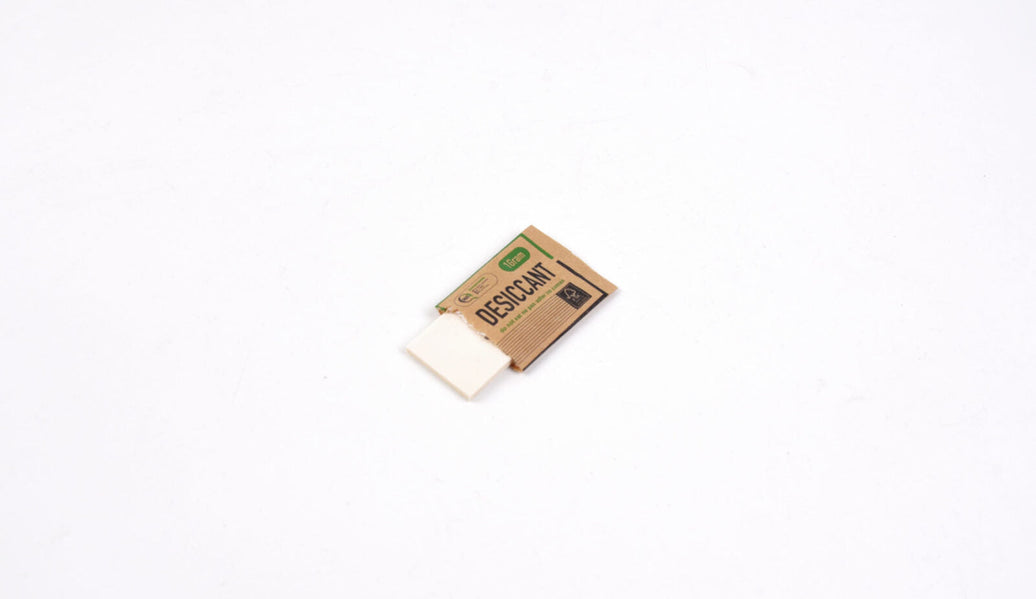
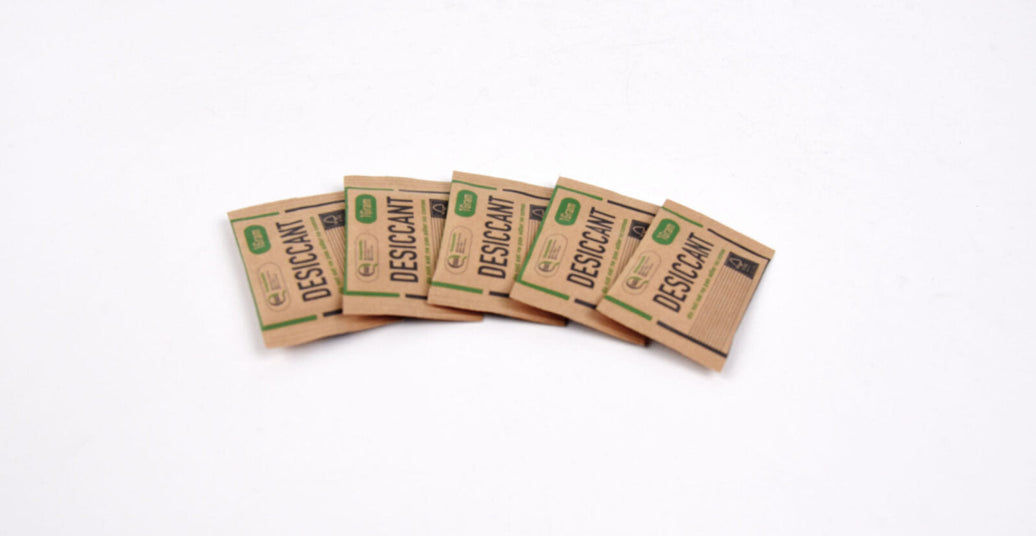
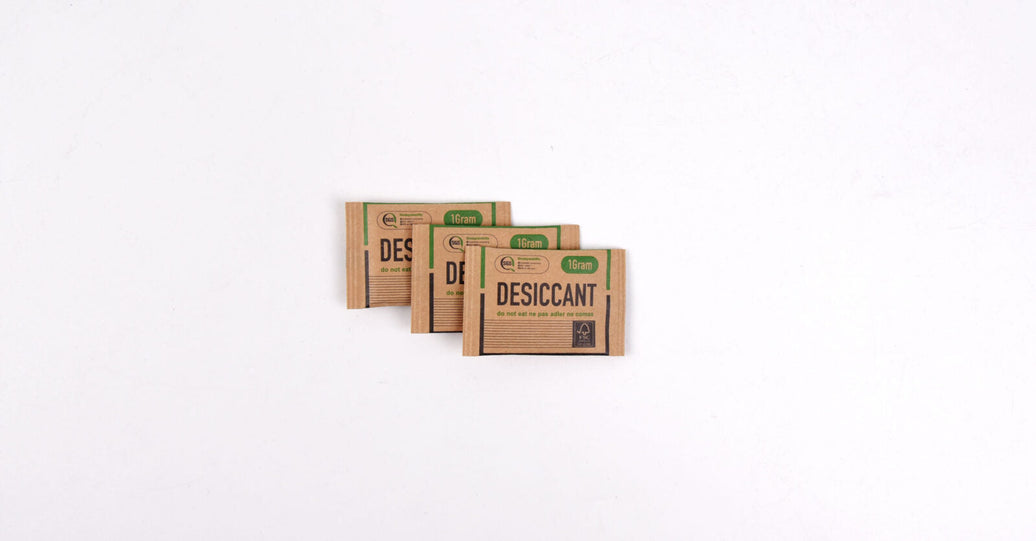
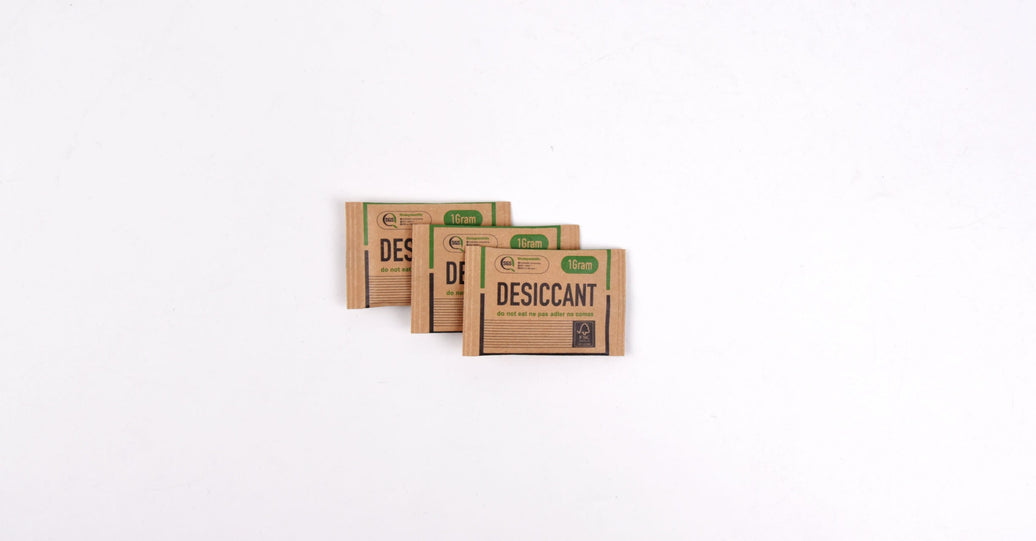
Quick answer: The DO NOT EAT warning exists because desiccant packets ride inside food and consumer packages where a child — or a distracted adult — can mistake them for a condiment or candy sachet. Standard silica gel is chemically inert (the main risks are choking and label confusion), while some other sorbents carry real chemical hazards. The warning, legible print, tear-resistant sachet construction and a format visually distinct from food are the packaging team's responsibility — and buyers should verify all four with their supplier.
Every buyer has seen the packet; fewer have had to answer a customer email that says "my kid bit into the sachet from your protein tub." That email is why this specification deserves ten deliberate minutes.
What the warning is actually protecting against
- Choking and aspiration. A whole packet or loose beads are a physical hazard for small children — the primary reason for the warning regardless of chemistry.
- Chemistry, by sorbent type. Silica gel itself is inert. Other drying agents differ: calcium chloride is corrosive enough in concentration to warrant containment and labeling guidance from regulators, and calcium oxide (quicklime) is caustic. The sorbent choice changes the real hazard behind the label.
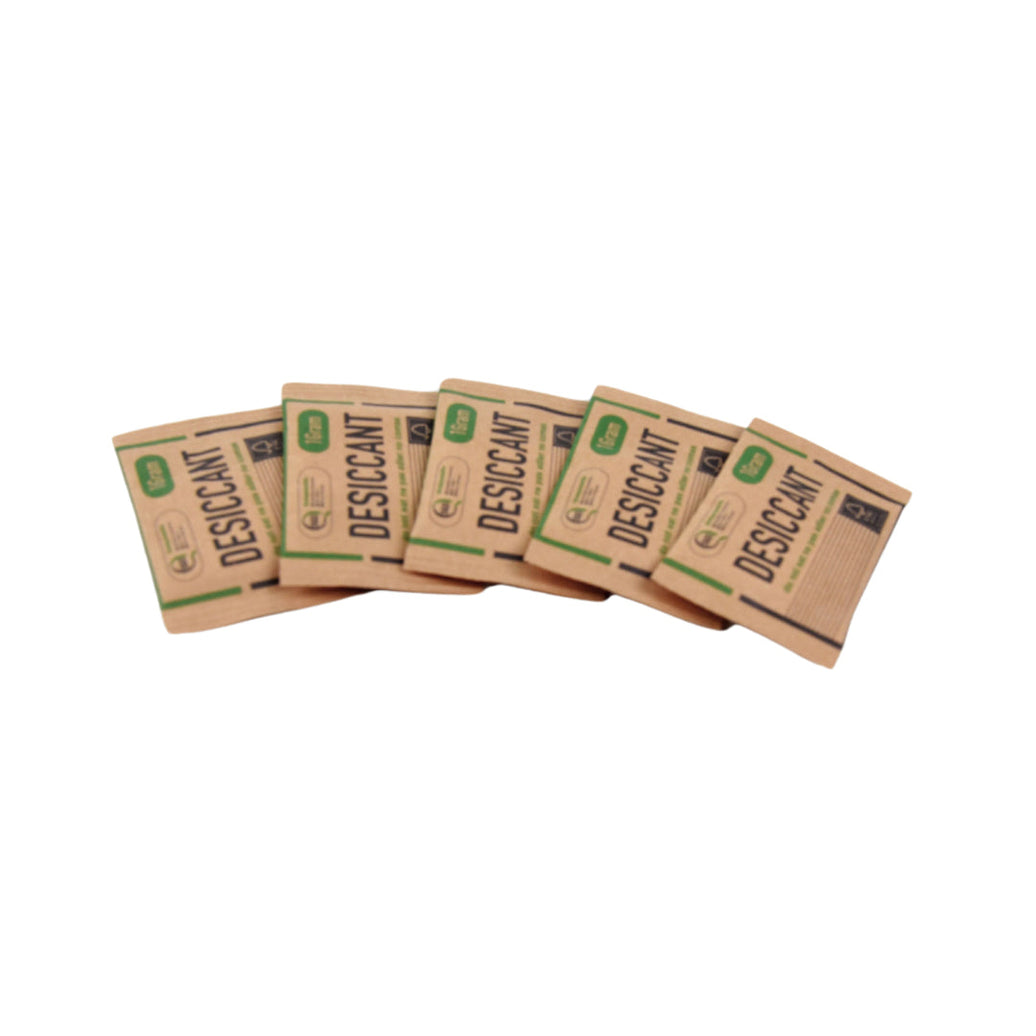
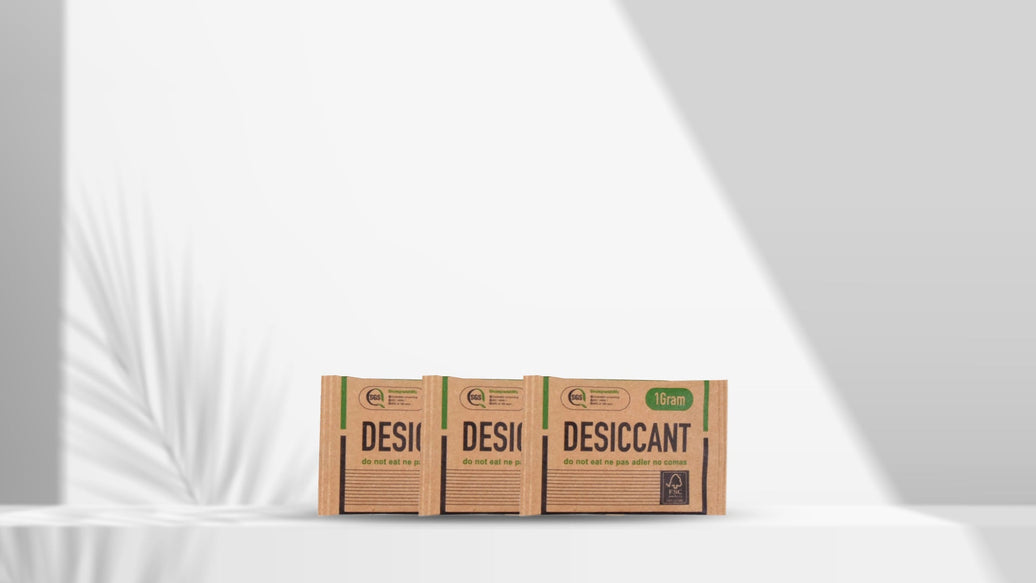
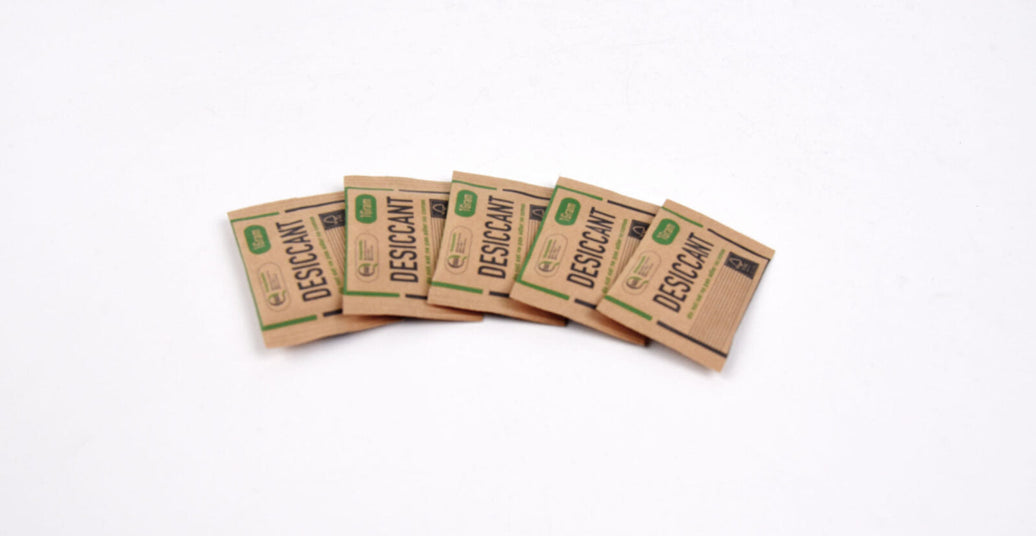
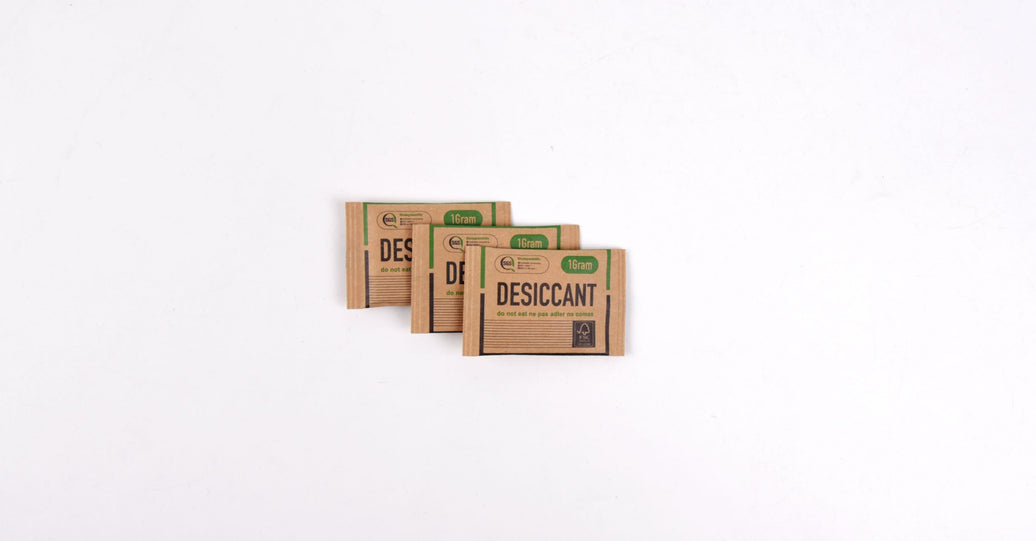
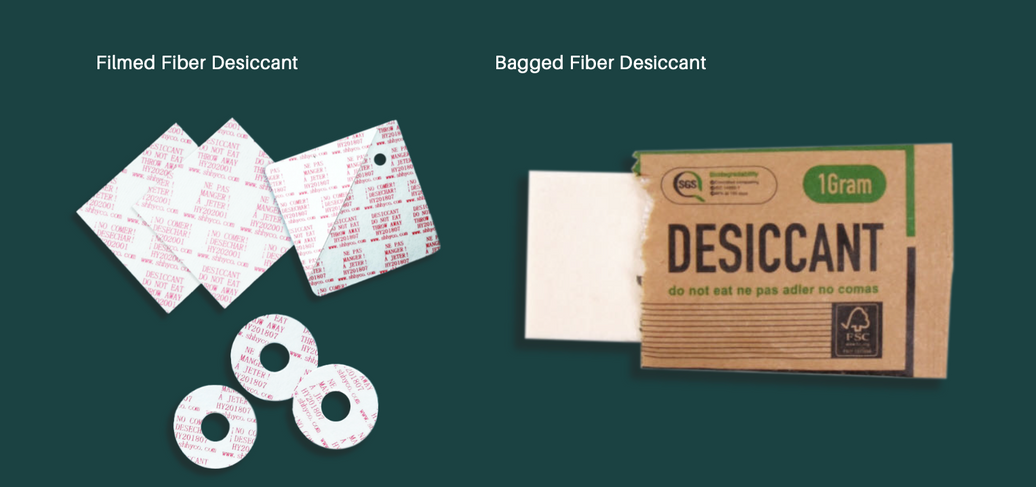
- Label confusion. Sachets that look like sugar or seasoning packets get opened at breakfast tables. Distinct shape, print and color are cheap insurance.
What packaging teams must verify
1. Warning legibility
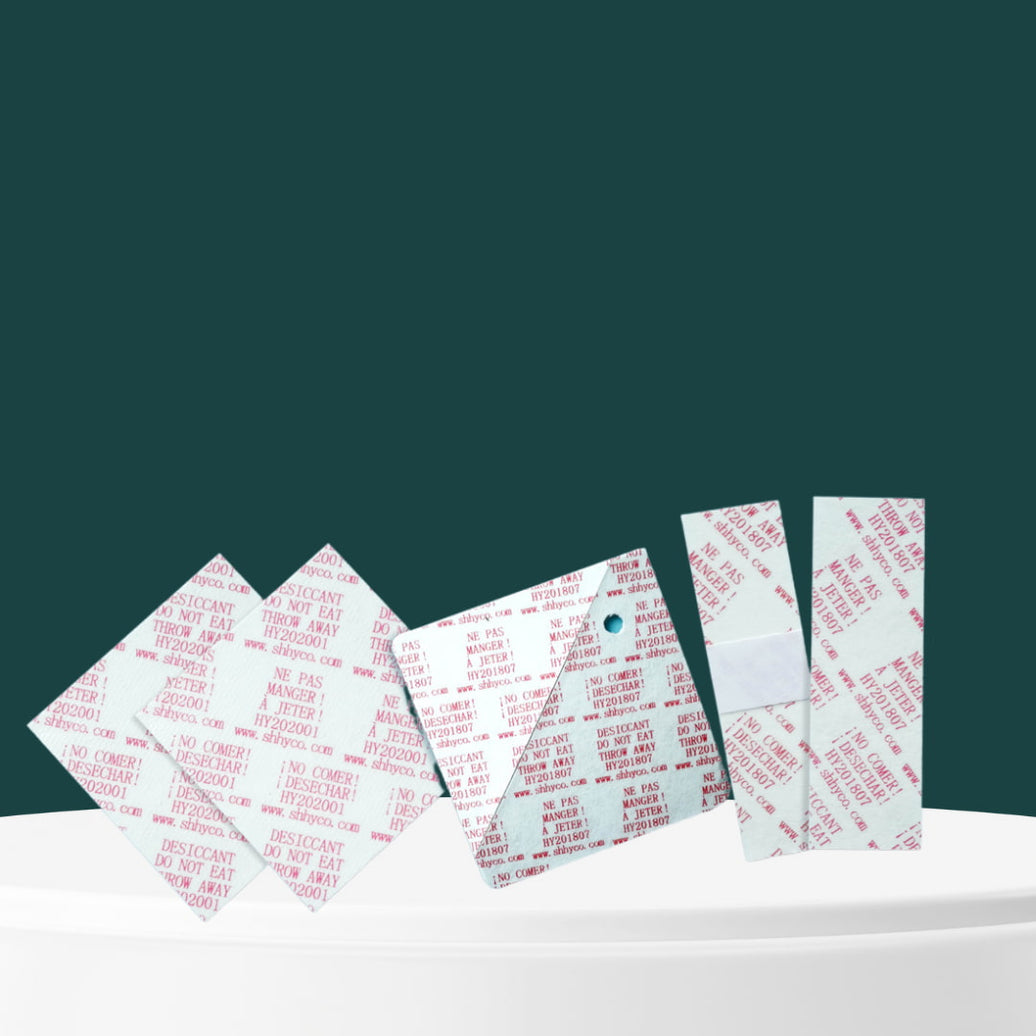
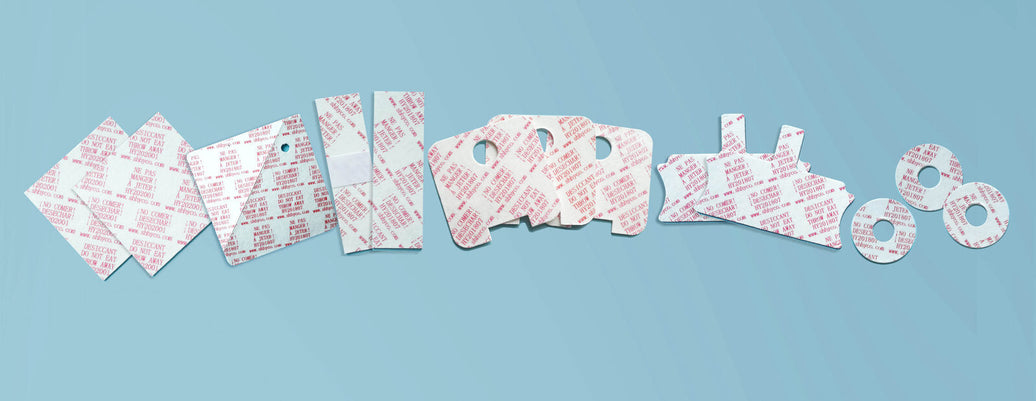
"DO NOT EAT" in clear, contrasting print — and for export SKUs, in the destination market's expected languages. Faded thermal print on a shiny film fails the point of having a warning.
2. Sachet integrity
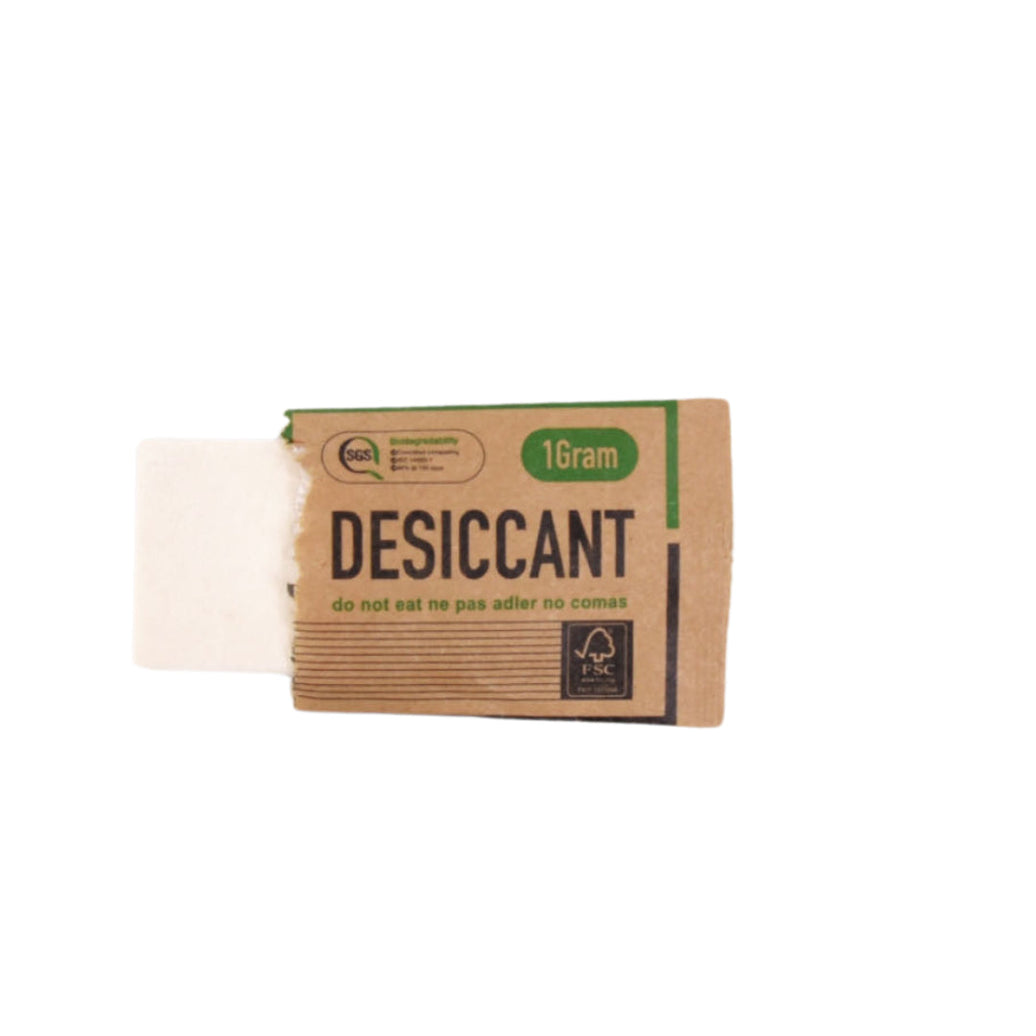
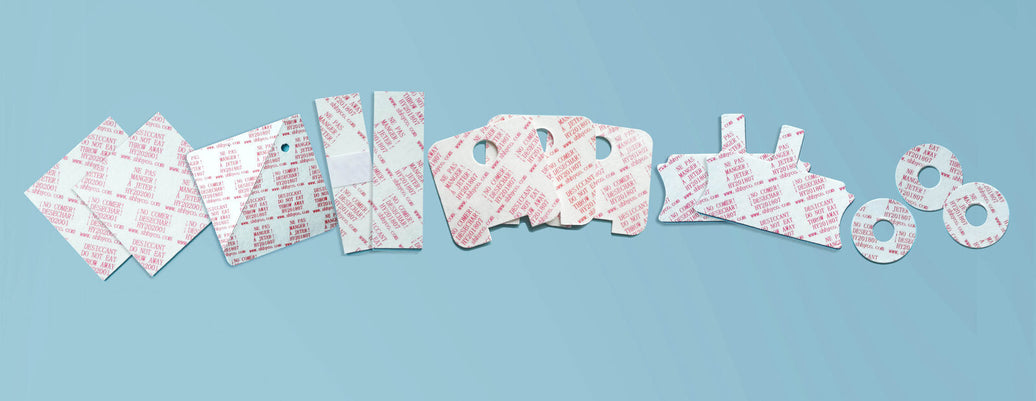
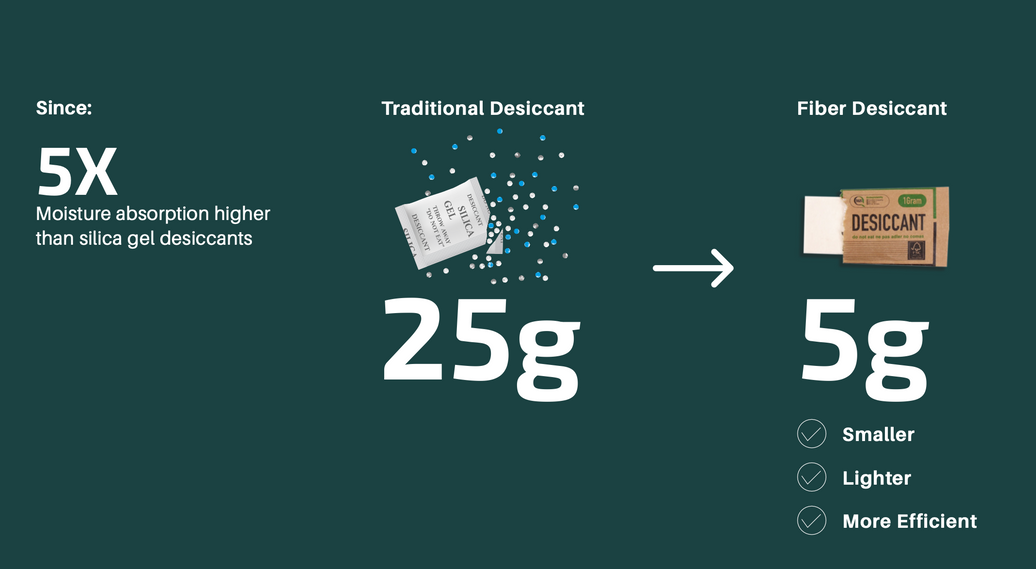
The warning doesn't help if the packet opens. Tear resistance and seal strength belong in the incoming-QC check (what the COA should confirm). Construction matters more than print: ATMOSIScience fiber desiccant bonds the sorbent into a solid sheet inside the pouch — no beads to spill, swallow or inhale even when a pouch is damaged, which removes the loose-media scenario entirely (loose-fill risks).

3. Non-toxic materials for in-food use
For packets that sit in direct contact with food, materials must be food-contact suitable — the FDA 21 CFR guide covers the documentation. The ATMOSIScience fiber substrate is natural plant fiber, developed as non-toxic and safe for food and medicine applications; the honest position is still that no desiccant is food, hence the label.
4. Child-aware format choices
Products used around children (infant formula, gummies, pet treats opened by kids) justify formats that remove the packet from small hands altogether: cap-integrated inserts or adhesive-anchored cards rather than free-floating sachets. A printable film card also carries the warning — and brand messaging — in large type on a flat surface.
If someone swallows one
Standard guidance from poison-control bodies: silica gel is not expected to cause poisoning — offer water and monitor; loose beads in small children raise choking concern; sorbents like calcium chloride or lime warrant a call to poison control. In every case, keep the packet and its print for identification. Publishing this answer on your own FAQ page reduces panicked support tickets.
FAQ
Is silica gel poisonous?
No — food-safe silica gel is inert; the warning primarily addresses choking and confusion. The label is still mandatory practice because customers can't identify sorbent chemistry from the outside.
Why does a non-toxic fiber desiccant still say DO NOT EAT?
Because the label communicates "this is not food," not "this is poison." Non-toxic materials plus clear labeling is the belt-and-suspenders standard responsible brands run.
Who is responsible if a customer ingests one — brand or desiccant supplier?
Legal responsibility varies by case, but practically: the brand owns the customer experience, and the supplier owes the brand documentation — materials safety, print spec, integrity data — that makes the incident a non-event. That stack is described in the qualification pack.
Spec a safer in-pack format
Request ATMOSIScience samples — sachets, cards and cap inserts — with the safety documentation set for your packaging review. Same-day reply from our engineering team.
Prefer email? info@atmosiscience.com