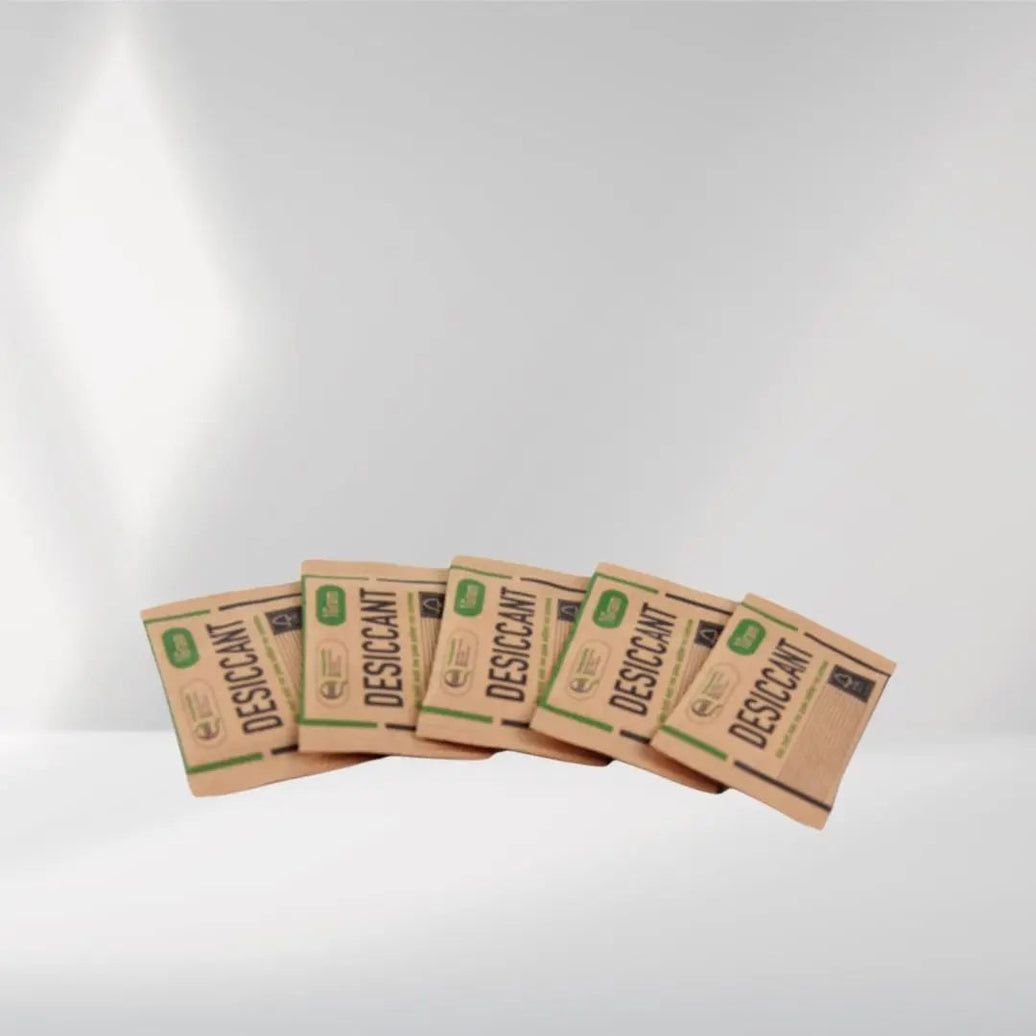
Quick answer: "FDA food-grade" is a materials claim, not a product registration — the FDA does not "approve" desiccant packets. Compliance means every material that can touch food (the sachet paper or film, adhesives, and the sorbent itself if the sachet fails) is a suitable food-contact substance under FDA regulations, and the packet is labeled and positioned so it isn't mistaken for food. Buyers should collect a food-contact suitability declaration, SDS, and labeling confirmation — and check whether their use case is direct or indirect contact, because that changes what the declaration must cover.
Compliance language dominates desiccant sourcing in 2026: buyers filter for "FDA-compliant," "food-grade," "direct food contact" and "HACCP" before they ever compare capacity. This guide translates those filters into what to verify.
Direct vs. indirect contact — the distinction that changes the spec
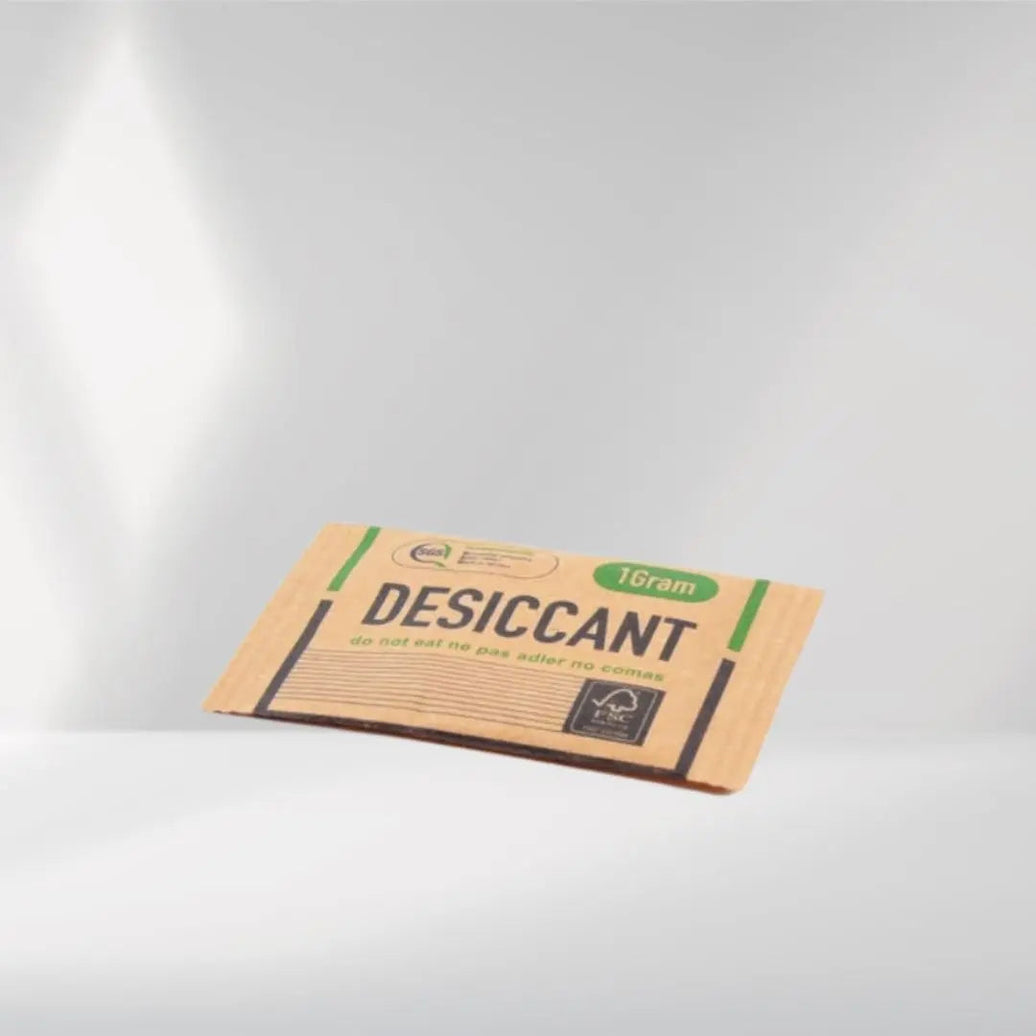
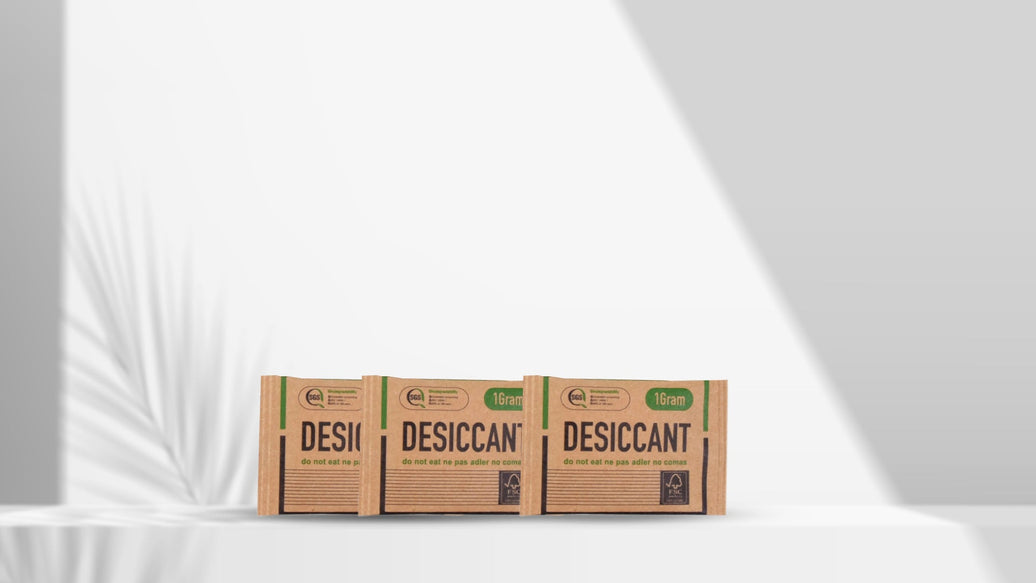
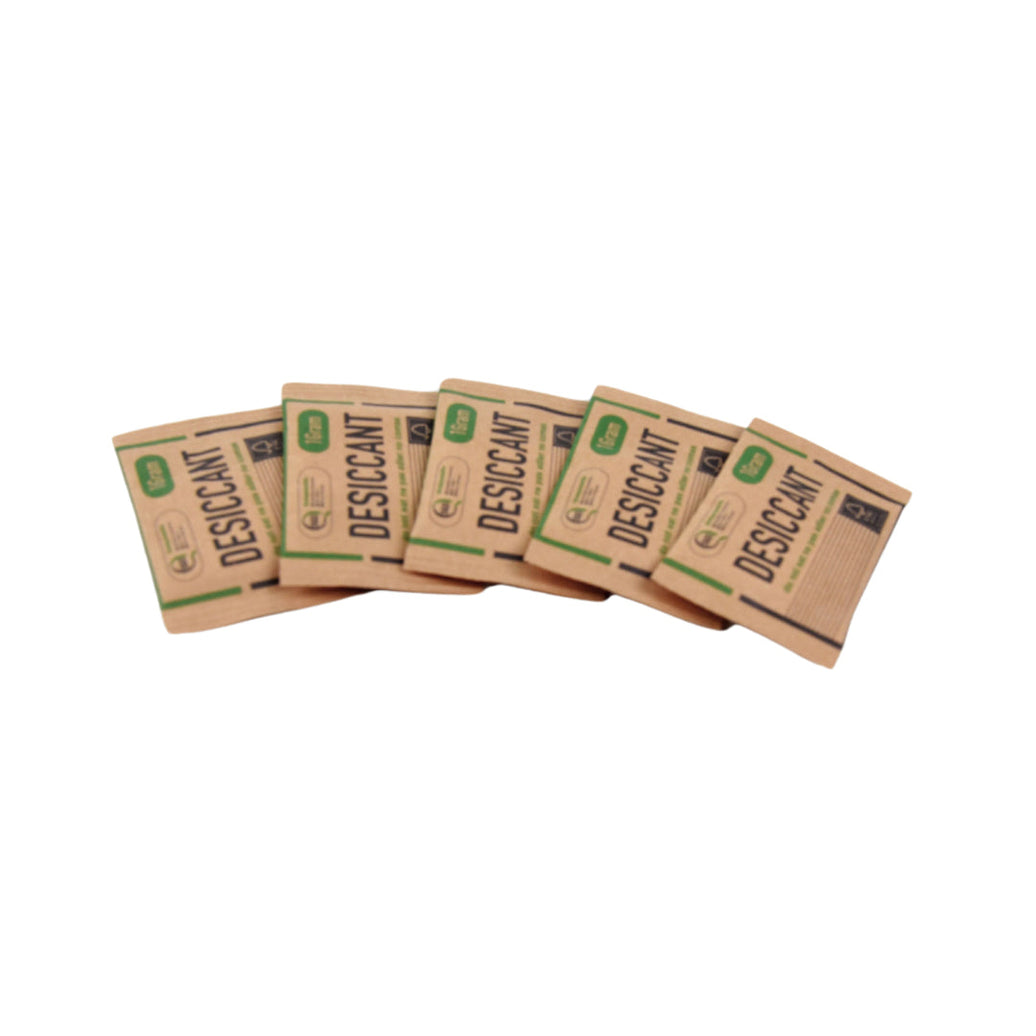
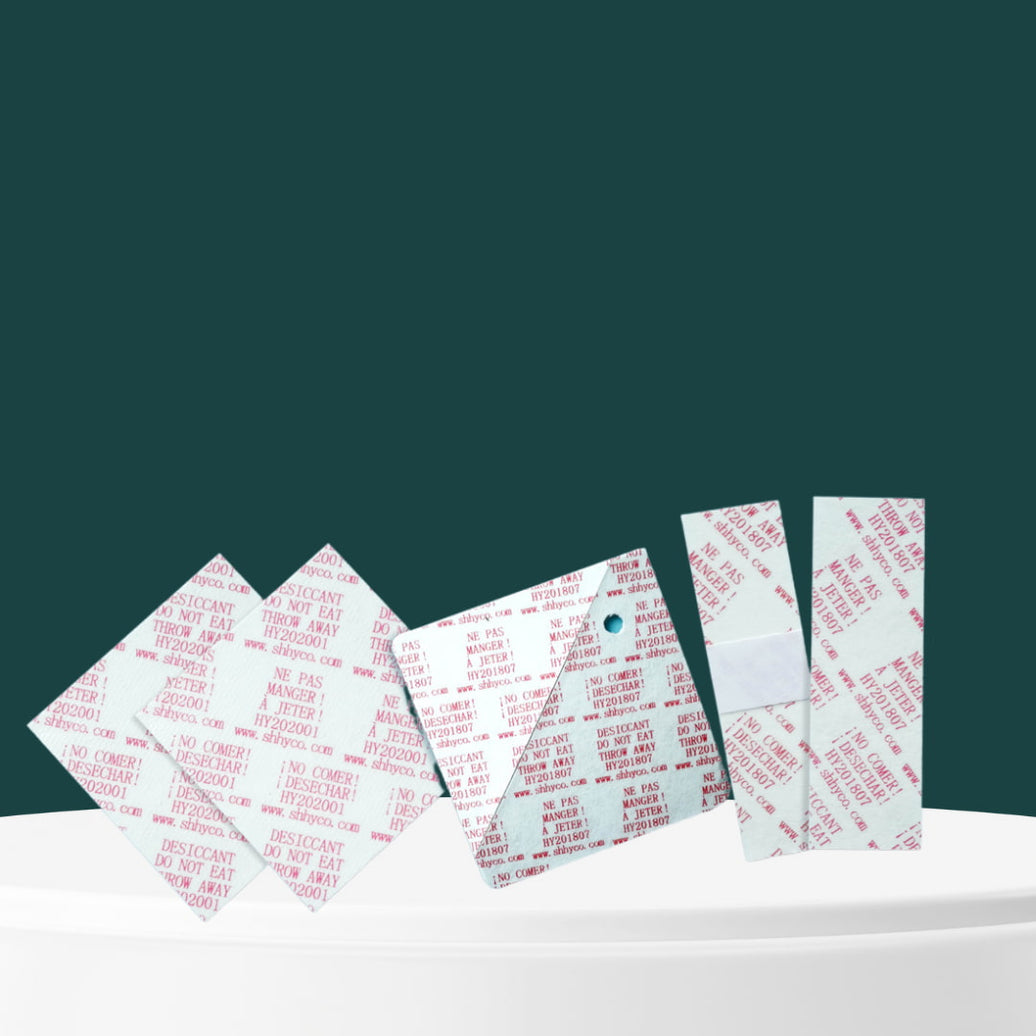
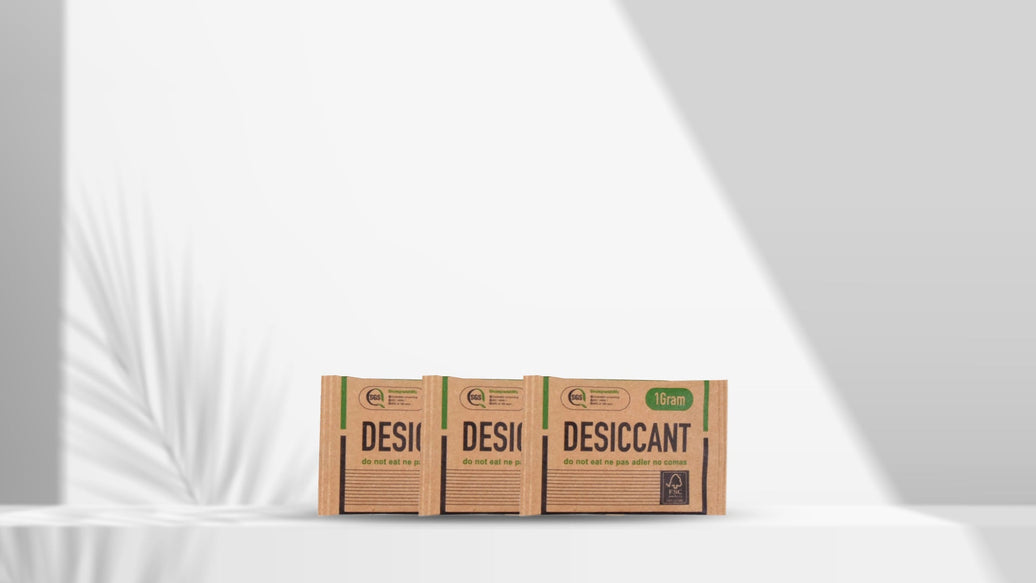
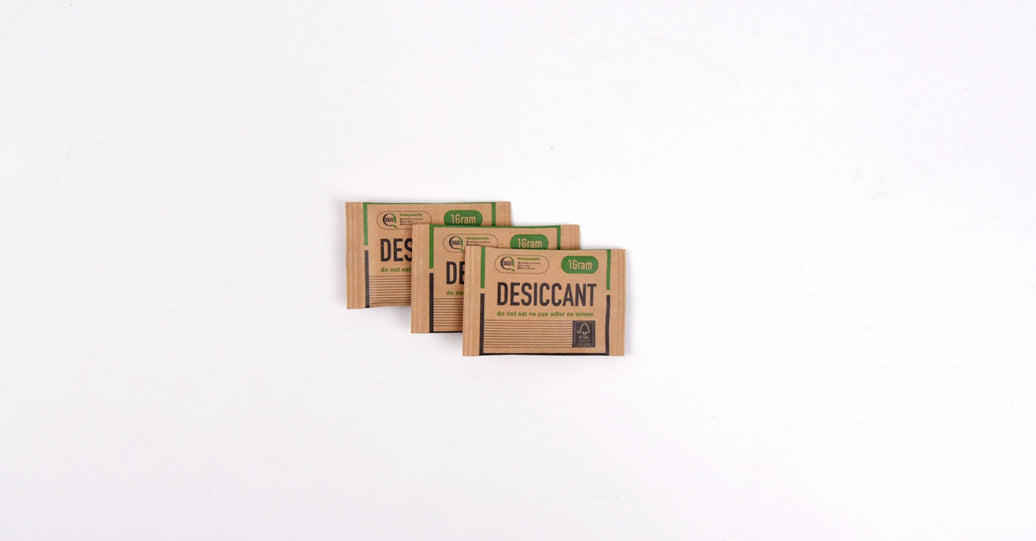
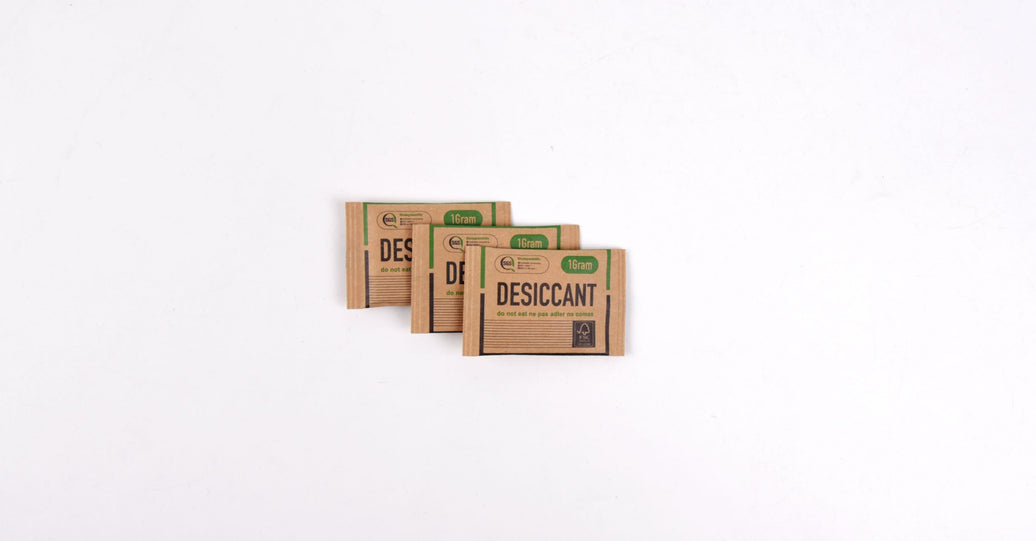
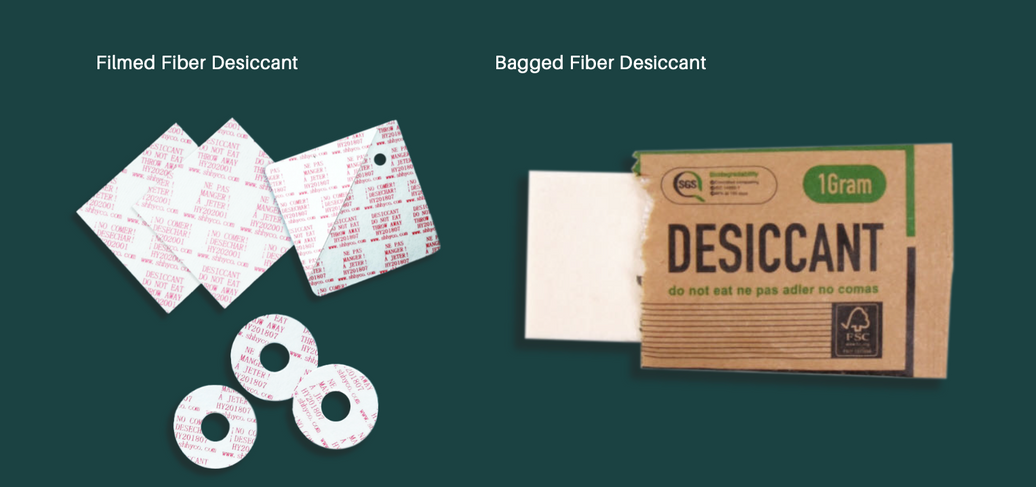
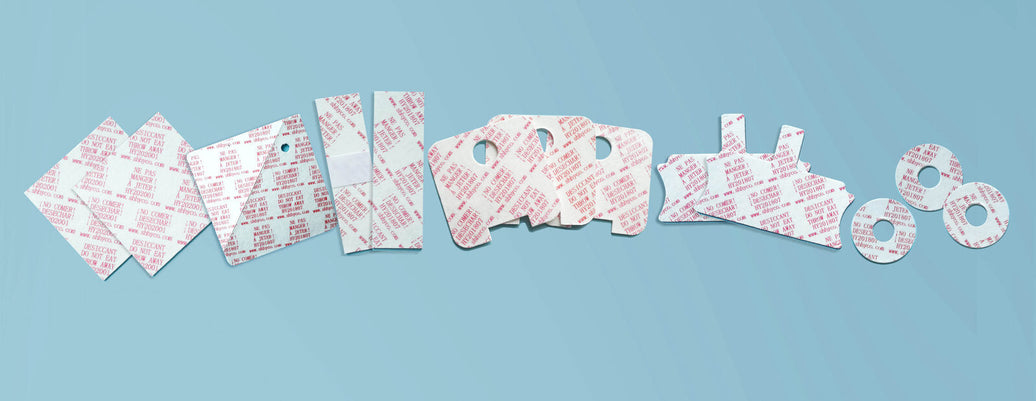
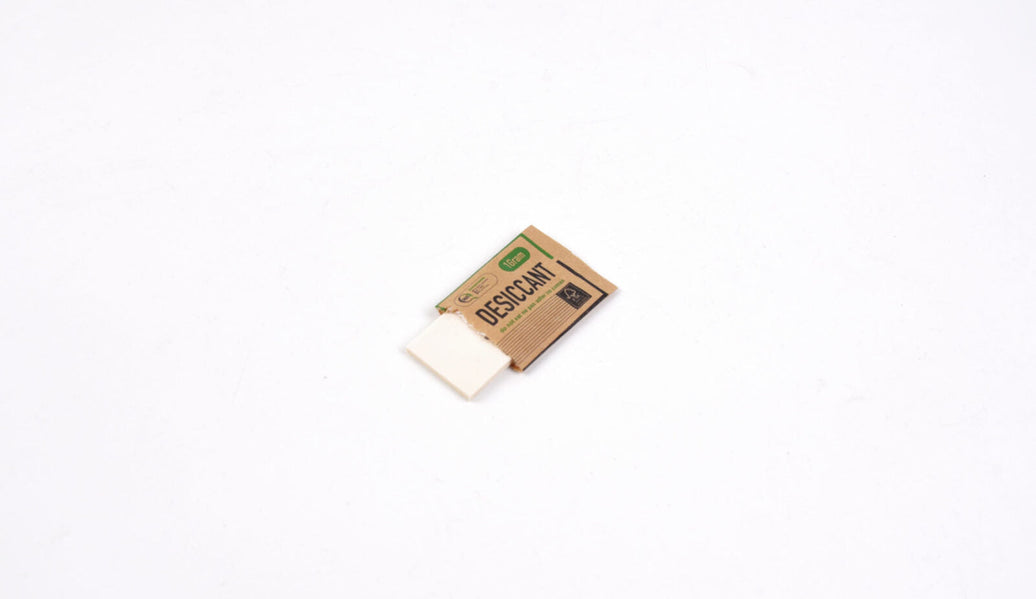
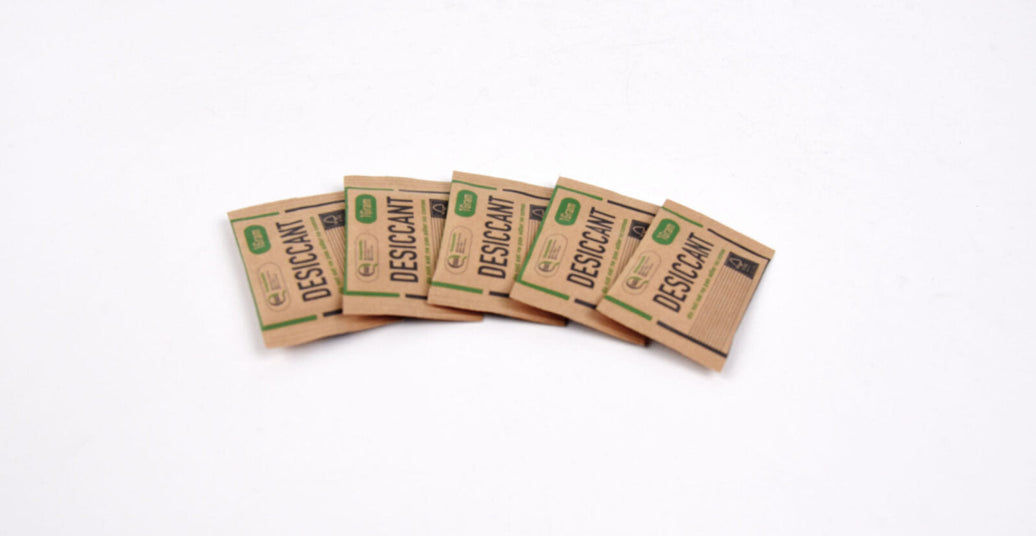
Direct contact: the sachet sits inside the sealed food package — in the tub of protein powder, the pouch of dried fruit, the spice jar. All contact-layer materials must be suitable food-contact substances, the sachet must resist tearing and leakage, and the format should be visually distinct from the food (shape, print, "Do Not Eat" marking — see the labeling guide).
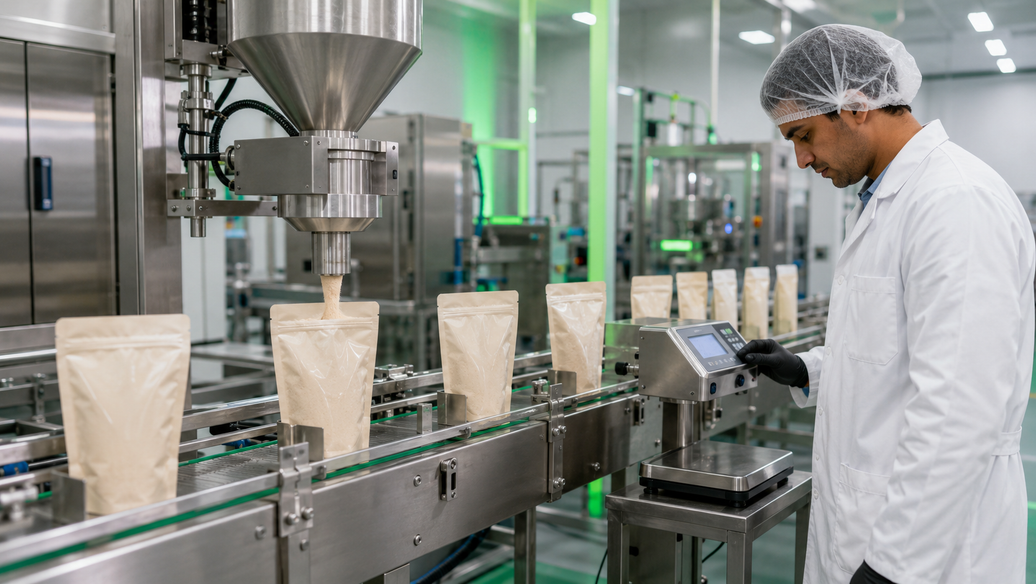
Indirect contact: the desiccant protects the secondary pack — the export carton, the pallet wrap, the container. Requirements relax, but food processors' HACCP programs still ask what the material is and what happens if a packet ruptures upstream of open product; dust-free construction is the practical answer there.
What the paperwork should say
- Food-contact suitability declaration covering sorbent, sachet material and inks/adhesives — not just one layer.
- SDS establishing the sorbent is non-toxic. The ATMOSIScience fiber substrate is natural plant fiber, developed to be non-toxic and safe for food and medicine applications.
- Warning-label confirmation where format requires it.
- Traceability: lot-coded cartons and per-lot documentation — covered in the COA guide.
Auditors treat the desiccant as a food-contact material like any other. If your supplier's answer to "please provide the declaration" is a brochure, that's a finding.
Where fiber desiccant fits food programs
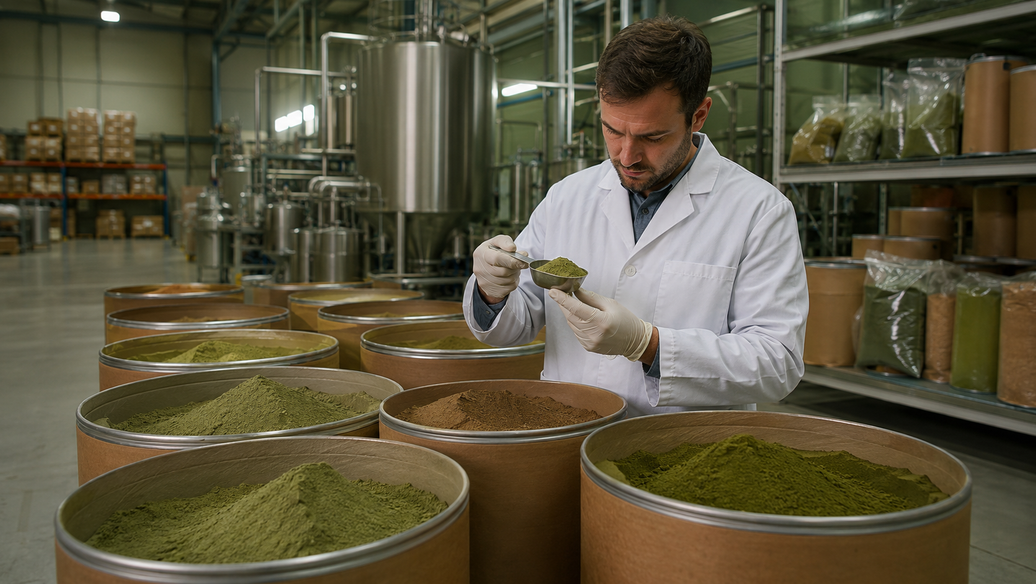
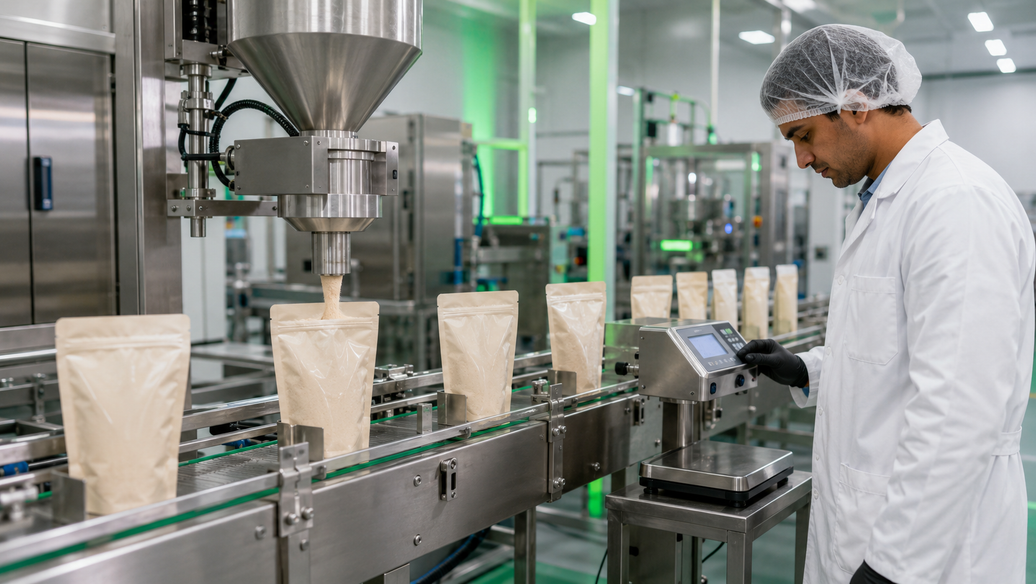
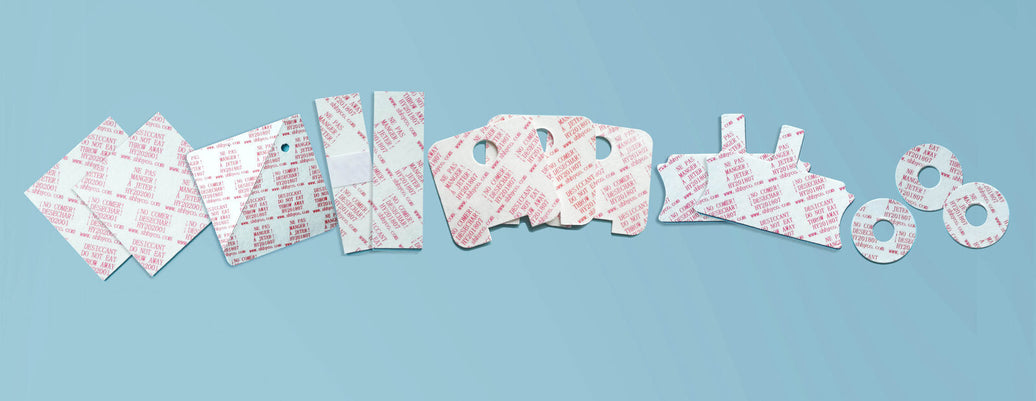
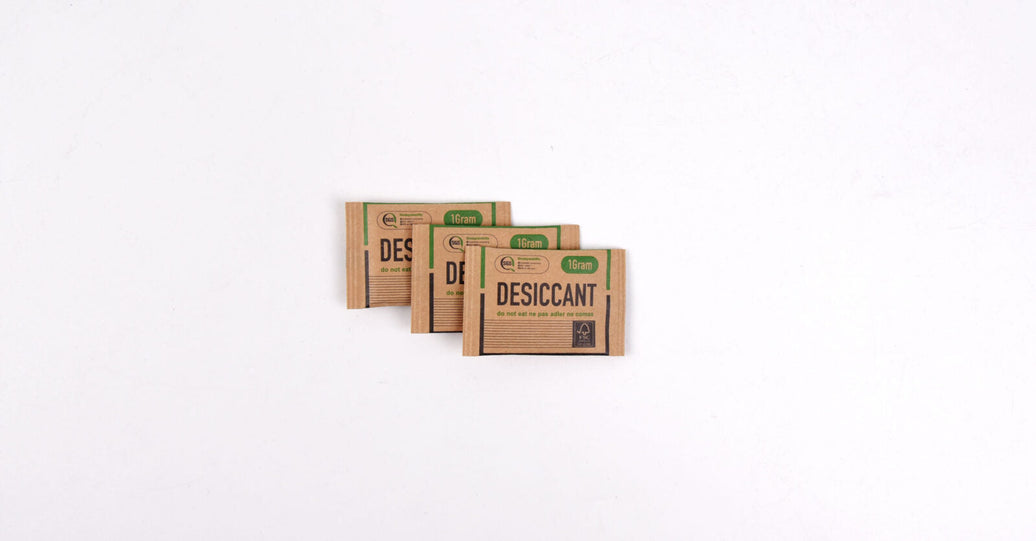
ATMOSIScience fiber desiccant was engineered for food and pharmaceutical use cases specifically:
- Food-grade materials: plant-fiber sorbent, sealed in pouch formats designed for in-pack use.
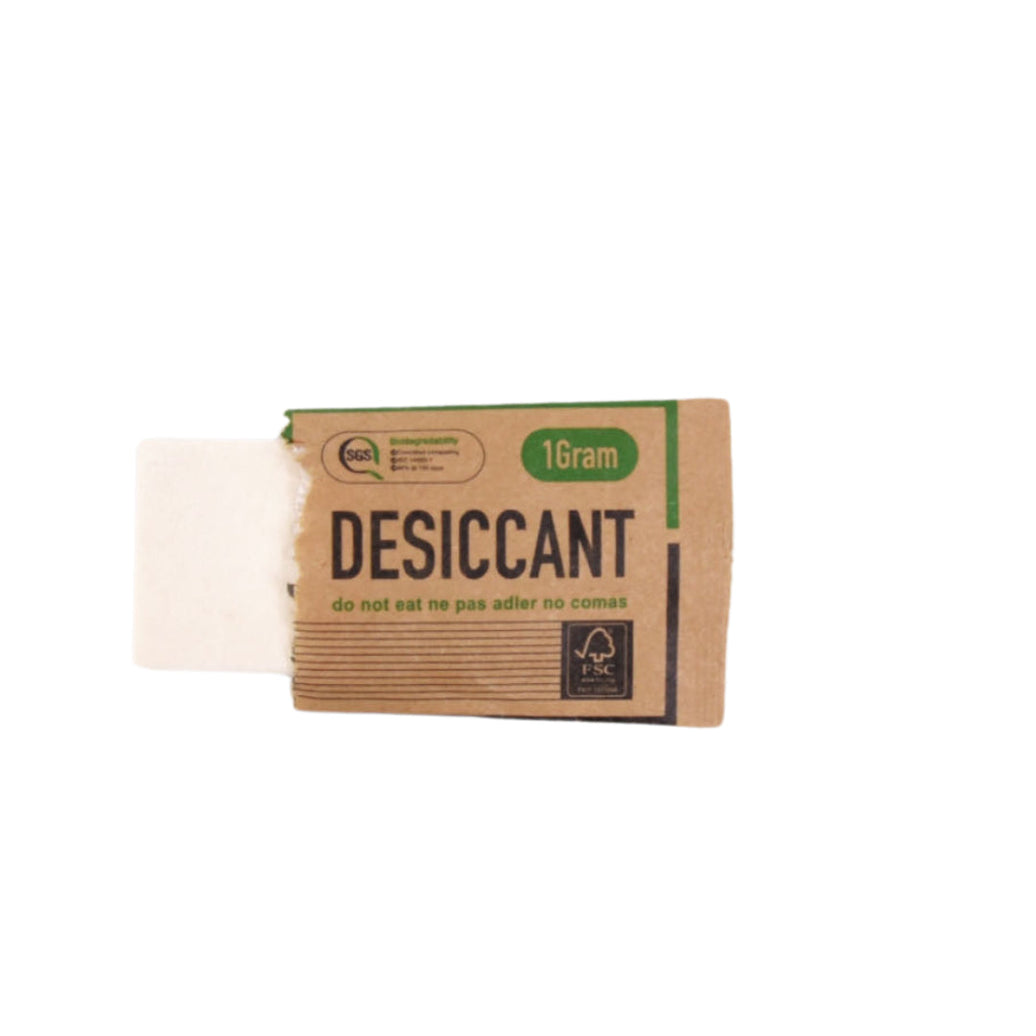
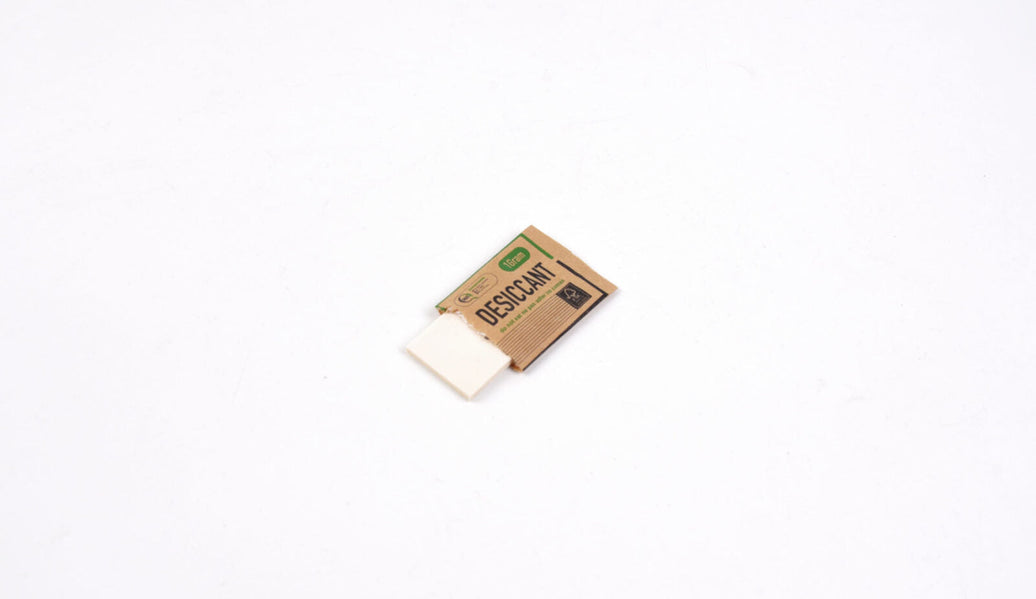
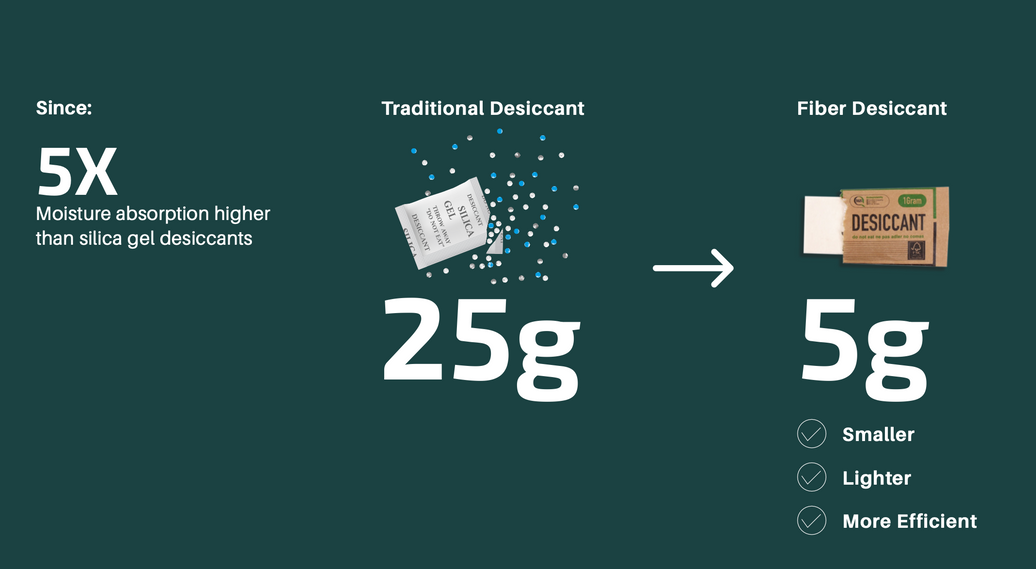
- No loose media: the sorbent is a bonded substrate — unlike loose silica beads or clay granules, there is nothing to spill into product if a pack is damaged (why that matters).
- Compostable pouch: pouch films comply with ASTM D6400 and EN 13432, which keeps sustainability claims documentable — relevant since green-claims rules now police packaging language.
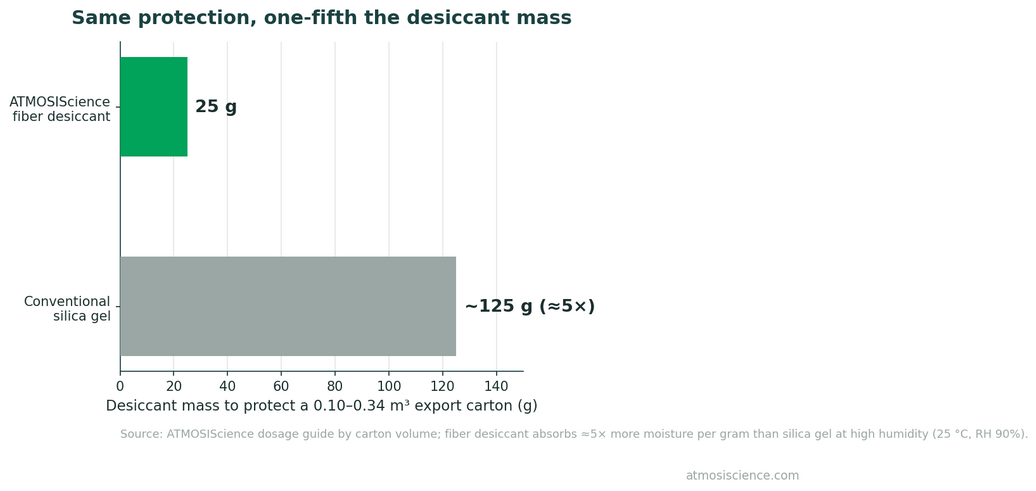
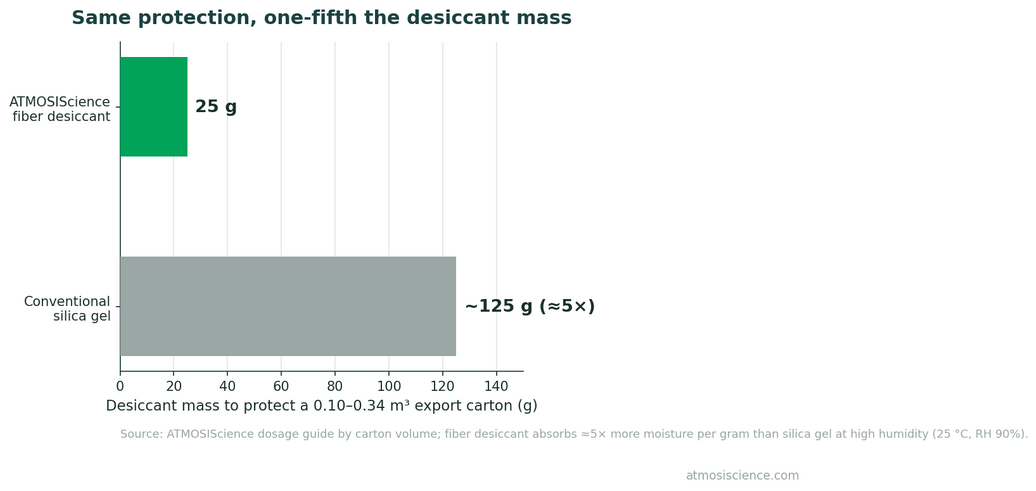
- Performance: adsorption above 35% of own weight at RH 50% and above 70% at RH 90% — capacity that lets one small sachet hold a tub's headspace dry through opening-and-closing cycles.

FAQ
Does FDA "approve" desiccants?
No — there is no FDA approval certificate for a desiccant packet. Compliance is demonstrated through the materials' status as suitable food-contact substances plus proper labeling. Any supplier waving an "FDA approval certificate" deserves closer reading.
Is GRAS relevant to desiccants?
GRAS applies to substances added to food. A desiccant is not a food additive — it's a food-contact article — but buyers often use "GRAS" loosely to mean "safe materials." The precise question for your supplier: are all contact-layer materials suitable for direct food contact?
What about HACCP?
HACCP is your plant's hazard-control system; the desiccant enters it as a purchased material with physical and chemical hazard considerations. The HACCP integration guide shows where it slots in.
Get the food-contact declaration
Request the ATMOSIScience food-contact documentation set — suitability declaration, SDS, labeling confirmation — plus a sample sachet set for your QA review. Same-day response.
Prefer email? info@atmosiscience.com