Quick answer: In a HACCP system, an in-pack desiccant is a purchased material that intersects all three hazard classes: physical (packet rupture, foreign matter), chemical (non-food-contact materials migrating), and biological (the moisture control itself, since water activity drives mold and microbial growth). Documenting it takes four artifacts: an approved-supplier record with food-contact declarations, an incoming-inspection step, a placement/verification step on the line, and the packet's own spec in your materials register.
Most food plants run mature HACCP programs where every ingredient has a hazard analysis — and the desiccant sachet dropped into each tub appears nowhere. Auditors have noticed. Here is the clean way to close the gap.

Where the desiccant enters the hazard analysis
Physical hazards
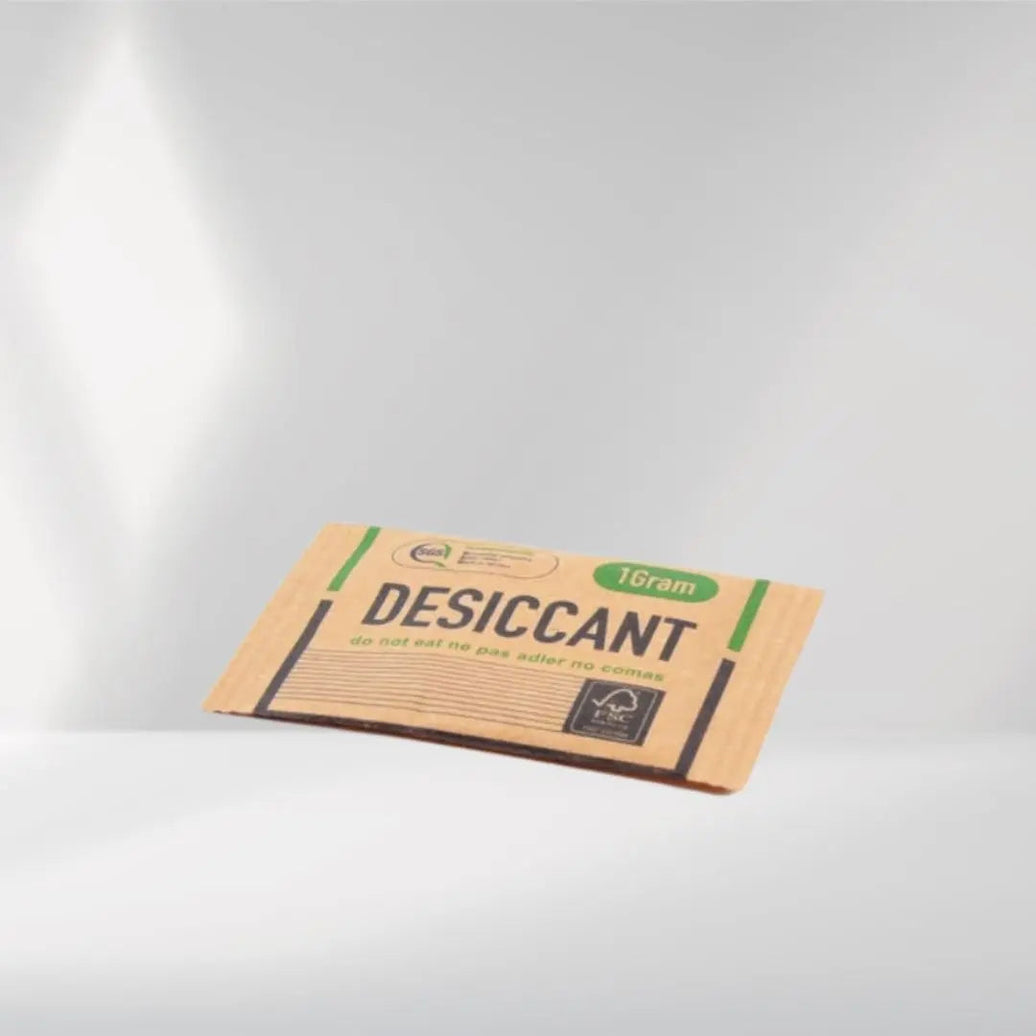
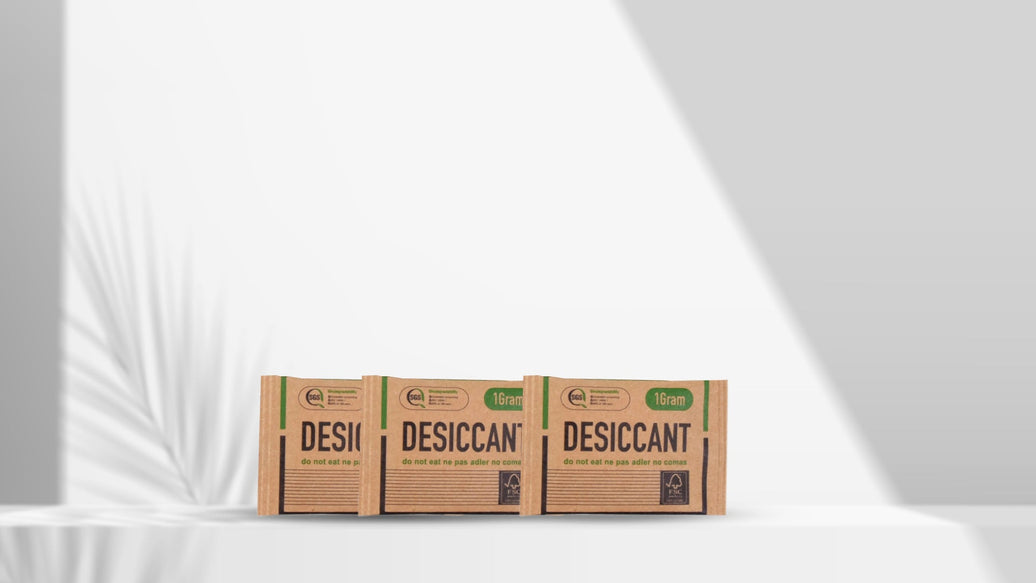
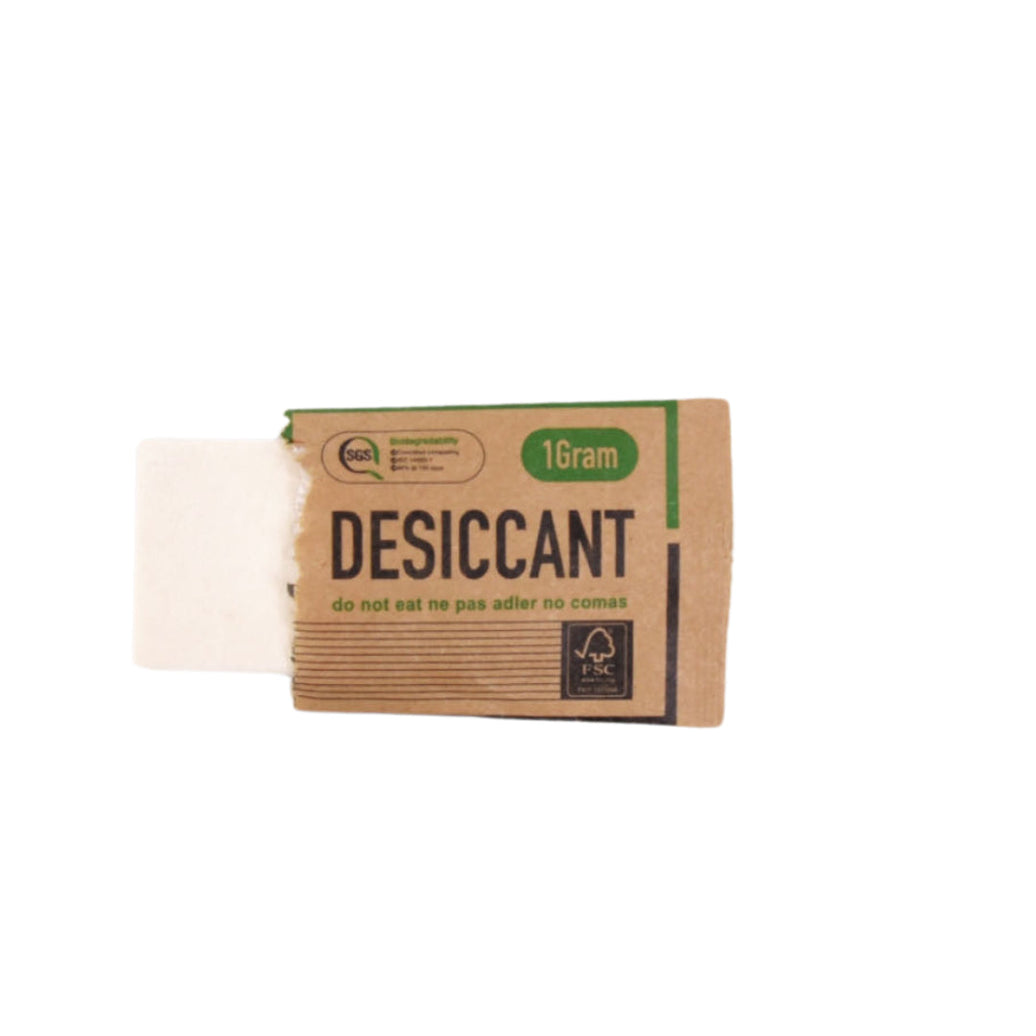
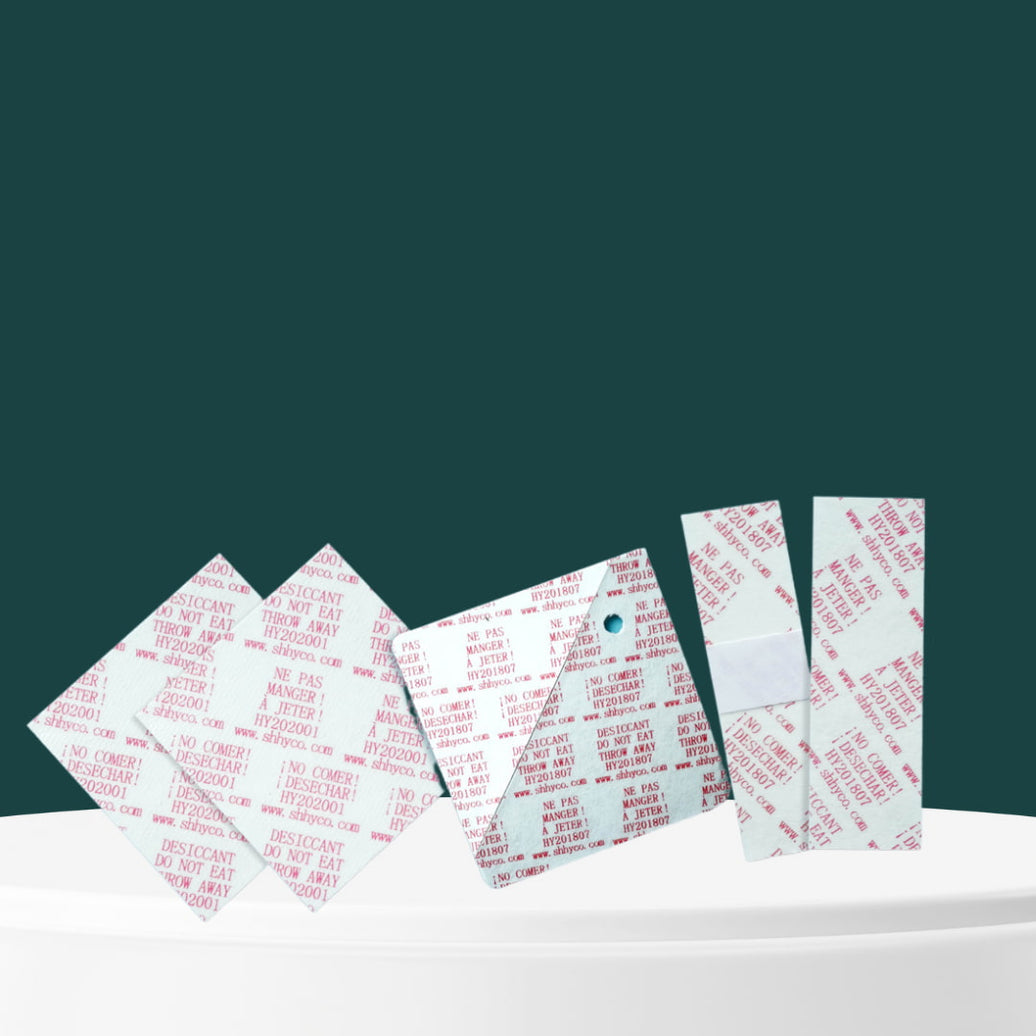
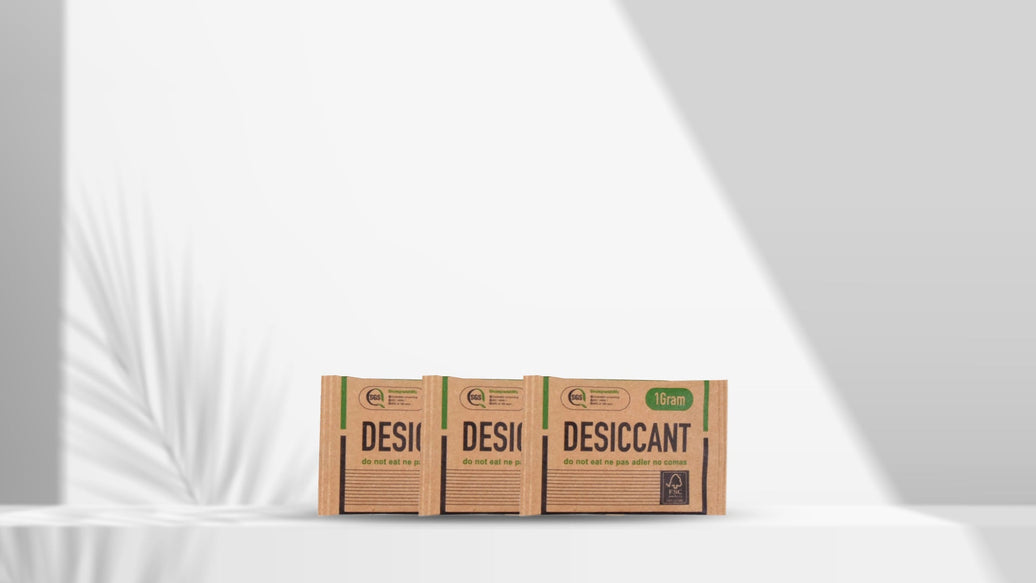
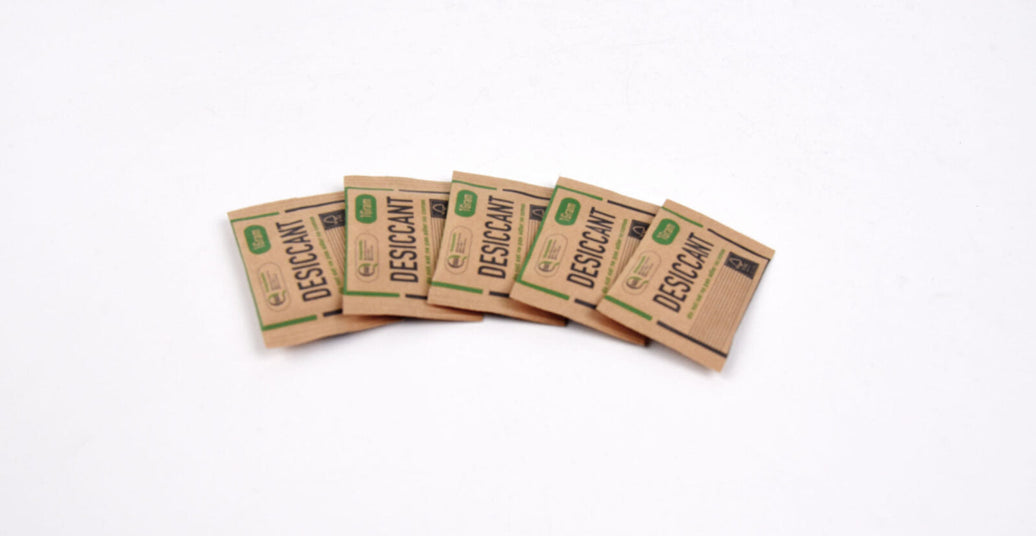
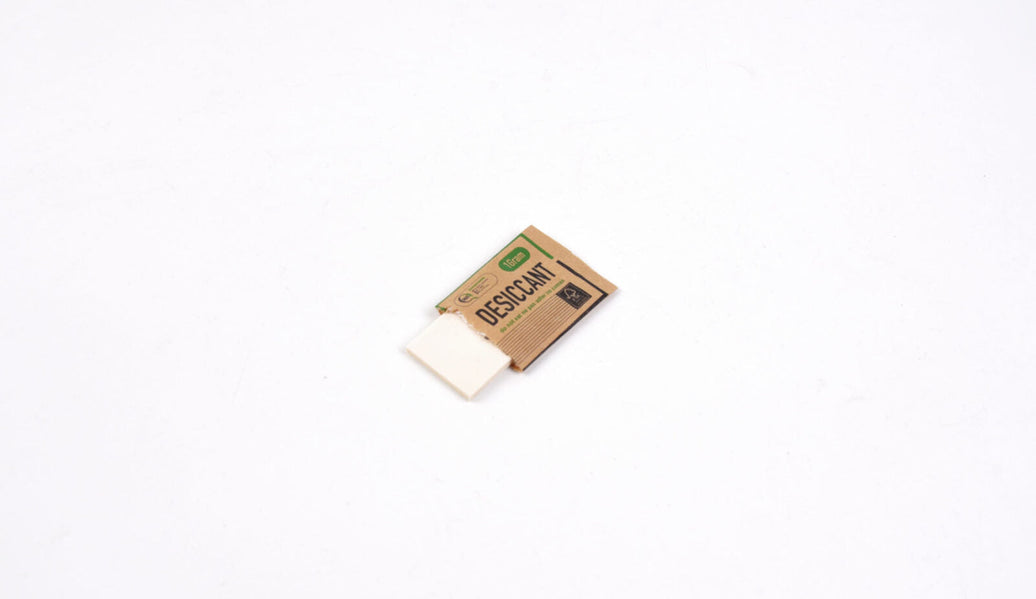
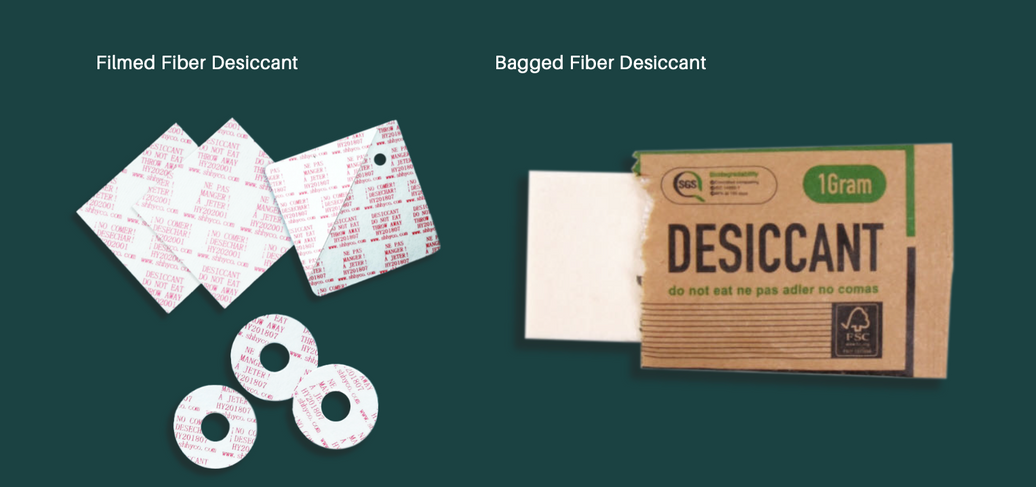
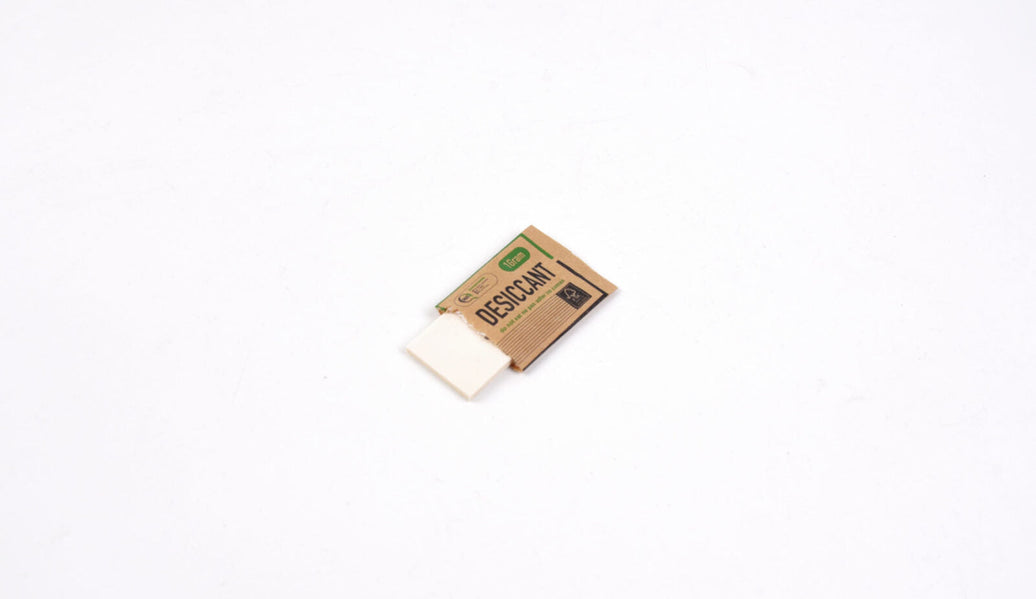
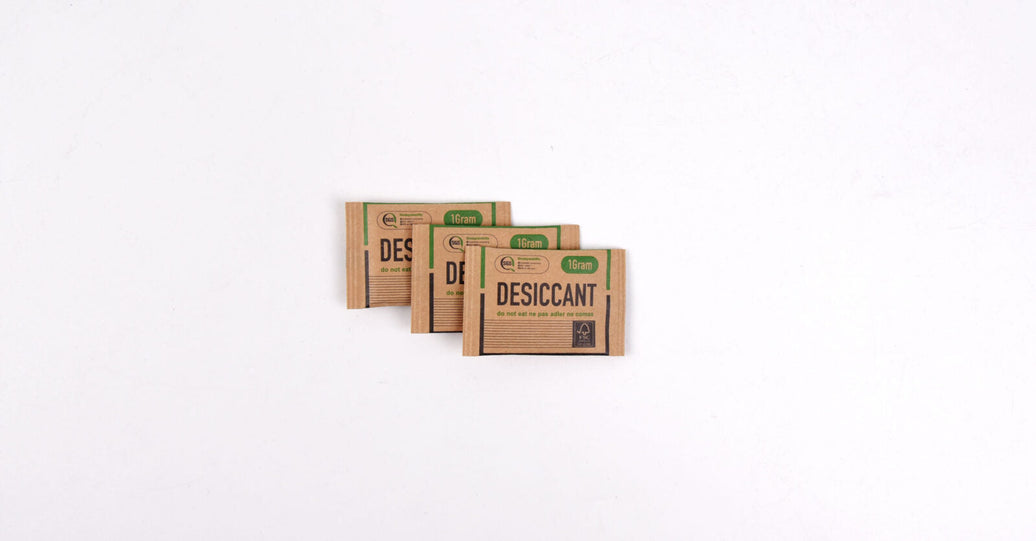
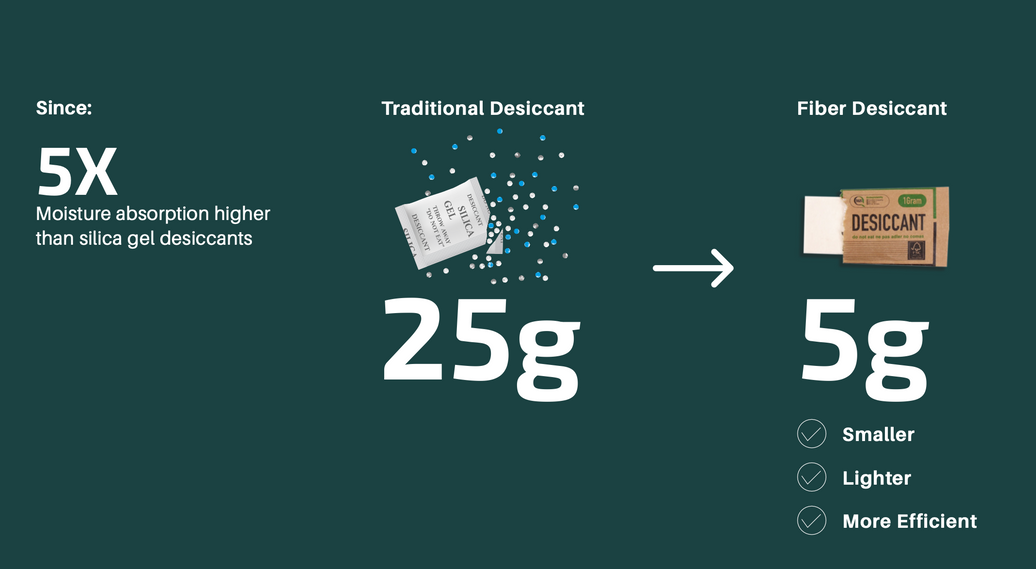
The classic failure: a sachet ruptures and loose silica beads or clay granules end up in product. Two controls exist — pick a construction with no loose media, and verify seal integrity at incoming QC. The ATMOSIScience fiber format bonds the sorbent into a sheet inside a sealed pouch, so even a torn pouch releases no granules (the loose-fill risk analysis).
Chemical hazards
Everything that can touch product must be a suitable food-contact material: sorbent, pouch, inks, adhesives. Collect the declarations at supplier approval, not at audit time — the food-contact guide lists exactly what the paperwork must cover. ATMOSIScience fiber desiccant uses a plant-fiber sorbent, engineered for in-pack food use.
Biological hazards
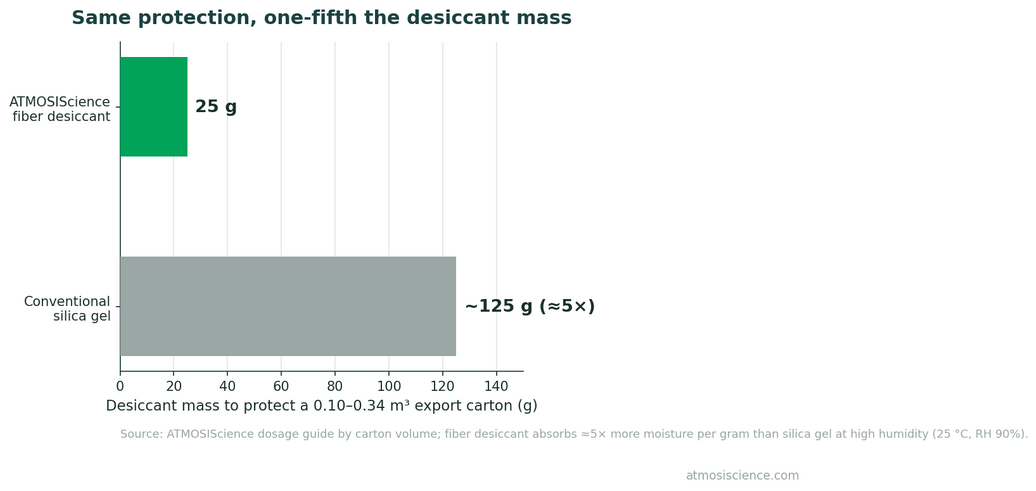
This is the part HACCP teams under-document: the desiccant is itself a control measure. Water activity drives mold growth and microbial stability in low-moisture foods; holding in-pack humidity down protects the product between opening cycles. If moisture control is what keeps your product safe at spec, the desiccant deserves a documented role — sizing rationale included (water activity vs. RH explained).
The four documents to add
- 1. Approved-supplier record. Supplier name, food-contact declarations, SDS, spec sheet, and the qualification evidence — one folder, reviewed annually. Start from the supplier qualification pack.
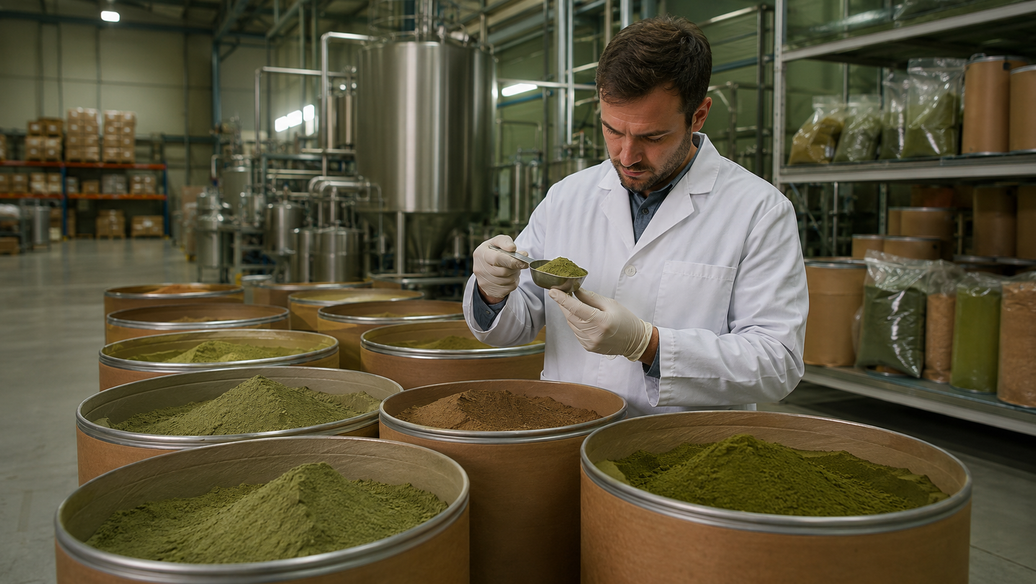
- 2. Incoming-inspection step. Per delivery: lot number matches COA, packets intact, nominal weight spot-check. Five minutes per lot; audit-proof forever. The COA guide covers what to check on the certificate.
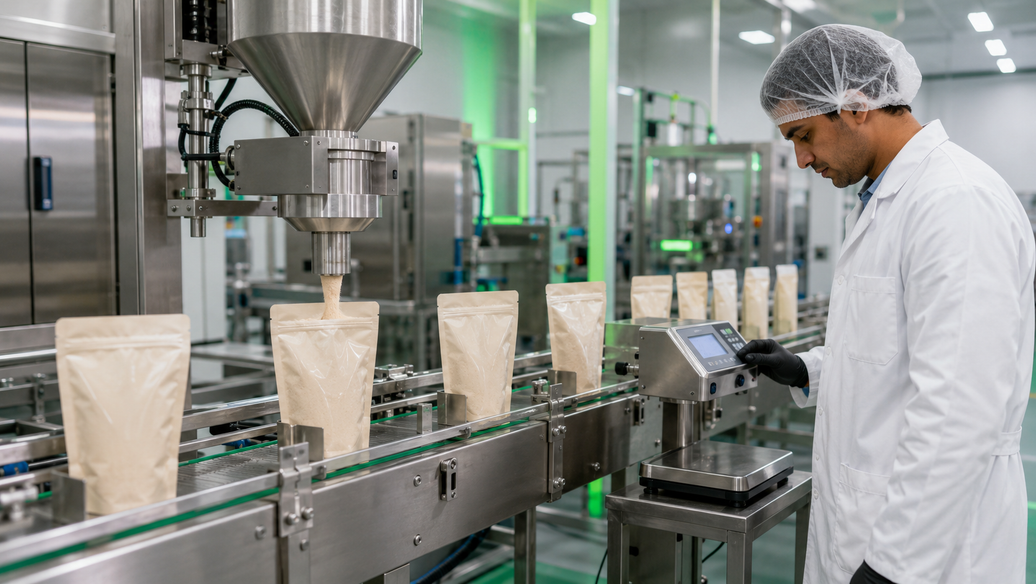
- 3. Line placement & verification. Which SKU gets which sachet, inserted at which station, verified how (checkweigher, vision, manual count). Automated insertion notes live in the co-packer guide.
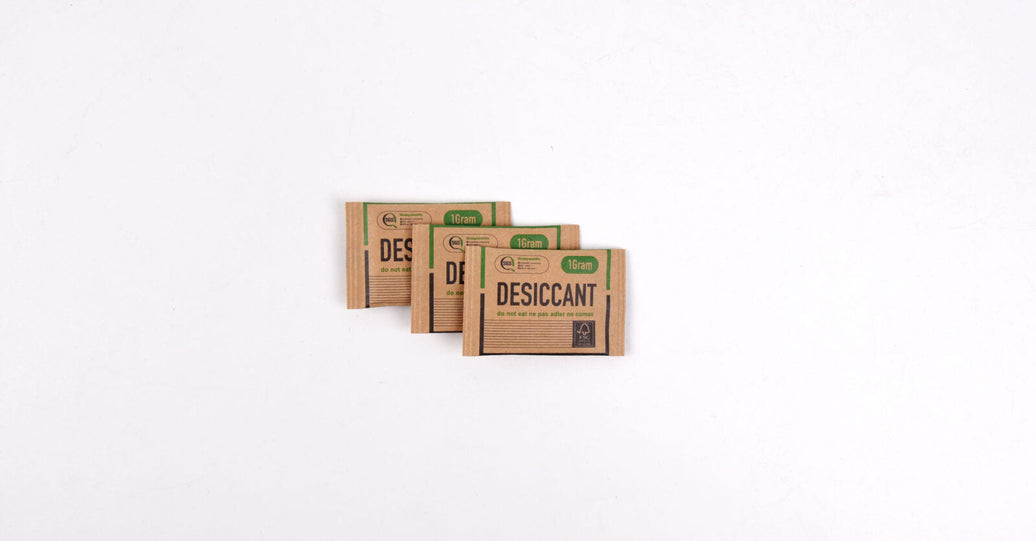
- 4. Materials register entry. The packet's spec — format, size, adsorption band — recorded like any other packaging component.
Verification that satisfies an auditor
Auditors ask two questions: how do you know it works, and how would you know if it stopped working? The first is answered by the sizing rationale plus a one-time worst-case evaluation; the second by incoming QC and periodic in-pack RH spot checks on retained samples.
FAQ
Is the desiccant a CCP?
Usually no — it's a prerequisite/control measure rather than a critical control point, unless water activity is the single safety barrier for your product. Your hazard analysis decides; the documentation pattern above works either way.
Does compostable packaging complicate HACCP?
No. Compostability standards (ASTM D6400, EN 13432 for ATMOSIScience pouch films) address end-of-life, not food contact — the food-contact declaration is a separate document, and both exist for the fiber format.
What about metal detection lines?
Fiber desiccant contains no metallized layers in standard formats, so it passes metal detectors — verify with your specific format during line trials, the same as any packaging component.
Close the HACCP gap in one request
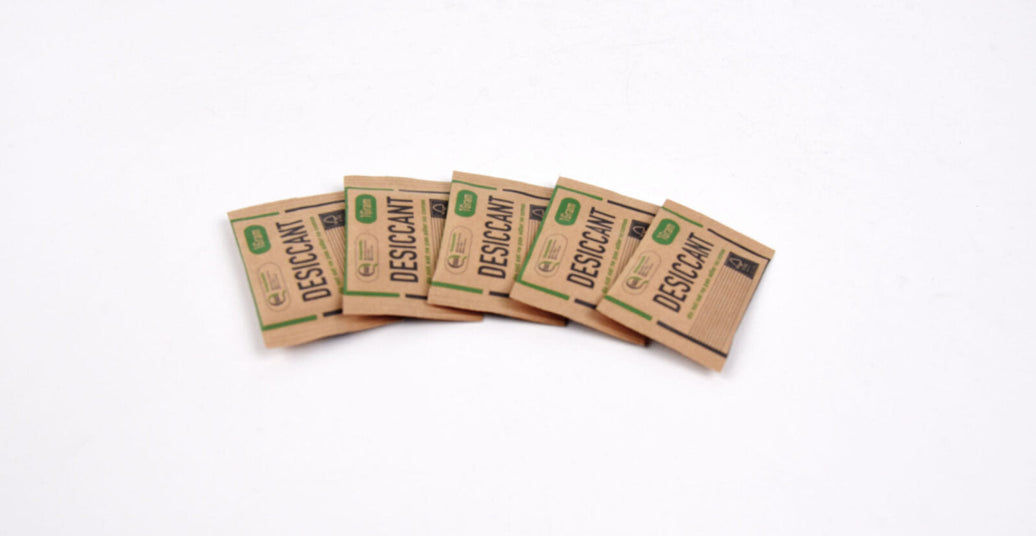
Ask for the ATMOSIScience food-plant document set: food-contact declarations, spec sheet, SDS and sample sachets for incoming-QC trials.