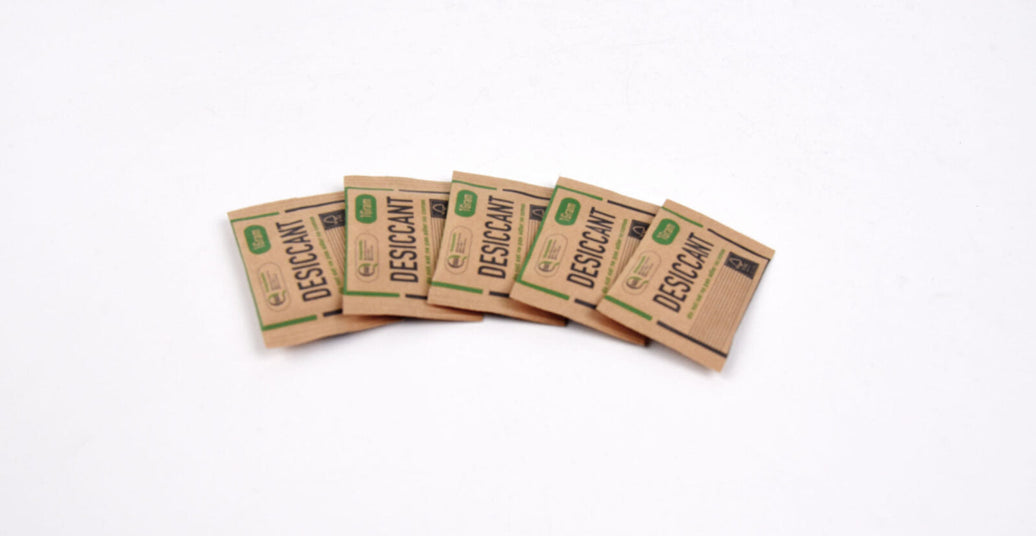
Quick answer: Desiccants are usually entered in the United States under Chapter 38 as chemical preparations, with silica gel and clay products commonly landing in the 3824.99 residual basket. Classification is not automatic for newer composite formats: a plant-fiber sheet with bound calcium chloride can be argued into more than one heading, and the correct route is a binding ruling from CBP rather than copying whatever the last supplier declared. Duty rate is only one of four cost lines — freight on the desiccant's own mass, duty, EPR or packaging-waste fees, and the cost of over-dosing all move landed cost per pack.
Procurement teams compare desiccant quotes per kilo. Finance discovers the real number a quarter later, on the customs entry and the packaging-fee invoice. The gap between those two views is usually large enough to reverse a sourcing decision.
Classification: where desiccants sit, and why it is contested
Most moisture absorbers used in packaging are treated as chemical products or preparations rather than as packaging articles. Silica gel and activated clay preparations are commonly declared in the Chapter 38 residual provisions — in the US tariff, the 3824.99 family. That is a well-worn path with plenty of precedent.
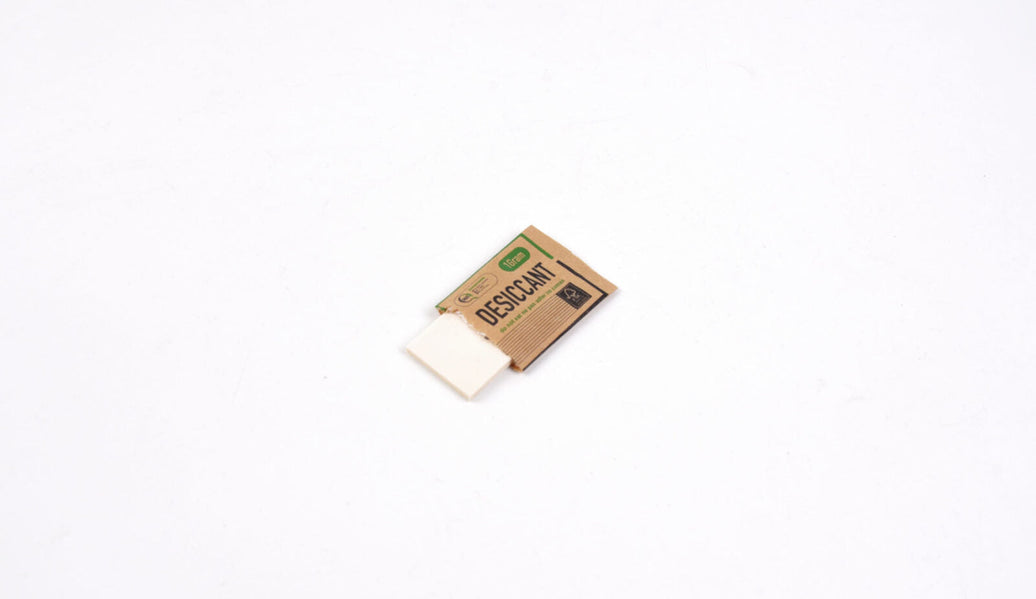
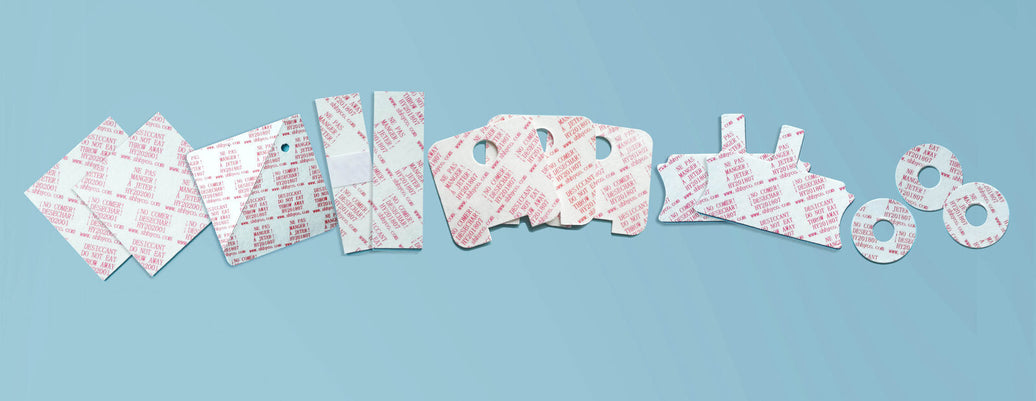
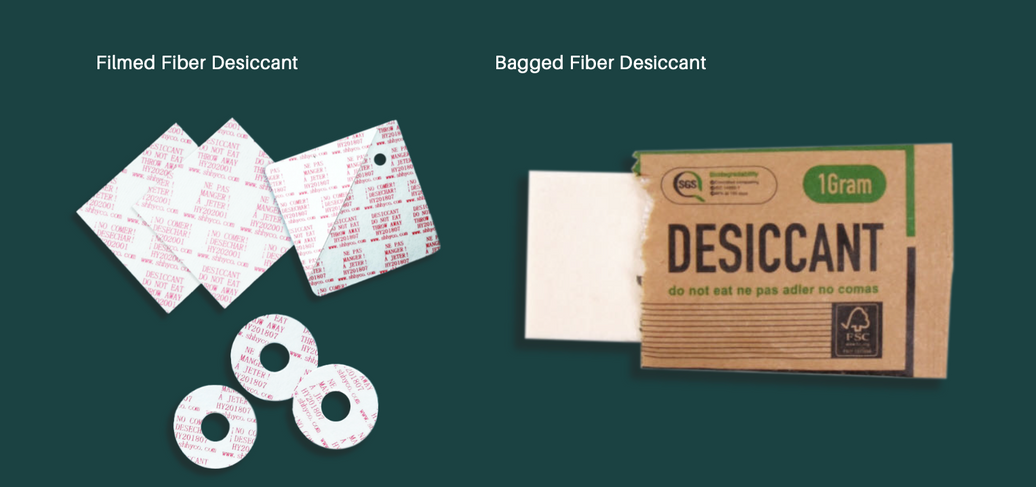
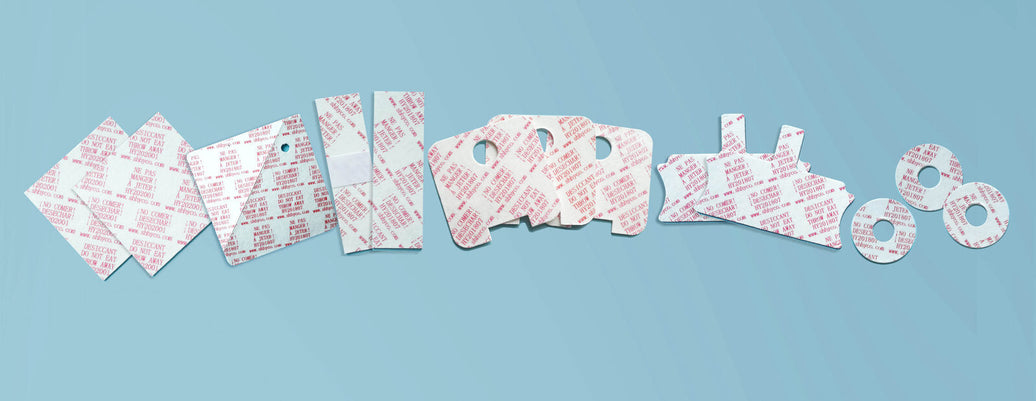
Composite formats complicate it. A product built from a lignocellulose substrate carrying a hygroscopic salt, wrapped in a nonwoven or Tyvek® overwrap, has genuine arguments for more than one heading depending on which component gives it its essential character. Different customs authorities have reached different conclusions on structurally similar goods.
The practical consequence: do not inherit a code. If your supplier ships under a code they were given years ago and the classification is later challenged, the importer of record carries the exposure — not the exporter. A binding ruling costs a fraction of a retroactive reclassification.
The four lines that make up landed cost
1. Freight on desiccant mass
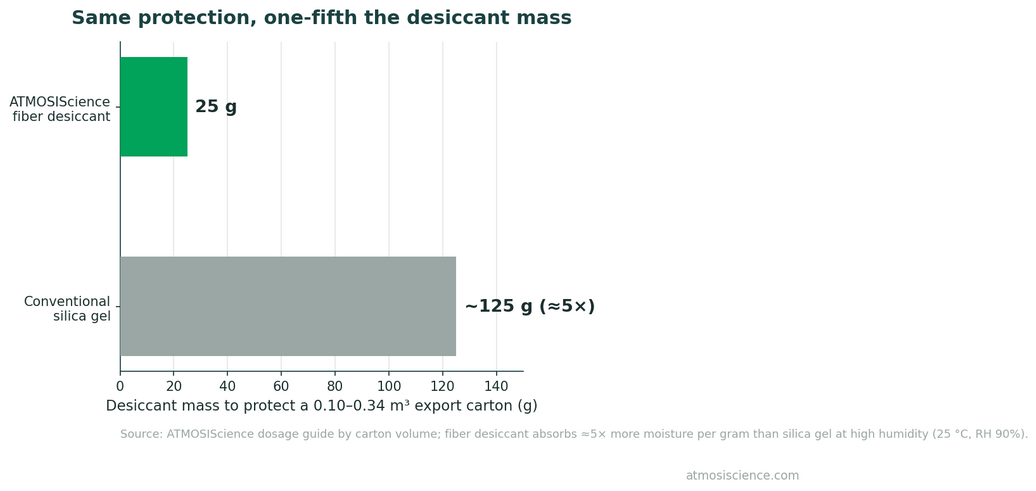
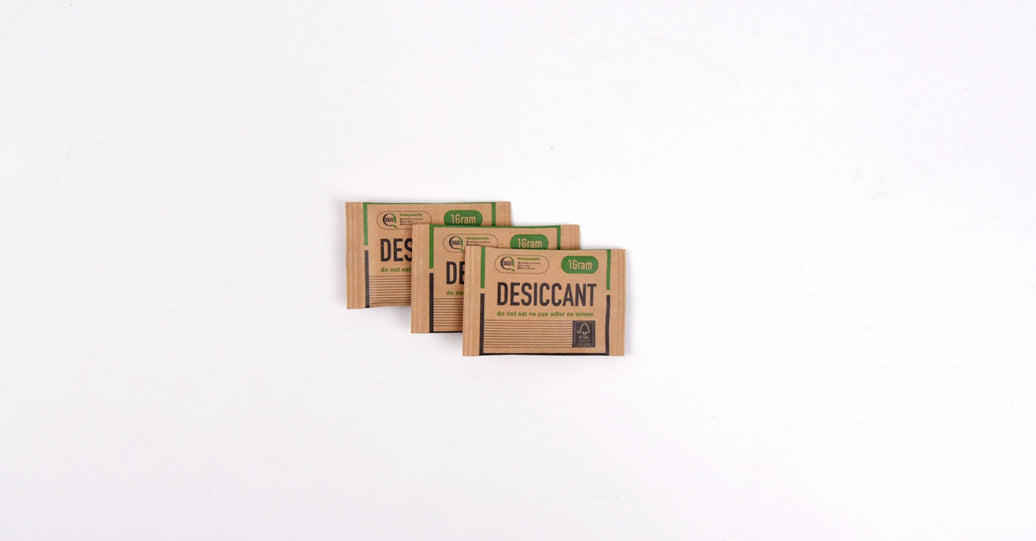
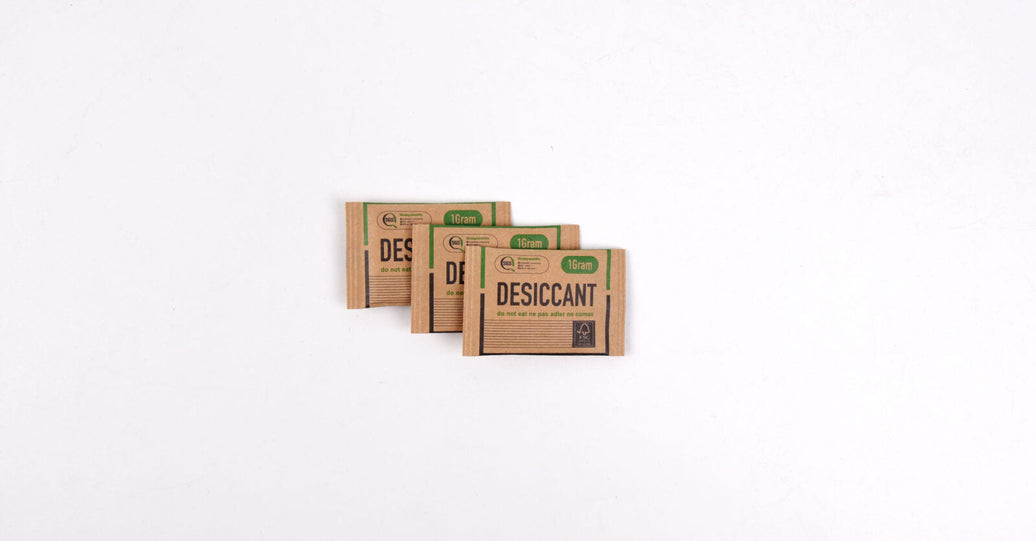
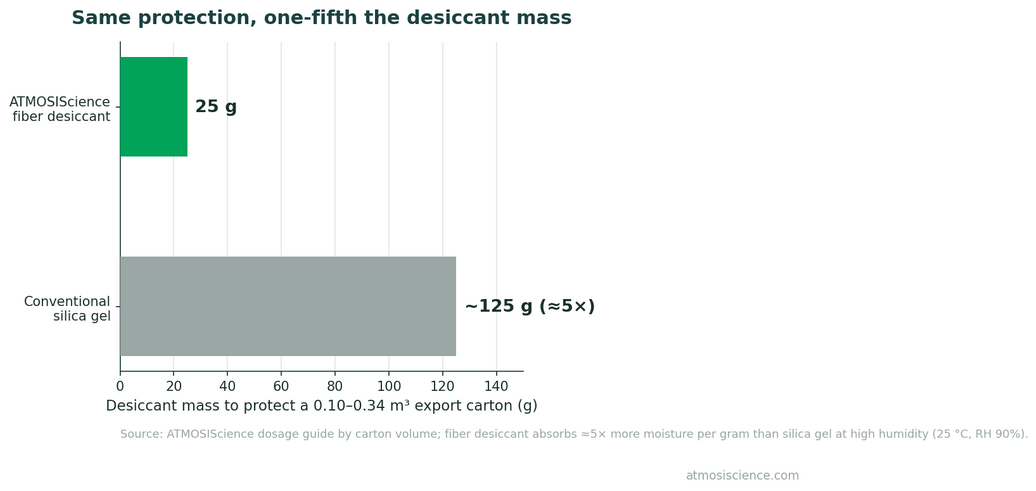
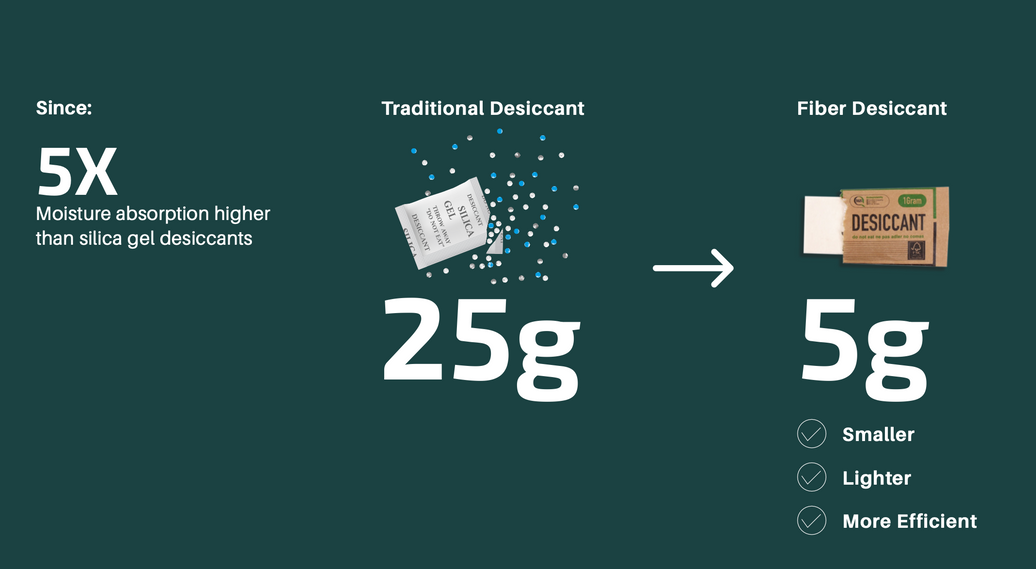
Desiccant is dense and travels in the same box as the product. Every gram is paid for twice — once inbound as a component, once outbound inside the finished pack. This is where high-capacity formats change the arithmetic: under the MIL-D-3464 unit definition, a desiccant unit weighs roughly 18 g in fiber, 30 g in silica gel and 35 g in clay. Same protection, very different shipped mass.

2. Duty and trade remedies
The base rate under a Chapter 38 residual heading is generally modest. What moves the number is everything layered on top: origin-based trade remedies, additional duties, and any anti-dumping order touching the material. Rates and remedy scopes change — verify against the current HTS edition and the current Federal Register notices at the time of entry, not against a spreadsheet from last year.
3. Packaging-waste and EPR fees
The sachet is packaging in most extended-producer-responsibility schemes, and fees are charged by weight and material. In the US, California, Oregon, Colorado, Maine and Washington have moved on this; in the EU, PPWR obligations began applying from 12 August 2026 with further phases through 2030. A heavier desiccant means a heavier fee, forever. That link is unpacked in US packaging EPR laws and your desiccant and, for EU market access, the EU PPWR compliance hub.
4. The cost of over-dosing
The quietest line. Teams that never recalculated dosage after a film change often carry 30–50% more desiccant than the pack needs. That surplus is paid on the purchase order, on the freight bill, on the EPR return and on the customs entry — four times, every shipment. Dosage by carton volume is the place to check that assumption.
The document pack a broker will ask for
- Commercial invoice with a material description that supports the claimed classification — not just "desiccant".
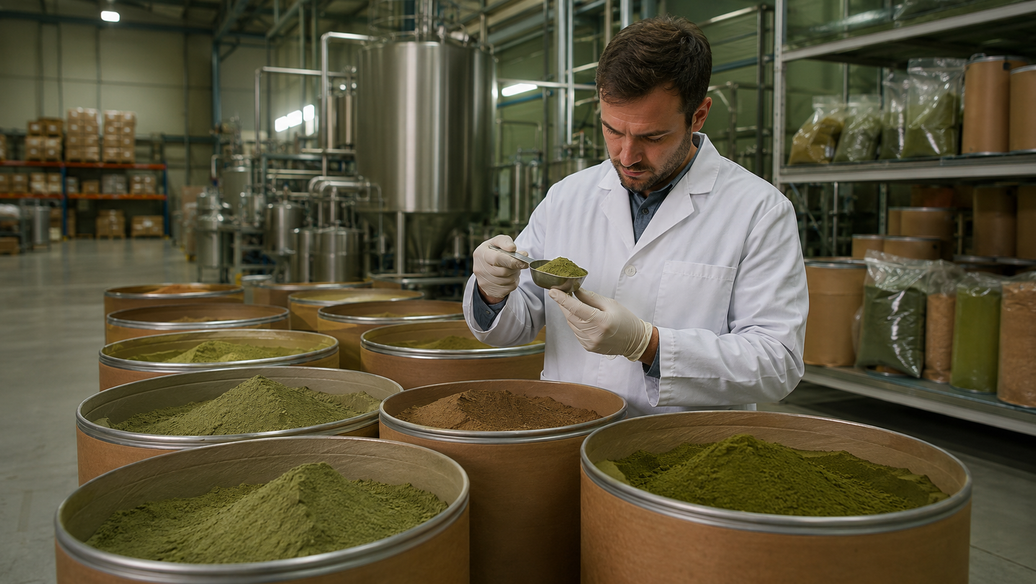
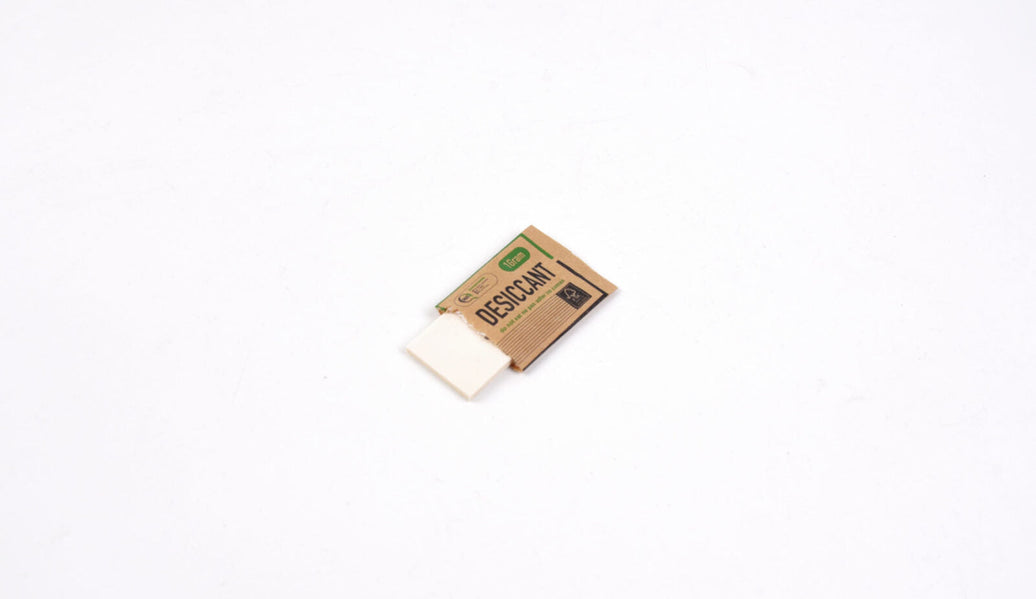
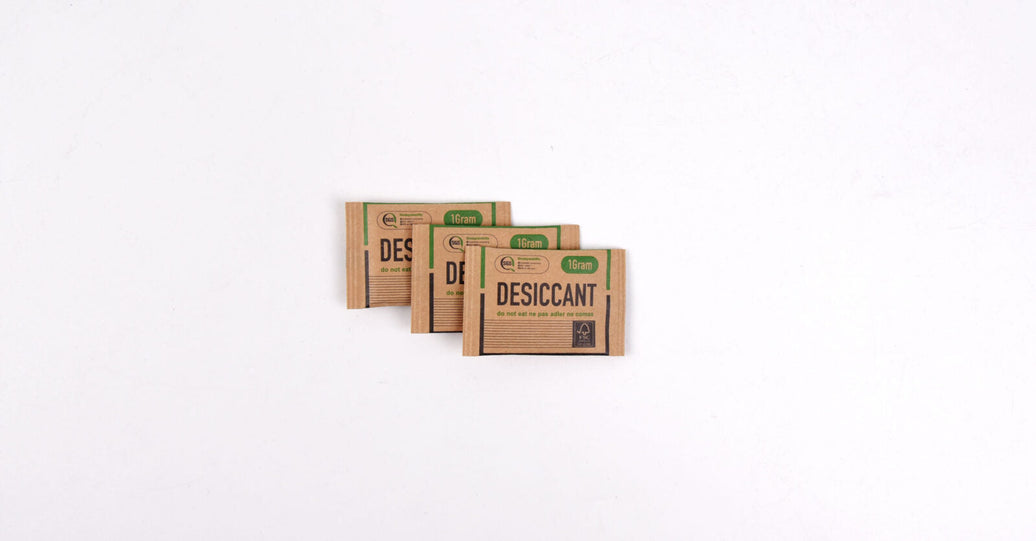
- Composition statement. For ATMOSIScience fiber desiccant: lignocellulose, calcium chloride, PLA, food-grade paper and water.
- Safety data sheet.
- Certificate of origin, and any preference claim documentation.
- Food-contact documentation where the end use requires it — FDA 21 CFR 175.300 for food-contact applications.
- Compostability and RoHS test reports where they are relied on for a market claim.
Most delays we see are not tariff disputes. They are a one-line product description that does not match the code. The wider list is in desiccant export documentation.
FAQ
Can I just use my supplier's HTS code?
You can use it as a starting point. As importer of record you own the classification, so it should be validated against your own product's construction — ideally by a licensed customs broker or a binding ruling.
Does a compostable desiccant get a different code?
Compostability is a performance certification, not a classification driver. It matters for EPR fees and market claims, not usually for the tariff line.
Is the desiccant classified separately from the product it protects?
If it arrives as a component shipment, yes — it is classified on its own. If it is already inside a retail-ready finished good, it normally follows the finished good.
How much does classification error actually cost?
Duty differentials are recoverable in either direction, but penalties, interest and the audit burden are not. The exposure runs across every entry in the look-back period, which is why a ruling is cheap insurance.
Does buying domestically remove the problem?
It moves it. A US distributor has already cleared the goods and priced the duty into the invoice — you pay it without seeing it. The comparison is set out in domestic vs. overseas sourcing.
This article is general information on packaging procurement, not customs, legal or tax advice. Classification and duty treatment depend on your specific product and entry — confirm with a licensed customs broker or through a binding ruling.
Need the documents to support your entry?
Our team supplies composition statements, SDS, certificates of origin and test reports with every order. Tell us the destination market and we will send the pack your broker will ask for.
Prefer email? info@atmosiscience.com