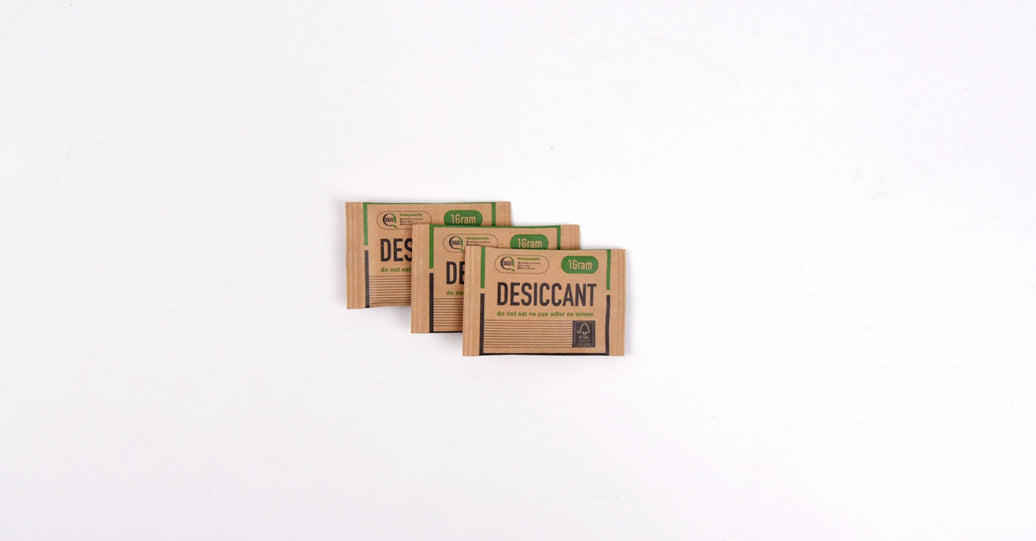
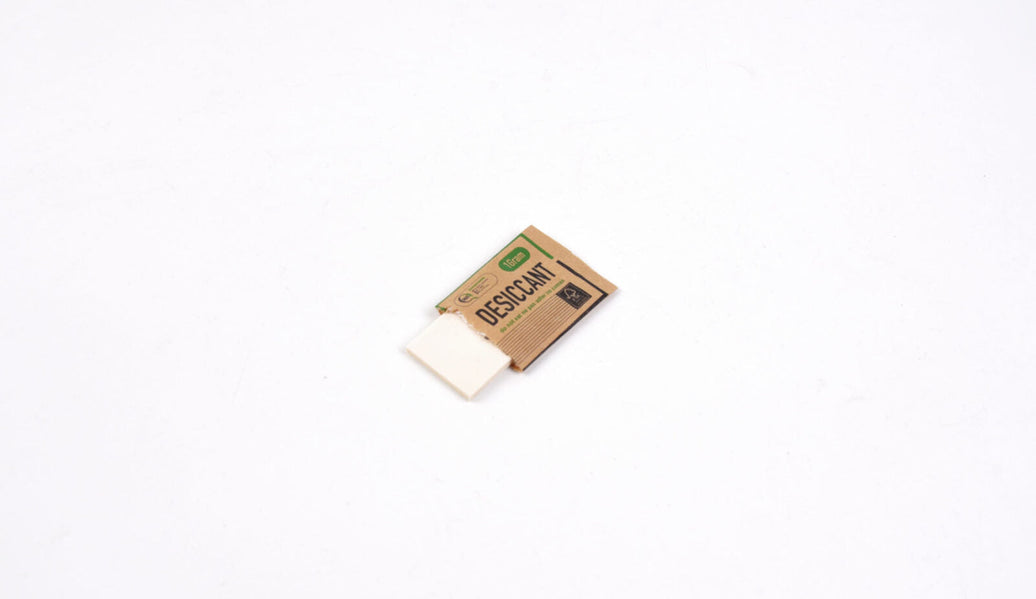
Packaging Extended Producer Responsibility (EPR) has quietly arrived in the United States, and it reaches further than most brands realize — all the way down to the desiccant sachet inside the box. In the states that have enacted it, producers pay into a stewardship fund with fees modulated by recyclability and material type. A non-compostable silica-gel sachet is exactly the kind of hard-to-recycle component those fees are designed to penalize.
This guide explains how packaging EPR affects your desiccant, which states it covers, and why material choice now has a direct line-item cost.

Where US packaging EPR already applies
The United States has no single federal PPWR equivalent, but the patchwork is filling in fast. Five states — California, Washington, Oregon, Maine, and Colorado — have enacted Extended Producer Responsibility statutes for packaging. Three more — New Jersey, Illinois, and Maryland — have EPR legislation in review. On top of the state laws, federal procurement (GSA) and major retailers (Walmart, Target, Amazon) layer their own packaging-waste reduction targets.
For a brand selling nationally, that means EPR exposure in major markets today, with more states arriving on a rolling basis.
How EPR fees actually work — and hit desiccant
The mechanism mirrors the EU. Producers pay into a stewardship fund, and the fee per component is modulated by how recyclable and what material it is. Easy-to-recycle and certified-compostable formats pay less; hard-to-recycle, multi-layer, or contaminating components pay more.
A desiccant sachet is auxiliary packaging, so it counts. A silica-gel sachet in a non-recyclable plastic film is precisely the contaminating, hard-to-recycle profile that draws the higher fee — multiplied across every unit a brand ships into an EPR state.
The compounding cost most brands miss
Per-sachet, the fee difference looks trivial. Across annual volume, it is not. A brand shipping hundreds of thousands or millions of units into EPR states pays the modulated fee on every one, every year, indefinitely. Switching the desiccant to a certified-compostable format converts that recurring penalty into the lower-fee tier — a structural cost reduction, not a one-time saving.
How fiber desiccant lowers the fee
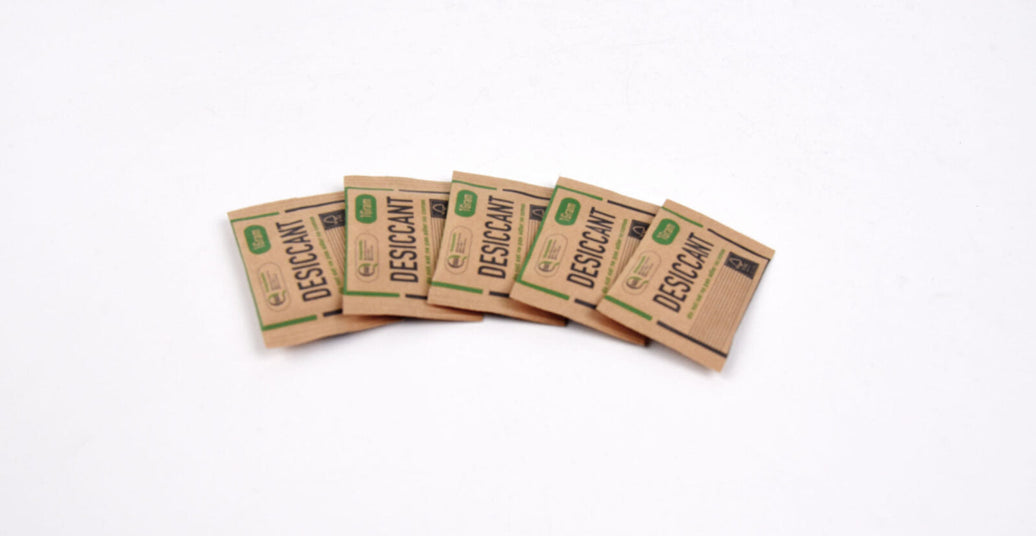
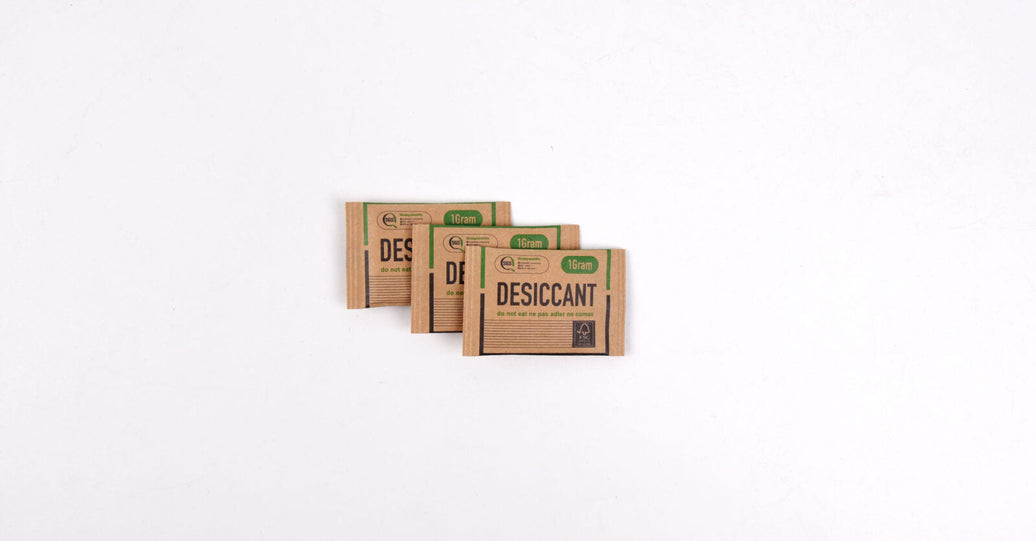
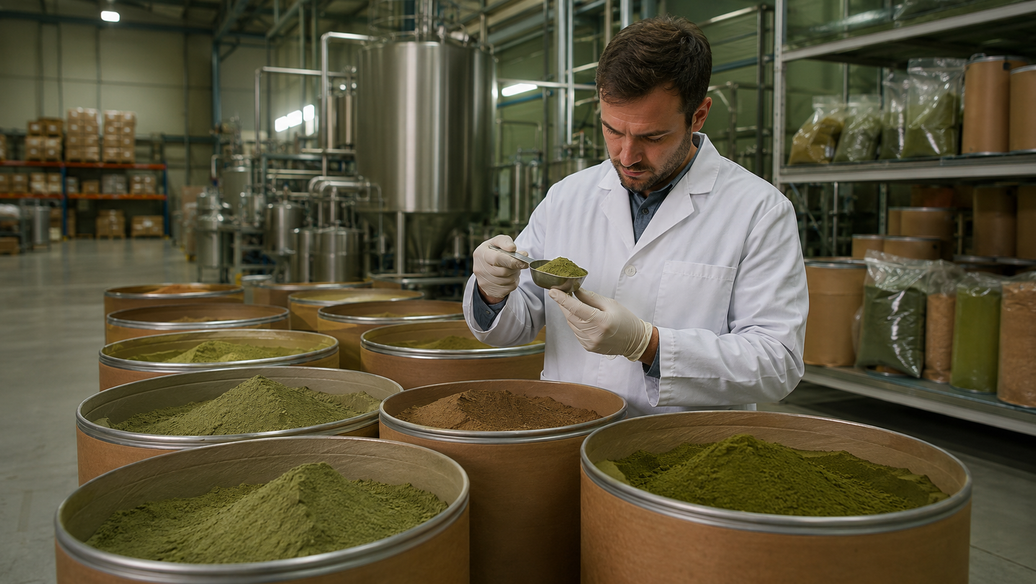
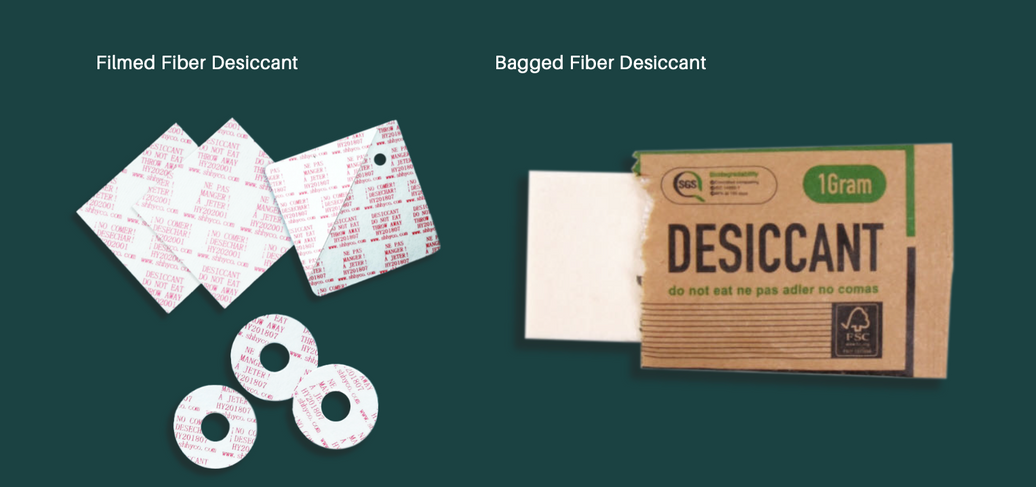
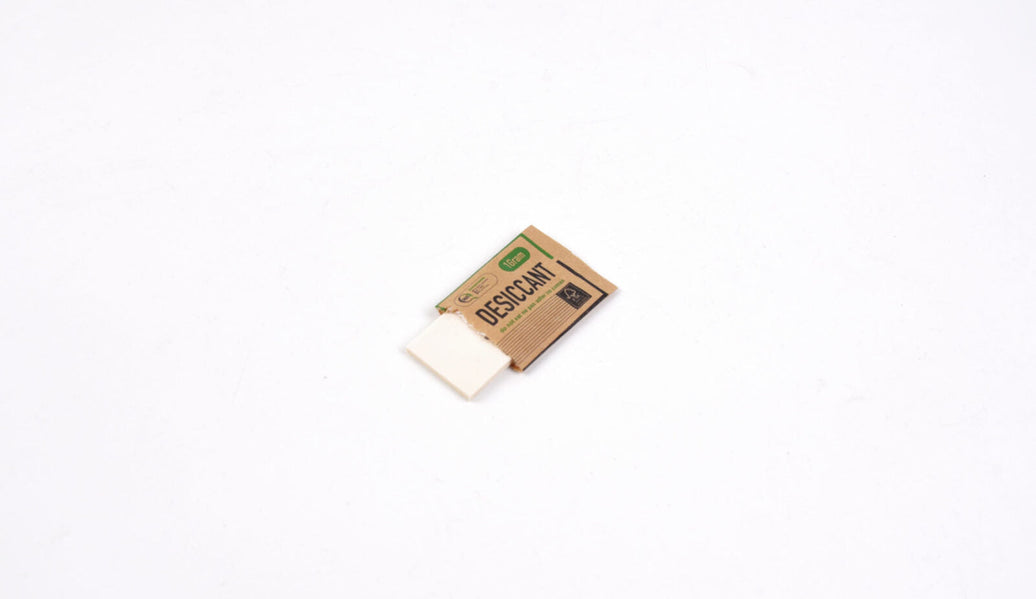
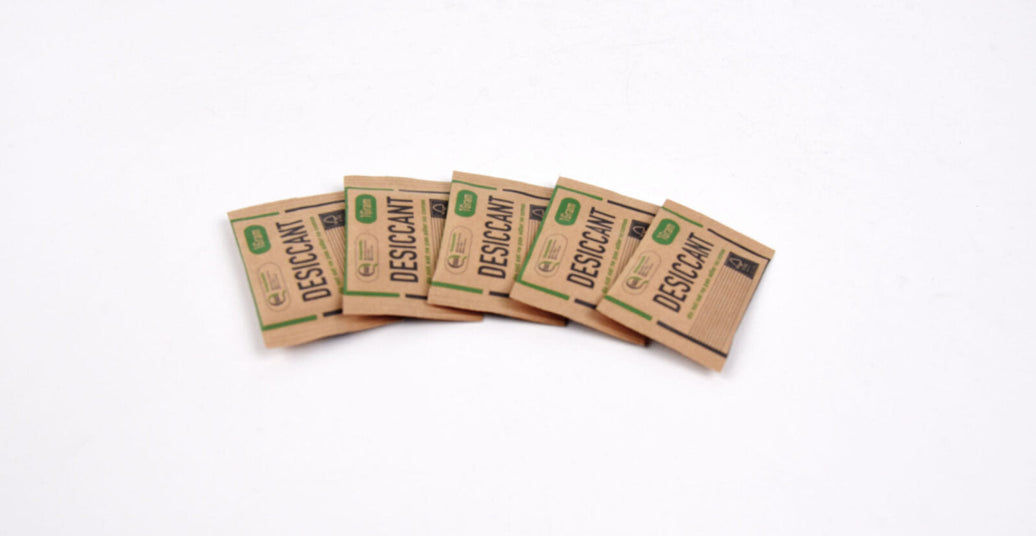
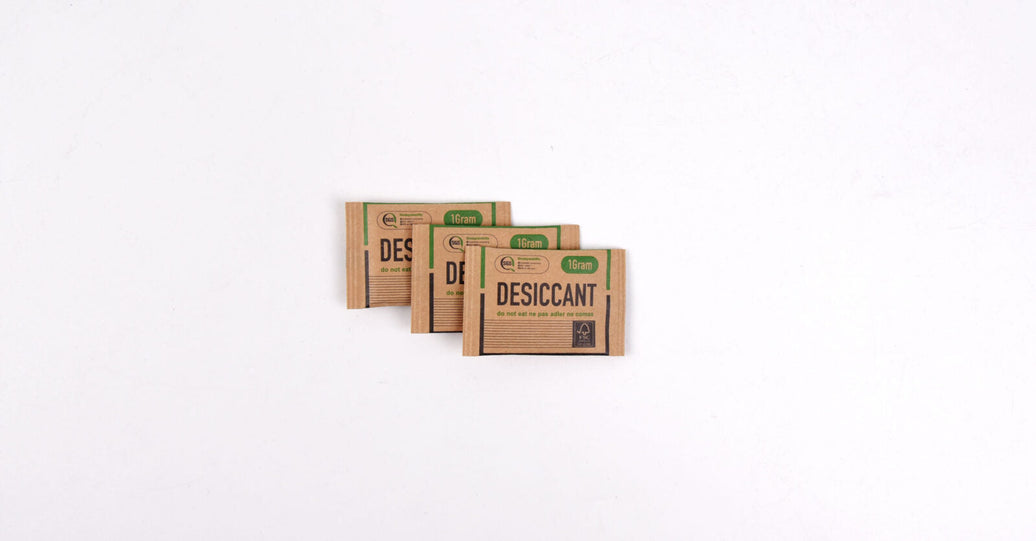
ATMOSIScience fiber desiccant is built for the low-fee tier: a plant-fiber active (lignocellulose loaded with calcium chloride) wrapped in a certified-compostable bag under ASTM D6400 and EN 13432, with an ISO 14067 Product Carbon Footprint of 1.44 kg CO₂e/kg — 31.25% lower than silica gel.
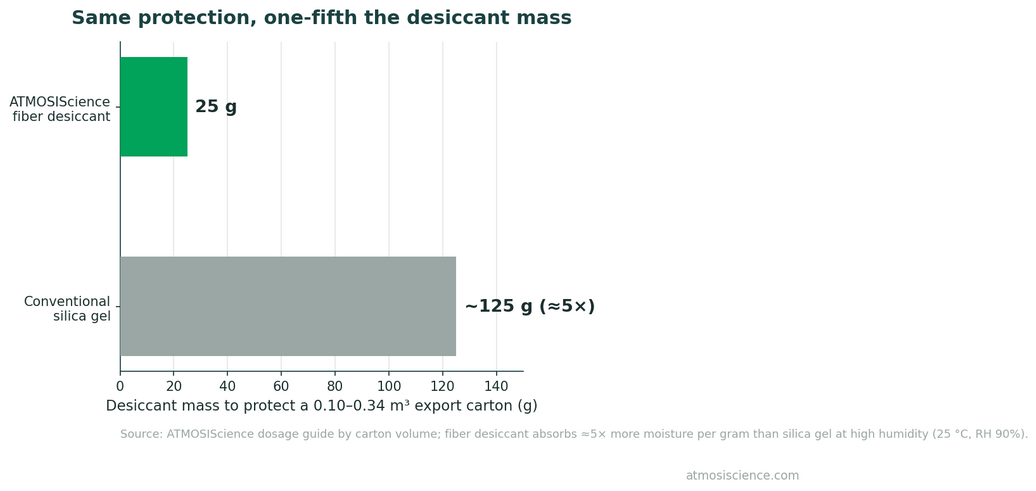
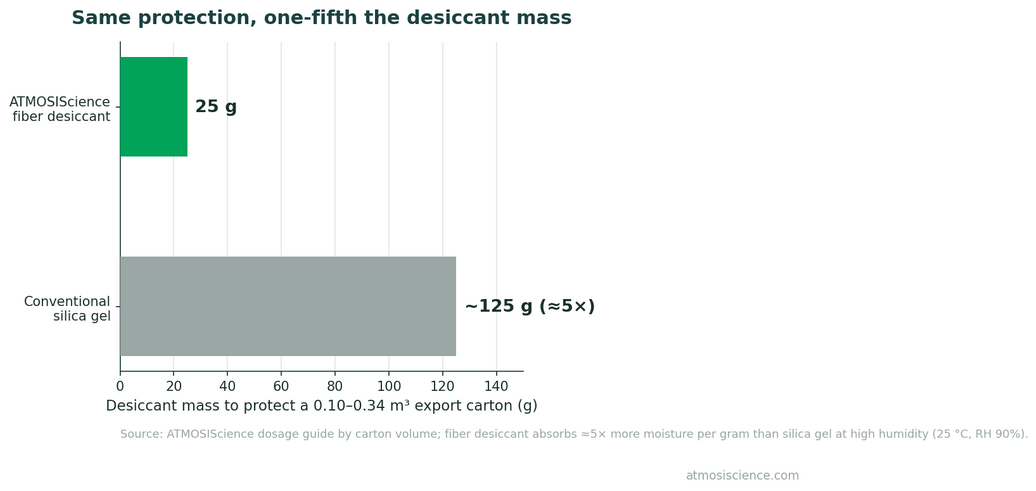
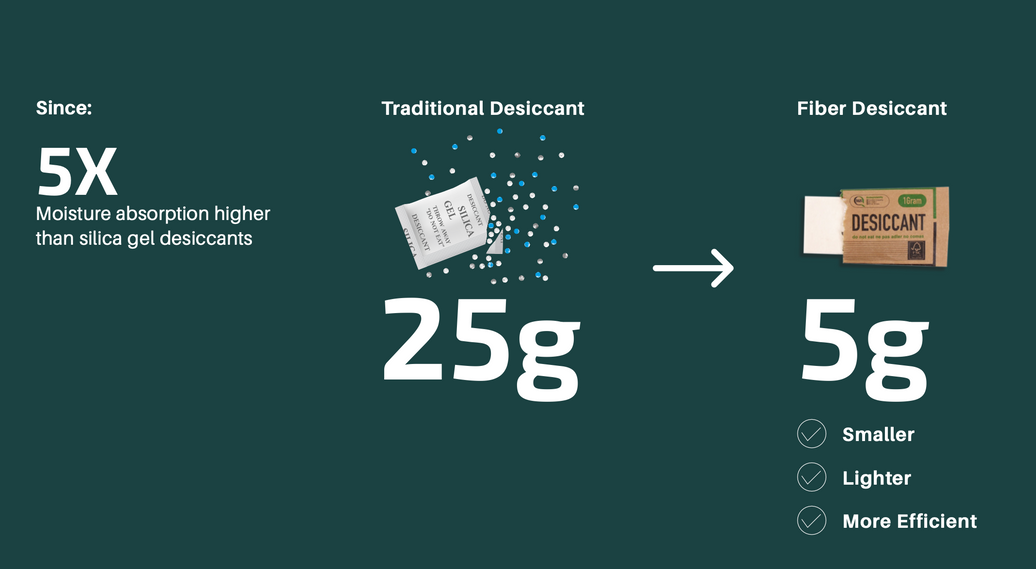
And because it absorbs three to five times more moisture per gram than silica gel, a brand uses less of it — lowering not just the per-unit fee tier but the total mass of packaging material that EPR is calculated on.
What to do now
Map which of your shipping destinations are in enacted EPR states (CA, WA, OR, ME, CO) or pending ones (NJ, IL, MD). Inventory your desiccant SKUs and confirm whether each carries ASTM D6400 / EN 13432 certification. Then model the fee difference between your current sachet and a certified-compostable format across annual volume — that number is usually what makes the switch obvious.
Frequently asked questions
Do US packaging EPR laws cover desiccant sachets?
Yes. Desiccant sachets are auxiliary packaging and count toward a producer's EPR obligation in states that have enacted it, with fees modulated by recyclability and material.
Which US states have packaging EPR?
California, Washington, Oregon, Maine, and Colorado have enacted statutes; New Jersey, Illinois, and Maryland have legislation in review. Retailers and federal procurement add further targets.
How does a compostable desiccant lower EPR fees?
Eco-modulated fees charge certified-compostable, easy-to-recycle formats less than hard-to-recycle plastic. A certified fiber desiccant qualifies for the lower tier, and its higher capacity means less material overall.
This article is general information, not legal advice. Confirm current EPR obligations against your jurisdictions and counsel.
Cut your packaging stewardship fee
ATMOSIScience supplies certified-compostable fiber desiccant (ASTM D6400 / EN 13432, ISO 14067) that fits the lower EPR fee tier while outperforming silica gel.
Request the certification pack and bulk pricing on our desiccant solutions page, evaluate the material via the Fiber Desiccant, or contact our team.
Related reading: EU PPWR & Desiccant Sachets · The True Cost of Silica Gel
Get a desiccant spec & bulk quote for your product
Tell us about your packaging needs, and our sales team will respond with a customized fiber-desiccant solution, supporting certificates and competitive bulk pricing.