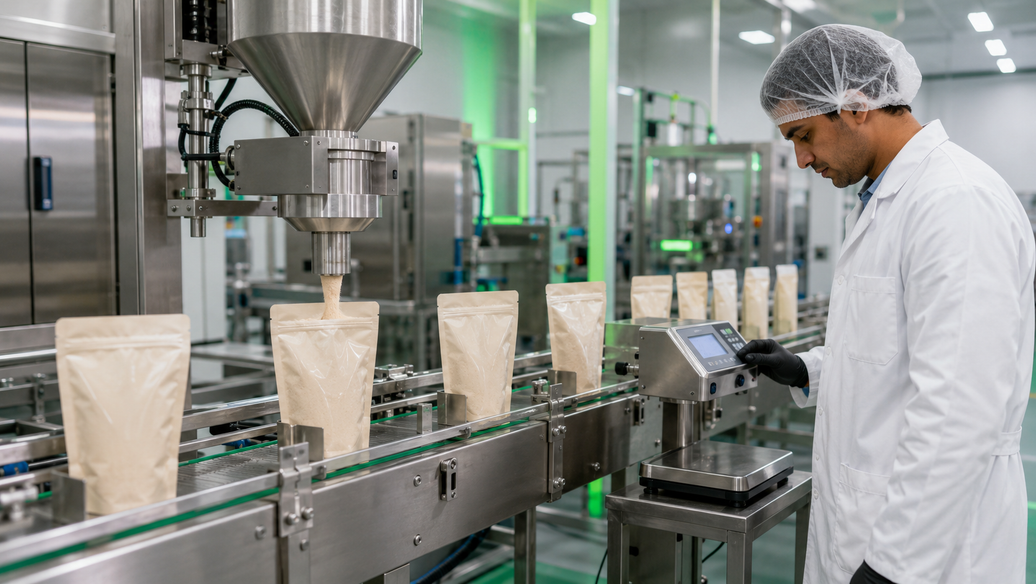
Quick answer: In a resealable pack, the moisture that matters usually arrives after the consumer opens it. A 900 g protein tub opened once a day for 30 days exchanges its headspace roughly 30 times with room air. In a humid kitchen that single term can exceed everything the film lets through across the entire stated shelf life. Sizing desiccant against unopened shelf life is therefore the wrong calculation for tubs, zipper pouches and scoop jars — size against opening cycles, and expect the answer to be several times larger.
Complaints about clumping rarely come from unopened stock. They come from week three, from a customer whose scoop is stuck in a solid crust, who photographs it and posts the photograph.
That timing is diagnostic. Unopened failures point at the film, the seal or the fill moisture. In-use failures point at the opening cycle — and no amount of barrier improvement fixes an opening cycle.
The arithmetic of an opening
Every time a resealable pack is opened, the headspace air is replaced with room air. That air carries water proportional to its absolute humidity. In a temperate kitchen the amount per opening is small. In a coastal summer kitchen, or a gym bag, or a bathroom shelf, it is not.
Three variables set the magnitude:
- Headspace volume. This grows as the product is consumed. The last third of a tub has the most air and the least product — which is exactly when caking complaints peak.
- Ambient humidity at the point of use. Not warehouse conditions. Not the chamber. The customer's kitchen.
- Number of openings. A daily scoop over 30 servings is 30 exchanges. A gummy jar opened by two people is more.

Why the standard sizing misses it
Desiccant dosage is normally derived from permeation, surface area and shelf life — the method in desiccant dosage by MVTR. That calculation is correct and complete for a sealed pack that is opened once, at the end.
It is structurally blind to opening cycles, because a chamber study keeps the pack shut. So does accelerated stability. A product can pass both and still cake in month two of consumer use — a gap discussed in what accelerated stability data proves.
Sizing for in-use conditions
- Define the use profile. Servings per pack, openings per day, expected duration in use. Marketing already knows this; packaging rarely asks.
- Pick a realistic worst-case ambient. Not the average of your markets. If the product sells in Florida, Singapore or the Gulf, size for those.
- Use late-life headspace, not fill headspace. Model the pack at roughly one-third remaining, when air volume is highest.
- Add the permeation term. It is still there; it is simply no longer the largest number.
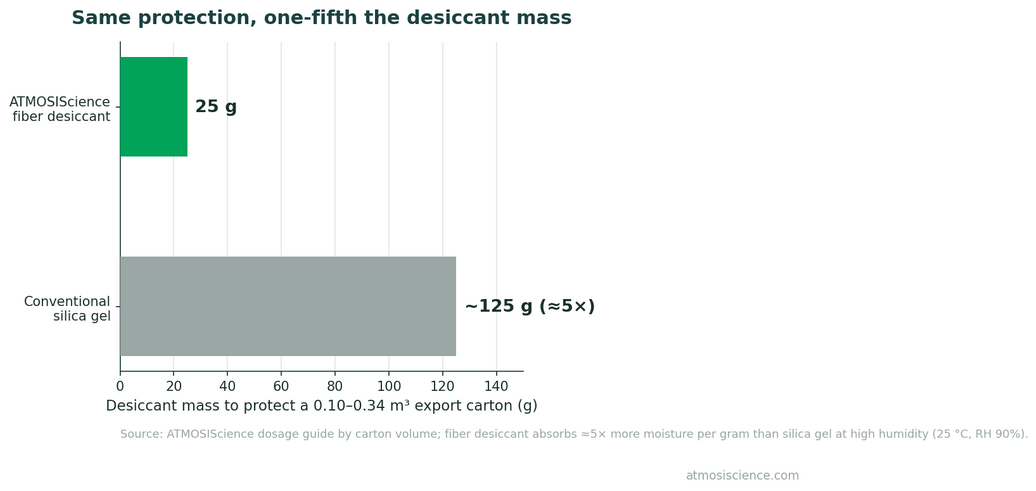
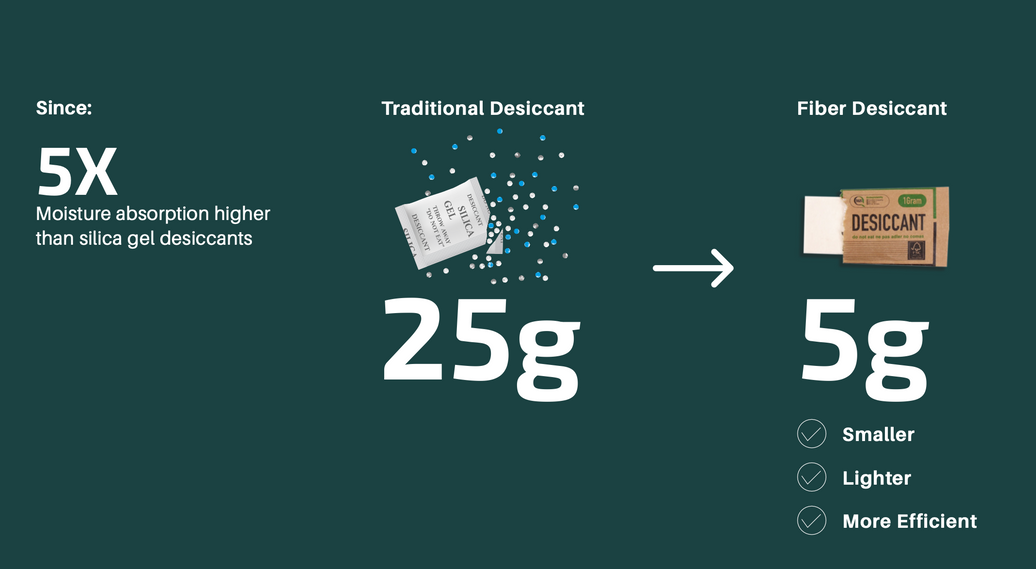
- Convert to capacity at working RH. ATMOSIScience fiber desiccant adsorbs above 35% of its own weight at 50% RH and above 70% at 90% RH (25°C). An in-use pack sits at the humid end of that curve, which is where capacity per gram is highest — one of the few things working in your favour here.
Format matters more than usual
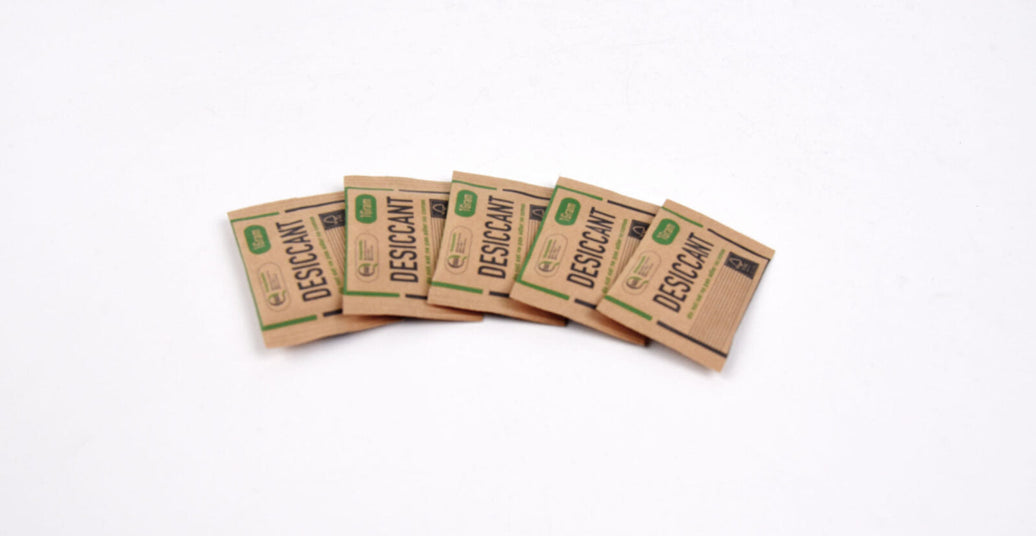
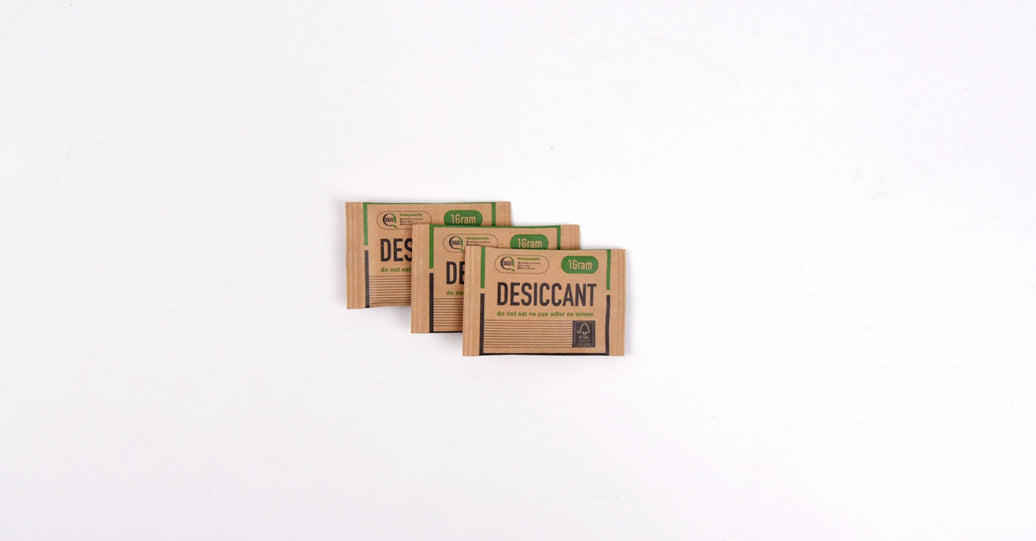
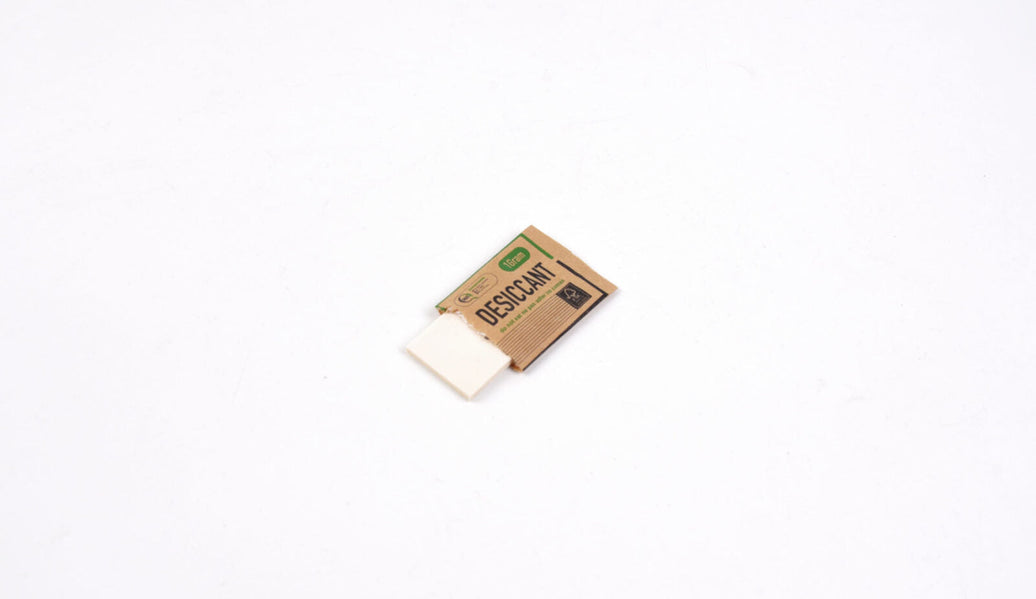
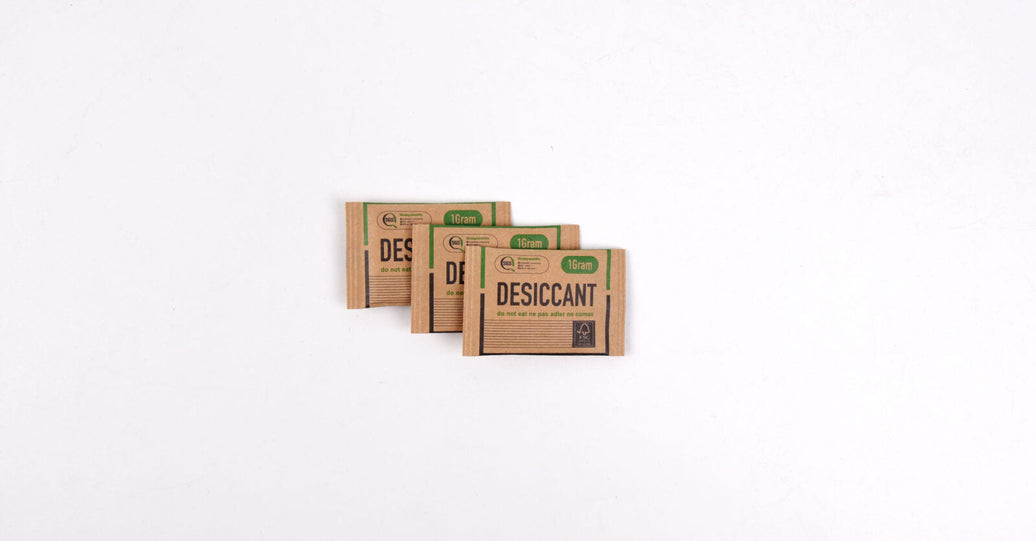
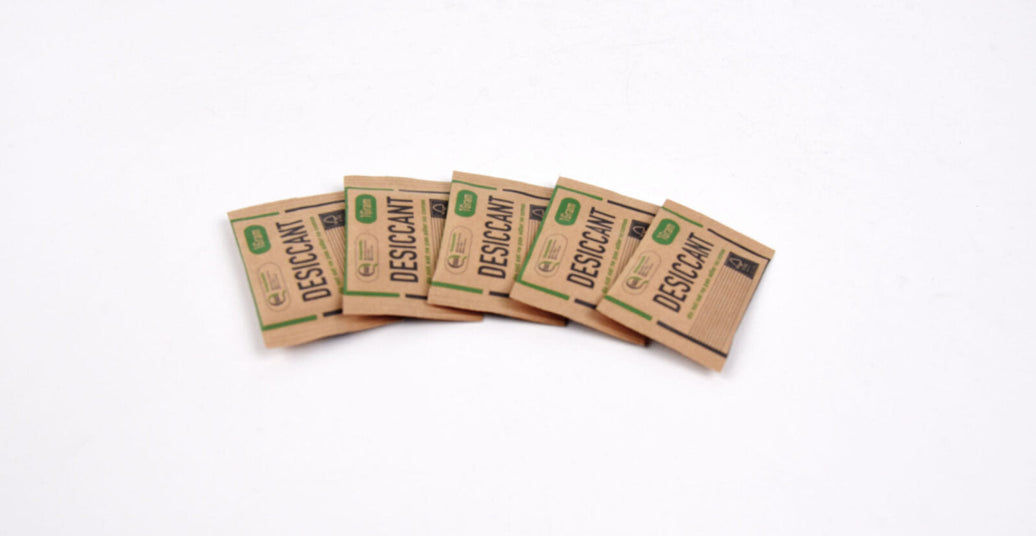
A loose sachet rattling in a tub gets scooped out, thrown away by the consumer, or torn by the scoop. Three formats survive real use better:
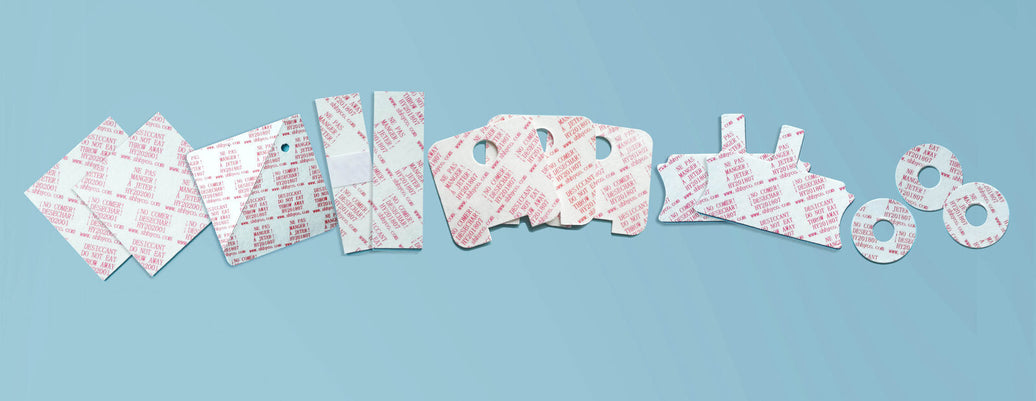
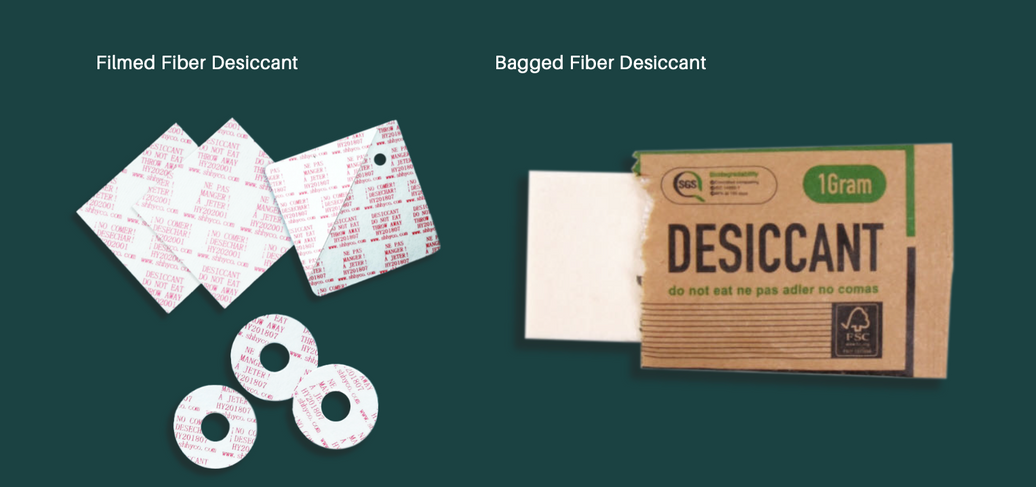
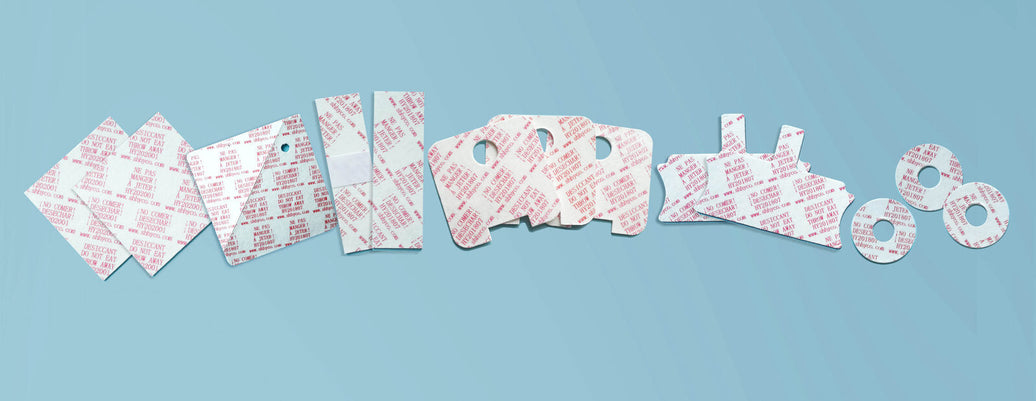
- Lid-mounted film card. Seated under the closure, out of the product, out of the scoop's path, and impossible to discard by accident. Construction detail in bottle-cap desiccant inserts.
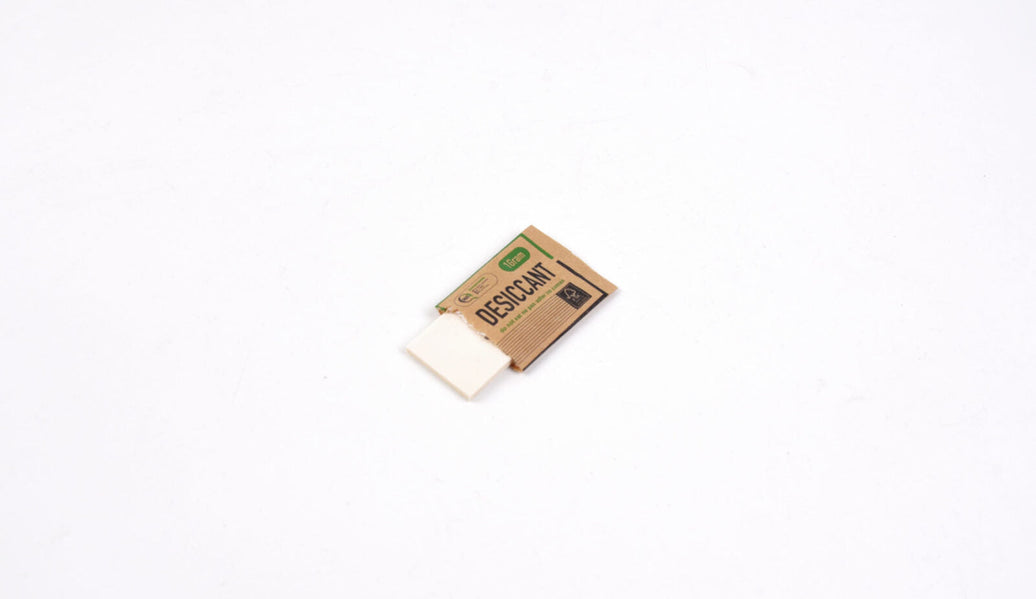
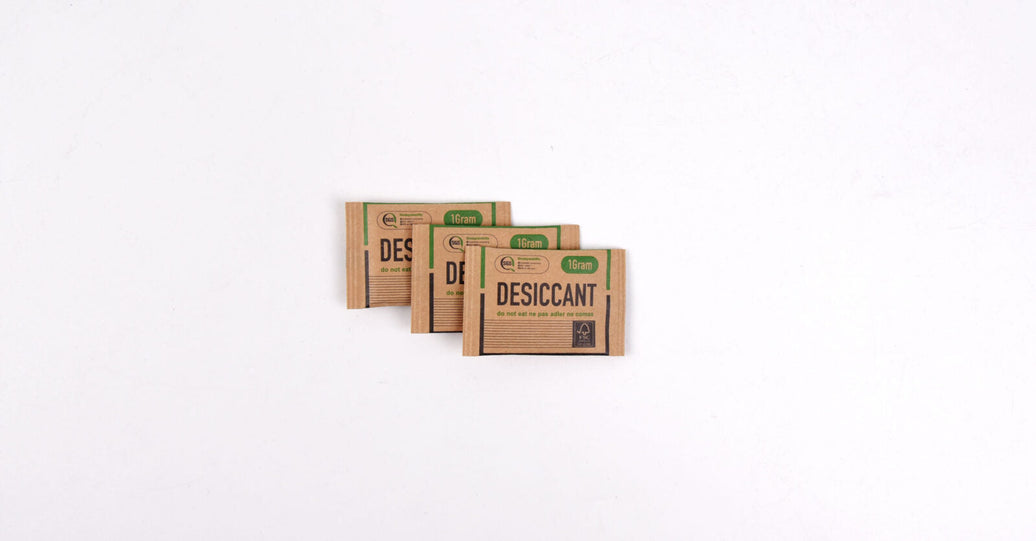
- Bonded pad in a sealed sachet. Will not shed if abraded by a scoop — the risk profile that rules out loose-fill granules in consumer packs, covered in loose-fill desiccant risks.
- Die-cut pad laminated into the closure liner. Invisible to the consumer, zero handling steps at fill.
Whatever the format, the "do not eat" marking and child-safety considerations still apply in a consumer pack — see the do-not-eat label.
The over-drying trap
Not every resealable product wants maximum dryness. Gummies, soft chews, dried fruit and some botanicals have a lower moisture limit; strip too much water and they harden, crack or lose sensory quality. A pack that is over-dosed with one-way desiccant trades a clumping complaint for a texture complaint.
Where a band is required rather than a floor, two-way humidity control is the correct tool — the principle is set out in why drier is not always better, and the gummy case specifically in desiccant for gummy supplements.
FAQ
How much bigger should in-use dosage be?
There is no universal multiplier — it depends on headspace, ambient humidity and opening count. What is consistent is direction: for daily-use tubs the in-use term is usually the largest, often by a wide margin. Model it rather than scaling a guess.
Does a zipper reduce the problem?
A zipper reduces permeation between openings and helps a great deal on structural terms. It does nothing about the air exchanged during the opening itself.
Should the desiccant be replaceable by the consumer?
Rarely practical, and it introduces a handling and safety question. Sizing for the full in-use period is the cleaner answer.
Will a bigger sachet fix a caking complaint?
Sometimes. But confirm the root cause first — fill moisture above target, a weak seal or a hygroscopic ingredient change produce the same symptom. The diagnostic sequence is in desiccant not working: 7 failure modes.
Does this apply to pet food and treats?
Directly. Resealable treat pouches opened daily follow the same arithmetic — see desiccant for pet food and freeze-dried treats.
Getting clumping complaints in week three? Let's size for real use
Send your pack format, servings per container and target markets. ATMOSIScience returns an in-use dosage model and a closure-compatible format recommendation.
Prefer email? info@atmosiscience.com