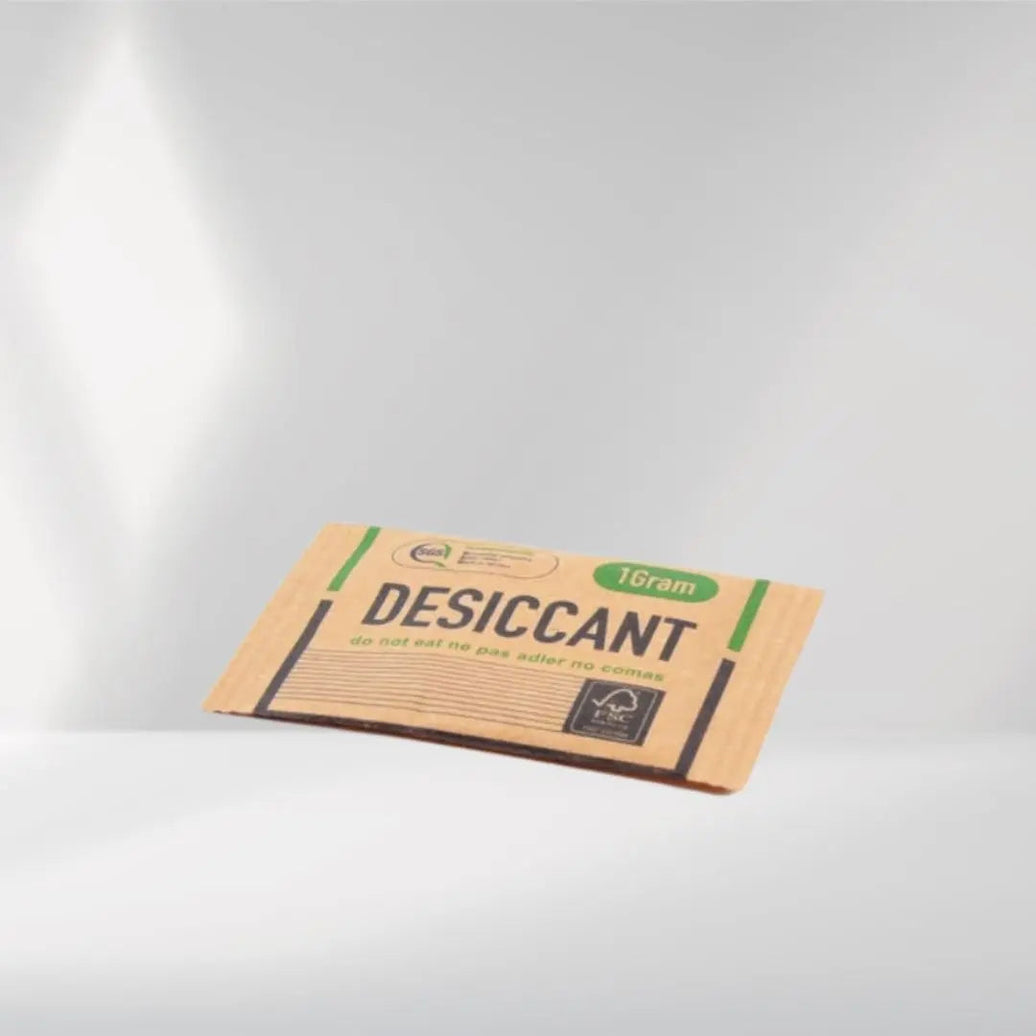
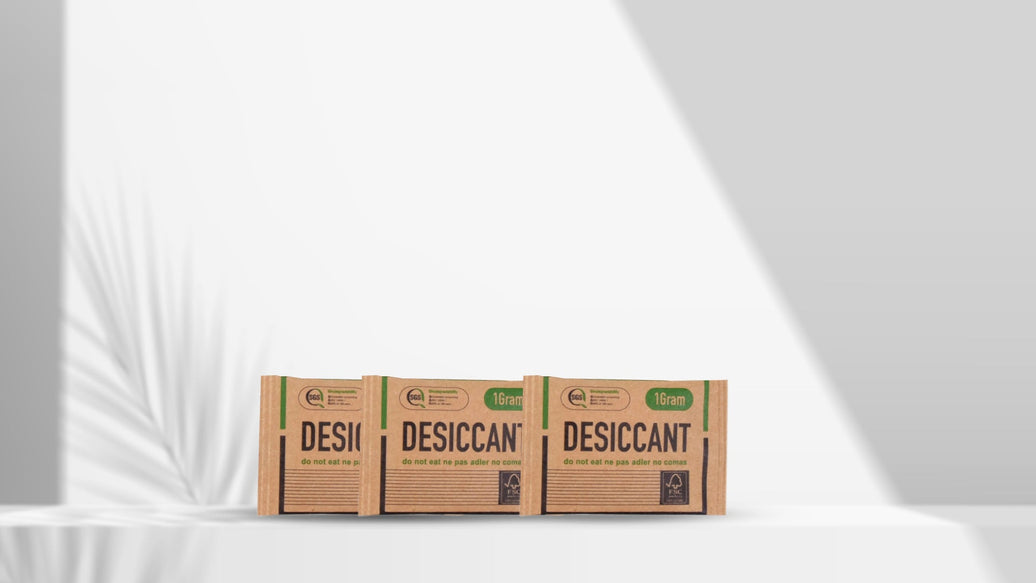
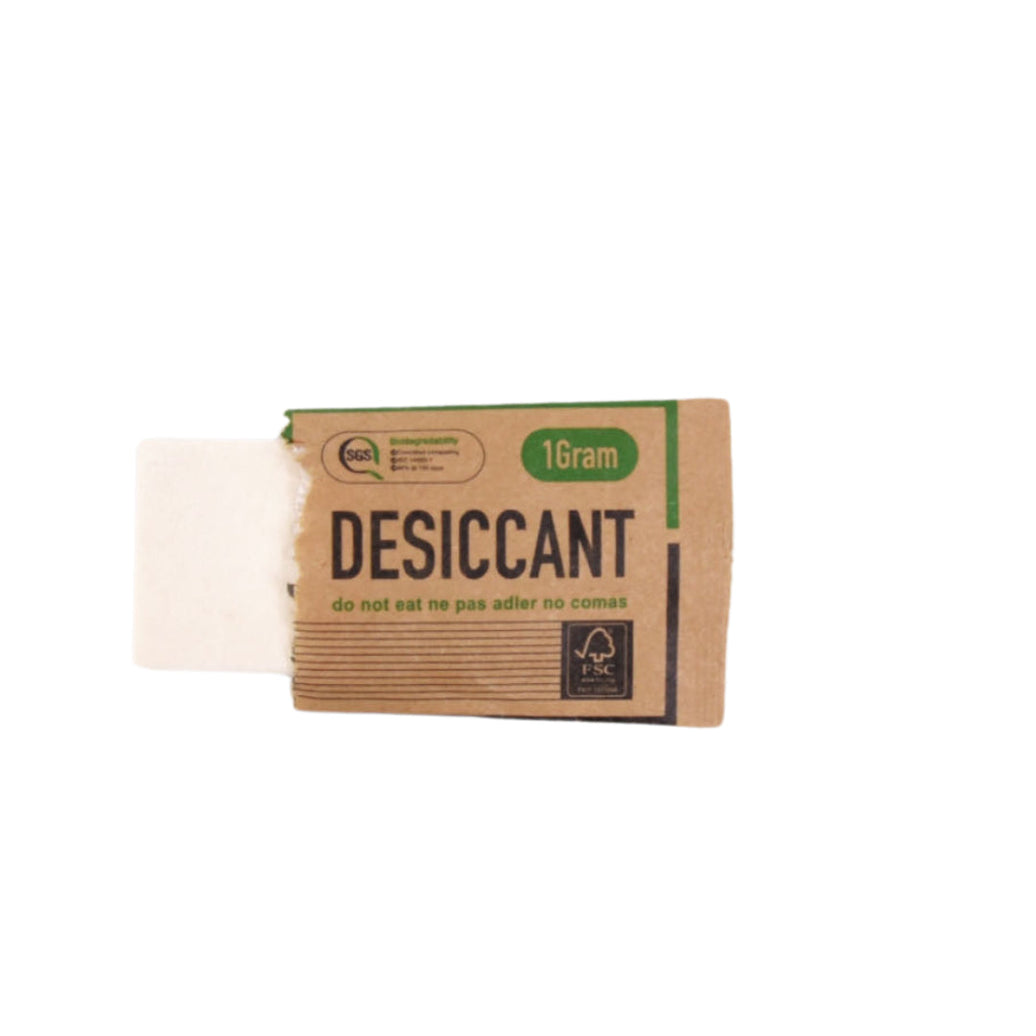
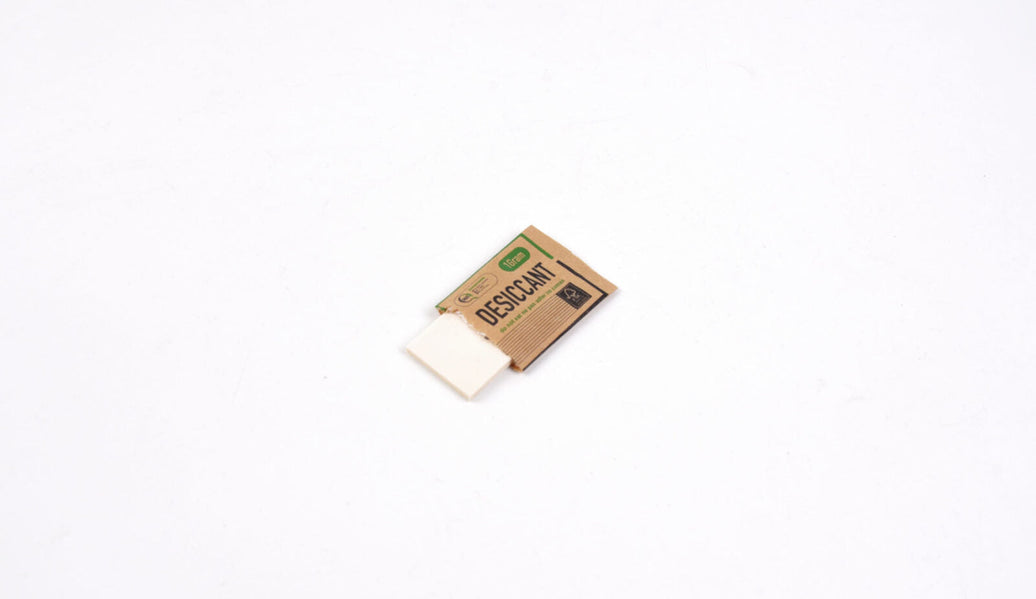
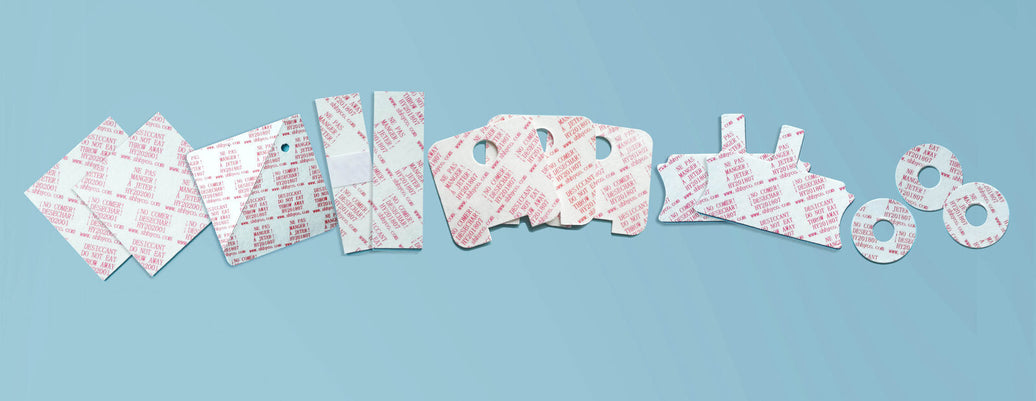
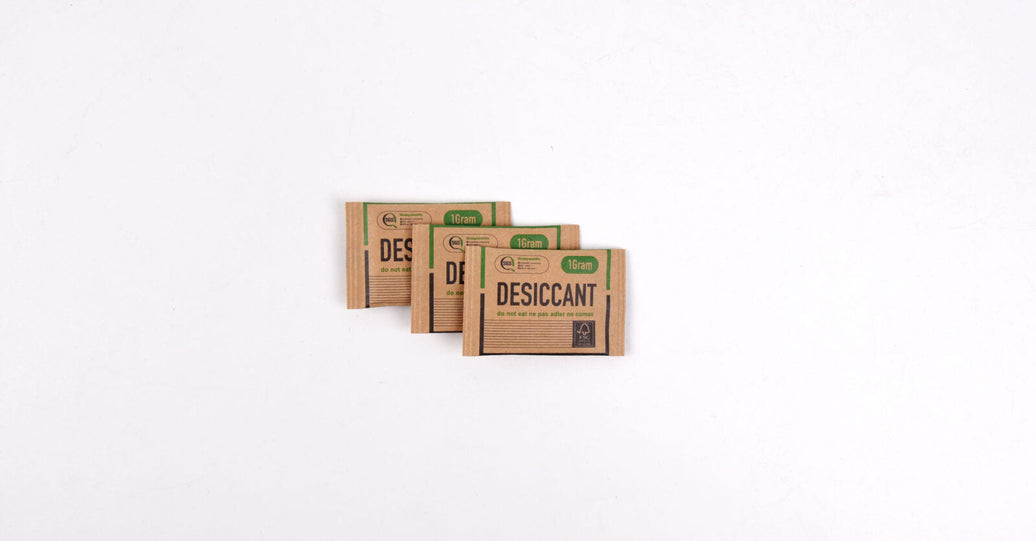
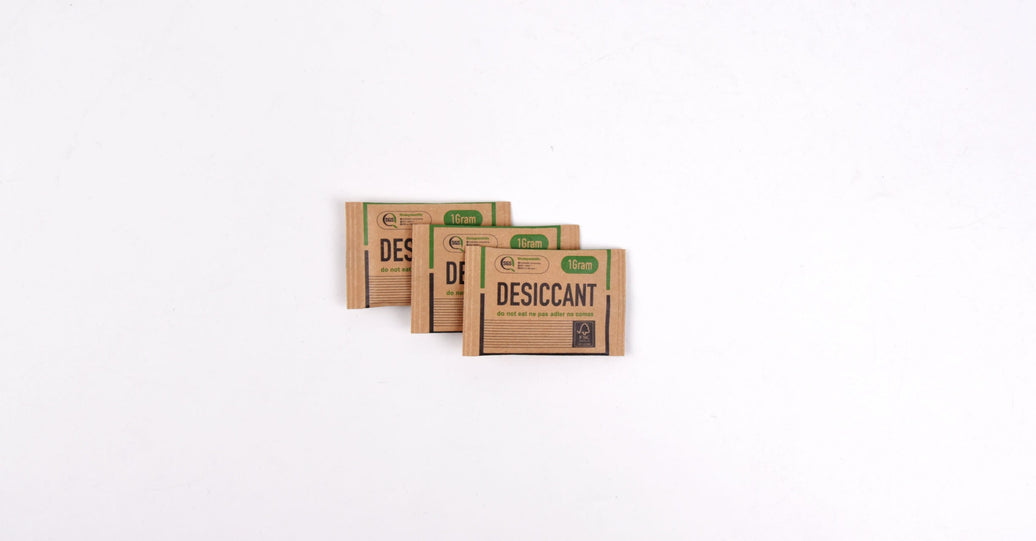
Quick answer: Packaging extended producer responsibility is reported component by component, by material category and by weight, so a 1 g desiccant insert is a reportable packaging component with its own line. The declaration you need from a supplier carries nine fields: component name and part number, each material layer identified by category, mass per unit for each layer, total mass per unit, recyclability pathway with evidence and its scope, recycled content if any, any substance of concern, the jurisdictions the supplier has data for, and a signature with a date and a change notification commitment. If a supplier sends a brochure instead, you end up weighing inserts on a lab balance yourself, which is how packaging teams lose weeks before a reporting deadline.
The pattern is now familiar. A brand has thousands of SKUs, packaging sourced from dozens of converters, and fee schedules that assess components by weight and by how recyclable they are. The large components are easy to chase. The small ones, the insert, the sachet, the desiccant, are the ones that stall a return, because nobody ever asked the supplier for a declaration and the supplier never built one.
Why the desiccant has its own line
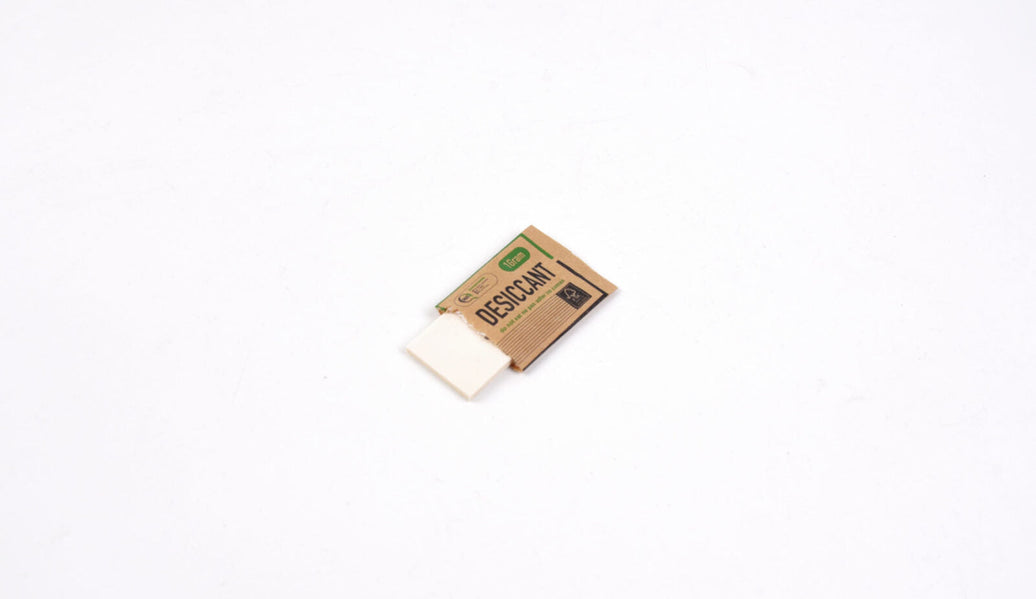
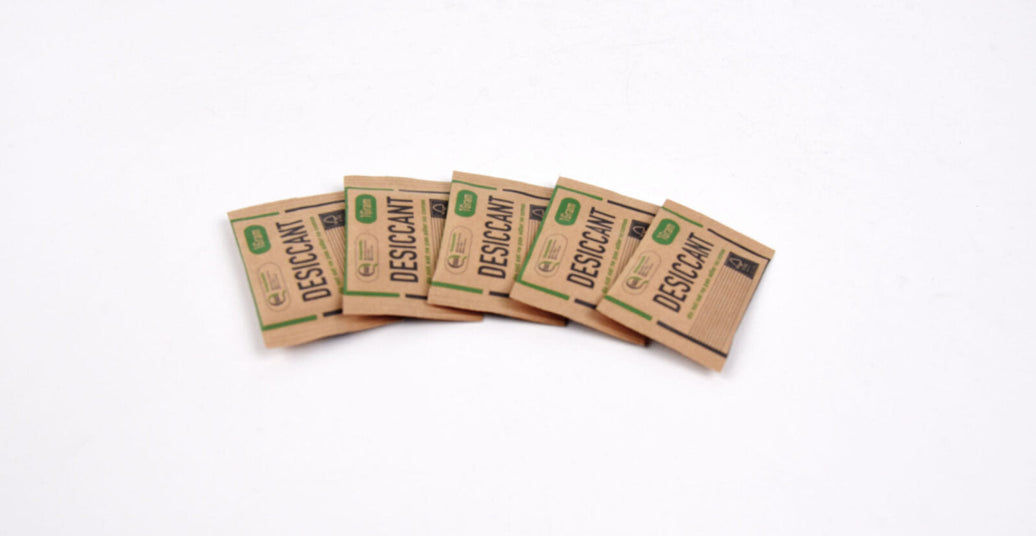
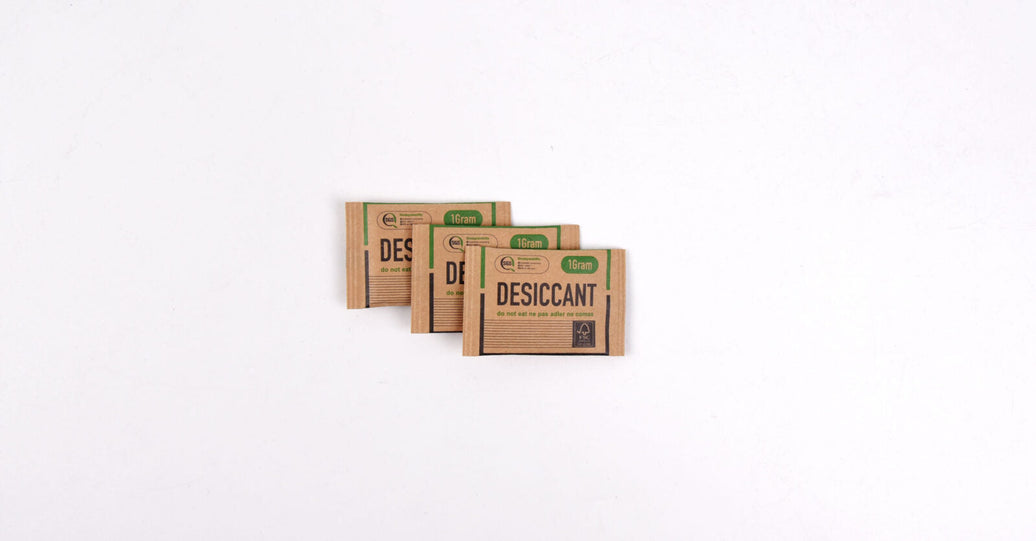
It is inside the pack, it is not the product, and it is discarded by the consumer. That is a packaging component in most reporting frameworks. Whether it is assessed as paper, as plastic, or as a composite depends on what it is actually made of, which is exactly what the declaration establishes. Fee arithmetic per gram is in what a 3 gram desiccant costs under US packaging EPR, and the current deadlines are in the Minnesota and Maryland dates. For EU exposure, whether the insert even counts as packaging is settled in is a desiccant sachet packaging under PPWR.
The nine fields
| Field | Why the return needs it |
|---|---|
| 1. Component name and part number | Ties the declaration to the thing you actually buy, per format and per size |
| 2. Material layers, each by category | Fibre, plastic film, nonwoven, adhesive, ink. A composite is reported differently from a single material |
| 3. Mass per unit, per layer | Fees follow mass by material, so a single total is not enough for a composite |
| 4. Total mass per unit | The number you multiply by annual units |
| 5. Recyclability pathway, with evidence and scope | Eco-modulated fees depend on it, and an assessment that covers only one layer must say so |
| 6. Recycled content, if any | Reportable in several schemes and sometimes fee-relevant |
| 7. Substances of concern | Including intentionally added PFAS and heavy metals, which several US states regulate separately from EPR |
| 8. Jurisdictions covered | Tells you where the supplier's data is usable and where you still have a gap |
| 9. Signature, date, change commitment | An unsigned spreadsheet is not evidence, and an undated one goes stale silently |
Three traps in the small print
A total mass with no layer breakdown. A 1 g insert that is 0.85 g fibre and 0.15 g film is two reportable materials. Reported as one, it is either wrong or conservative, and conservative means overpaying.
A recyclability claim with no scope. This is the most common defect. An assessment run on a bare fibre layer does not cover the assembled product with a film and an overwrap on it. A declaration should say which it tested. Ours does: SGS report CQMR260700043401, dated 17 July 2026, classifies the plant fiber desiccant as paper and returns a fibre yield of 69.78% with a recyclability score of 100 out of 100, and the report itself states the result does not extend to post-process assembled products. That limitation belongs in the declaration, not hidden.
An environmental adjective instead of a number. Eco-friendly, green and sustainable are not reportable values, and in the EU generic environmental claims have been restricted since 27 September 2026 under the Empowering Consumers rules. Ask for the measurement. Background in the rule that governs your packaging copy.
Worked example for a plant-fiber card
What a filled-in declaration looks like, using our published card sizes as the illustration:
| Field | Entry |
|---|---|
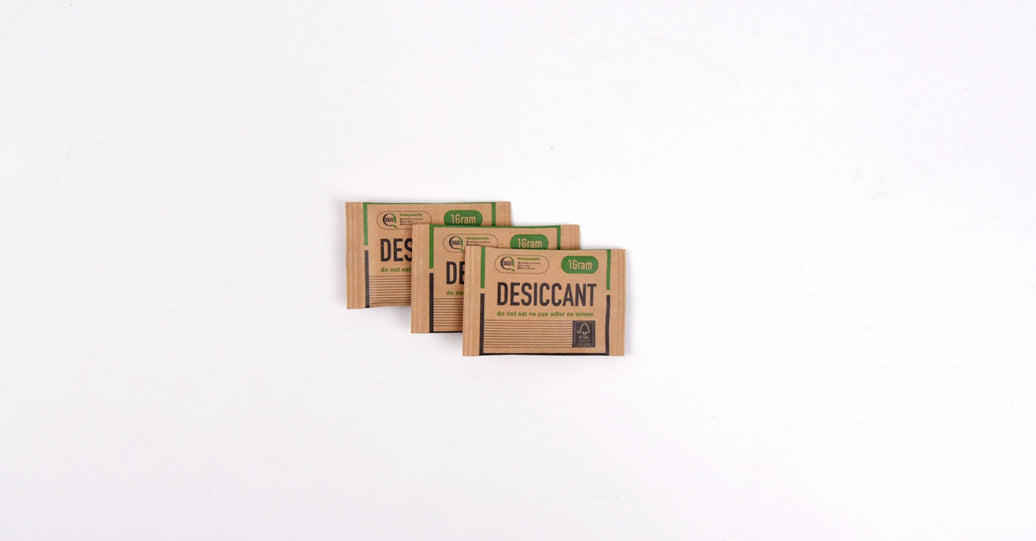
| Component | Plant-fiber desiccant card, FF-15, 60 x 25 x 1 mm |
| Total mass per unit | 1.0 g |
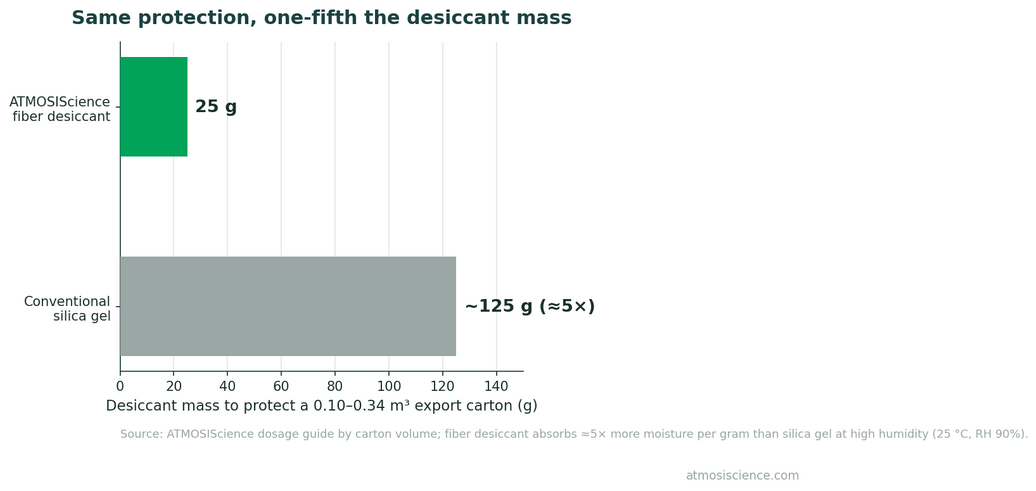
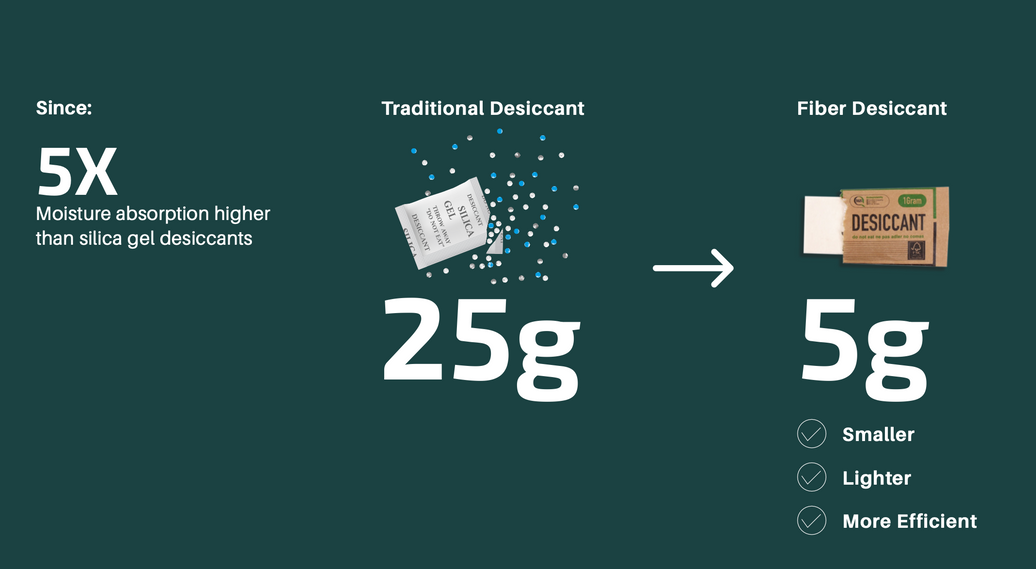
| Function | Moisture control insert, adsorbs 0.75 g water, equivalent to about 2.5 g silica gel |
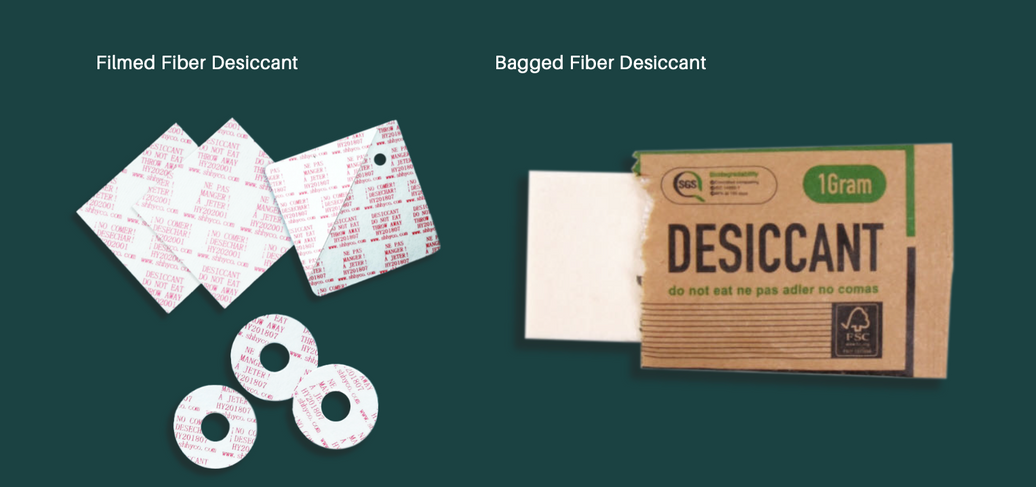
| Layers | Lignocellulosic plant fibre substrate with bound calcium chloride; laminating film; print, where specified |
| Recyclability evidence | SGS CQMR260700043401, 17 Jul 2026, classified as paper, 100/100, fibre yield 69.78%. Scope: fibre layer only |
| Carbon footprint | 1.44 kg CO₂e per kg, ISO 14067 |
Illustrative declaration entries, figures from product documentation and the named third-party reports — ATMOSIScience
Per-layer masses and the film identity are confirmed per order, because the laminating film and overwrap vary by format and by what you specify. We would rather confirm them against your order than publish a number that turns out not to describe the item you bought.
How to get this out of a supplier who has never produced one
- Send the nine fields as a form, not as a request for information. A blank table gets filled in; an open question gets a brochure.
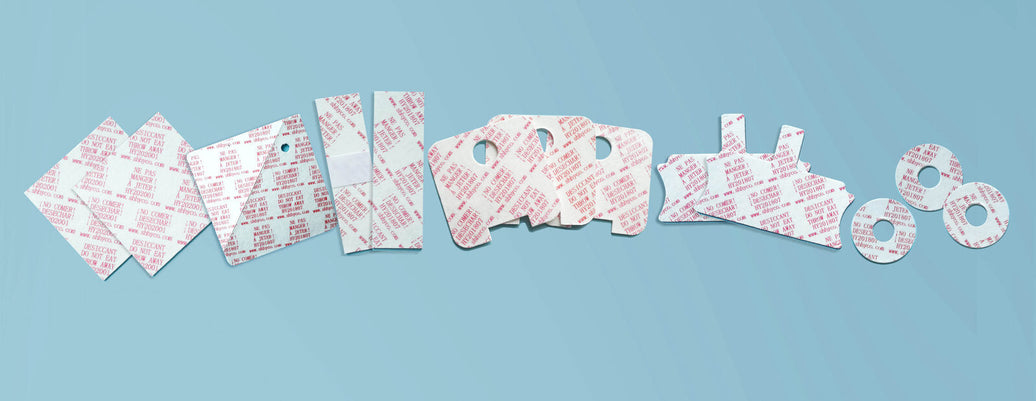
- Ask per format and per size, because mass and layers differ between a 1 g card and a 10 g pouch.
- Require the recyclability scope in writing. One sentence: what was tested, by whom, report number, and what the result does not cover.
- Put change notification in the purchase terms, not in the email thread.
- Give a date tied to your reporting deadline, and say what happens without it.
If a customer sustainability questionnaire is running in parallel, the same evidence answers both. Overlap is mapped in answering EcoVadis and CDP.
Frequently asked questions
Is a desiccant sachet really reportable under packaging EPR?
In most frameworks yes, because it is discarded with the pack and is not the product. Confirm against each jurisdiction's definition, since thresholds and exemptions differ.
What material category does a fiber desiccant fall into?
It depends on the construction. A fibre layer with a laminating film is a composite, and should be declared layer by layer rather than forced into one category.
Can I just weigh the insert myself?
You can, and many teams do, but a self-measured weight with no material identity still leaves the recyclability and substance fields blank. Get the declaration.
Does a recyclability score reduce my fee?
In eco-modulated schemes it can, which is exactly why the scope of the evidence matters. A score that covers one layer of a composite will not carry the whole component.
What if the supplier will not sign anything?
Treat that as a sourcing finding. Reporting liability sits with the producer, so an unsigned declaration leaves you carrying it alone.
Ask us for the declaration, filled in
Tell us the format and size you buy or are evaluating, the jurisdictions you report in, and your deadline. We will return the nine fields completed for that item, with the scope of every piece of evidence stated.
Or email info@atmosiscience.com