Quick answer: Softgels stuck together because their gelatin shells took up moisture, usually in warm, humid storage or after a hot shipment. The shell softens, its surface turns tacky, and capsules pressed together in the bottle fuse. If you can separate them gently and the shells are intact, not leaking and smell normal, they are usually still usable within date. If they are leaking, deformed, cracked or smell rancid, throw them away. Store softgels somewhere cool and dry, not in the bathroom. Brands should note that softgels need a humidity band: too dry and the shells crack instead.
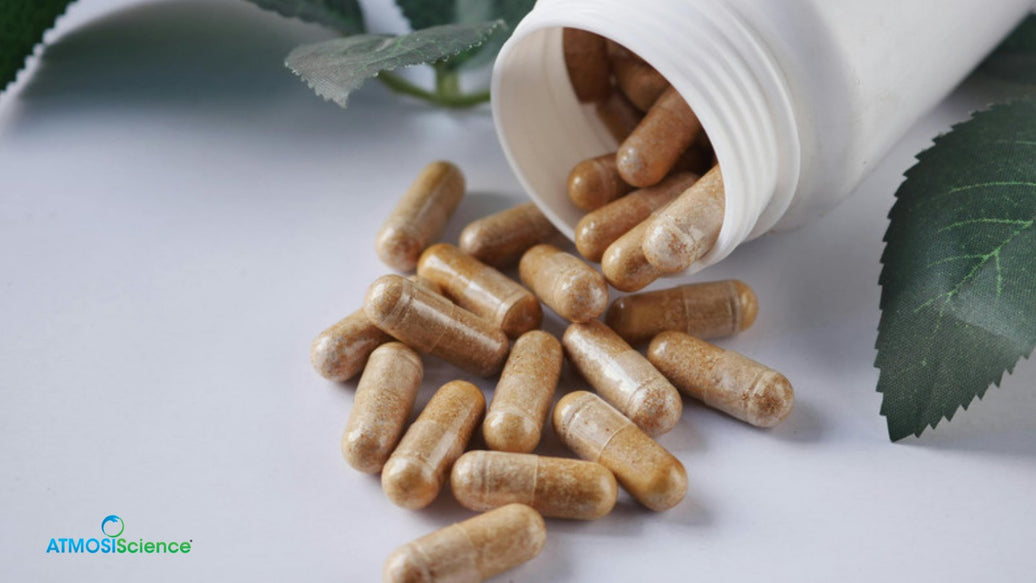
Vitamin D, fish oil, CoQ10 and other oil-filled supplements are often sold as softgels. Open a bottle in summer and you may find a solid cluster of them. Here is what happened, what to do with the bottle you have, and how to stop it next time.
Why softgels stick together
A softgel shell is mostly gelatin, a plasticiser such as glycerin or sorbitol, and water. The plasticiser keeps the shell flexible, and it also attracts water. In humid air the shell takes up moisture and softens. Warmth softens it further. Capsules lying against each other in a bottle then bond at their contact points.
Manufacturing plays a part too. A batch that was not fully dried before bottling can leave the surface tacky from day one, and too much plasticiser in the shell has the same effect. Industry guidance sums it up simply: sticky softgels are usually a moisture imbalance.
Are stuck softgels still safe to take?
| What you see | What to do |
|---|---|
| Stuck, but shells separate cleanly and look normal | Usually fine within date. Move the bottle somewhere cooler and drier |
| Shells tear or leak oil when separated | Discard the damaged ones; if many are affected, contact the brand |
| Flattened, misshapen or cloudy shells | Heat and moisture damage. Contact the brand |
| Strong rancid or very fishy smell | The oil may have oxidised. Do not use |
A rancid smell is an oxygen problem, not a moisture one. Fish oil and other oils oxidise with air and heat. Moisture control does not prevent that; oxygen control does. See desiccant vs oxygen absorber vs nitrogen flush.
How to separate stuck softgels
- Roll the cluster gently between your fingers. Most will come apart.
- Do not pull hard or use a knife. A torn shell leaks.
- Throw away any that tear or leak.
- Do not put them in the freezer to separate them. Cold shells can crack, and a cold bottle opened in a warm room collects condensation.
How to stop it happening again
- Store in a cool, dry cupboard, away from the bathroom, kettle, stove and sunny windowsills.
- Close the lid fully after each use.
- Do not leave bottles in a car or delivery box in the heat. Bring deliveries inside promptly in summer.
- Follow the label on refrigeration. Some oils are labelled for fridge storage after opening. If so, take out what you need and close the bottle quickly so condensation does not form on the rest.
- Leave any desiccant in the bottle. See should you throw away the desiccant.
The opposite problem: cracked softgels
Softgels can also fail by drying out. In cold, dry winter storage or in a very dry pack, water moves out of the shell, the shell turns brittle and capsules crack during handling. So the goal is not to make the bottle as dry as possible. It is to keep the shell within the humidity range it was designed for. Hard-shell capsules have the same trade-off, explained in desiccant for capsule supplements.
If you are the brand: why a bigger desiccant is not the fix
When customers report stuck softgels, the instinct is to add a stronger desiccant. That can swap one complaint for another. A one-way desiccant keeps pulling water until it is full, so in a winter supply chain it can take the shell below its comfortable range and cause cracking.
Better questions to ask first:
- Were the softgels fully dried before bottling? Tacky surfaces at release point to the drying step, not the pack.
- What humidity and temperature did the product see in the warehouse and in transit? Mapping the warehouse is often the fastest win; see humidity mapping a warehouse and filling room.
- Does the bottle need a desiccant at all? A good barrier bottle with a tight seal may be enough. If moisture control is needed, size it to hold the shell in its band, or use two-way humidity control. See two-way humidity liner or one-way desiccant.
- Is oxidation the real complaint? If customers mention smell, look at oxygen. See using an oxygen absorber and a desiccant together.
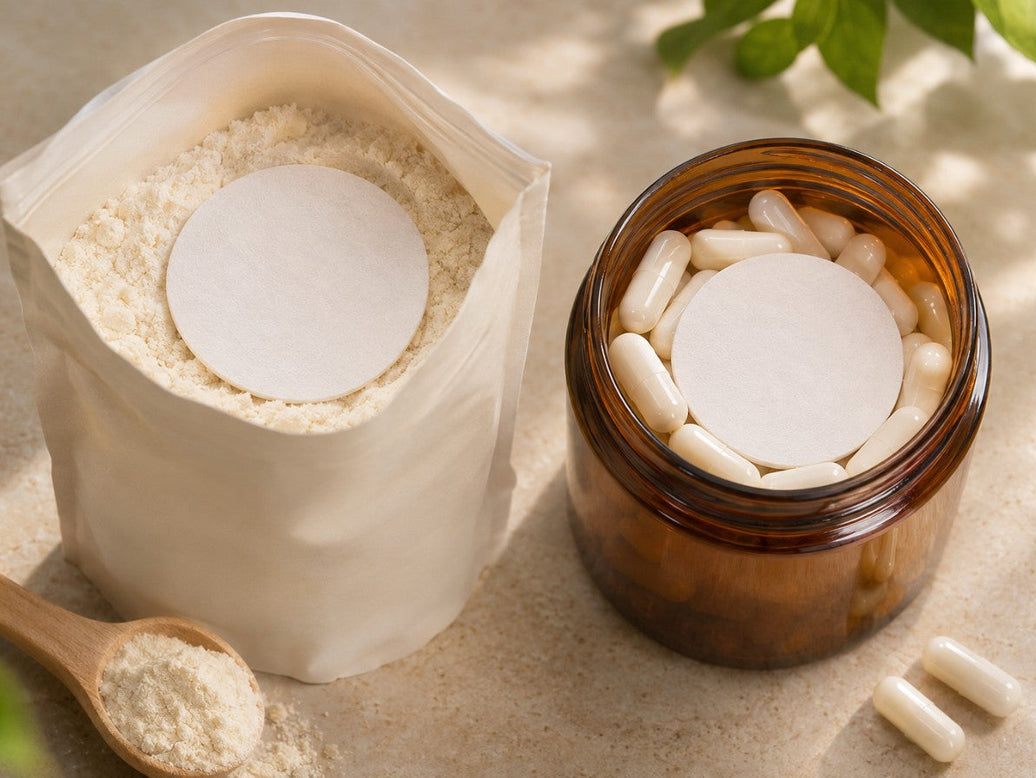
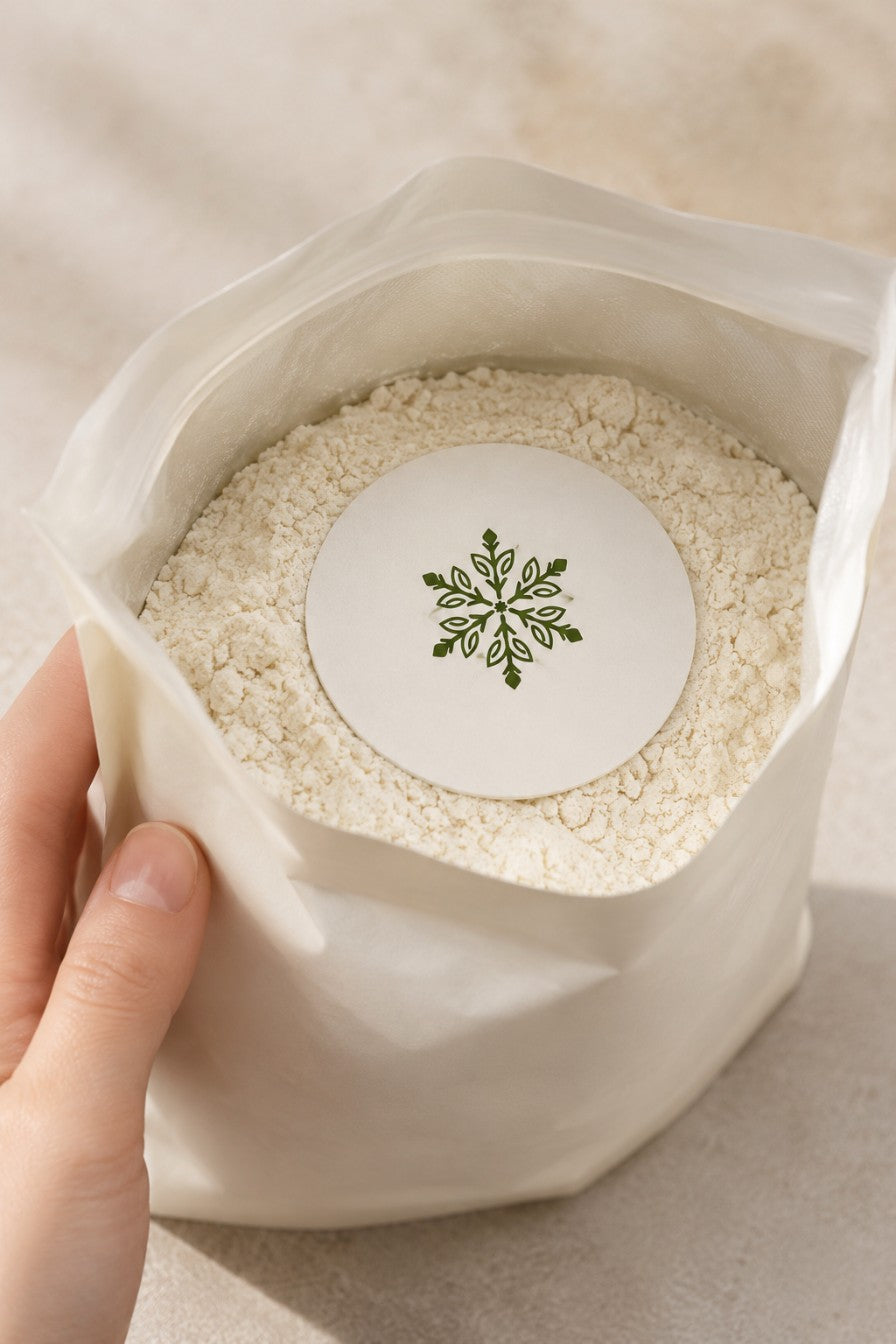
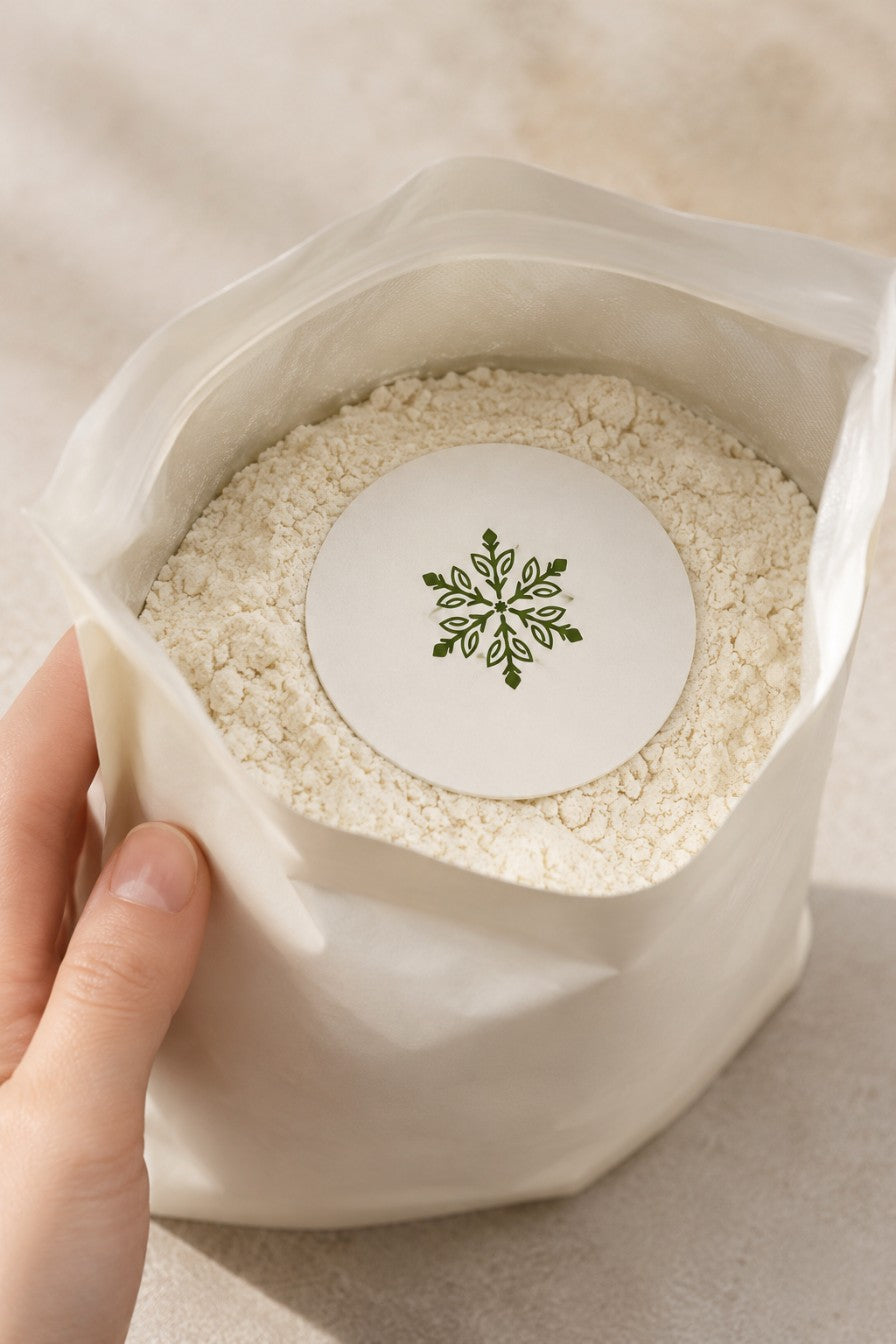
Gummies behave in a similar way and need the same band thinking; see desiccant for gummy supplements. When a small, precisely sized desiccant is the right answer, a flat paper desiccant card lets you set the dose by card size and keep it fixed under the cap.
Frequently asked questions
Why are my vitamin D softgels stuck together?
Small vitamin D softgels are packed tightly and have a lot of surface contact. Warmth and humidity make the shells tacky and they bond. It is a storage and shipping issue, not a sign of a fake product.
Are stuck softgels expired?
No. Sticking is a physical change. Check the date, the smell and whether the shells are intact.
Can I put softgels in the fridge?
Only if the label says so. Cold storage slows oxidation of some oils, but condensation forms every time a cold bottle is opened in a warm room.
Why do fish oil softgels smell fishy?
A mild fish smell can be normal. A strong, sharp or rancid smell suggests the oil has oxidised, and you should stop using it.
Do softgels need a desiccant?
Not always. It depends on the shell, the fill, the bottle and the climate. Too much drying can crack shells, so any desiccant should be sized and tested.
Softgel brand? Hold the shell in its comfortable range
ATMOSIScience helps brands decide between no desiccant, a precisely sized Fiber Card and two-way humidity control. Tell us the product, bottle and supply chain.
Prefer email? info@atmosiscience.com