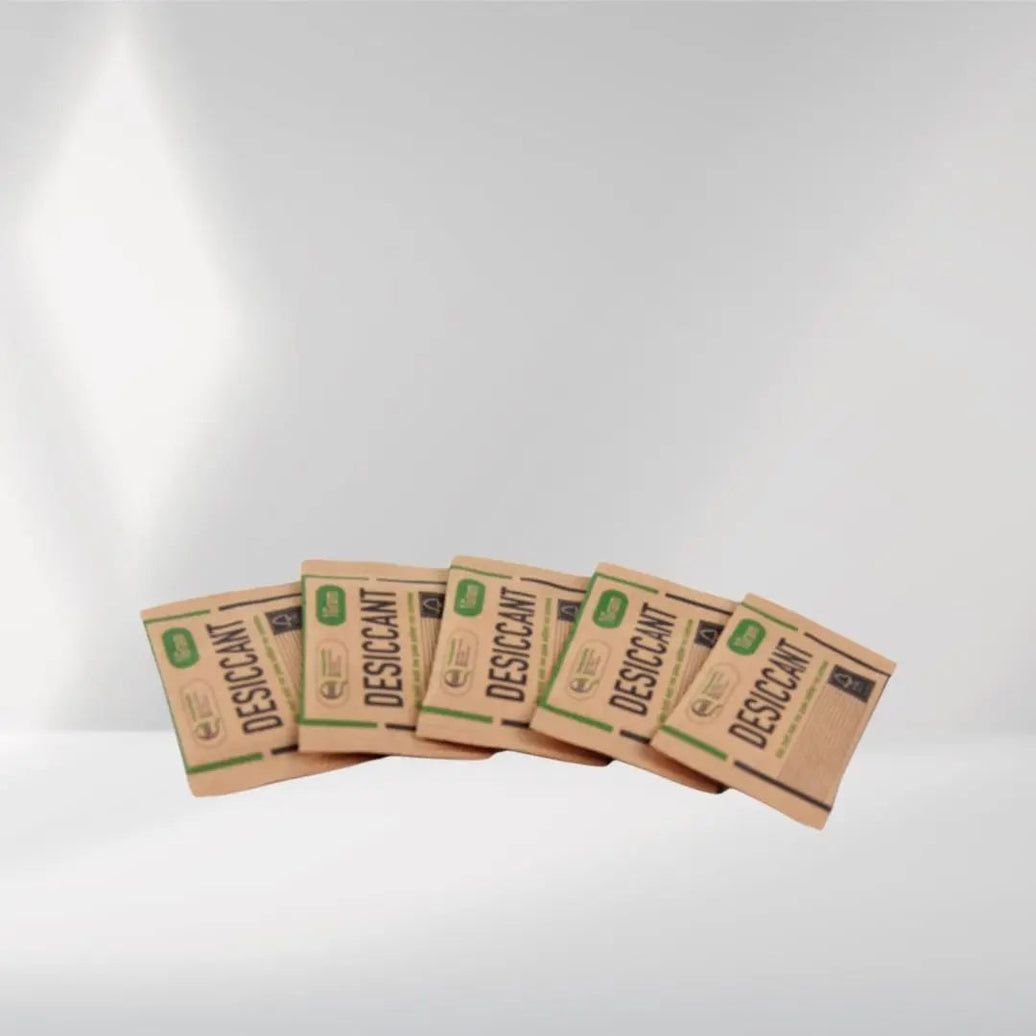
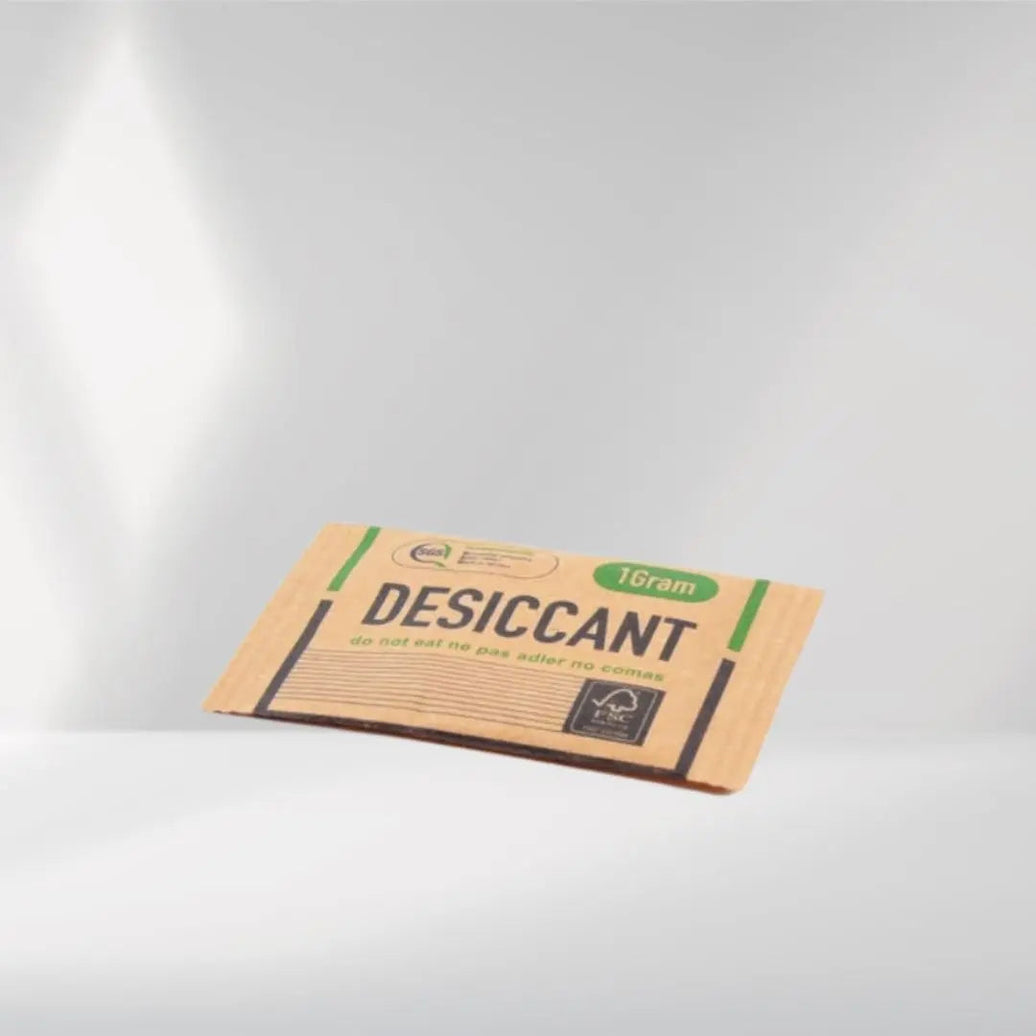
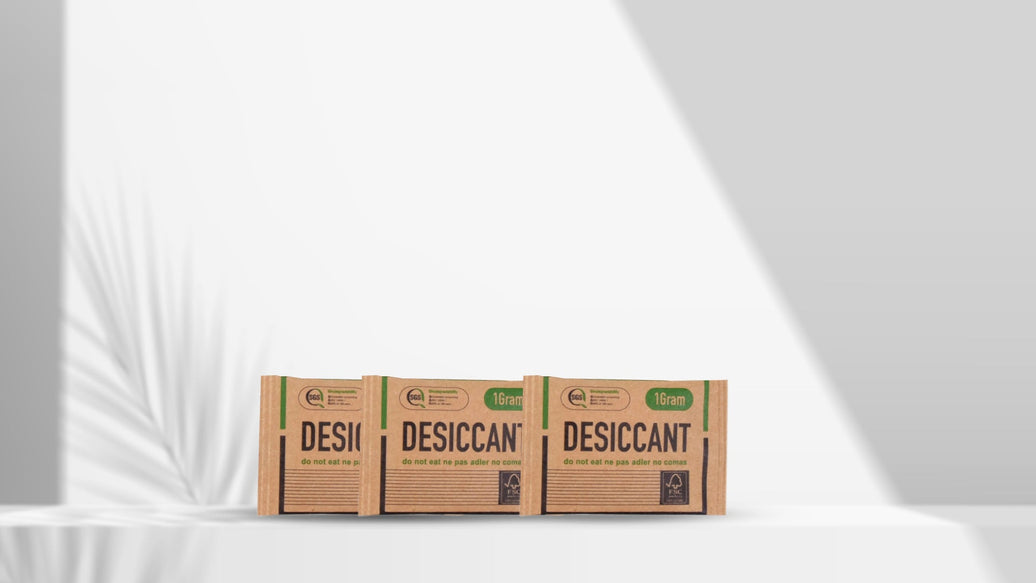
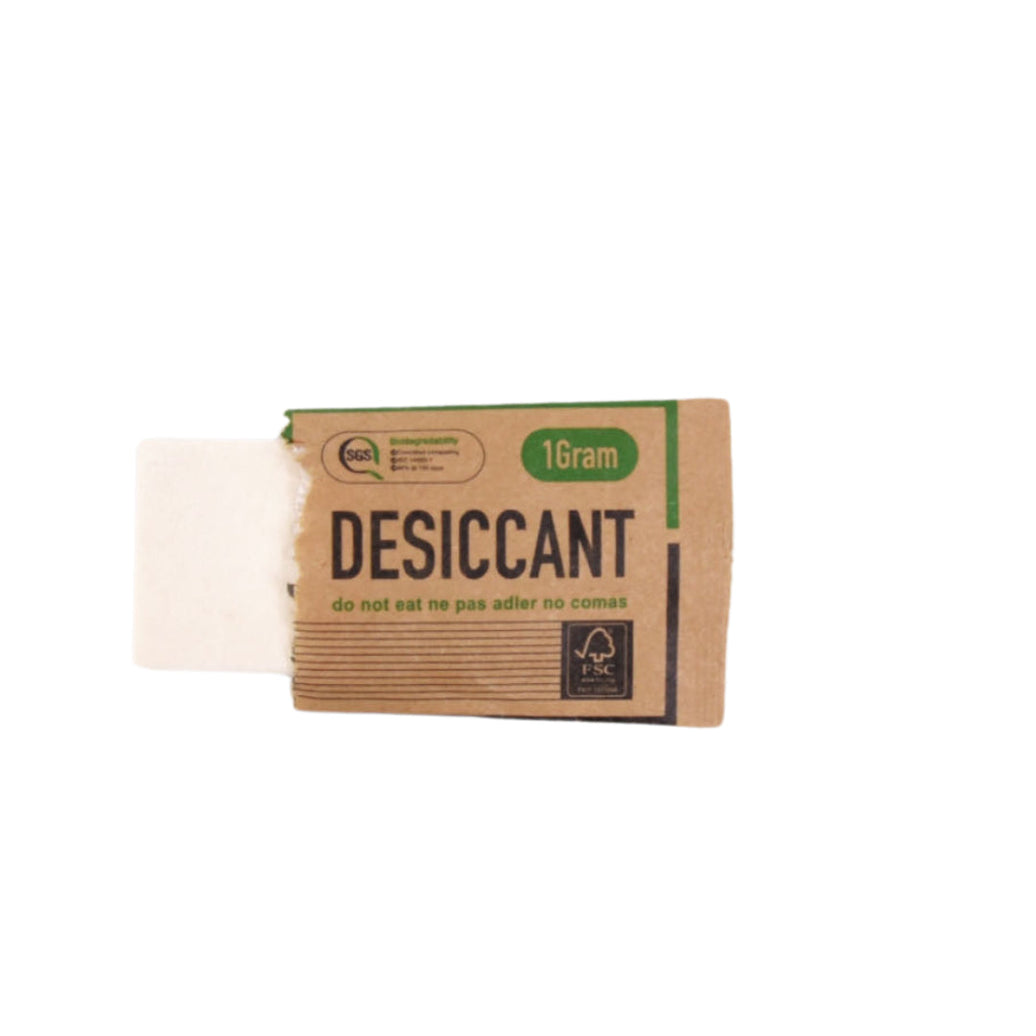
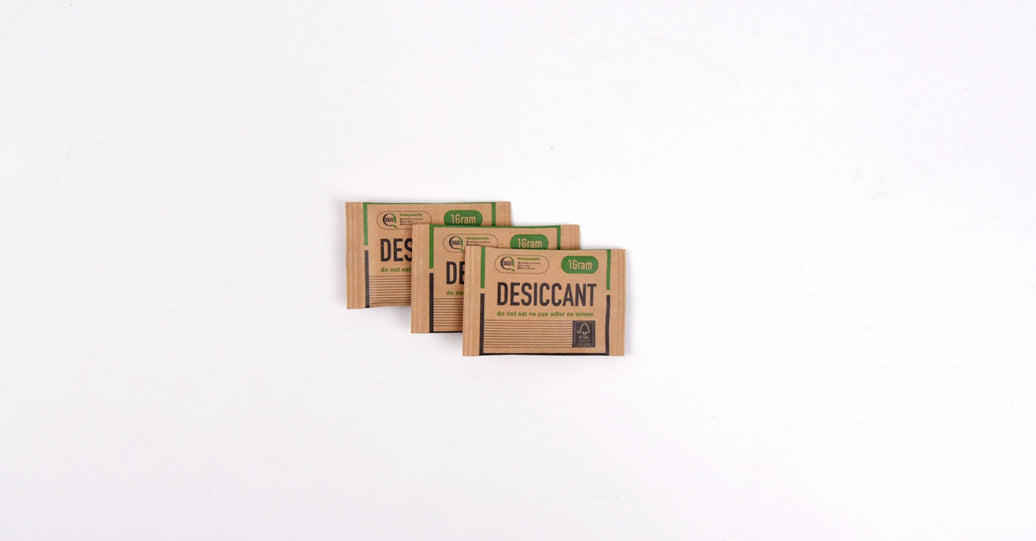
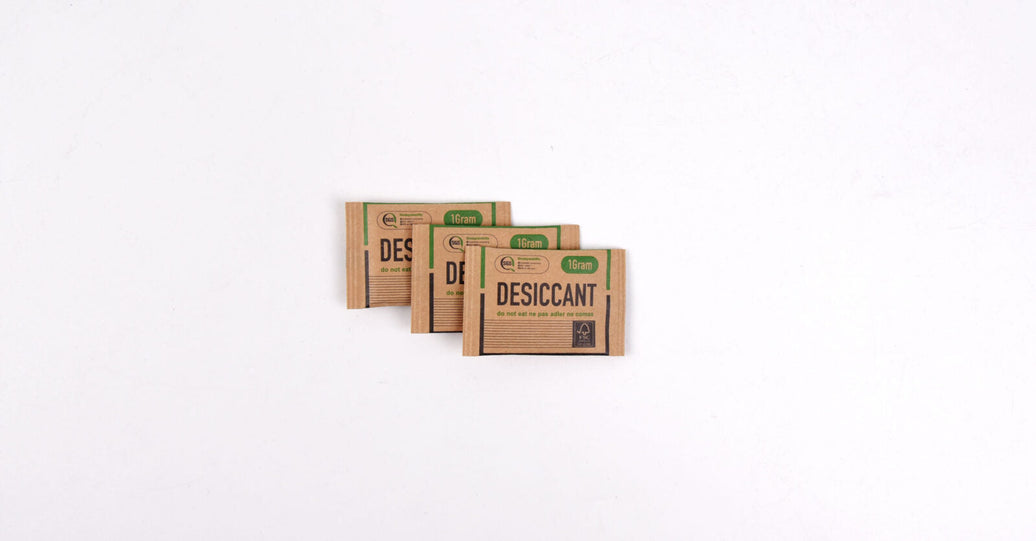
Quick answer: Keep it. The packet, canister or card in your vitamin bottle is a desiccant, and its job is to pull moisture out of the air that rushes in every time you open the lid. Leave the desiccant in your vitamin bottle until the bottle is empty, then throw both away together. Do not open it, do not eat it, and do not move it to another food container. If a child or pet swallows one, call poison control (1-800-222-1222 in the US) for advice.
You open a new bottle of vitamin D, magnesium or a probiotic and find a small white packet or a hard little cylinder sitting on top of the tablets. It says do not eat. It is not mentioned on the label. So should you throw it away?
Short version: no. Here is what it is, what it does, how to tell when it has stopped working, and what to do if someone swallows one.
What the packet in your vitamins actually is
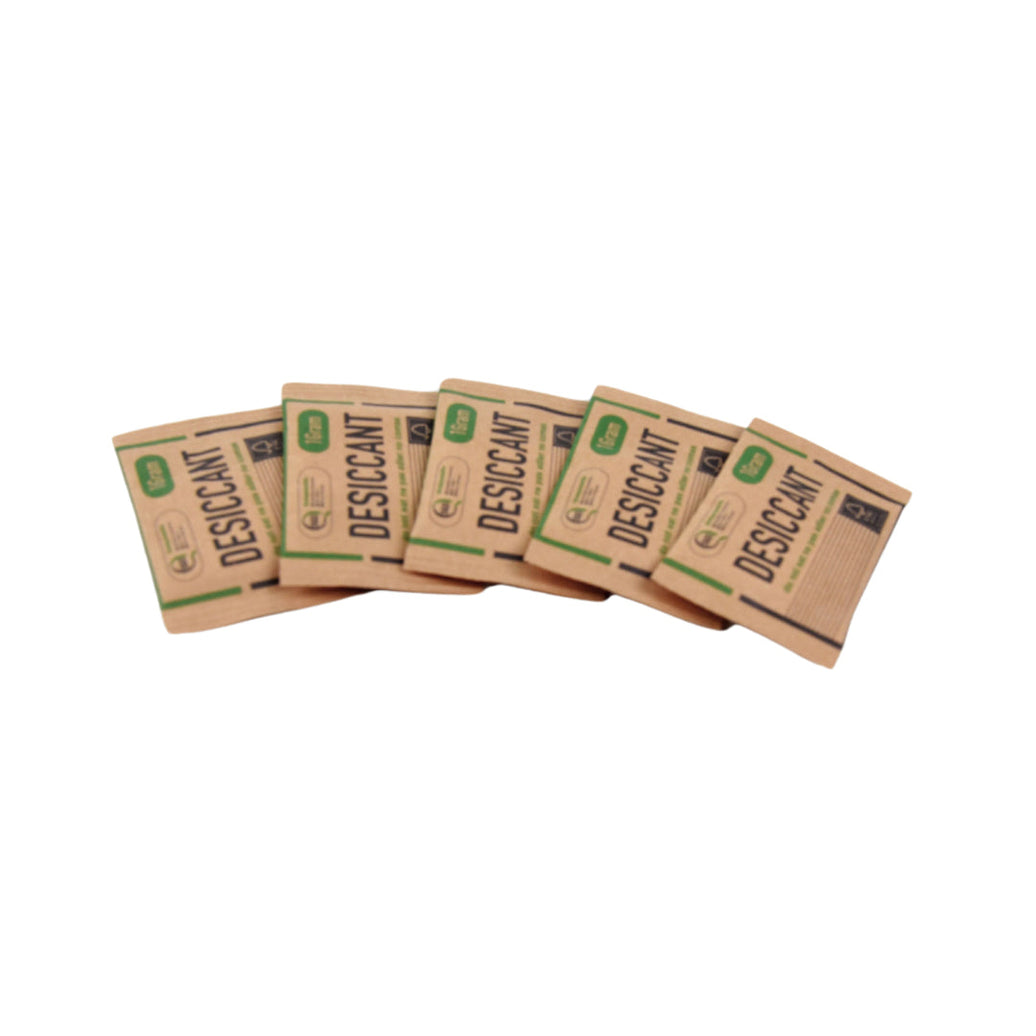
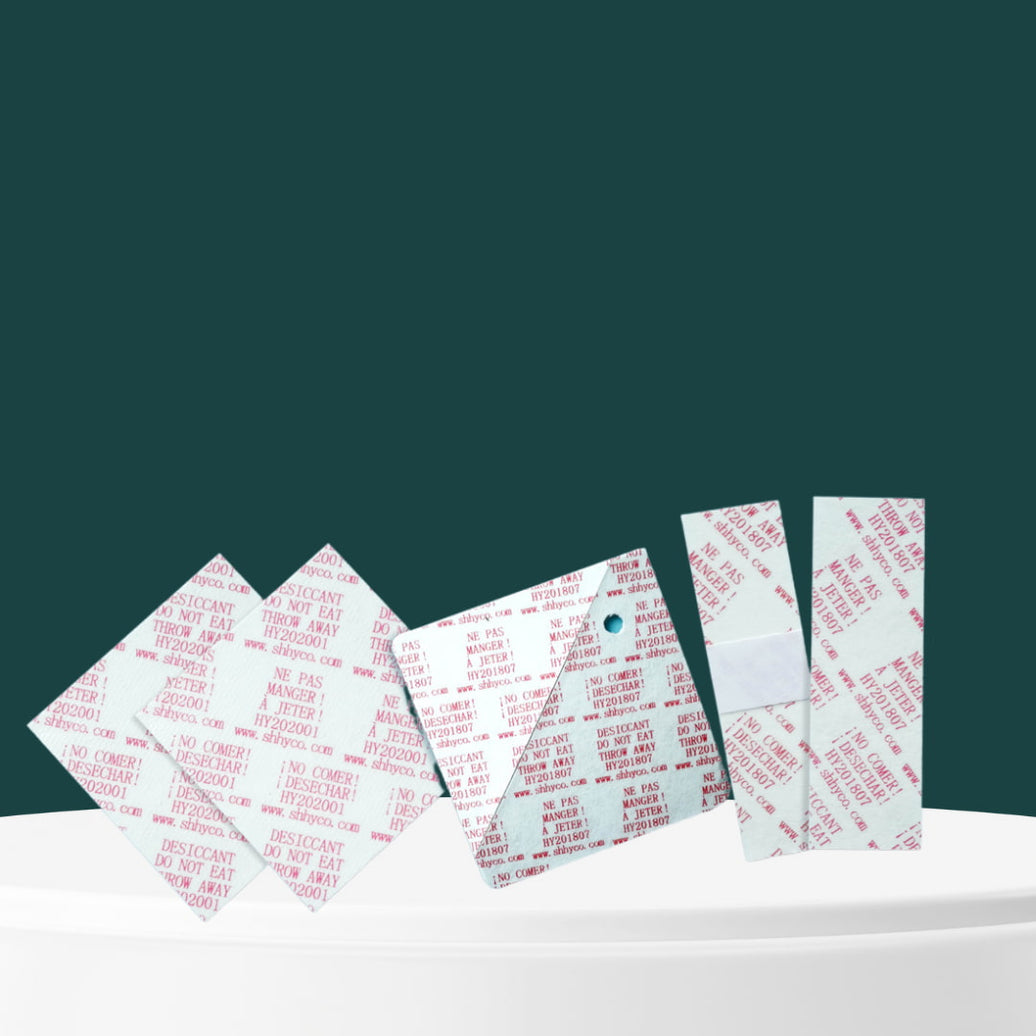
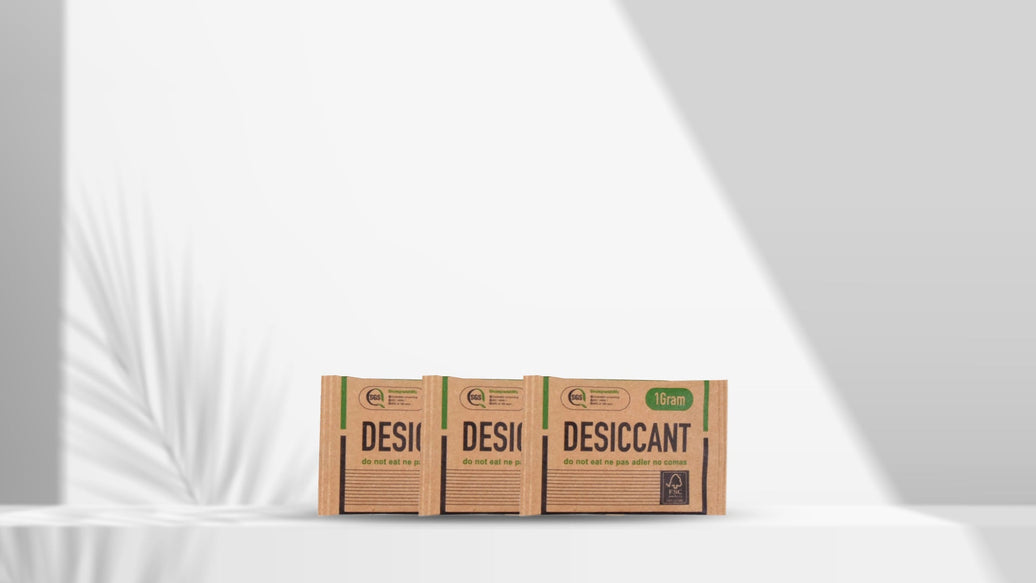
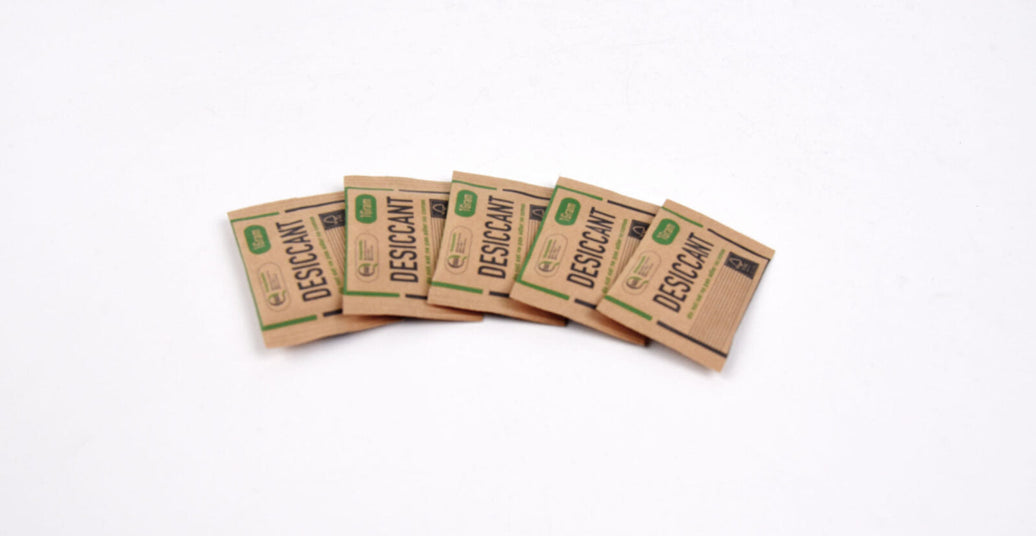
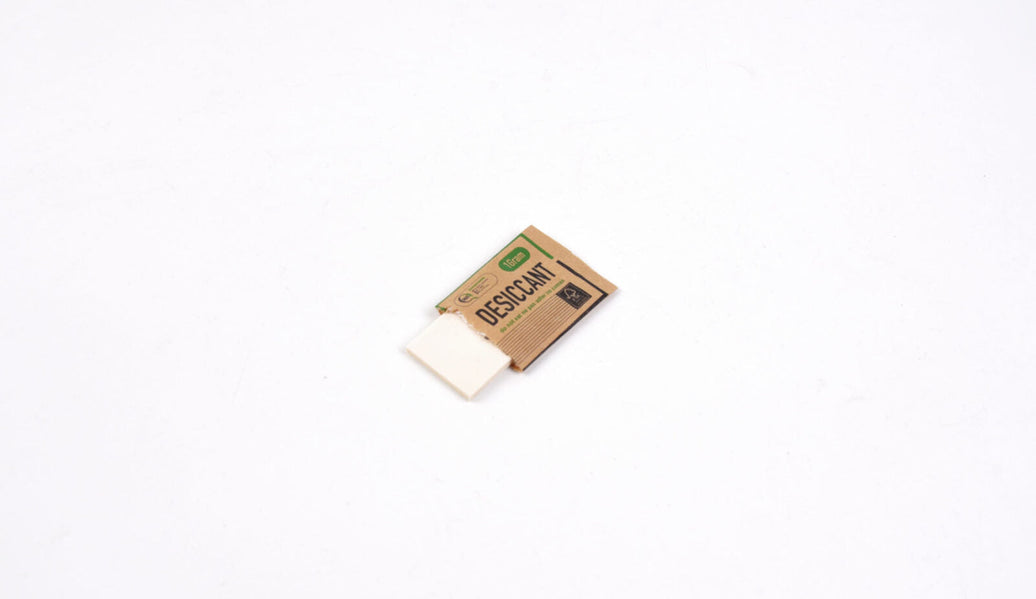
It is a desiccant, a material that adsorbs water vapour from the air around it. In supplement bottles you will usually find one of four types:
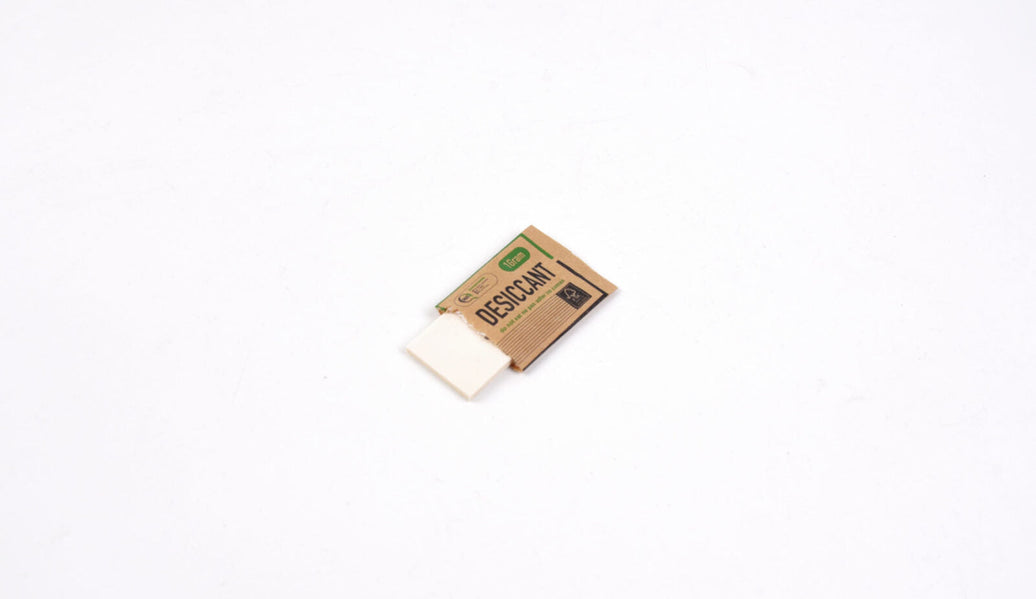
- Silica gel sachet: small clear or white beads in a paper or fabric packet. This is what most people mean by silica packets in vitamins.
- Desiccant canister: a hard plastic cylinder filled with silica gel, clay or molecular sieve.
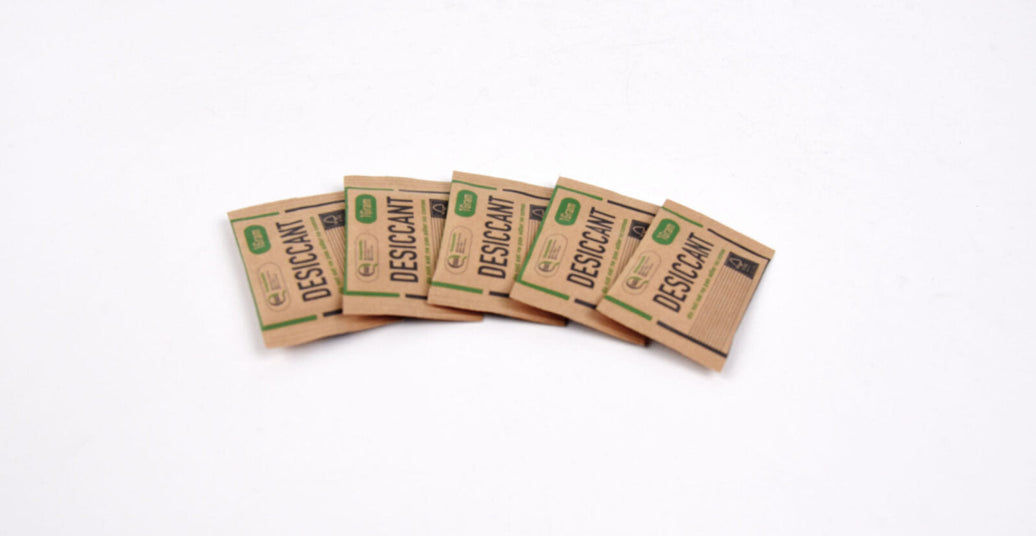
- Clay sachet: a natural mineral desiccant in a paper packet.
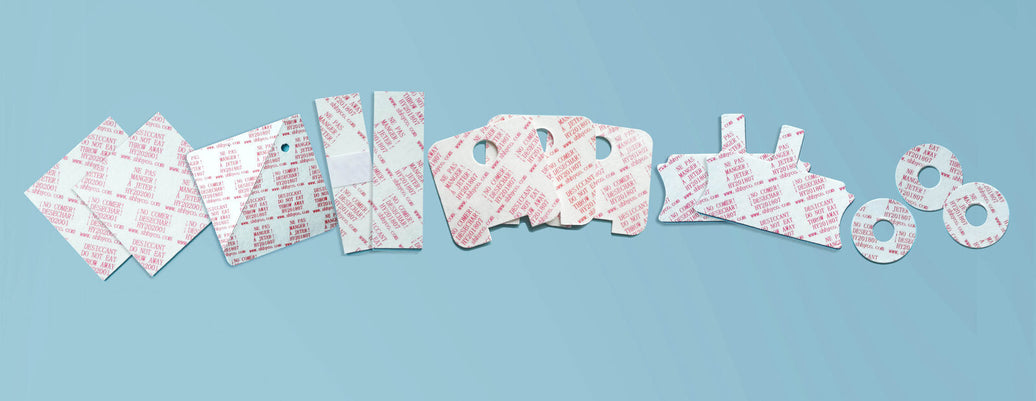
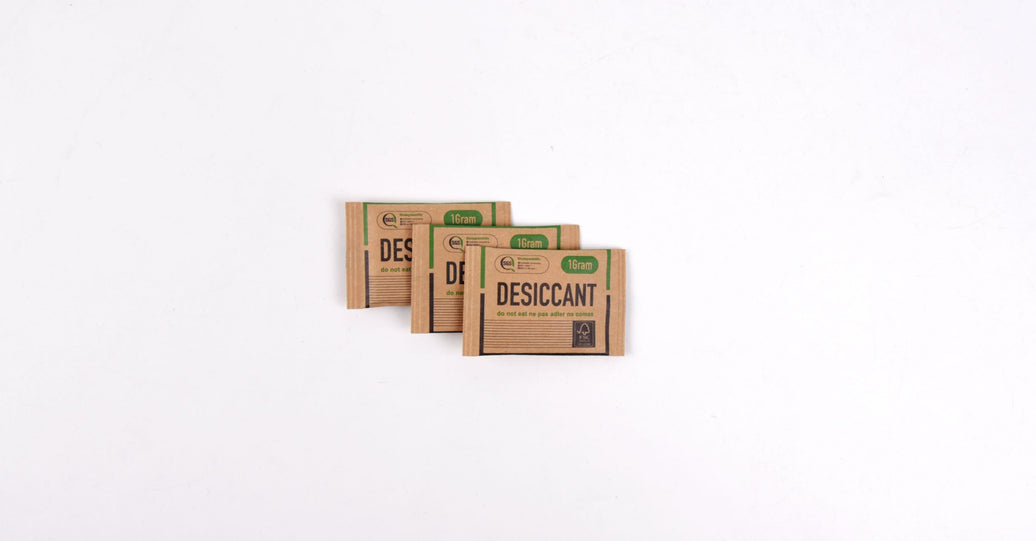
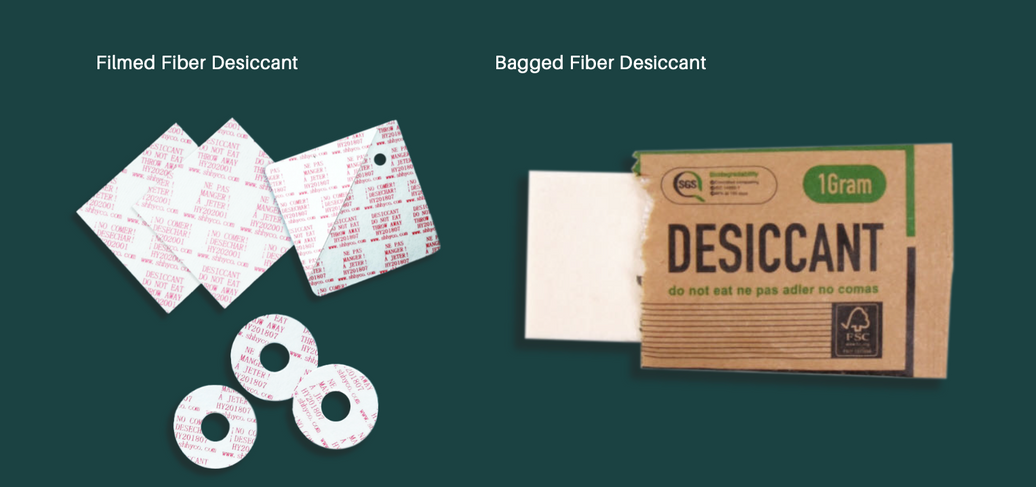
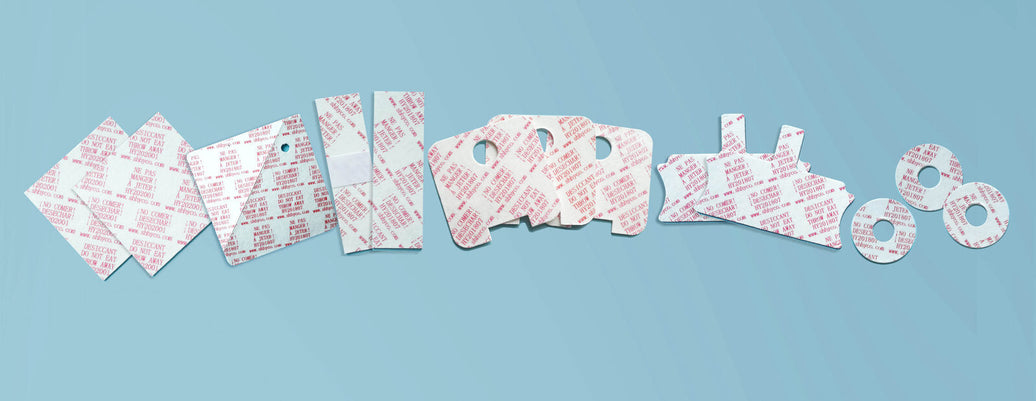
- Desiccant card: a flat, stiff card, sometimes printed with the brand name, made from a fiber-based paper desiccant.
None of them are ingredients. A desiccant sits in the air space of the bottle and works on the air, not on the product. That is different from silicon dioxide listed on the label, which is an anti-caking ingredient. We explain that difference in anti-caking agent or desiccant?
Why vitamins need a desiccant at all
A sealed bottle on the shelf is fairly dry. The problem starts when you use it. A 90-count bottle taken once a day is opened 90 times. Each time, warm room air with its moisture replaces the dry air inside. In a bathroom or next to a kettle, that air can be very humid.
Many supplement ingredients react to that moisture:
- Vitamin C and some B vitamins are sensitive to moisture and can lose potency faster in damp conditions. See desiccant for vitamins and mineral premixes.
- Probiotics are live organisms that stay dormant only while they are dry. See desiccant for probiotic powders.
- Effervescent and chewable tablets soften, swell or start to react. See desiccant for effervescent tablets.
- Capsules and softgels can go soft and stick together in humid air.
The desiccant takes up the moisture that comes in with each opening, so the product sees drier air for longer.
Should you throw it away? The practical answers
Leave it in the bottle
Taking it out removes the only moisture protection in the pack. It is designed to sit next to the tablets or capsules.
Do not open it
The contents are not food. Loose beads or granules mixed into tablets are a problem you do not want. If a packet has split and the contents are loose in the bottle, contact the brand rather than picking the pieces out.
Do not move it to another container
Once the bottle is finished, the desiccant has done its work and is likely partly or fully spent. Do not put it into a pill organizer or a new food jar. Throw it away with the empty bottle.
Close the lid properly every time
A desiccant is sized for a closed bottle that is opened briefly. A loose lid lets humid air in all day and saturates it fast.
Store vitamins away from the bathroom
The bathroom cabinet is one of the most humid places in a home. A bedroom drawer or a kitchen cupboard away from the kettle and sink is better.
How to tell if the desiccant has stopped working
Most desiccants do not change colour, so you cannot see when they are full. A few clues:
- A sachet that feels heavy, firm or lumpy has taken up a lot of water.
- Some silica gel uses indicator beads that change colour, for example orange to green or blue to pink.
- Tablets that look mottled, capsules that stick together, or powder that has clumped tell you moisture has reached the product.
A spent desiccant is not dangerous. It just has no capacity left. If the product itself looks, smells or feels different from when you opened it, stop using it and contact the brand.
What if someone swallows a desiccant packet?
According to Poison Control (poison.org), silica gel is usually considered non-toxic, and swallowing a packet should not cause symptoms unless the person chokes on it. The main risk is choking in young children. Blue indicator beads contain a small amount of cobalt chloride; small amounts are usually safe, but you should check with poison control.
Other desiccants found in supplement packs, such as clay, molecular sieve and calcium chloride based materials, are also not food and can irritate the mouth or stomach. Whatever the type:
- Rinse the mouth with water.
- Call poison control (1-800-222-1222 in the US) or your local poison centre, or use the online tool at poison.org.
- Have the packet or bottle with you so you can describe what it is.
Keep supplement bottles out of reach of children and pets, and throw used packets into a bin they cannot open. More on labels and warnings in the do-not-eat label explained.
What about the cotton in pill bottles?
The cotton or rayon wad at the top of some bottles is packing material. It stops tablets from rattling and breaking in transit. It is not a desiccant. Once you have opened the bottle, it has done its job and you can remove it. The desiccant should stay.
If you are the brand: what this question tells you
When customers search whether to throw away the desiccant, it means the desiccant is visible, unexplained and slightly worrying. Three changes help:
- Explain it on the pack or the insert. One line such as keeps your capsules dry, please leave in the bottle turns a worry into a quality signal.
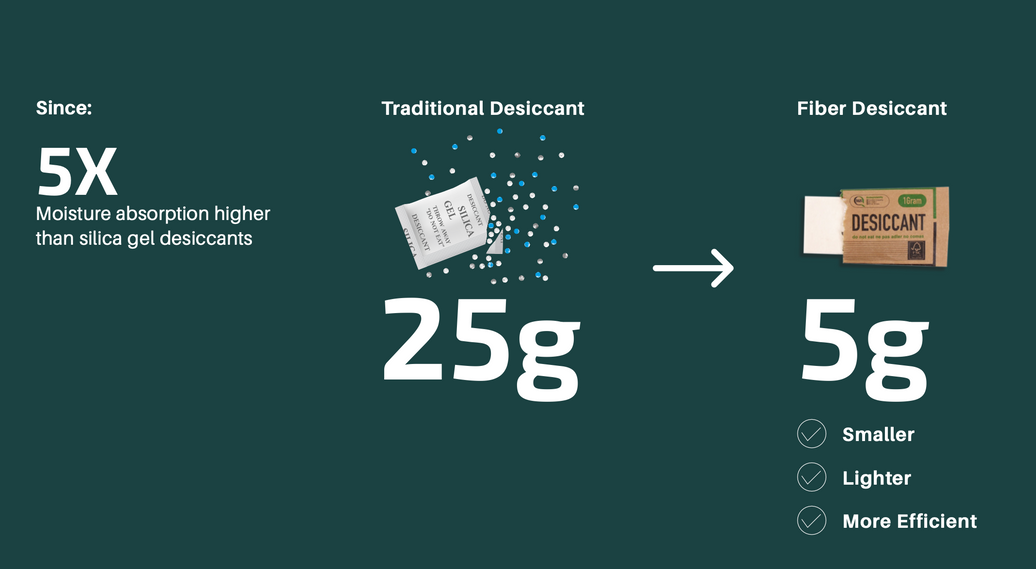
- Use a format customers do not remove. A flat card fixed under the cap or on the bottle wall is far less likely to be thrown out than a loose sachet, and it can be printed with your logo. See the Fiber Card paper desiccant spec.
- Size it for daily opening, not only for shelf life. A desiccant sized only for moisture coming through the bottle wall can be saturated halfway through the bottle. The method is in desiccant for packs opened 30 times and desiccant for HDPE bottles with induction seals.
Our dietary supplement desiccant hub covers each product type in more depth.
Frequently asked questions
Can I reuse the silica packet from my vitamins?
Not for food. Some silica gel can be dried and reused for things like tool boxes or camera bags, but a packet that has been in a supplement bottle should not go into another food or supplement container. See can you reuse or recharge desiccant.
Why do some vitamin bottles have no desiccant?
The product may not be very moisture-sensitive, the bottle may be small and barrier-rich, or the brand may use blister packs instead. No packet does not mean something is wrong.
Is the blue indicator silica gel dangerous?
Blue beads contain a low level of cobalt chloride. Small amounts are usually safe if swallowed, but call poison control for advice. Many brands now use cobalt-free indicators; see cobalt chloride and Prop 65.
Does the desiccant touch my vitamins? Is that safe?
Desiccants used in supplement packs are made from materials intended for food-contact use and are sealed so the contents stay inside. Keep the packet intact and it will not mix with the product.
Should I keep the desiccant if I move my vitamins to a pill organizer?
No. Move only the doses you need for the week and keep the rest in the original bottle with the desiccant and the lid closed.
Supplement brand? Make the desiccant part of the product
ATMOSIScience supplies printable Fiber Card paper desiccant that customers recognise and keep. Tell us the bottle and the product and we will size it.
Prefer email? info@atmosiscience.com