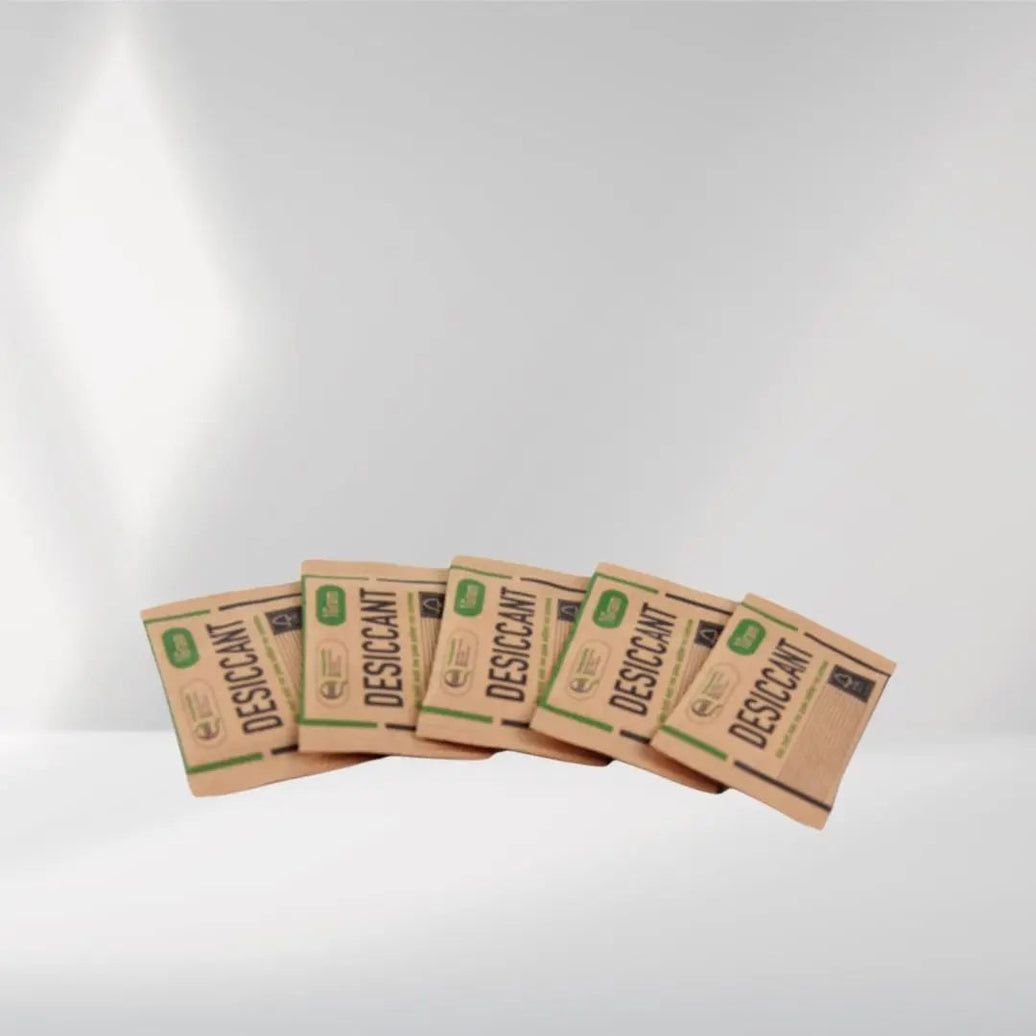
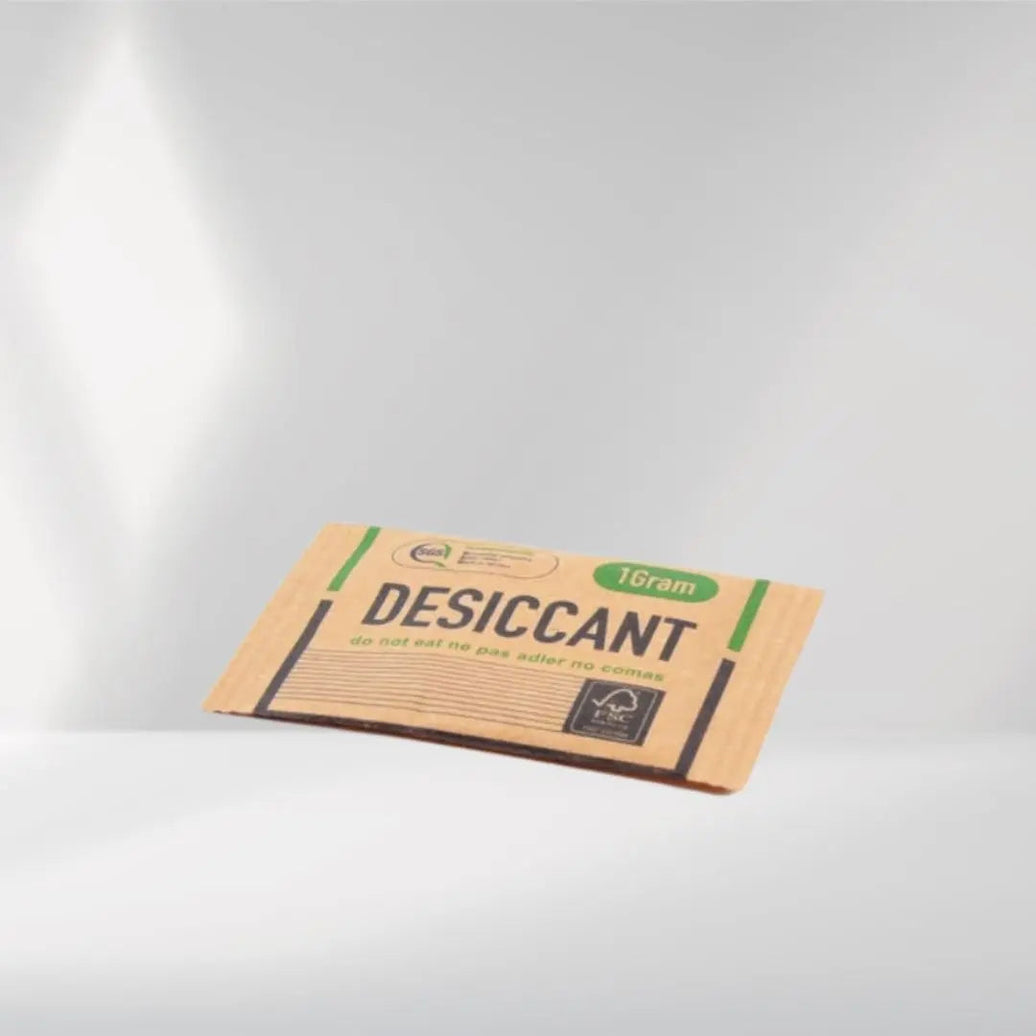
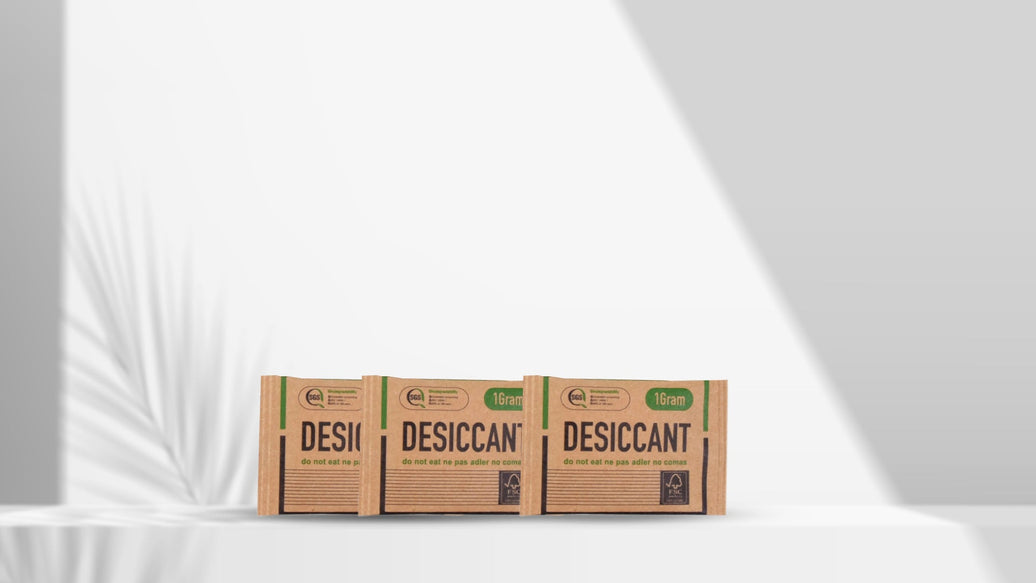
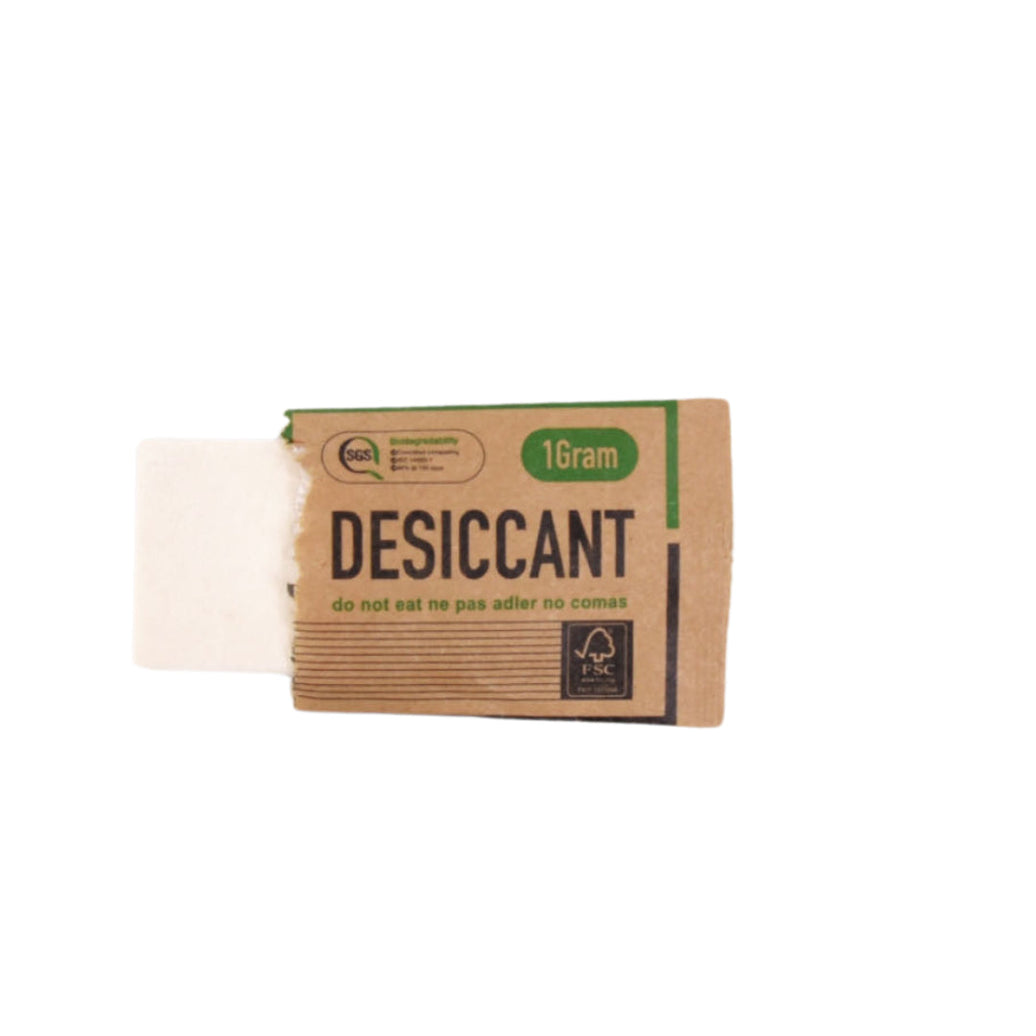
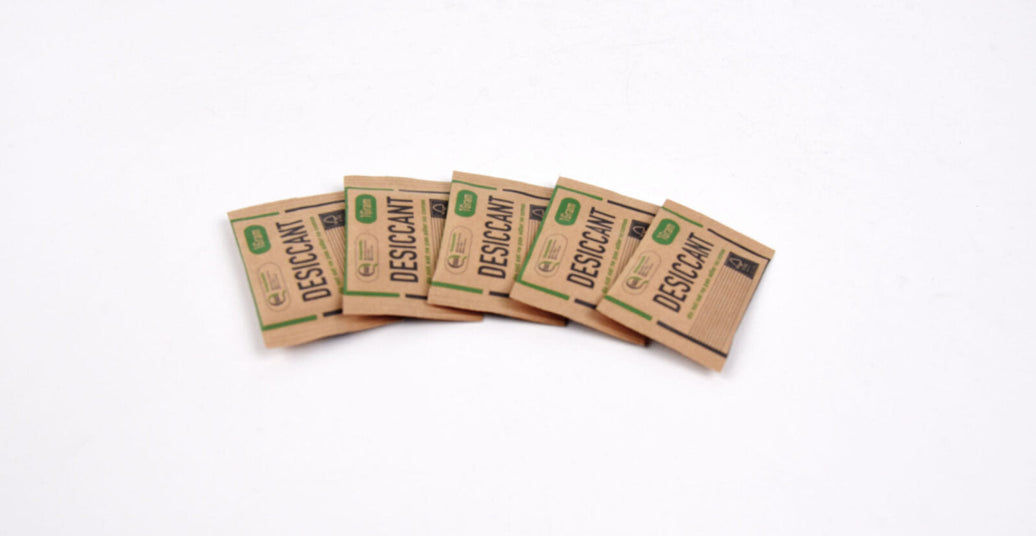
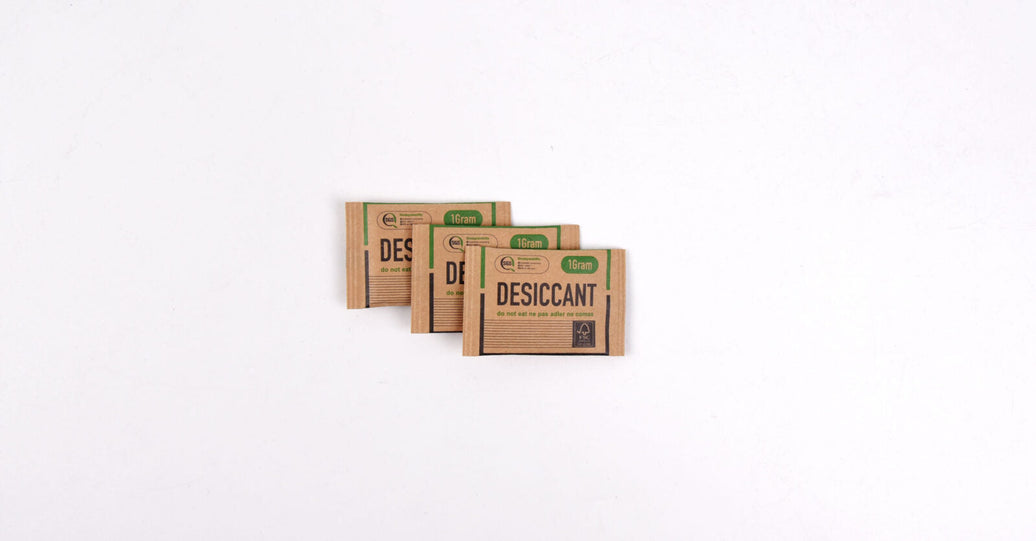
Quick answer: Seven US states have enacted packaging extended producer responsibility laws: California, Colorado, Maine, Maryland, Minnesota, Oregon and Washington. Circular Action Alliance is the designated producer responsibility organisation in six of them. For 2026, both Minnesota and Maryland set a simplified supply report due 31 May 2026 and registration with the PRO by 1 July 2026. Desiccant sachets are packaging components and their mass is reportable within the material categories you declare. A brand that has never counted the sachets is under-reporting a real, chargeable mass — and once the fee schedules mature, that mass is priced by material as well as weight.
Packaging EPR arrived in the United States as a coastal story — California, Oregon, Washington, Maine — and many brands treated it as a regional compliance chore. That framing no longer holds. The programme now spans seven states, the reporting infrastructure has consolidated around a single PRO in most of them, and the deadlines have moved from "eventually" to dated.
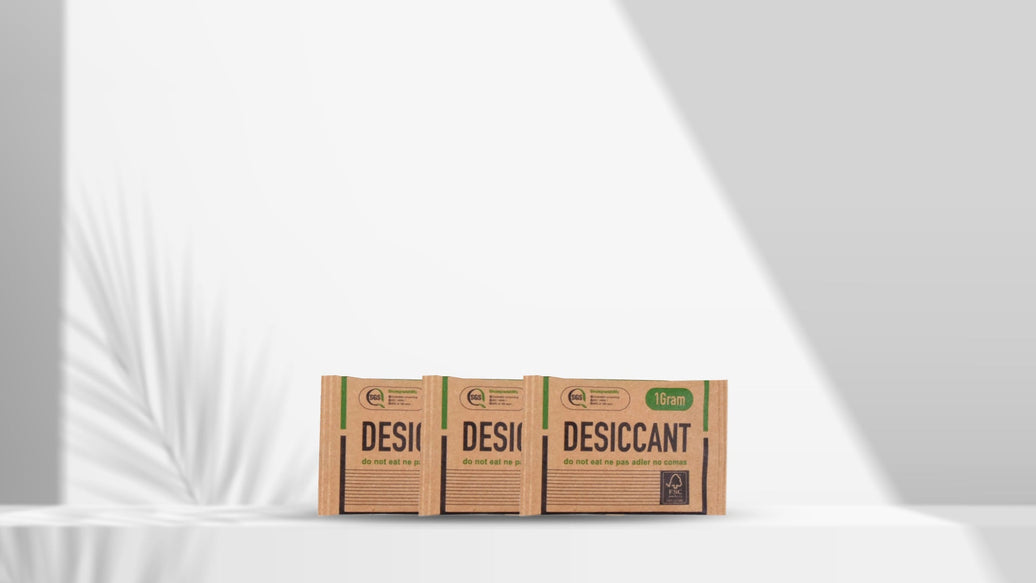
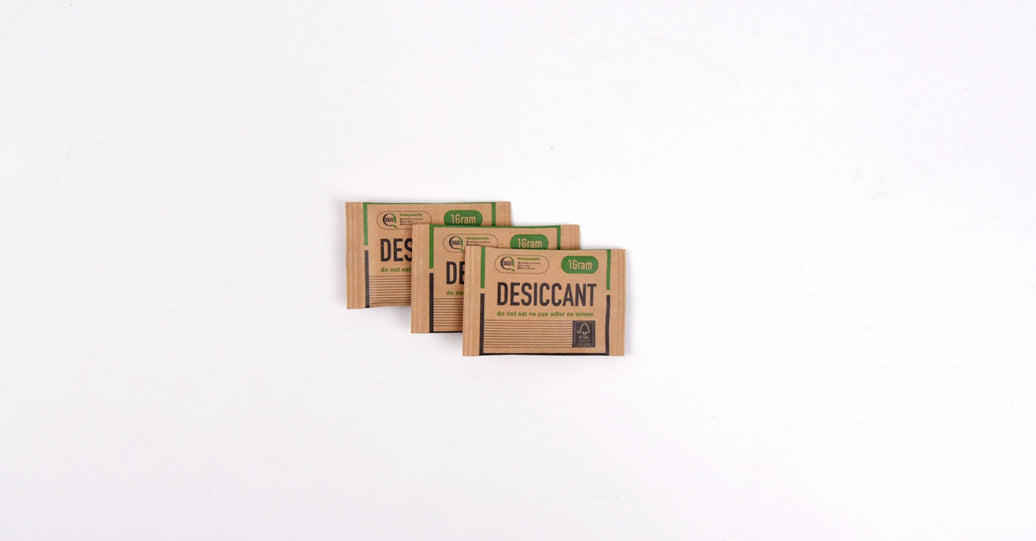
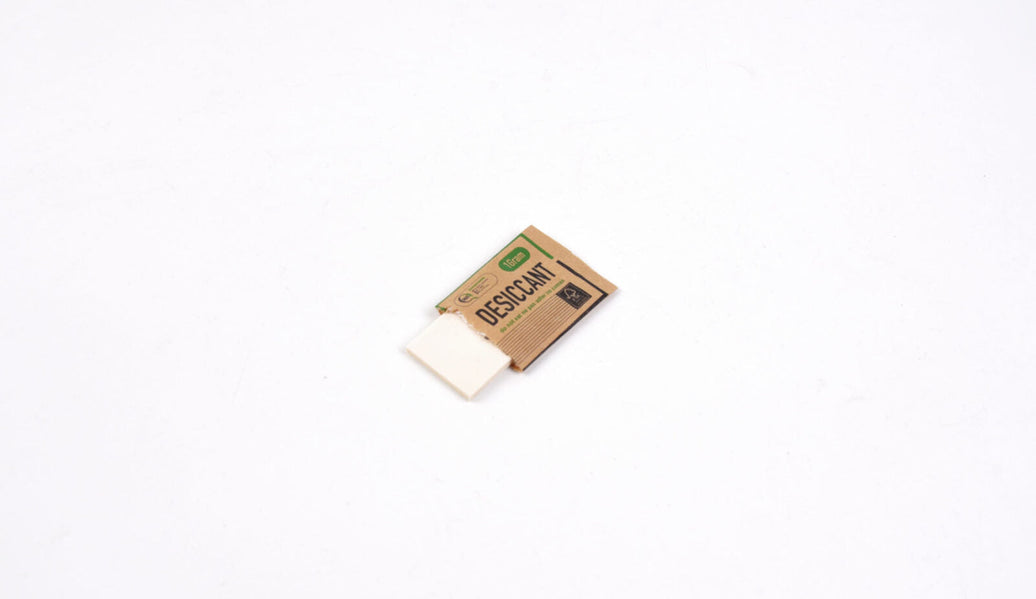
For moisture control the exposure is straightforward but frequently missed: a desiccant sachet is packaging, its mass counts, and nobody in the organisation is currently counting it.
The 2026 dates that matter
| State | Simplified supply report | PRO registration |
|---|---|---|
| Minnesota | 31 May 2026, using 2025 supply data | 1 July 2026 |
| Maryland | 31 May 2026 for producers complying through the PRO | 1 July 2026 (PRO files its registration with member producer list; individual compliance also possible) |
The simplified supply report uses broad material categories rather than granular SKU-level detail. That sounds forgiving, and it is — for the first cycle. It also means the data you submit now becomes the baseline against which later, more granular reporting is reconciled. Getting the categories right the first time avoids a restatement conversation later.
Where desiccant mass hides
Four places, in our experience of working through this with packaging buyers.
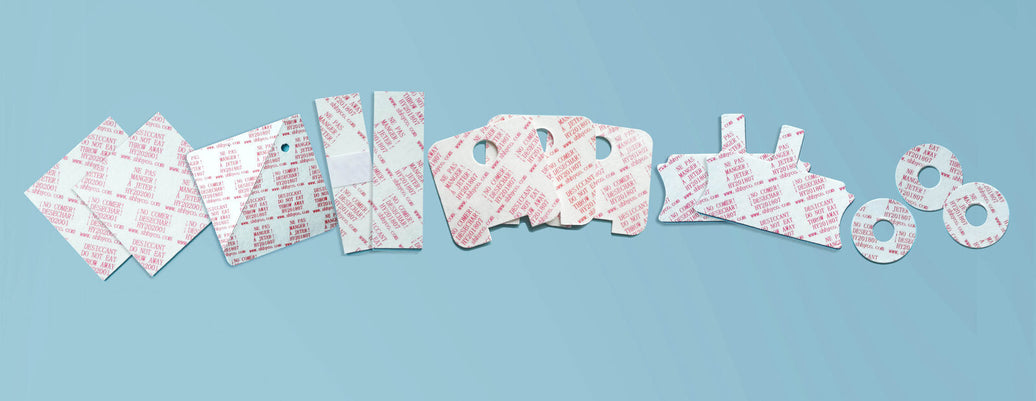
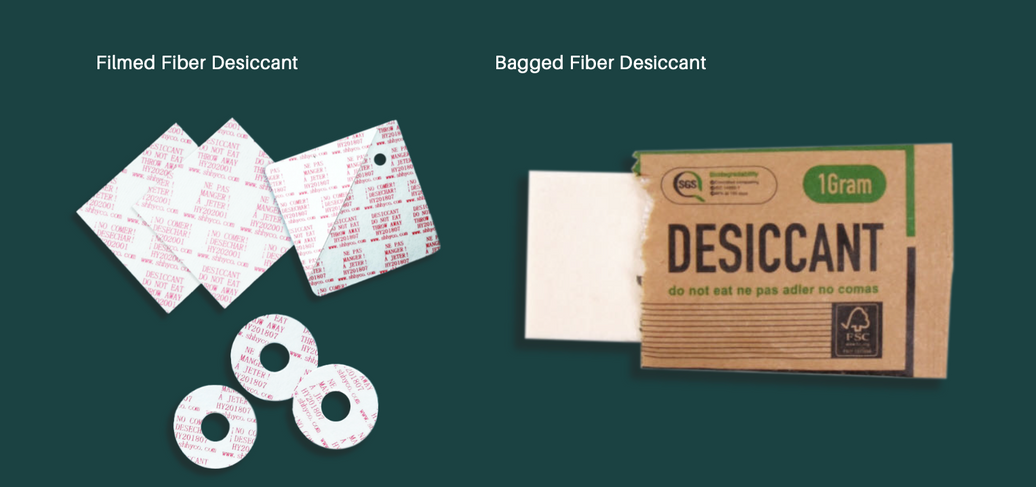
- Co-packer-supplied components. If your co-packer buys the desiccant and inserts it, it may never appear on a bill of materials you control. It is still in your pack and still your reportable mass.
- Secondary and transport packaging. Container desiccants and carton-level sachets are packaging too.
- Promotional and sample packs. Often built outside the main packaging system and outside the packaging data set.
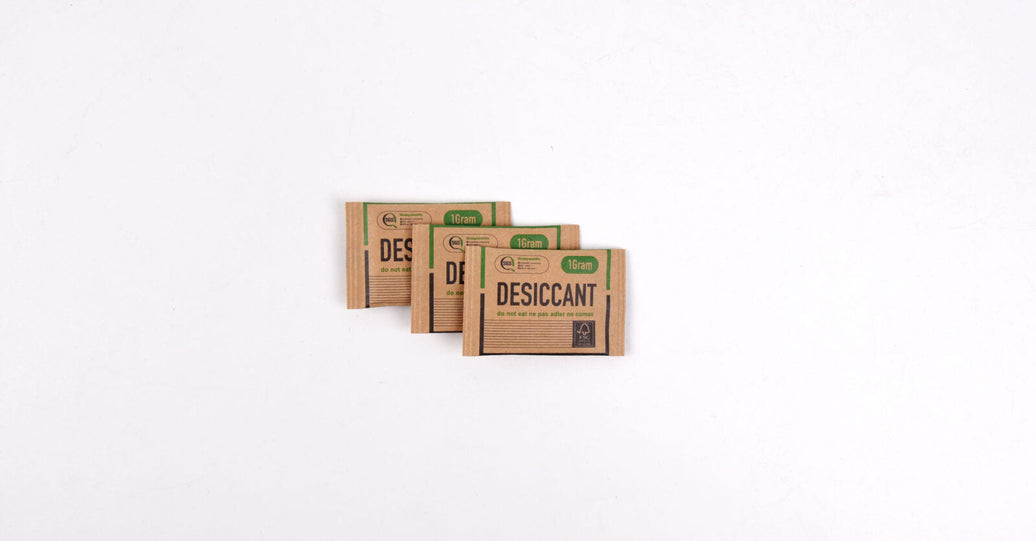
- Multi-SKU ranges with a single generic entry. "Desiccant, 1 g" covering six SKUs at four different weights understates total mass.
The ownership question is the same one that bites in technical qualification, and it has the same answer: someone has to hold the packaging bill of materials, and it has to include the small parts. See who owns the desiccant spec.

Why mass matters more than it looks
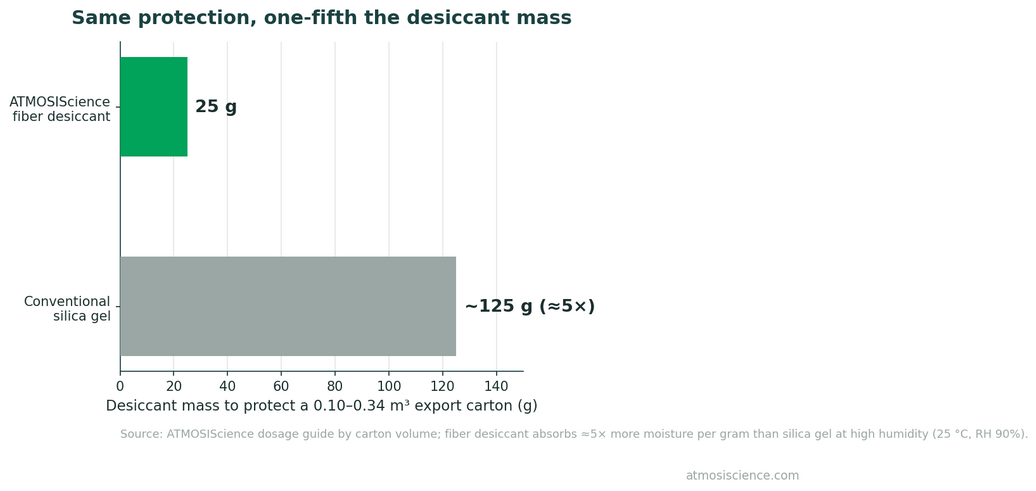
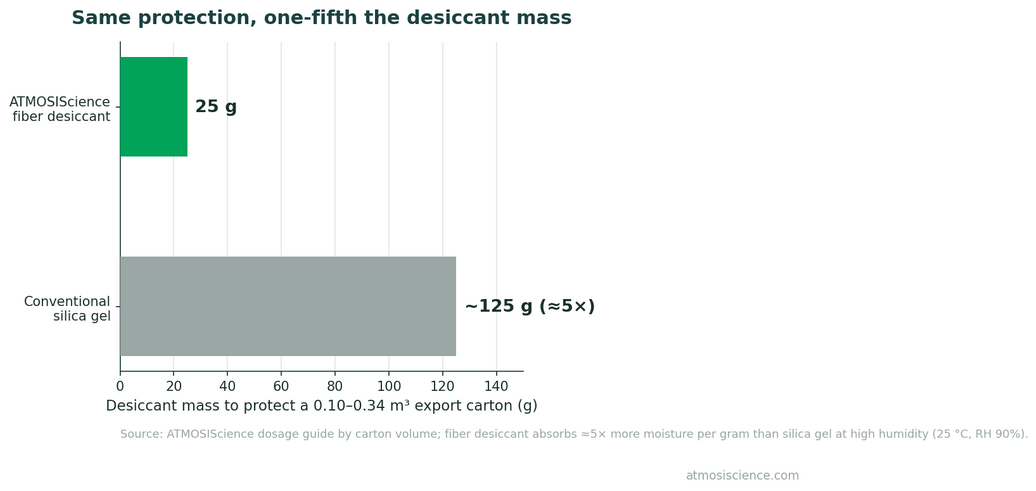
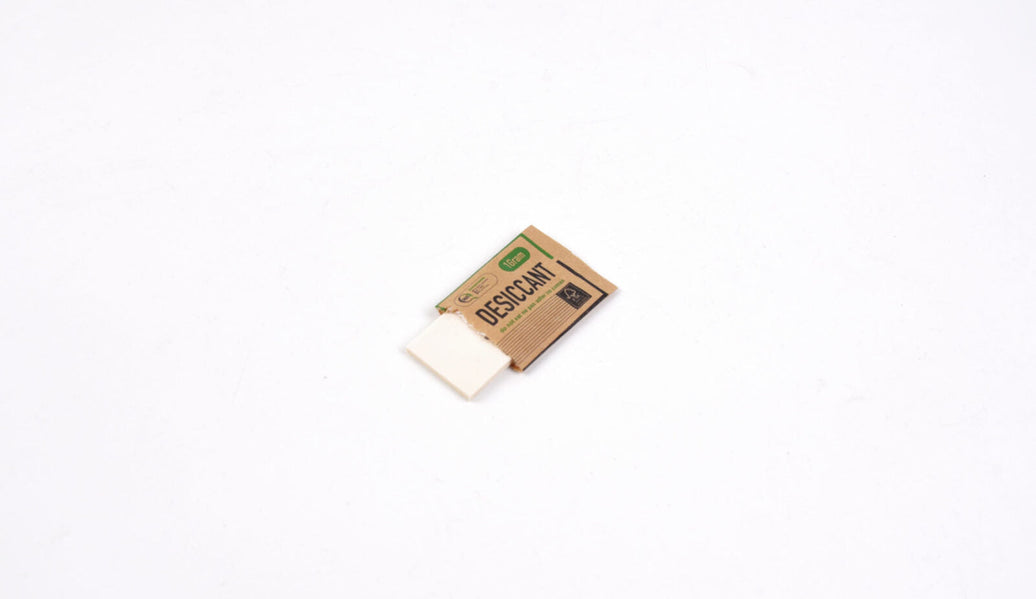
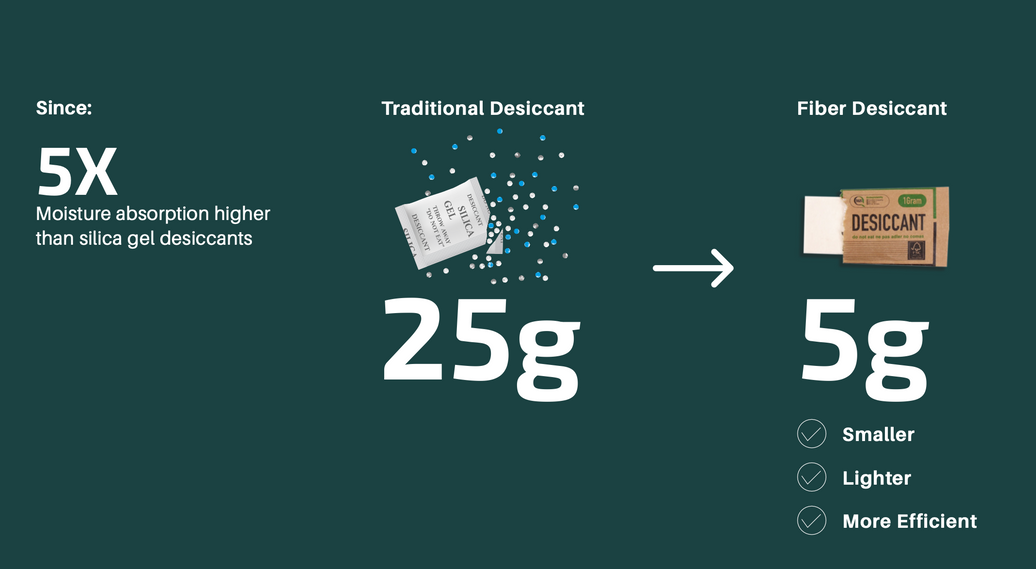
A single sachet is a gram or two. The arithmetic that matters is at annual volume. A brand shipping a million units a year with a 3 g desiccant is reporting three tonnes of packaging material. At two million units with a 1 g alternative delivering the same protection, it is two tonnes — a lower figure on higher volume.
The fee side is developing state by state, and rates are eco-modulated — material recyclability affects the rate, not just the weight. That means a heavier, less-recyclable desiccant is penalised twice. We work through the per-gram arithmetic in what a 3-gram desiccant actually costs you and the five-state picture in the hidden fee in CA, WA, OR, ME and CO.
A practical preparation sequence
- Determine whether you are an obligated producer in each state. Definitions and small-producer exemptions differ, and brand ownership rather than manufacturing location usually decides it.
- Build a packaging bill of materials that includes every component by material and mass — including desiccant, humidity cards, and any inserts.
- Get controlled mass figures from suppliers, not nominal ones. A "1 g" sachet with a real mass of 1.4 g misstates your report by 40% on that line.
- Map your components to the reporting categories each state uses, and document the mapping decisions.
- Look for reduction opportunities before you report, not after. A material change made now shows up in the next reporting year.
- Check the international picture if you also ship abroad — see UK and Canada packaging EPR.
Frequently asked questions
Do I report the desiccant separately from the pack?
You report by material category and mass. The desiccant's mass is allocated to whichever category its material belongs to. It is not a separate line item, but it is not excluded either.
What if my co-packer buys the desiccant?
The obligation generally follows the brand owner who places the packaged product on the market, not the party who purchased the component. Get the mass data from the co-packer in writing.
Are small producers exempt?
Most states include exemptions based on revenue or volume thresholds, and the thresholds differ. Confirm your status per state rather than assuming a single answer, and confirm it with counsel or your PRO.
Does changing desiccant material reduce my fee?
It can reduce the reported mass and, where fees are eco-modulated by material, the rate applied to it. Whether that is worth doing depends on your volume and your protection requirement — the technical side is in replacing silica gel one-for-one.
How does US EPR relate to EU PPWR?
They are separate regimes with overlapping data requirements. A single, complete packaging bill of materials serves both. The EU obligations are mapped in the PPWR compliance hub.
This article is general information, not legal advice. Confirm your obligations, deadlines and exemption status for each state with qualified counsel or your producer responsibility organisation.
Get controlled mass data for your EPR report
Tell us which desiccant SKUs you use and we will send verified mass and material composition figures you can put straight into your packaging bill of materials.
Prefer email? info@atmosiscience.com