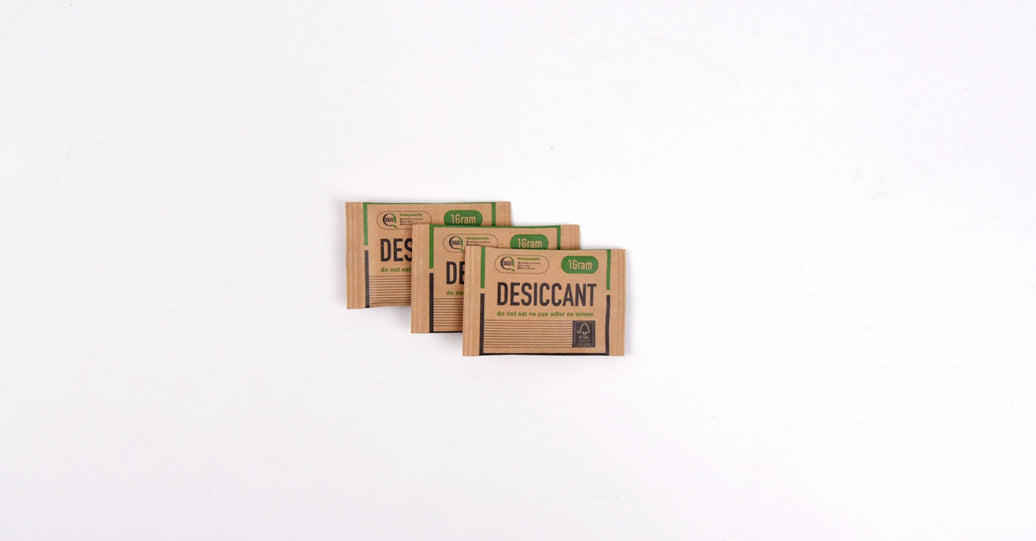
Quick answer: Leave it in. The packet in a creatine tub is a desiccant, and its job is to hold the humidity in the headspace down every time you open the lid. Creatine monohydrate is only mildly hygroscopic in a sealed pack, but a scoop-and-reseal routine pumps humid room air in twenty or thirty times before the tub is finished, and that is what turns loose powder into a crust. The packet is not an ingredient, is not meant to be eaten, and is not a sign that anything is wrong with the product. Do not open it, do not eat it, and do not throw it away until the tub is empty.
It is one of the most-asked questions about a supplement tub, and the usual online answers are split between "it's just packaging" and vague alarm. Neither is useful. Here is what the packet is, what it is doing, and when it stops being able to do it.
What the packet actually is
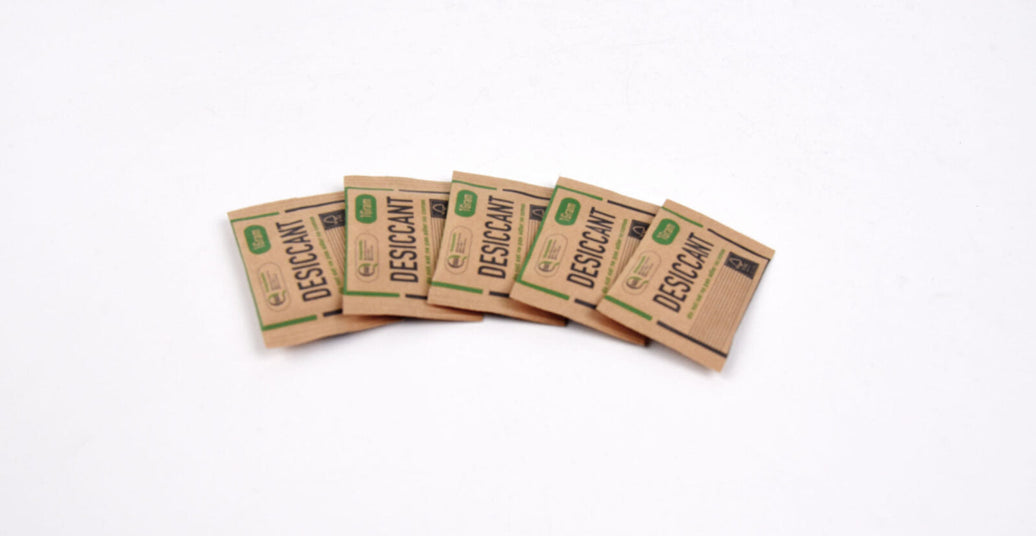
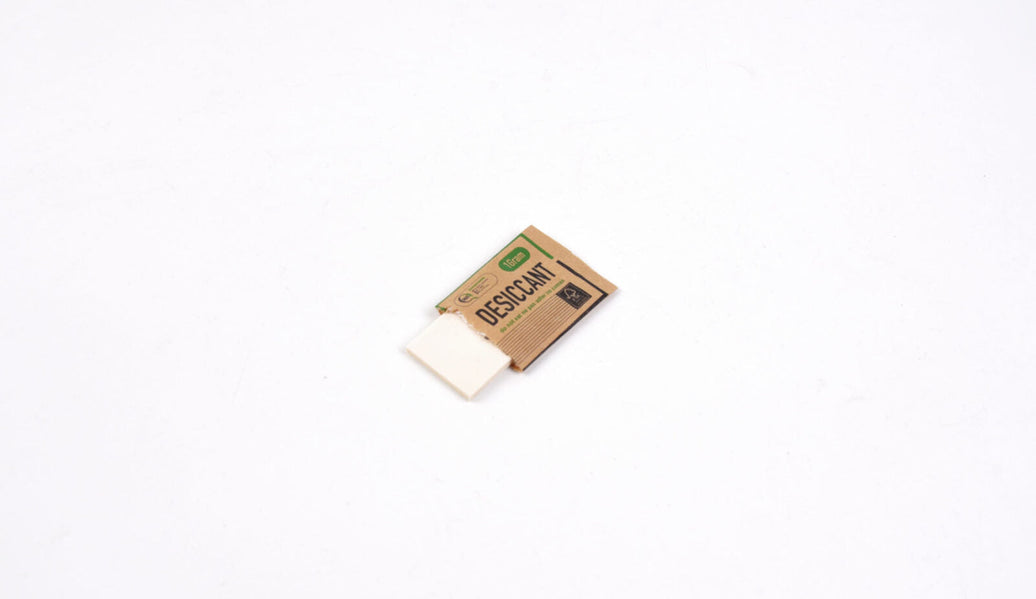
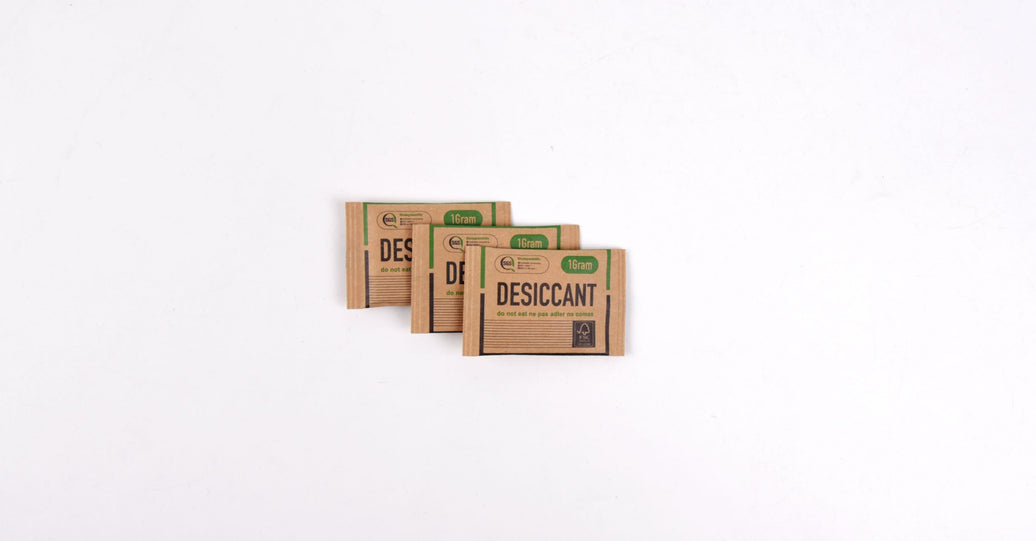
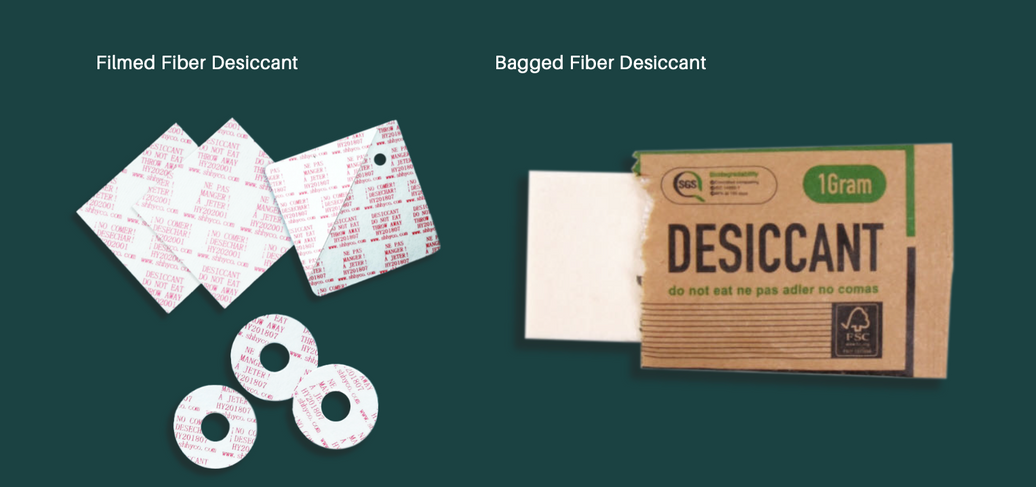
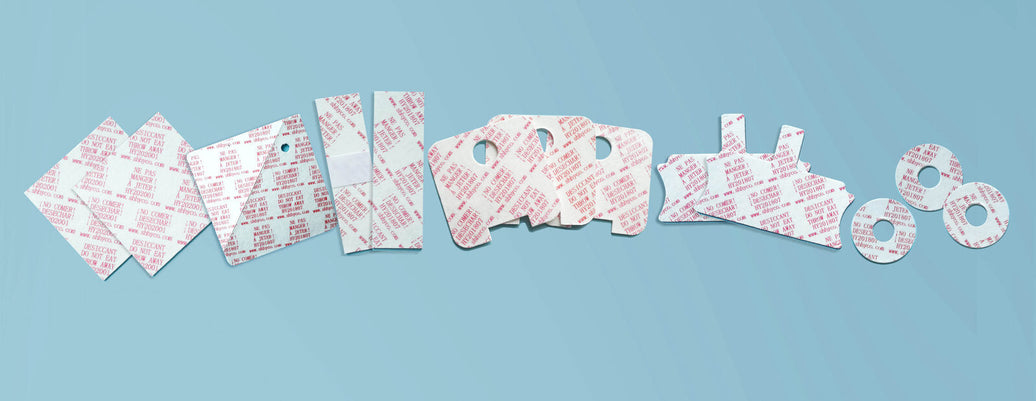
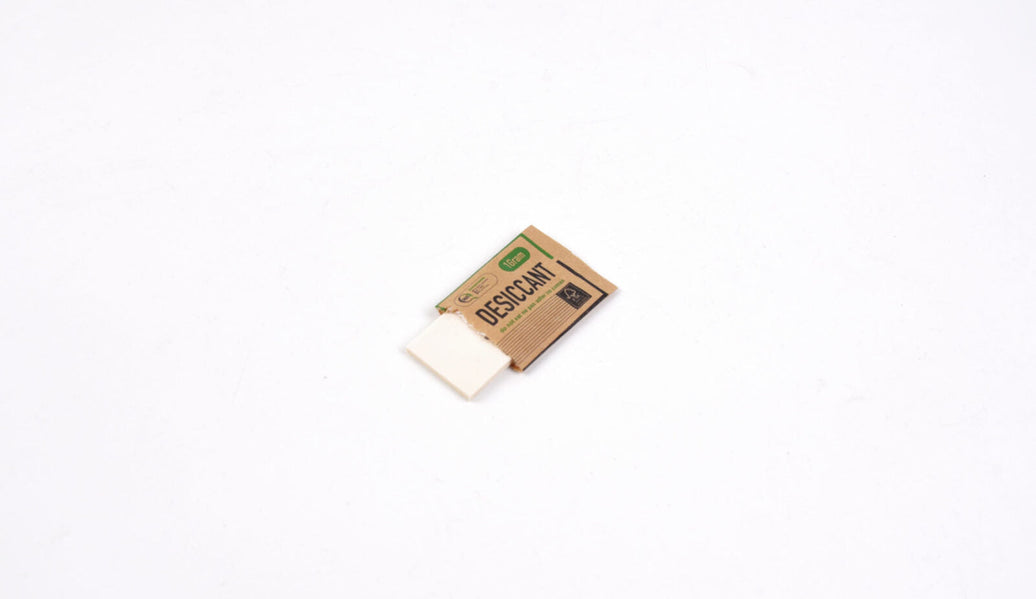
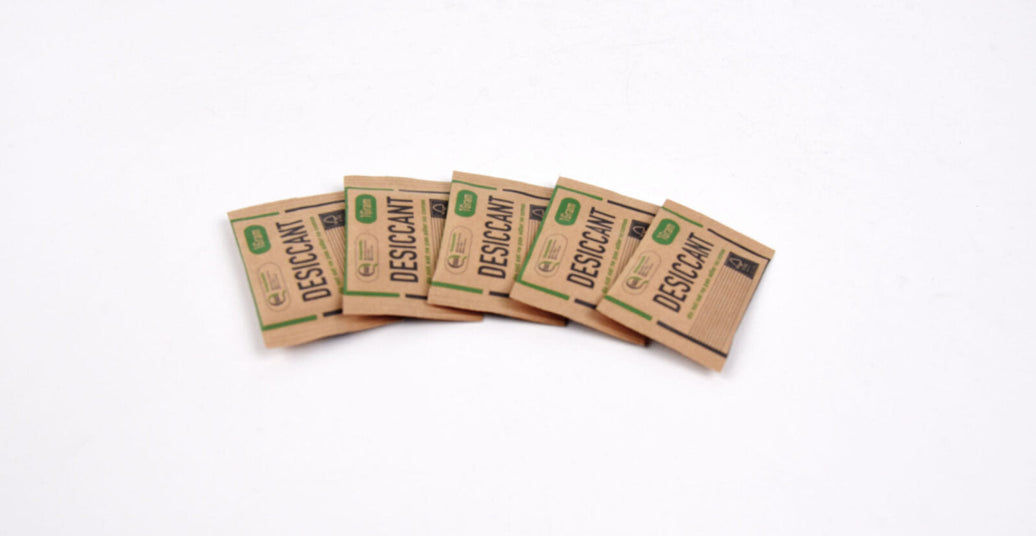
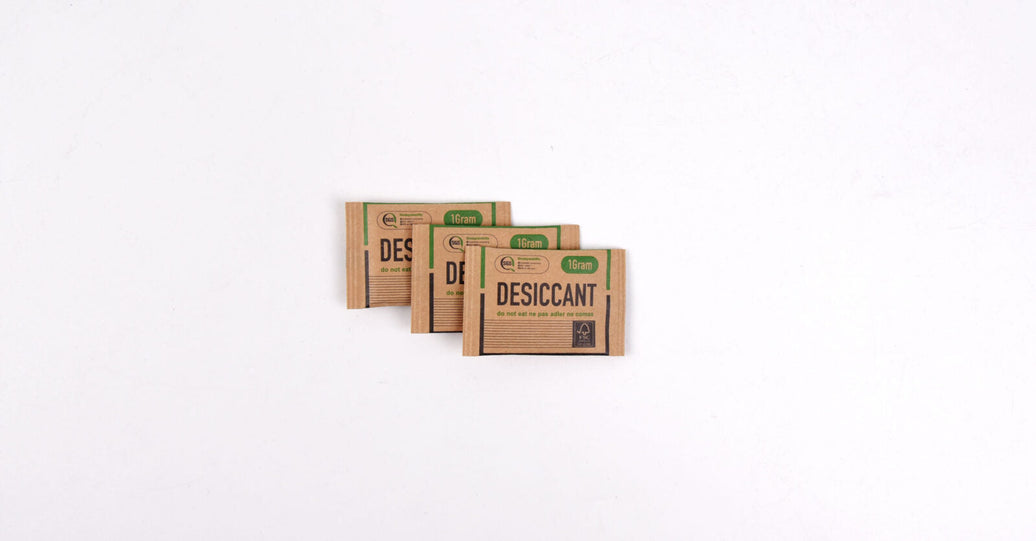
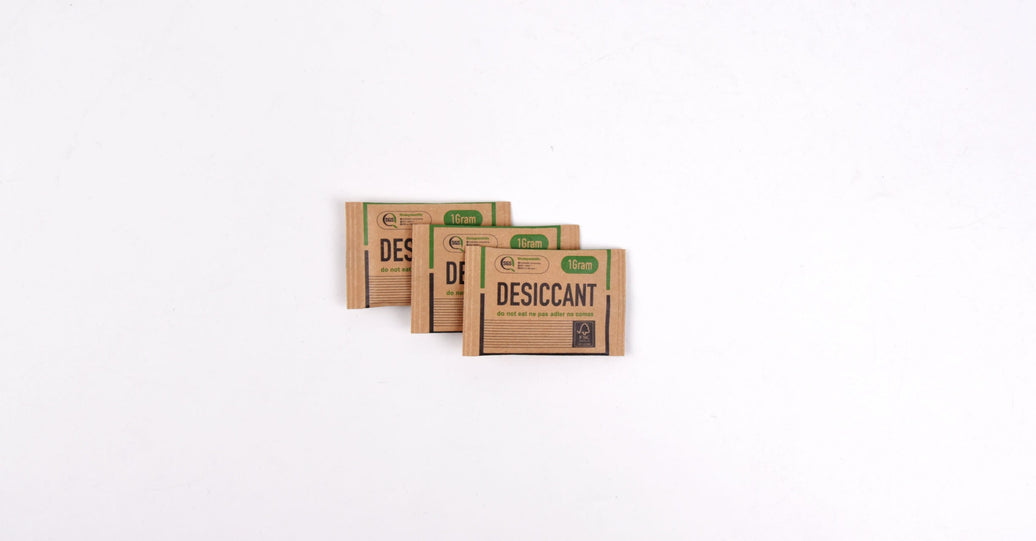
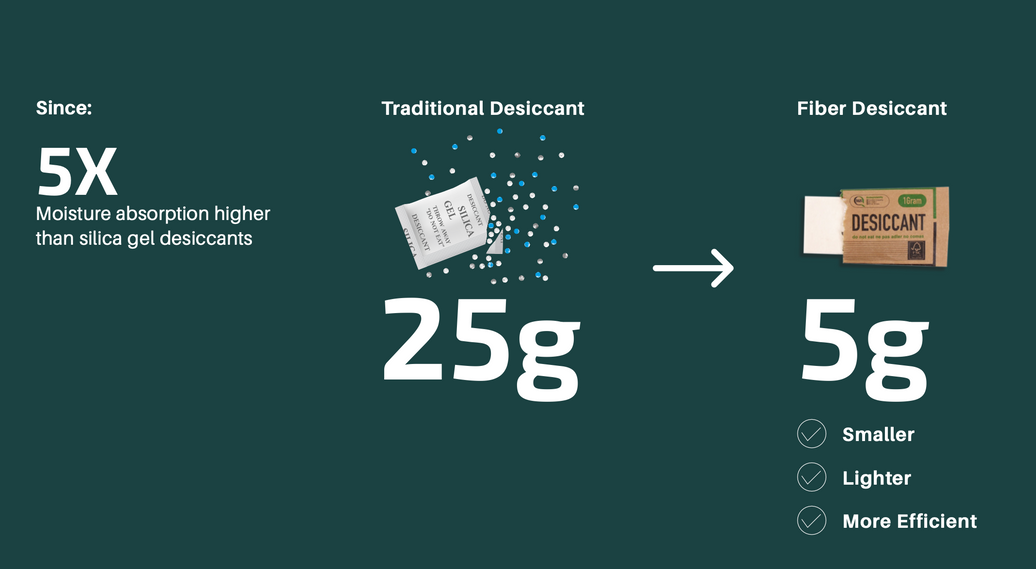
It is a desiccant: a sachet of a material that adsorbs water vapour from the air around it. Silica gel is the most common, though fibre-based and clay desiccants appear in the same role. The sachet is sealed and marked "do not eat" precisely because it is doing a job in the air, not in the powder.
It is not an anti-caking agent. Anti-caking agents are ingredients blended into the powder itself and are listed on the label. A desiccant sits in the headspace and is not an ingredient at all — a distinction we cover in anti-caking agent or desiccant?
Why creatine specifically
Creatine monohydrate is not the most hygroscopic powder on the shelf — electrolyte salts and some amino acids are far worse. What makes creatine vulnerable is the usage pattern:
- A large tub with a big headspace volume relative to the dose
- A scoop that stays inside, so a hand and a warm scoop go in with the air
- Daily opening for one to three months
- Frequently stored in a kitchen or gym bag rather than a cupboard
Each opening exchanges the dry headspace for room air. Twenty-five openings in a humid kitchen is twenty-five doses of moisture, and creatine that has taken up water bridges into a hard cake at the bottom of the tub.
What the packet can and cannot do

It can pull the headspace humidity back down between openings, and it can absorb the small amount of moisture that permeates the container wall over months of shelf life.
It cannot rescue powder that has already caked, work if the lid is not sealed properly, or keep working indefinitely once saturated. A desiccant is sized for a specific pack volume and a specific service life. Beyond that it is inert.
The practical answers
Leave it in the tub
Removing it removes the only moisture control in the pack. The powder does not touch the sachet in any meaningful way, and the sachet is designed for that environment.
Do not open it
The contents are not toxic in the dramatic sense, but they are not food and loose beads or dust in a supplement tub is a genuine contamination problem. If a sachet has split, discard the product rather than picking the pieces out.
Close the lid properly, every time
This does more than any other single habit. A quarter-turn lid that is not seated is a permanently open pack.
Store it away from the kettle
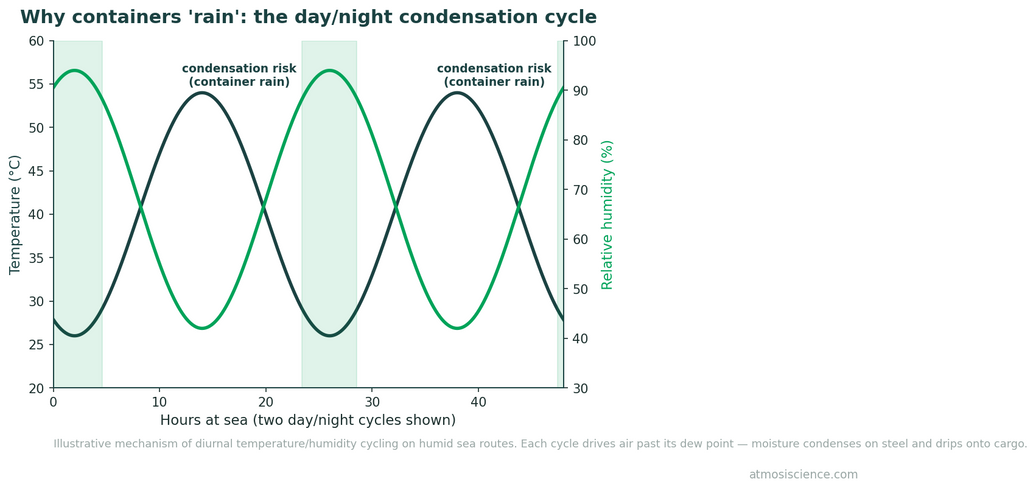
Kitchen counters near a kettle, sink or stove cycle through very high humidity. A cupboard at stable room temperature is a better home.
If it has already caked
Hard caking usually means water has been taken up. The powder is generally still usable if it smells and looks normal and breaks up cleanly, but if it is discoloured, smells off, or resists breaking, the sensible call is to stop. When in doubt, contact the brand — caking complaints are exactly the feedback their QA team needs.
What this means if you are the brand
Consumers asking whether to remove the packet is a signal worth reading: it means the desiccant is visible, unexplained, and slightly alarming. Three responses are cheap:
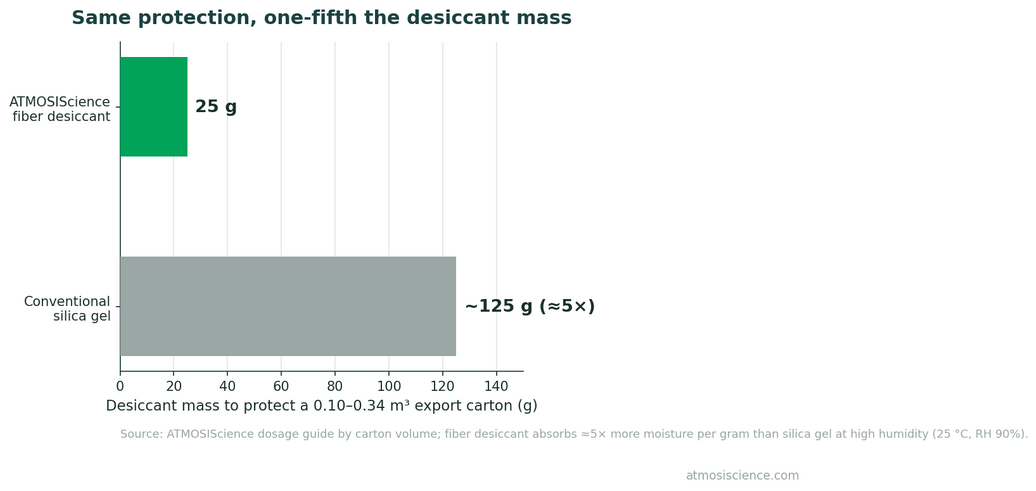
- Size the desiccant for opening cycles, not just for shelf life. A dose calculated only against container permeation will be saturated halfway through a daily-use tub. Our guide on desiccant for resealable packs opened 30 times covers the calculation.
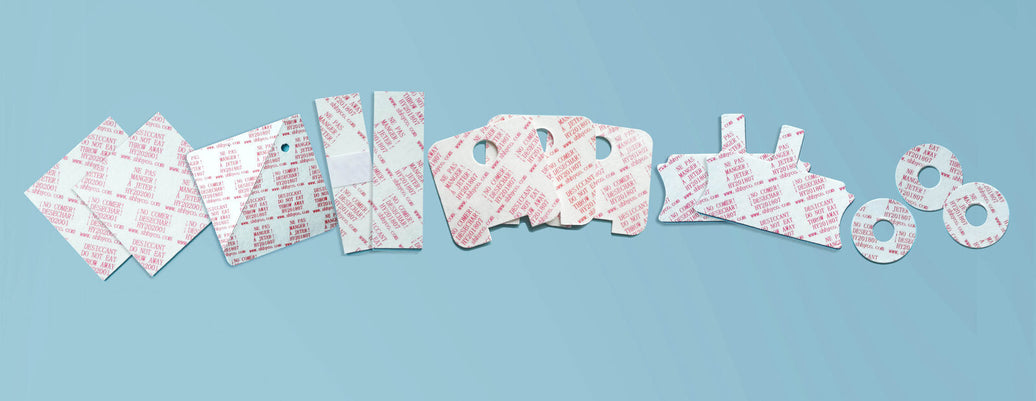
- Consider a format the consumer cannot open. A card or a cap-mounted insert removes the loose-sachet anxiety and the contamination risk. See bottle-cap desiccant inserts.
- Say something on pack. One line — "keeps your powder free-flowing, please leave in the tub" — converts a support ticket into a quality cue.
The manufacturing-side view of the same problem, including caking thresholds and dosing, is in desiccant for creatine monohydrate.
Frequently asked questions
Is the silica gel packet dangerous?
Plain silica gel is not acutely toxic, but it is not food and swallowing a sachet is a choking and irritation risk, particularly for children and pets. Keep it in the sealed tub and out of reach. Our explainer on the "do not eat" label covers the warnings in detail.
Can I reuse the packet for something else?
Once a tub is finished the sachet has usually done most of its work. Some silica gel can be dried and reused, but a packet that has been in a food pack should not be moved into another food application. Details in can you reuse or recharge desiccant?
Why do some tubs have no packet at all?
Either the brand relies on an anti-caking agent in the formula and a good barrier container, or the pack is small enough that headspace is not a problem. Absence is not necessarily a defect.
Does the packet mean the creatine is low quality?
No. It usually means the opposite — someone specified moisture control for a product that will be opened dozens of times.
Does a wet or hard packet mean it has failed?
A sachet that feels heavy or firm has done its job and is likely saturated. It is not harmful, but it is no longer protecting anything. That is a sizing question for the brand, not a problem for the consumer to solve.
Spec'ing a desiccant for a tub that gets opened daily?
ATMOSIScience sizes moisture control for opening cycles, not just shelf life, and supplies formats consumers cannot open. Tell us the pack and the usage pattern.
Prefer email? info@atmosiscience.com