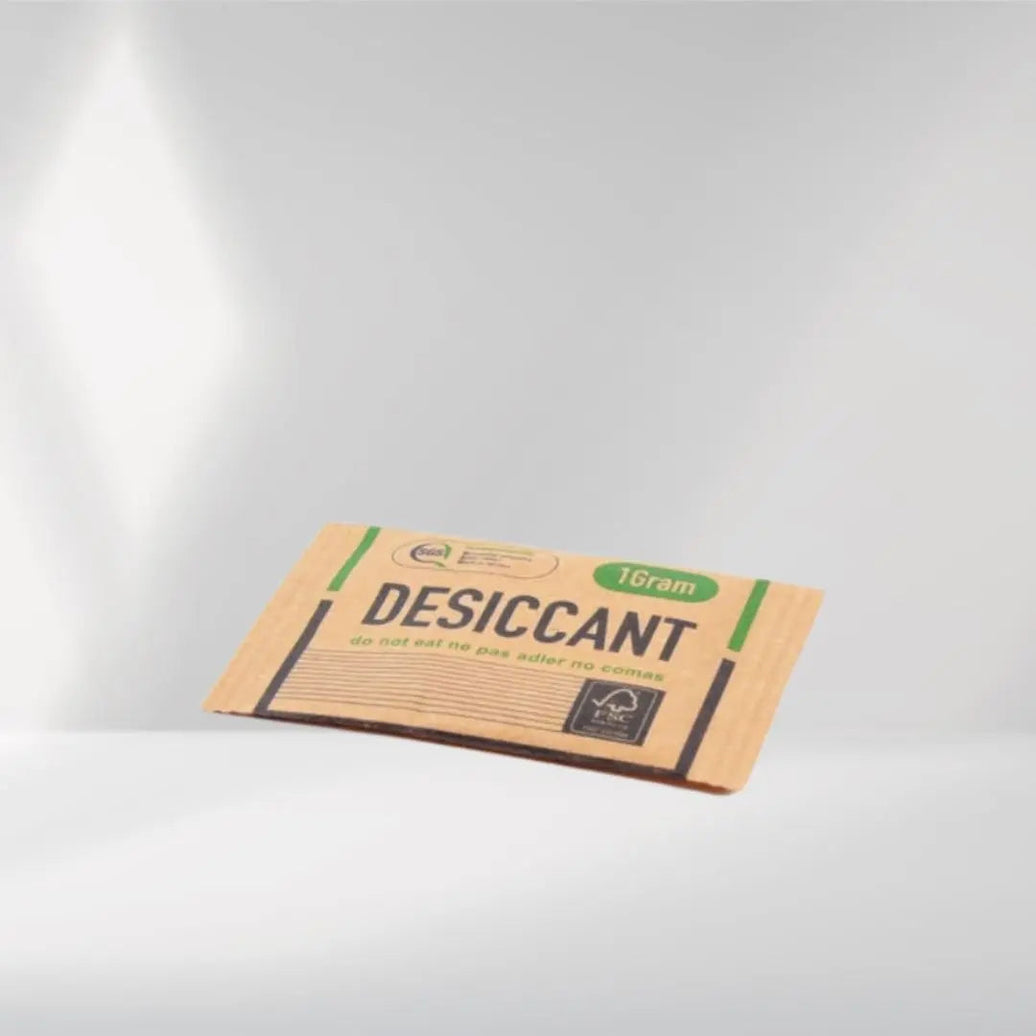
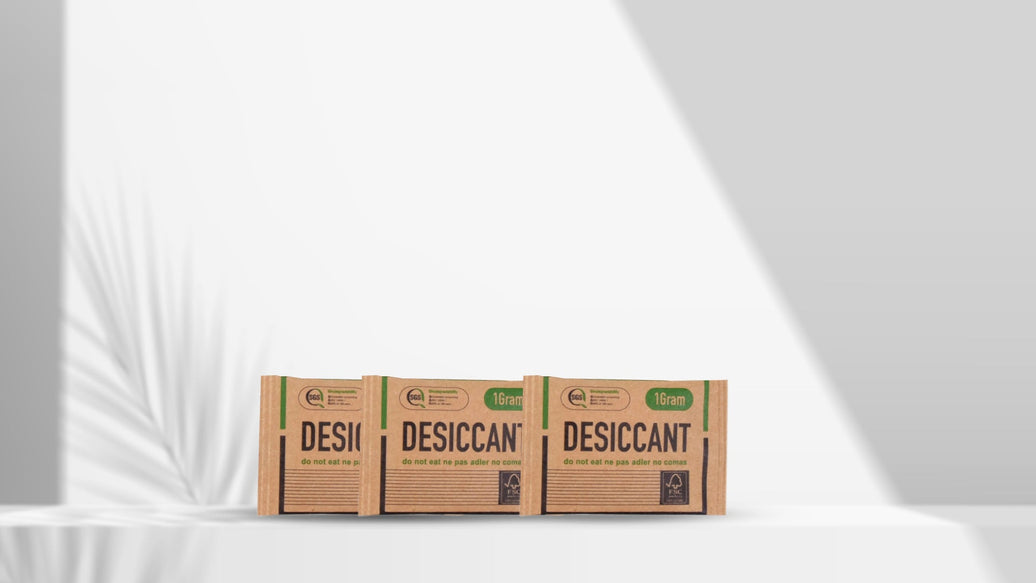
Quick answer: Four data points cover almost every sustainability questionnaire that reaches a desiccant: a product carbon footprint with a stated standard and functional unit, an end-of-life route with the certification that supports it, a substances declaration covering restricted substances and PFAS, and evidence of the supplier’s quality and environmental management systems. Gather them once, per product code, and reuse. The point where answers usually fall apart is the functional unit — comparing footprints per kilogram of desiccant instead of per pack protected.
Sustainability questionnaires used to stop at the corporate level. They now reach the bill of materials, and packaging components are an easy target because their data is either present or obviously missing. A desiccant sachet is small enough to be forgotten and specific enough to be asked about.
Data point one: product carbon footprint, with its functional unit
A carbon figure means nothing without the basis it was calculated on. Ask the supplier for the standard, the system boundary and the functional unit.
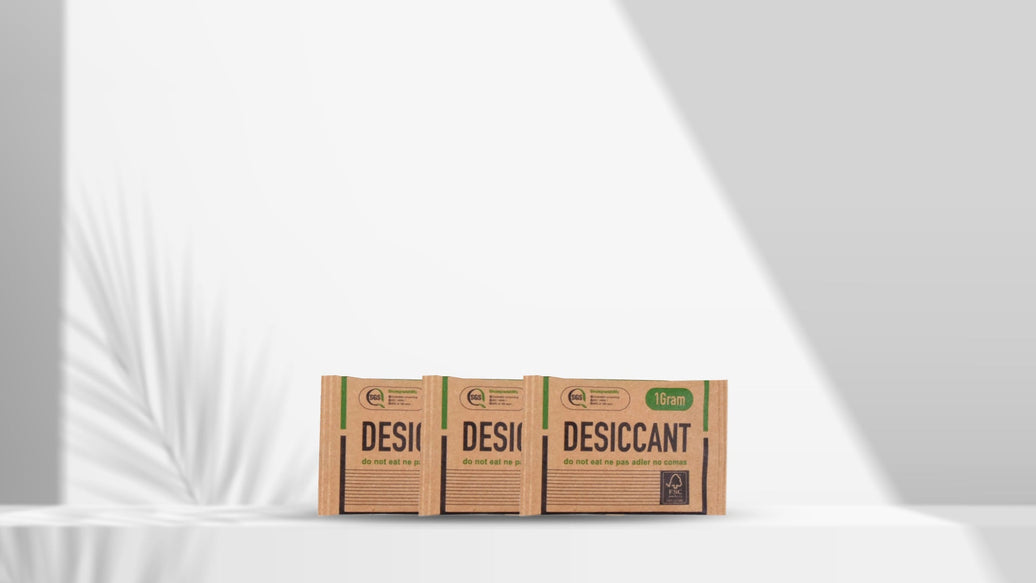
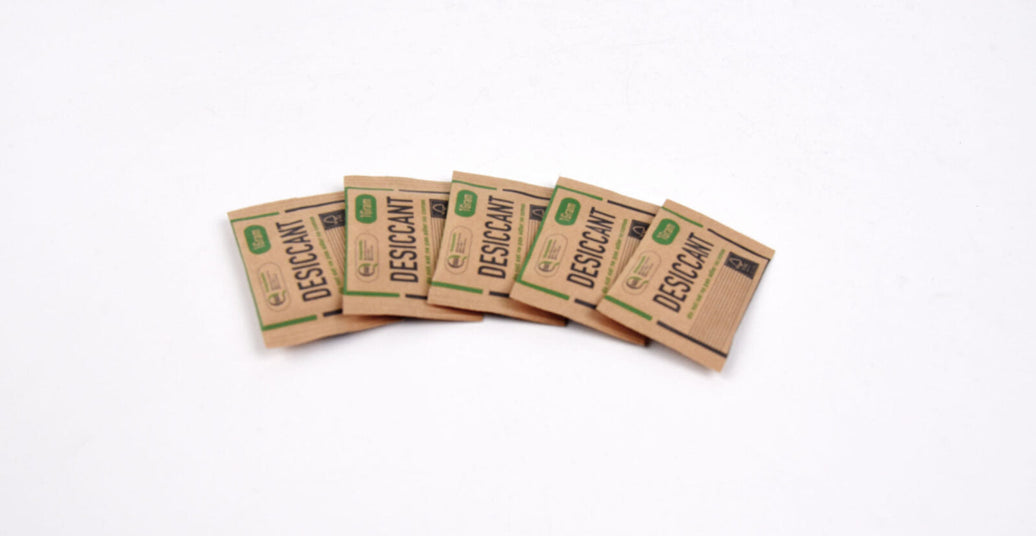
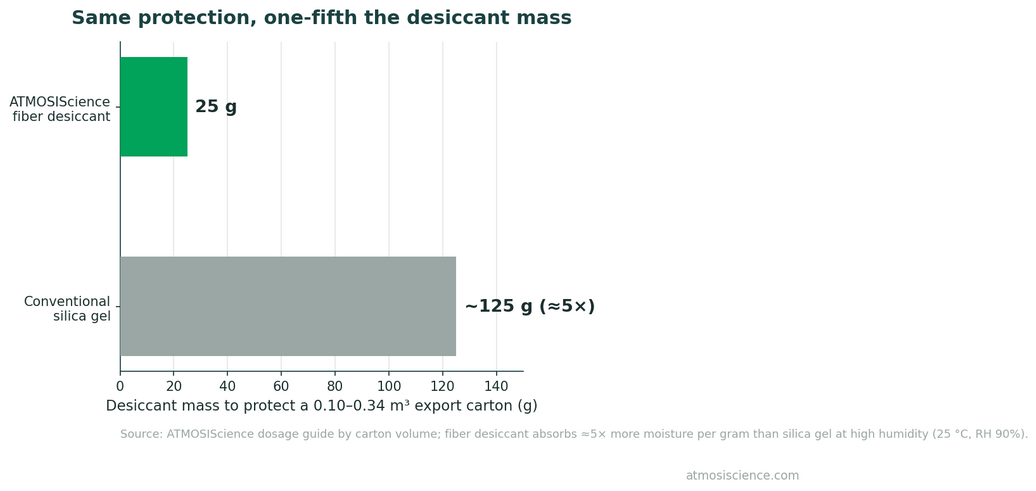
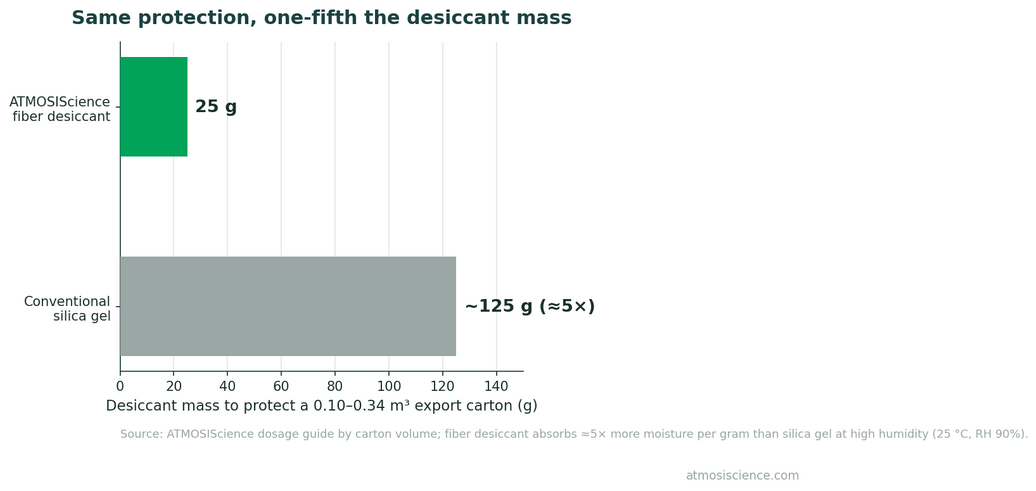
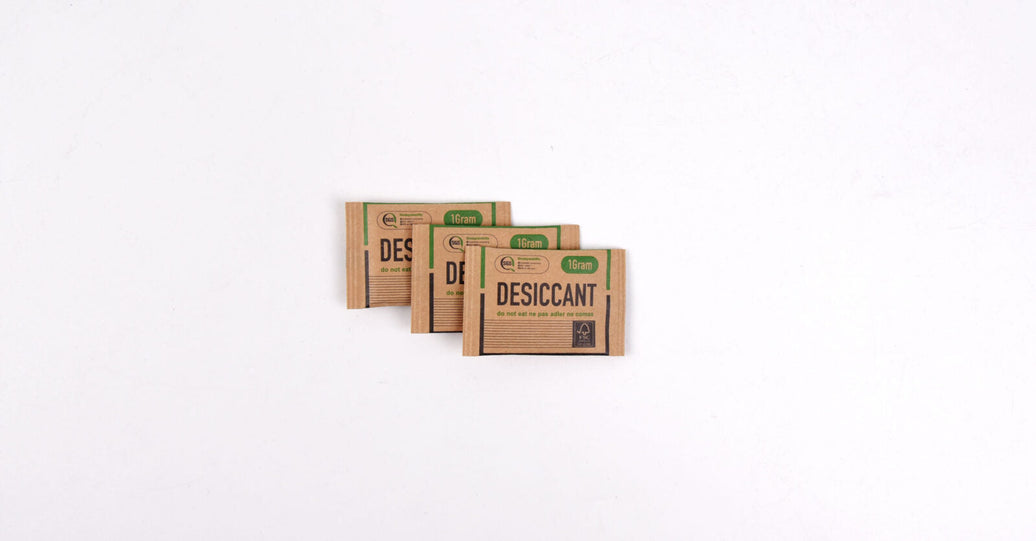
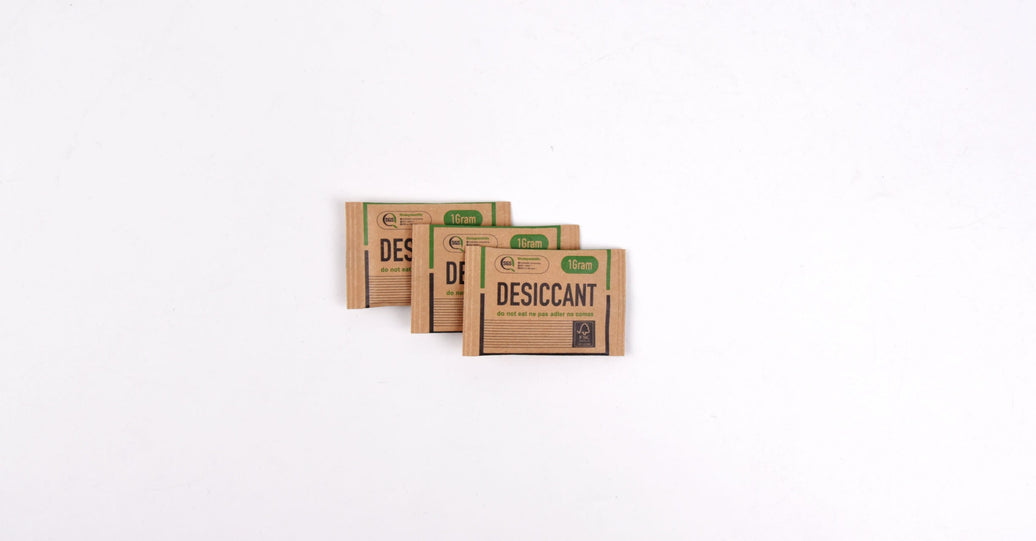
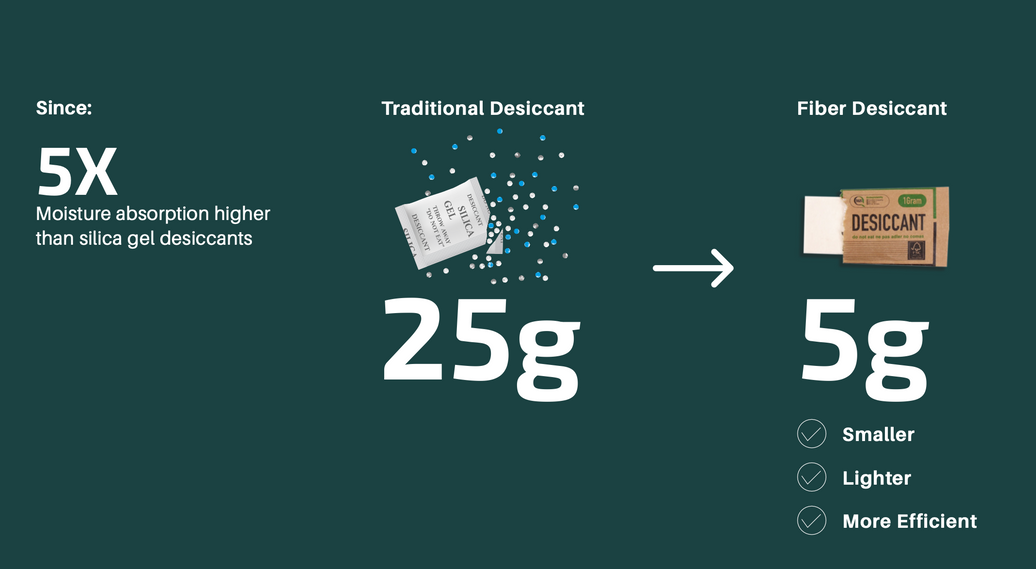
ATMOSIScience holds an ISO 14067 product carbon footprint for its fiber desiccant. The number that matters to a customer, though, is not the footprint per kilogram of material — it is the footprint attributable to protecting one pack. Those diverge sharply when two desiccants need different masses to do the same job, and the higher-capacity option can carry a higher per-kilogram footprint while producing a lower per-pack one. The reasoning is set out in functional unit: mass versus effect and the underlying study in the ISO 14067 footprint article.
One caution when filling in a form: ISO 14067 is the carbon footprint standard. ISO 14001 is an environmental management system standard. They answer different questions and are not interchangeable, even though questionnaires often place them in adjacent boxes.

Data point two: end of life, with the certificate behind it
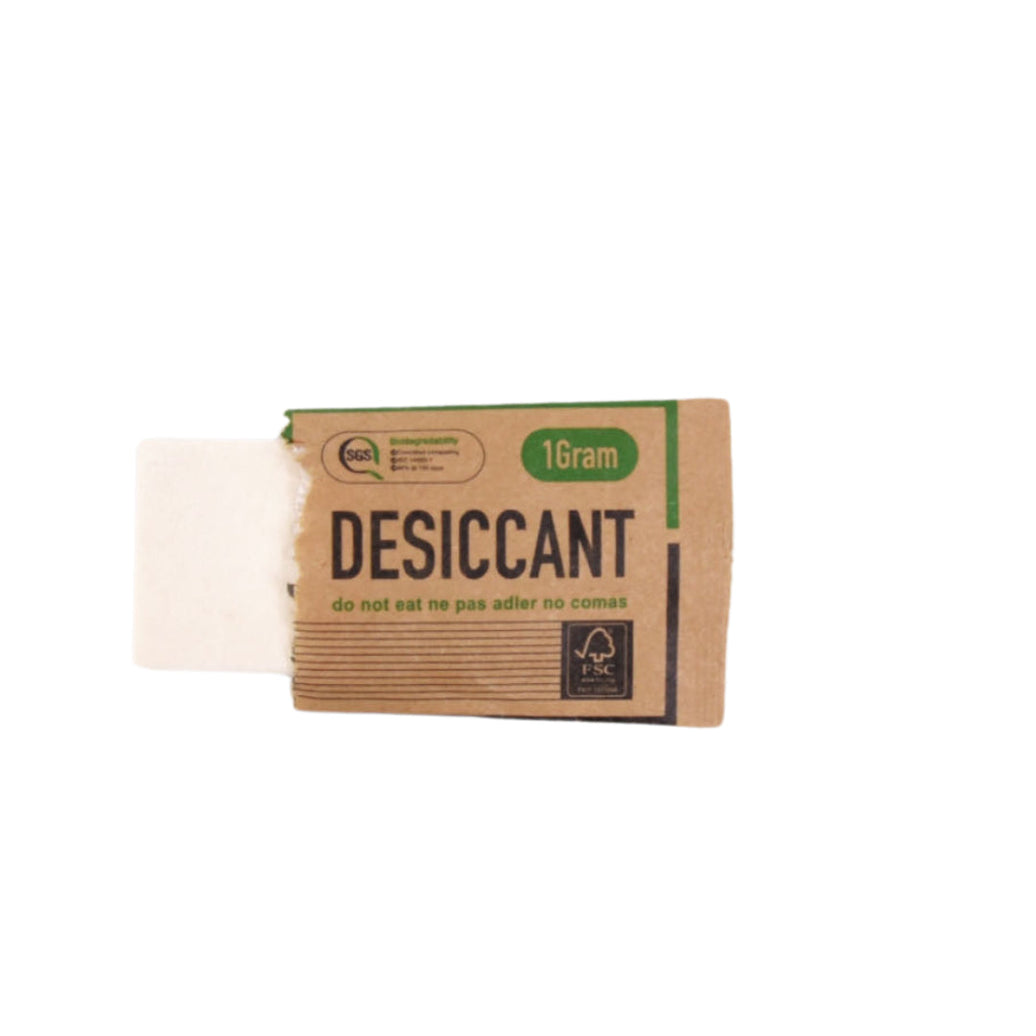
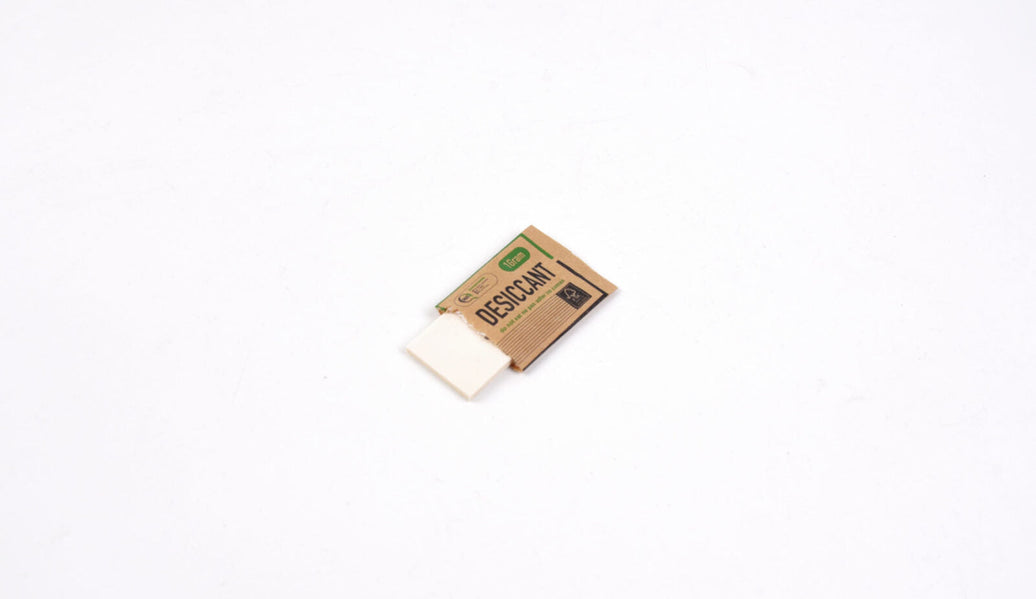
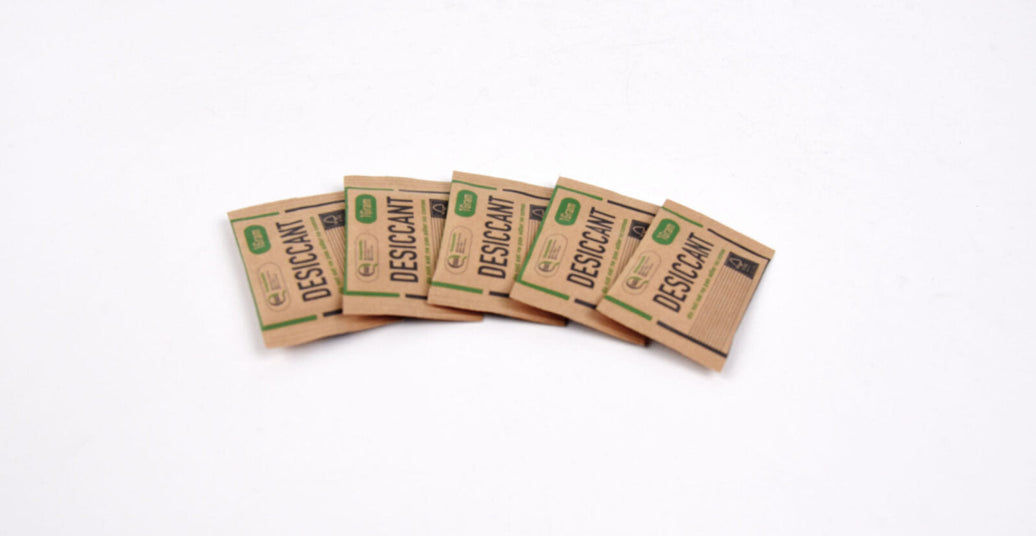
State the route and the evidence, not an adjective. ATMOSIScience pouch films carry ASTM D6400 and EN 13432 certification, and the desiccant element is a compostable fiber material. Note precisely what each certificate covers and what it does not — scope errors here are the most common source of an unsupportable claim, and the issue is covered in compostability certifications explained.
Since 27 September 2026 the EU Empowering Consumers Directive requires environmental claims to be specific and substantiated. That has a direct consequence for questionnaire answers: a vague answer is now worse than a precise limited one, because the vague answer becomes a claim you cannot defend.
Data point three: substances
Questionnaires increasingly ask for substances of concern by name. Have on file:
- A restricted substances declaration and the RoHS testing position
- A PFAS statement referencing the applicable thresholds — see the PFAS limits explainer
- REACH SVHC screening, covered in REACH SVHC and PPWR Article 5
- The safety data sheet, which most systems will accept as a supporting attachment
Data point four: management systems and audit evidence
Scored assessments give weight to third-party verified systems. ATMOSIScience fiber desiccant is manufactured under an SGS-audited ISO 9001 quality system, with cleanroom-grade production available for sensitive applications. Where a scheme asks about labour or ethics at the manufacturing site, the audit evidence for the site is the relevant attachment rather than a corporate policy statement.
Where the desiccant appears in the customer’s own reporting
For most brands, purchased packaging sits in Scope 3 Category 1. That means your desiccant data does not disappear into a supplier file — it becomes an input to the customer’s emissions inventory, which is why they want the functional unit stated. The mechanics are in packaging Scope 3 emissions.
A reusable answer block
Assemble these once and the next questionnaire takes an hour rather than a week:
- Product code and net weight per unit, split by component
- Carbon footprint, standard, boundary and functional unit
- End-of-life route and certificate references with expiry dates
- Substances declarations: restricted substances, PFAS, REACH
- Quality and environmental system certificates with site and scope
- Change-notification commitment, so the data stays current — see change control
Frequently asked questions
Do we need a full life cycle assessment for a desiccant?
Rarely. A product carbon footprint with a clear boundary answers most questionnaire fields. A full LCA is a separate and much larger exercise.
Can we report the desiccant footprint per kilogram?
You can, but state it explicitly. Per-kilogram figures are not comparable across desiccants with different capacities.
What if the supplier has no carbon data at all?
That is a reportable gap, and it is worth raising at qualification rather than at questionnaire time. Increasingly it becomes a scoring penalty for the buyer, not the supplier.
Does compostability improve a sustainability score?
Only where the scheme asks about end-of-life and the certificate scope actually matches the claim. An overstated claim scores worse than a modest accurate one.
Request the sustainability data pack
Tell us which assessment you are completing and the ATMOSIScience team will send the footprint, certificates and substance declarations for your product code.
Prefer email? info@atmosiscience.com