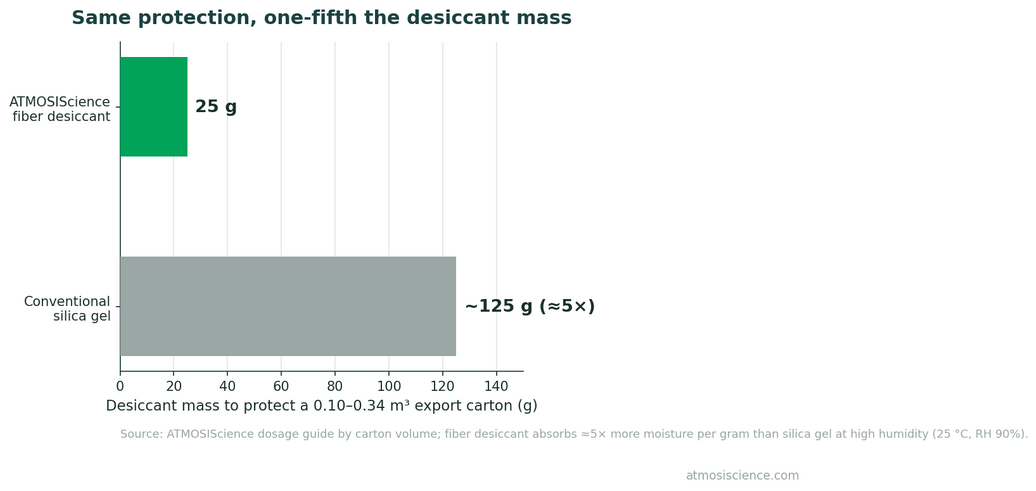
Quick answer: Moisture rarely destroys a pigment, but it reliably degrades how it behaves. Bound water bridges fine particles into agglomerates that survive the disperser and appear as specks; it causes bridging and rat-holing in hoppers so dosing accuracy drifts; it lowers effective tinting strength at the same loading because poorly wetted agglomerates never fully develop; and water carried into an extruder shows up as voids, splay or surface streaking. In-pack desiccant addresses the storage and transit portion of that risk, which is usually the longest and least controlled part of a pigment's life.
Pigment and masterbatch buyers do not usually describe their problem as a moisture problem. They describe it as inconsistent colour, a dirty batch, or a dispersion that will not come up to strength. Moisture is often the common cause, and it is the cheapest one to eliminate.
Four ways moisture shows up

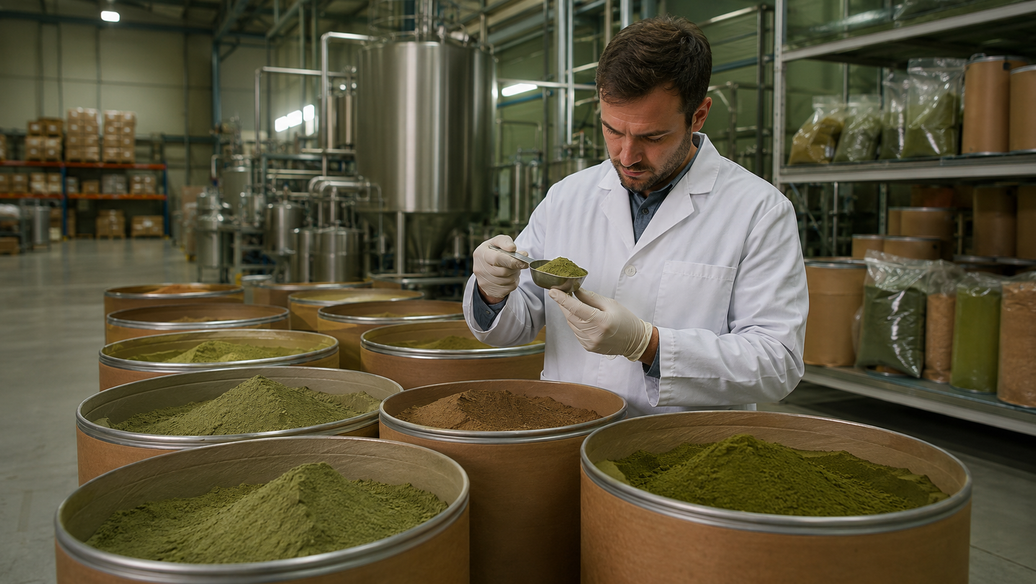
The through-line is particle size. Pigments are milled to a fine, high-surface-area powder precisely so they disperse well, and high surface area is also what makes them good at picking up water. The property that makes a pigment work is the property that makes it vulnerable.
Which materials are most exposed
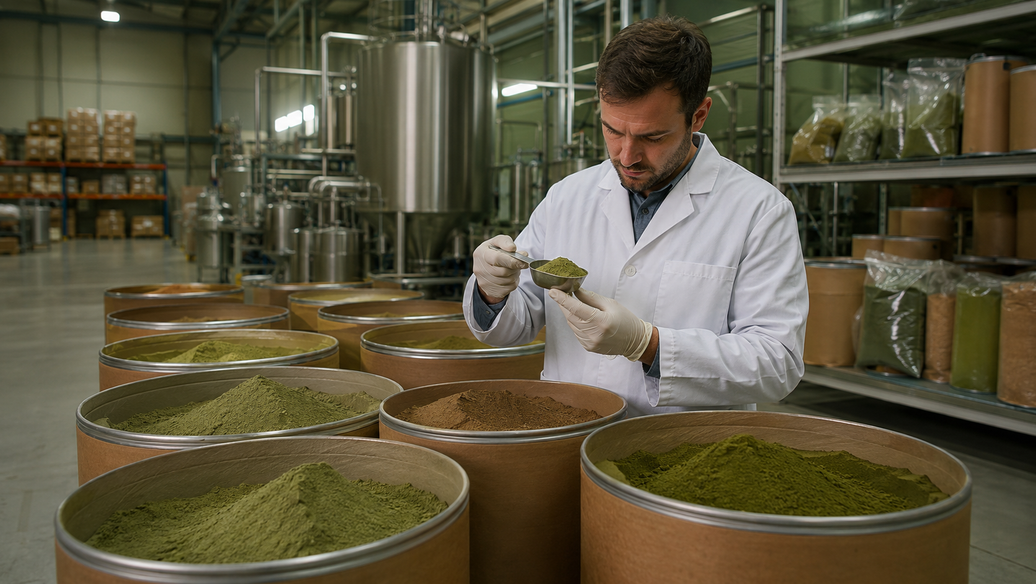
- Organic pigments milled to small particle size, where agglomeration directly costs tinting strength.
- Carbon black and other high-surface-area powders that pick up moisture quickly once a bag is opened.
- Water-soluble dyes, which are the most obviously hygroscopic and can cake severely.
- Effect and metallic pigments, where surface treatment can be moisture-sensitive.
- Masterbatch pellets and powder blends destined for an extruder, where carried water becomes a visible defect.
Where the moisture comes in

Sealed-in humid air at fill, permeation through the bag wall over months of storage, and the opening cycles a partially-used bag goes through in a compounding shop. For pigments the third path is often the worst, because a 25 kg bag rarely gets used in one shift and rarely gets resealed properly.
Sizing the dose
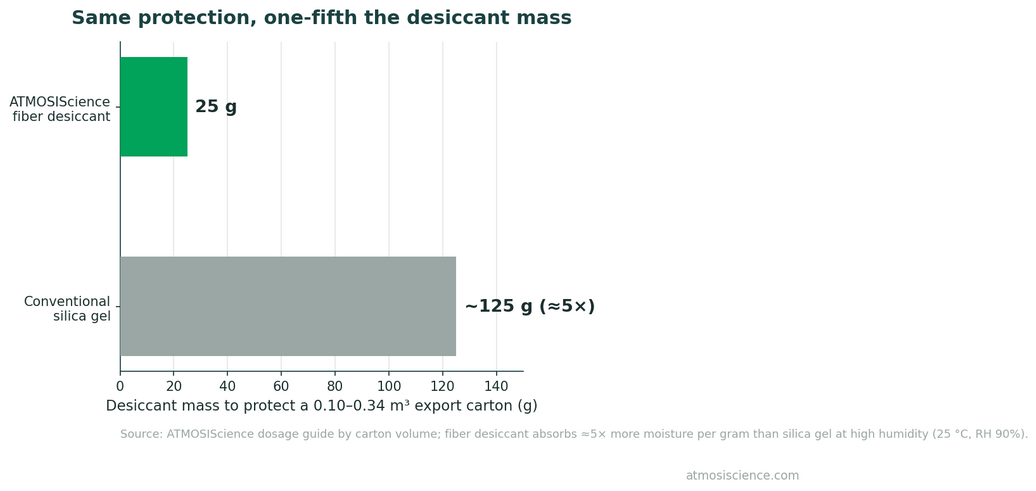
The calculation is the same as for any powder: total moisture load equals what is sealed in, plus what permeates over the service life, plus what enters at each opening. Two inputs are specific to this application:
- Pack format. A 25 kg bag, a lined drum and a FIBC are three different problems. Bulk formats are covered in desiccant for FIBC bulk bags, drums and super sacks.
- The pack's real barrier. Woven PP with a PE liner is not a foil laminate. Whether the figure you have describes the film or the finished sack matters — see which WVTR method the number came from.
The general dosage approach is in how much desiccant per package, and the underlying moisture science in why powders cake.
Two constraints specific to colour
Contamination is visible
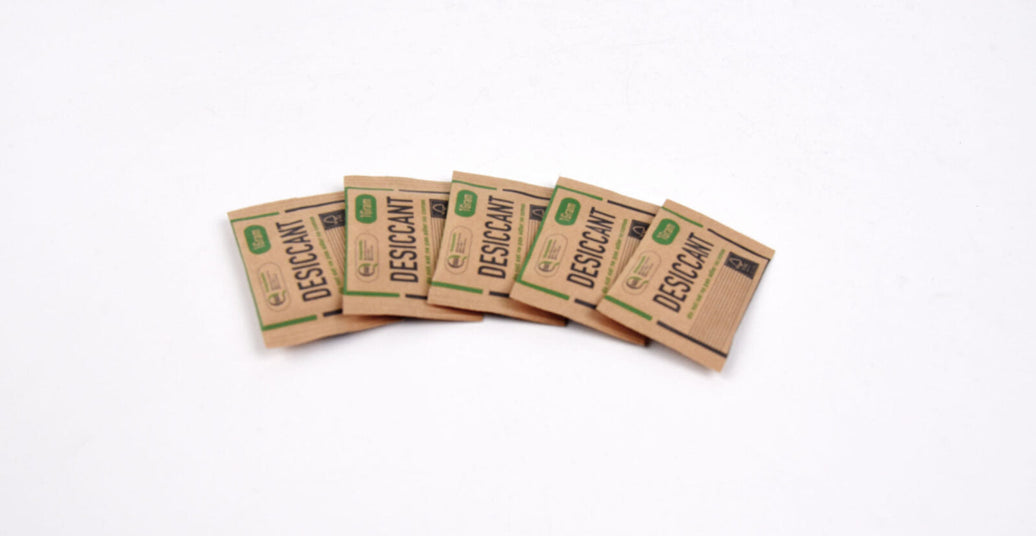
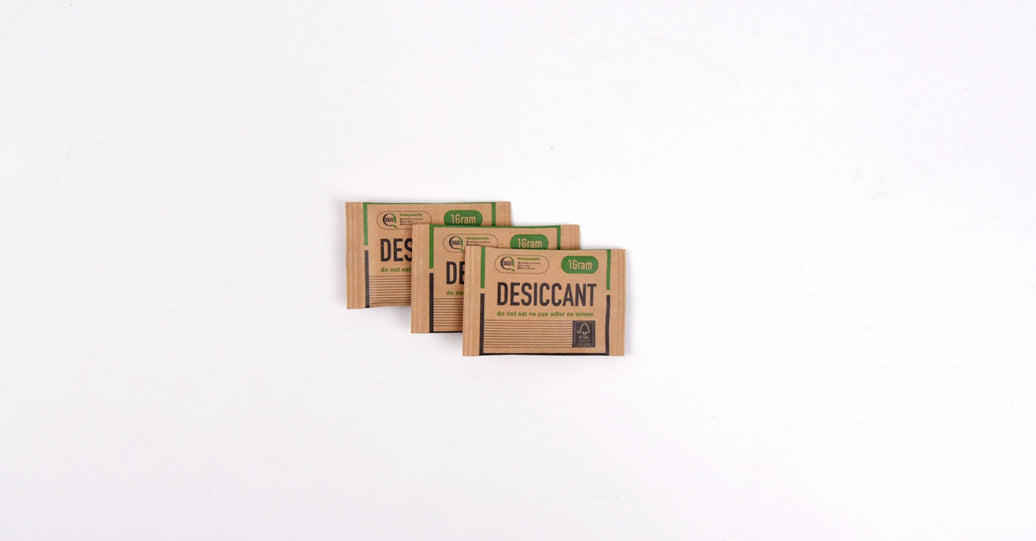
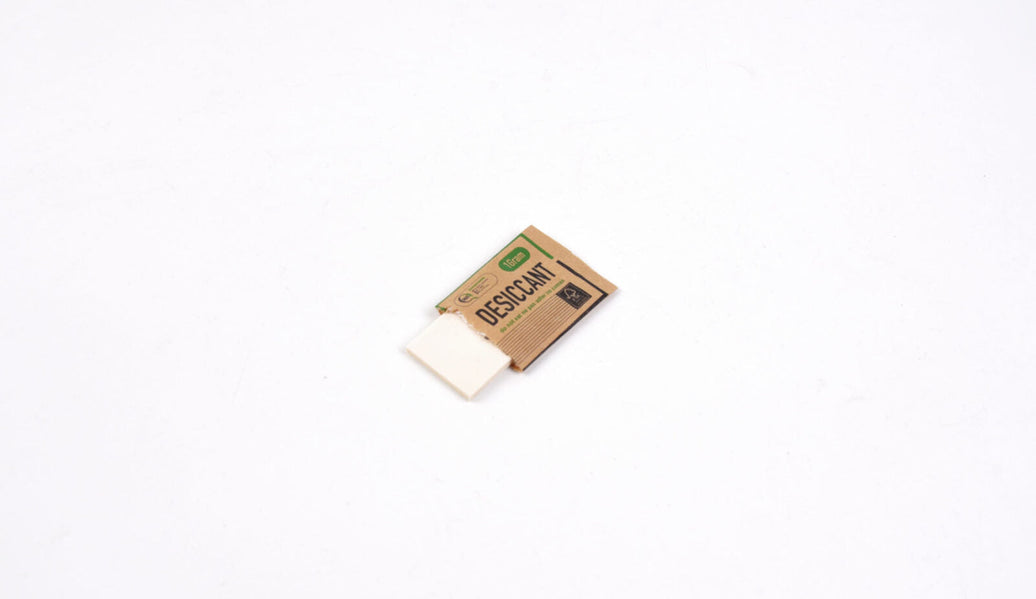
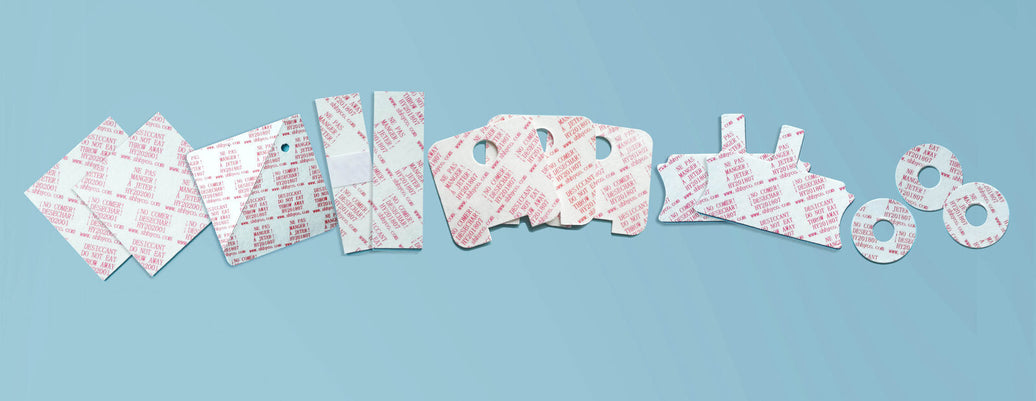
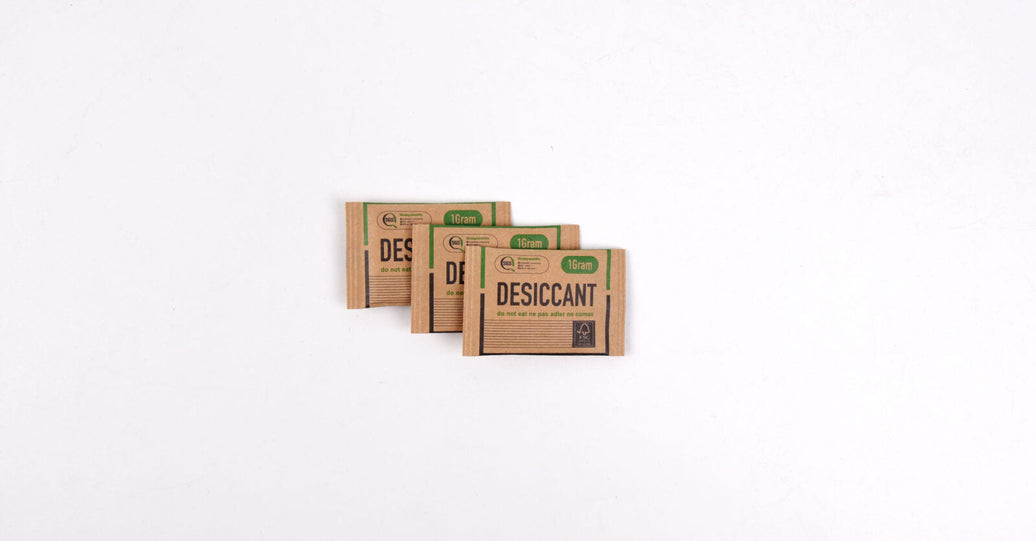
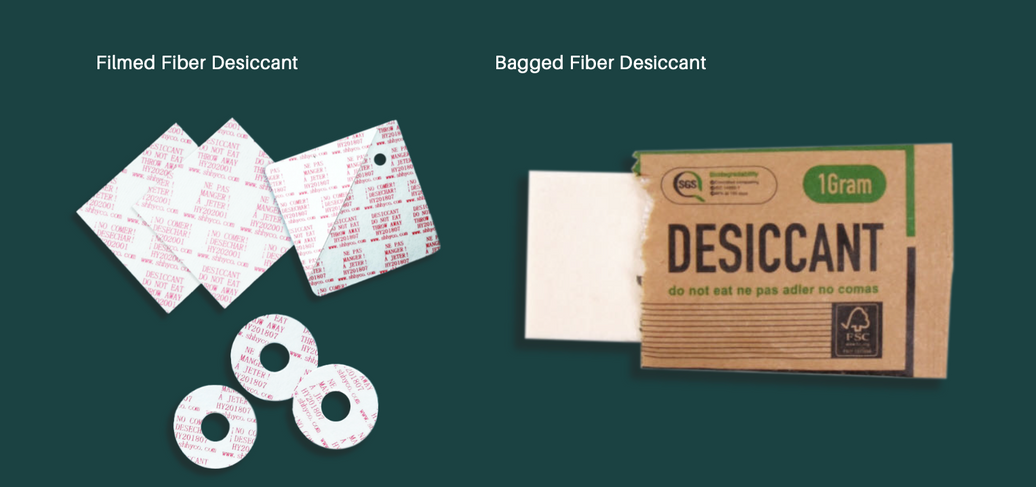
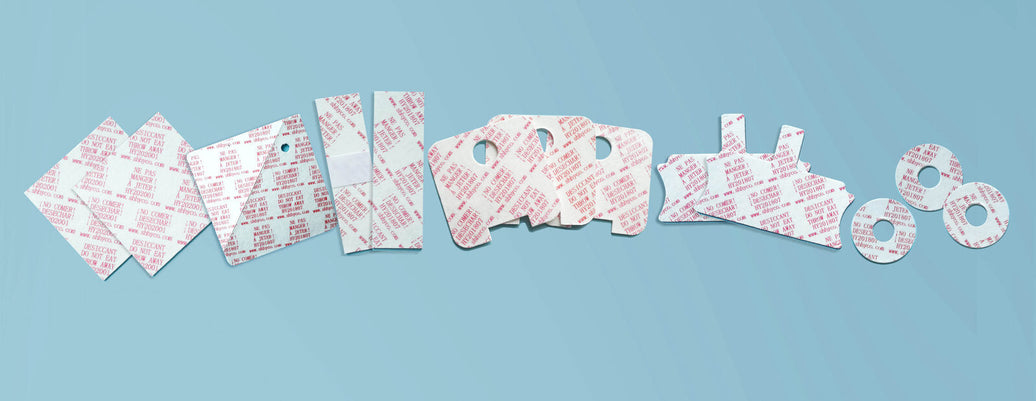
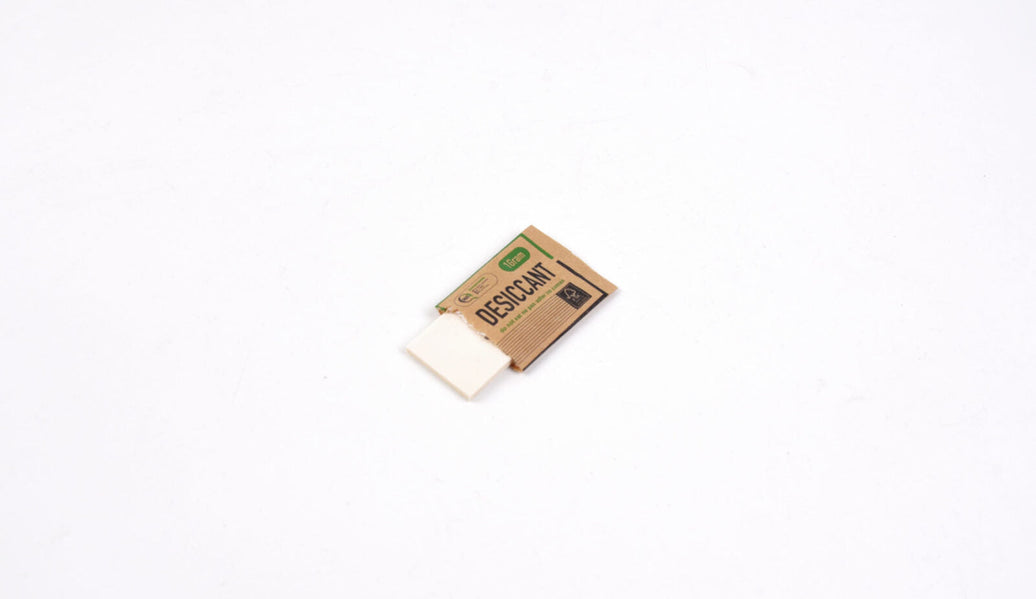
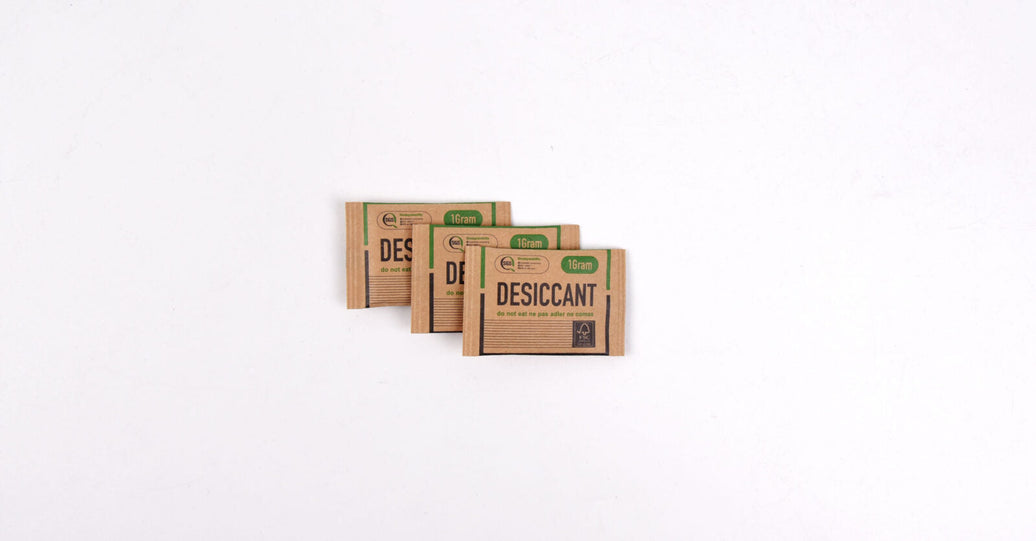
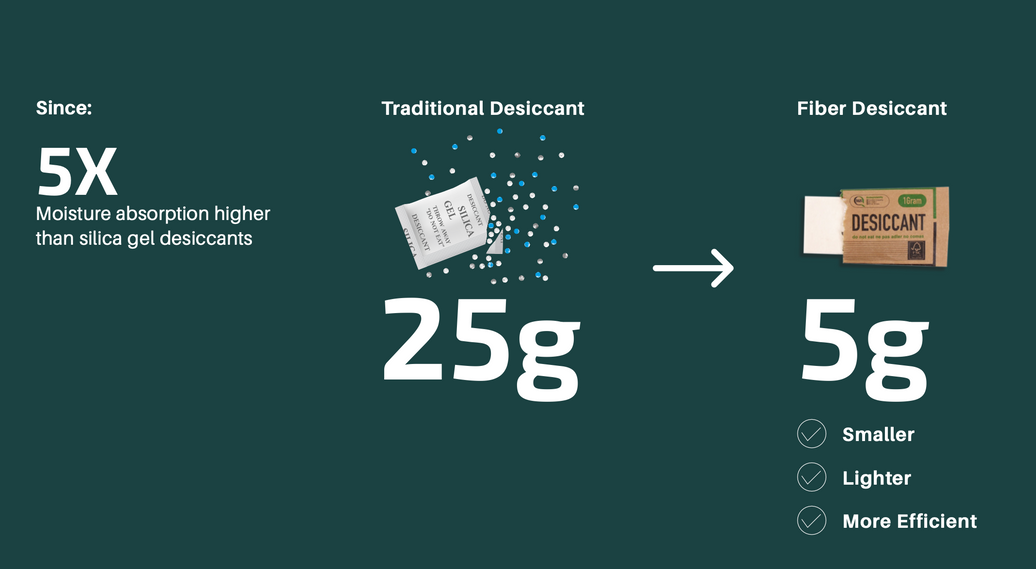
In a pigment, a foreign particle is not a hypothetical quality issue — it is a visible defect in the customer's finished part. A loose-fill or powder desiccant that can shed into the product is a poor fit here. A bound, dust-free substrate avoids the problem, as set out in powder and loose-fill desiccant risks.
Do not over-dry, if the material has a band
Some surface-treated and coated pigments have a working moisture range rather than a "drier is better" curve, and driving the headspace towards zero can affect dispersion behaviour. Where a band applies, a two-way desiccant that holds a target humidity is the correct specification — the reasoning is in the certain-humidity principle. Where it does not, conventional one-way adsorption is fine.
Frequently asked questions
Won't the compounder just dry the material anyway?
Many do, and drying is the right answer immediately before processing. But drying costs energy and time, and it does not undo agglomerates that formed months earlier in a warehouse. In-pack control reduces how much drying is needed and how much rework the batch causes.
How do we know whether moisture is our problem?
Measure it rather than infer it. Loss on drying, Karl Fischer and water activity answer different questions, compared in how to measure moisture in powder. A sorption isotherm will show where a specific pigment starts to change behaviour — see reading a moisture sorption isotherm.
Is this different from powder coatings and toner?
Related but not identical — those are covered in desiccant for powder coatings, toner and 3D-printing powders. Pigments and dyes differ mainly in particle fineness and in how directly agglomeration costs colour value.
Does the desiccant need food-contact status?
For food-colour applications, yes. For industrial pigments it is not required, though buyers often prefer a food-grade material for the simpler documentation. See FDA 21 CFR food-contact status.
What about shipping to humid markets?
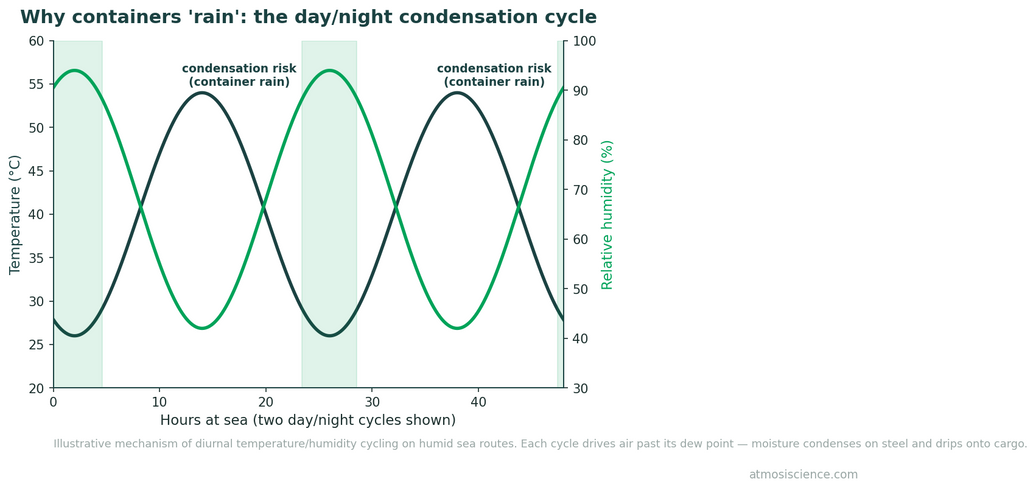
Container transit is its own exposure and is often larger than storage at either end. Sizing for tropical routes is covered in shipping to Zone IV markets.
Stop losing colour strength in the warehouse
Tell ATMOSIScience the pigment, pack format and route, and we will come back with a dosage recommendation and a dust-free format that will not contaminate the batch.
Prefer email? info@atmosiscience.com