Quick answer: Most export packs are sized for the voyage and then fail in the warehouse. Climatic Zone IV covers hot and humid markets — broadly Southeast Asia, much of India, parts of Africa and Latin America — where the reference storage condition is 30°C/65% RH for Zone IVa and 30°C/75% RH for the hot and very humid Zone IVb. A distributor warehouse in Jakarta or Chennai holds stock for months at conditions Europe never reaches, so sizing must cover destination dwell time at destination humidity, not the six weeks at sea. The practical consequence is that the same SKU usually needs a different dose for a Zone IV market than for Zone II.
The pattern repeats across categories. A product performs perfectly in its home market, ships fine to Europe, and generates complaints from a Gulf or Southeast Asian distributor within one season. The packaging did not change. The climate did.
The zones, in one paragraph
The ICH climatic zone framework, used for pharmaceutical stability testing and borrowed widely by other industries, divides the world by long-term storage conditions. Zone I is temperate; Zone II subtropical and Mediterranean; Zone III hot and dry; Zone IVa hot and humid, tested at 30°C/65% RH; Zone IVb hot and very humid, tested at 30°C/75% RH. Countries including Brazil, Indonesia, the Philippines, Singapore, Thailand and Venezuela have adopted Zone IVb conditions for stability purposes, and India applies Zone IV conditions.
For a packaging engineer the useful translation is simple: a Zone IVb warehouse holds air at a dew point around 25°C. Anything cooler than that inside the warehouse is a condensation surface.

Four things that change in Zone IV
1. Dwell time is longer than transit time
Teams size against a 30–45 day ocean crossing. The stock then sits with an importer for four to nine months while registration, distribution and retail turn happen. That dwell period is where most of the cumulative moisture load accrues.
2. Warehouses are often not conditioned
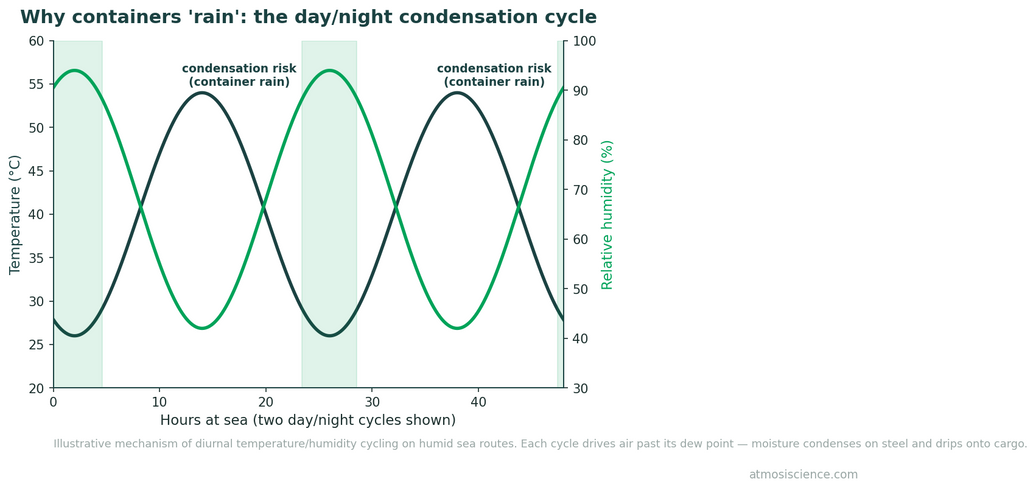
Air conditioning in a distributor warehouse is a commercial decision, not a given. Assume ambient unless you have written confirmation, and note that a partially conditioned warehouse cycling on and off can be worse than an unconditioned one, because the cycling drives condensation.
3. Barrier films leak faster when it is hot
Water vapour transmission rate is temperature-dependent. A film specified at 23°C/50% RH will pass considerably more moisture at 30°C/75% RH. Sizing on the datasheet number without adjusting for destination conditions systematically under-doses.
4. The last mile is unrefrigerated
Even where the warehouse is conditioned, the truck, the retail backroom and the pharmacy shelf usually are not.
How to size for a Zone IV destination
- Set the reference condition. 30°C/65% RH for Zone IVa, 30°C/75% RH for Zone IVb. Use the worst market you ship to, not the average.
- Set the real timeline. Production to consumption, including importer dwell. Ask the distributor for actual stock-turn figures; the answer is usually longer than the plan.
- Adjust the film's WVTR. Use a value appropriate to destination temperature and humidity, not the standard test condition.
- Add the initial load. Product moisture at fill, plus what the carton, insert and labels carry.
- Add container-crossing exposure. A separate calculation covered in why desiccants fail in sea freight.
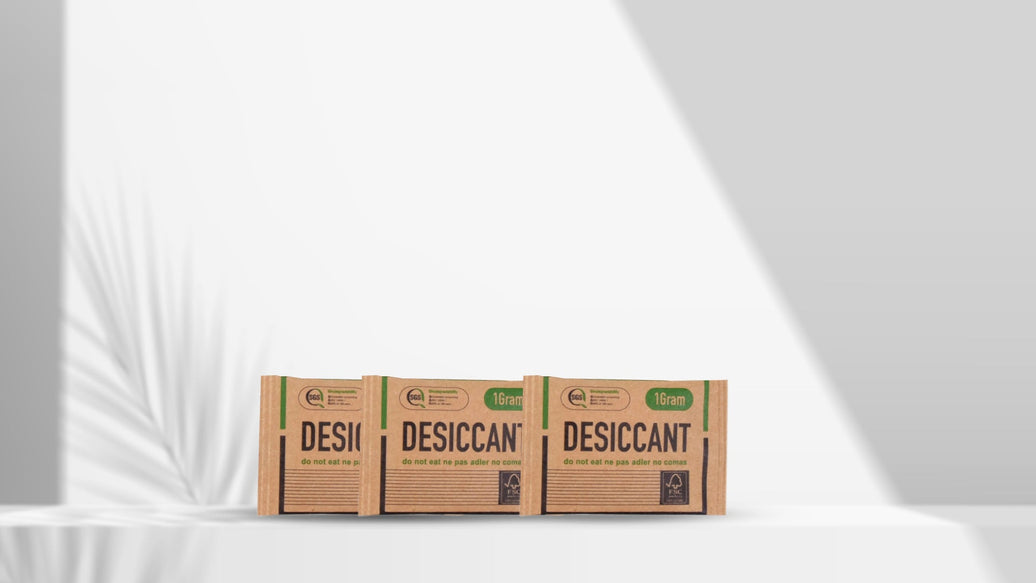
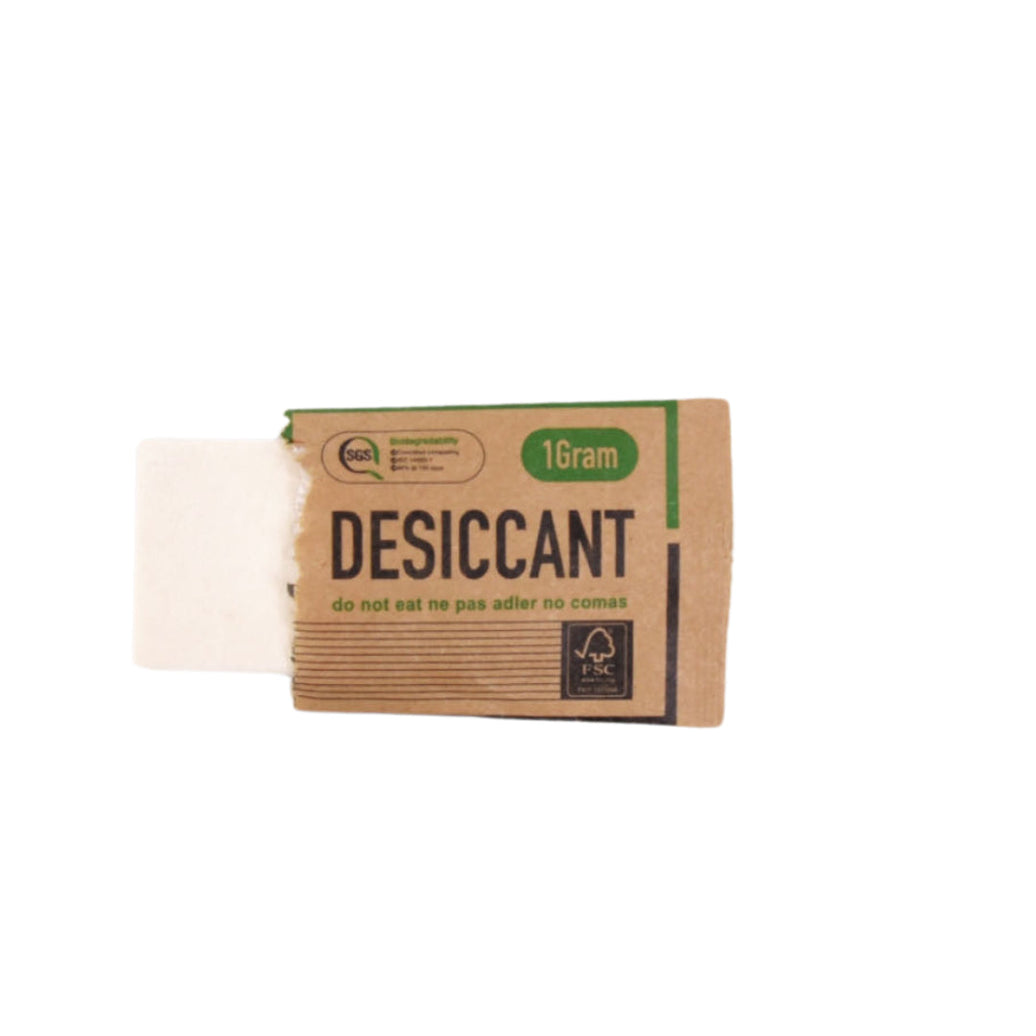
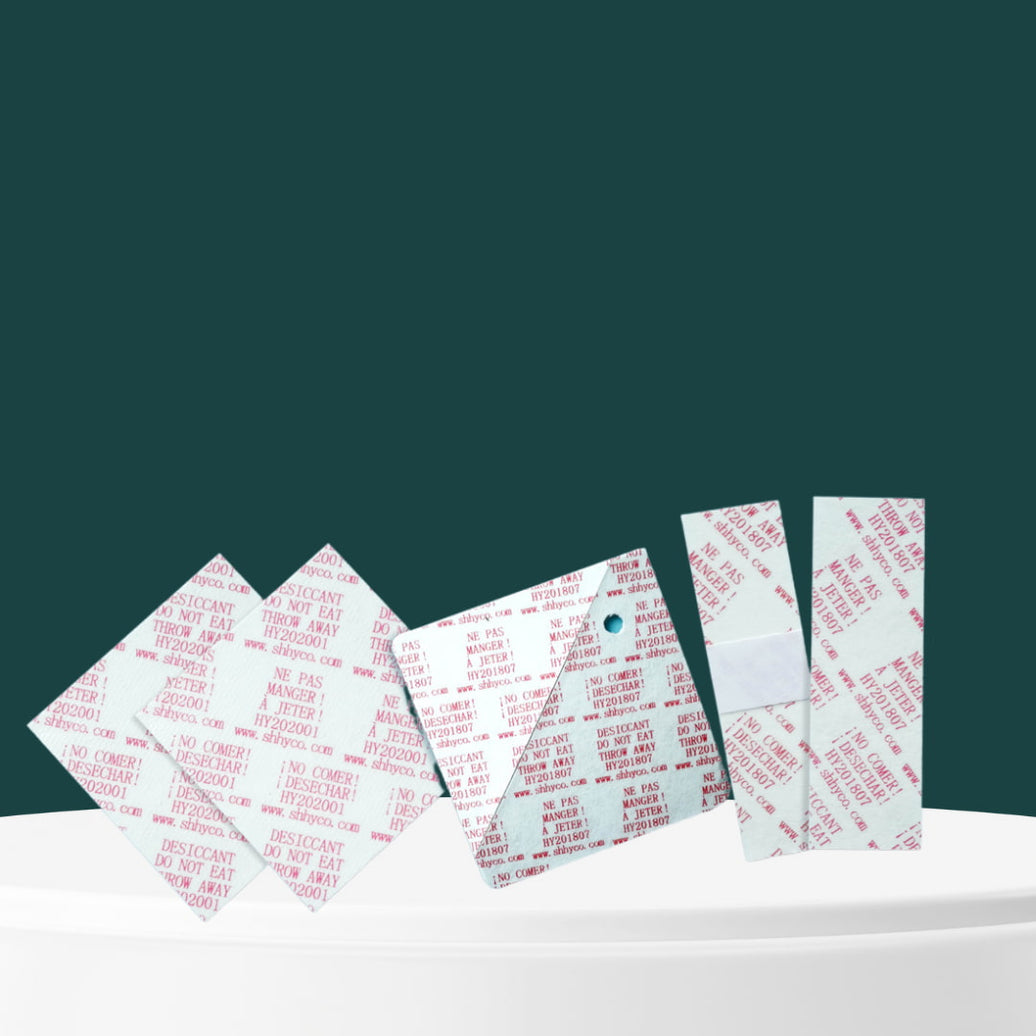
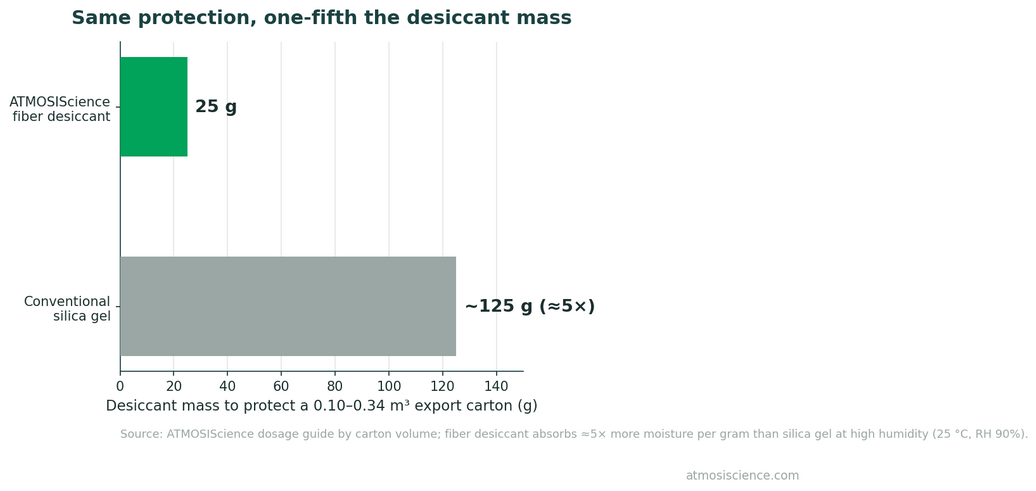
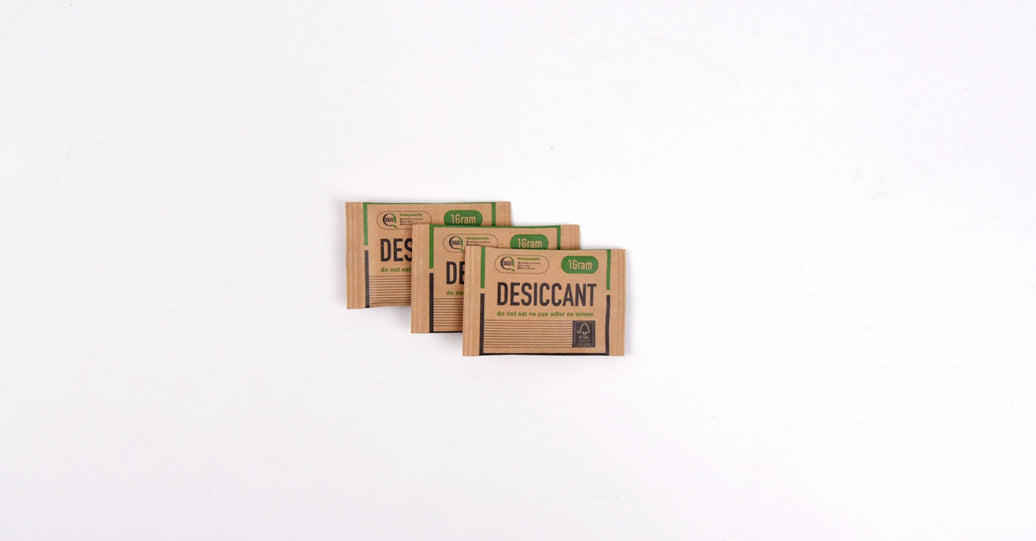
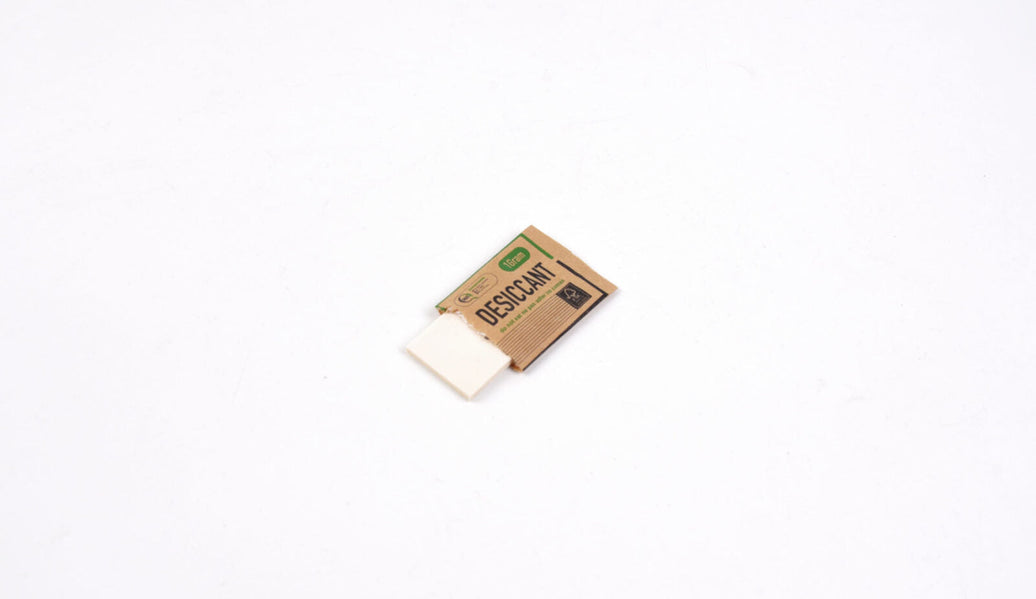
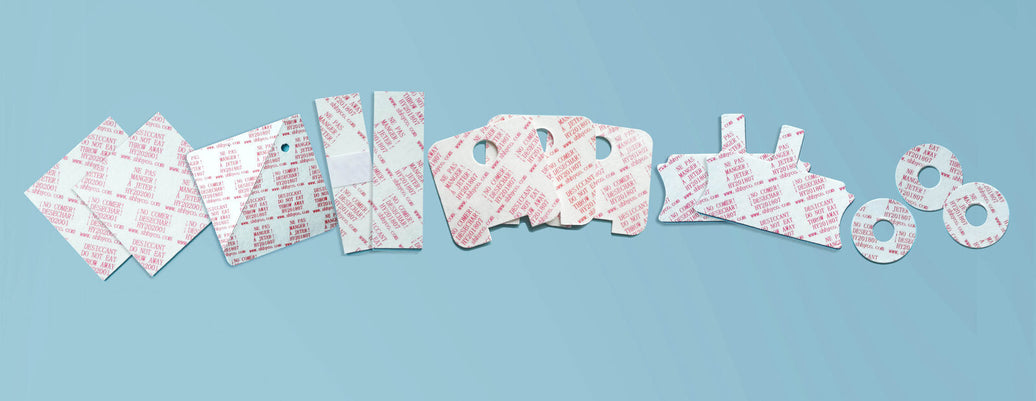
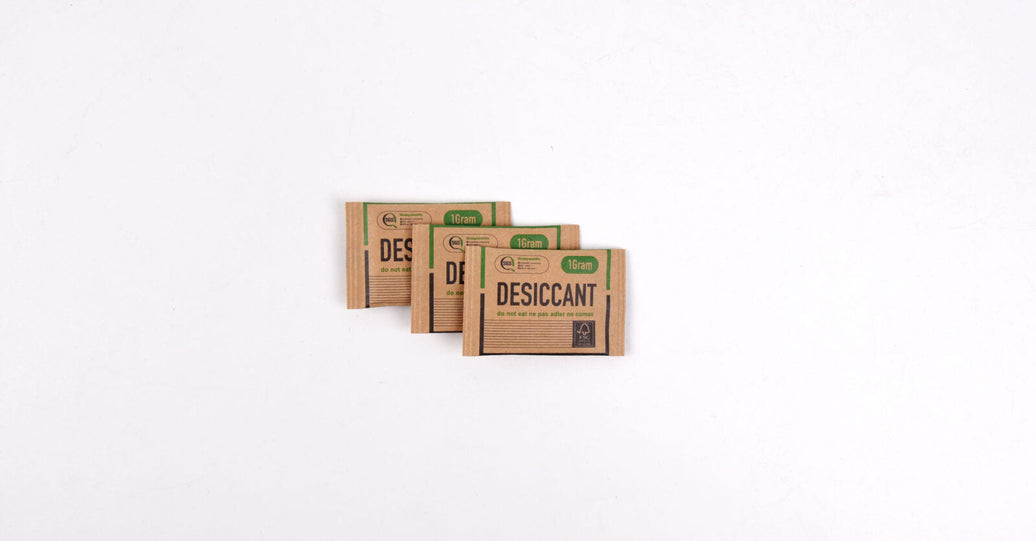
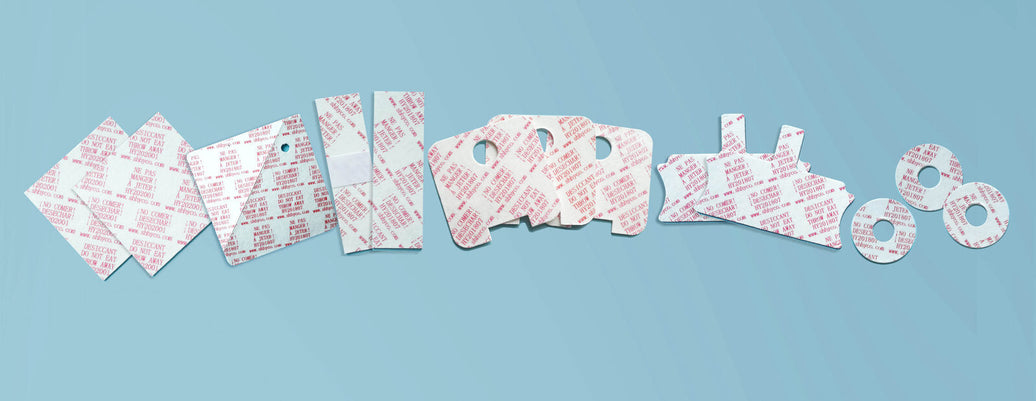
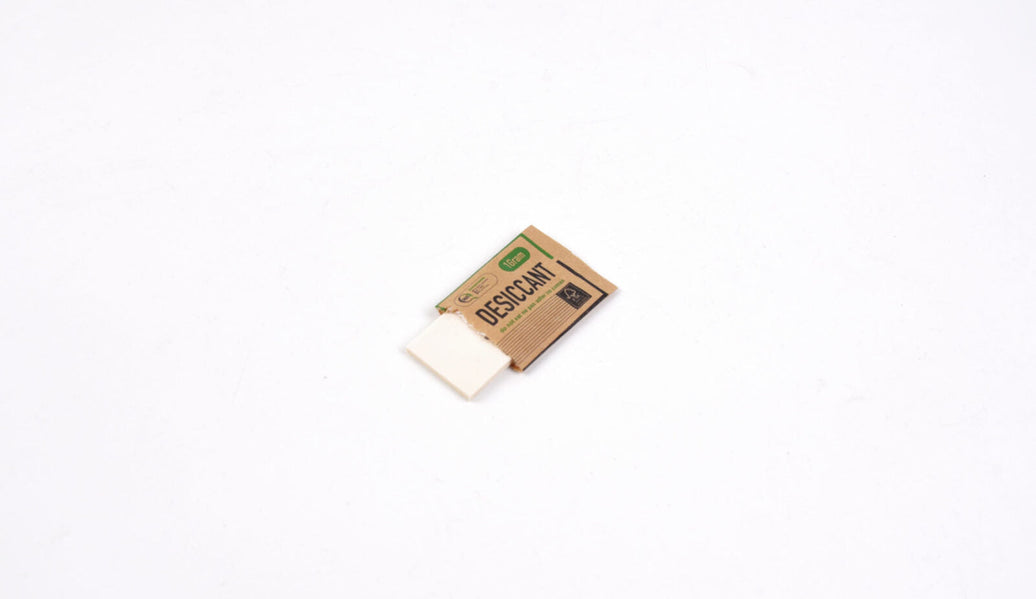
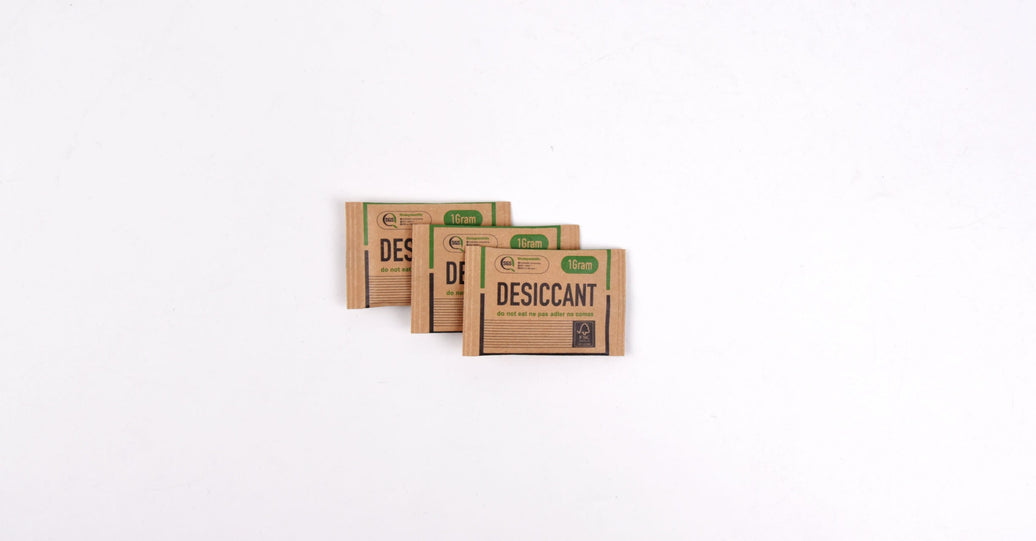
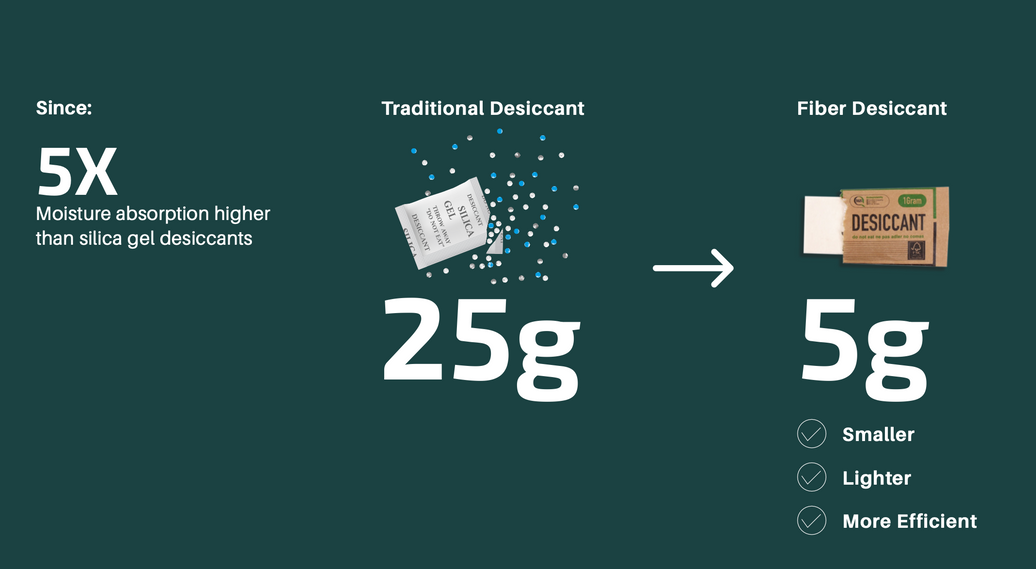
- Choose format by mass. Higher dose means more grams in the box unless capacity per gram rises. ATMOSIScience fiber desiccant adsorbs more than 70% of its own weight at RH90 and 25°C, with saturated capacity above 100% — which is precisely the humidity band a Zone IV warehouse operates in.
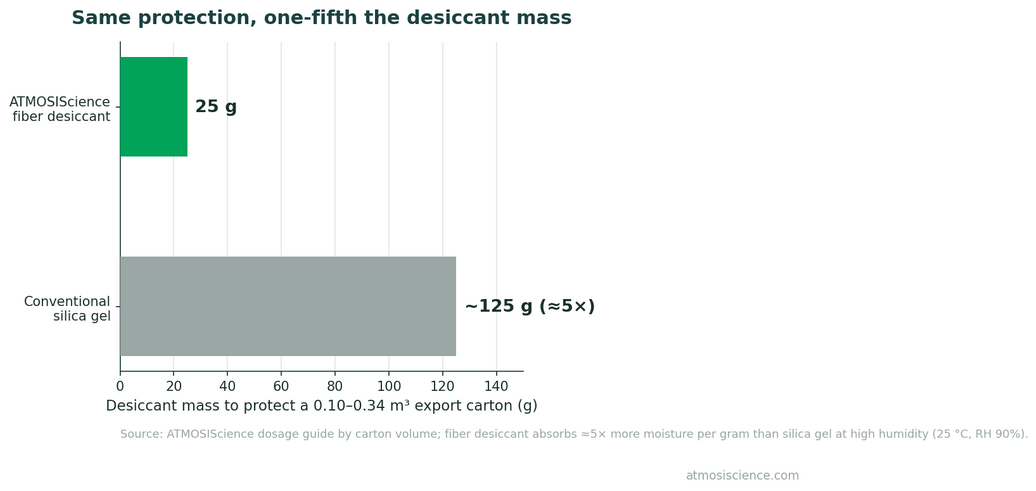
The base dosage method is in dosage by carton volume; a working reference point is about 25 g of fiber desiccant for a standard 0.10–0.34 m³ carton before any Zone IV uplift.

The operational trap at the destination plant
Where product is finished or repacked locally, the desiccant itself is exposed to Zone IV air before it ever reaches the pack. ATMOSIScience usage guidance is explicit: at RH 50% or below, air exposure should not exceed two hours; at RH 60% or above, one hour; at RH 80% or above, operations should stop. Sealed shelf life is 12 months, stored cool and dry.
In a tropical plant those limits are reached in a single shift. Unsealed stock left on a bench overnight has spent its capacity before it is inserted — and the pack it goes into is then unprotected while appearing compliant. Bundle and reseal any opened stock during breaks over 30 minutes, and never use product where the inner packaging is damaged. The plant-side conditions are covered in humidity mapping a warehouse and filling room.
FAQ
Do I need Zone IVb data if I only ship to India?
India applies Zone IV conditions. Which sub-zone applies to a given product depends on the regulatory pathway — confirm with your regulatory affairs team rather than assuming.
Can I use one dose for all export markets?
You can, if you size for the worst market and accept over-dosing everywhere else. Whether that is cheaper than a second SKU depends on volume, freight and EPR fees.
Is a stability study enough to prove the pack works?
Accelerated stability tests the product-package system under controlled conditions. It does not test the container crossing, forklift damage or a warehouse that loses power. Pair it with transit testing.
Should the desiccant go in the primary pack or the shipper?
Both, for different reasons. The primary-pack element protects the product through shelf life; the shipper element protects the carton and the labels from mould in a humid warehouse.
What about the Gulf, which is hot but dry?
Inland Gulf storage behaves closer to Zone III. Coastal cities are a different matter, and stock frequently moves between air-conditioned and ambient space — those transitions cause condensation.
Shipping into a tropical market?
Send the destination, the expected dwell time and your film structure. Our team will come back with a dose sized for the warehouse, not just the voyage.
Prefer email? info@atmosiscience.com