Quick answer: A biotech dry room and a cleanroom dehumidification system control humidity for the minutes or hours a product is open on the floor. In-pack desiccant controls it for the months after the seal closes. They are not alternatives and one cannot substitute for the other: a validated dry room does nothing for a pouch sitting in a distributor's warehouse in July. The design question is not "which layer" but "which layer owns which part of the exposure", and the answer should be written down before anyone specifies equipment.
Facilities teams and packaging teams tend to have this conversation late and separately. Engineering sizes the dehumidification plant against the process. Packaging sizes the barrier against the shelf life. Nobody owns the gap in between, and the gap is where most moisture excursions actually happen.
Three layers, three owners

The room
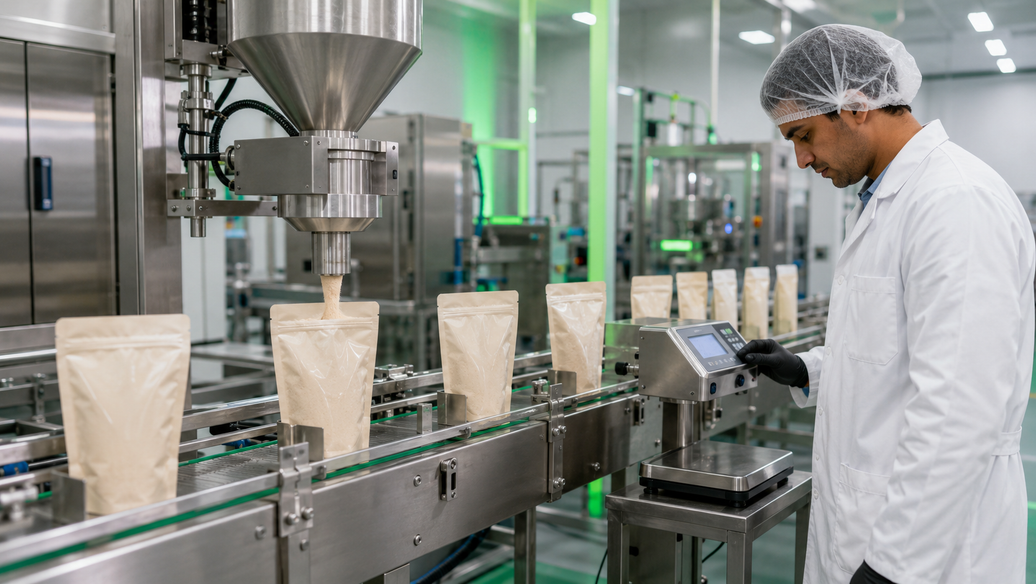
Desiccant-wheel or refrigerant dehumidification, air handling, airlocks and a pressure cascade. This is the expensive layer, it is validated, and it is the one auditors look at first. It owns the exposure while material is open on the floor.
The process
Local enclosures, purge, transfer isolators, and — most usefully — hold-time limits. This layer owns the minutes between dispensing and sealing, which is where a lot of unmeasured uptake occurs. Our note on how long desiccant can sit open on a filling line makes the same point from the consumable side.
The package
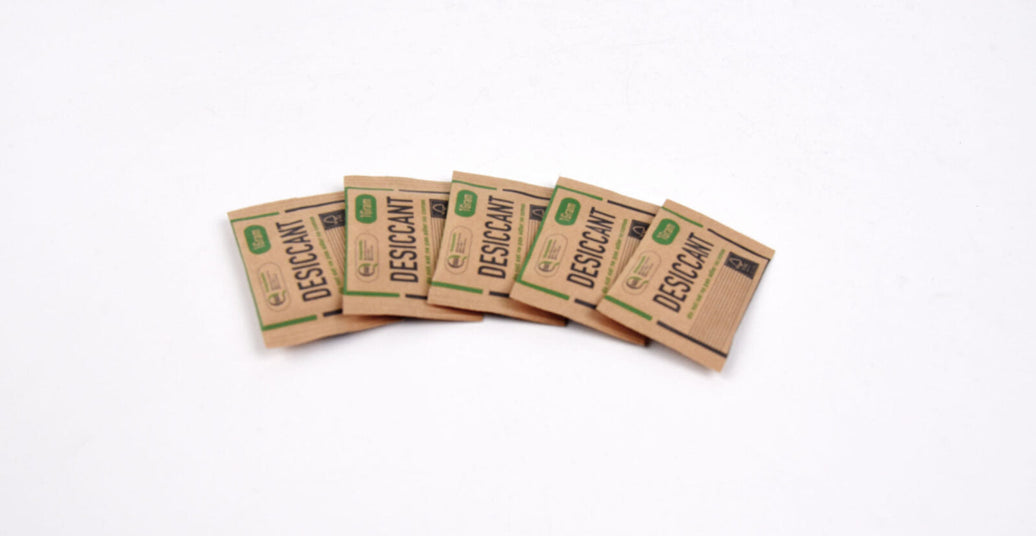
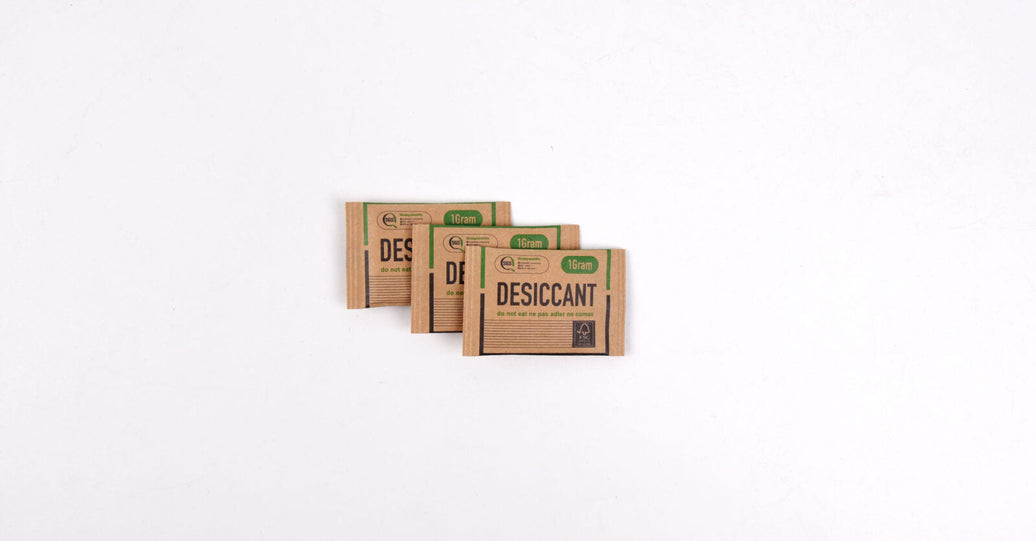
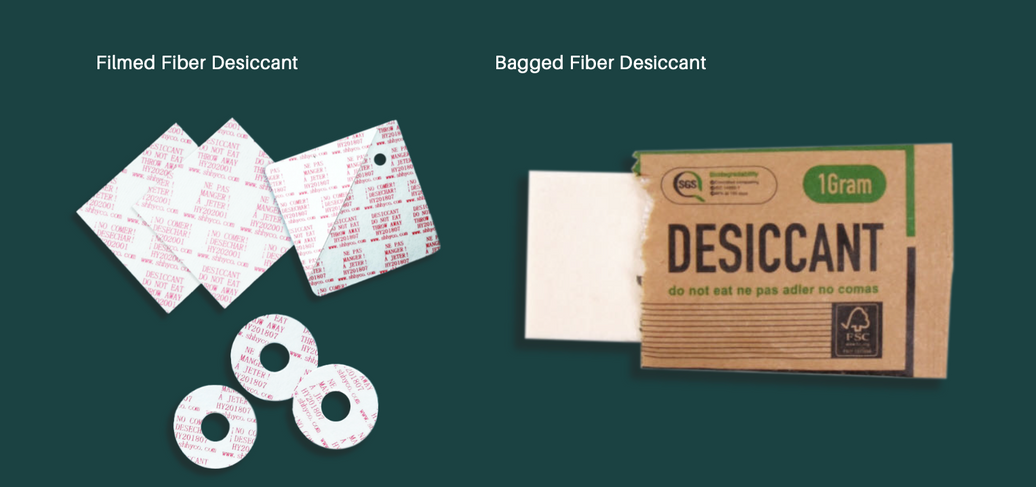
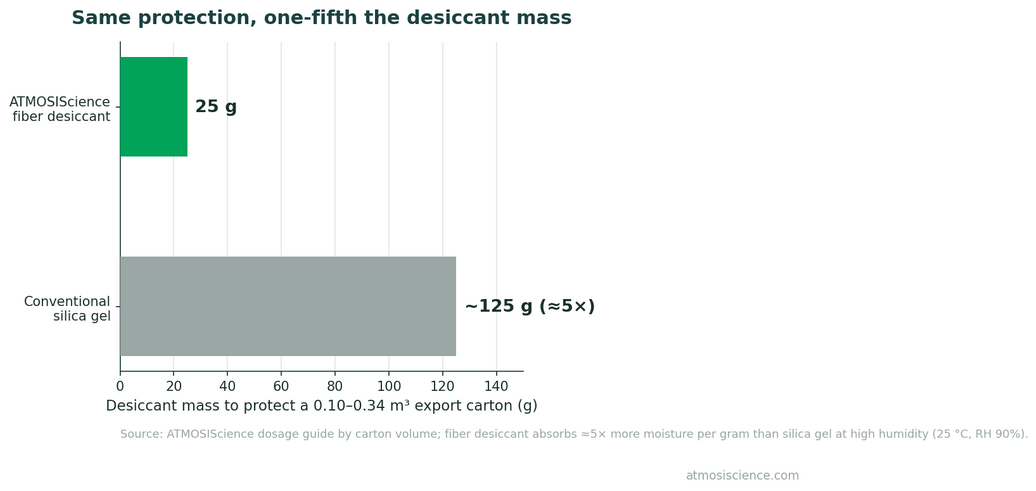
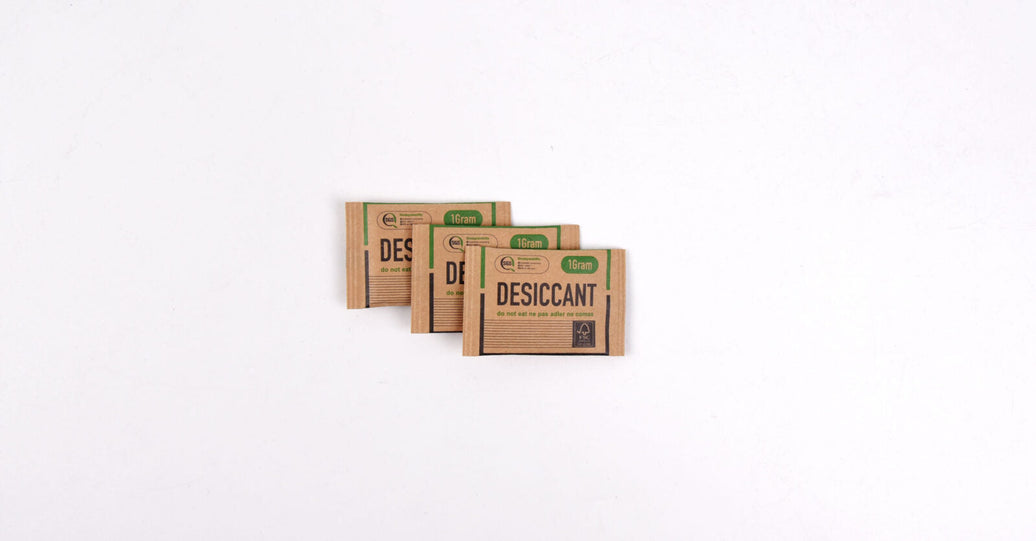
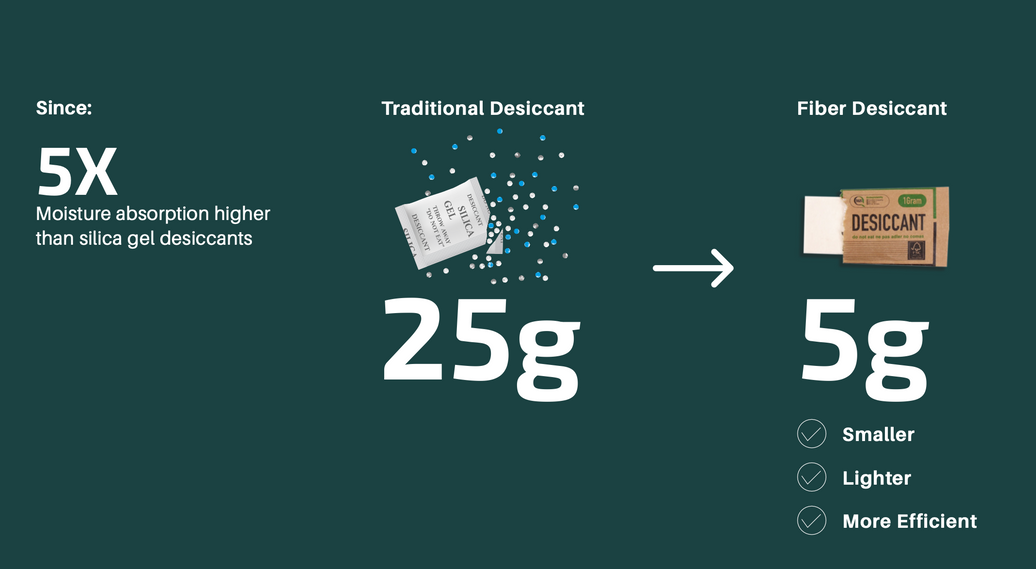
Barrier film or container, seal integrity, and in-pack desiccant. This layer owns everything after the seal closes. In duration terms it is by far the largest share of the product's life, and it is usually the layer with the least engineering attention.
What a dry room does not do
Three failure patterns show up repeatedly in biotech and life-science supply chains, and none of them are solved by better room control:
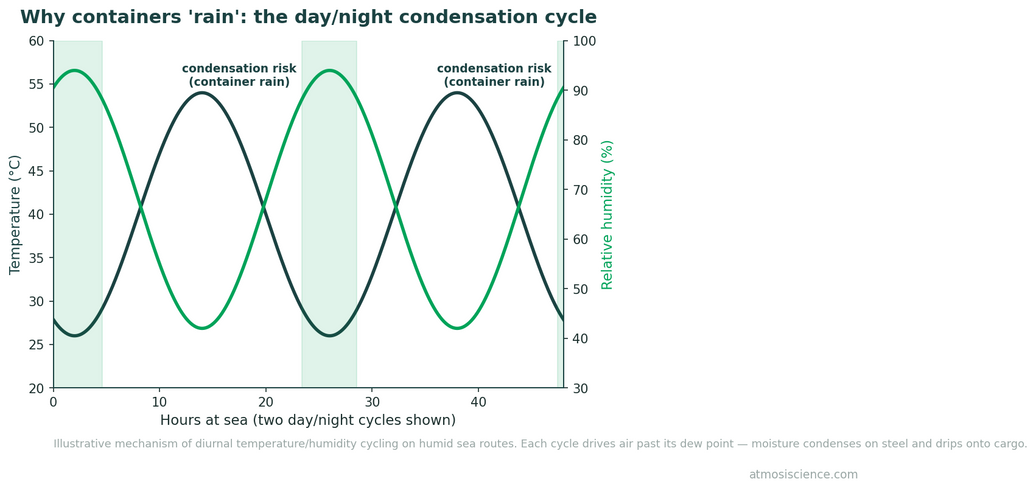
- Distribution. A validated fill in a controlled room, followed by six weeks in an uncontrolled 3PL warehouse and an ocean container. Container conditions are discussed in why desiccants fail in sea freight.
- Cold-chain transitions. Product moving from refrigerated to ambient sweats at the surface as it warms. Room humidity at the point of fill is irrelevant to that event. See condensation after cold storage.
- The customer's bench. A kit opened and reclosed several times by an end user is a repeated-exposure problem, not a manufacturing one.
Getting the split right on paper
The exercise that resolves most of these arguments is a one-page exposure budget: how many hours the product spends open in a controlled environment, how many hours in transit and storage, and what the humidity is in each. Once the numbers are on the same page, the allocation is usually obvious — and it is often uncomfortable, because the largest exposure block belongs to the cheapest layer.
Two supporting protocols make the budget credible: a humidity mapping exercise for the room, covered in our warehouse and filling-room mapping protocol, and a barrier figure for the package that states its test conditions, covered in which WVTR method the number came from.
Where a two-way desiccant changes the answer
Some biotech materials fail at low humidity as well as high. Lyophilised material, certain biologics formats and some diagnostic membranes have a working band rather than a "drier is better" curve. A conventional one-way desiccant drives the headspace towards zero and can push a product out of its band from the other side — the argument set out in why "drier is better" is wrong.
Where a band matters, the specification changes from "maximum adsorption" to "holds this range", and the packaging engineer needs to say which it is before a supplier quotes.

Frequently asked questions
Can in-pack desiccant reduce the dry-room specification?
Occasionally, but it should not be assumed. Room specification is usually driven by process requirements and regulatory expectation as much as by product stability. Desiccant lets you defend the post-seal period; it does not automatically buy relief on the floor.
What humidity should a biotech cleanroom run at?
There is no single answer — it depends on the product, the process step and the classification. The number that belongs in a packaging specification is the product's own stability band, not the room set point.
How do we validate the package layer?
Accelerated stability with the actual pack, actual desiccant and worst-case exposure, rather than material-level barrier data alone. Our note on ICH Q1A stability testing with desiccant covers what the data can and cannot prove.
Is a desiccant acceptable in a controlled manufacturing environment?
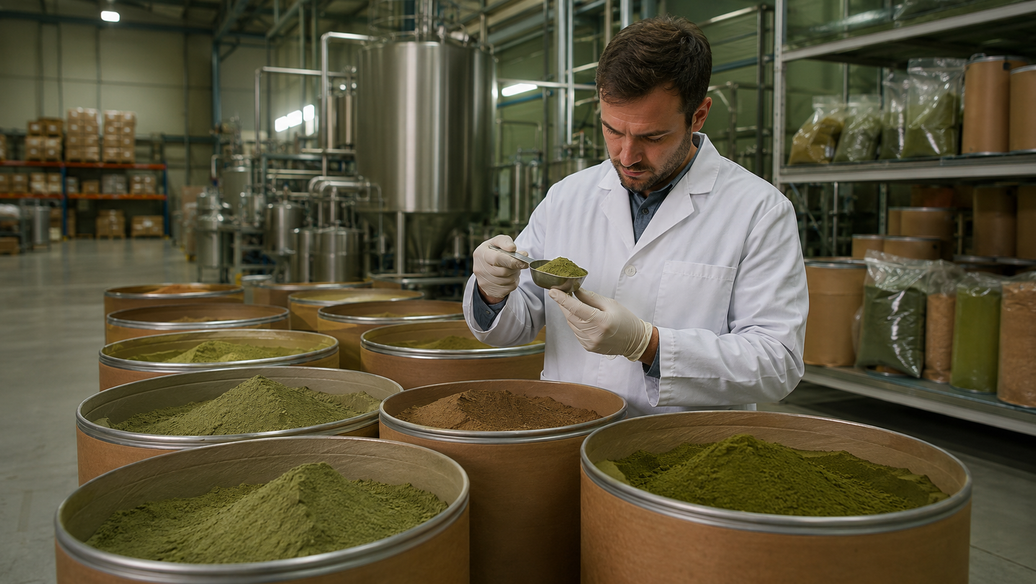
It has to be qualified like any other contact material: particle behaviour, microbiological limits, food or pharma contact status, and manufacturing environment. Our write-up on Grade D cleanroom desiccant manufacturing covers what an audit looks at.
Who should own the exposure budget?
Whoever will be asked to explain a stability failure. In practice that is usually packaging engineering, with facilities and QA signing the numbers.
Work out which layer owns your risk
Send us the exposure profile — open time, transit, storage and end-use — and ATMOSIScience will come back with what the package layer needs to carry and how to size it.
Prefer email? info@atmosiscience.com