Quick answer: The three PFAS numbers quoted for EU food-contact packaging are not alternatives — they measure different things. 25 ppb is a limit for an individual PFAS substance measured by targeted analysis. 250 ppb is a limit for the sum of targeted PFAS. 50 ppm (50 mg/kg) is a total-fluorine screening figure, and it is a gate rather than a pass mark: a sample below it is normally accepted without targeted work, while a sample above it triggers the targeted analysis that the two ppb limits govern. The restriction applies from 12 August 2026.
Buyers keep sending suppliers a one-line question — "is it PFAS-free?" — and getting a one-line answer that does not survive an audit. The reason is that PFAS compliance in packaging is a two-stage measurement, and the numbers people quote come from different stages.
Three numbers, three measurements

50 ppm total fluorine: the screening gate
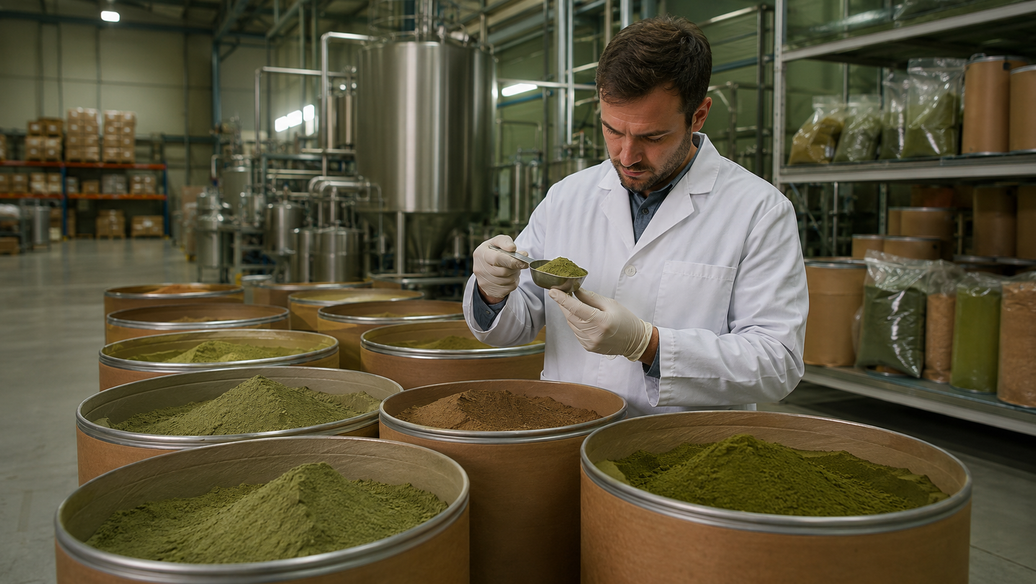
Total fluorine, usually measured by combustion ion chromatography, counts every fluorine atom in the sample regardless of what molecule it belongs to. It is fast and cheap, and it is deliberately blunt. A result comfortably below the screening figure is normally treated as sufficient. A result above it does not prove PFAS are present — inorganic fluoride and some pigments will register — but it does mean the sample now needs targeted work.
25 ppb per substance: the targeted limit
Targeted analysis, typically by LC-MS/MS or GC-MS/MS, identifies and quantifies named PFAS compounds. The individual-substance limit is expressed in parts per billion, three orders of magnitude tighter than the screening figure, because it is measuring specific molecules rather than an element.
250 ppb sum: the aggregate limit
The sum limit stops a supplier passing by keeping many substances just under the individual threshold. A material can be compliant on every single compound and still fail the sum.
Why the unit confusion is so common
50 ppm equals 50 mg/kg equals 50,000 ppb. Put on the same axis, the screening figure is two thousand times the individual-substance limit. A supplier who reports "below 50 ppm" and a buyer who reads it as "below the PFAS limit" are talking about different tests, and only one of them has an answer to the question the regulation asks.
The safe formulation for a supplier declaration is explicit about all three: which test was run, what the result was, and against which limit it is being compared.
Where PFAS would come from in a desiccant
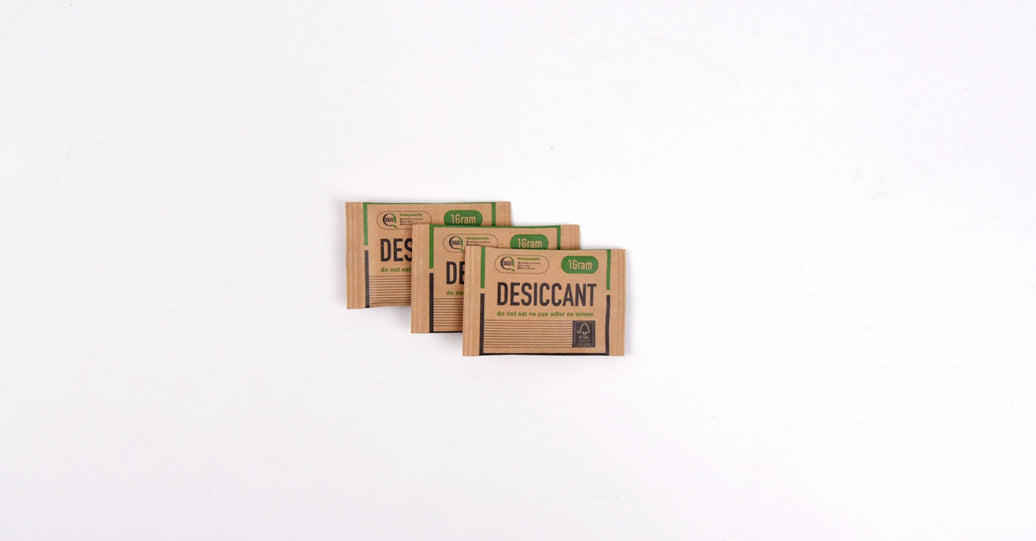
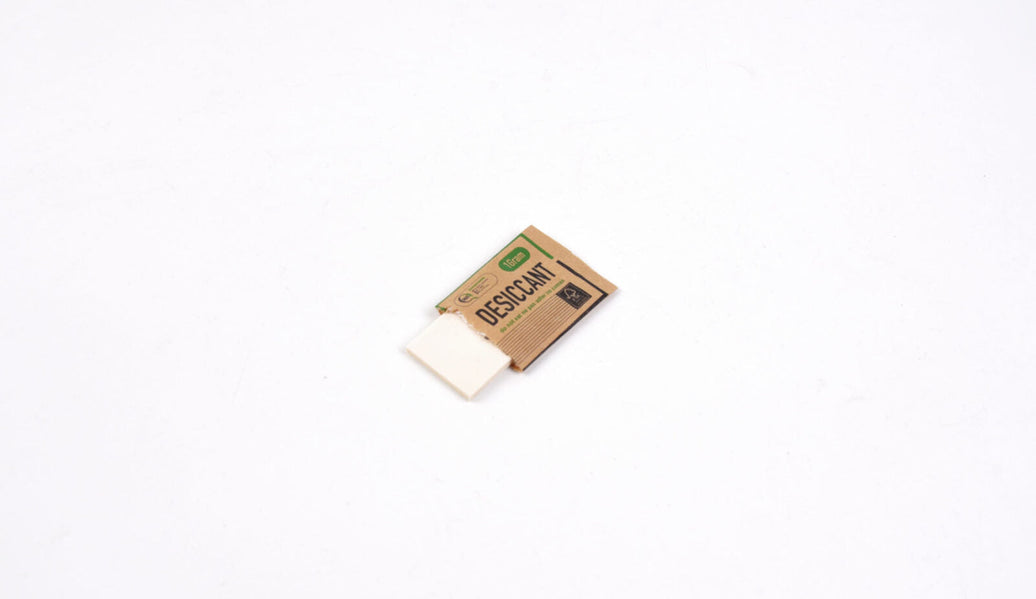
Almost never from the adsorbent core. The plausible sources sit on the outside of the component:
- Grease- and moisture-resistant paper treatments. Historically the most common route in fibre-based packaging.
- Coatings and laminating films. Fluoropolymer release layers and some barrier coatings.
- Printing inks and varnishes. Frequently overlooked in a bill of materials that stops at the substrate.
- Processing aids. Anything used at the converting stage that is not in the product formula but touches the web.
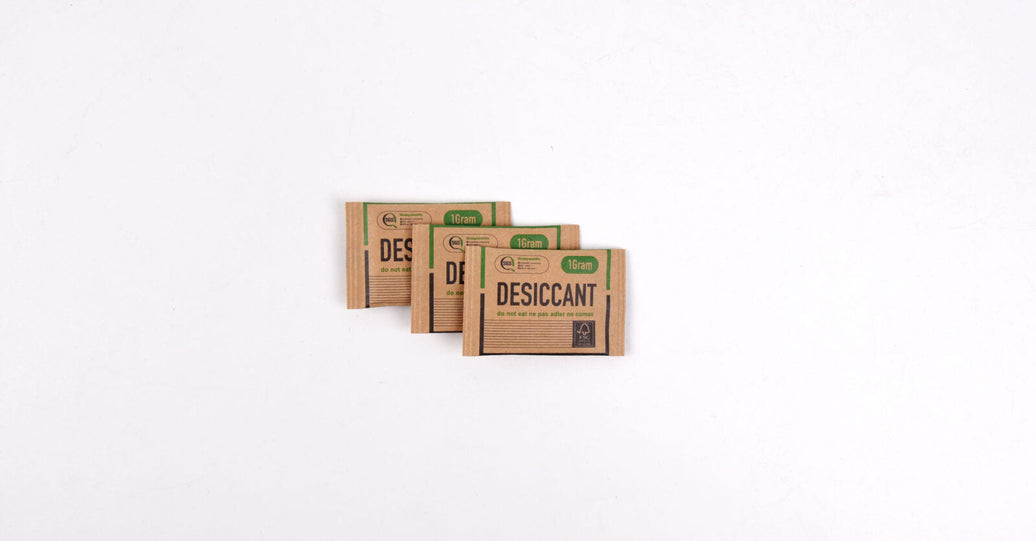
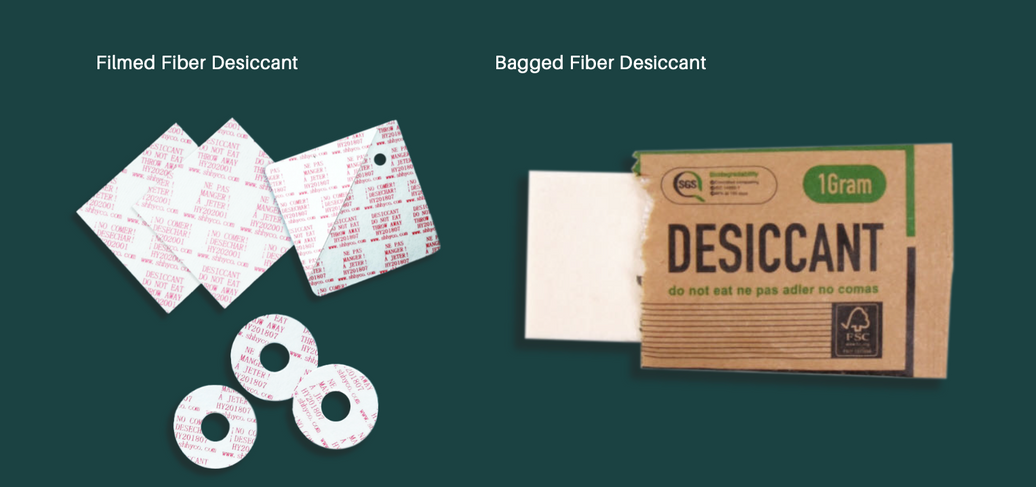
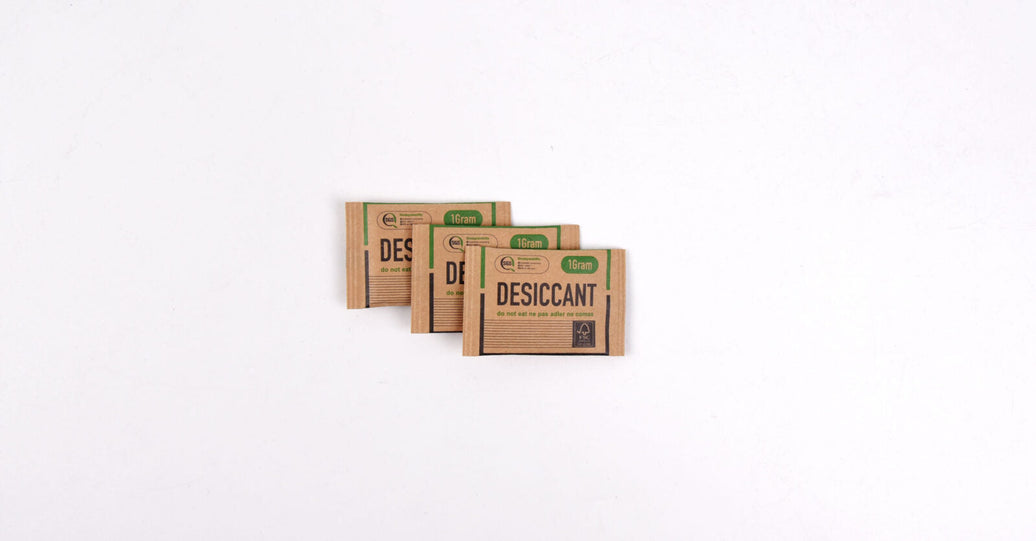
This is why a declaration scoped to "the desiccant" is weaker than a declaration scoped to "the finished sachet including wrapper, coating and ink". Our note on what a desiccant certificate actually covers makes the same point about compostability and food-contact paperwork.

What to ask a supplier
- Which test, on which article? Screening or targeted, and was the sample the bare substrate or the finished, printed, wrapped component?
- What is the detection limit? "Not detected" is meaningless without it. A method with a limit of quantification above 25 ppb cannot demonstrate compliance with a 25 ppb limit.
- Who signed it, and are they the manufacturer? A report in the name of a trading company is not a report on your production site.
- When was it issued, and what is the change-control trigger? A 2021 report does not describe a 2026 ink change.
- Is it "intentionally not added" or "tested below limit"? These are different assurances. Both have a place; conflating them does not.
Frequently asked questions
Does the PFAS restriction apply to all packaging?
The day-one measure identified by the Commission concerns food-contact packaging. Non-food packaging sits under the wider substance rules rather than this specific restriction, but a buyer serving both markets will usually want one declaration covering the stricter case.
Is "PFAS-free" a claim we can make?
It is a claim best avoided in marketing copy. "PFAS intentionally not added, with supplier declaration and test evidence available" is defensible and says more. Generic environmental adjectives carry their own legal exposure, which we cover in the piece on green-claims law.
Can a compostable film contain PFAS?
Compostability certification and PFAS status are separate questions answered by separate tests. A compostable film is not automatically below the fluorine screening figure, and a certificate for one does not evidence the other.
What about US requirements?
Several US states have their own PFAS-in-packaging restrictions with their own thresholds and dates. A single global declaration is convenient but should state which limits it is being measured against.
Where does this sit in the PPWR programme?
PFAS is one of the obligations that became live rather than deferred — see what changed on 12 August 2026 and the PPWR compliance hub.
Ask for the substance declaration, scoped properly
Tell us the desiccant format and the market, and ATMOSIScience will send the substance documentation with the test scope, method and issue date stated on its face.
Prefer email? info@atmosiscience.com