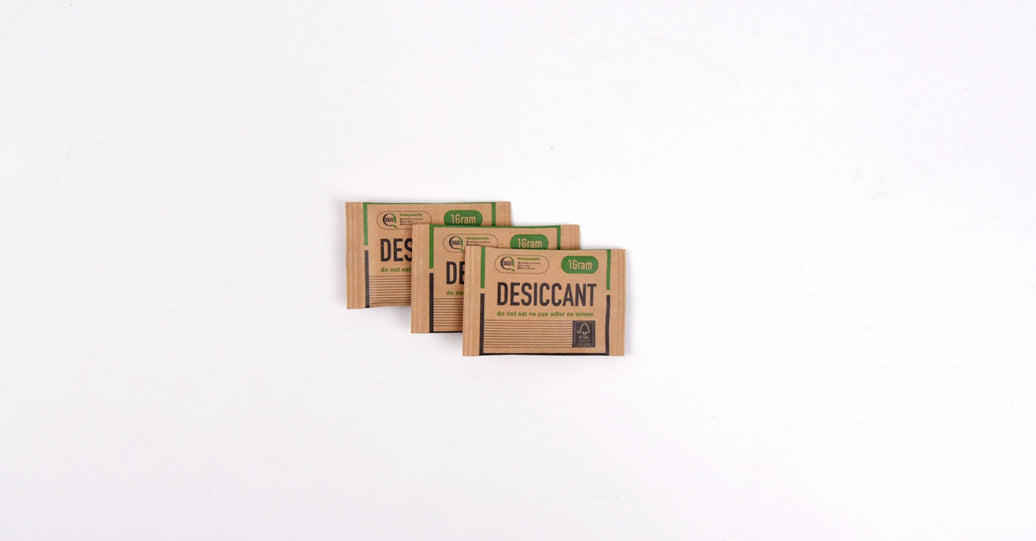
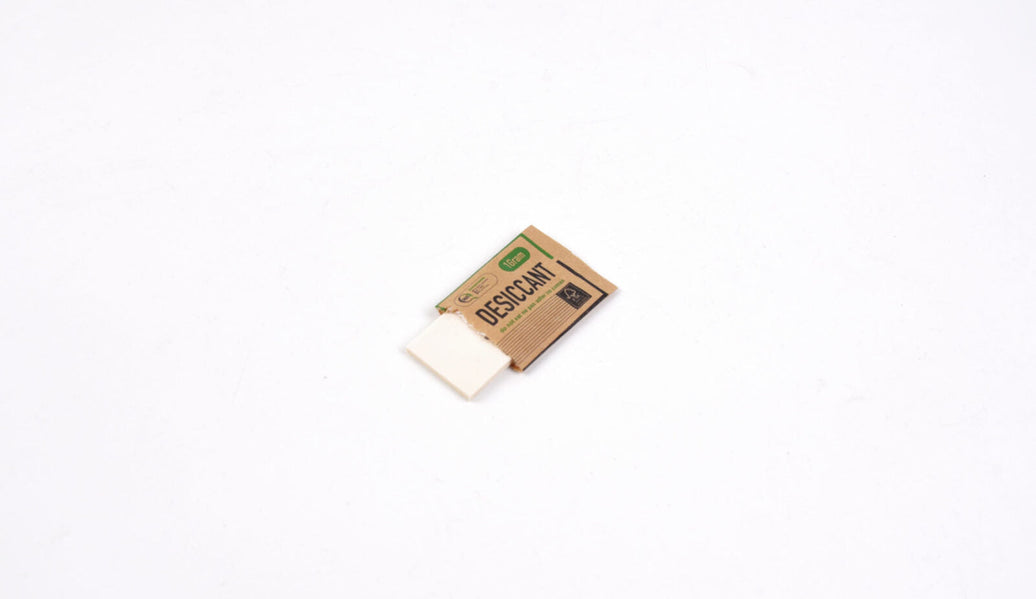
Quick answer: Auditors treat a desiccant sachet as a packaging component that enters the product pack, so it inherits the full packaging-material regime: approved supplier, specification, food contact evidence, foreign body risk assessment, HACCP consideration, traceability, and control of the insertion step. Most findings are documentation gaps rather than product problems. Assembling seven documents — specification, CoA, SDS, food contact declaration, allergen and composition statement, supplier approval record and insertion control record — closes almost all of them.
A desiccant is a cheap component with an outsized audit footprint. It goes inside the primary pack, it is not consumed, and it is easy to leave out of a HACCP study written before the desiccant was introduced. That combination generates findings.

The twelve questions
1. Is the desiccant supplier on your approved supplier list?
Packaging components fall under supplier approval like any raw material. The record needs an approval basis: certification, questionnaire, audit or a documented risk justification. See supplier due diligence.
2. Is there an agreed written specification?
A purchase order description is not a specification. The document should state format, weight, dimensional tolerance, wrapper material, adsorption performance at defined relative humidity, loss on drying limit, and printing. Writing the specification is a one-off task that pays for itself at every audit.
3. What is the food contact status?
For US operations, FDA food-grade documentation under 21 CFR 175.300. For EU-facing operations, a Declaration of Compliance under 1935/2004 and, for any plastic layer, 10/2011.
4. Has a foreign body risk assessment been done?
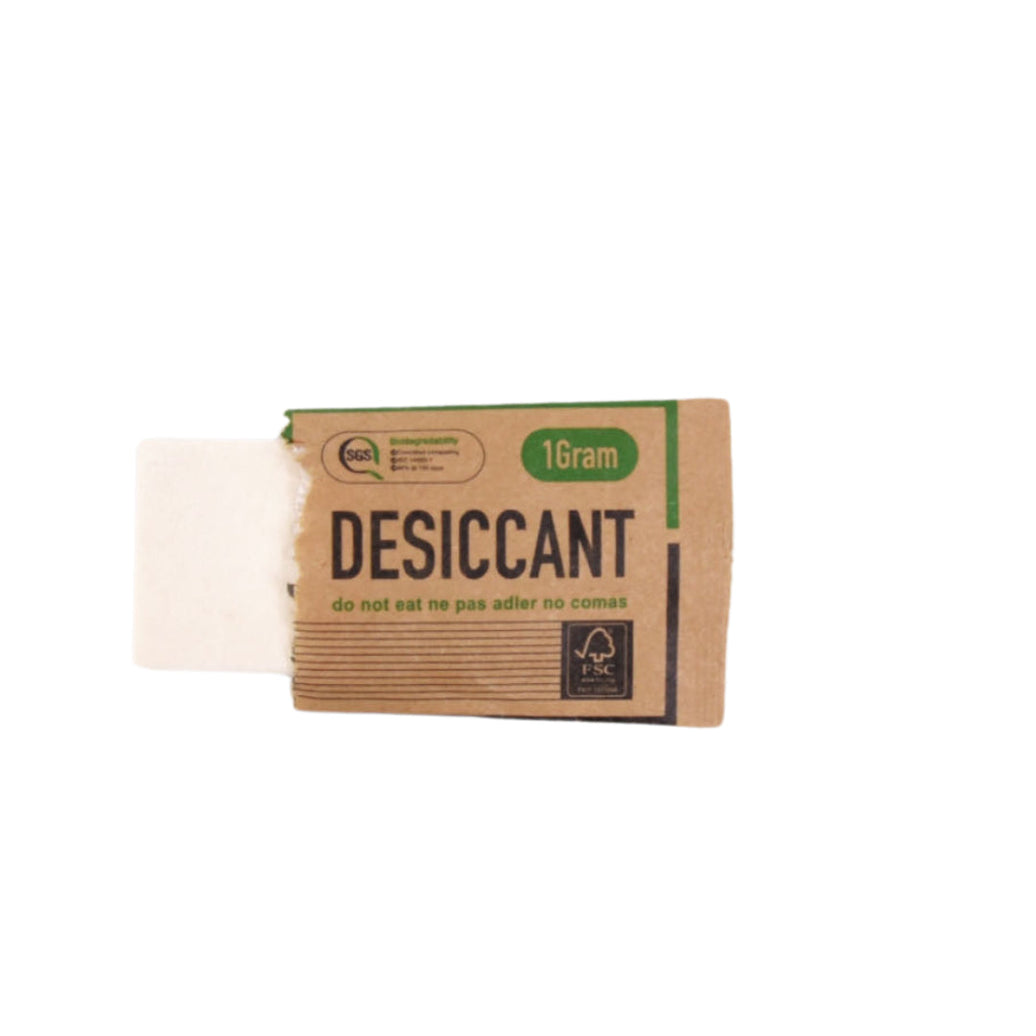
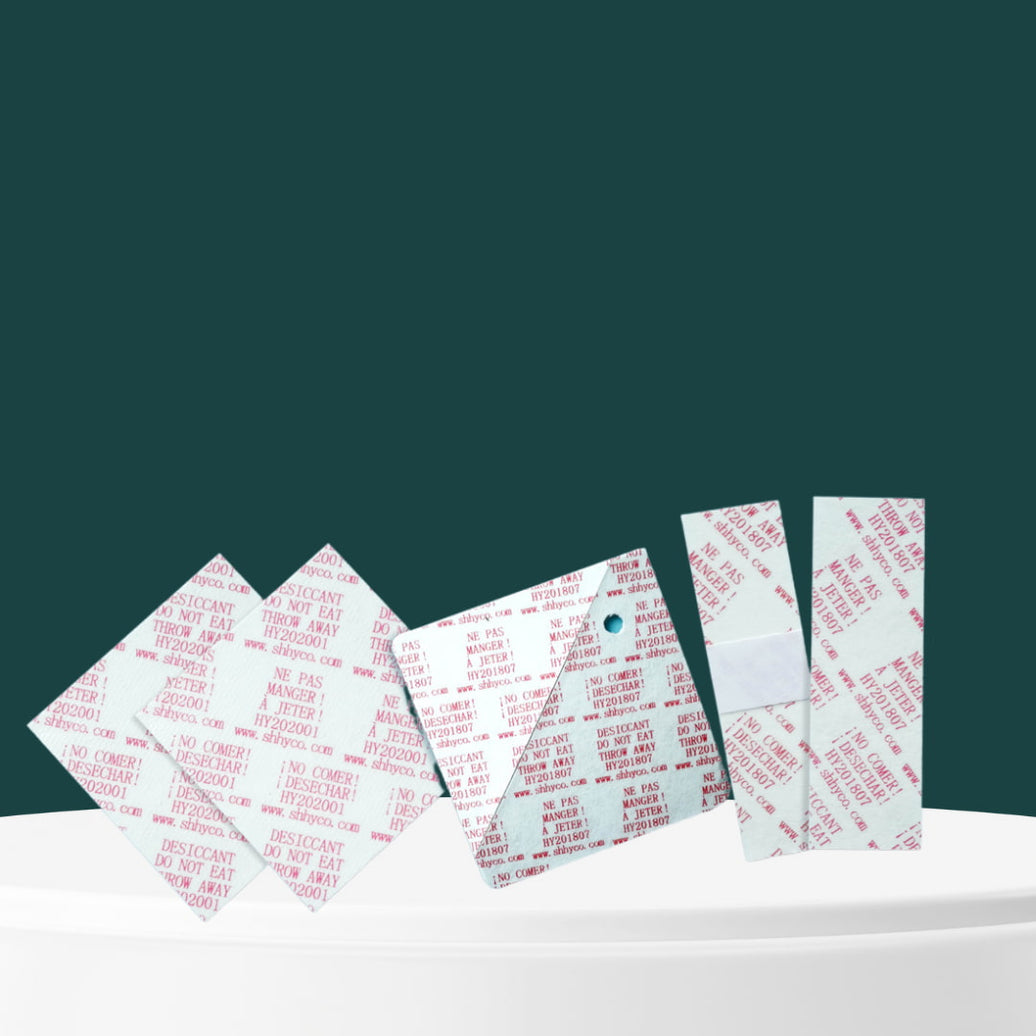
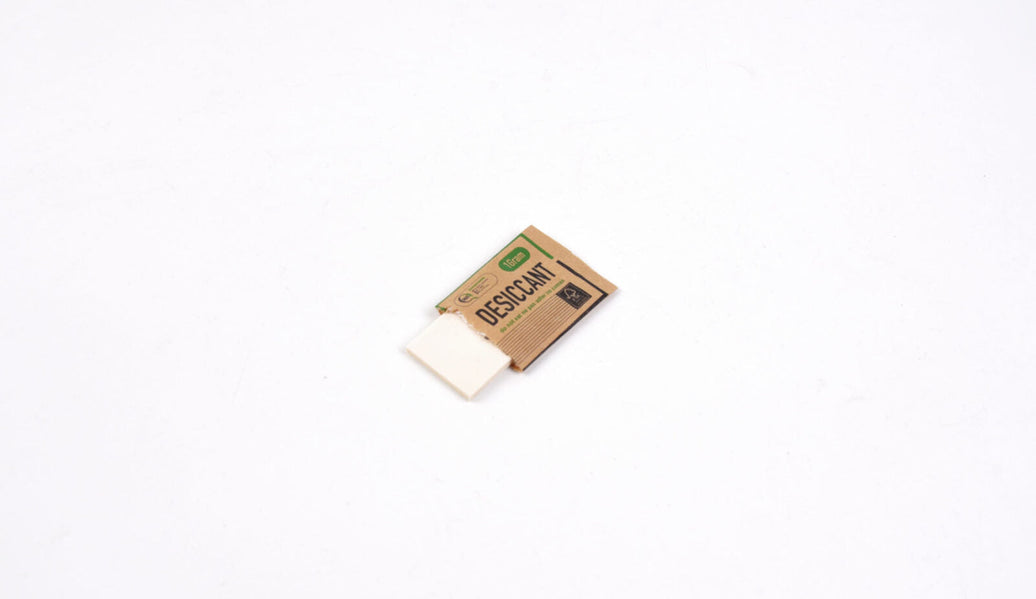
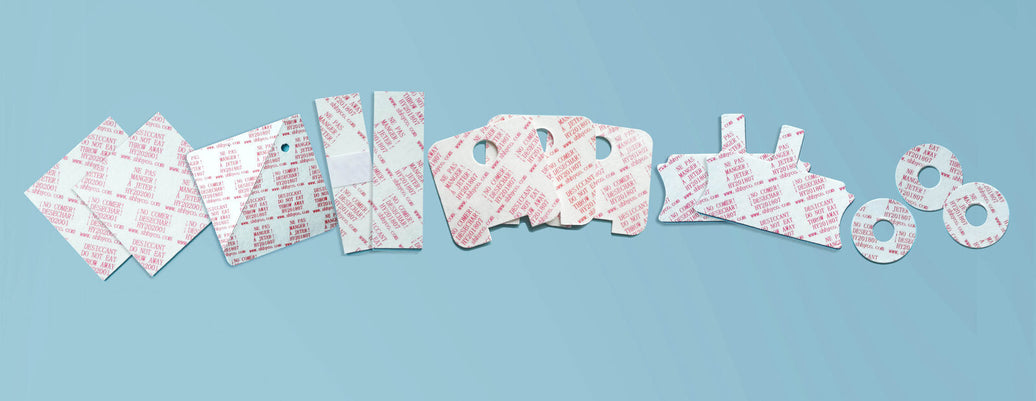
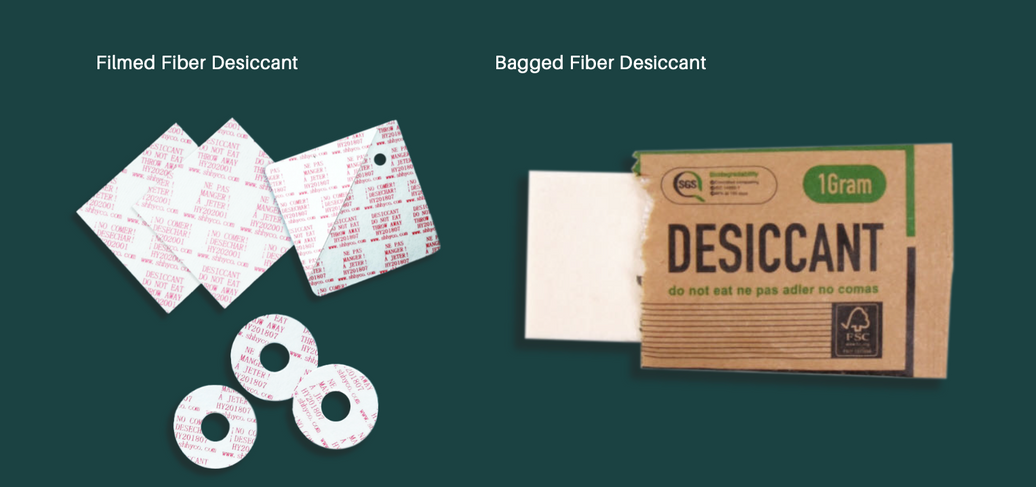
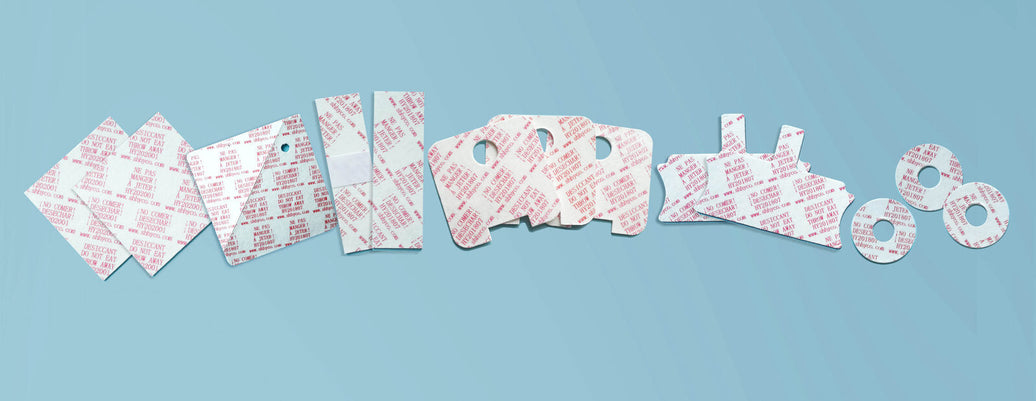
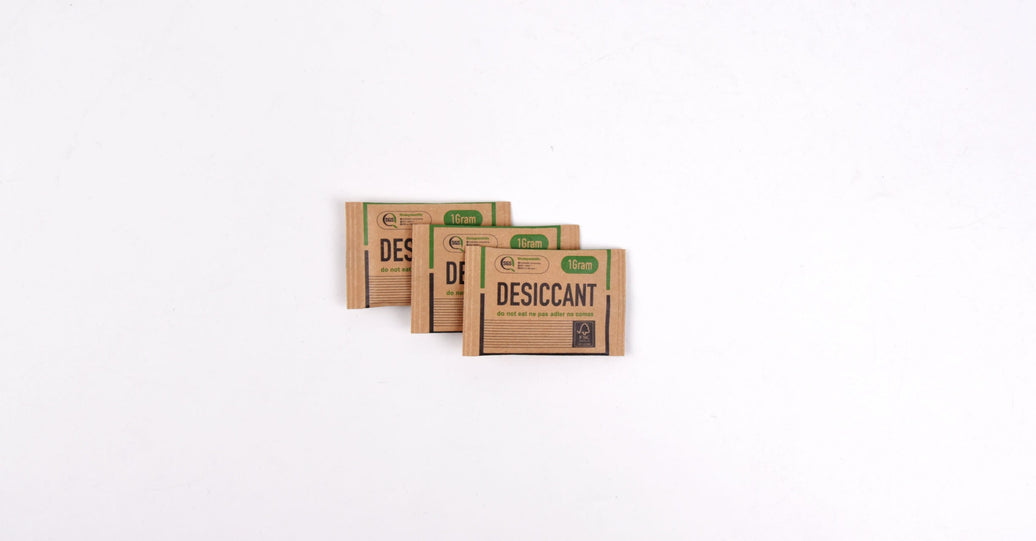
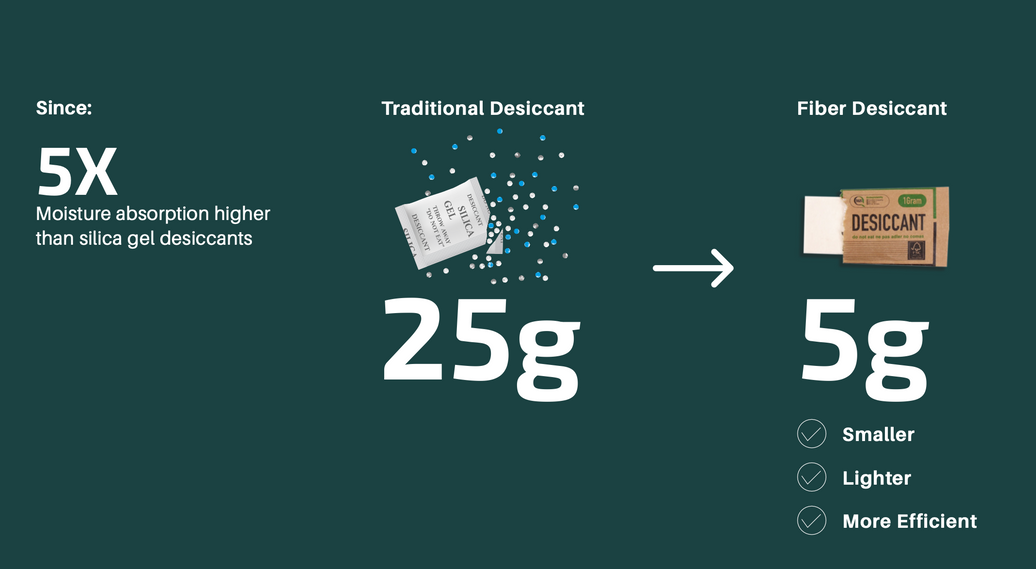
This is the question that catches loose-fill formats. A granular desiccant that splits releases beads into the product. A fiber desiccant pad binds the sorbent in a fiber matrix, so a compromised wrapper does not release loose material — the difference is set out in loose-fill risks in food packaging.
5. Is the sachet detectable?
If your line runs metal detection or X-ray, the auditor will ask whether the desiccant was included in the validation. It usually was not. Test it and record the result; the practical steps are in line-safe desiccant handling.
6. Where does the desiccant appear in the HACCP plan?
It should appear at least as a hazard considered and controlled. A plan that omits it entirely reads as an incomplete study. Mapping the desiccant into HACCP covers the hazard categories.
7. How is insertion verified?
A missing sachet is a quality failure and a present-but-damaged sachet is a safety one. Auditors look for an in-process check with a defined frequency and a record, not an operator’s assurance.
8. Can you trace a desiccant lot to finished product?
Mock recall exercises increasingly include packaging components. If the desiccant lot is not captured at the line, the trace breaks. This is covered in desiccant lot traceability.
9. How is the desiccant stored before use?
An open carton of desiccant in a humid warehouse is spent desiccant. Auditors ask about the storage condition and the open-bag rule. The exposure arithmetic is in open-bag exposure time.
10. What is the allergen position?
A site-level statement from the supplier, not a laboratory test on the sachet.
11. Is the dosage justified?
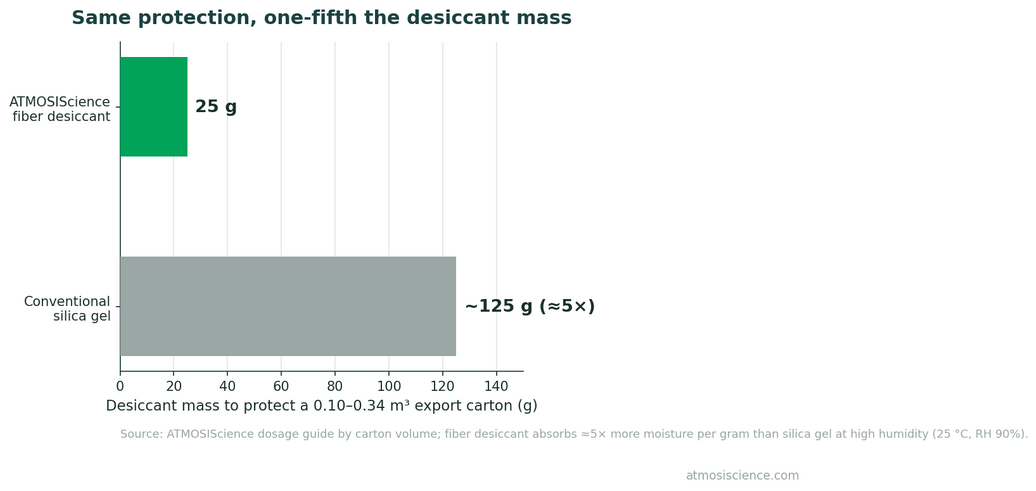
“One gram per pack because that is what we have always used” is not a justification. A calculation referencing headspace volume, film moisture transmission and shelf life is. The method is in dosage by film MVTR.
12. What happens if the supplier changes something?
A change-control clause requiring advance notification of any change to composition, wrapper, grammage or manufacturing site. Without it, the first sign of a change is a failed batch.
The seven documents that close most of them
- Product specification, agreed and signed
- Certificate of analysis, per lot
- Safety data sheet
- Food contact declaration for the relevant market
- Composition, allergen and site statement
- Supplier approval record with quality system evidence
- Insertion verification record and lot capture at the line
Six of the seven come from the supplier. The seventh is yours, and it is the one most often missing.
Frequently asked questions
Does the desiccant need its own HACCP CCP?
Rarely. It usually sits as a hazard controlled by a prerequisite programme. What matters is that the decision is documented rather than absent.
Do auditors test the desiccant?
No. They test whether you can show that you specified it, sourced it from an approved supplier, and controlled its use.
Is a compostable desiccant harder to justify in an audit?
No, provided the food contact evidence is separate from the compostability evidence. They answer different questions.
What is the most common finding?
No written specification, followed closely by a HACCP plan that predates the introduction of the desiccant.
Close the gaps before the audit
Tell us which scheme you are audited against and the ATMOSIScience team will send the supplier-side documents in the order an auditor asks for them.
Prefer email? info@atmosiscience.com