Quick answer: Article 9 of the EU packaging Regulation is expressly drafted “by way of derogation from Article 6(1)”. It does not offer compostability as a general alternative to recyclability. It does two narrow things: it requires certain named items — those referred to in Article 3(1), point (1)(f), plus sticky labels on fruit and vegetables — to be compatible with the standard for industrially controlled composting; and it permits Member States, where suitable bio-waste collection and treatment exist, to require compostability for certain other named items on their territory. Everything outside those carve-outs falls back to Article 6(1): packaging placed on the market shall be recyclable.
A lot of packaging strategy over the last few years has rested on a comfortable assumption: if a pack is certified compostable, the recyclability question goes away.
Reading the Regulation itself does not support that. The structure of the text makes the relationship explicit, and getting it wrong is expensive because compostable design and recyclable design pull in different directions.
The word that changes everything
Article 9(1) opens: “By way of derogation from Article 6(1)…”. Article 9(2) opens the same way.
In EU legislative drafting a derogation is a carve-out from a general rule for specified circumstances. It is not a parallel route. Its existence confirms the general rule — you only need a derogation from something that otherwise applies.
So the correct reading is not “packaging must be recyclable or compostable”. It is “packaging must be recyclable, except for these specific listed items, where compostability is required or may be required instead”.

What Article 9(1) requires
For the items referred to in Article 3(1), point (1)(f), and for sticky labels affixed to fruit and vegetables, the Regulation sets a deadline of 36 months from entry into force. By that date those items must be compatible with the standard for composting in industrially controlled conditions in bio-waste treatment facilities — and, where a Member State requires it, with the home-composting standards referenced in Article 9(6).
Note the direction of travel: for these items compostability is mandatory, not optional. If your product is on that list, this is a requirement to meet, not a marketing opportunity.
What Article 9(2) permits
The second derogation is conditional and national rather than EU-wide. Where a Member State allows waste with biodegradability and compostability properties similar to bio-waste to be collected together with bio-waste under the Waste Framework Directive, and appropriate collection schemes and treatment infrastructure exist to ensure compostable packaging actually enters the bio-waste stream, that Member State may require certain packaging to be compostable to be made available on its territory for the first time.
Three consequences follow, and they are the practical ones:
- It is a Member State option, not a Union-wide entitlement. One market opting in does not carry across the EU.
- It is conditional on real infrastructure. The text ties the option to collection schemes and treatment capacity actually existing.
- It can create a requirement, not just a permission. The mechanism lets a Member State say a thing must be compostable on its territory.
Where this leaves a compostable desiccant sachet
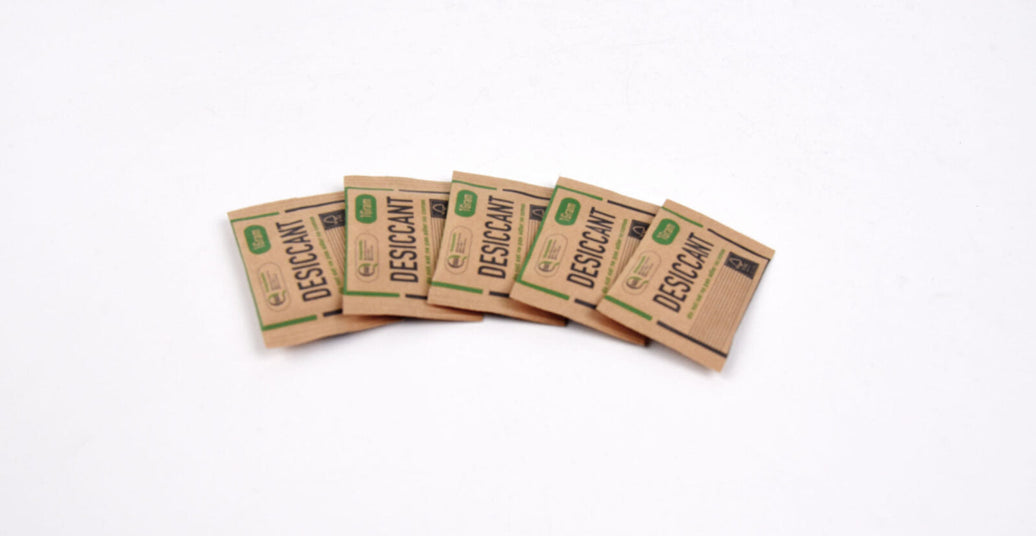
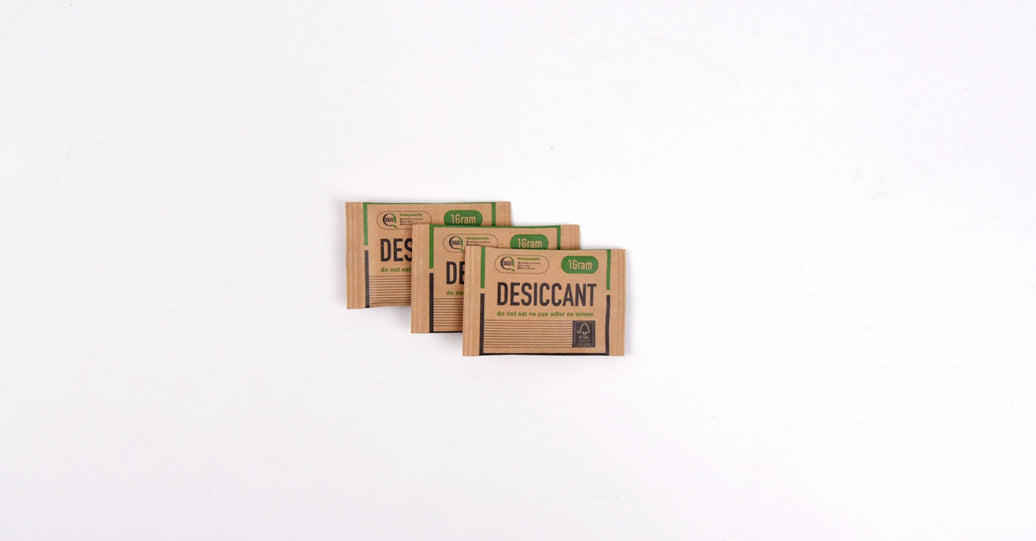
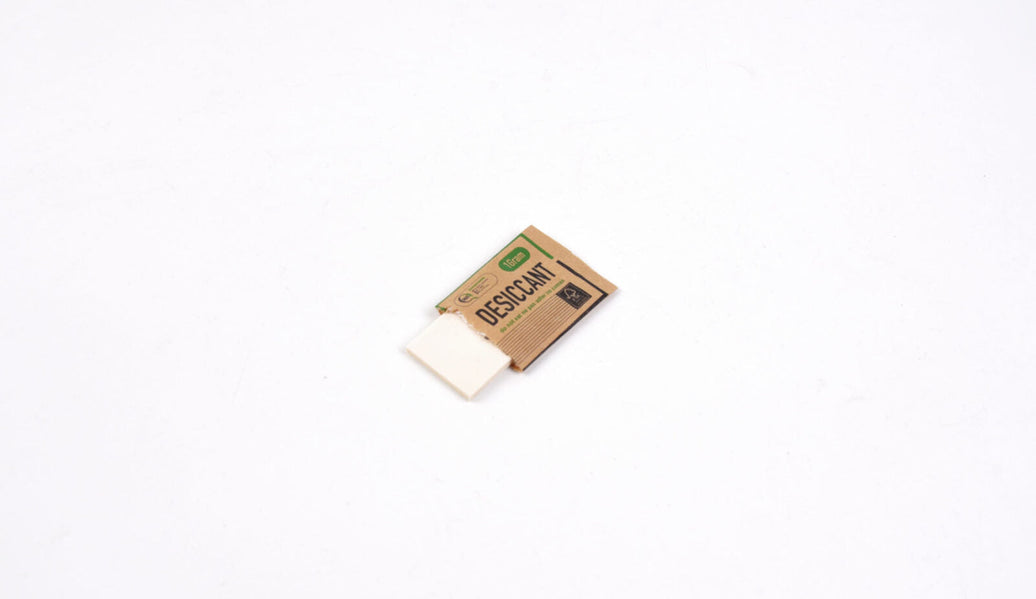
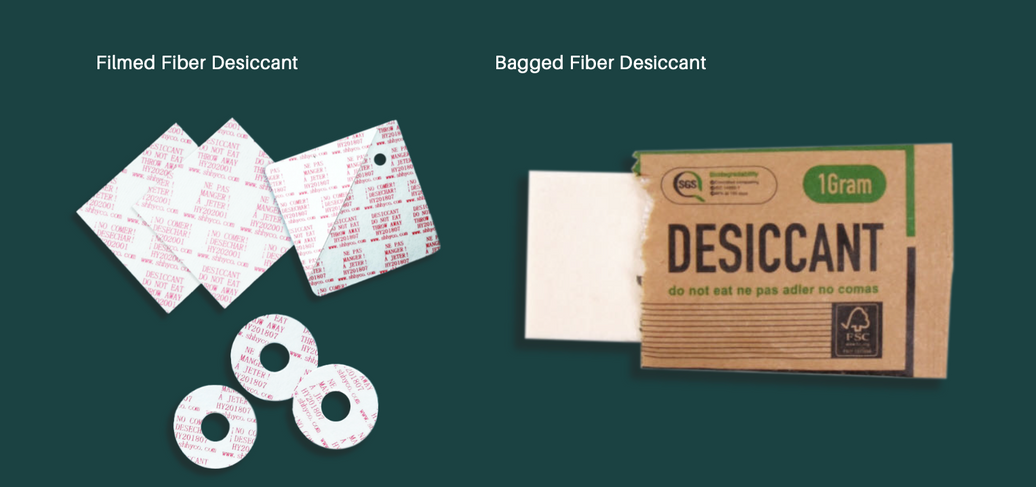
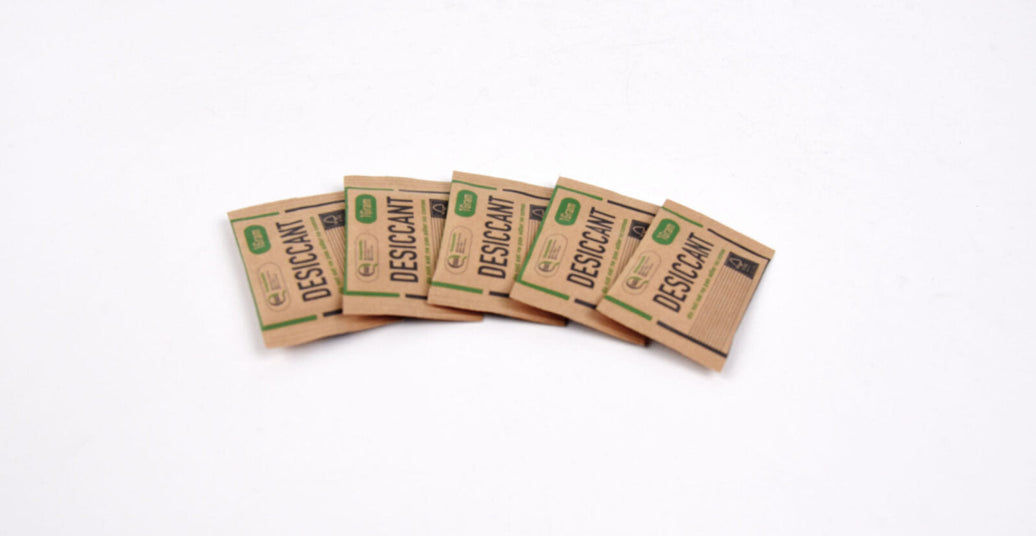
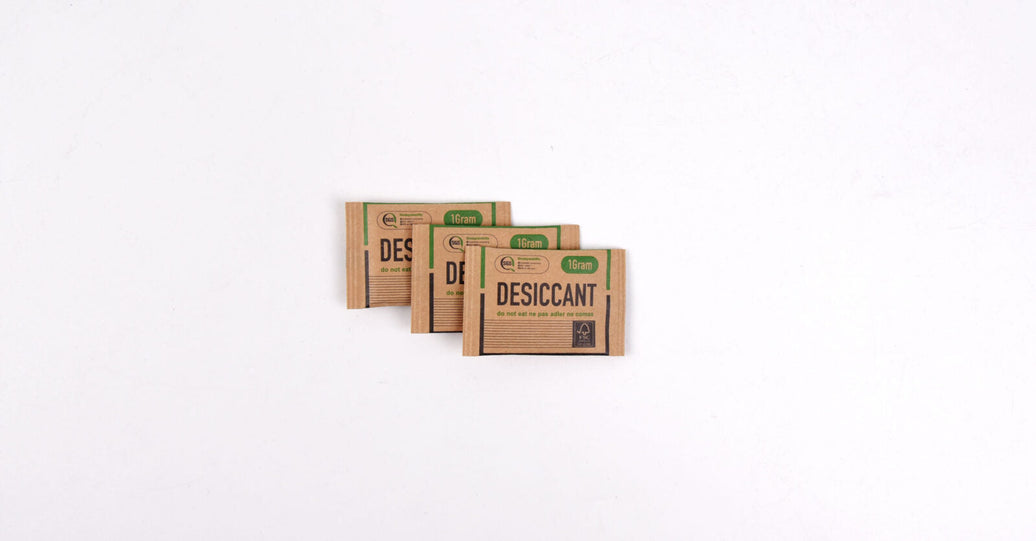
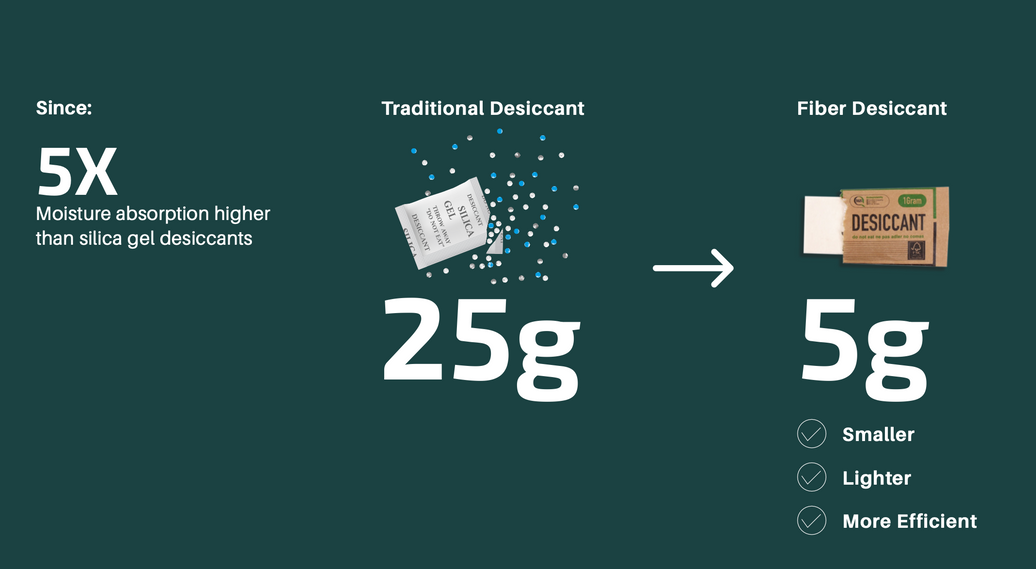
A compostable overwrap is a genuine product attribute. ATMOSIScience fiber bagged desiccant uses a bag material that is compostable and complies with ASTM D6400 and EN 13432, and the Fiber Card paper desiccant is laminated with compostable film. Those are real, testable properties.
What they do not do is answer an Article 6 recyclability question. Unless the item sits inside one of the Article 9 carve-outs, the compliance question the Regulation asks is about recyclability — and the answer has to be evidenced accordingly. See PPWR recyclability grades A, B and C.
The pragmatic position for a packaging team: treat compostability as an additional attribute with its own certification and its own expiry date, and build the recyclability evidence in parallel. Compostability certificates carry validity periods, and an expired certificate is not evidence — see certificate scope and validity and compostability certifications compared.
The claims risk
There is a second exposure here that sits outside the packaging Regulation entirely. Unqualified environmental claims are being restricted across the EU, and “compostable” used loosely — without naming the standard, the conditions and the component it applies to — is exactly the pattern under scrutiny. A claim that a sachet is compostable when only the overwrap has been certified is the kind of statement that will not survive a challenge. Our note on the green claims rules covers this in detail.
Frequently asked questions
Does an EN 13432 certificate satisfy PPWR?
It evidences compostability of the certified component to that standard. Whether that satisfies the Regulation depends entirely on whether your item falls within an Article 9 carve-out. For most packaging, Article 6 still applies.
Can we sell a compostable pack across the EU if one Member State requires compostability?
The Article 9(2) mechanism operates on a Member State’s own territory. Placing the same pack in other markets raises the question afresh under the rules applying there.
Is home compostable the same as industrially compostable?
No. Article 9(1) refers to composting in industrially controlled conditions in bio-waste treatment facilities, and separately references home-composting standards where a Member State requires them. They are distinct standards with distinct test conditions.
What is the deadline under Article 9(1)?
The text sets 36 months from the date of entry into force of the Regulation for the items it names. Confirm the exact calendar date against the published Official Journal text for your compliance file.
Should we drop compostable packaging?
Not necessarily. It remains valuable where bio-waste infrastructure exists and where the application genuinely suits it. The change is that it can no longer be treated as a way around the recyclability question.
This article summarises published regulatory text for orientation. It is not legal advice. Confirm the current consolidated text and take qualified advice before relying on any interpretation for a compliance file.
Check what your desiccant format can actually evidence
Tell us the format and the markets involved. The ATMOSIScience team will send the compostability and recyclability documentation with scope and validity stated plainly.
Prefer email? info@atmosiscience.com