"Compostable" and "biodegradable" have become marketing defaults on packaging — and regulators have noticed. In the EU, an unsubstantiated environmental claim is no longer just weak marketing; under the Green Claims Directive it is a compliance exposure. For a desiccant sachet, that means the word "compostable" on the bag now has to be backed by a certificate, or it becomes a liability.
This guide explains what substantiates a compostable desiccant claim, what the Green Claims Directive expects, and how to keep a sustainability claim defensible.

The rule: claims must be substantiated by certification
In 2022 the European Commission issued the EU Policy Framework on biobased, biodegradable and compostable plastics. It is explicit on two points. First, compostable plastics are only appropriate where they deliver a genuine environmental benefit — and a desiccant sachet that ends up mixed with food waste is a textbook fit. Second, compostable claims must be substantiated by certification, typically EN 13432; otherwise they fall under the Green Claims Directive as greenwashing.
In other words, the claim and the certificate are now inseparable. "Compostable" without EN 13432 behind it is the exact kind of vague green claim the directive targets.
What counts as substantiation for a desiccant
A defensible compostable-desiccant claim rests on named, verifiable certifications — not logos or adjectives. The core reference is EN 13432 (industrial compostability), often paired with ASTM D6400 for the US. Supporting documentation strengthens it: an ISO 14067 Product Carbon Footprint quantifies the carbon claim, REACH SVHC and RoHS confirm no hazardous substances, and an anti-mould certificate supports performance claims. The test is simple: can the supplier produce the actual certificate and number on request?
Where most desiccants fall short
Two gaps create exposure. The first is the silica-gel sachet in non-compostable plastic that is quietly marketed as "eco" — no certification, direct greenwashing risk. The second is subtler: a desiccant whose bag is compostable but whose claim is overstated to imply the whole product, including the active, is compostable. Precision matters. A claim should state exactly what is certified — the bag, the substrate, or both — and to which standard.
How fiber desiccant keeps the claim clean
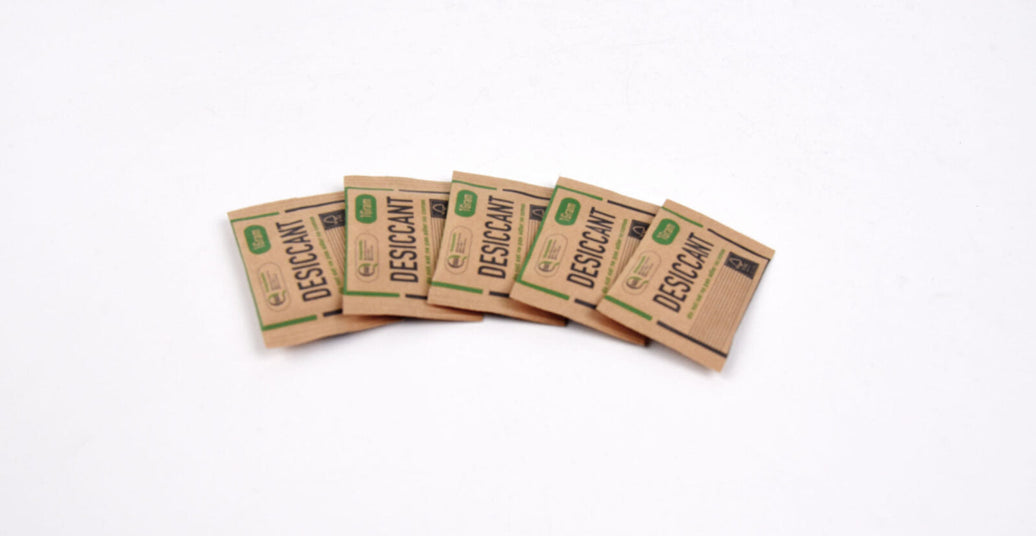
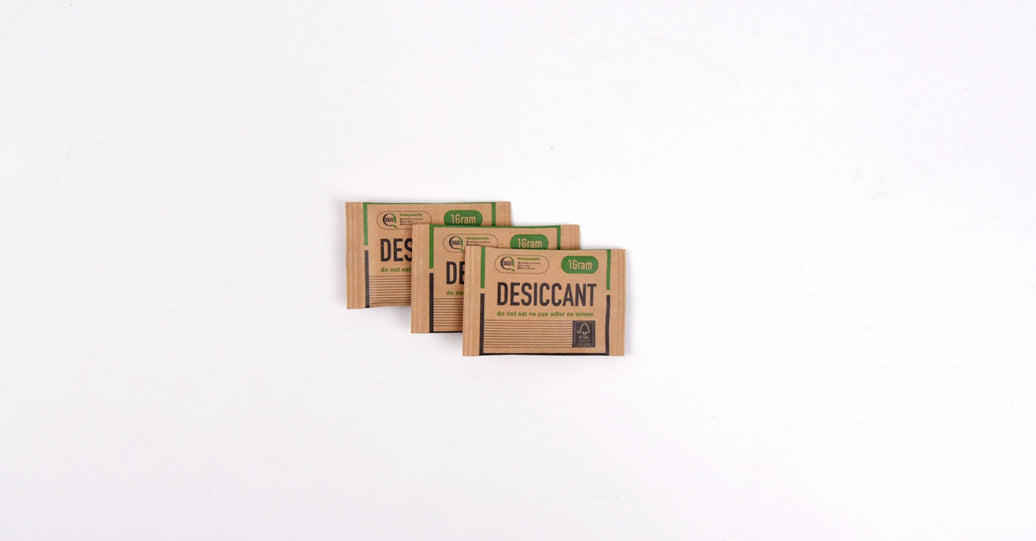
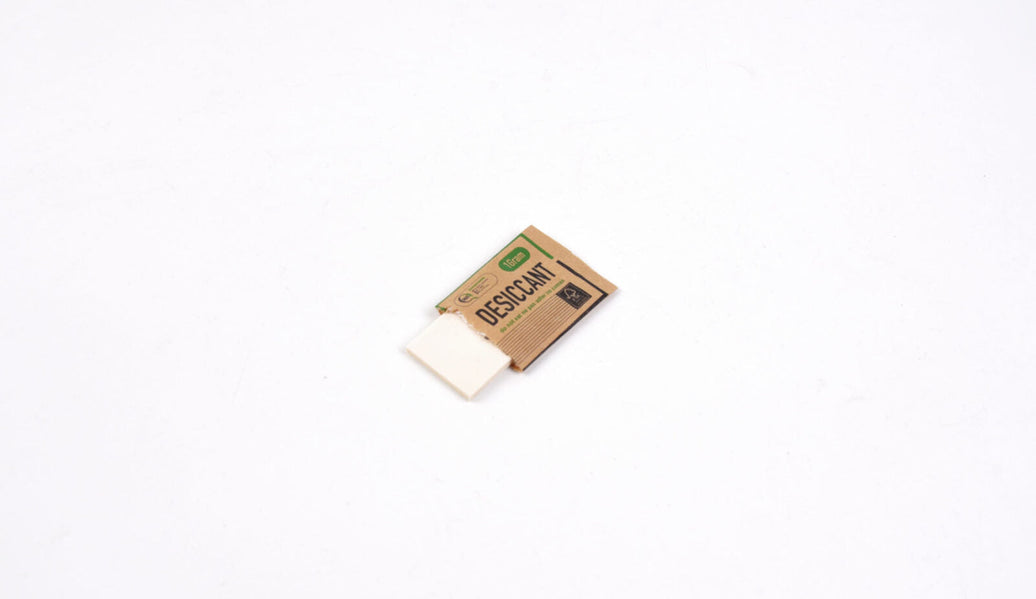
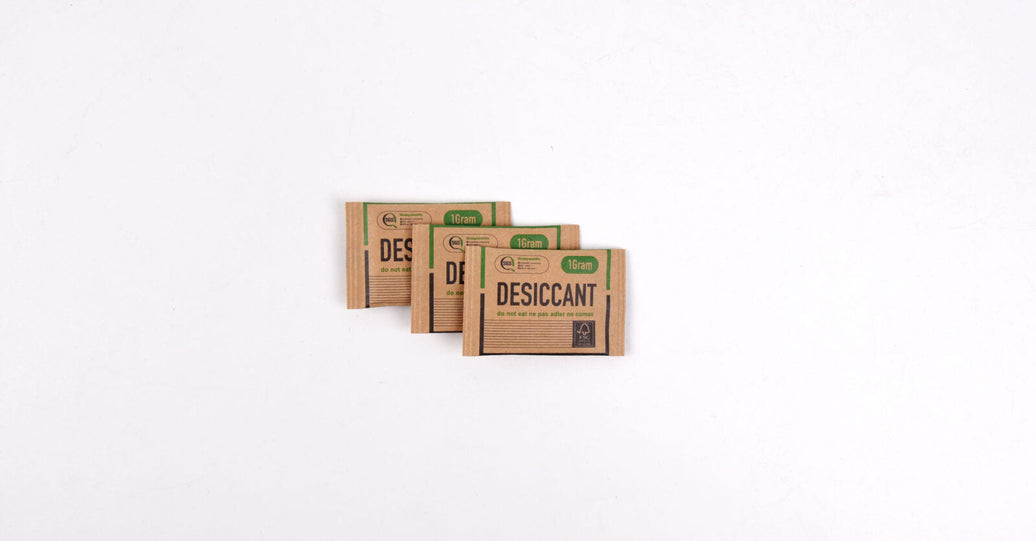
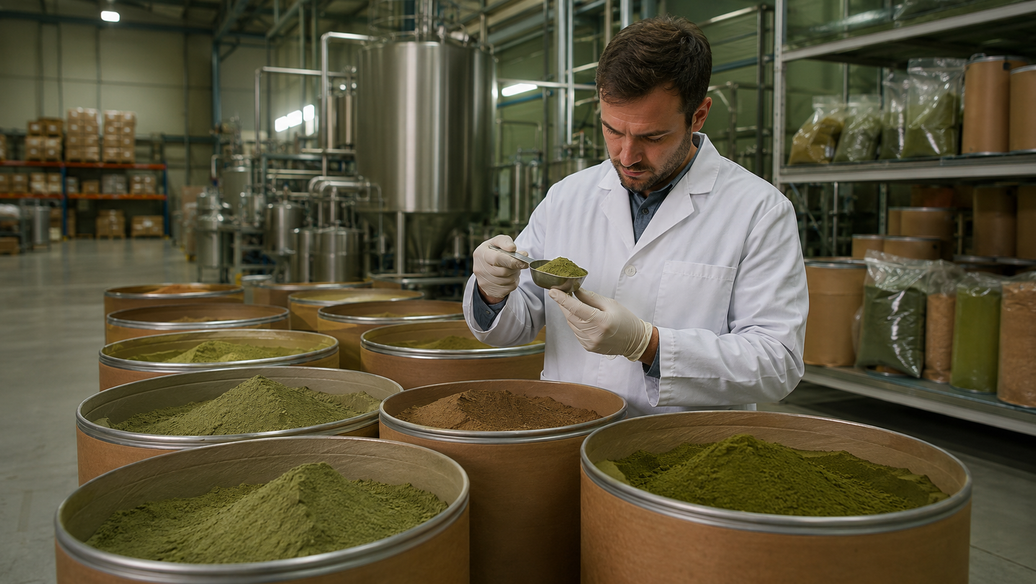
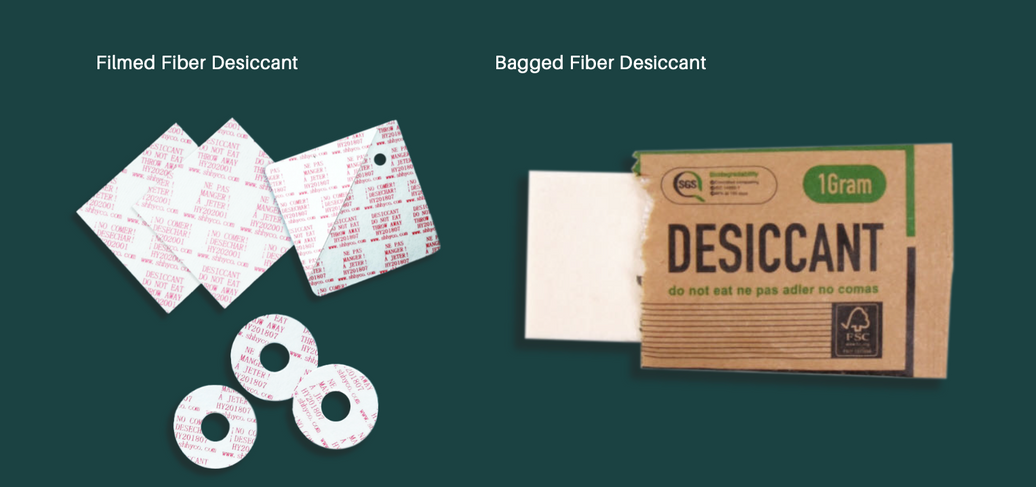
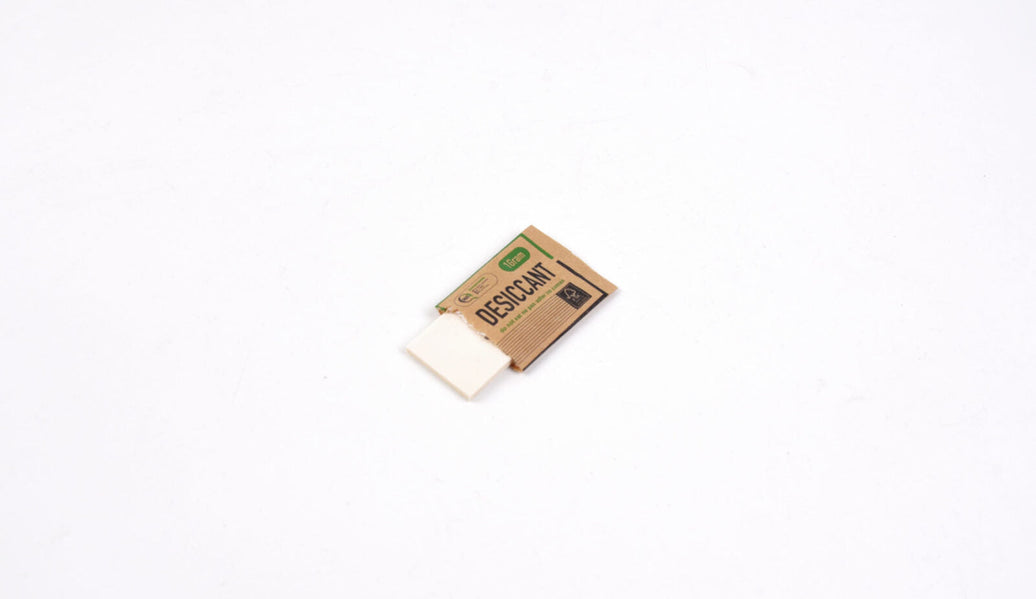
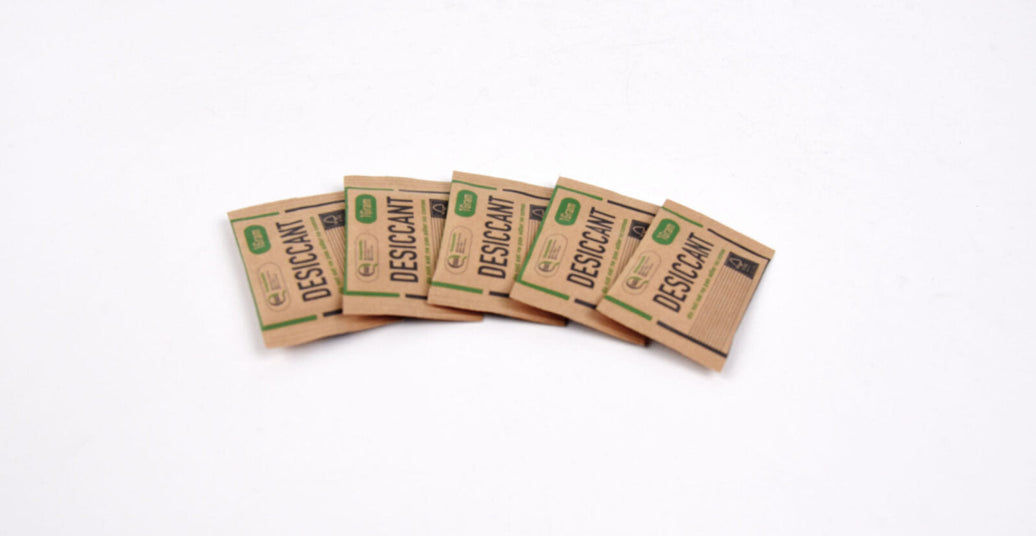
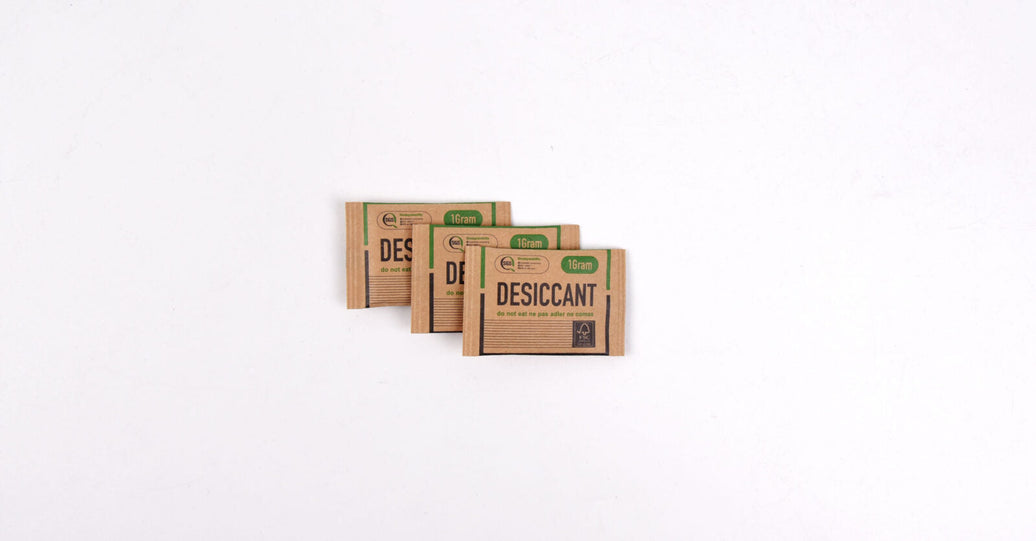
ATMOSIScience fiber desiccant is designed so the claim is fully substantiated, end to end. The substrate is 100% biodegradable plant fiber, and the bag is certified compostable under SGS Compostable (EN 13432) and ASTM D6400. The full stack — ISO 14067 carbon footprint (1.44 kg CO₂e/kg), SGS REACH SVHC, SGS RoHS (EU 2015/863), SGS Halogen Content, and SGS Anti-mould — is available as certificates, not adjectives. That lets a brand make a precise, defensible claim rather than a vague one.
A checklist for a defensible claim
Before printing "compostable" or "biodegradable" anywhere near a desiccant, confirm: which standard (EN 13432 / ASTM D6400) and a current certificate number; exactly what is certified (bag, substrate, or both) and word the claim to match; supporting REACH/RoHS/carbon documentation on file; and that the disposal route the claim implies (industrial composting) is realistic for the market. Keep the certificates with the artwork approval, so the claim and its proof travel together.
Frequently asked questions
Can I call a desiccant "compostable" without certification?
Not safely. Under the EU Green Claims Directive, a compostable claim must be substantiated by certification such as EN 13432, or it risks being treated as greenwashing.
Which certification substantiates a compostable desiccant?
EN 13432 (industrial compostability) is the core reference, often with ASTM D6400, supported by ISO 14067 carbon footprint and REACH/RoHS documentation.
Is the whole desiccant compostable or just the bag?
It depends on the product, which is why precise wording matters. ATMOSIScience uses a 100% biodegradable plant-fiber substrate and a certified-compostable bag, so both can be claimed accurately.
This article is general information, not legal advice. Verify claim requirements against current regulation and your own counsel.
Make a claim you can defend
ATMOSIScience supplies fiber desiccant with a fully documented certification stack — EN 13432, ASTM D6400, ISO 14067, REACH, RoHS, and anti-mould — so your sustainability claim is backed by certificates.
Request the full certificate pack and bulk pricing through our desiccant solutions page or contact our team, or evaluate the material with the Fiber Desiccant.
Related reading: EU PPWR & Desiccant Sachets · Bentonite Clay vs. Fiber Desiccant
Get a desiccant spec & bulk quote for your product
Tell us about your packaging needs, and our sales team will respond with a customized fiber-desiccant solution, supporting certificates and competitive bulk pricing.