Quick answer: Moisture damage claims are usually lost in the first two hours after the container doors open, not in the adjuster's office. The evidence that decides the outcome — photographs of condensation on the container roof and walls before anything is unloaded, the seal number intact, the position of damaged cartons within the stow, a moisture reading on the product, and the desiccant actually installed — exists only at devanning and cannot be reconstructed. Brief the receiving site before the container arrives, not after damage is found. This article describes practice, not legal or insurance advice; policy wording governs, and your broker or insurer should confirm what your cover requires.
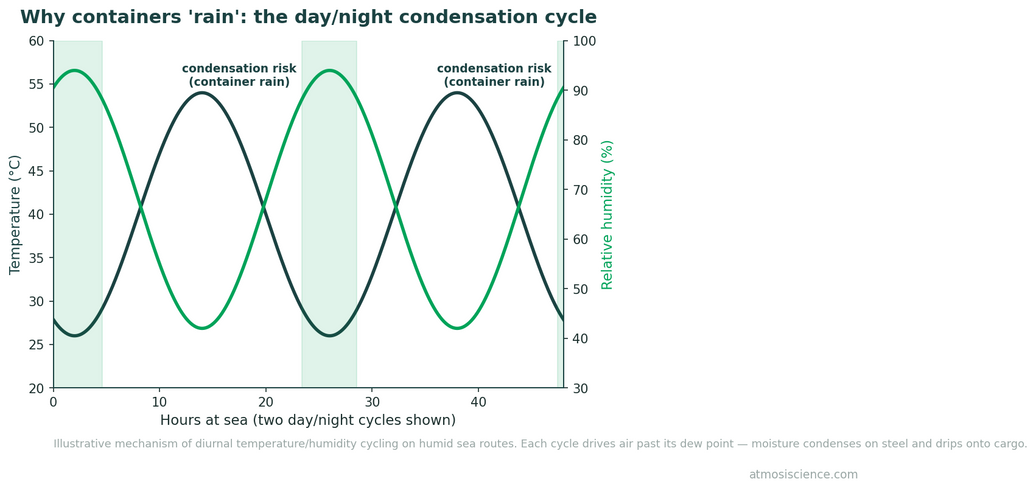
Container rain is a well-understood physical phenomenon. Warm humid air is sealed into a container at origin, the container crosses climate zones, the steel roof cools at night below the dew point of the enclosed air, condensation forms on the underside of the roof and drips onto the cargo.
What is less well understood is why claims for it fail so often. The physics is rarely disputed. The evidence usually is.

The evidence that only exists at devanning
Once the container is emptied, most of the proof is gone. A receiving-site checklist worth writing into the SOP:
- Seal number photographed intact before it is cut, plus the container number and the seal condition. A broken or mismatched seal changes the entire claim.
- Doors open, nothing moved. Photograph the full stow from the doorway before a single carton is touched. This establishes load pattern and damage distribution.
- The container roof and upper side walls. Condensation, rust streaks, water marks, daylight visible through the roof or corner castings. Roof damage is a completely different liability picture from condensation.
- Damage distribution within the stow. Top-tier damage pointing downward suggests condensation from the roof. Bottom-tier damage suggests floor ingress or a wet floor at loading. Uniform damage suggests the cargo was already wet when loaded. This single observation often decides causation.
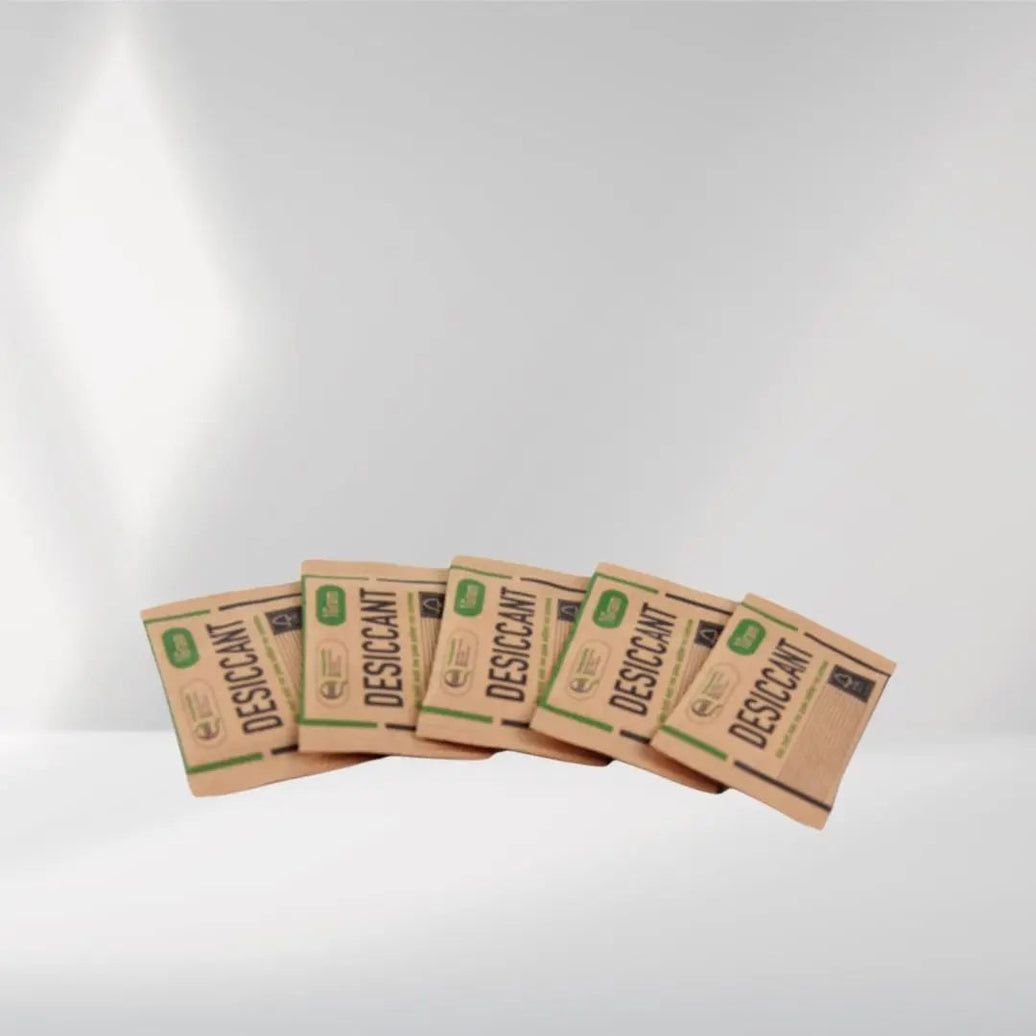
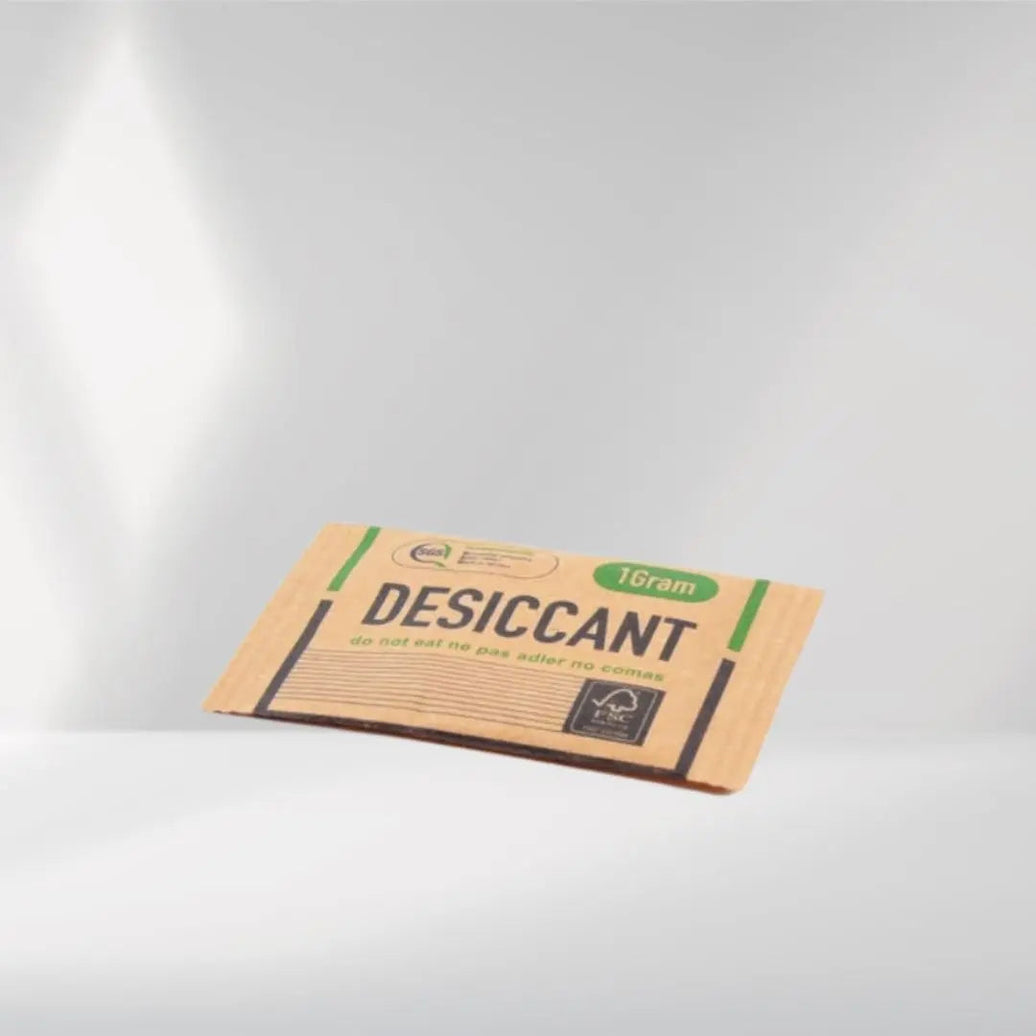
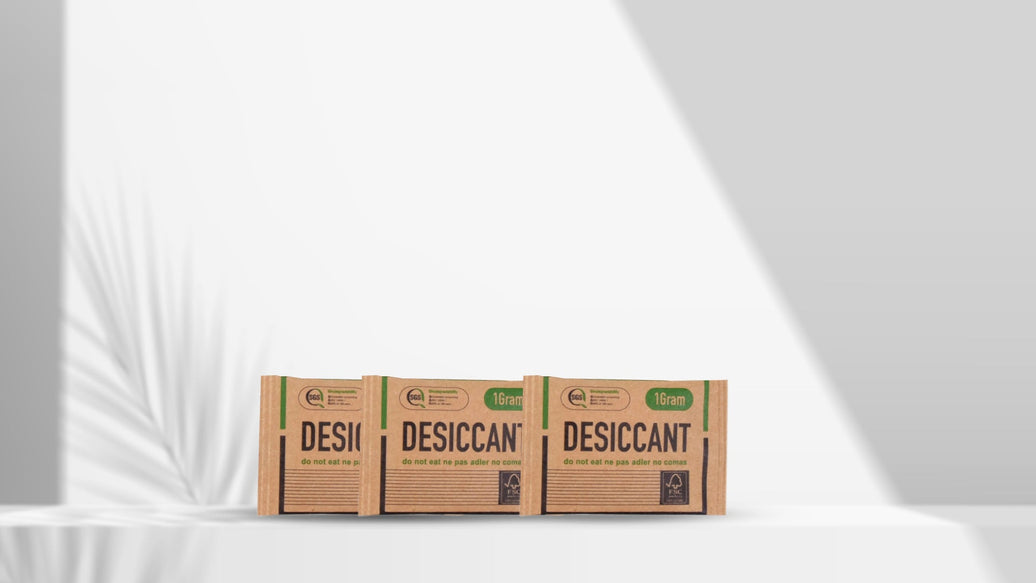
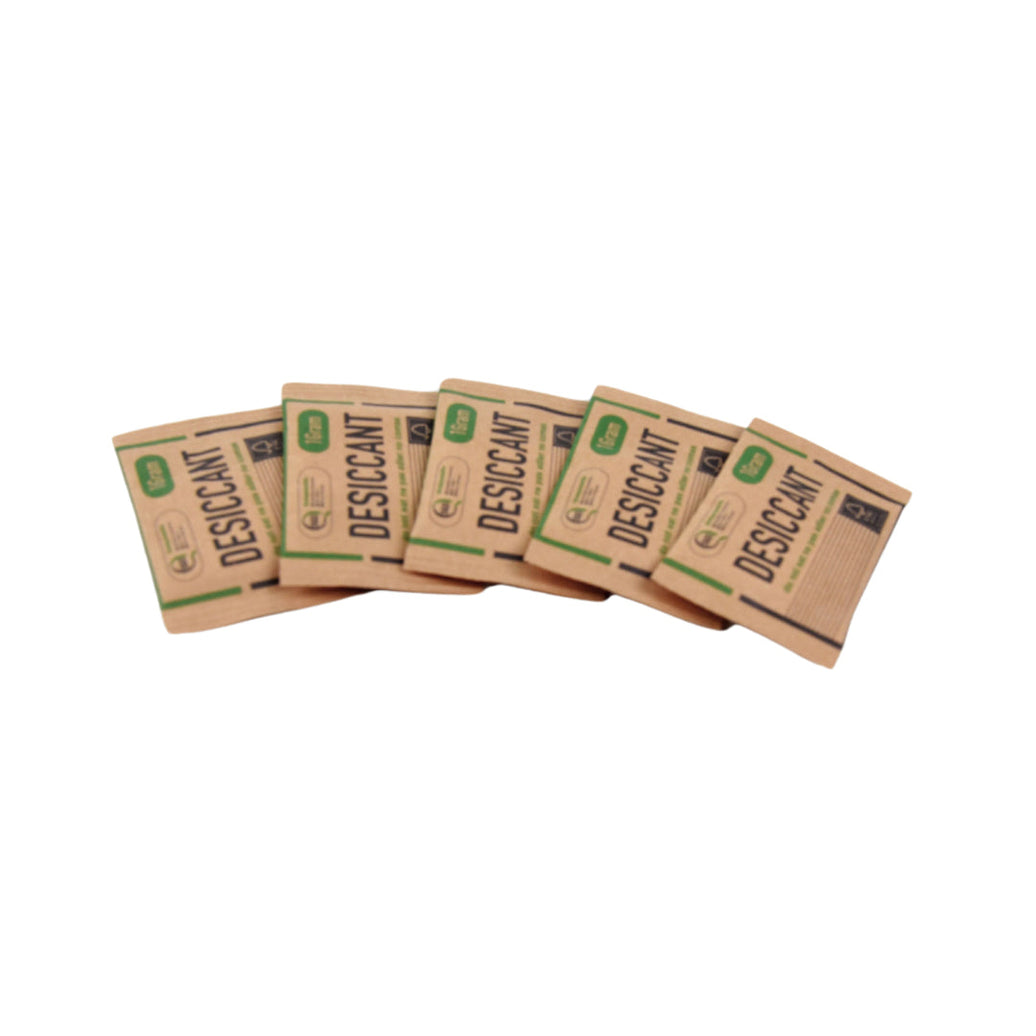
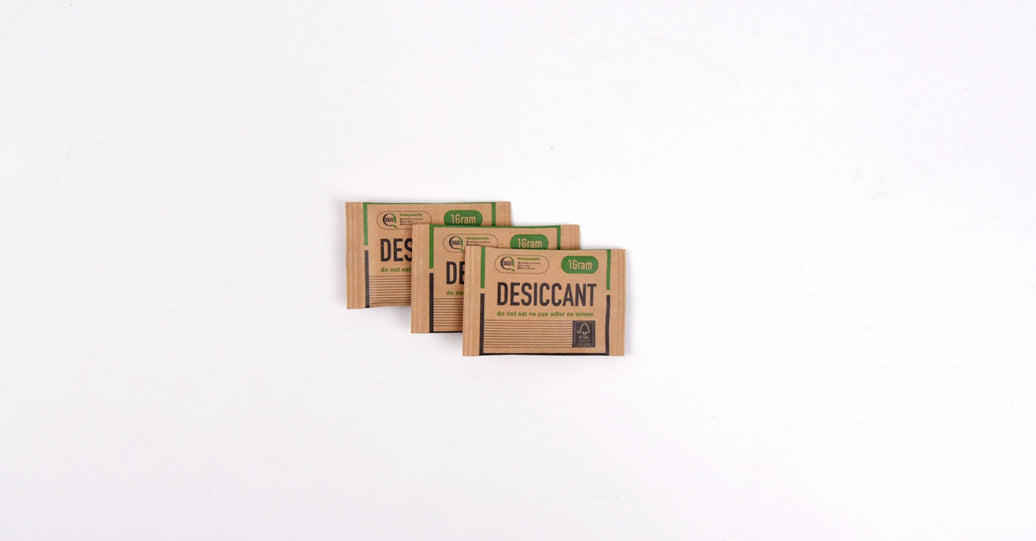
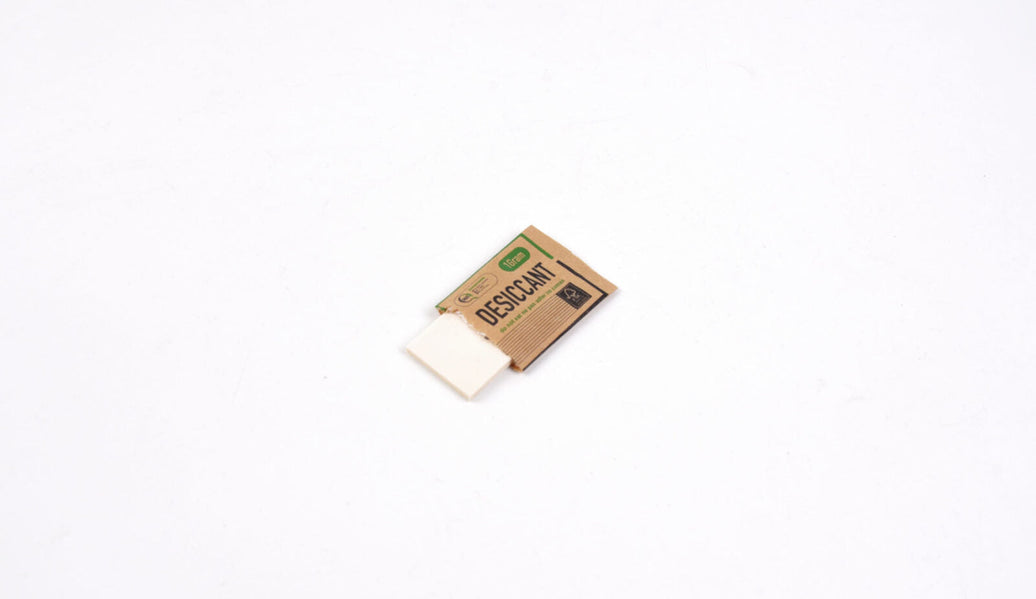
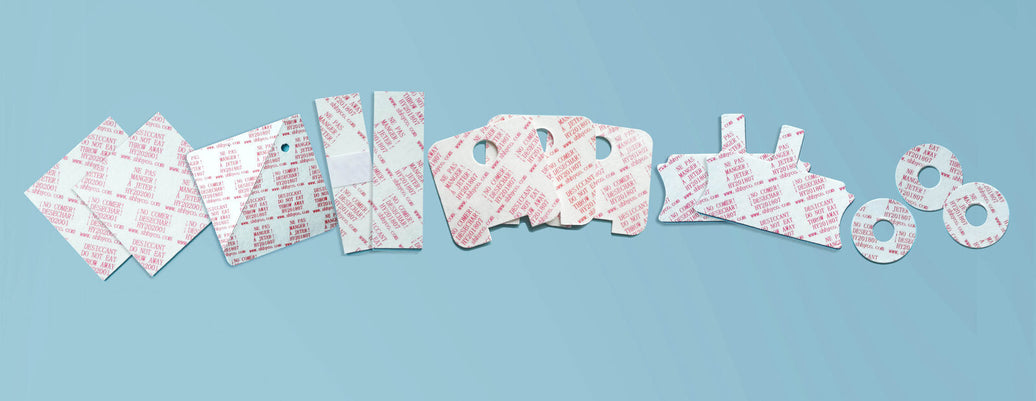
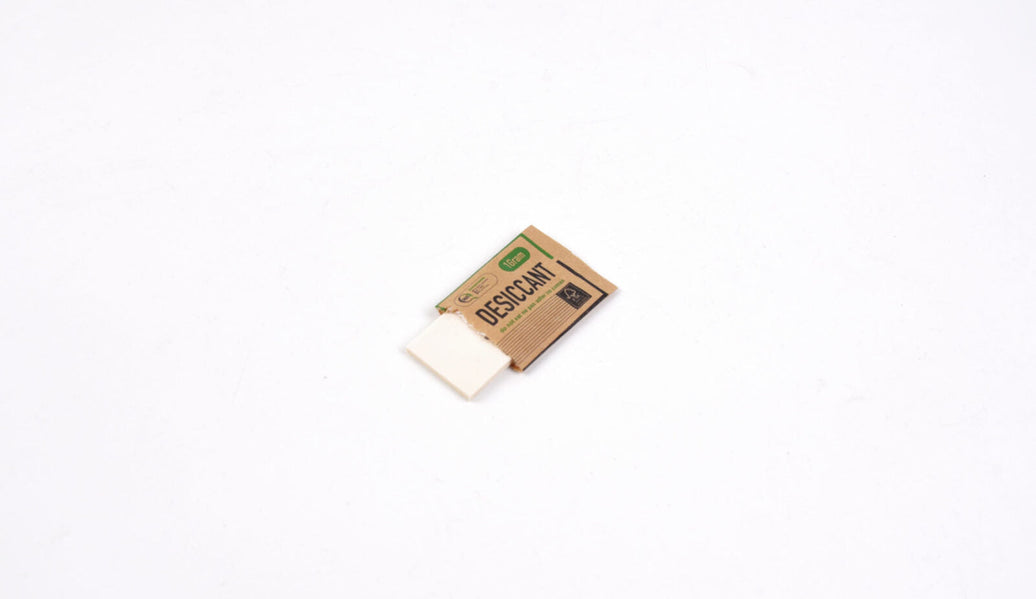
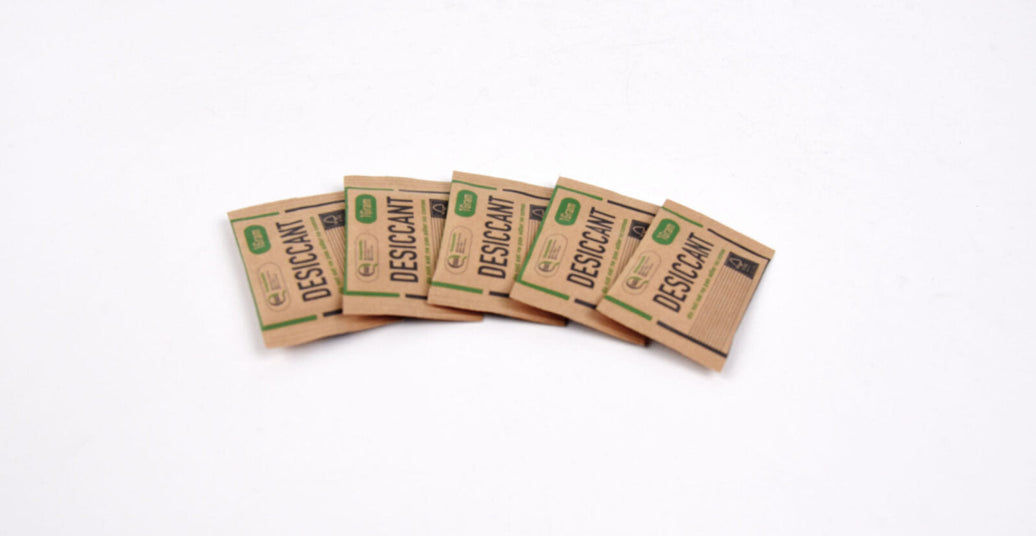
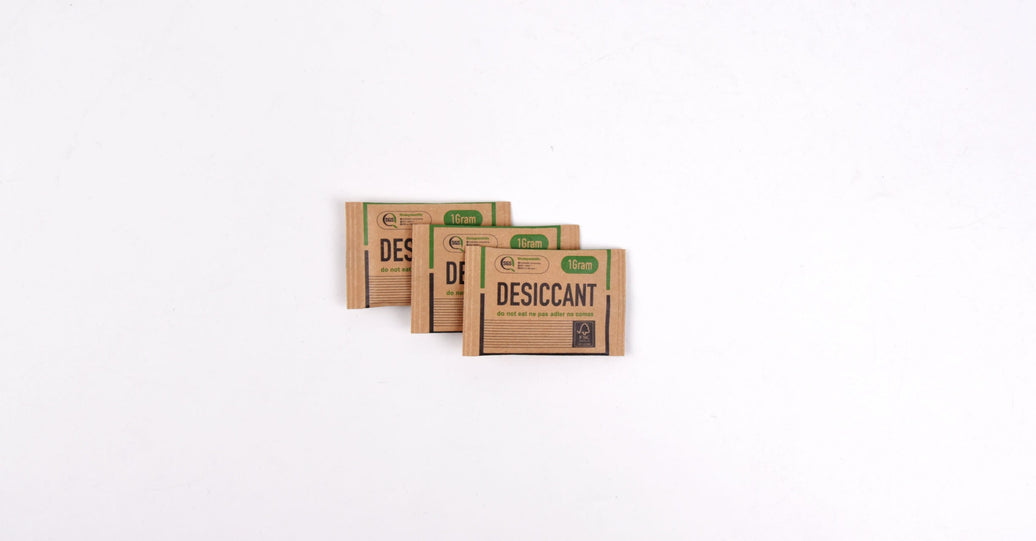
- Dunnage, liners and desiccant. Photograph what was actually installed — how many units, where, and their condition. Saturated desiccant proves the system worked and was overwhelmed; absent desiccant proves something else entirely.
- Moisture readings on product and packaging, taken and recorded with instrument, time and location, and compared to a sound sample from the same shipment.
- Ambient conditions at the time of devanning, so the surveyor can separate transit damage from post-discharge exposure.
The documents that carry weight
Alongside the site evidence, claims files are assessed on the paper trail:
- Bill of lading and any clausing. A clean bill supports cargo being in apparent good order at loading.
- Packing list and stowage plan, so damage position can be mapped to specific cartons.
- Condition at origin. Photographs at stuffing, and moisture content of the cargo before loading where the commodity is hygroscopic. This is the single most valuable piece of preventive documentation, because it forecloses the "loaded wet" defence.
- The moisture-protection specification. Which desiccant, what dosage, what placement, and the rationale for the quantity. Guidance in why desiccants fail in sea freight.
- Per-lot COA for the desiccant supplied, showing capacity with test conditions — see how to read a desiccant COA.
- Data logger records where one travelled with the container. Temperature and RH traces across the voyage turn an argument into a chart.
- Notice of claim given within the periods the contract of carriage and the policy require. Missing a notice period can end a claim regardless of the facts.
Why "we used desiccant" is not enough on its own
Surveyors see a lot of containers where a handful of small sachets was placed in a 40-foot box carrying a hygroscopic commodity across the tropics. That is not moisture protection; it is a token, and it can weaken the file by suggesting the risk was recognised and inadequately addressed.
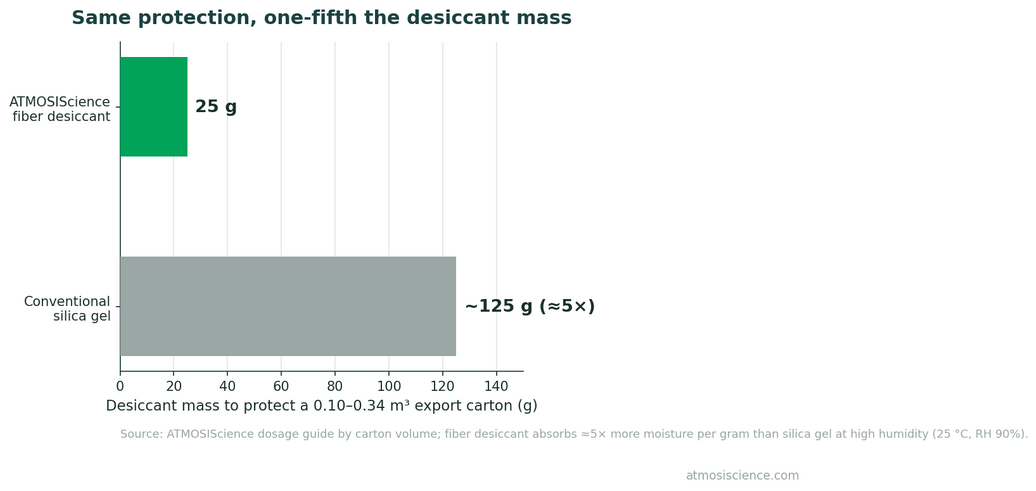
What supports a claim is a documented rationale: the cargo's moisture content at loading, the expected voyage conditions, the calculated moisture load, the dosage that follows from it, and evidence that the dosage was actually installed. That chain distinguishes a system that was overwhelmed by exceptional conditions from one that was never sized.
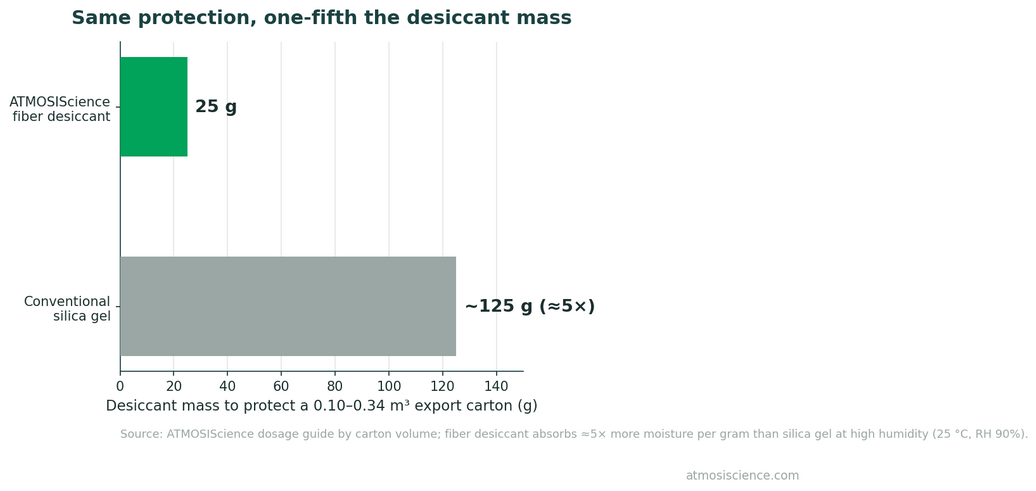
Dosage reasoning for containers is set out in desiccant for container shipping and logistics, and a worked case in the furniture export case study.
Preventing the claim is cheaper than winning it
Even a successful claim rarely makes a shipper whole: excess, lost margin, replacement freight, delayed revenue and a damaged customer relationship sit outside the settlement. Three things move the odds materially:
- Control the moisture content of the cargo at loading. Most container rain originates from water that travelled inside the container in the cargo and its packaging, not from the ocean. Wooden pallets, corrugated cartons and the product itself all carry it.
- Size the protection to the route. A voyage crossing the equator has a completely different profile from a short intra-regional leg. Dosage should follow the route.
- Instrument one container per lane. A single logger on a representative shipment gives you the real profile of the route — and if a claim ever arises, comparable historical data.

Frequently asked questions
What is the single most valuable photograph?
The open doors with the stow undisturbed, showing damage distribution. It is the image that answers the causation question, and it is impossible to take once unloading has started.
Does a clean bill of lading prove the cargo was dry at loading?
It supports apparent good order and condition, which is about external appearance rather than internal moisture content. For hygroscopic commodities, a moisture reading at origin is far stronger evidence.
Should we appoint our own surveyor?
Where the value justifies it, many shippers do, alongside the insurer's appointed surveyor. Whether and when to do so depends on your policy and jurisdiction — confirm with your broker.
Does saturated desiccant help or hurt the claim?
It generally helps, because it demonstrates that protection was installed and that conditions exceeded what it was sized for. Photograph and retain it rather than discarding it with the packaging.
How do we prove conditions inside the container during the voyage?
A data logger travelling with the cargo is the only direct evidence. Weather data for the route is useful supporting context but does not describe the interior of a steel box.
Is a compostable desiccant appropriate for export cargo?
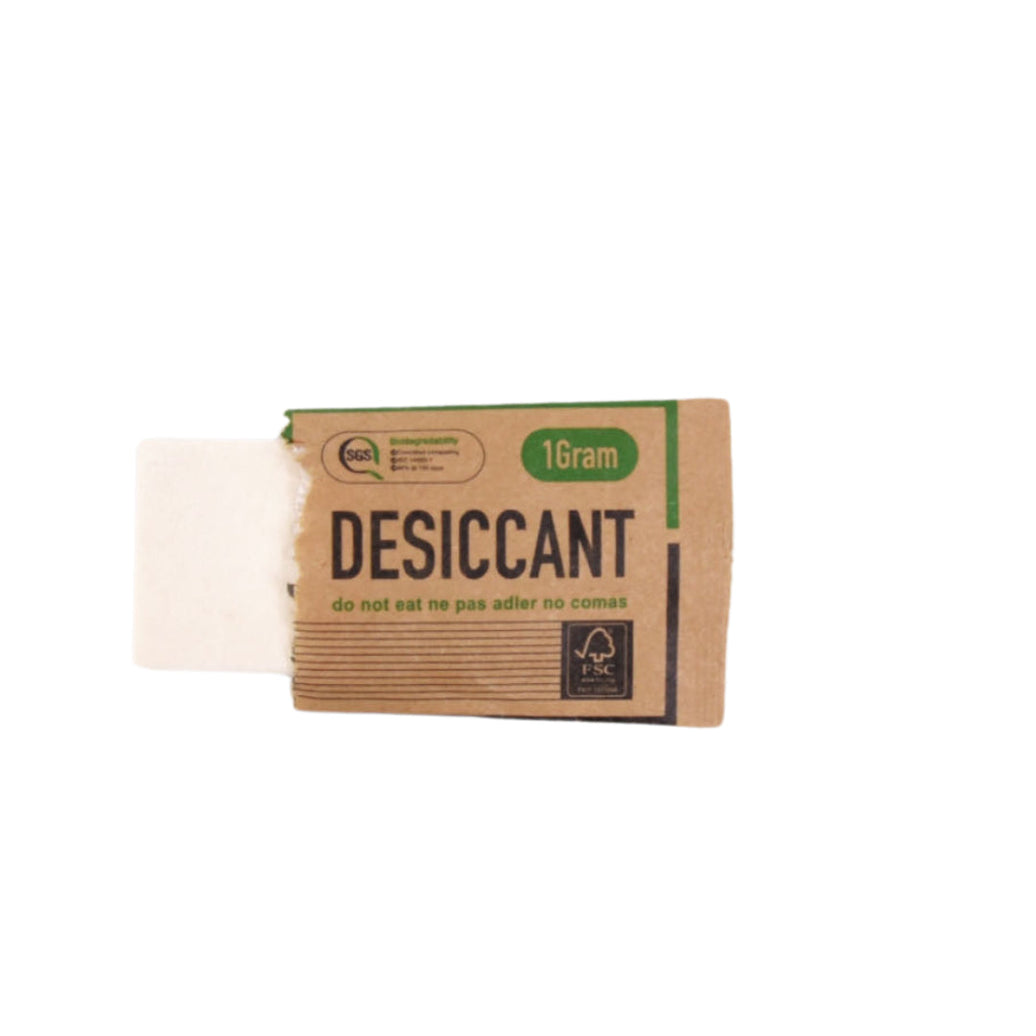
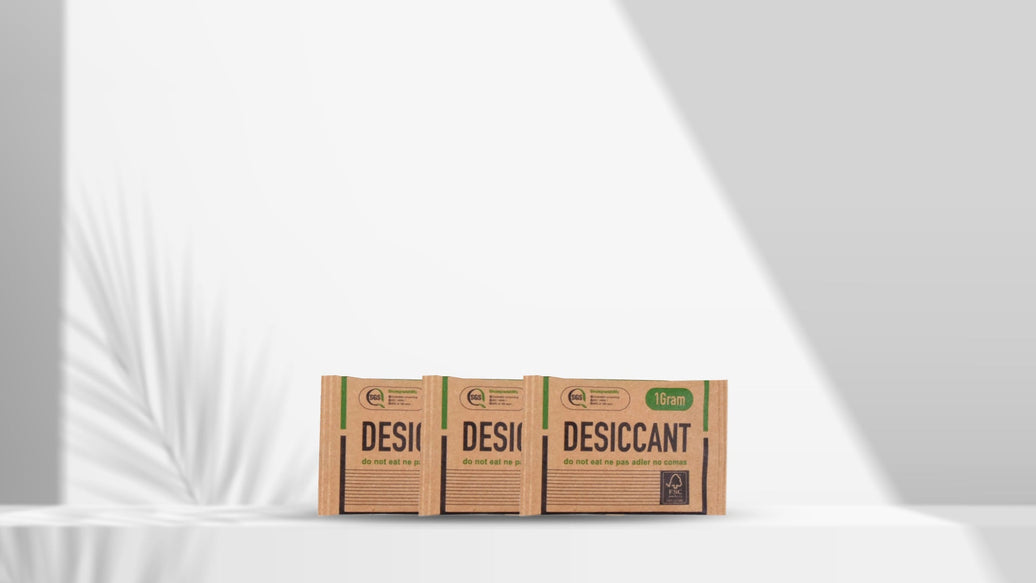
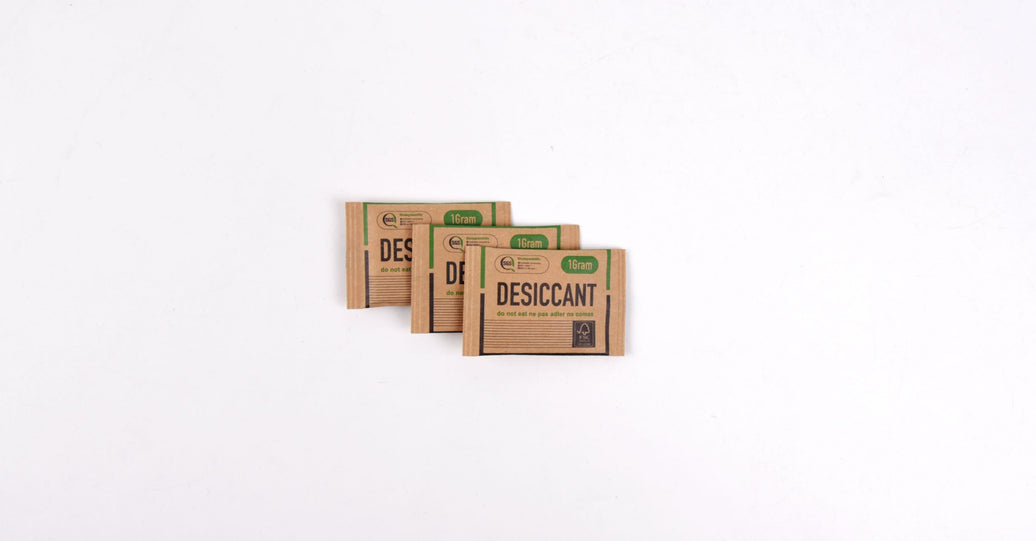
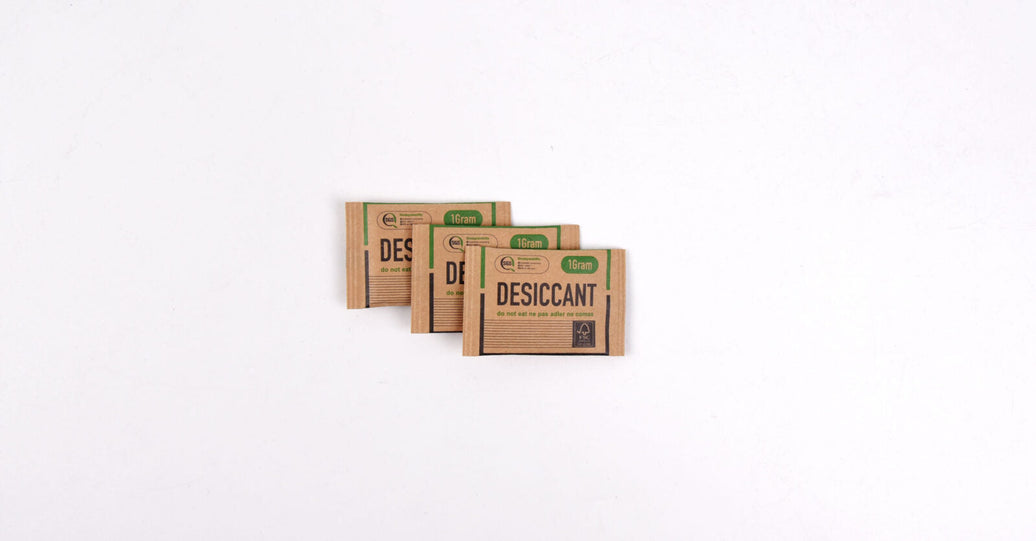
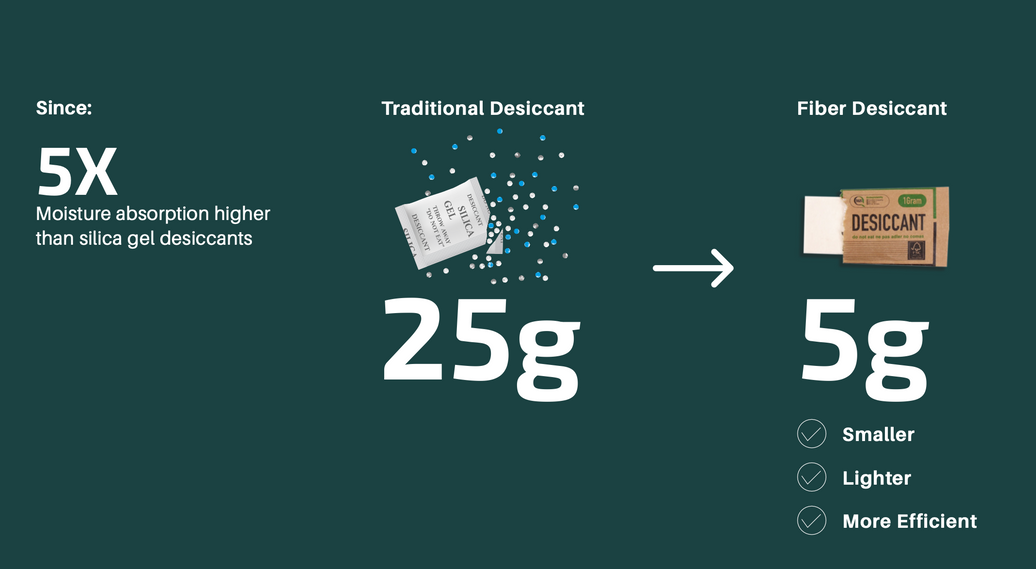
It can be, and it removes a disposal burden at destination where receivers face packaging waste obligations. The ATMOSIScience sachet film is certified to ASTM D6400 and EN 13432 — see the sustainable desiccant guide, and for EU-bound cargo the PPWR compliance hub.
Size container protection to your route
Send the commodity, container type, lane and voyage duration. ATMOSIScience will produce a dosage recommendation you can put in the file.
Prefer email? info@atmosiscience.com