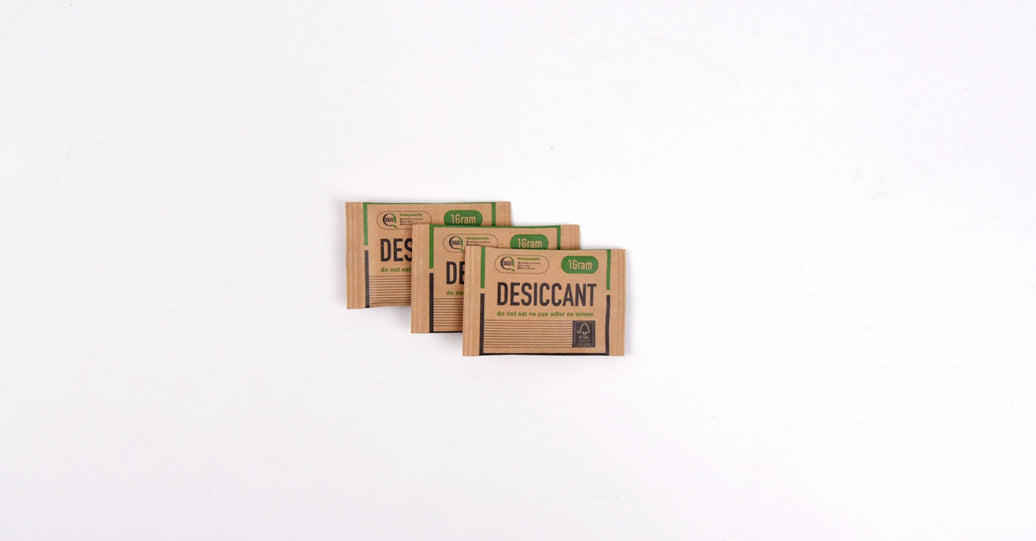
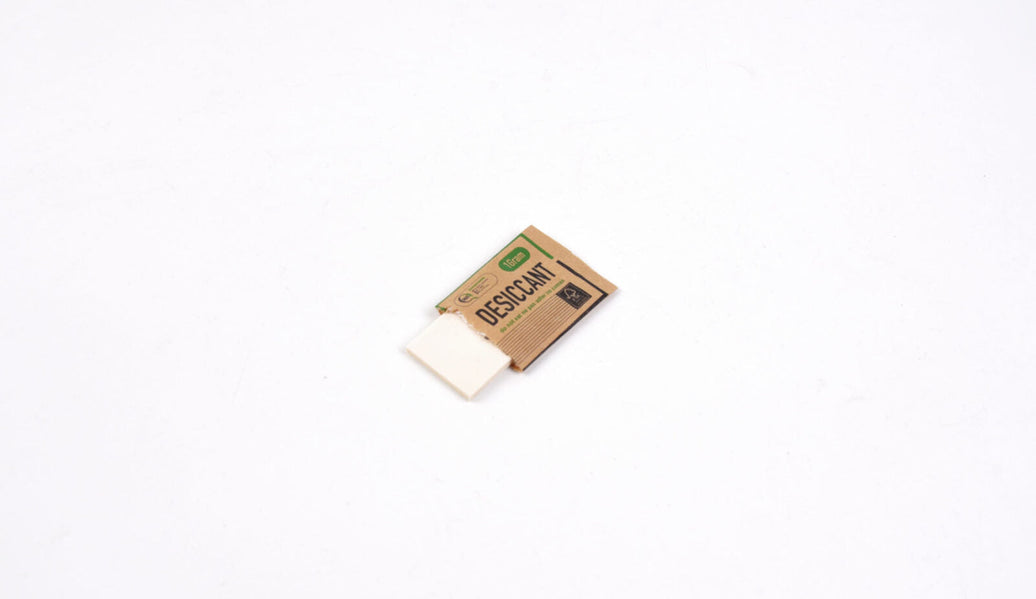
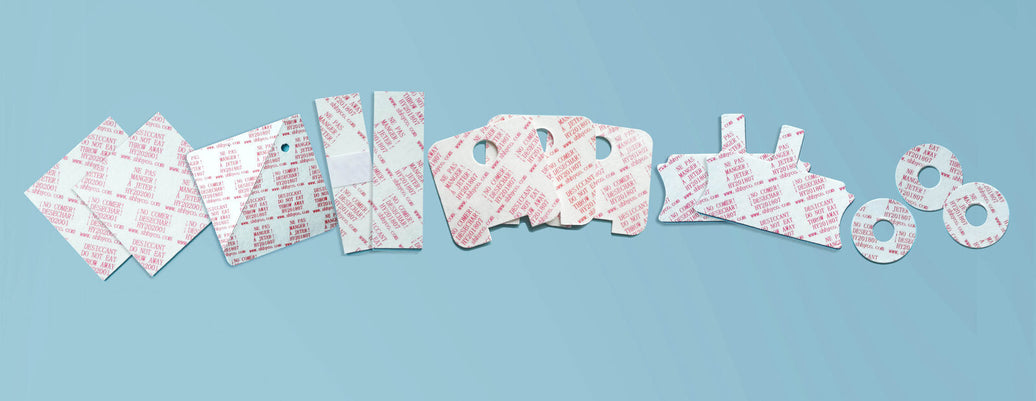
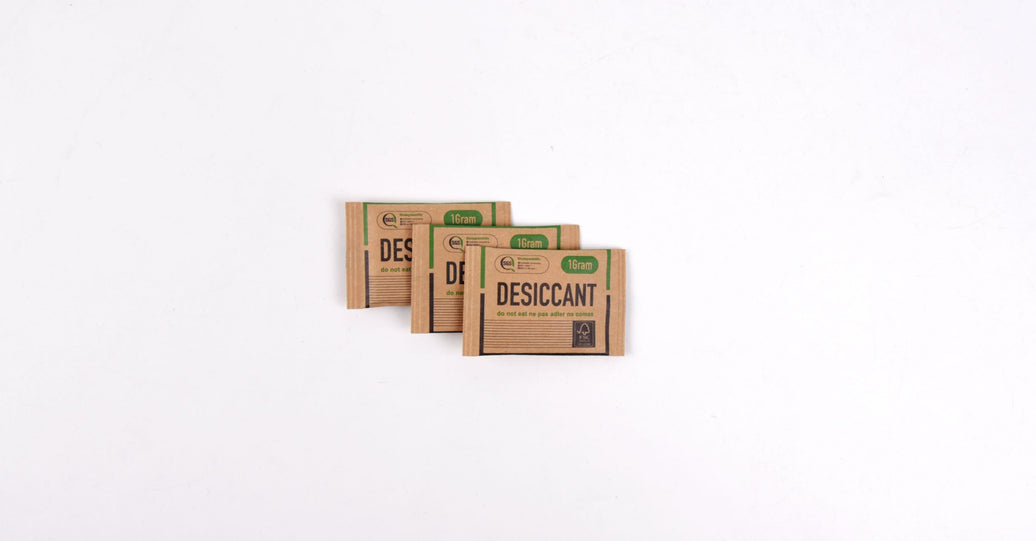
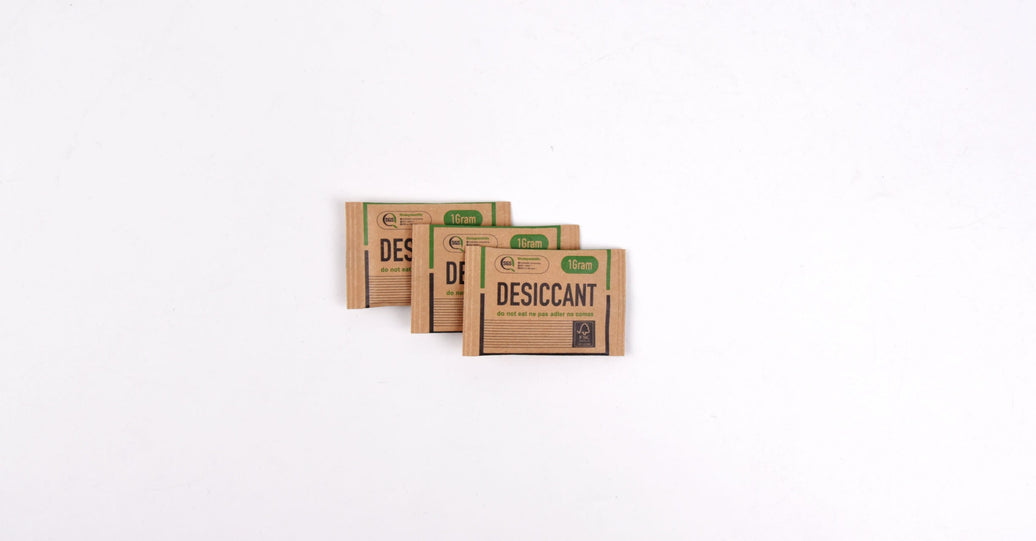
Quick answer: PPWR became applicable across the EU on 12 August 2026, but only part of it bites today. Live now: PFAS limits in food-contact packaging, heavy-metal limits, the Declaration of Conformity and technical file, the Article 16 duty on component suppliers to hand data upstream, operator identification, and producer-responsibility registration. Deferred: harmonised sorting labels (2028) and the detailed design-for-recycling criteria, recyclability grades and recycled-content targets (2030). Article 6(1) sits in between — it states that packaging must be recyclable, and commentary differs on whether that binds now or only once the 2030 criteria apply. A desiccant sachet is in scope as a packaging component, and the immediate ask is documentation, not a 2030 recyclability certificate.
For two years the packaging industry treated 12 August 2026 as a wall. The date has now passed, and the picture on the other side is less dramatic and more administrative than most suppliers expected. Nothing was banned overnight. What changed is that a set of duties which were previously theoretical became enforceable, and a second set that everyone still talks about turned out not to be ready.
Search behaviour tells the same story. Queries like "PPWR postponed", "PPWR delay" and "PPWR grace period" have been climbing all summer. The honest answer is that PPWR was not postponed. Parts of its machinery were.
What "applicable" actually means
Regulation (EU) 2025/40 applies directly in every Member State. There is no transposition step and no general grace period. But a regulation can be applicable while the delegated and implementing acts that make its most technical provisions operational are still being drafted — and that is where the industry now sits.

Duties that bind a desiccant sachet today
1. PFAS limits in food-contact packaging
The Commission identified the PFAS restriction as a day-one measure in its 11 August 2026 announcement. Food-contact packaging above the limits cannot be placed on the EU market. For a desiccant, the relevant surfaces are the sachet wrapper, any coating, and the printing ink — not only the adsorbent core. The thresholds are discussed in detail in our breakdown of the 25 ppb, 250 ppb and 50 ppm PFAS limits.
2. Heavy-metal limits
Article 5 restricts substances in packaging and packaging materials. A supplier should already hold a current test report covering lead, cadmium, mercury and hexavalent chromium for the finished component, in the name of the manufacturer who actually made it.
3. Declaration of Conformity and technical documentation
The EU Declaration of Conformity is a practical day-one obligation wherever the legal duty applies. Our companion piece covers who issues the DoC for a desiccant and what it must contain.
4. Article 16 information duties, upstream
This is the provision most component suppliers underestimate. Suppliers of materials and components must give the packaging manufacturer the information needed to demonstrate conformity. If a brand cannot compile its file because its desiccant supplier will not disclose the construction, the brand has a compliance problem — and the desiccant supplier has a commercial one.
5. Operator identification and traceability
Manufacturer, importer and distributor roles are now harmonised, with matching identification duties. A trading company that private-labels an imported sachet is likely to sit in a different role than it assumed.
6. Producer-responsibility registration
Companies placing packaging on the EU market need to assess registration and extended-producer-responsibility obligations in each Member State where they operate.
Article 6(1): the contested one
Article 6(1) states that packaging placed on the market must be recyclable. Some commentary treats that as binding from the application date; other commentary treats the recyclability regime as effectively starting with the design-for-recycling criteria in 2030, on the basis that the criteria and grading methodology do not yet exist. Both readings are defensible right now, and the delegated act will settle it.
The practical response does not depend on which reading wins. Document the material construction, the separability, the additives, the intended recycling stream and any test evidence you hold. Industry commentary in mid-August pointed to EN 13430 and existing recyclability assessment practice as the interim reference. What you should not do is describe a current design as "PPWR recyclable" — that is a claim about a regime that does not yet have its measuring stick.
What is still waiting
Three things everyone associates with PPWR are not operational:
- Harmonised sorting labels. The obligation runs from 12 August 2028, or 24 months after the relevant act enters into force if that is later. The Commission did not have the detailed label specifications and digital-marking methodology ready by the August 2026 deadline it had set itself.
- Design-for-recycling criteria and performance grades. Generally 2030, and dependent on a delegated act that has not been finalised. Our explainer on recyclability grades A, B and C covers the shape of the regime once it lands.
- Recycled-content targets. From 2030 for plastic packaging, with higher 2040 figures. As of mid-August 2026, the Commission was still preparing two implementing acts and one delegated act on calculation, verification and recyclate equivalence, with adoption planned for the fourth quarter of 2026.
Existing stock is not stranded
Packaging produced before 12 August 2026 but not yet placed on the market does not generally have to be destroyed, remanufactured or relabelled purely because the regulation became applicable. The Commission's 3 August 2026 FAQ also allows certain identification information for existing stock to be provided through accompanying documentation rather than on the pack itself. Anyone holding several months of printed sachet film can breathe out.

What a component supplier should have on the shelf
The 2026 evidence pack is unglamorous and finite:
- Full bill of materials, including coatings, adhesives, inks and binders
- Signed PFAS and heavy-metal declarations for food-contact applications
- Food-contact status documentation where relevant
- Mass per component, broken down by material, for EPR reporting
- A written recyclability rationale with supporting test evidence
- Supplier traceability and change-control records
- A controlled environmental-claims sheet
That last item matters more than it looks. The claims rules and the packaging rules are separate instruments, and the one that governs marketing copy is covered in our piece on what actually replaced the Green Claims Directive.
Frequently asked questions
Was PPWR postponed?
No. The regulation became applicable on 12 August 2026 as scheduled. What slipped were some of the implementing and delegated acts needed to operate its more technical provisions, including the harmonised label specifications.
Is a desiccant sachet "packaging" under PPWR?
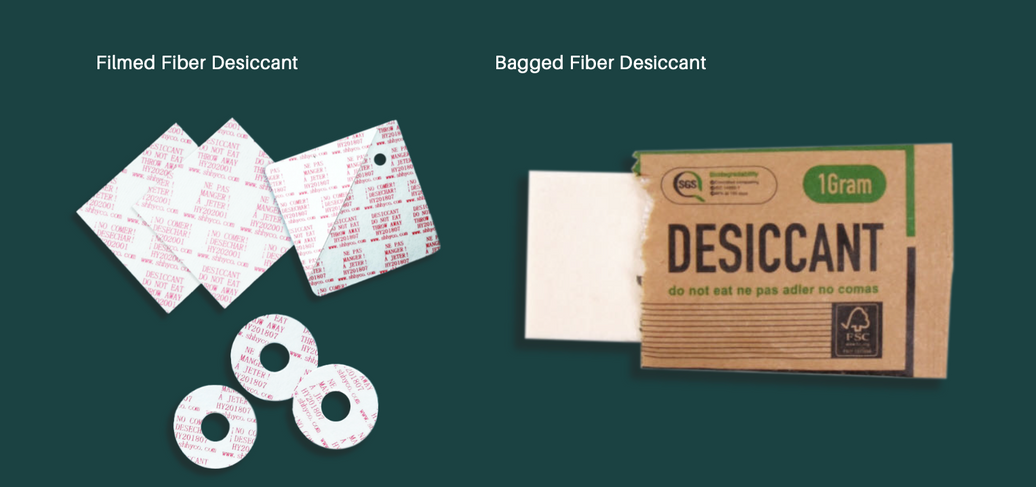
It is treated as a packaging component in practice, and is assessed alongside films, labels, inks and adhesives rather than excluded as a minor item. Whether a specific format meets the Article 3 definition in a specific supply chain is a question worth putting to counsel.
Do we need a recyclability certificate now?
Not a graded one, because the grading methodology is not final. You do need to be able to evidence and explain the recycling pathway for the construction you are selling.
Does any of this apply outside the EU?
Not directly. But the documentation a European customer now requests — bill of materials, component mass, substance declarations — is the same pack that US packaging EPR programmes ask for when calculating fees, so the work is not wasted.
Where should a brand start?
With the file, not the redesign. Most brands discover that their gap is missing supplier data rather than a non-compliant material. Our PPWR compliance hub for desiccant sachets sets out the sequence.
Need the PPWR documentation pack for your desiccant?
ATMOSIScience supplies the bill of materials, substance declarations, component mass data and test reports that a Declaration of Conformity is built from. Tell us the format and market and we will send the file that matches.
Prefer email? info@atmosiscience.com