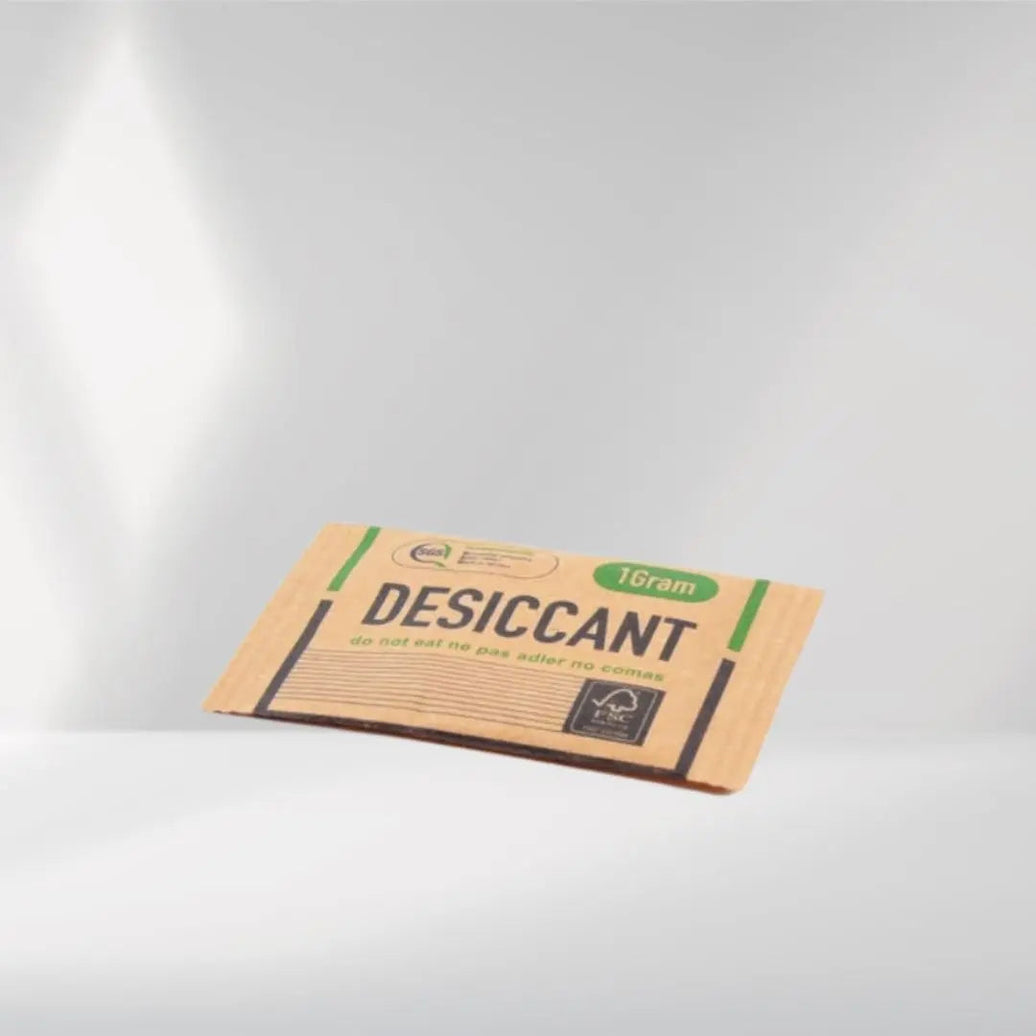
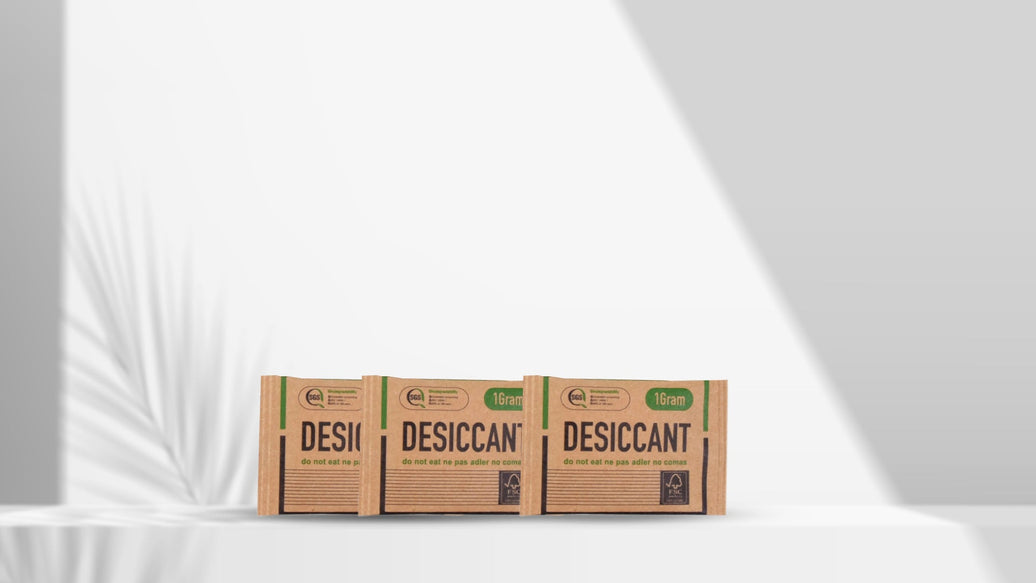
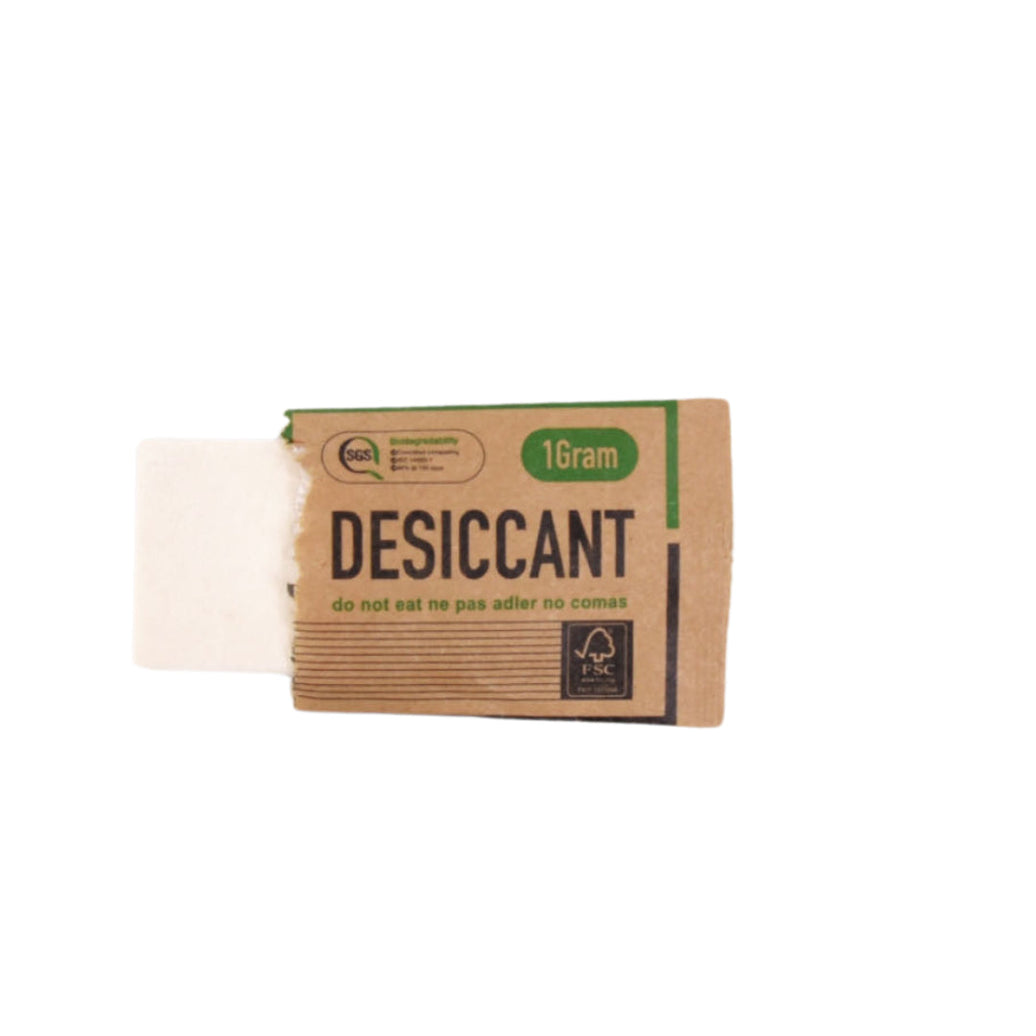
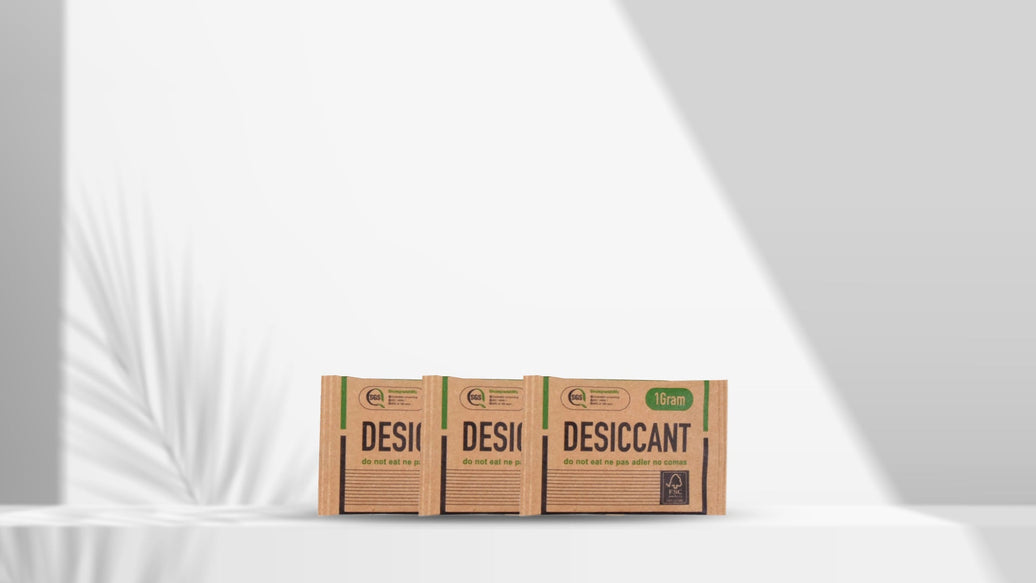
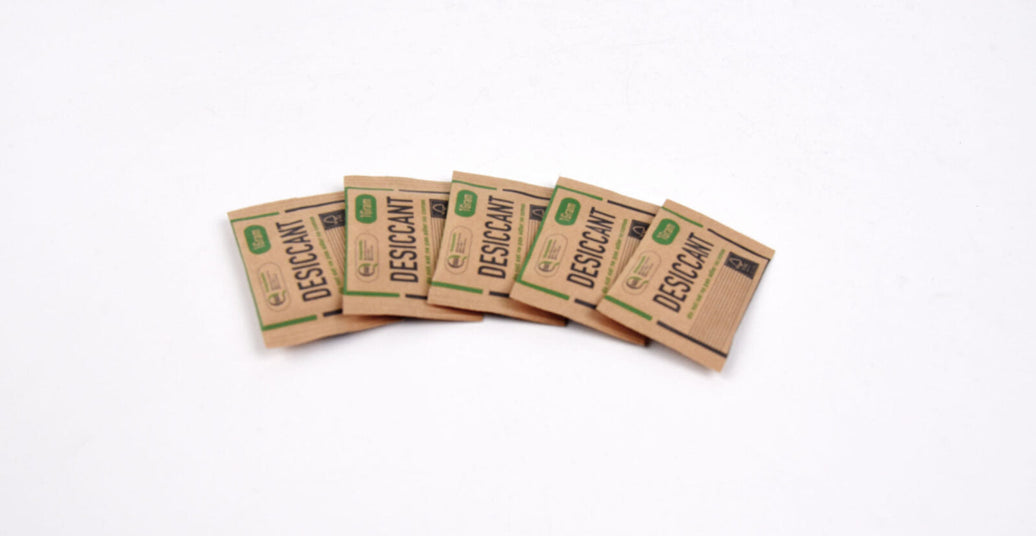
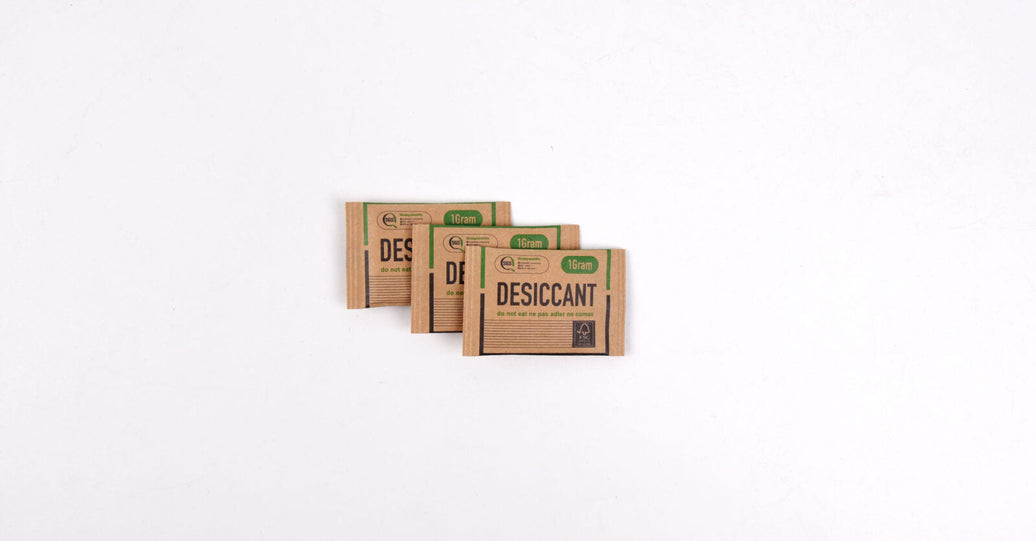
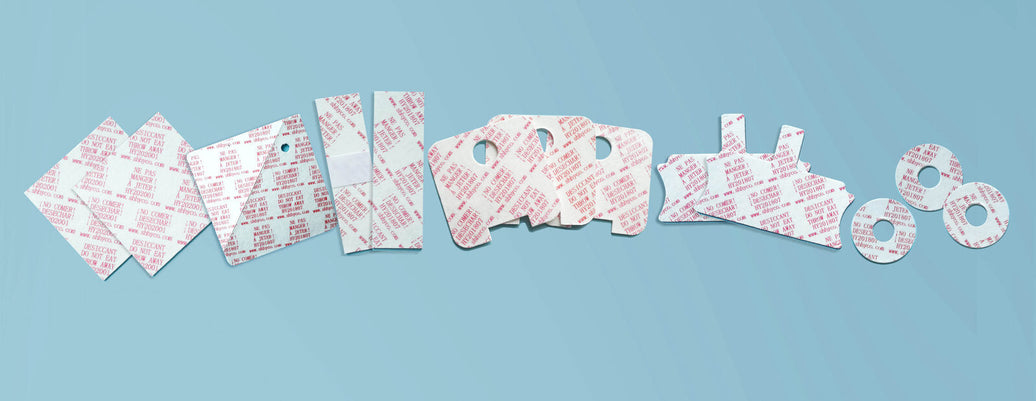
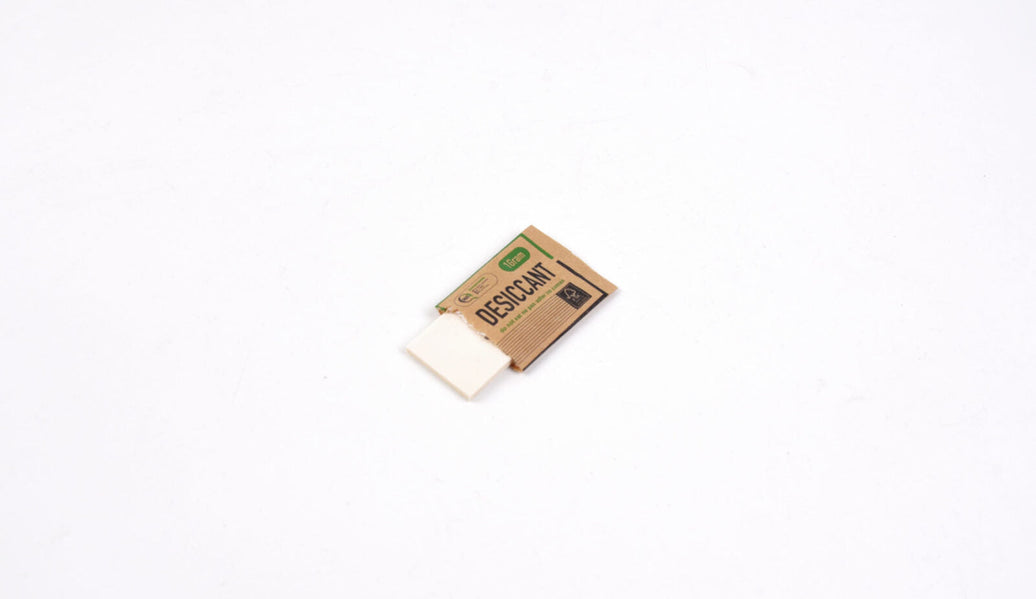
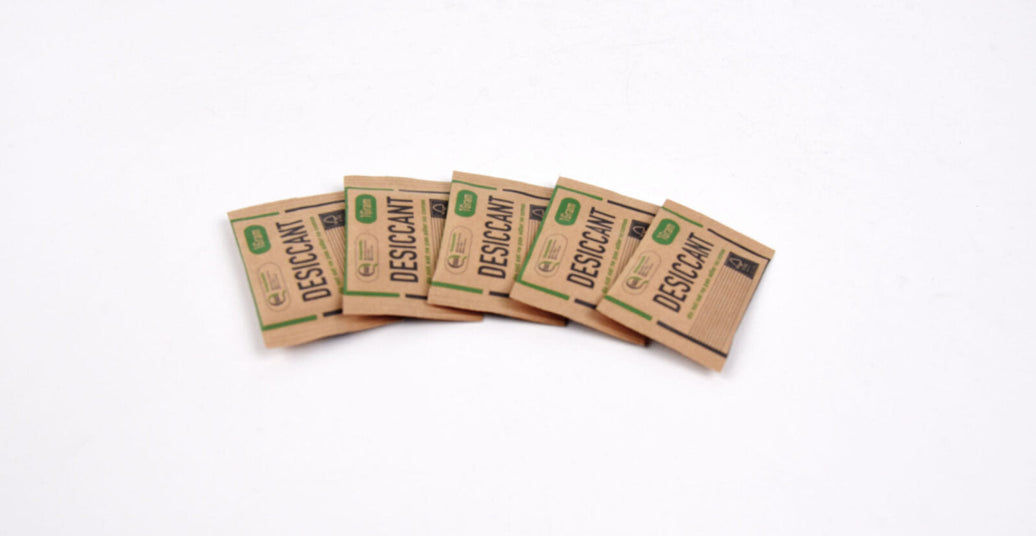
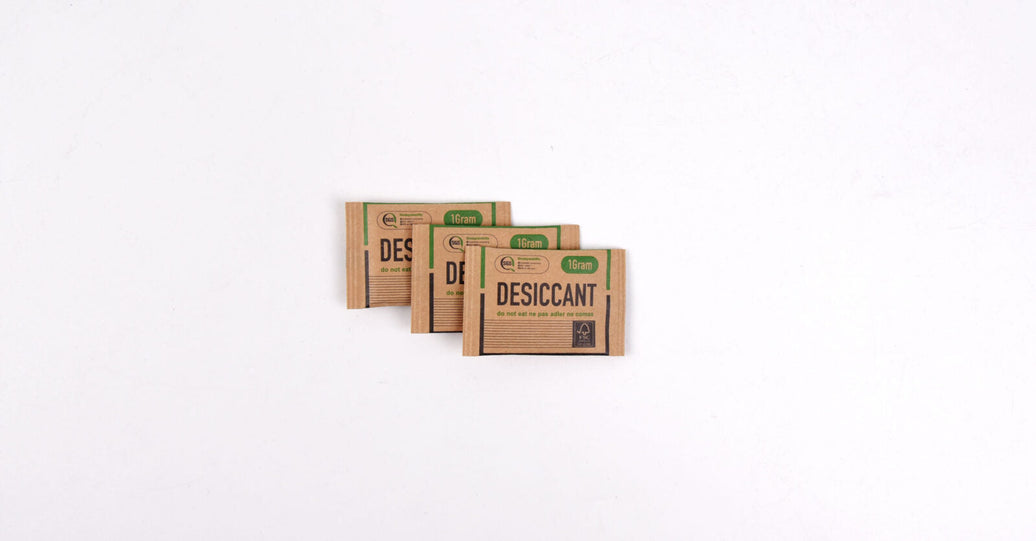
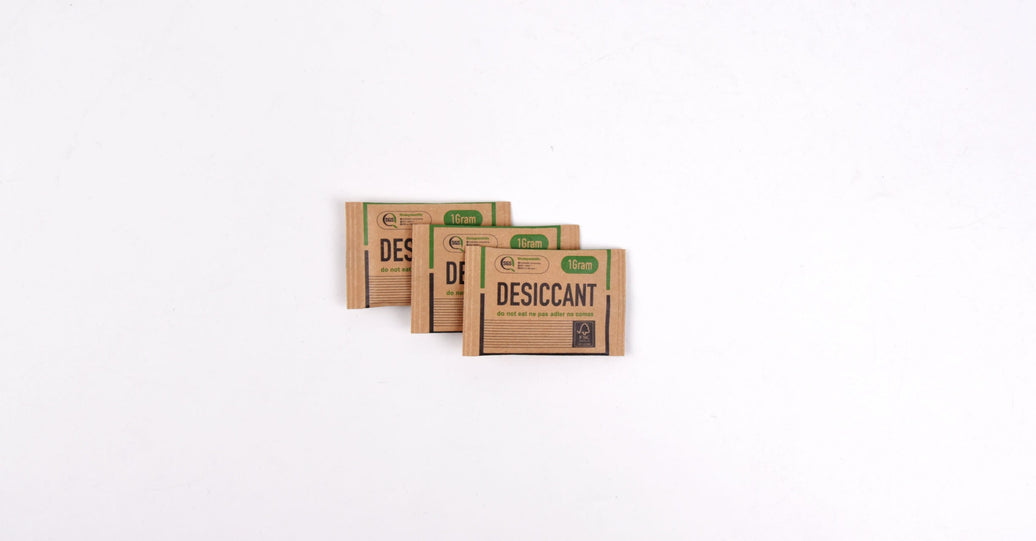
Quick answer: A desiccant sachet placed inside a consumer pack is reportable packaging under UK extended producer responsibility and under Canadian provincial EPR programmes. It is reported by weight in the material category of its wrapper, so a paper or fibre-based sachet sits in a lower-cost category than a plastic laminate one. The obligation sits with the brand owner placing the packaged product on the market, not with the desiccant supplier, which is why the supplier’s weight and material breakdown has to be requested rather than assumed.
Packaging EPR reporting is now a routine finance task rather than a sustainability project, and the data requests are getting granular. A component that used to be invisible on a bill of materials becomes a reportable line with a weight attached.
Who holds the obligation
In both the UK and Canada, the obligation attaches to the party that places packaged goods on the market in that jurisdiction — typically the brand owner, or the importer where the brand is foreign. The desiccant supplier is a component supplier, not an obligated producer, so it does not report on your behalf. What it owes you is data: the material composition and the weight per unit.
That single fact catches a lot of teams out. The desiccant arrives as a purchased component with a price, and the weight per sachet never enters the packaging data system.

How the category is decided
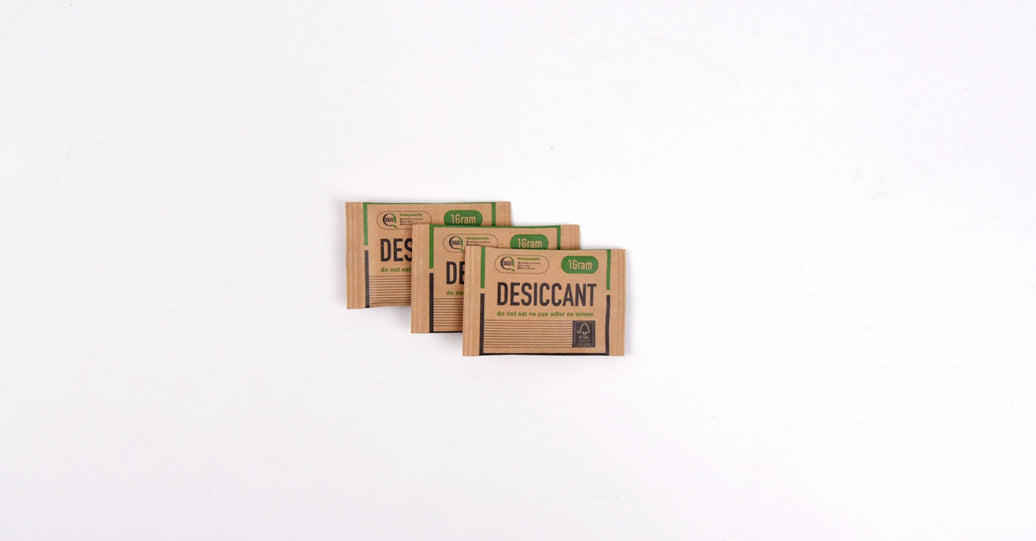
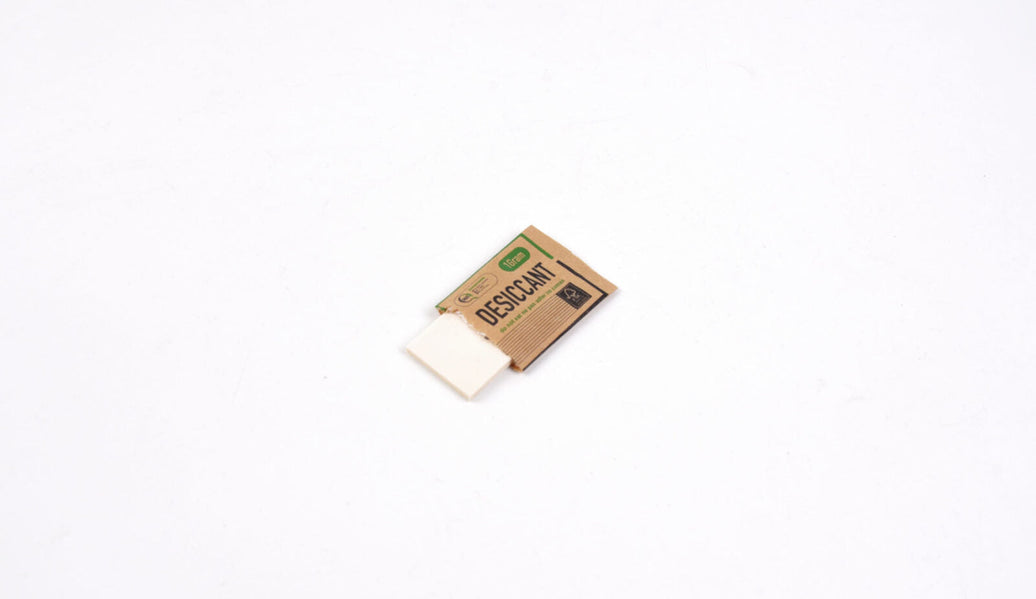
Both systems classify by material. The sachet is usually reported as the material of its outer wrapper, because that is what a sorting facility sees. In practice that means:
- Paper or fibre-based wrapper — reported in the paper and board category, generally the lowest fee band.
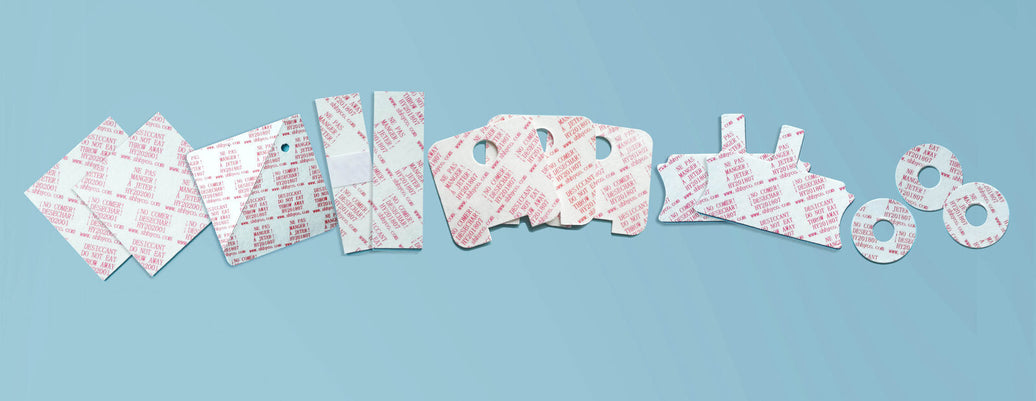
- Nonwoven or plastic film wrapper — reported as plastic, at a materially higher rate per tonne.
- Multi-material laminate — the most expensive outcome in most schemes, because it cannot be sorted into a single stream.
The gap between the cheapest and most expensive category is large enough that wrapper choice is a cost decision as well as a technical one. The wrapper options and their performance trade-offs are compared in the wrapper article.
Weight is the multiplier
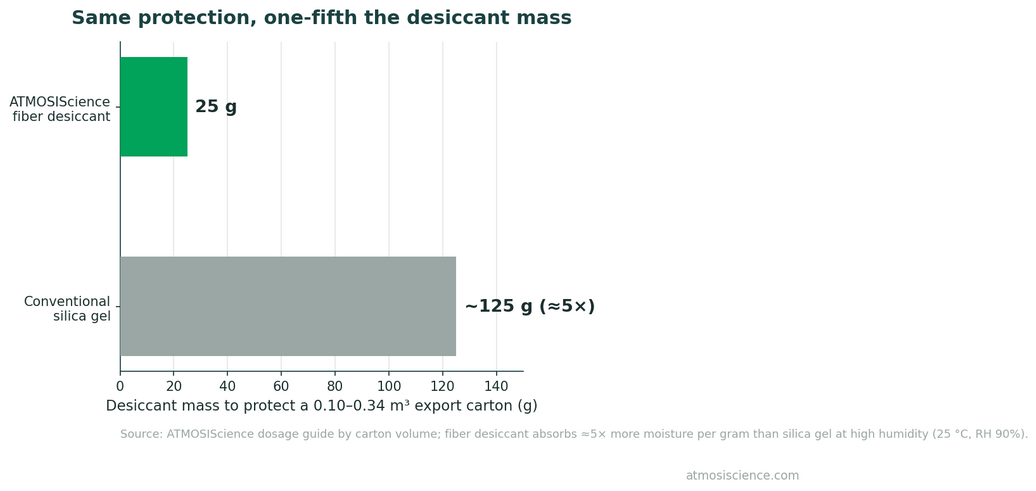
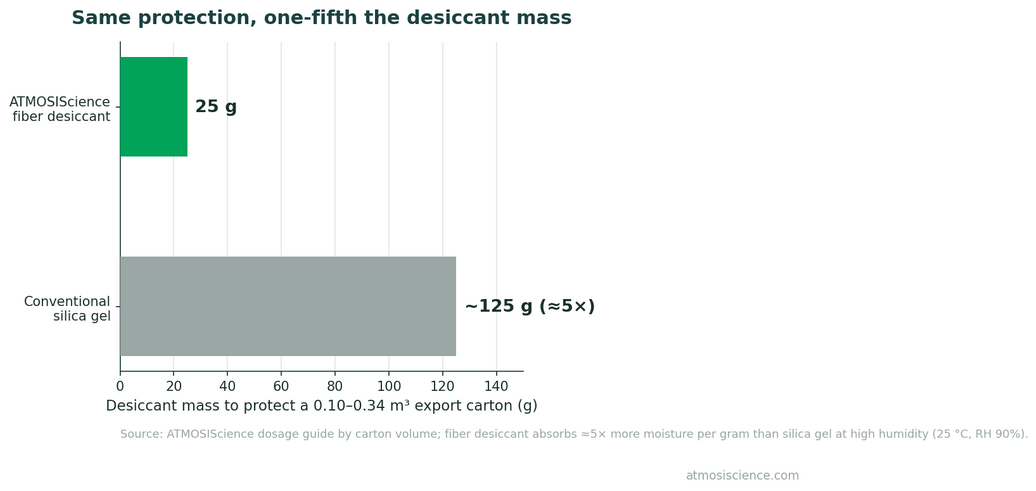
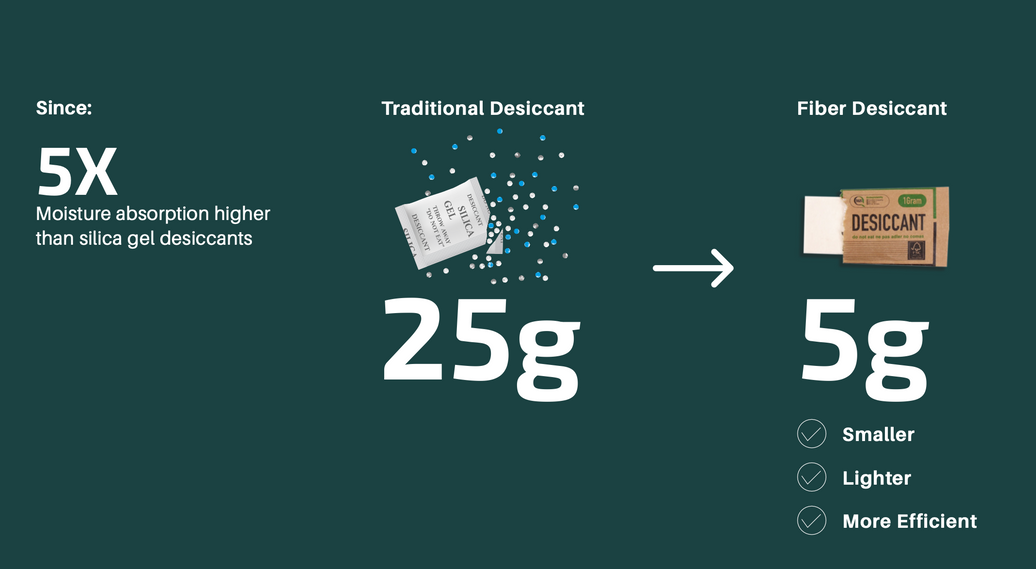
Fees are charged per tonne, so the second lever is mass. A desiccant that delivers the same protection at lower mass reduces the fee proportionally, and reduces freight at the same time. This is the same arithmetic that drives the total cost comparison in cost per gram of water adsorbed — mass reduction shows up in three cost lines at once.
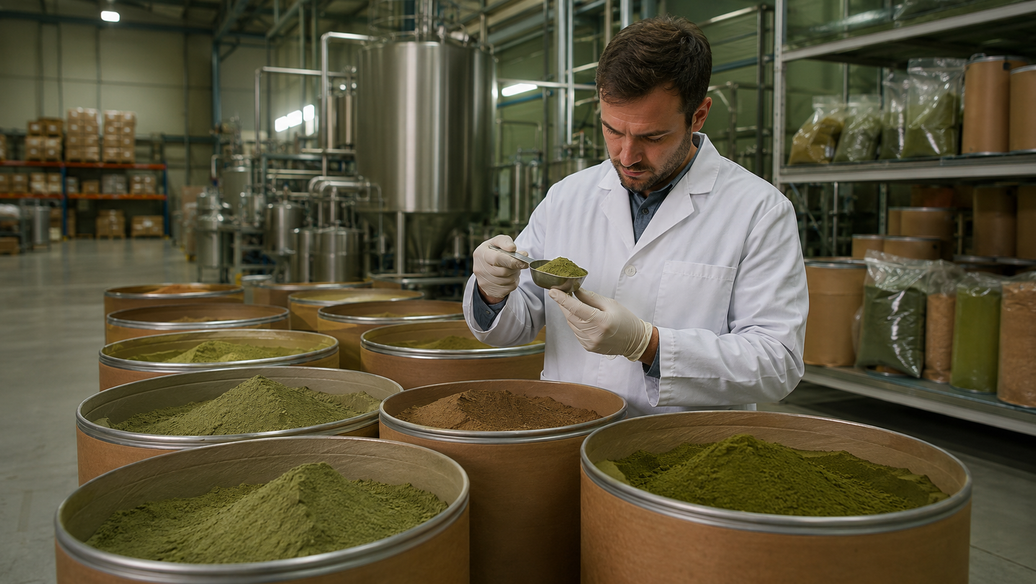
ATMOSIScience fiber desiccant is characterised by adsorption at defined relative humidity: more than 10% of its own weight at 20% RH, more than 35% at 50% RH and more than 70% at 90% RH at 25 °C, exceeding 100% at saturation. Capacity per gram is what determines how many grams end up in the EPR return.
UK specifics worth knowing
- Reporting is split by whether packaging is household or non-household. A supplement pouch sold to consumers is household; a 25 kg industrial sack is not. The desiccant inside inherits the classification of the pack it sits in.
- Data is reported by material and weight, with obligations differing for small and large producers by turnover and tonnage.
- Modulated fees reward recyclable material choices, which is where a fibre-based sachet is advantaged against a laminate one.
Canada specifics worth knowing
- EPR is provincial, not federal, so the same product can face several separate registrations and reporting cycles.
- Categories and rates differ between provinces, which means one bill of materials can produce several different classifications for the same sachet.
- Producer definitions vary, and for imported brands the obligation frequently lands on the first party in the province.
The practical consequence is that a single component weight and material statement has to be reusable across several returns. Ask for it once, in a format you can file.
What to request from the desiccant supplier
- Net weight per sachet, and the split between wrapper and desiccant element
- Material identification for each layer of the wrapper, including any coating
- Confirmation of whether the wrapper is mono-material or laminate
- Any recyclability or compostability certification, with scope and expiry — noting that certificates have limited scope
- Confirmation that the data will be reissued if the specification changes
How this connects to the EU picture
The EU Packaging and Packaging Waste Regulation applies from 12 August 2026 and adds obligations that go beyond fee reporting, including a Declaration of Conformity backed by technical documentation and an obligation on component suppliers to provide upstream information. Companies shipping into the UK, Canada and the EU end up assembling the same underlying data three times in three formats. The EU requirements are set out in the PPWR compliance hub, and the material-choice logic behind lower-fee formats in the sustainable desiccant guide.
Frequently asked questions
Is a desiccant sachet exempt because it is not sold to the consumer?
No. It enters the market inside the pack and is discarded by the consumer, which is the test most schemes apply.
Does compostability remove the obligation?
No. It may affect the category and the fee, but the weight is still reported.
Who reports if we sell through a distributor?
It depends on the scheme and on who first places the goods on the market in that jurisdiction. This is worth confirming in writing with the distributor rather than assuming.
How precise does the weight need to be?
Precise enough to withstand audit. A measured average across lots, documented, is the normal standard.
Get the weight and material breakdown for your return
Tell us the product code and the markets you report in, and the ATMOSIScience team will send a component data sheet in a format you can file.
Prefer email? info@atmosiscience.com