Quick answer: The EU Green Claims Directive is not law. The Commission signalled withdrawal of the proposal on 20 June 2025, the planned trilogue was cancelled on 23 June 2025, and through 2026 legislative trackers have described the file as blocked or pending with no adopted text and no application date. The instrument that does apply is Directive (EU) 2024/825, the Empowering Consumers Directive, with EU application from 27 September 2026. It bans generic environmental claims such as "eco-friendly", "green" and "climate neutral" unless they are substantiated and verifiable. Specific, measured, comparable claims remain allowed.
Two mistakes are circulating in packaging marketing at the moment, and they point in opposite directions. The first is briefing a copywriter against a Green Claims Directive that does not exist. The second is concluding, from the fact that it does not exist, that greenwashing rules were dropped. Neither is right.
What happened to the Green Claims Directive

The proposal would have introduced ex-ante substantiation and third-party verification for explicit environmental claims. Negotiations stalled, the Commission signalled withdrawal in June 2025, and commentary at the time noted that the outcome remained linked to whether micro-enterprises would be excluded. By 2026 the file sits unresolved. There is no transposition deadline to plan against, because there is nothing to transpose.
What actually applies: Directive (EU) 2024/825
The Empowering Consumers for the Green Transition Directive amends the Unfair Commercial Practices Directive and is enacted. Current implementation reporting puts EU application at 27 September 2026. Its effect on packaging copy is direct and, for most brands, more immediate than the withdrawn proposal would have been:
- Generic environmental claims are prohibited unless recognised excellent environmental performance can be demonstrated.
- Claims about future environmental performance need a plan with measurable targets and independent monitoring.
- Claims that a product has a neutral, reduced or positive environmental impact based on offsetting are restricted.
- Sustainability labels that are not based on a certification scheme or established by public authorities are restricted.
The words to retire, and what replaces them
The instinctive response when a specific claim gets difficult is to retreat to a vaguer one. Under EmpCo that is the wrong direction — vagueness is the thing being prohibited. The move is towards more precision, not less.
| Retire | Replace with |
|---|---|
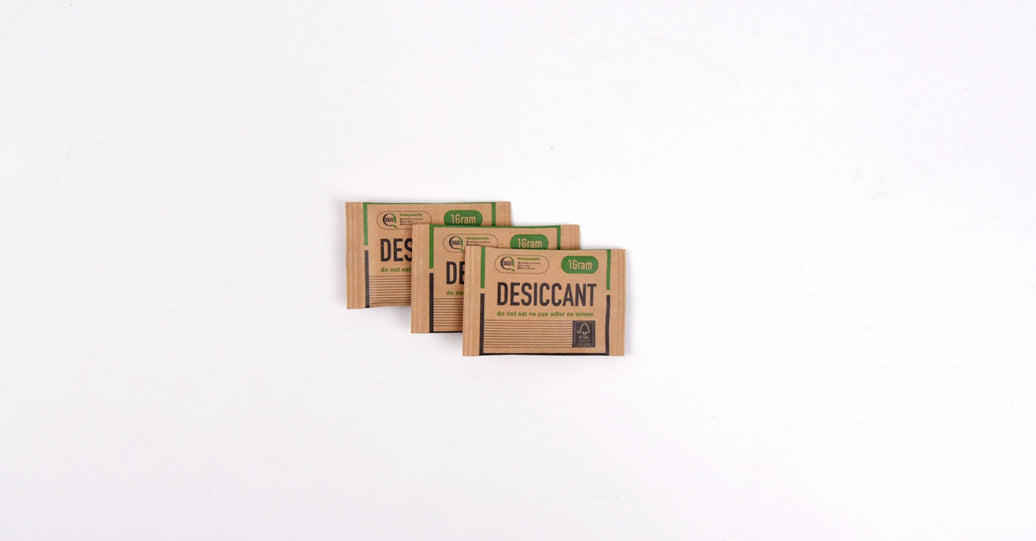
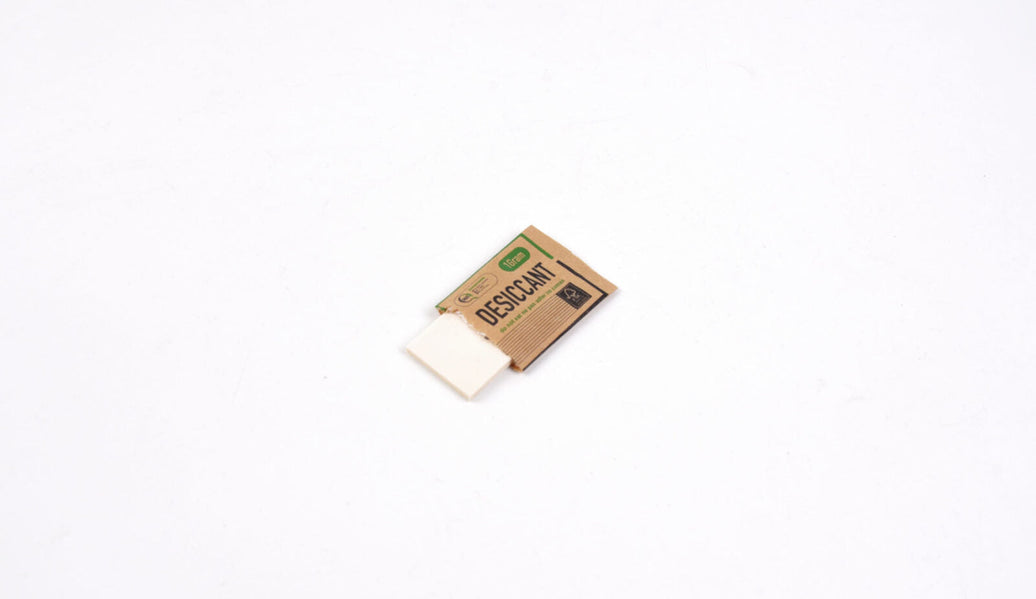
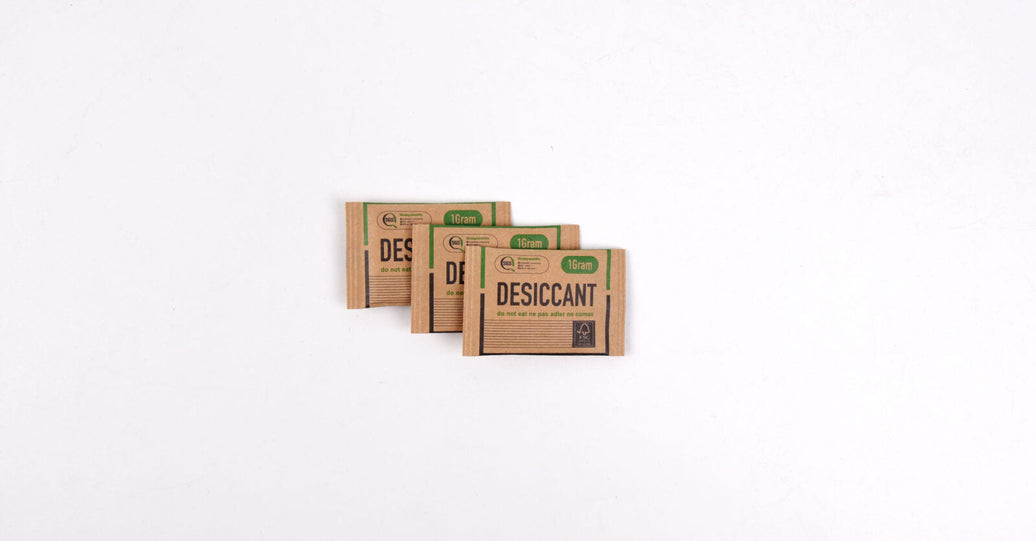
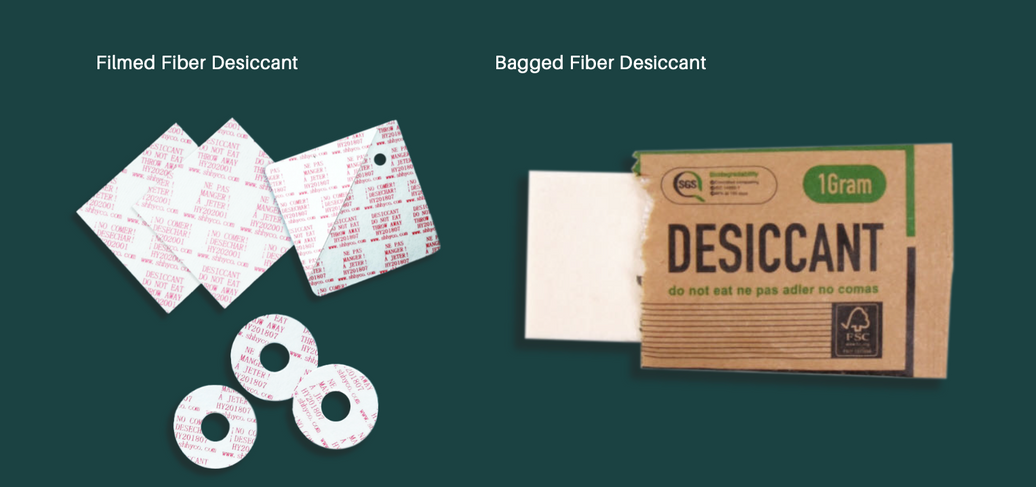
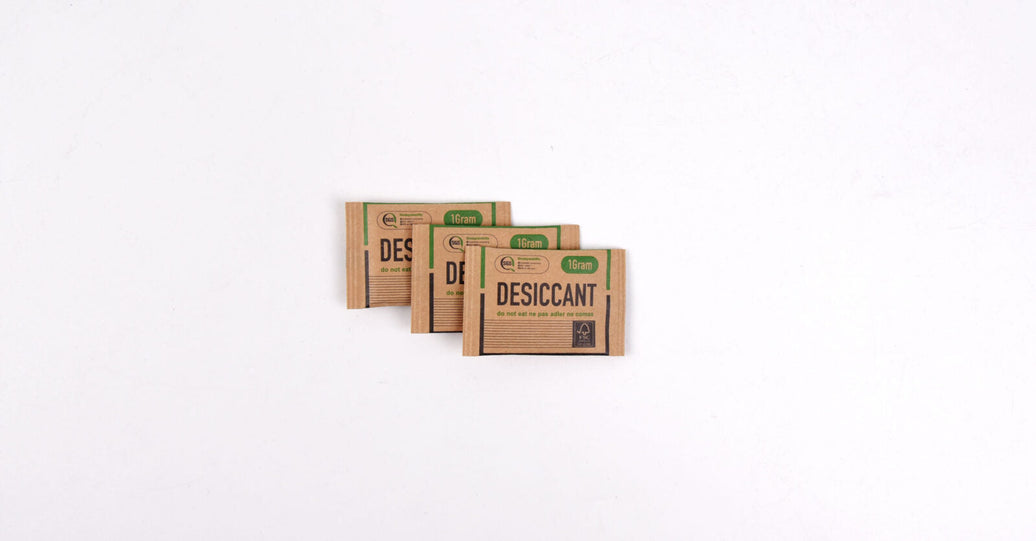
| "Eco-friendly desiccant" | A stated construction and a named test: what the substrate is, what the wrapper is, and which report covers it |
| "Fully recyclable" | "Designed for compatibility with [named stream]", with the assessment method stated |
| "Carbon neutral" | A measured footprint with the standard and functional unit named |
| "Plastic-free" | A component-by-component material statement, since polymer films and coatings count as plastic |
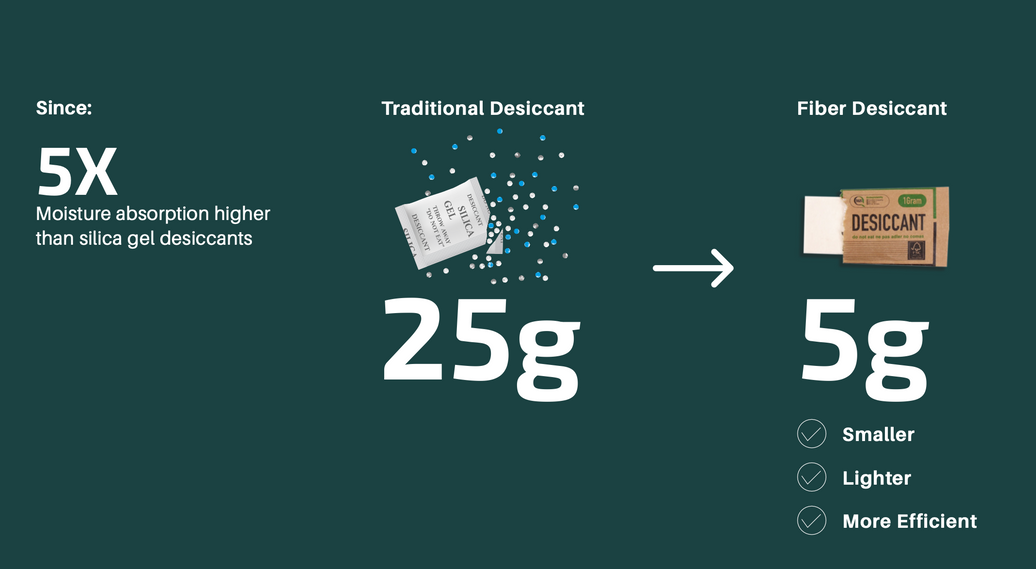
| "Sustainable packaging" | A quantified comparison with a stated baseline: what changed, by how much, against what |
The last row is the one that carries the most commercial value. "Reduced packaging mass by X% versus the specified previous format" is both compliant and persuasive, in a way that "sustainable" no longer is. Our sustainable desiccant guide sets out which of these claims a fibre-based desiccant can actually support and which need qualification.
Why this matters more for components than for finished goods
A desiccant sachet usually carries no consumer-facing copy of its own. The exposure travels upward: a brand repeats a supplier's claim on a pack that a consumer reads, and the brand carries the liability. Suppliers who hand over loose adjectives are handing over risk.
A controlled environmental-claims sheet — one page, per SKU, stating exactly which claims are supported and by which evidence — is becoming a standard request in supplier qualification alongside the technical file described in our PPWR documentation guide.

Frequently asked questions
Could the Green Claims Directive come back?
The file is unresolved rather than formally closed in every account, so it is worth monitoring. But planning a 2026 or 2027 compliance programme around it is planning around a text that does not exist.
Does EmpCo require third-party verification?
It does not impose the ex-ante verification regime the Green Claims proposal contemplated. It works through unfair-commercial-practices enforcement, which means the substantiation has to exist and hold up, but the gate is not a pre-approval step.
Are compostability certifications still usable in copy?
A claim tied to a named, current certification against a named standard is a specific claim, not a generic one. Two cautions: state what the certificate covers — wrapper, core or finished component — and check its validity date. An expired certificate supporting live copy is a straightforward problem.
What about US marketing?
Different regime, similar direction of travel. Substantiation expectations for environmental marketing claims have been tightening, and a claims sheet built for EmpCo generally travels well.
Where do the packaging rules sit alongside this?
Separately. PPWR governs the packaging; EmpCo governs what you say about it. Both are covered from the desiccant angle in our PPWR compliance hub.
Want a claims sheet you can hand to legal?
ATMOSIScience can supply a per-SKU statement of which environmental claims the material supports, what evidence sits behind each one, and where a claim needs qualifying.
Prefer email? info@atmosiscience.com