Quick answer: Under the EU packaging and packaging waste Regulation, all packaging placed on the market must be recyclable. Recyclability is expressed in performance grades A, B or C — set from design-for-recycling criteria from 2030, and from both design-for-recycling and recycled-at-scale criteria from 2035. Packaging below grade C is treated as technically non-recyclable and restricted from the market. The design-for-recycling condition applies from 1 January 2030 (or 24 months from entry into force of the relevant delegated acts). From 1 January 2038, packaging must be at least grade B.
Most packaging teams have absorbed the headline: the EU is going to require recyclable packaging. Fewer have worked through the mechanism, which is a graded system with two separate step-changes and two different technical bases.
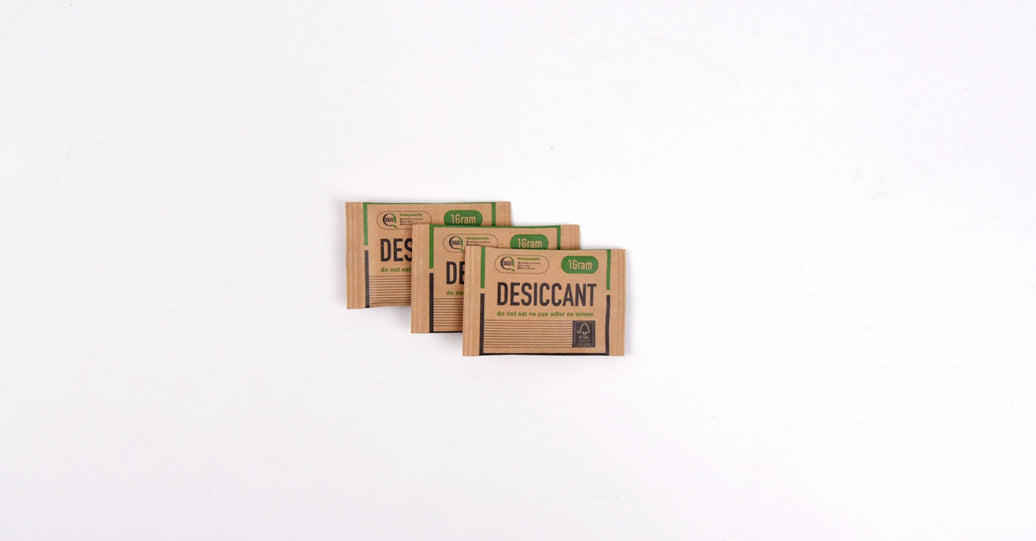
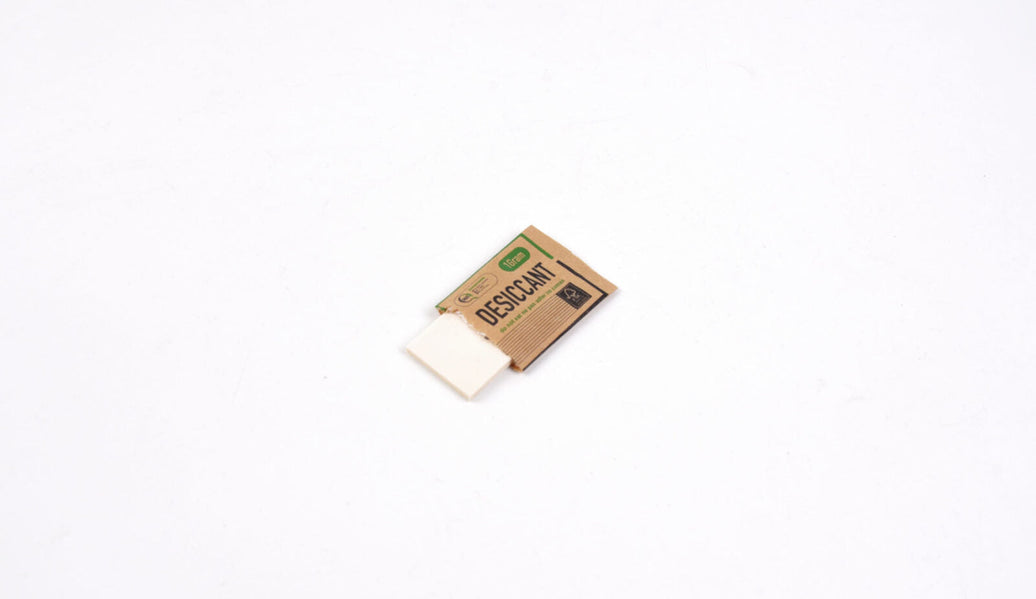
This article sets out what the Regulation actually says about grading, then addresses the question that brings desiccant buyers here: does a sachet inside the pack get graded too?
The two conditions in Article 6
Article 6(1) states plainly that all packaging placed on the market shall be recyclable. Article 6(2) then defines recyclable as meeting both of two conditions:
- It is designed for material recycling — producing secondary raw materials of sufficient quality, compared with the original material, that they can substitute primary raw materials.
- When it becomes waste it can be collected separately, sorted into specific waste streams without affecting the recyclability of other streams, and recycled at scale.
Those are genuinely different tests. The first is about how you designed the pack. The second is about whether the infrastructure in the destination market can actually process it. A pack can pass the first and fail the second.
Where the grades come from

The Regulation explains that recyclability should be expressed in performance grades:
- From 2030 — grades set on the basis of design-for-recycling criteria, for the packaging categories listed in Annex II, expressed as A, B or C.
- From 2035 — grades set on the basis of both design-for-recycling and recycled-at-scale criteria.
- Packaging of grades A, B or C is considered recyclable and may be placed on the market.
- Below grade C is considered technically non-recyclable, and placing it on the market is restricted.
- From 1 January 2038 — packaging must be at least grade B to be placed on the market.
The 2030 date is not arbitrary generosity; the Regulation states the delay exists to give economic operators sufficient time to adapt. That is a limited window, not an open one.
Two traps worth naming
Trap one: assuming a substrate test covers the pack. Laboratory recyclability assessments are performed on a defined sample. A test on a bare fibre sheet is evidence about that sheet. Add an overwrap, an adhesive and print and you have a different article, which is why credible test reports carry a note stating the result ceases to apply once the structure is changed or assembled with other components. See what a 100/100 recyclability score actually measures.
Trap two: assuming compostability substitutes for recyclability. It does not, except in the narrow situations set out in Article 9 — which is drafted explicitly as a derogation from Article 6(1), meaning it carves out named exceptions rather than opening a general alternative route. We cover the scope in PPWR Article 9.
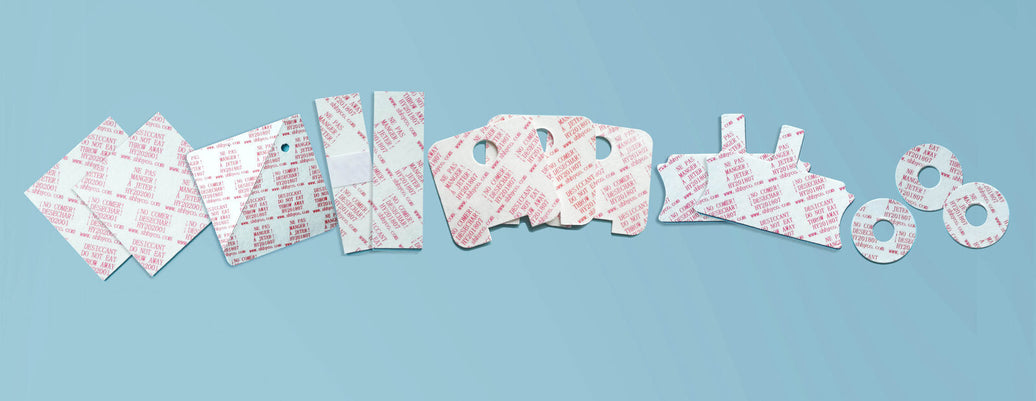
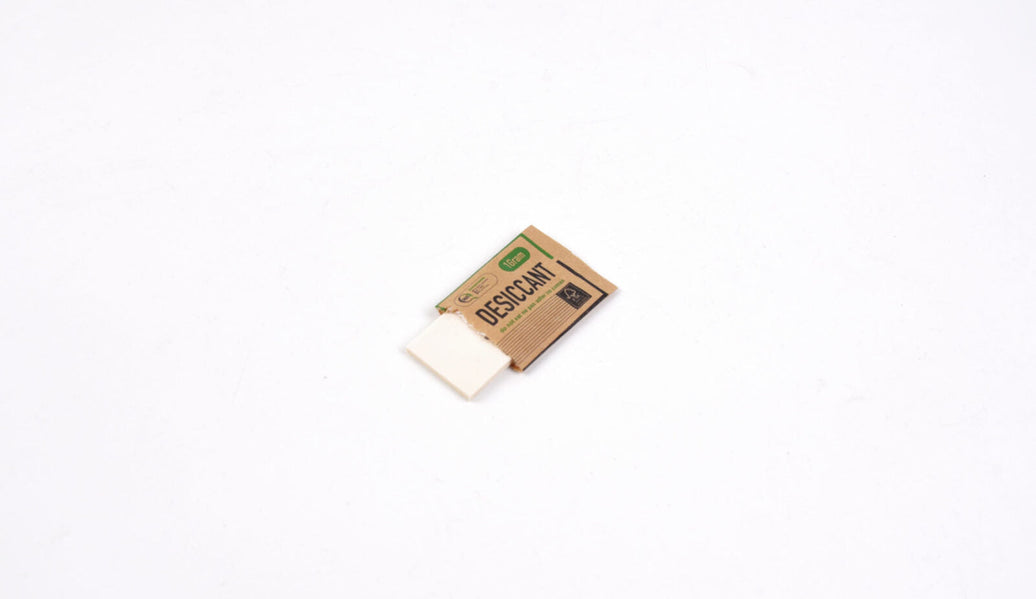
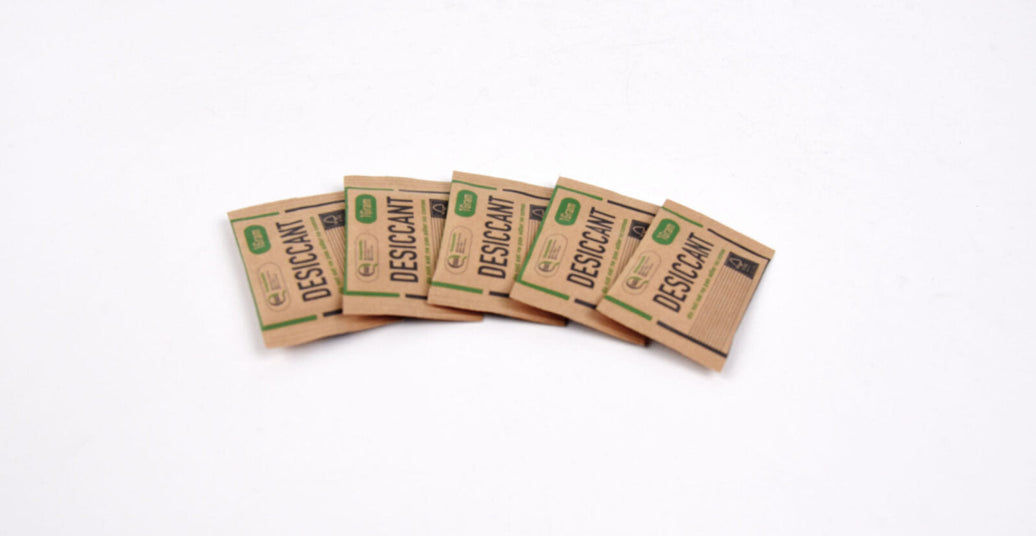
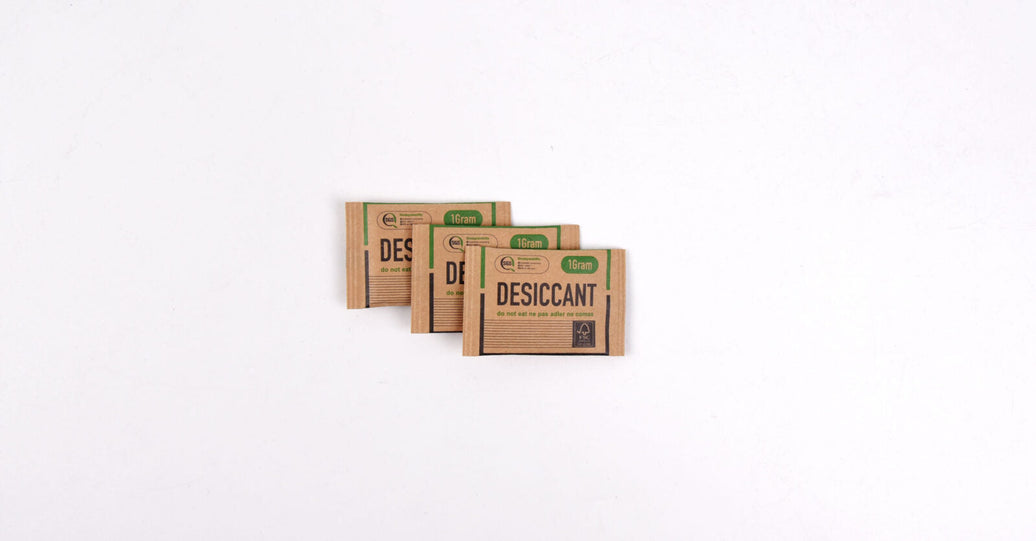
So does a desiccant sachet get graded?
Honest answer: whether a given desiccant component falls within the Regulation’s definition of packaging — and if so, how it is treated relative to the pack it sits inside — is a legal determination that depends on the component, the pack and the definitions in Article 3. That is a question for your regulatory counsel, not for a supplier’s blog.
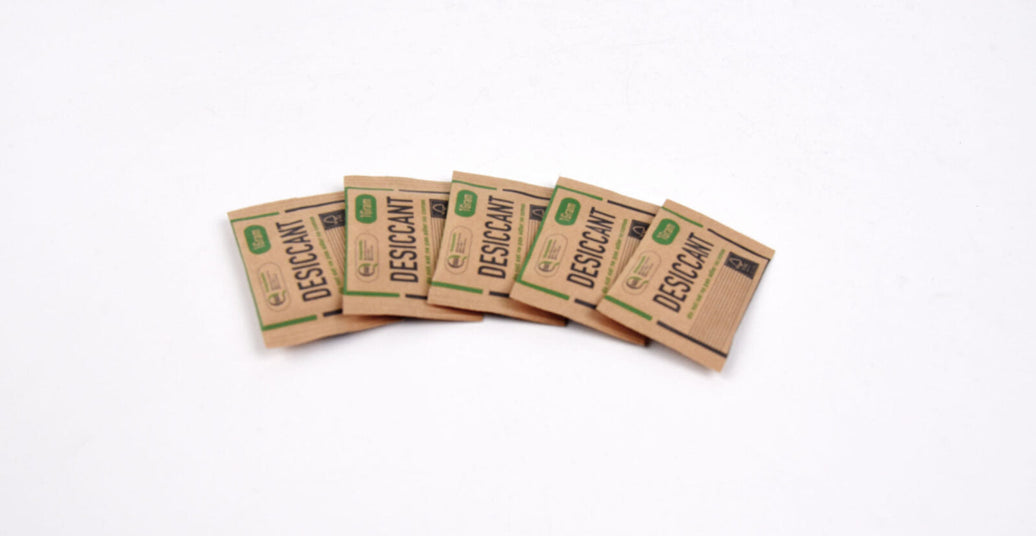
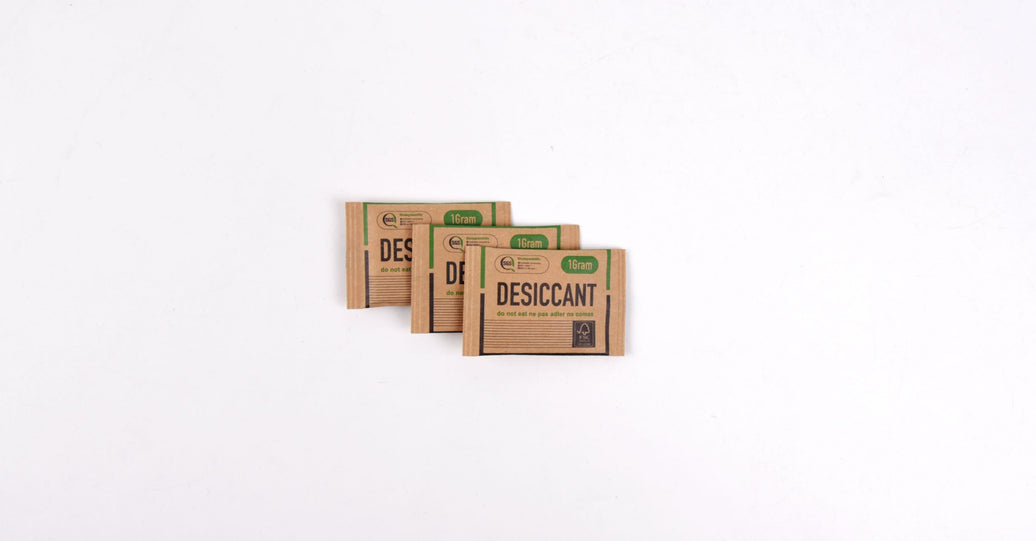
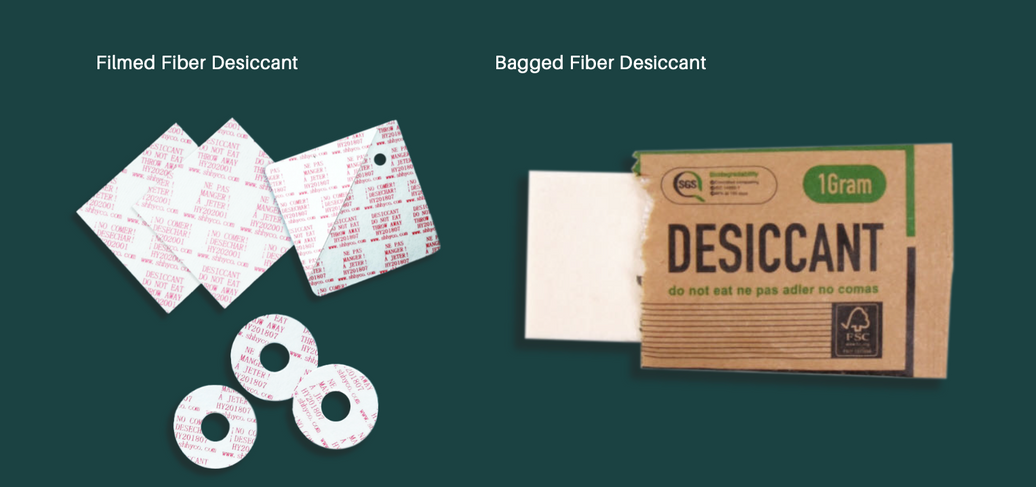
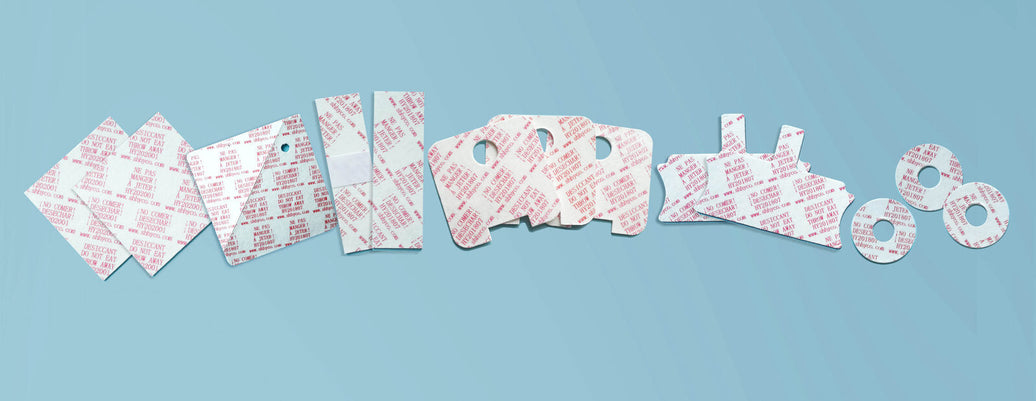
What is not in doubt is the practical position. If a sachet, card or liner is inside a pack that must be graded, procurement teams will ask suppliers to evidence how that component behaves in the relevant recycling stream. Waiting for perfect legal clarity before collecting that evidence is the expensive path.
What to do now
- Inventory the components inside your packs. Desiccants, oxygen absorbers, liners, labels, closures. Most brand owners cannot produce this list quickly.
- Ask each supplier what has been tested, on what article, under which protocol, and when.
- Separate substrate evidence from assembled-article evidence in your files. Do not let one stand in for the other.
- Check the destination market’s collection and sorting reality, not just your design intent. Condition two is about infrastructure.
- Diary the delegated and implementing acts. The criteria and methodology arrive through those instruments, and the 2030 trigger is tied to them.
For the wider compliance picture see the PPWR compliance hub and declarations of conformity.
Frequently asked questions
Is grade C good enough?
Until 1 January 2038, yes — grades A, B and C are all considered recyclable and may be placed on the market. From that date the floor rises to grade B. A pack designed to sit exactly at grade C is a pack with a rebuild scheduled.
What is the difference between the 2030 and 2035 bases?
From 2030 grading rests on design-for-recycling criteria. From 2035 recycled-at-scale criteria join it. A design that grades well on paper may grade differently once real-world recycling capacity is part of the assessment.
Does material recycling include composting?
No. The Regulation states that material recycling keeps resources circulating within the material economy and should not include the biological treatment of waste.
Where do I find which category my packaging falls into?
Annex II of the Regulation lists the packaging categories used for grading. Identify your category before benchmarking against anyone else’s claims.
Should we wait for the delegated acts before changing anything?
Waiting for final criteria is reasonable for detailed redesign. Waiting to inventory components and collect supplier evidence is not — that work is needed under any version of the criteria.
Get the component evidence your compliance file needs
Tell us which packs you are assessing and which markets they ship into. The ATMOSIScience team will send the test documentation for the relevant desiccant format, with its scope stated plainly.
Prefer email? info@atmosiscience.com