Quick answer: Electrolyte powder hardened into a lump because its salts, acids and sugars pull water out of the air. Each time the tub or pouch is opened, humid air gets in. The powder takes up a little water, the surfaces of the particles become sticky, and when they dry again they bond into a solid cake. If the powder looks, smells and dissolves normally and is within date, it is usually still usable once broken up, although each scoop may be less even. If it is wet, sticky, discoloured, smells off or shows mould, stop using it and contact the brand.
It is one of the most common complaints about hydration products. A pouch that poured like sand in June is a brick by August. You did nothing unusual. Electrolyte powders are among the most moisture-hungry products on the supplement shelf, and the reasons are chemical, not a sign of a bad batch.
Why electrolyte powders harden so easily
An electrolyte mix is mostly the kind of ingredients that love water: sodium, potassium and magnesium salts, citric or malic acid for flavour, and often dextrose, sucrose or maltodextrin.
Some salts are deliquescent. Above a certain humidity they take up so much water from the air that they start to dissolve in it. Reference measurements by the US National Bureau of Standards show how different that point is from salt to salt (saturated solutions at 25 °C):
| Salt | Humidity at which it holds water as a solution |
|---|---|
| Potassium chloride | about 84% RH |
| Sodium chloride (table salt) | about 75% RH |
| Magnesium chloride | about 33% RH |
Source: L. Greenspan, Humidity Fixed Points of Binary Saturated Aqueous Solutions, Journal of Research of the National Bureau of Standards, 1977.
A typical kitchen or bathroom is often above 33% RH and can reach 75% when the kettle or shower runs. Mixtures of salts, acids and sugars often begin to take up water at a lower humidity than any single ingredient on its own, which is why blends are more difficult than plain salt.
How a free-flowing powder turns into a brick
- Moisture gets in. Mostly through opening and closing, sometimes through a thin pouch wall over months.
- Particle surfaces get sticky. A thin film of water dissolves a little salt or sugar on each grain.
- Liquid bridges form. Neighbouring grains are held together by that sticky film.
- The bridges dry solid. When the air dries or the temperature changes, the dissolved material re-crystallises and locks the grains together.
Repeat that cycle over weeks and the result is a solid cake. The full science is in why powders cake.
Is hardened electrolyte powder still good?
| What you see | What it usually means |
|---|---|
| Hard but dry, normal colour and smell, breaks into powder | Physical caking. Usually usable within date once broken up, though doses may vary a little |
| Damp, sticky or syrupy patches | Water has been taken up in quantity. Stop and contact the brand |
| Brown, yellow or darker colour, or a changed smell | Ingredients may have reacted. Do not use |
| Fuzzy spots or visible growth | Do not use. Discard |
Caking does not create anything harmful on its own, but it can affect how evenly the ingredients are spread through the powder, so one scoop may carry a bit more or less than the label says. If the product matters to you for a medical reason, follow the advice of your doctor and the brand rather than this general guide.
How to break it up
- Use a clean, completely dry spoon to scrape and break the cake.
- For a pouch, close it fully and press or roll it with your hands.
- Do not heat it in an oven or microwave. Heat can affect flavour and some ingredients.
- Do not add rice or any loose material to the pouch.
How to stop it happening again
- Close it properly every time. A zip that is half sealed lets humid air in all day.
- Use a dry scoop. A scoop that touched a wet bottle or a damp hand brings water straight in.
- Do not store it in the fridge. A cold pouch opened in a warm room pulls moisture onto the powder as condensation. See condensation after cold storage.
- Keep it away from the kettle, sink and shower. A cupboard at stable room temperature is best.
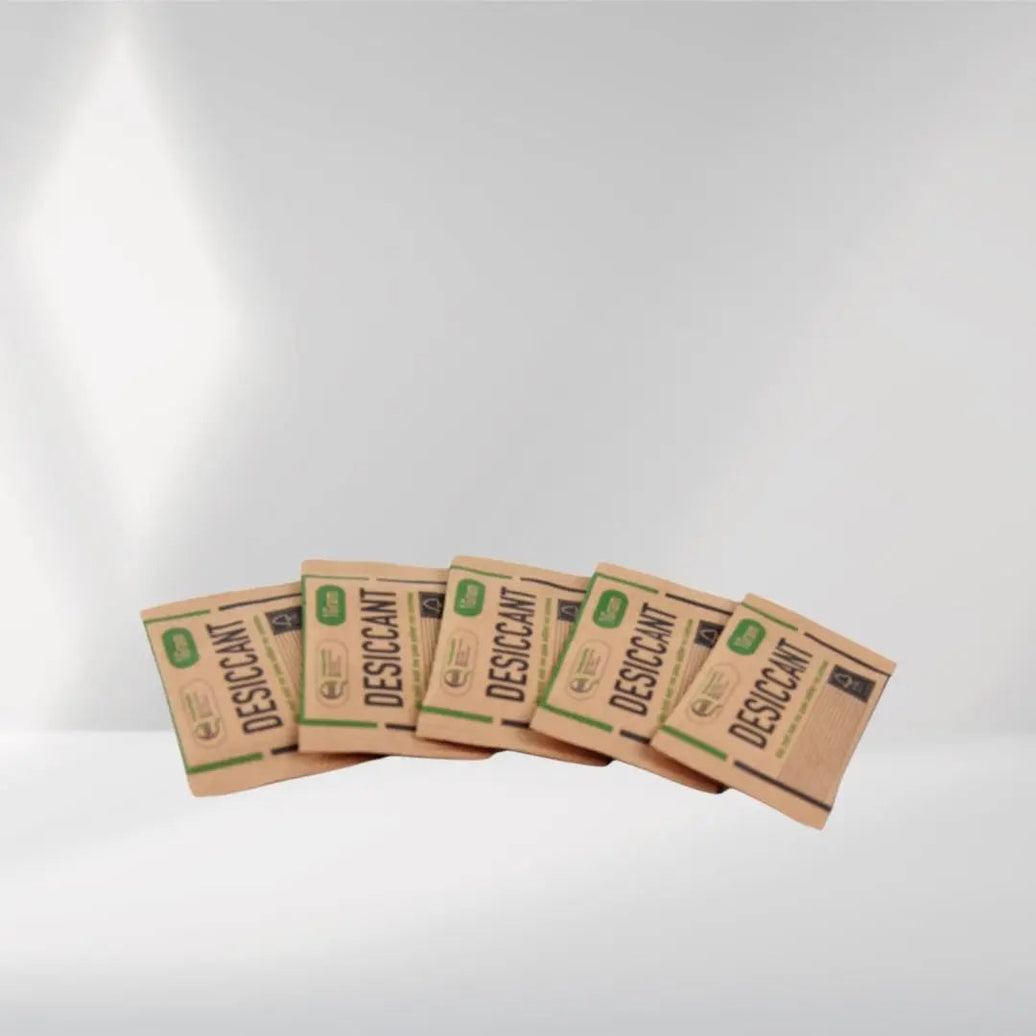
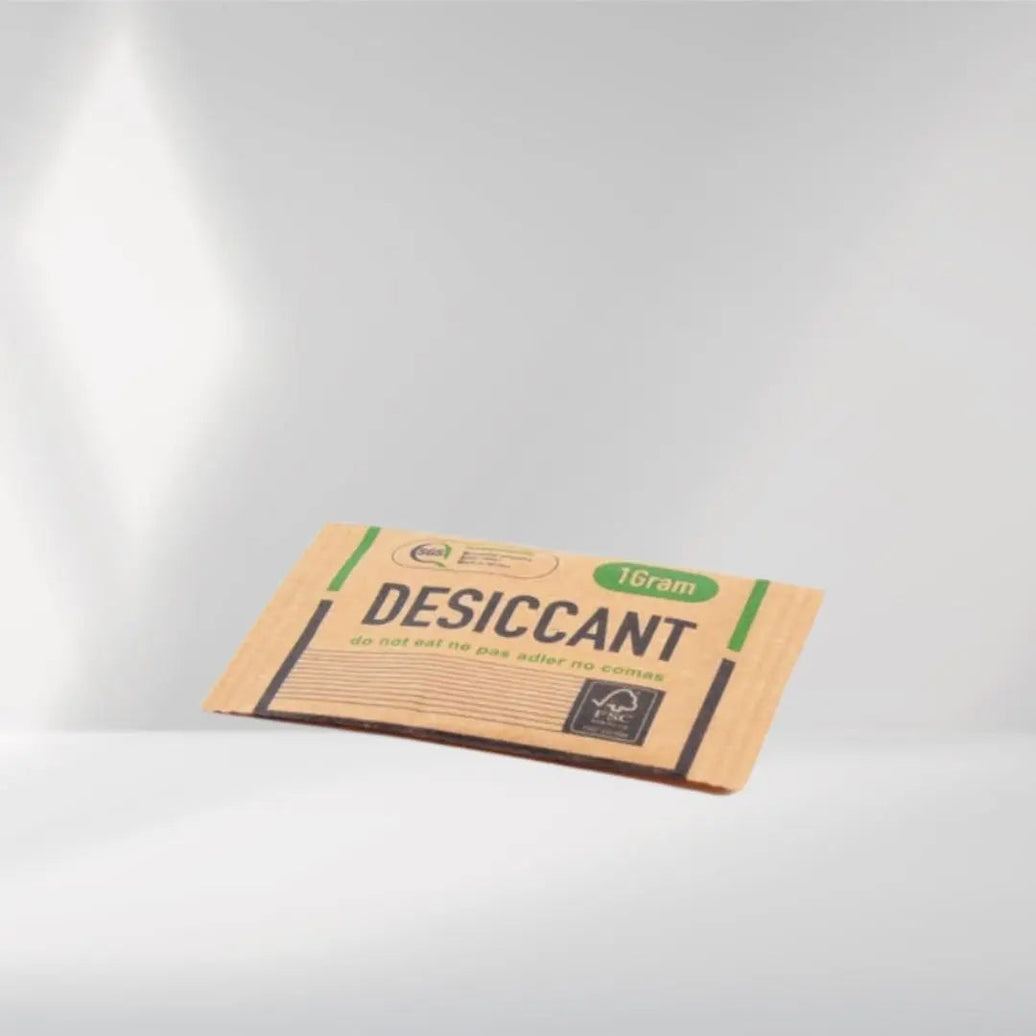
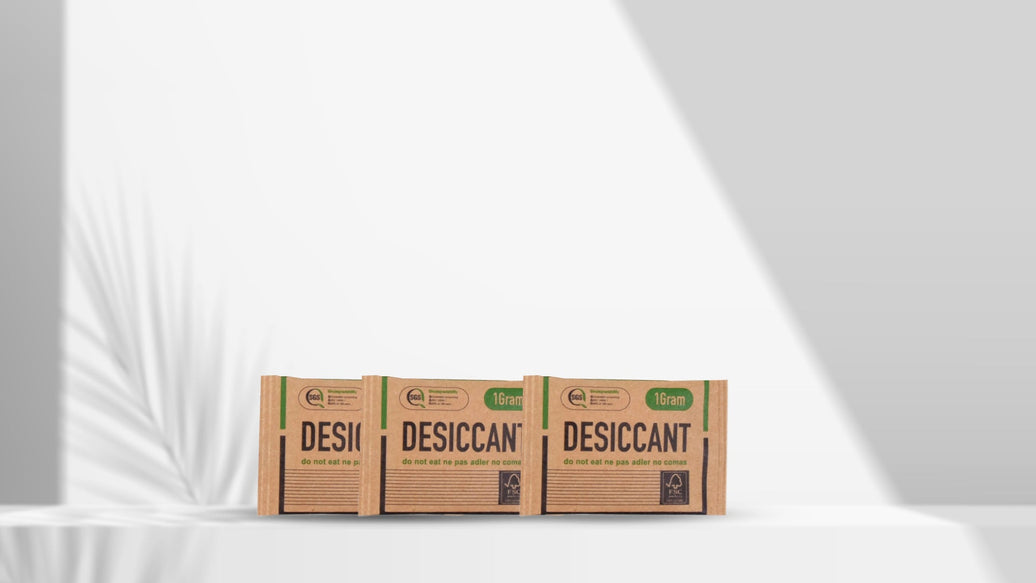
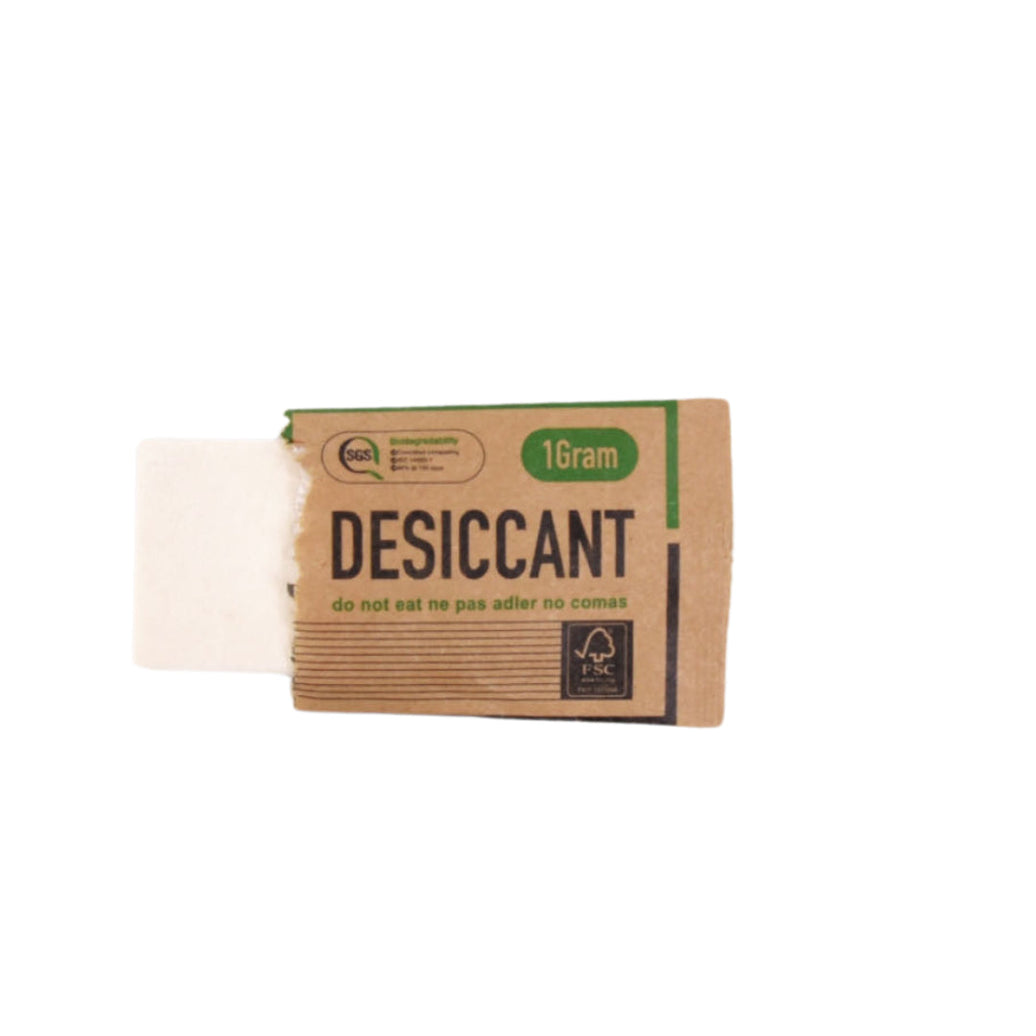
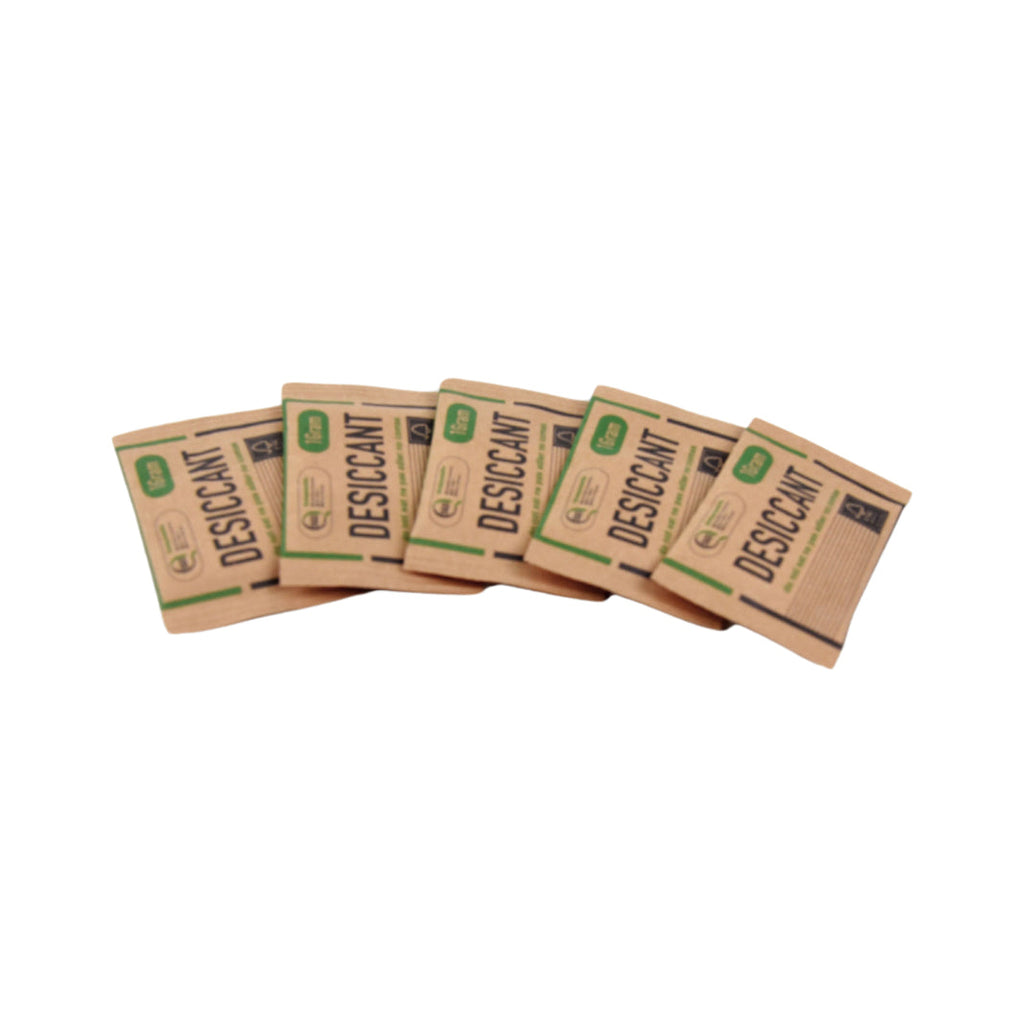
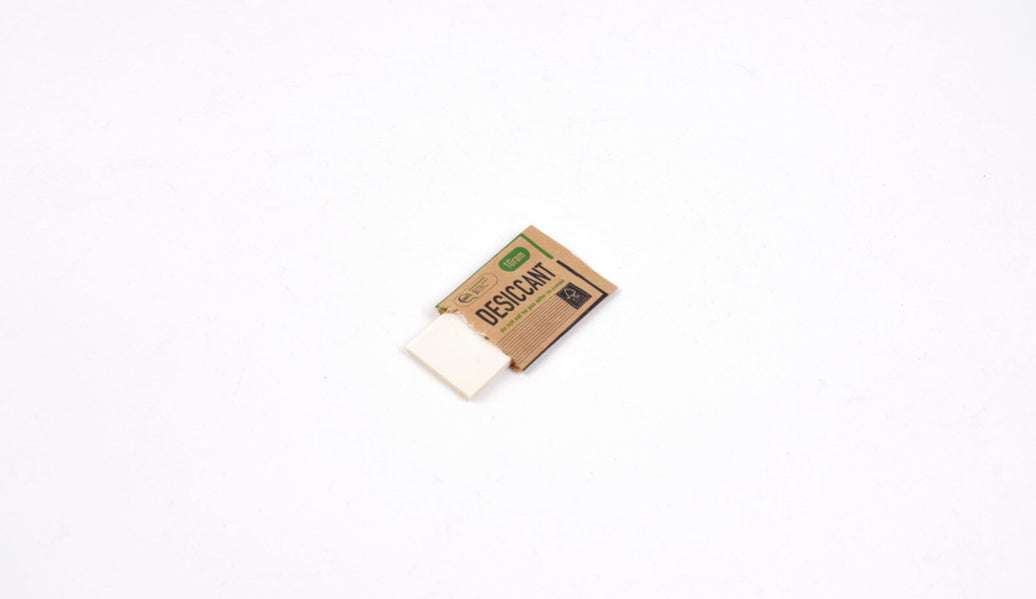
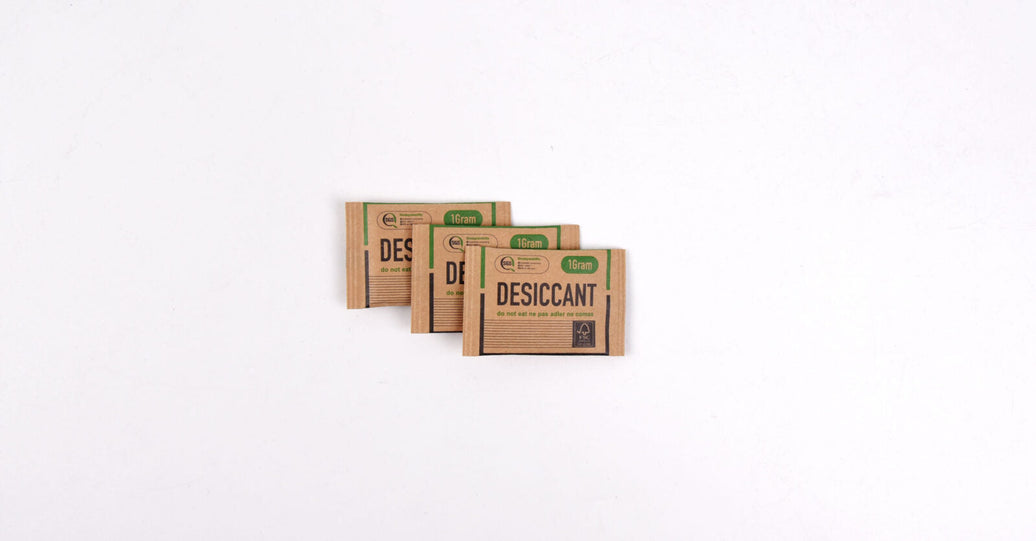
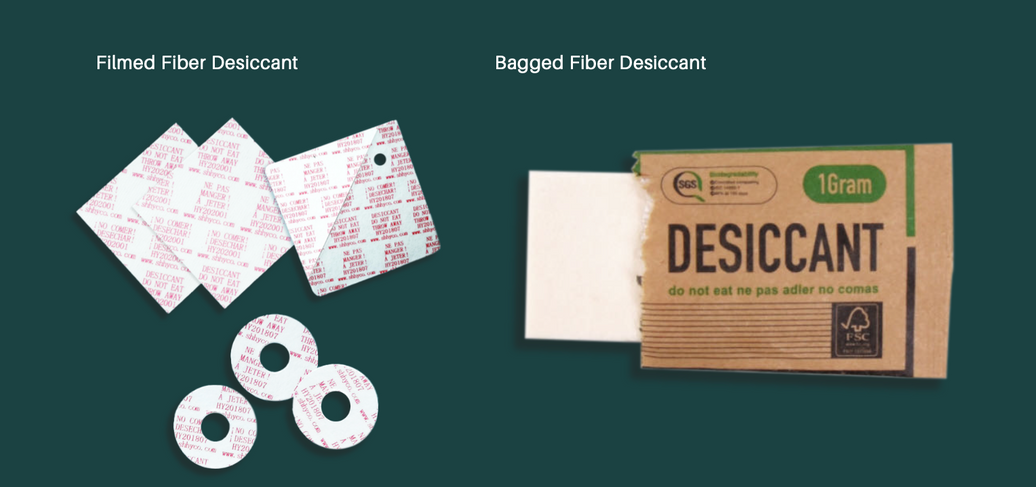
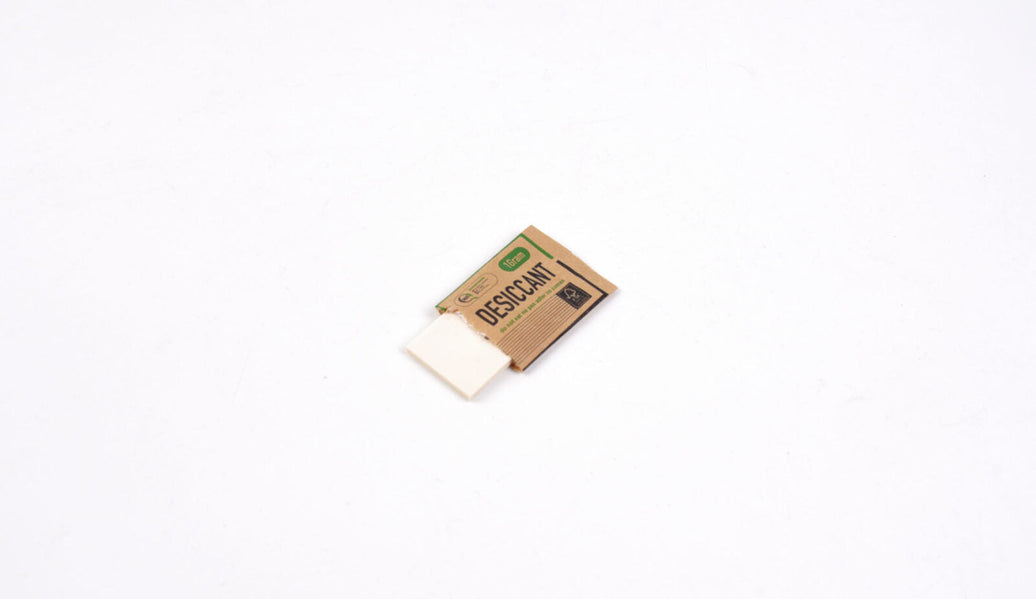
- Keep the desiccant in the pack. If the product came with a packet or card, leave it in until the pack is finished. Why that matters is explained in should you throw away the desiccant.
- Consider single-serve stick packs if you live somewhere humid. Each dose stays sealed until you use it.
If you are the brand: why your reviews mention bricks
Hardening complaints usually come from three design gaps:
- The pack is opened 20 to 30 times but the desiccant was sized only for shelf life. Each opening brings in a fresh load of water. The method for sizing against opening cycles is in desiccant for resealable packs opened 30 times.
- The formula has a low caking threshold. Magnesium salts, citric acid and dextrose together can start taking up water well below normal room humidity. Measuring that threshold is covered in how to read a moisture sorption isotherm.
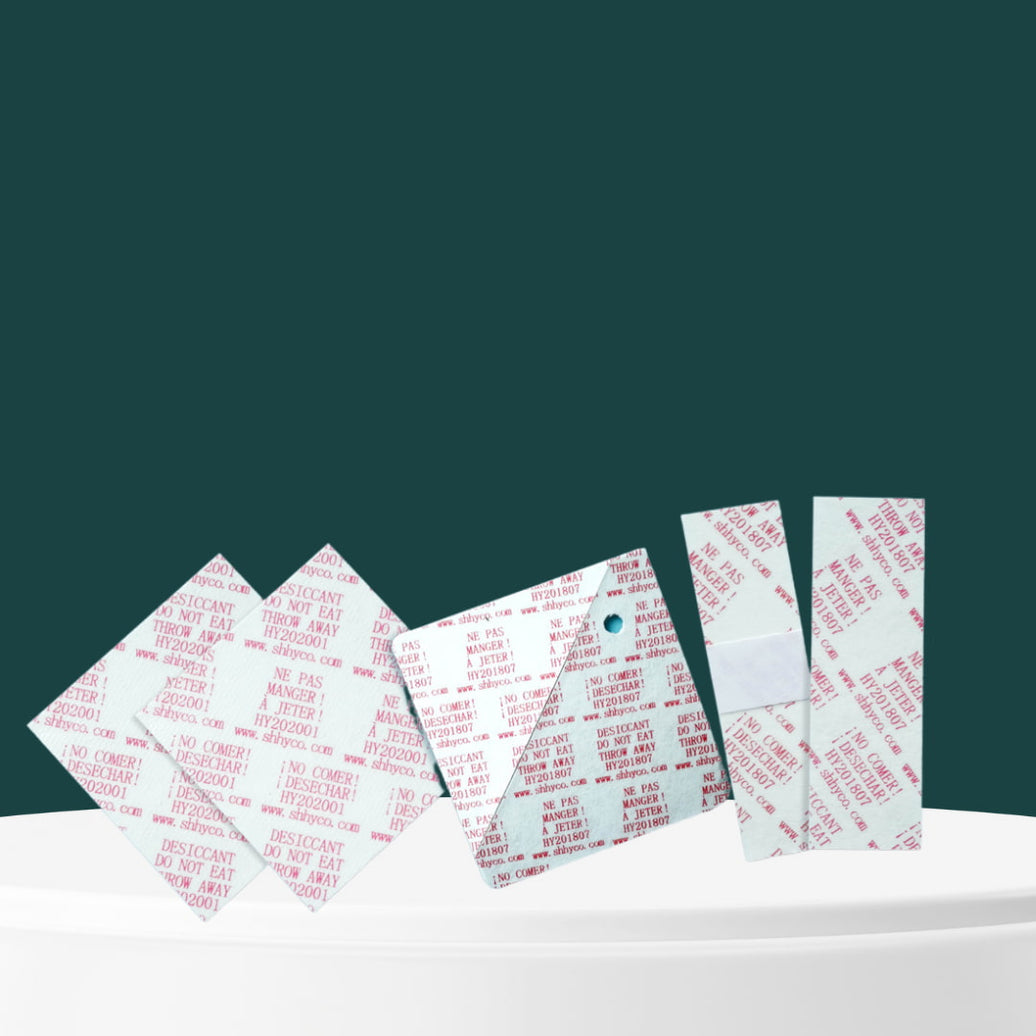
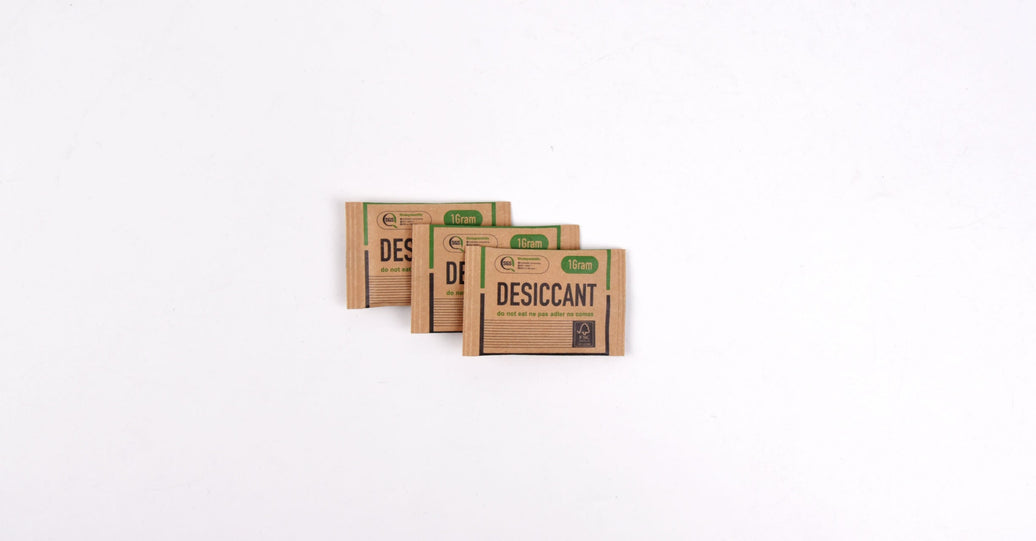
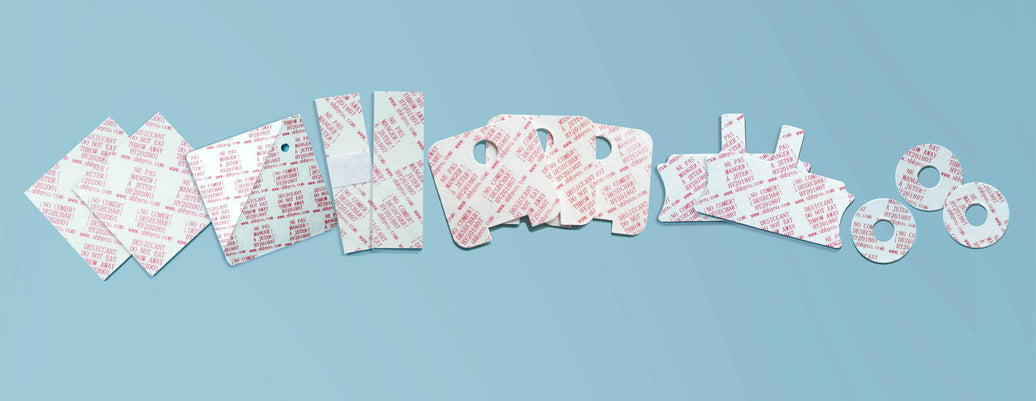
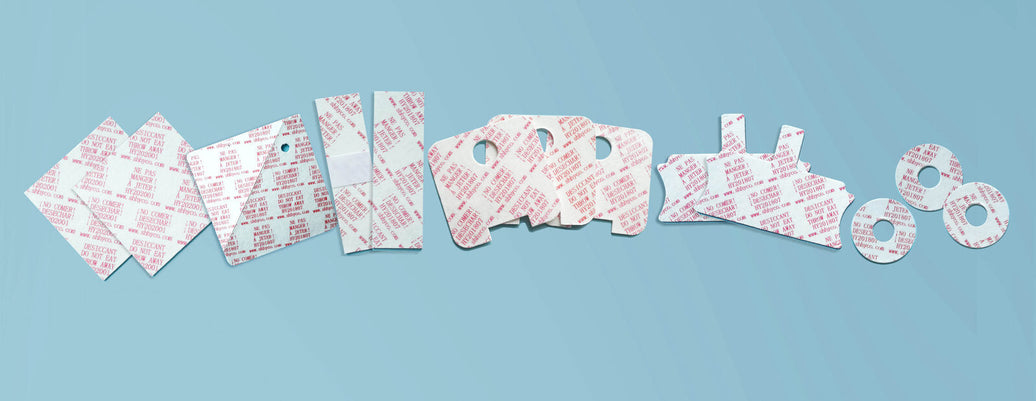
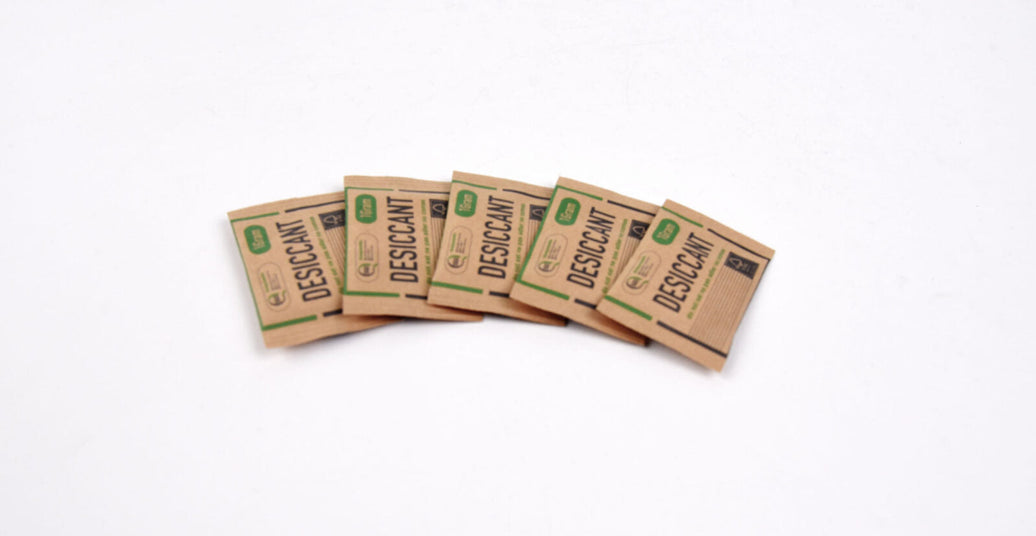
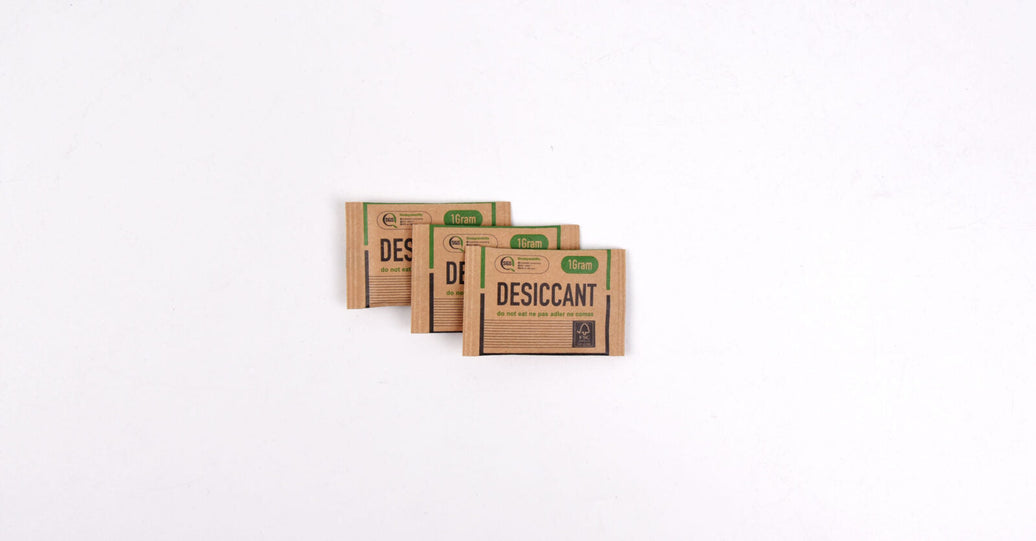
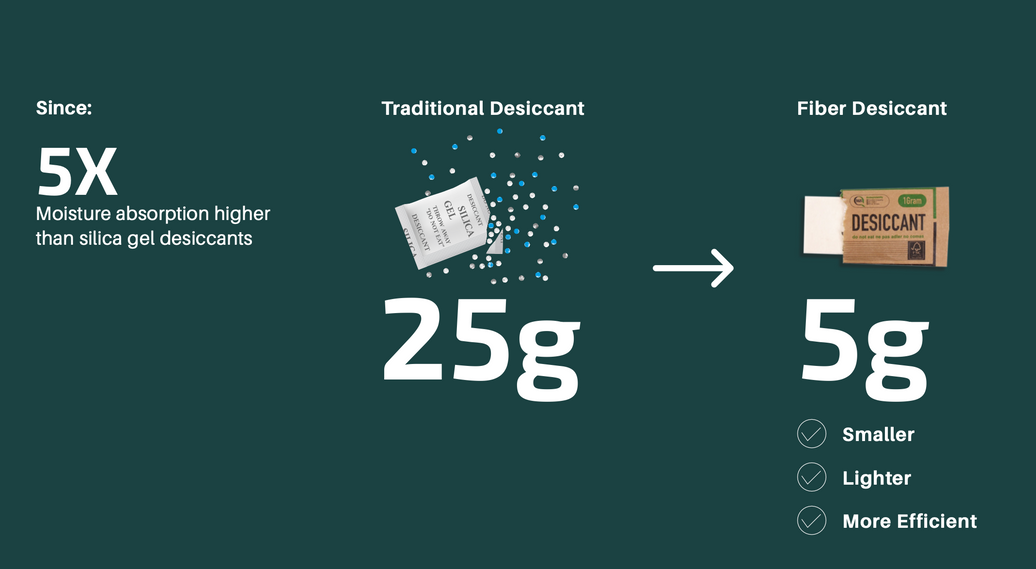
- The desiccant is a loose sachet customers throw away. A flat paper desiccant card fixed to the pouch wall or the tub lid tends to stay in place and can be printed with a one-line explanation.
The manufacturing view, including stick packs and deliquescent salts, is in desiccant for electrolyte and hydration powders. Card sizes and documents are in the Fiber Card spec guide.
Frequently asked questions
Why did my electrolyte powder turn into a rock inside a sealed bag?
Most pouches are not perfectly sealed after the first opening, and many thin or paper-based pouches let a small amount of water vapour through the wall over months. Temperature swings during shipping can also move moisture around inside the pack.
Does hardened electrolyte powder lose its effect?
Physical caking alone does not remove the salts. The bigger issue is uneven doses and, in poor cases, changes to flavour or vitamins. If it looks or smells different, stop using it.
Why do my electrolyte stick packs harden too?
Stick packs can harden if they were filled in a humid room, if a seal has a tiny leak, or if the film is a light barrier. That is a packing issue for the brand; see desiccant in stick packs.
Can I add my own silica gel packet?
Only a new, food-grade desiccant intended for food contact, and never one taken from another product. Keep it whole and away from children.
Is a hard lump a sign of a fake or low-quality product?
No. Even well-made electrolyte powders cake in humid conditions. It is a sign that moisture got in, not that the product is fake.
Hydration brand? Stop the brick before it reaches a review
ATMOSIScience sizes moisture control for packs opened daily and supplies Fiber Card paper desiccant that stays in place. Tell us the pack and the formula.
Prefer email? info@atmosiscience.com