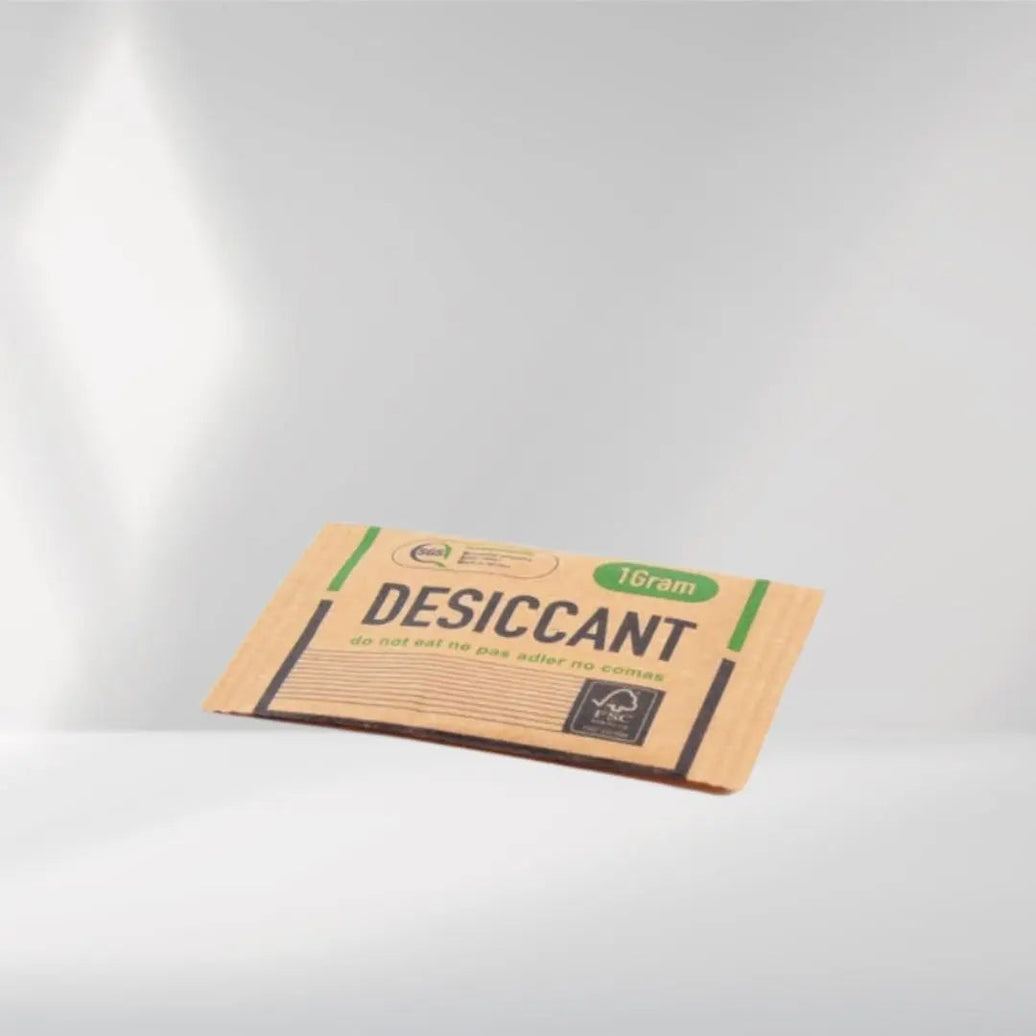
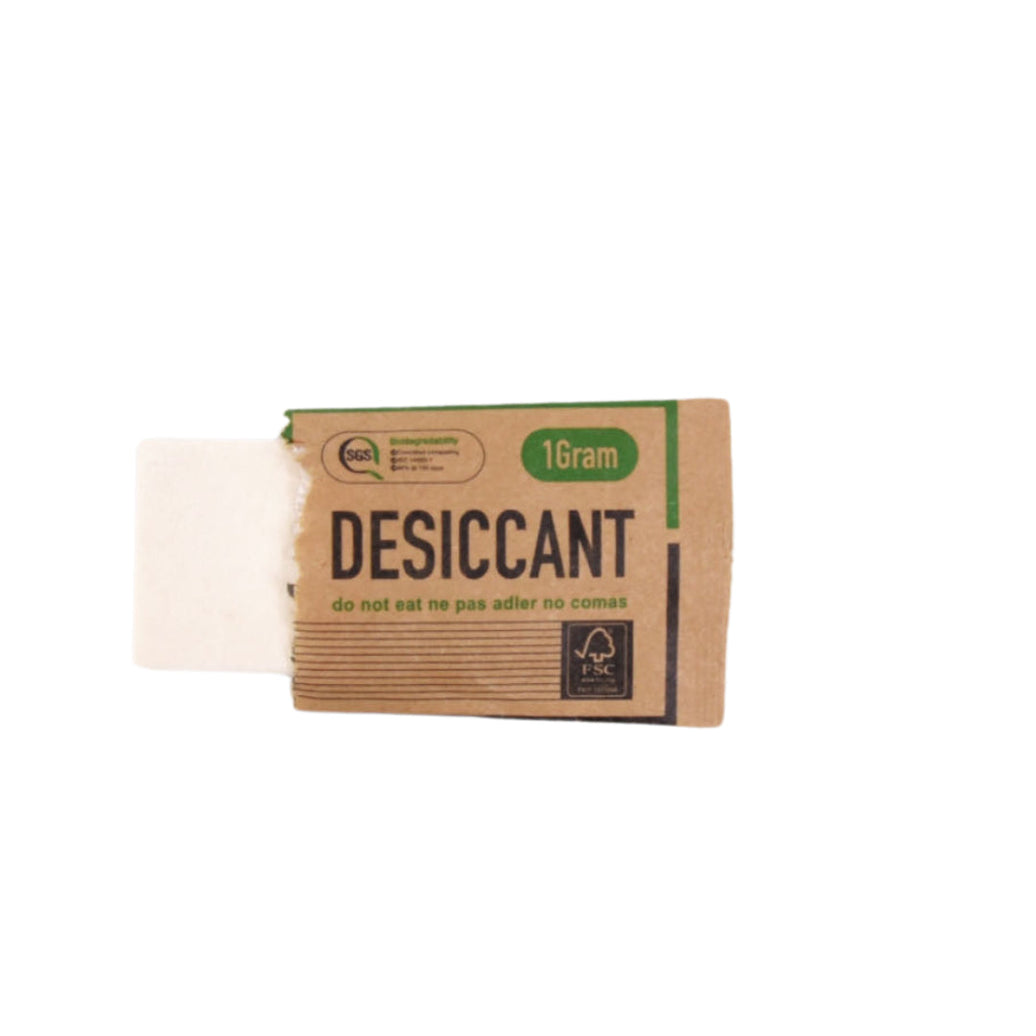
Quick answer: Choosing a desiccant for capsule supplements means protecting two things that pull in opposite directions: a moisture-sensitive fill and a shell that needs some water to stay strong. Hard gelatin shells hold about 13 to 16% water and are normally stored at 35 to 65% RH; dried much below that, they become brittle and crack. HPMC shells hold about 3 to 6% water and keep their strength even when dried below 1%. So a strong one-way desiccant suits HPMC capsules well, but in a gelatin capsule bottle it must be sized carefully, or replaced with two-way humidity control, and always checked with a brittleness test.
Capsule complaints tend to arrive in two forms. Customers find cracked or shattered capsules at the bottom of the bottle, or capsules stuck together in a lump. The first is usually too dry. The second is usually too wet. A desiccant can fix one and cause the other, which is why capsule packs need more thought than tablets or powders.
Two jobs, one bottle
Protect the fill. Many capsule fills are moisture-sensitive: probiotics, vitamin C, B vitamins, enzymes, herbal extracts and fine botanical powders. Moisture reduces potency, wakes up probiotics and makes powders cake inside the shell.
Protect the shell. A capsule shell is not inert. It holds water as part of its structure, exchanges water with the air in the bottle and with the fill inside it, and changes its mechanical properties as it does.
Gelatin and HPMC behave very differently
| Hard gelatin | HPMC (vegetarian) | |
|---|---|---|
| Typical shell water content | 13 to 16% | 3 to 6% |
| Typical storage guidance | 35 to 65% RH, 15 to 25 °C | Less sensitive to humidity |
| When too dry | Becomes brittle and can crack, especially below about 10% water | Keeps mechanical strength even below 1% water |
| Fit with a strong desiccant | Possible, but size carefully and test | Good fit |
Sources: Processing Magazine, The perfect climate for capsule storage; Tablets & Capsules, HPMC capsules and hygroscopic fills. Confirm exact ranges with your capsule supplier.
How a desiccant makes gelatin capsules brittle
Water always moves from wetter to drier. In a closed bottle, a desiccant keeps the air dry, so the gelatin shell gives up water to the air, and the desiccant takes it. A one-way desiccant does not stop when the shell reaches a safe moisture level. It keeps pulling until it is full or the system reaches equilibrium at a low humidity.
A hygroscopic fill makes this worse. Dry botanical extracts, some probiotics and many mineral salts take water out of the shell from the inside while the desiccant takes it from the outside. That is how a bottle that looked fine at release ends up with cracked capsules three months later, often noticed only after a cold, dry winter shipment.
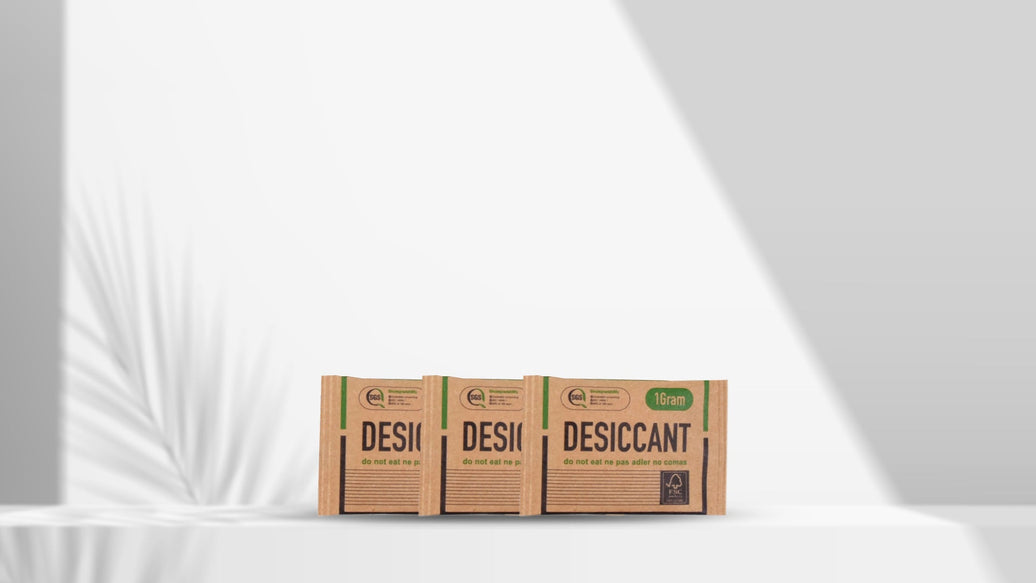
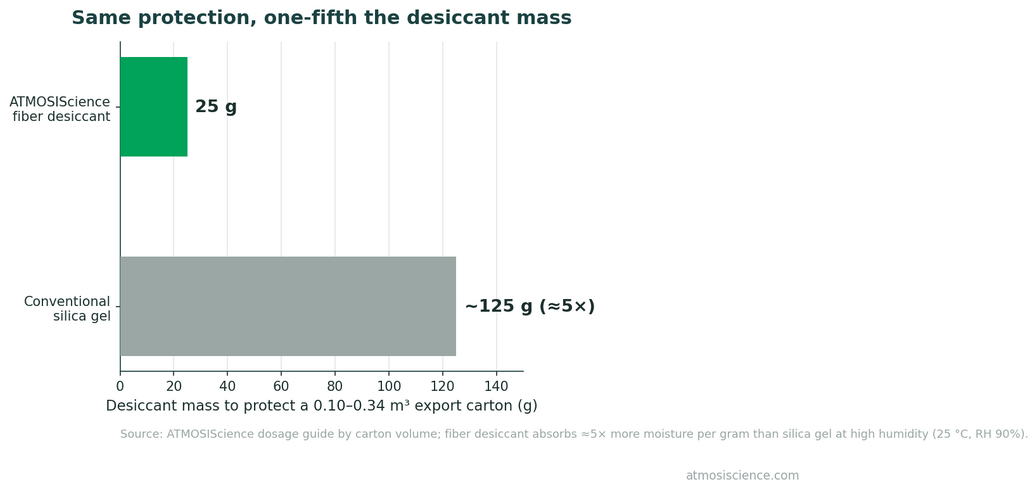
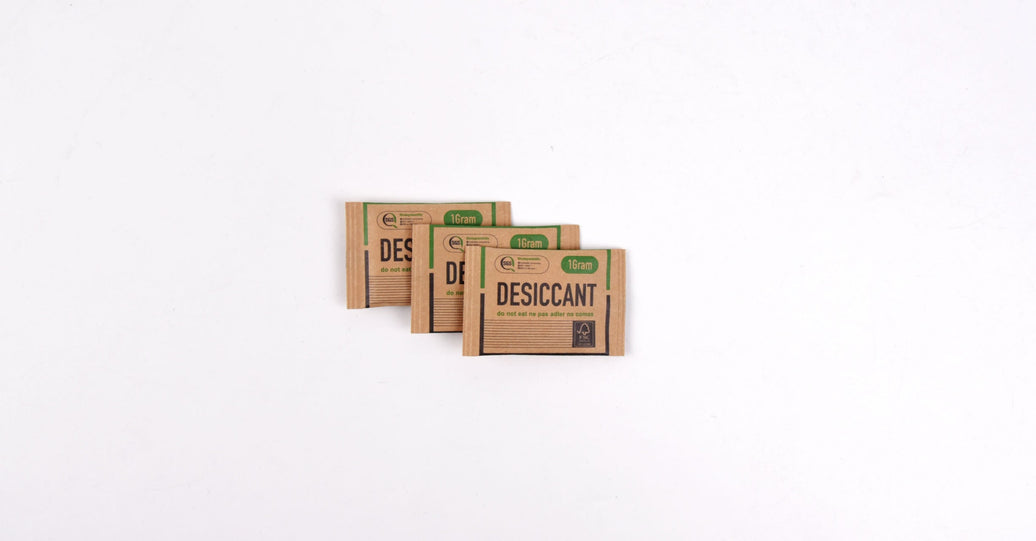
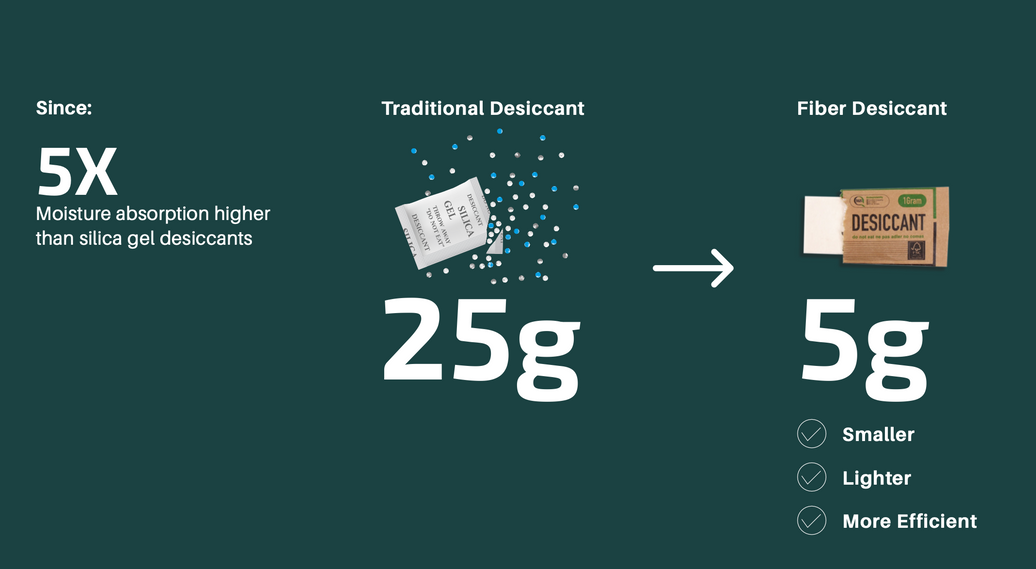
Our fiber desiccant still adsorbs more than 10% of its own weight at 20% RH (25 °C). That is useful protection for a sensitive fill. It also means it will keep drying a gelatin shell well below its comfortable range if too much is used. Size for the product, not for the biggest number.
Choosing a moisture strategy by capsule and fill
| Capsule + fill | Usual approach |
|---|---|
| Gelatin + stable fill | Good barrier bottle; little or no desiccant, or two-way control that holds the bottle in the shell’s comfortable band |
| Gelatin + moisture-sensitive fill | Consider moving to HPMC. If staying with gelatin, use a small, calculated desiccant dose and run brittleness checks |
| HPMC + moisture-sensitive fill | One-way desiccant sized for shelf life plus daily openings |
| HPMC + probiotics needing very low RH | High-capacity desiccant; for targets near 10% RH or lower, molecular sieve |
For the two-way option, read two-way humidity liner or one-way desiccant and why drier is not always better. For very low RH, see molecular sieve vs silica gel vs fiber desiccant and desiccant for probiotic powders.
Sizing a desiccant for a capsule bottle
The inputs are the same as for any bottle, with one addition:
- Bottle volume, wall material and closure (induction seal or not)
- Capsule count and how often the customer opens it
- Target shelf life and the climate the product is sold in
- The fill’s moisture sensitivity, ideally as a sorption curve
- The lowest humidity the shell can tolerate, from your capsule supplier
The last input sets an upper limit on desiccant mass for gelatin. The others set the lower limit. If the two limits cross, change the capsule, the bottle or the moisture strategy rather than forcing a desiccant dose. Bottle-specific sizing is in desiccant for HDPE bottles with induction seals, and the general method is in how much desiccant per package.
How to validate it
- Store filled, closed bottles at your intended conditions and at an accelerated condition, for example 25 °C/60% RH and 40 °C/75% RH. See accelerated stability testing with desiccant.
- Measure shell and fill moisture at each pull point, by loss on drying or Karl Fischer. See how to measure moisture.
- Check brittleness. Inspect for cracks and run a simple, consistent mechanical check such as a controlled drop or press test on a fixed number of capsules.
- Include a cold, dry leg. Winter shipping and dry warehouses are when brittleness appears.
- Simulate use. Open and close the bottle on a schedule that matches the label dose.
Reading your complaint data
Customer complaints often tell you which direction the moisture problem runs before any lab test does.
| Complaint | Likely direction | First thing to check |
|---|---|---|
| Cracked or shattered capsules, powder loose in the bottle | Too dry | Desiccant dose, shell type, winter shipping |
| Capsules stuck together or dented | Too wet | Seal integrity, filling room humidity, desiccant saturation |
| Fill hard or caked inside the capsule | Too wet, often during manufacture | Blend moisture at encapsulation |
| Potency drift with no visible change | Moisture reaching a sensitive fill | Headspace RH over shelf life, desiccant capacity |
Log complaints by lot and by month. A cluster of cracking complaints in winter and sticking complaints in summer points to a pack that is sized for neither season.
Questions to ask your capsule supplier
- What is the shell’s normal water content range, and the lowest it can safely reach?
- What storage humidity and temperature do you recommend for filled capsules in sealed bottles?
- Have you tested this shell with a desiccant in the bottle, and at what dose?
- How does our fill change the shell’s moisture over time?
Where a paper desiccant card fits
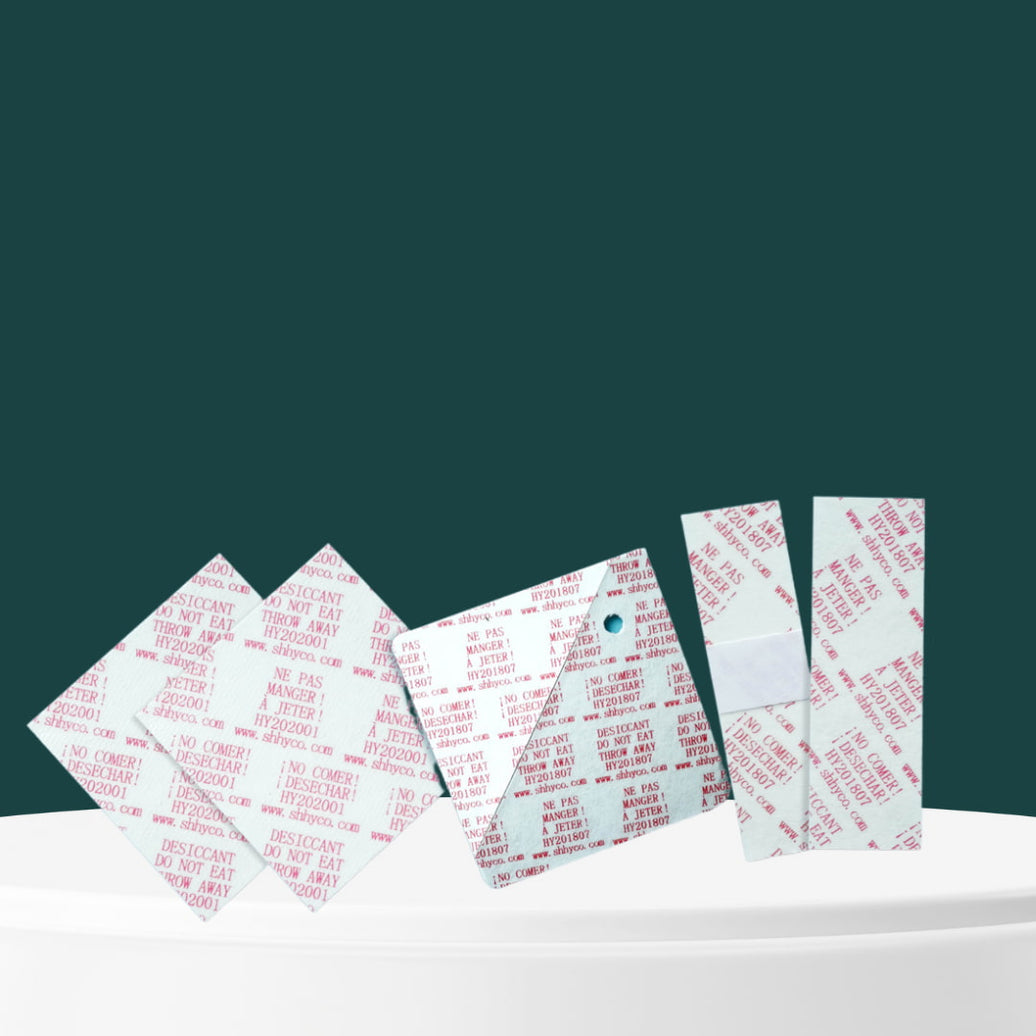
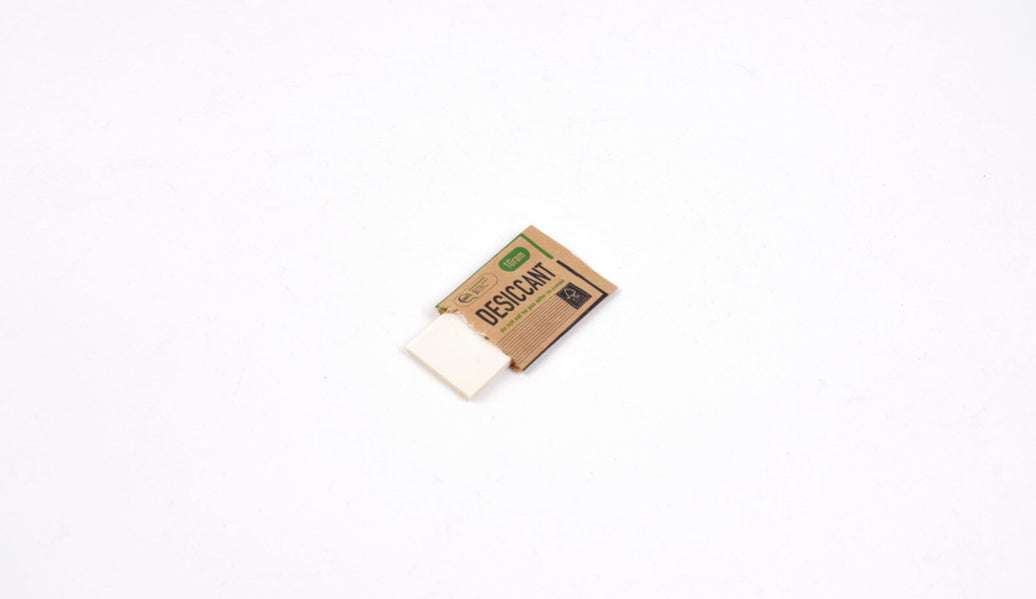
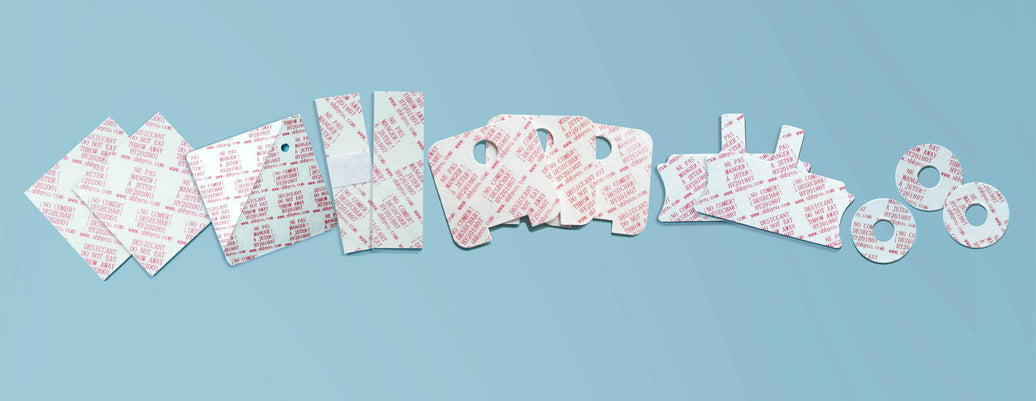
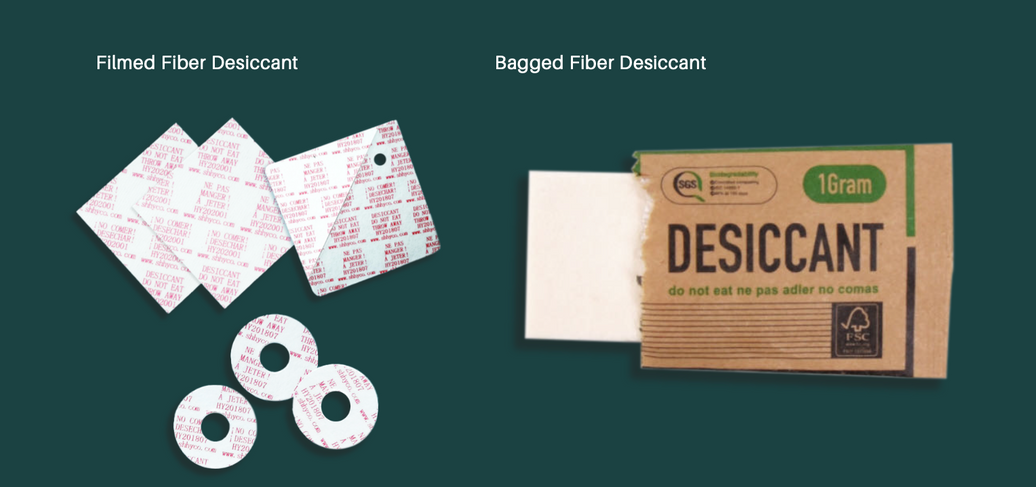
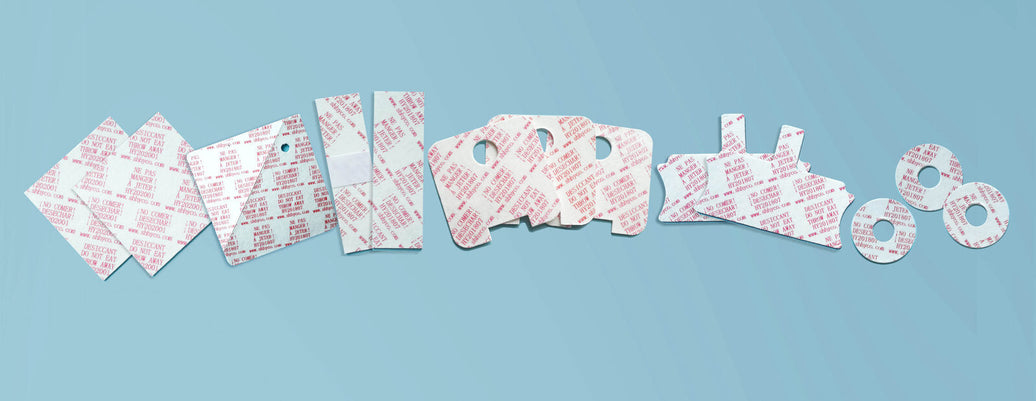
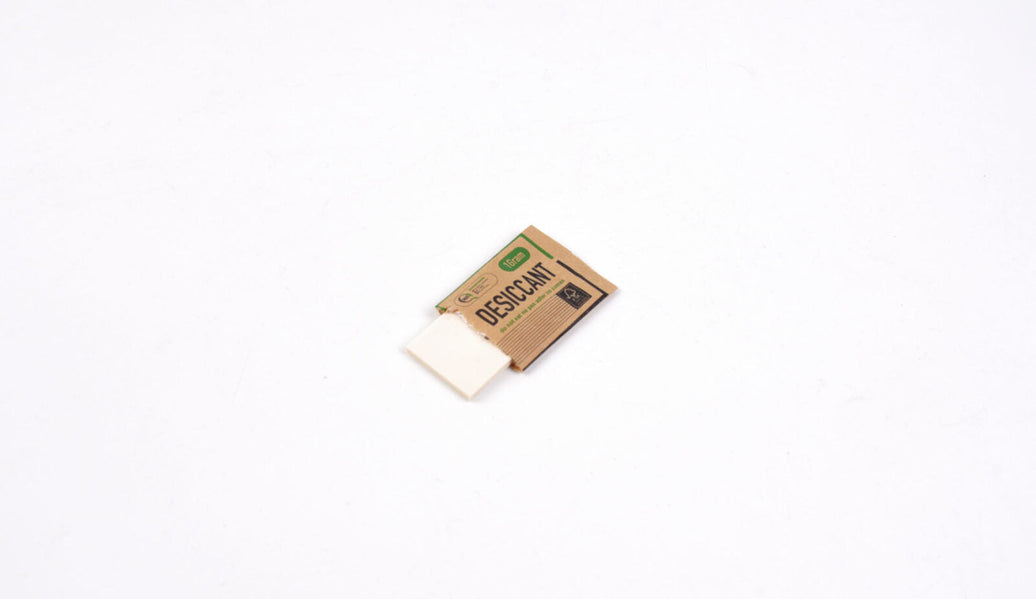
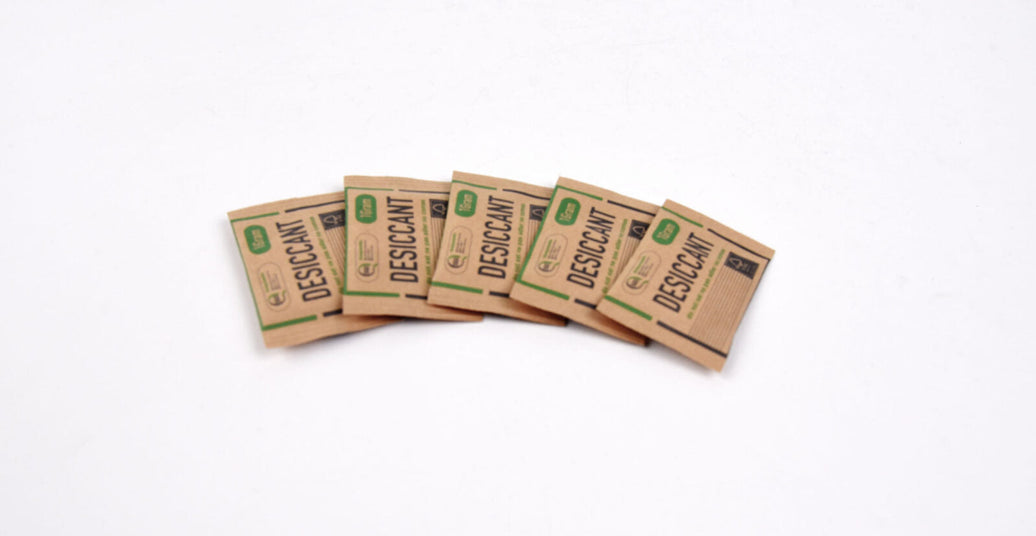
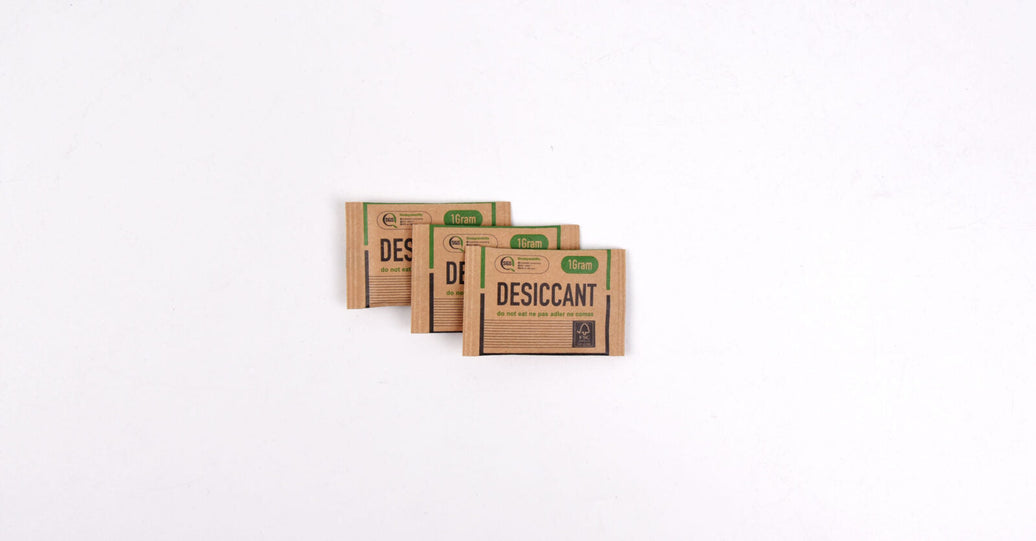
For HPMC capsule bottles, a flat card under the cap or against the bottle wall gives steady protection without a loose sachet rolling among the capsules. Because the dose is set by card size, it is also easy to step down for gelatin capsules during validation. The Fiber Card reference sizes and their silica gel equivalents are in the Fiber Card spec guide, and the format itself is explained in what a paper desiccant is.
Frequently asked questions
Why are my supplement capsules cracking in the bottle?
Usually because the shells have dried out. Common causes are too much desiccant for a gelatin capsule, a very hygroscopic fill, or cold, dry storage and shipping.
Why are my capsules sticking together?
Usually too much moisture. The shell softens and the surfaces fuse. Check the bottle seal, the filling room humidity and whether the desiccant was saturated before the bottle was finished.
Should probiotic supplements use HPMC capsules?
Many brands choose HPMC for probiotics because it lets them use stronger moisture control without making the shell brittle. Your capsule and strain suppliers should confirm the choice for your formula.
Can I use the same desiccant for gelatin and HPMC versions of one product?
Not without testing. The gelatin version will usually need a smaller dose or a different strategy.
Does the desiccant touch the capsules?
In a bottle it usually does. Use a desiccant with food-contact documentation and a construction that cannot shed beads or dust. See food-contact desiccants and FDA 21 CFR.
Get a capsule-safe desiccant dose
Tell ATMOSIScience the capsule type, fill and bottle. We will recommend a Fiber Card size and a validation plan that protects the fill without cracking the shell.
Prefer email? info@atmosiscience.com