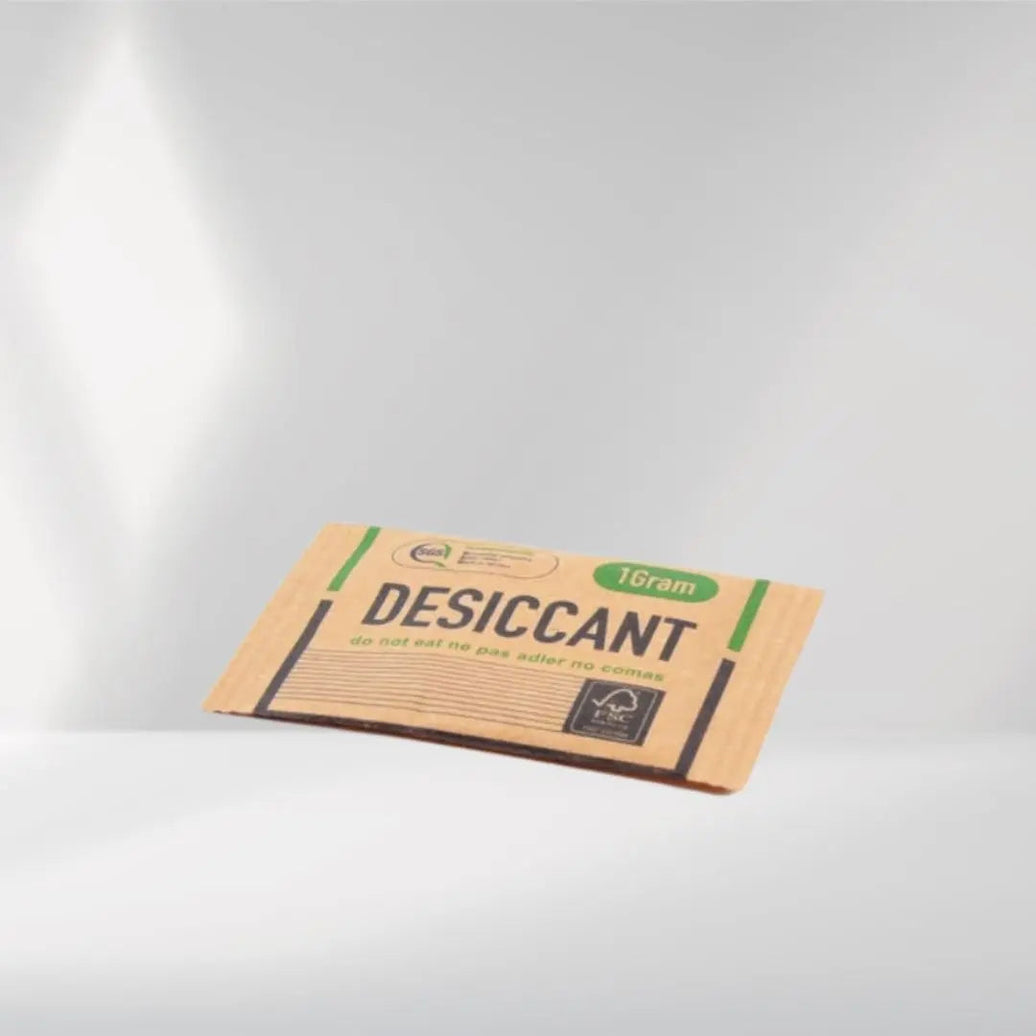
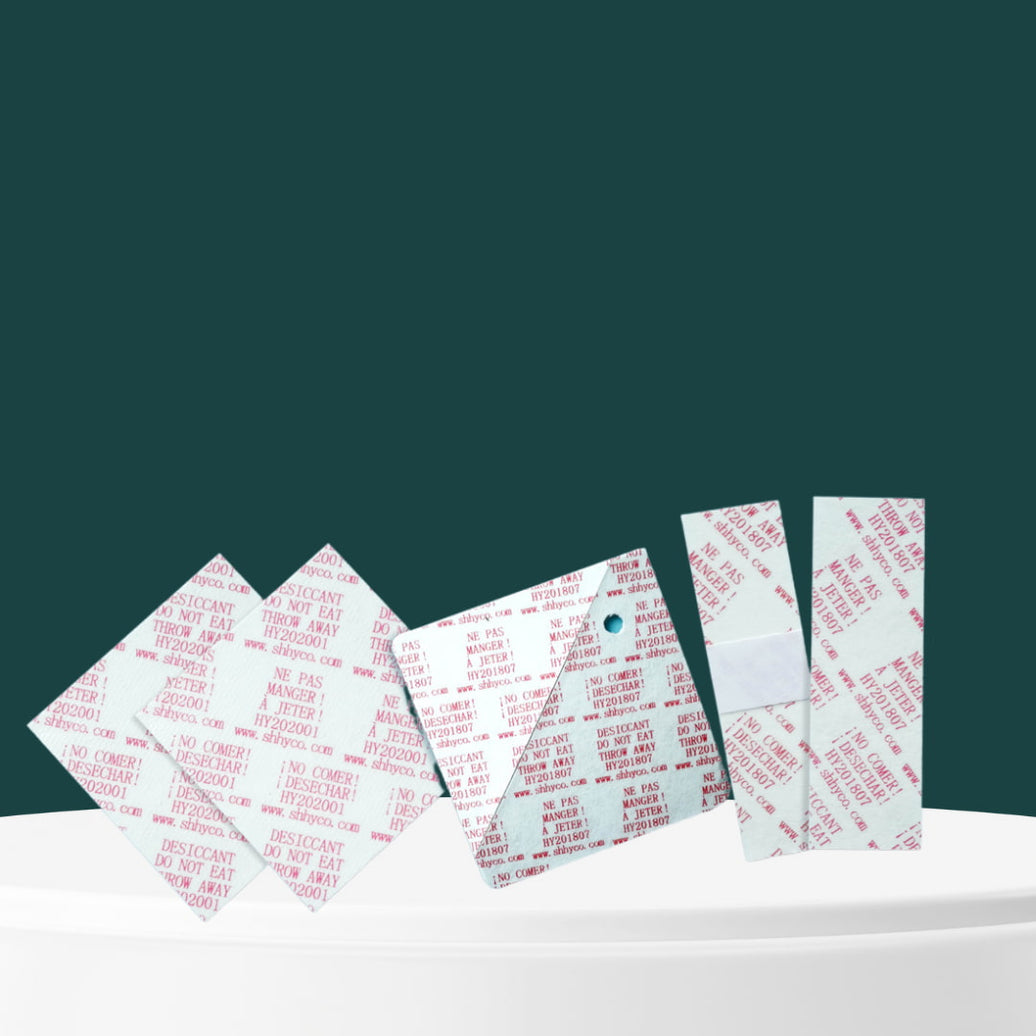
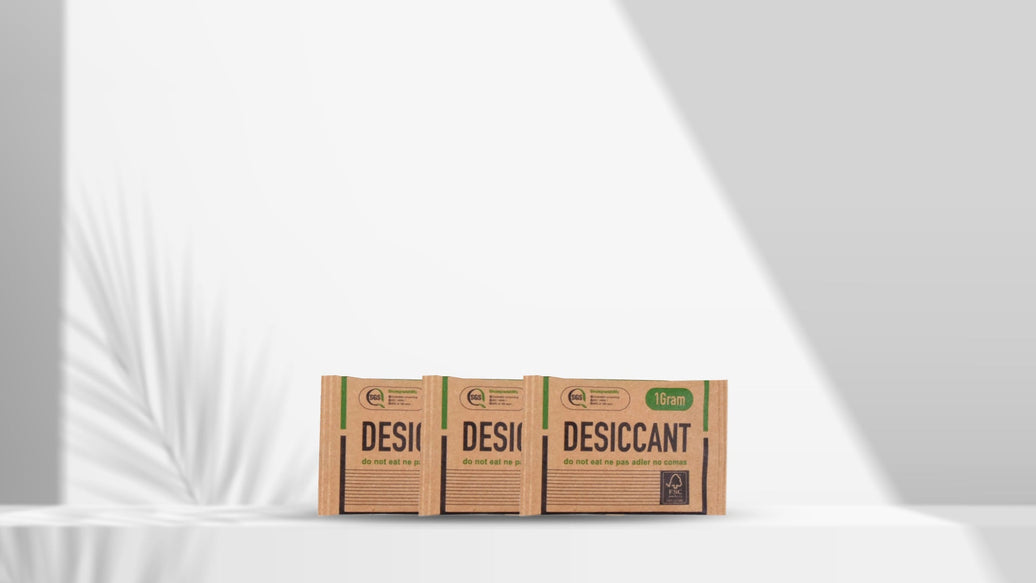
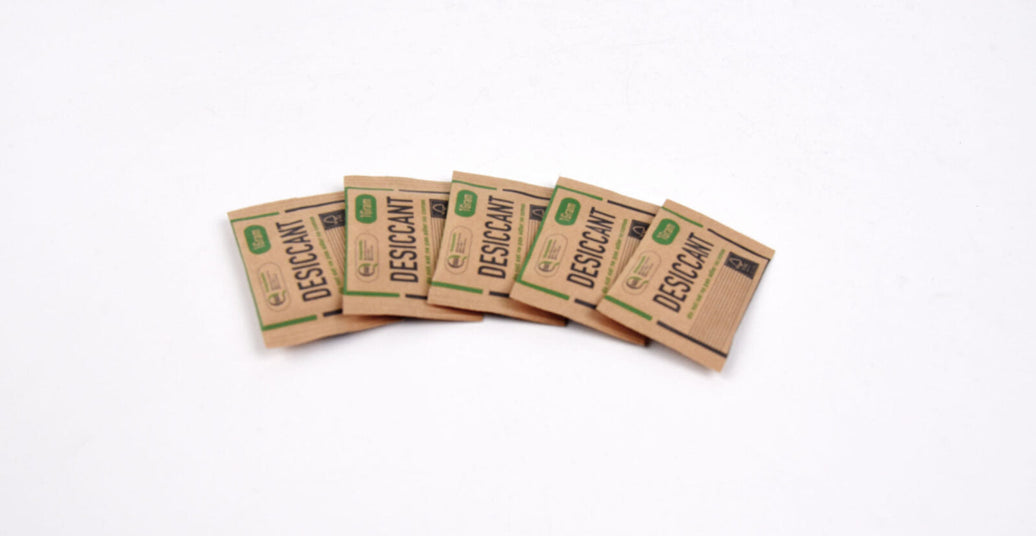
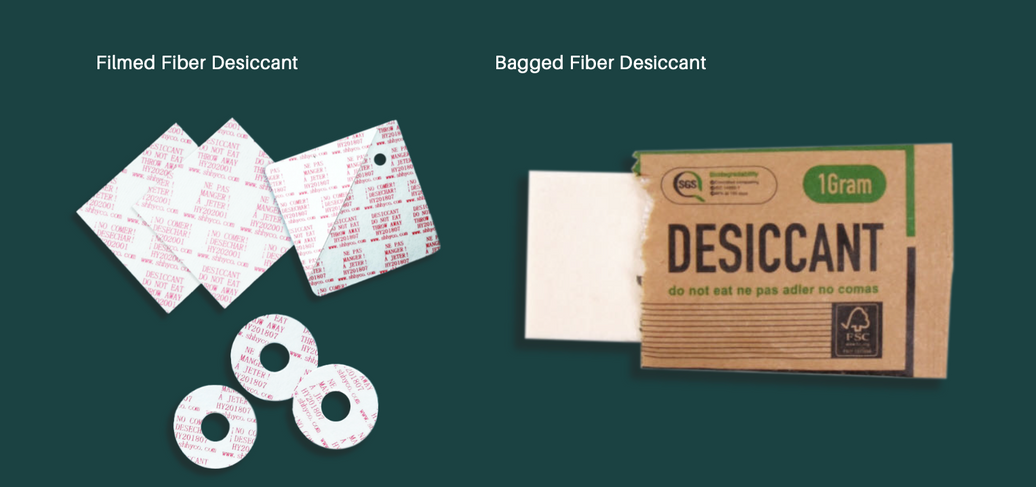
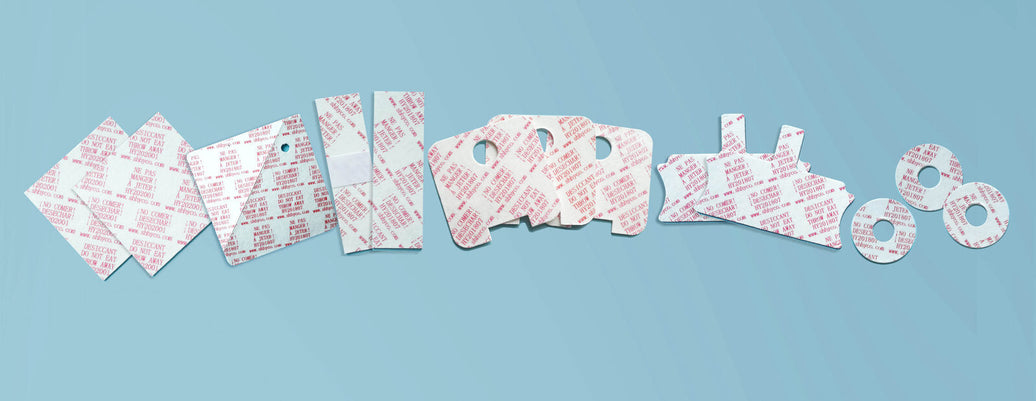
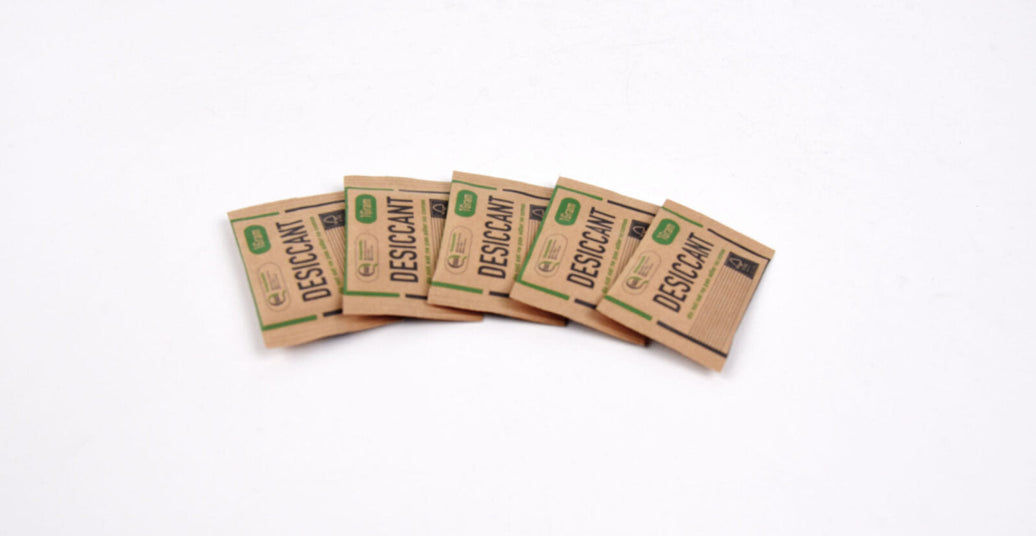
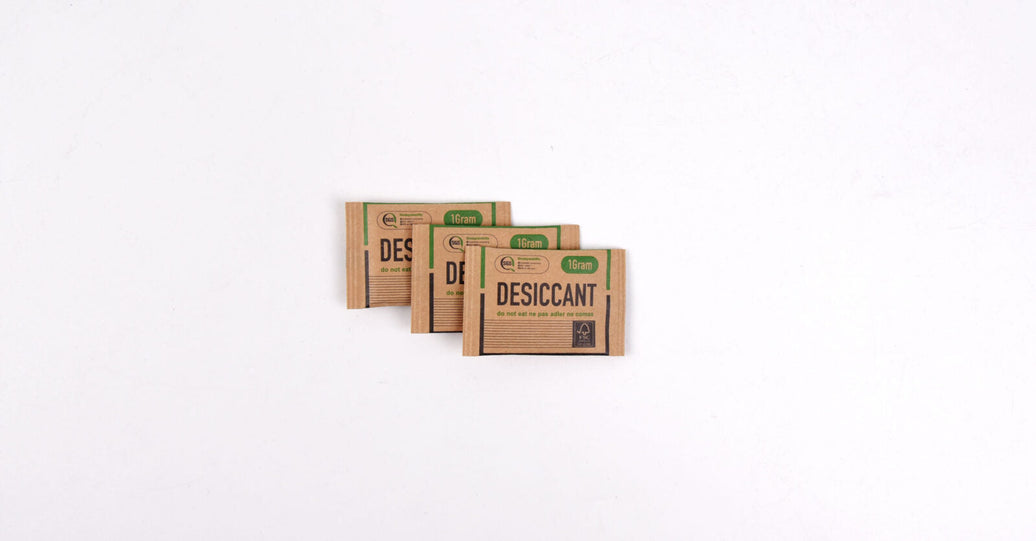
Quick answer: The EU Deforestation Regulation (EUDR) applies to products containing virgin wood fibre, including paper and paperboard packaging under CN Chapter 48. A plant-fibre desiccant is made from wood pulp, so it sits inside that scope wherever virgin fibre is used. The obligation to file a Due Diligence Statement falls on the first operator placing the product on the EU market, not on every downstream buyer. Application for large and medium operators has been set at 30 December 2026. What a packaging buyer needs from a desiccant supplier is a geolocation-backed traceability chain and a reference number to pass on.
Most moisture-control buyers spent 2026 preparing for one EU regulation. PPWR took effect on 12 August 2026 and absorbed almost all of the compliance attention in packaging teams. Underneath it, a second regulation with a different logic has been moving toward its own application date, and it reaches a material that PPWR barely touches: the wood pulp itself.
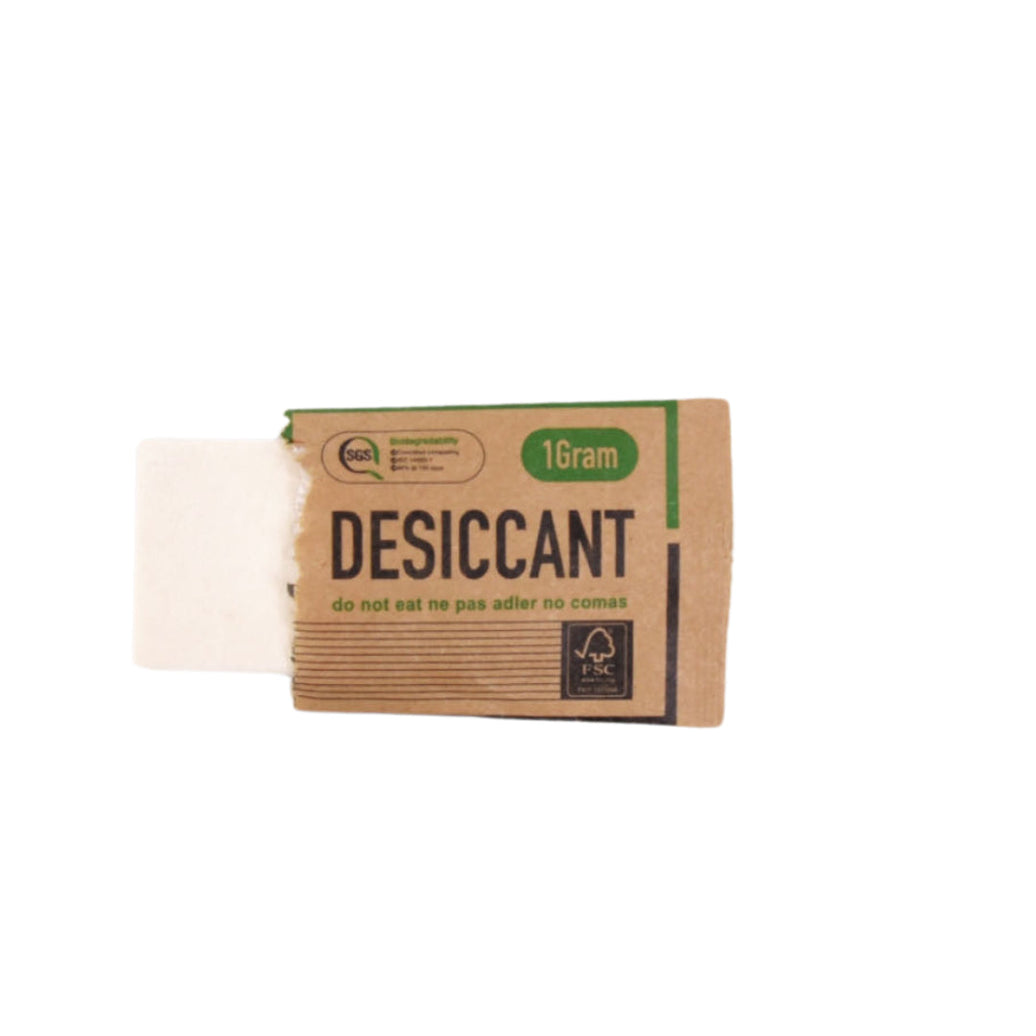
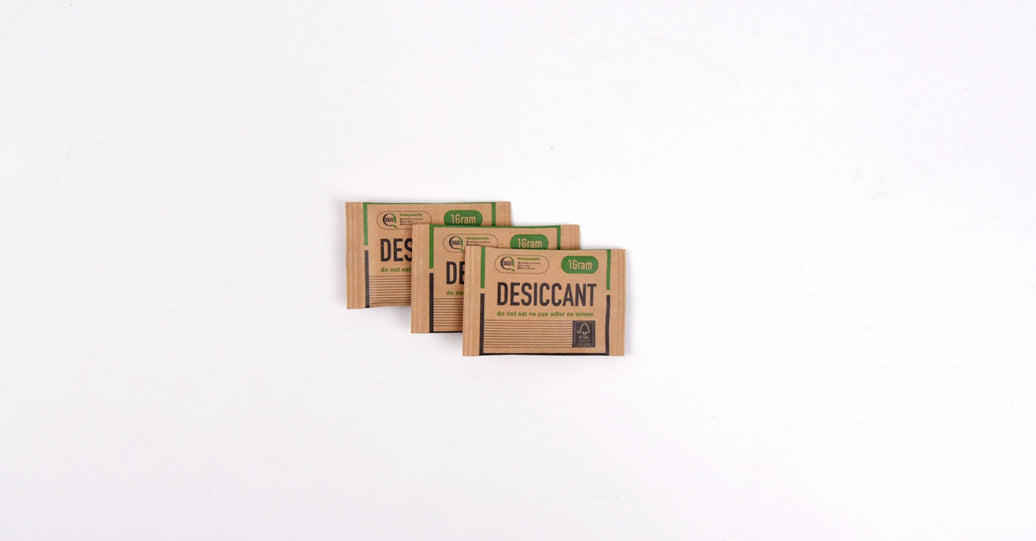
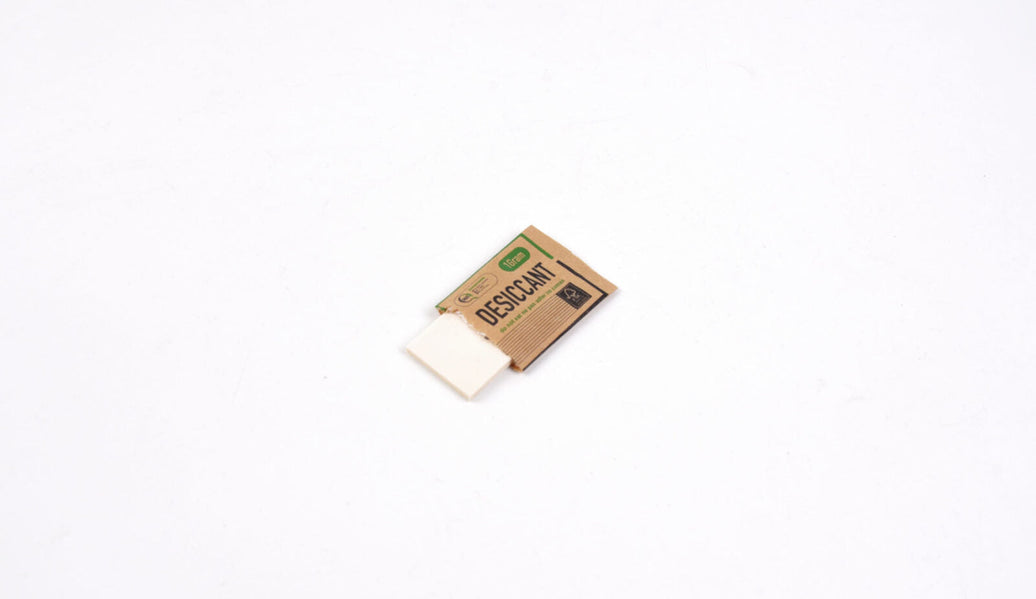
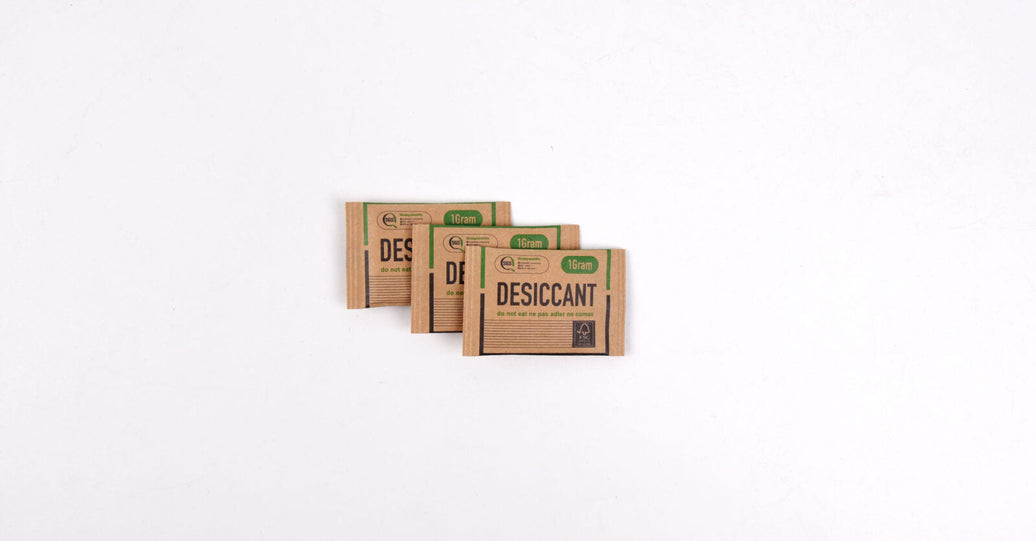
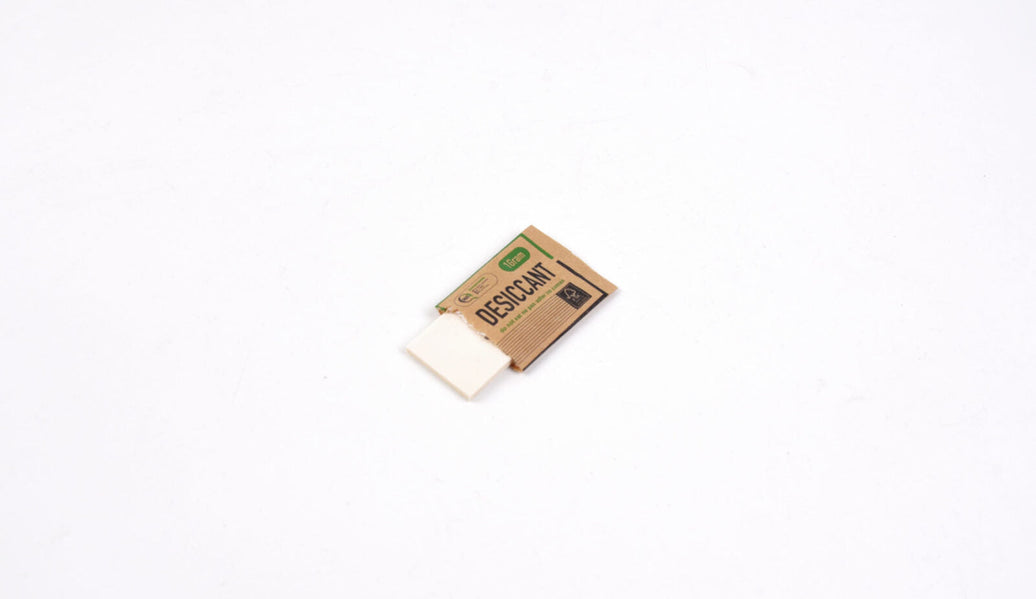
The EU Deforestation Regulation matters for fibre-based moisture control for one structural reason. A silica gel sachet is a mineral in a plastic or non-woven wrapper. A plant-fibre desiccant is pulp — the adsorbent core and, in a paper-wrapped format, the wrapper too. That moves the product from a regulation about chemicals to a regulation about land.
What EUDR actually regulates
EUDR is not a packaging law. It is a commodity law. It covers seven commodities — cattle, cocoa, coffee, oil palm, rubber, soya and wood — plus a list of derived products. Wood pulls in pulp, paper, paperboard and printed matter through CN Chapter 48, which is where packaging paper sits.
The test is not whether a product is sustainable. It is whether the commodity was produced on land that was deforested or degraded after 31 December 2020, and whether it was produced in accordance with the laws of the country of production. Certification alone does not discharge the obligation; it is evidence, not a substitute.

The exemption that decides most cases
There is one carve-out that resolves a large share of packaging questions quickly. Products made entirely from recovered waste paper — pre-consumer or post-consumer — fall outside scope. The moment any virgin pulp is blended in, the exemption is lost for that product.
This is the first question to put to a desiccant supplier, and it is a factual one, not a marketing one. Ask what percentage of the fibre input is virgin and what percentage is recovered. A supplier who cannot answer that from production records is a supplier who cannot support your own filing.
Who files what
EUDR distributes obligations by position in the chain, and the distribution is often misread.
| Role | What it means | Obligation |
|---|---|---|
| First operator | Places the product on the EU market, or exports it from the EU, for the first time | Collects information, assesses and mitigates risk, submits a Due Diligence Statement, receives a reference number |
| Downstream operator / trader | Buys and resells a product already placed on the market | Collects and passes on the upstream reference numbers; keeps records |
| Non-EU supplier | Manufactures outside the EU | No EUDR filing of its own, but must be able to supply the traceability data the EU importer needs |
For a US or EU brand importing desiccant from an Asian manufacturer, the brand or its importer is normally the first operator for that consignment. The manufacturer's job is to hand over data good enough to make the filing defensible. That is why the request should be specific.
The data that actually has to exist
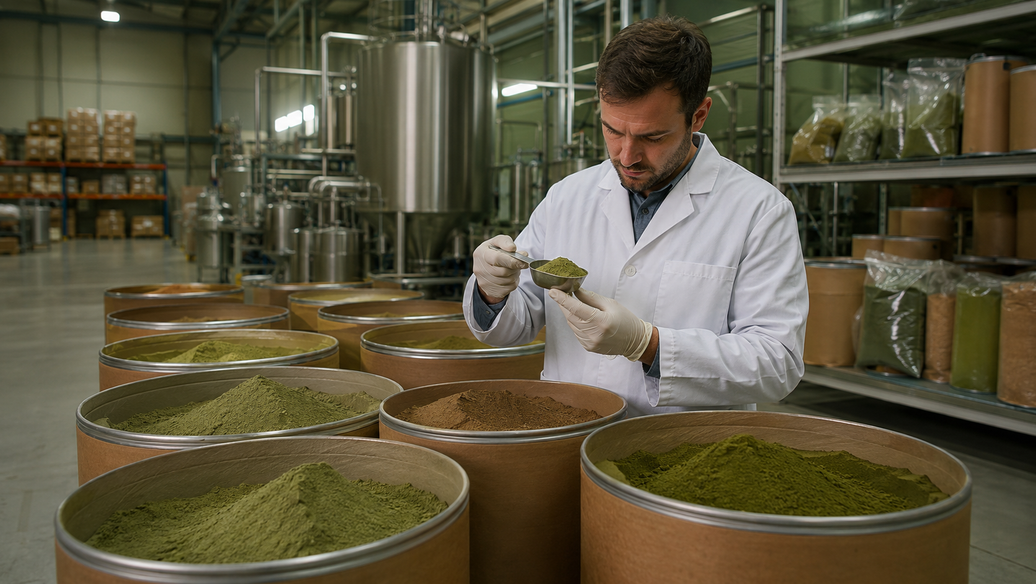
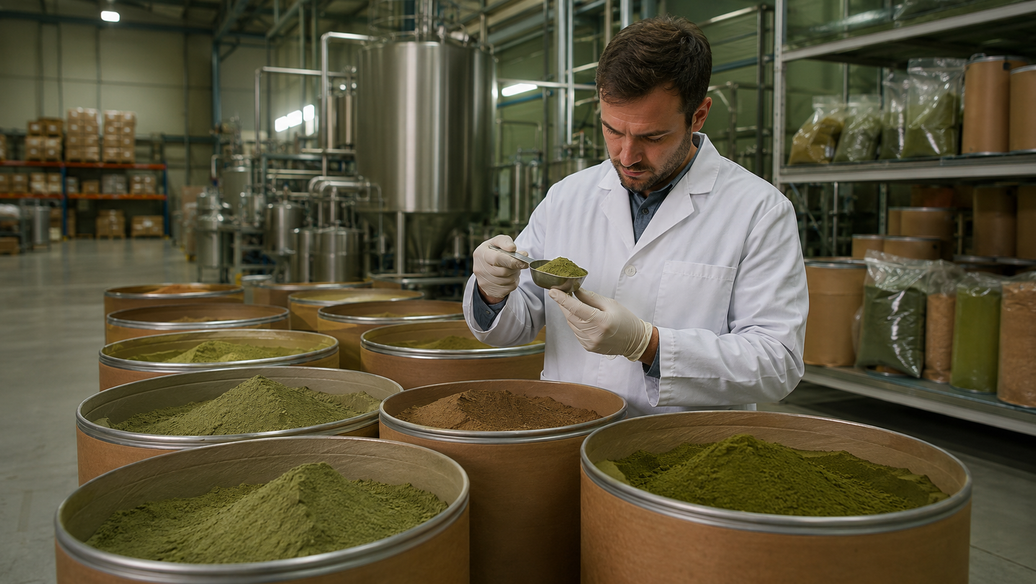
EUDR asks for geolocation of the plots of land where the commodity was harvested — coordinates or polygon boundaries, not a country name. For a pulp-based product this is the hardest part of the chain, because pulp is a blended commodity by nature. A single reel of paper can carry fibre from many forest units.
Practically, the supplier documents a buyer should request are:
- Fibre composition by percentage: virgin versus recovered.
- Species and country of harvest for the virgin fraction.
- Chain-of-custody certification covering the pulp supplier, with the certificate number and validity dates.
- The geolocation dataset, or a written commitment from the pulp supplier to provide it on request.
- A named contact at the pulp mill, not only at the converter.
The same discipline applies here as in any other qualification exercise. Our guide to the desiccant supplier qualification pack covers how to structure the request so a supplier answers once rather than in six rounds of email.
How EUDR interacts with PPWR
These two regulations pull in opposite directions if you read them carelessly, and it is worth being precise about why.
PPWR pushes packaging toward recyclability and, from 1 January 2030, restricts packaging that scores below 70 in a design-for-recycling assessment. That pushes formats toward mono-material fibre. EUDR then asks where that fibre came from. A buyer who solves PPWR by moving from plastic to paper has not reduced their regulatory surface — they have moved it, and picked up a traceability obligation that plastic did not carry.
The reverse is also true and is the more useful reading. A high recovered-fibre content improves the EUDR position and does nothing to harm the PPWR position. Where a product can be built substantially from recovered pulp without losing performance, that is one decision serving two regulations. Our PPWR compliance hub for desiccant sachets sets out the packaging side of that in detail, and the sustainable desiccant guide compares the material options.
What to do before the application date
The useful work is not legal. It is procurement.
- Inventory your fibre-based packaging components. Desiccant sachets, label stock, cartons, inner wraps, void fill. Many teams have never listed the small ones.
- Establish who the first operator is for each. If you import directly, it is probably you. If you buy from an EU distributor, it is probably them — but confirm in writing.
- Send one data request per supplier, covering virgin/recovered split, harvest country and chain-of-custody evidence.
- Record reference numbers as they arrive, and build the field into your incoming goods records now rather than retrofitting it later.
- Re-check the applicable date for your operator size. Timelines in this file have moved more than once, and micro and small enterprises sit on a different schedule from large and medium operators.
Frequently asked questions
Does EUDR apply to a desiccant sachet on its own, or only to the finished pack?
Scope follows the commodity content, not the packaging hierarchy. A pulp-based desiccant is a wood-derived product regardless of whether it travels inside a carton or is sold as a component. The practical filing, however, usually happens at the level of the consignment being imported.
Is FSC or PEFC certification enough to comply?
No. Certification is useful supporting evidence and makes the chain-of-custody question much easier to answer, but EUDR requires an operator's own due diligence, including geolocation data and a risk assessment. A certificate does not replace the Due Diligence Statement.
What if my desiccant is entirely recovered fibre?
Products made entirely from recovered waste paper are outside scope. The evidence burden shifts to proving the "entirely" — a supplier declaration backed by production records, not a marketing claim.
Does a silica gel sachet escape EUDR?
The silica does. The wrapper may not, if it is paper-based. And a buyer who moves to silica to sidestep EUDR inherits a heavier pack, a higher EPR bill by weight and a worse PPWR recyclability position. Our comparison of the true cost of silica gel works through that trade.
Who is liable if the supplier's data turns out to be wrong?
The operator who filed the Due Diligence Statement carries the regulatory exposure. That is precisely why the contractual side matters — a change-control and data-accuracy clause with the supplier is the mechanism that gives you recourse. See writing a product change notification clause.
Request the fibre traceability pack for your desiccant
Tell us the format and volume you use and we will send the fibre composition, chain-of-custody evidence and harvest-origin data your EUDR filing needs.
Prefer email? info@atmosiscience.com