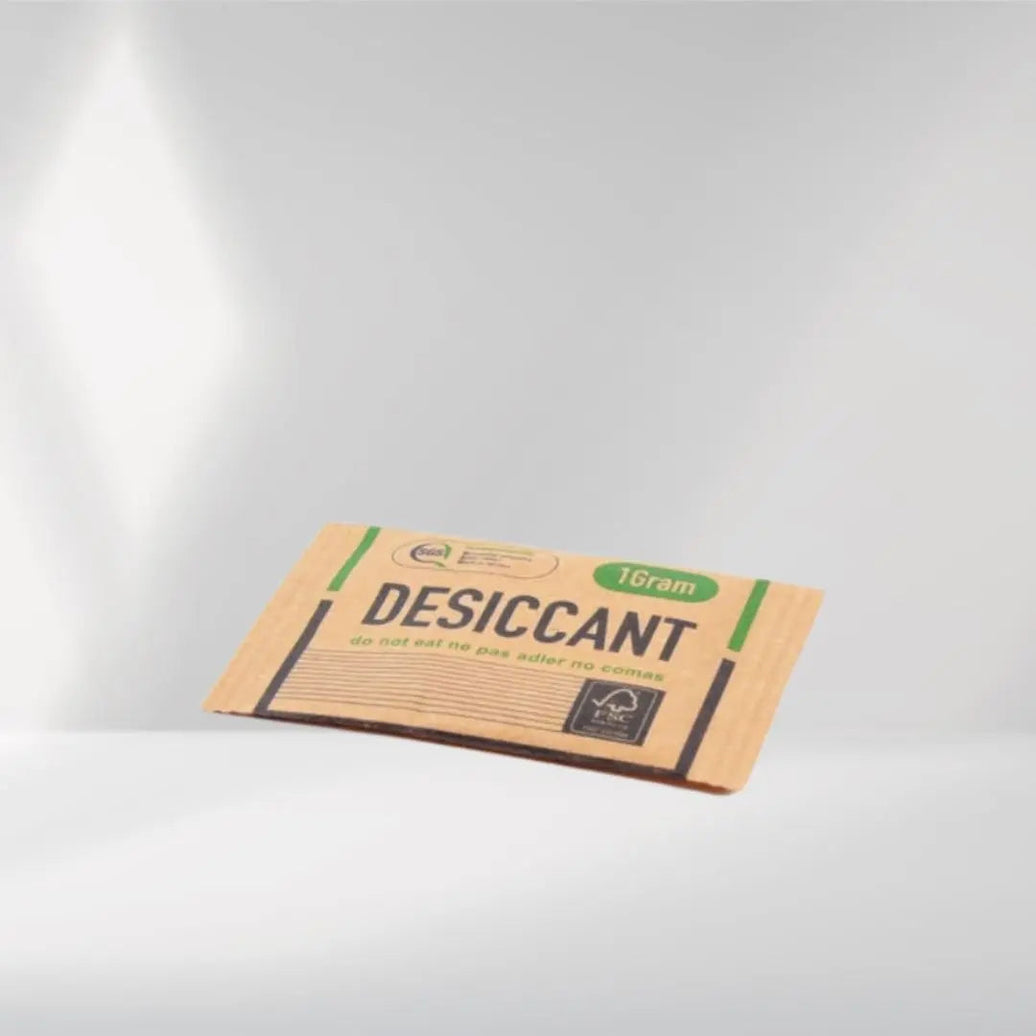
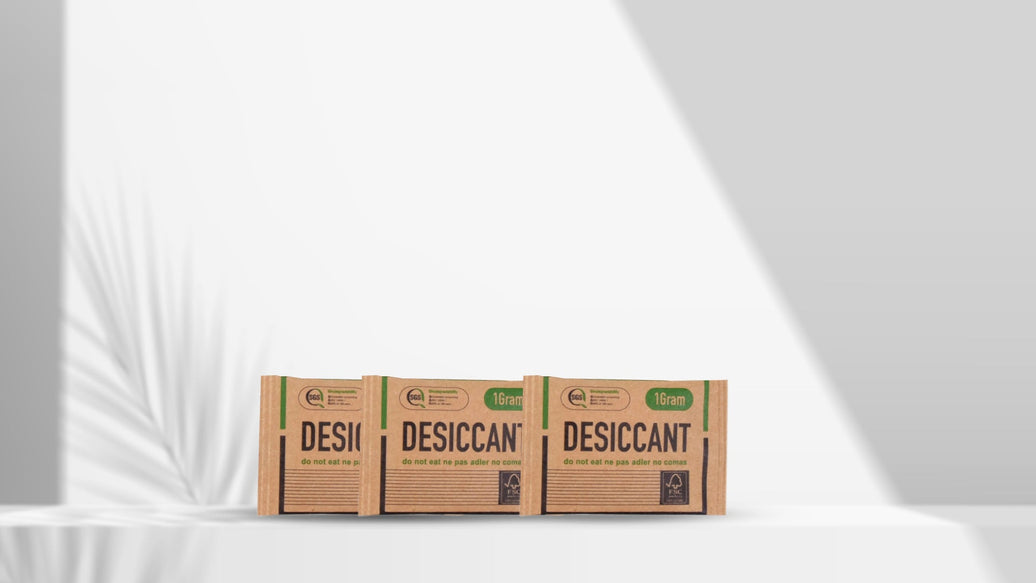
Quick answer: If a desiccant sachet sits inside a food package, EU law treats it as a food contact material under Regulation (EC) 1935/2004, and any plastic layer of its wrapper falls under Regulation (EU) 10/2011. The buyer needs a Declaration of Compliance naming both regulations, the composition and any dual-use additives, migration testing conditions, and confirmation that the article is used under the conditions the testing covered. A US FDA 21 CFR letter does not satisfy a European auditor.
Most desiccant buyers first encounter this when a European customer sends a supplier questionnaire and asks for a “DoC”. The request looks administrative. It is not: without it, the food business operator cannot demonstrate compliance for its own finished pack.
Why a desiccant counts as a food contact material
Regulation (EC) 1935/2004 is the framework regulation. It covers materials and articles intended to come into contact with food, and it also covers articles that can reasonably be expected to be brought into contact with food or to transfer constituents to food under normal use. A sachet resting on top of a powder inside a sealed pouch meets that description whether or not it touches the powder continuously.
The framework regulation sets three obligations that matter to a buyer: the article must not transfer constituents in quantities that endanger health, must not change the composition of the food unacceptably, and must not deteriorate its organoleptic characteristics. Everything else — migration limits, testing protocols, documentation — sits underneath those three.

Where Regulation (EU) 10/2011 applies
10/2011 is the specific measure for plastic materials and articles. It carries the Union list of authorised substances, overall migration limits and specific migration limits, plus the food simulants and test conditions used to demonstrate them.
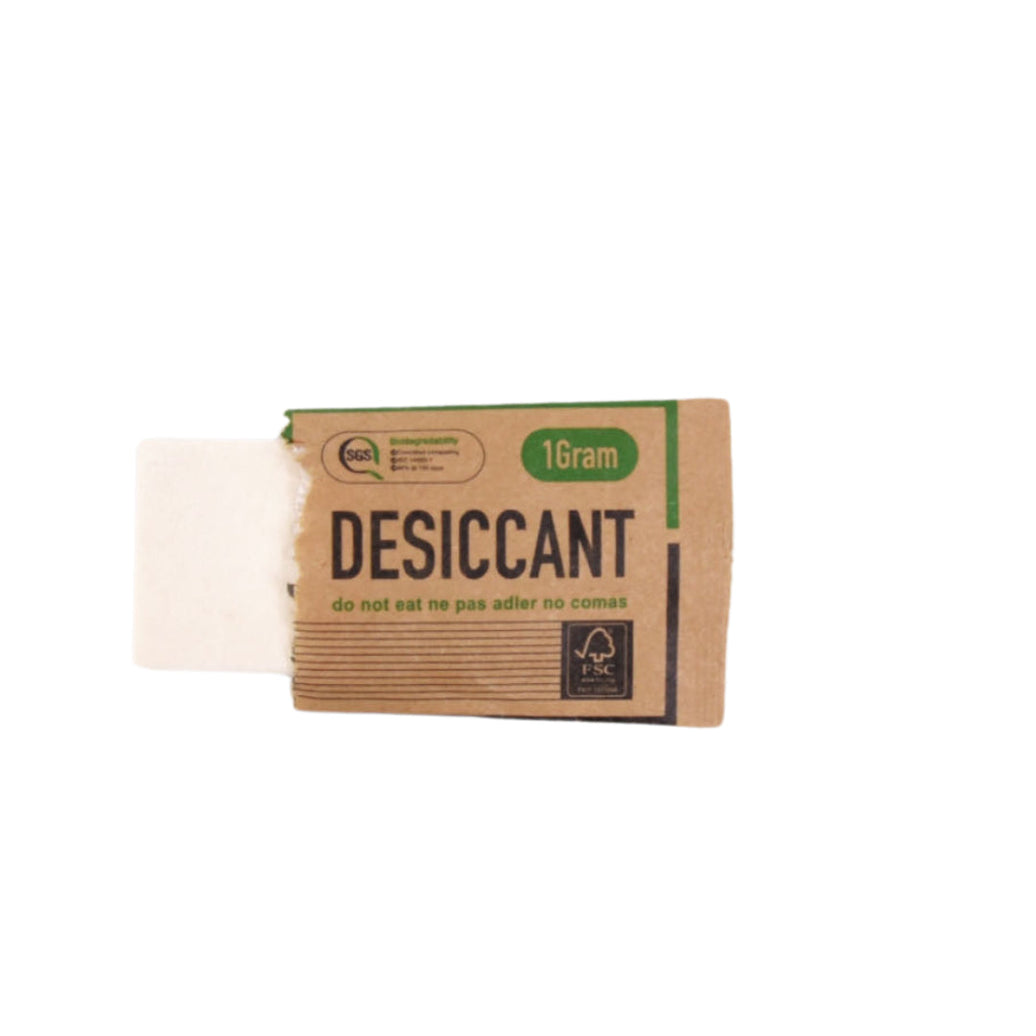
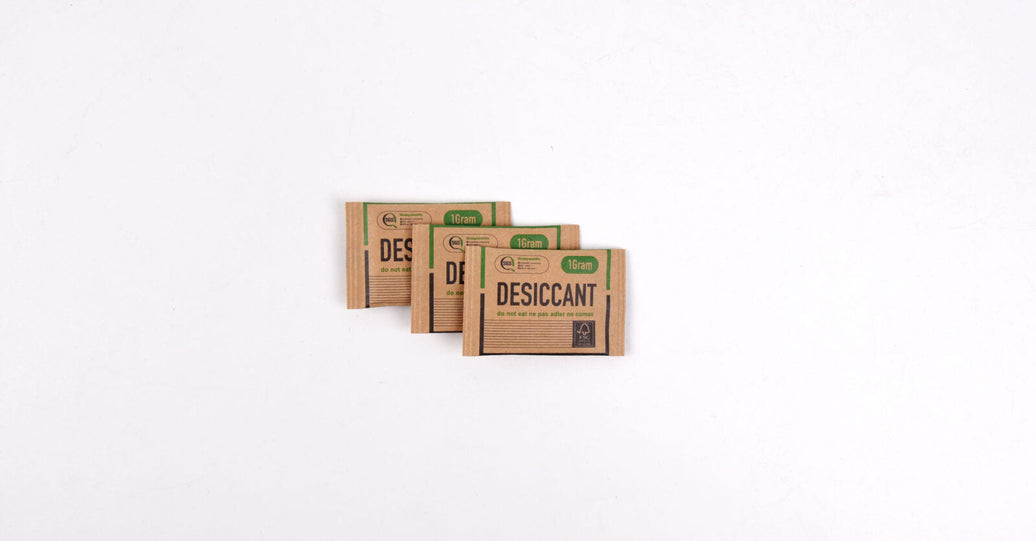
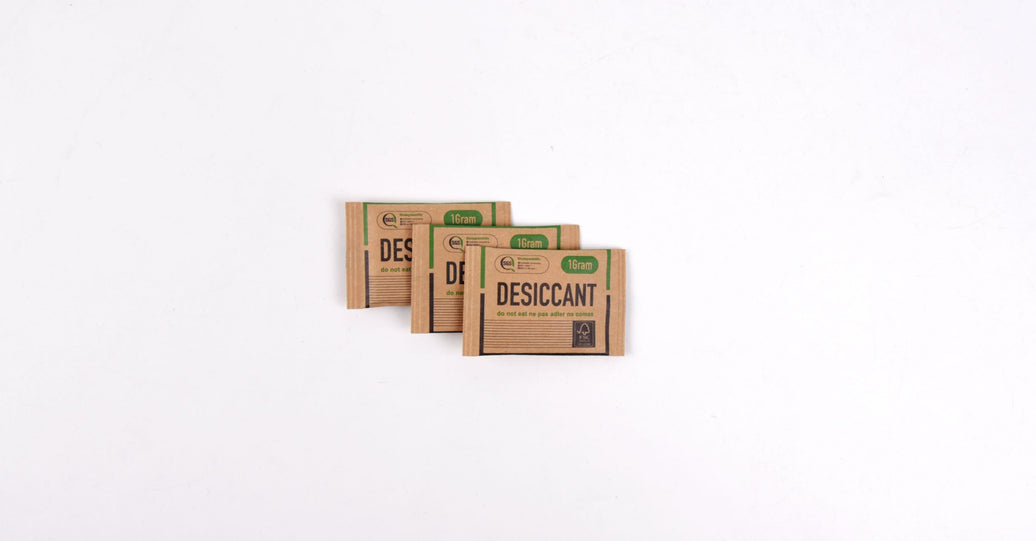
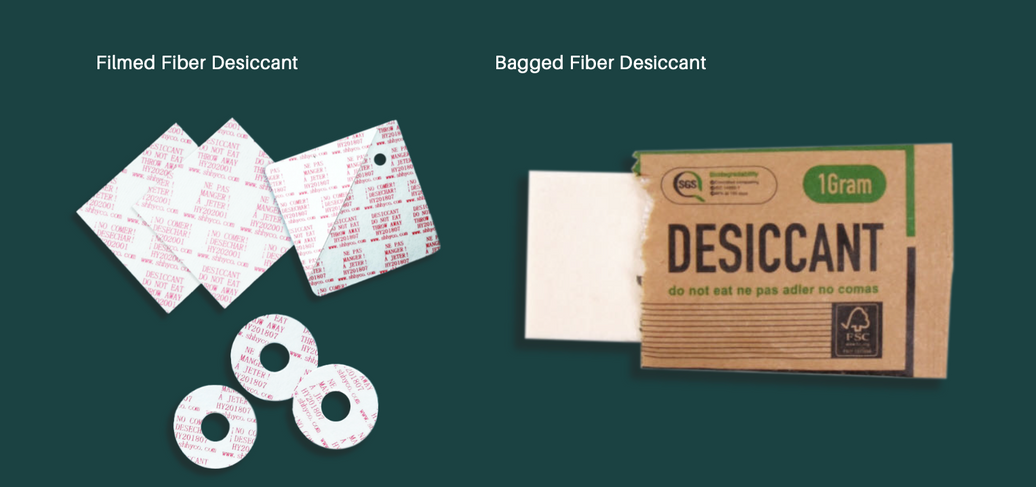
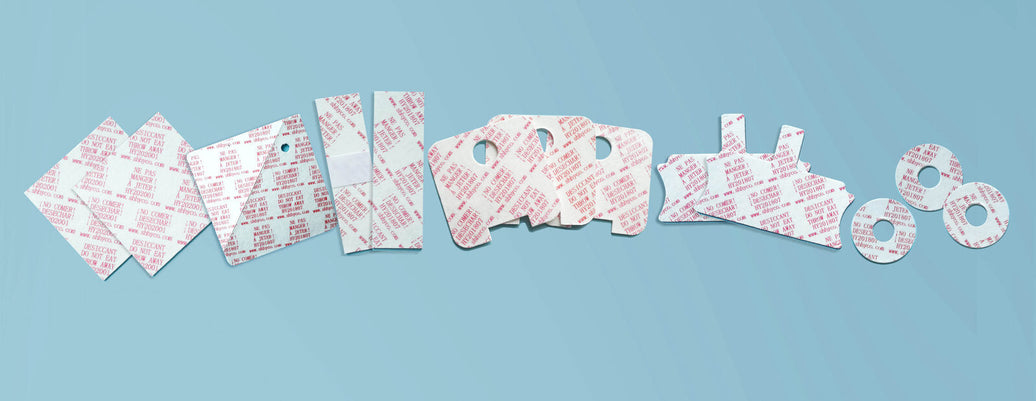
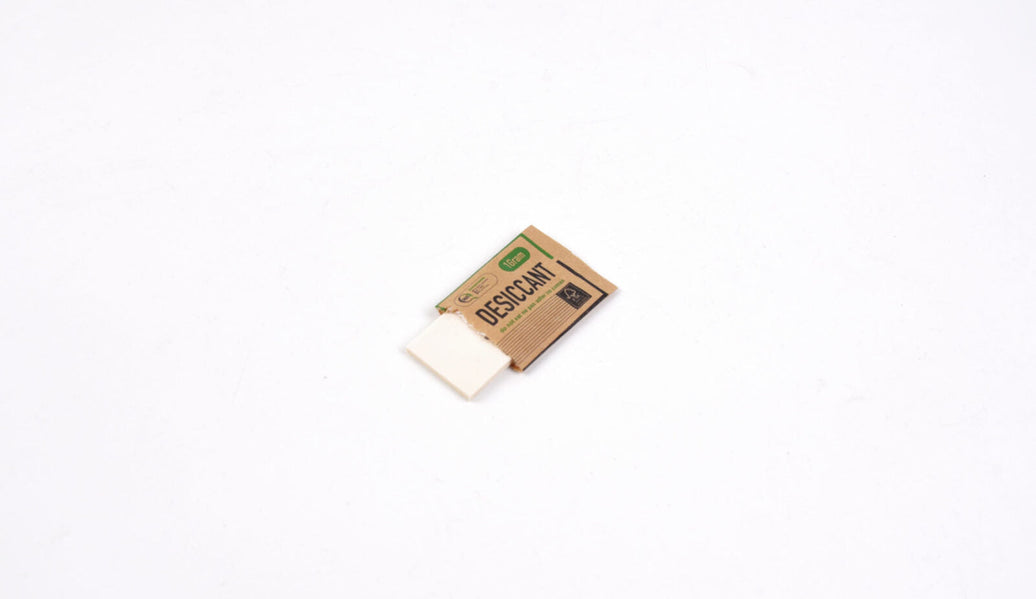
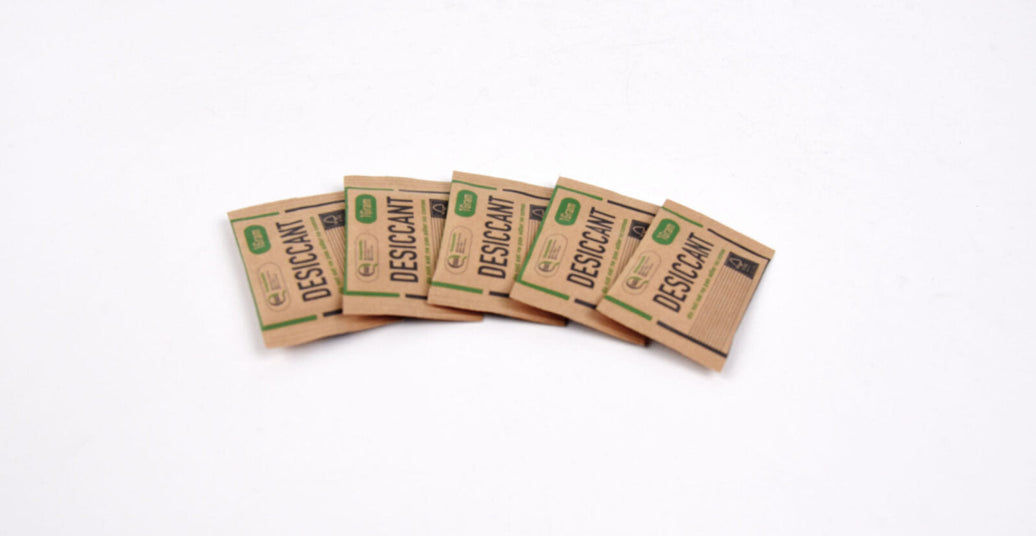
A desiccant sachet is rarely all plastic. Typical constructions are paper or nonwoven, sometimes with a polymer layer for sealing or a Tyvek face. That means the assessment is layer by layer:
- Paper and board layers are not covered by a harmonised EU measure. National rules and recognised industry frameworks fill the gap, so the supplier has to state which basis it used.
- Any plastic layer or coating in the wrapper is assessed under 10/2011, including overall migration and any relevant specific migration limits.
- Adhesives, inks and printing on the wrapper are their own conversation. Printed sachets carrying “do not eat” text are the norm, so the ink system needs to be declared — see what the do-not-eat label actually has to say.
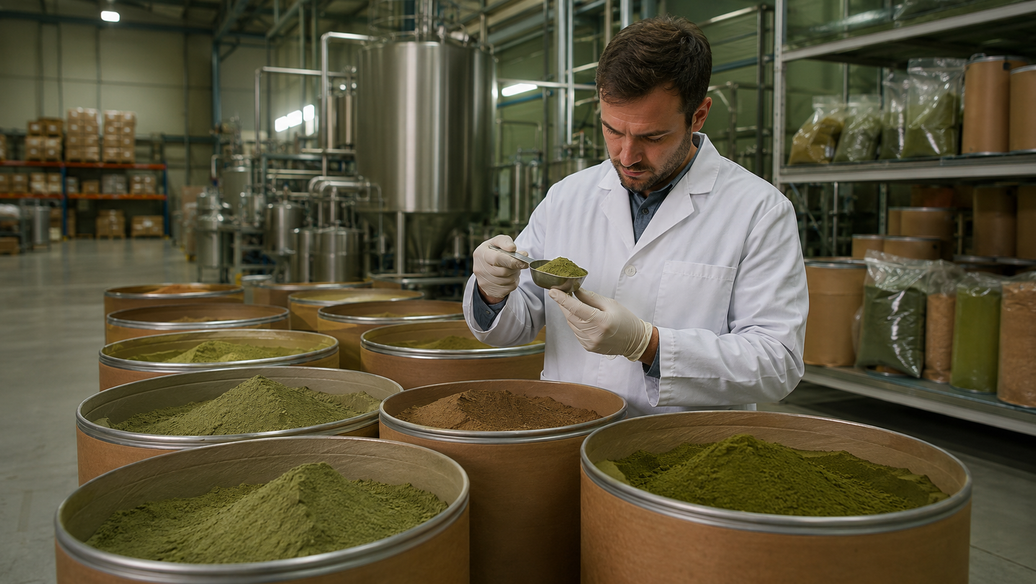
- The desiccant core is assessed on whether anything can migrate through the wrapper into the food.
What a usable Declaration of Compliance contains
A one-line letter saying “our product is food safe” is not a Declaration of Compliance. A DoC that survives an audit names, at minimum:
- The identity of the supplier and the article, including a specific product code, not a product family.
- The date of issue.
- The regulations claimed: 1935/2004 in all cases, 10/2011 where plastic layers exist, plus 2023/2006 on good manufacturing practice.
- The intended conditions of use: food types, contact time and contact temperature.
- Any restrictions, including dual-use additives and substances subject to a specific migration limit.
- Migration testing: simulants used, conditions applied, and results against the limits.
- A statement that functional barrier assumptions, where used, are described.
The conditions of use clause is the one buyers skip and auditors read. A declaration valid for dry foods at ambient temperature does not cover a hot-fill application, and a desiccant qualified for a 6-month shelf life is not automatically covered for 24 months.
How this interacts with the US documentation you may already hold
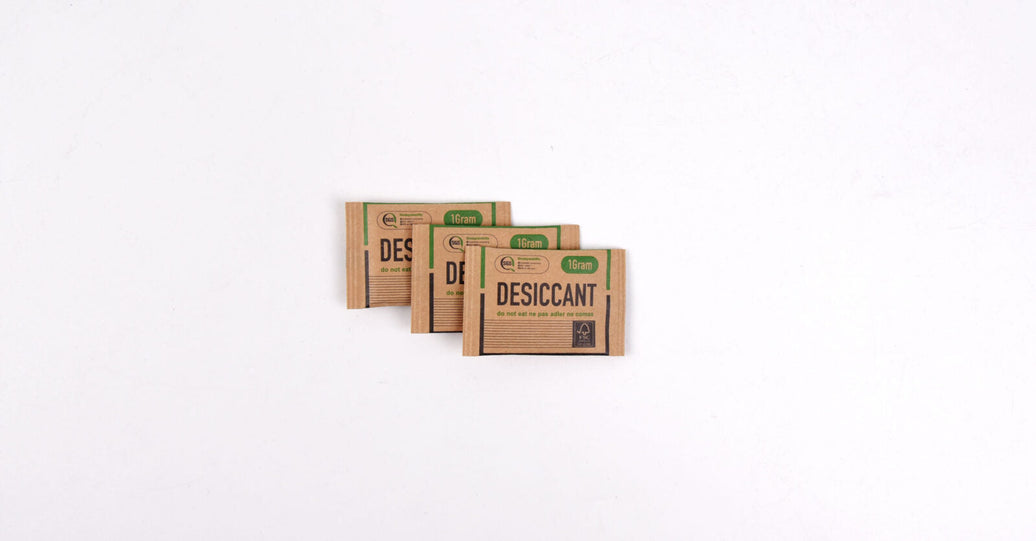
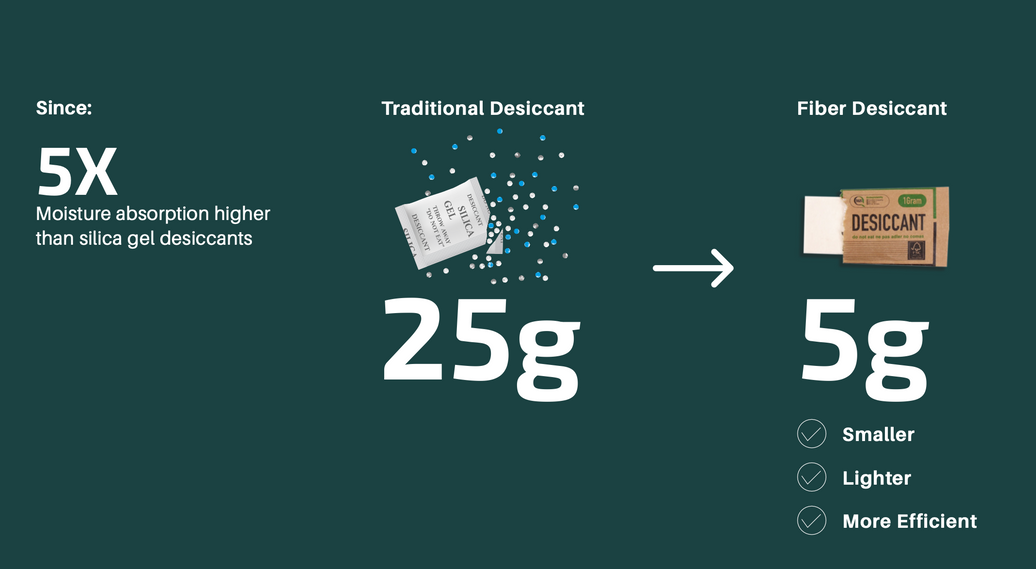
ATMOSIScience fiber desiccant is supported by FDA food-grade documentation under 21 CFR 175.300. That is the correct evidence for a US customer and it is genuinely useful, but the two systems are structurally different. The US approach is largely about whether a substance is cleared for the intended use; the EU approach adds a positive list, migration limits and a documented declaration passed down the supply chain. Holding one does not produce the other. Buyers shipping into both markets should request both, separately, and file them separately.
Substances of concern and the PPWR overlap
From 12 August 2026 the Packaging and Packaging Waste Regulation adds its own layer, including restrictions on PFAS in food-contact packaging and an obligation on component suppliers to hand upstream information to the packaging manufacturer. Food contact compliance and packaging compliance are now two documents that have to agree with each other. The sequence and the deadlines are laid out in the PPWR compliance hub, and the PFAS thresholds specifically in the PFAS limits explainer.
A request list to send your supplier
Copy this into the RFQ rather than chasing it after the order:
- Declaration of Compliance per 1935/2004, per product code
- 10/2011 assessment for every polymer layer, with migration data
- GMP statement per 2023/2006
- Composition statement identifying dual-use additives
- Ink and adhesive declarations for printed wrappers
- Stated conditions of use: food type, time, temperature
- Certificate of analysis format and lot coding convention — see how to read a desiccant CoA
Frequently asked questions
Does the desiccant need its own DoC if it never touches the food?
Yes. Reasonably foreseeable contact is enough, and inside a shaken pouch the sachet will touch the product.
Is a compostability certificate relevant to food contact?
No. ASTM D6400 and EN 13432 describe end-of-life behaviour, not migration. They are separate documents answering a separate question.
Who signs the DoC?
The business placing the article on the EU market. For an imported desiccant, the importer relies on the manufacturer’s declaration, which is why the manufacturer’s document has to be specific enough to rely on.
How often does it need to be reissued?
Whenever the composition, the process or the intended use changes. Building that into a change-control clause avoids discovering it during an audit.
Request the food contact document pack
Tell us the food type, market and shelf life and the ATMOSIScience team will send the applicable declarations and test evidence for the exact product code.
Prefer email? info@atmosiscience.com