Quick answer: Desiccant polymer is a sorbent blended into a plastic resin and molded into a closure, liner or plug, so it arrives as part of the package. Fiber desiccant arrives separately as a sachet or a die-cut card and is dropped in on the filling line. Polymer wins where a loose insert is unacceptable and volumes justify tooling; fiber desiccant wins on capacity per gram, on speed to first shipment, and on packaging-waste reporting, because the insert stays a separable fiber-based component instead of a plastic part fused to the closure.
Buyers usually meet these two formats at the same moment: a moisture failure has happened, the packaging engineer wants the desiccant fixed to the pack, and procurement wants to know what it costs. The two answers look similar on a specification sheet and behave nothing alike in a factory.

What a desiccant polymer actually is
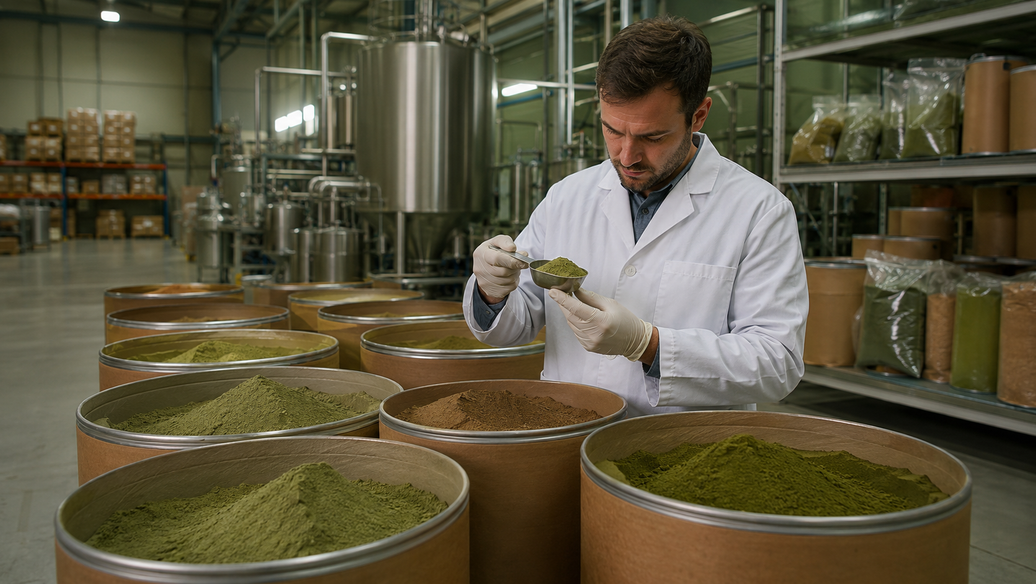
A desiccant polymer is a masterbatch: a sorbent, usually molecular sieve or silica, dispersed through a carrier resin and injection-molded into a finished part. The sorbent is locked inside plastic, so moisture has to diffuse through the polymer matrix before it reaches an active site. That gives a slow, steady uptake and no dust at all, which is why the format appears in diagnostic devices and small pharmaceutical closures.
The trade is capacity. Because most of the molded part is carrier resin rather than sorbent, the water a polymer part can hold per gram of part is a fraction of what a dedicated desiccant holds. Designers compensate with volume, which means larger closures, thicker liners or a bigger plug.
What a fiber desiccant holds by comparison
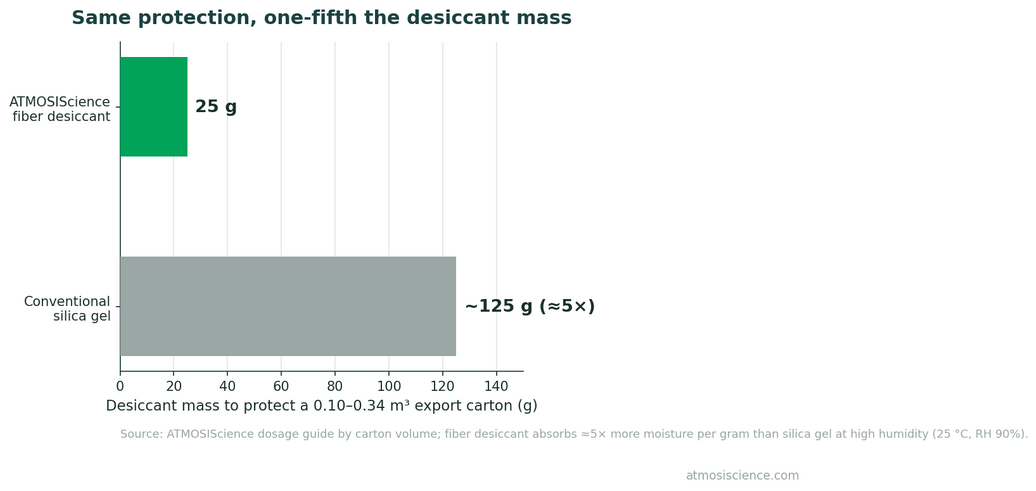
ATMOSIScience fiber desiccant is characterised by its adsorption at defined relative humidity rather than by a single headline number. At 25 °C it adsorbs more than 10% of its own weight at 20% RH, more than 35% at 50% RH and more than 70% at 90% RH, and exceeds 100% of its own weight at saturation. Loss on drying is under 10%, which matters because a desiccant that arrives partly loaded has already spent part of its budget.
Those numbers are per gram of desiccant, not per gram of finished part. A molded polymer part cannot be compared to them directly; it has to be compared on the water actually removed from the headspace over the shelf life you care about. That calculation is set out in our sizing walkthrough.
Tooling, MOQ and time to first shipment
The commercial difference is larger than the technical one.
- Desiccant polymer needs a mold. Tooling is a capital line item, lead times run in months, and the part is specific to one closure geometry. Change the bottle and the tool is scrap.
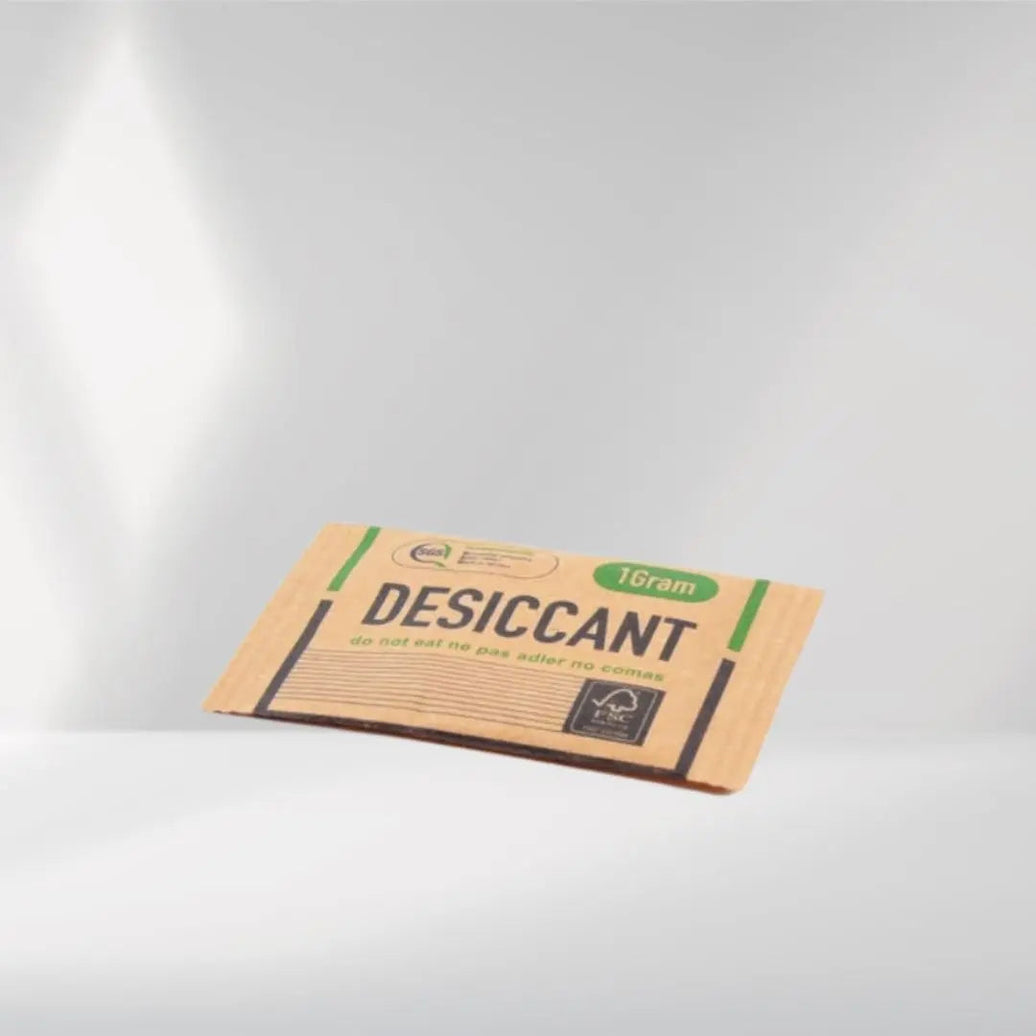
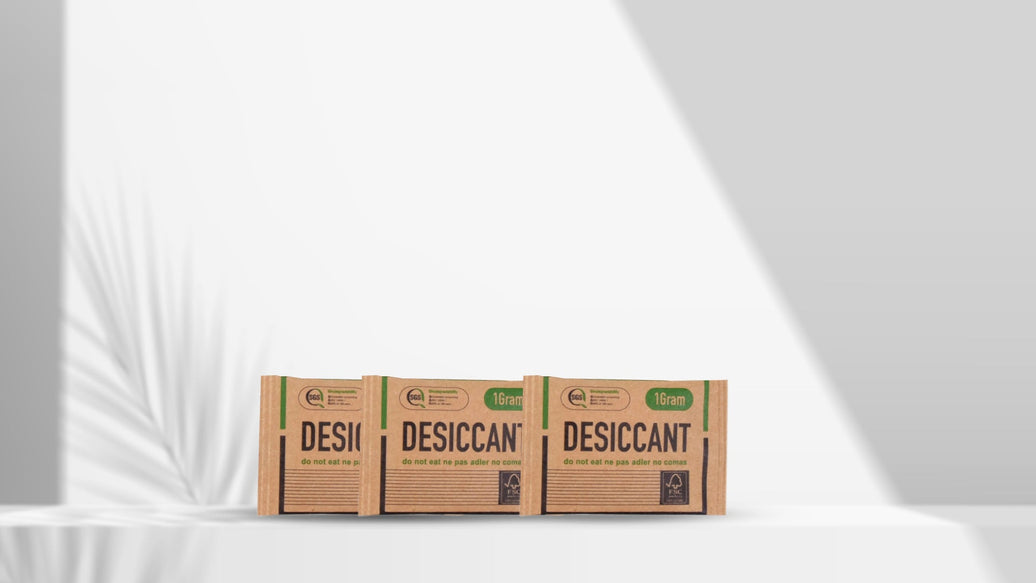
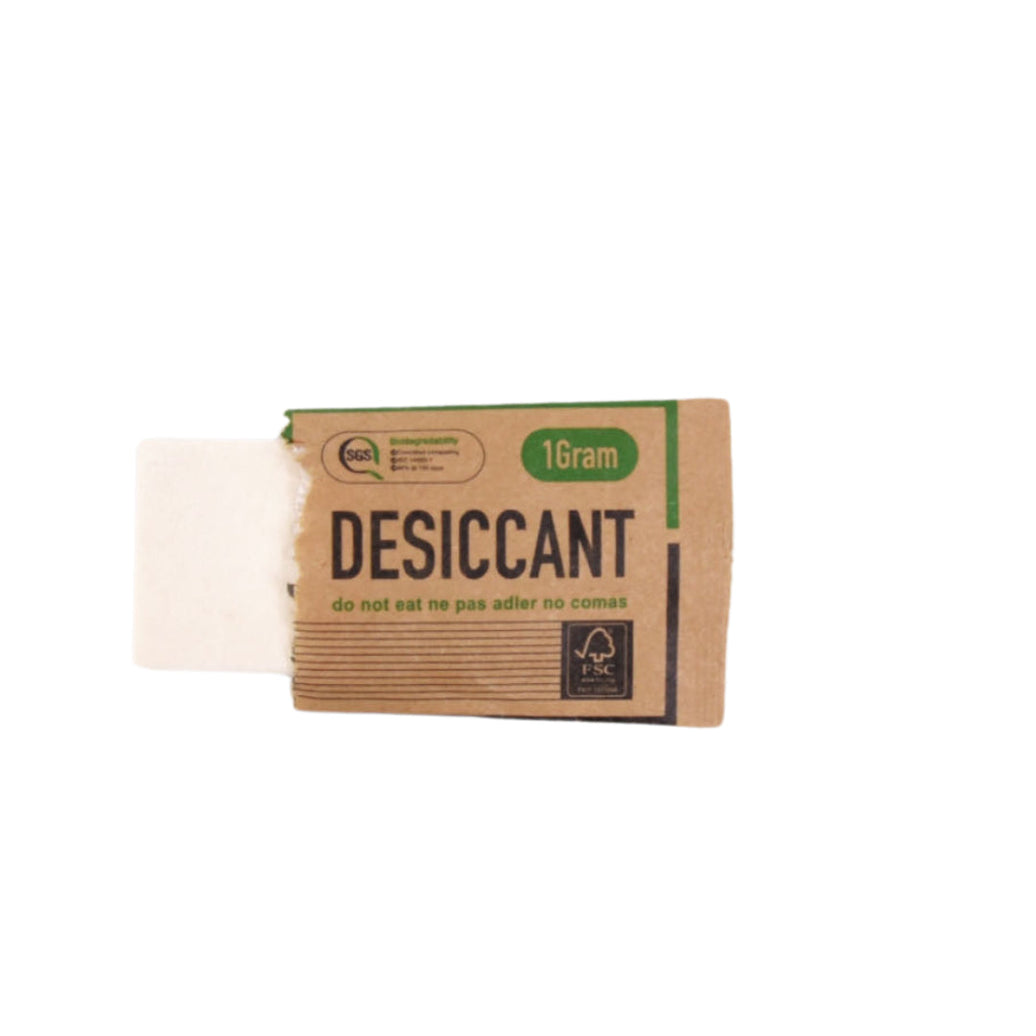
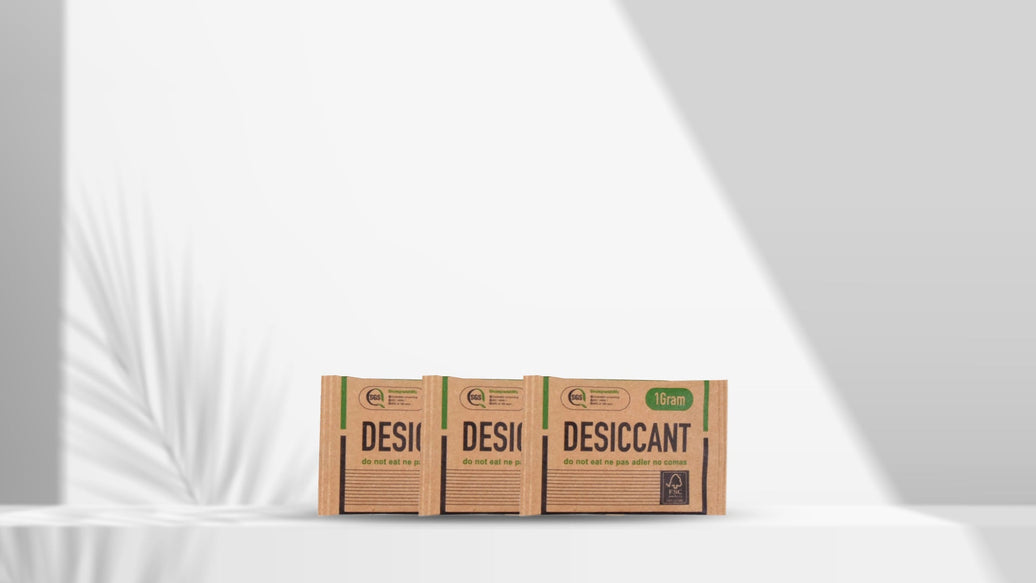
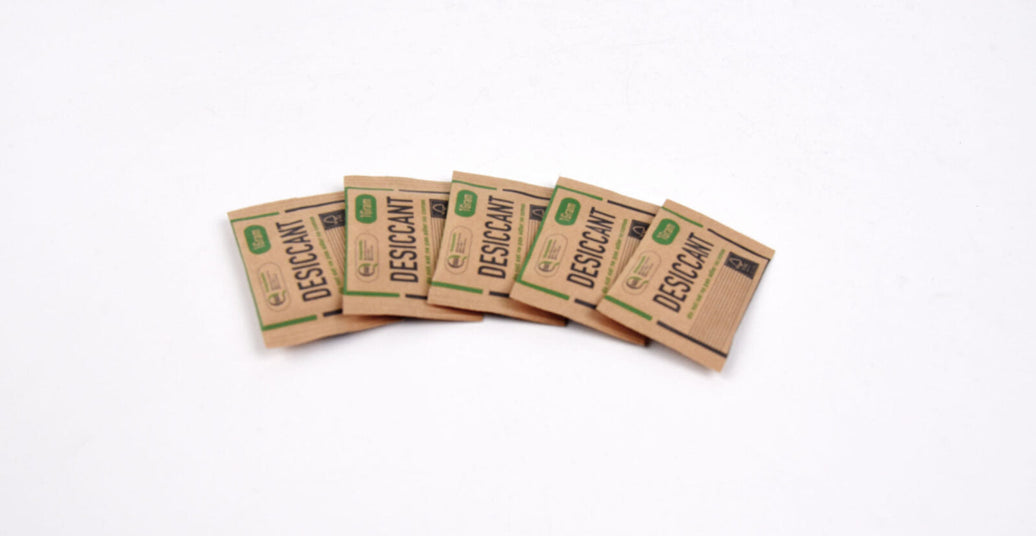
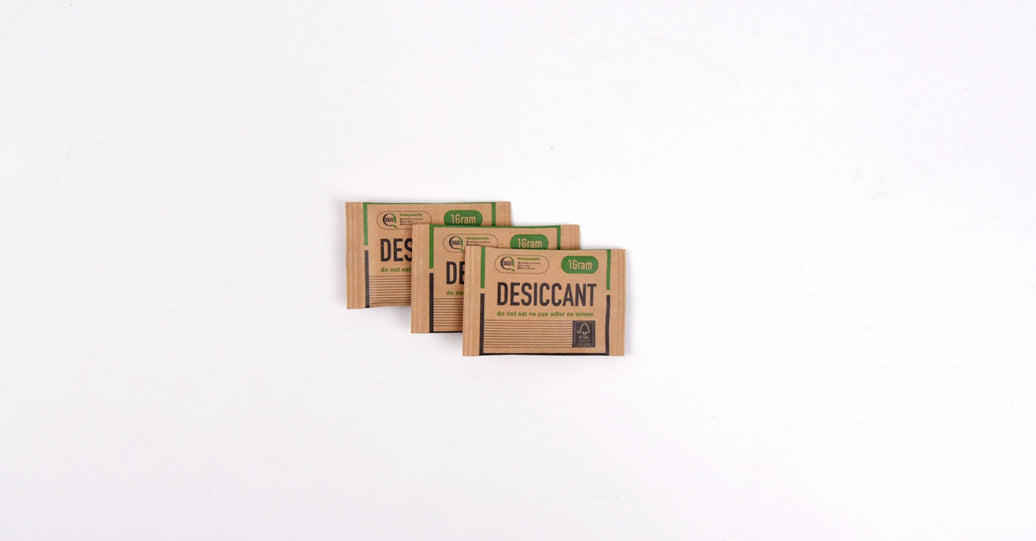
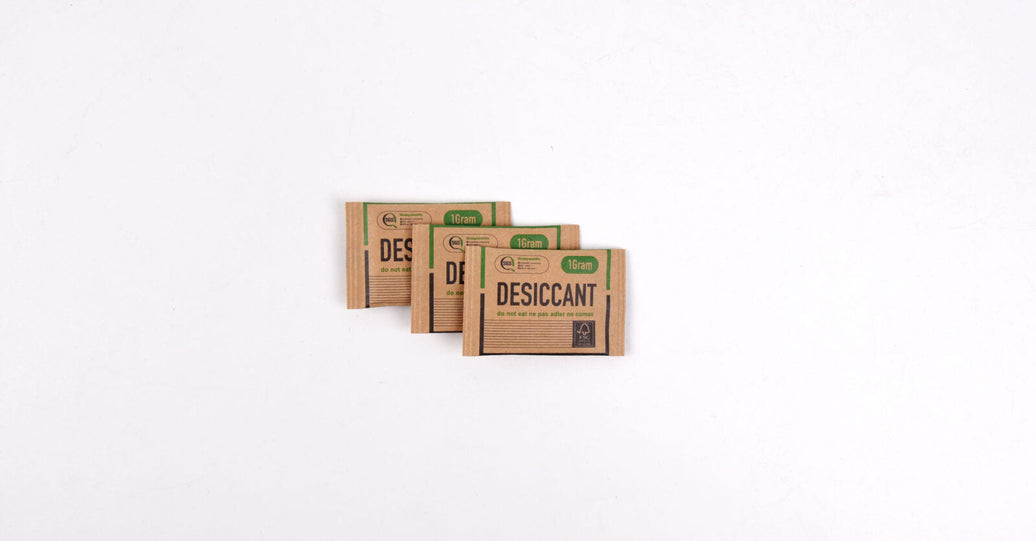
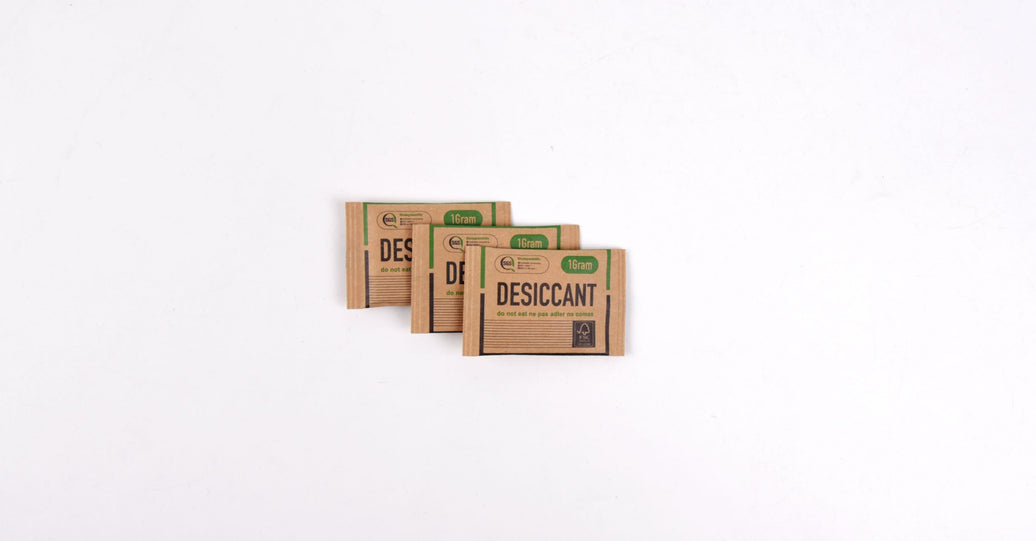
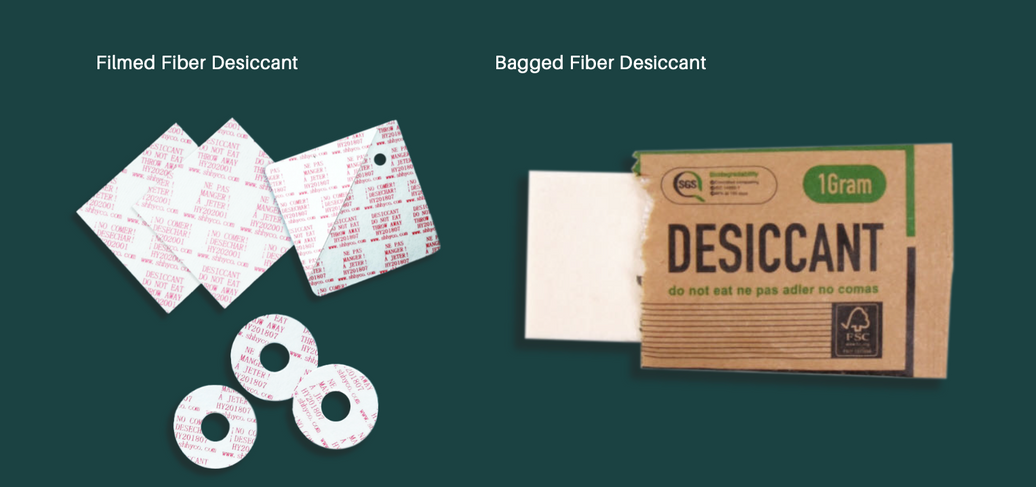
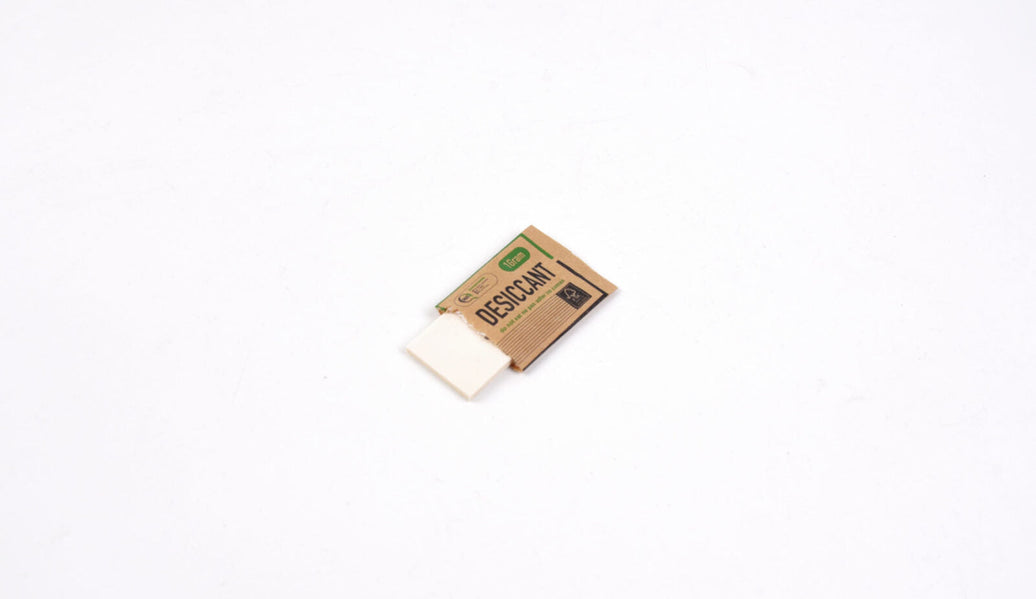
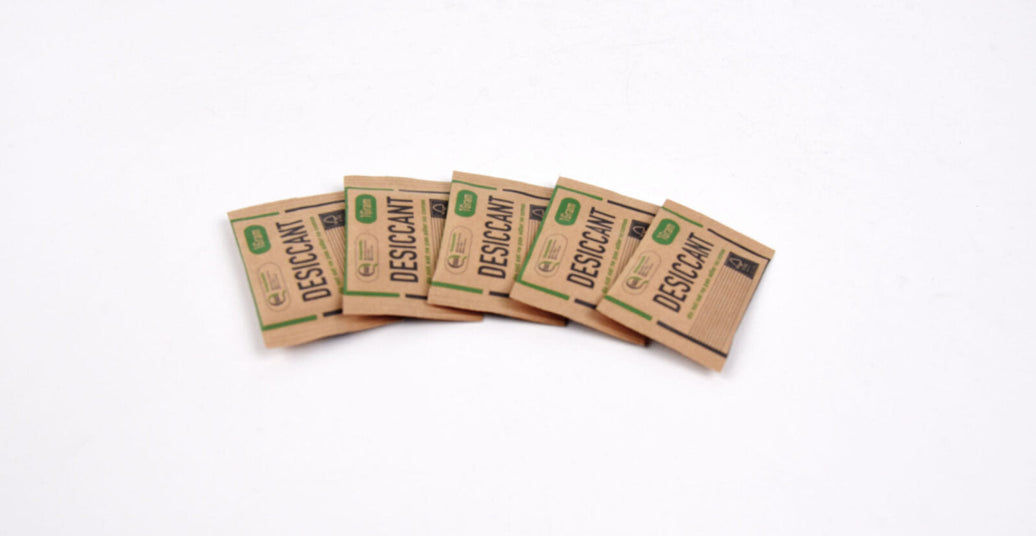
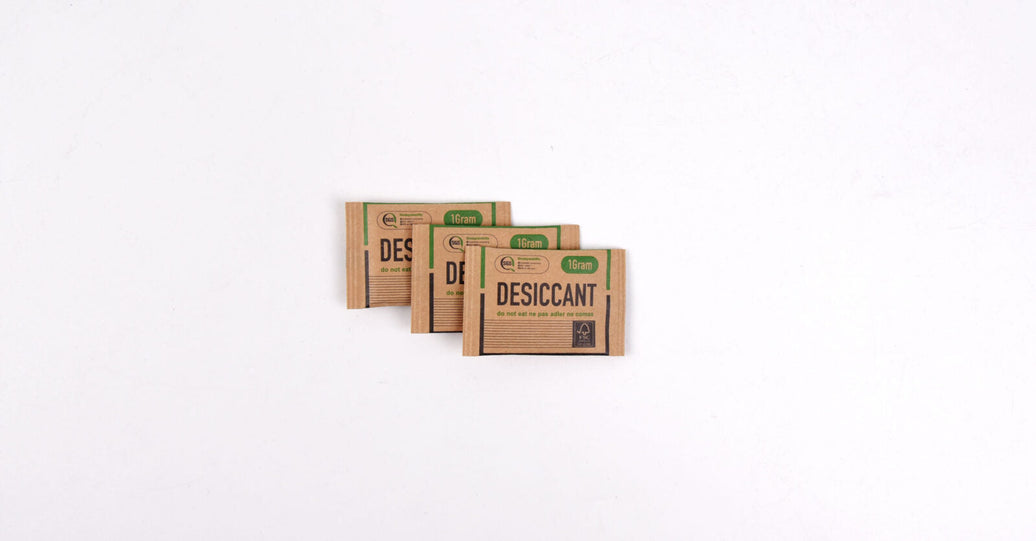
- Fiber desiccant needs no tooling for standard sachets. Pouches are made from 1 g up to 1,000 g and customised in between, so dosage is a specification change rather than an engineering project.
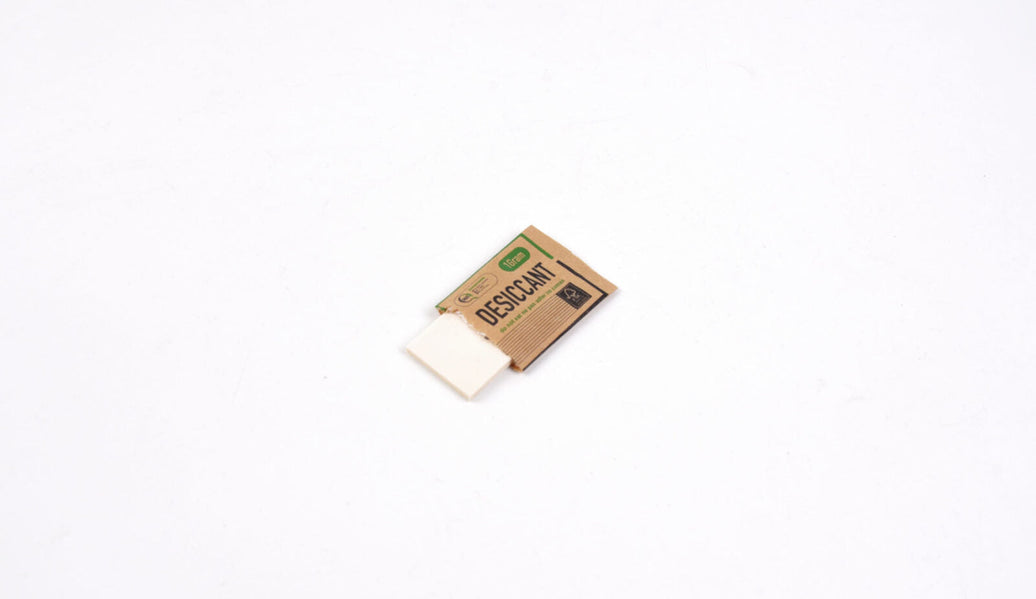
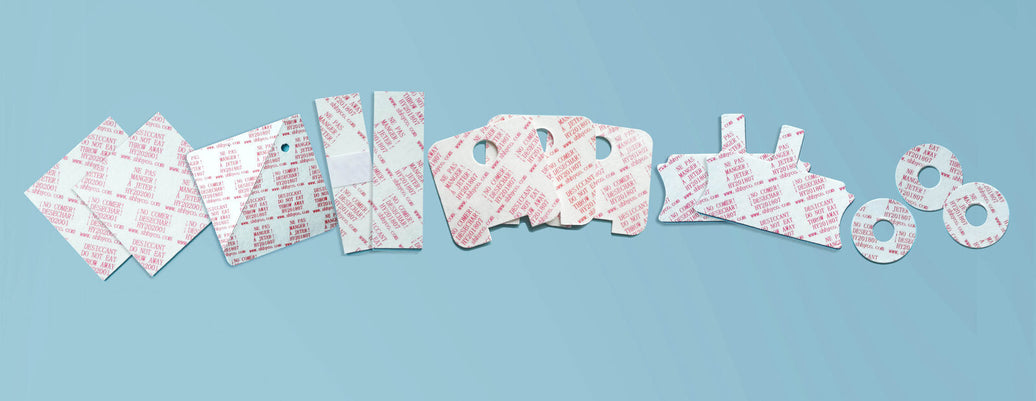
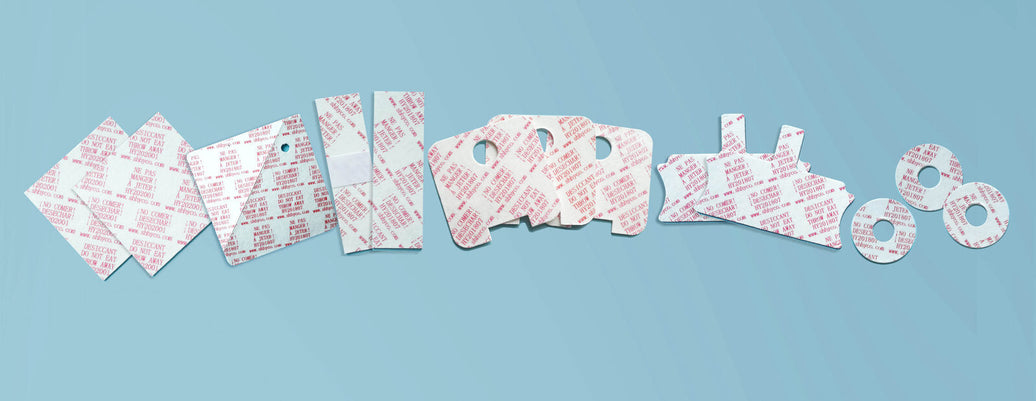
- Die-cut film cards sit between the two. Fiber Card paper desiccant is supplied at 0.5 mm and 1.0 mm thickness, die-cut to shape and printable, with FF-3, FF-6 and FF-15 approximating 0.5 g, 1 g and 2.5 g of silica gel equivalent. A cutting die is cheap next to an injection mold.

Line integration
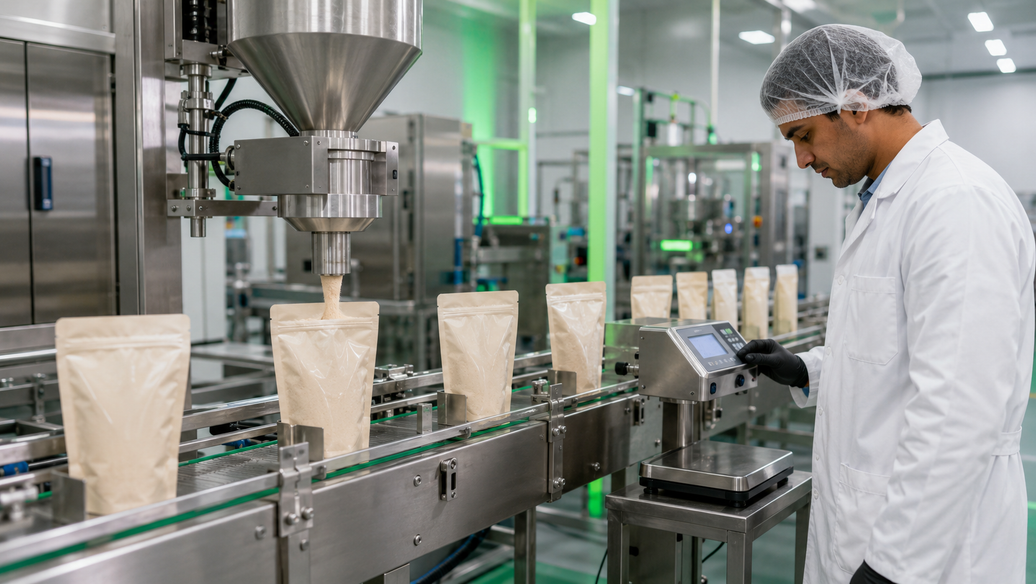
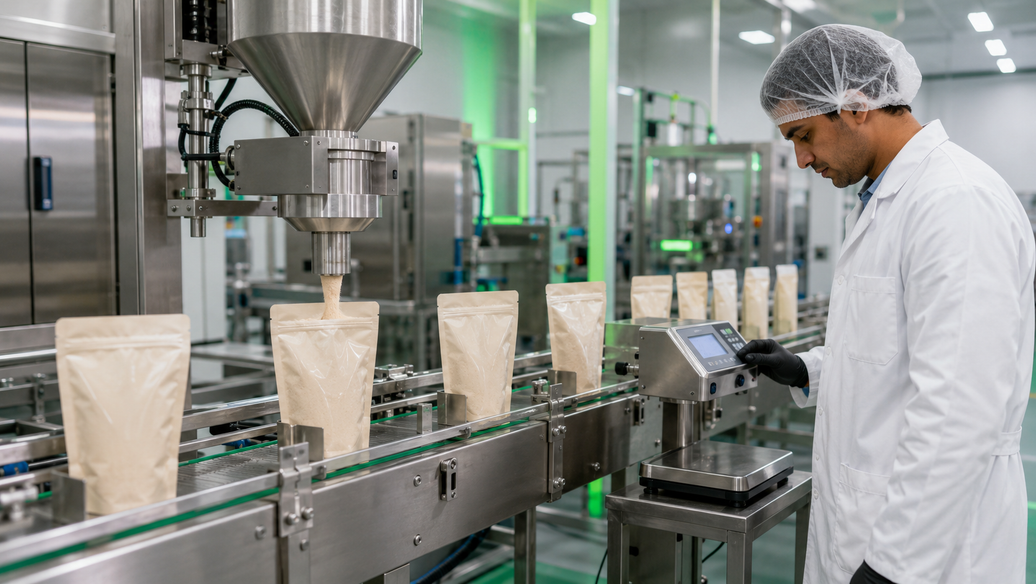
A molded polymer closure needs no dispenser, which removes a machine from the line and removes a failure mode with it. A sachet needs a dispenser, and dispenser compatibility is the most common reason a technically correct desiccant fails in practice — the issue is covered in dispenser compatibility on a pouch line. A die-cut card can often be placed by the same equipment that handles induction-seal liners.
End of life and packaging reporting
This is where the two formats diverge most sharply for anyone selling into Europe. A desiccant polymer part is plastic and is reported as plastic, at plastic fee rates, and it usually cannot be separated by the consumer from the closure it is molded into. A fiber desiccant sachet is a separable fiber-based component. ATMOSIScience pouch films carry ASTM D6400 and EN 13432 certification, and the core is a compostable fiber material.
Recyclability grades and the associated 2030 and 2038 thresholds are set out in our PPWR compliance hub. The practical point: a molded plastic desiccant part adds plastic mass to a package at exactly the moment regulation is charging for plastic mass.
A decision table
| Question | Points to polymer | Points to fiber |
|---|---|---|
| Can a loose insert be tolerated? | No | Yes |
| Annual volume | Very high, single SKU | Mixed or growing SKU range |
| Water load to remove | Small, slow ingress | Moderate to high |
| EU packaging reporting pressure | Low | High |
| Time to first shipment | Months acceptable | Weeks required |
Frequently asked questions
Can a desiccant polymer be retrofitted to an existing bottle?
Only if the closure geometry is redesigned. The sorbent has to sit somewhere, and that space has to come from the closure or the liner. A sachet or card can be added to an existing pack without changing any molded component.
Does a molded desiccant part dust?
No, and that is its main advantage. Fiber desiccant addresses the same concern differently: the sorbent is bound in a fiber matrix rather than loose granules, so the pad does not leak even if the wrapper is compromised.
Which format is easier to document for a customer audit?
A separable insert, because it has its own specification, certificate of analysis and safety data sheet. A molded part is documented as part of the closure, which means the closure supplier becomes the owner of the moisture-control claim.
Can the two be combined?
They can, and occasionally are, in high-value diagnostics. It is rarely economic outside that context.
Compare the two formats on your actual package
Send the headspace volume, barrier film and shelf life and the ATMOSIScience team will come back with a dosage figure and a sample plan.
Prefer email? info@atmosiscience.com