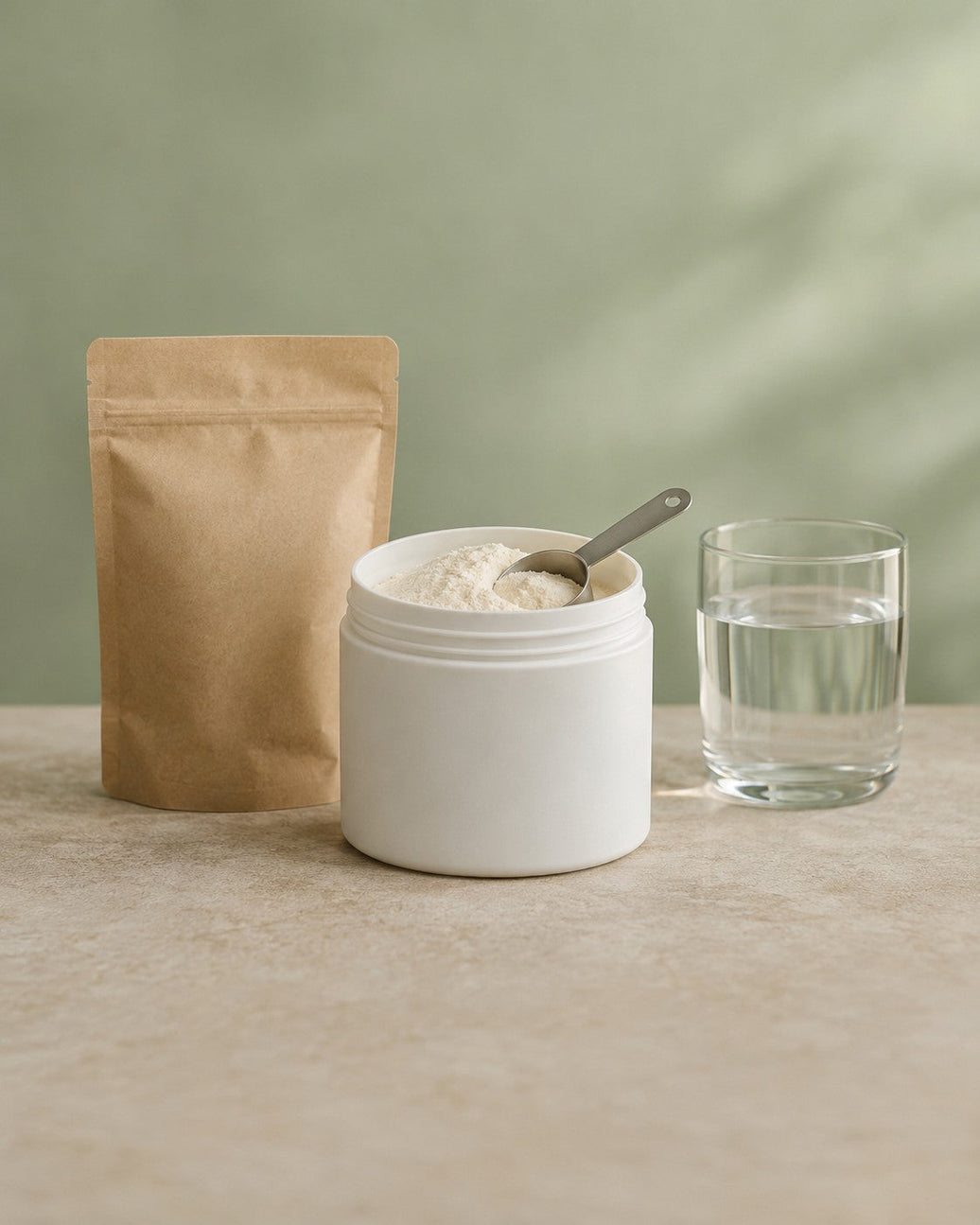
Quick answer: Choosing a desiccant for NMN starts with the raw material data: chemical reference listings describe beta-nicotinamide mononucleotide as very hygroscopic and recommend storage at 2 to 8 °C. Finished NMN powders and capsules, however, usually sit at room temperature and are opened daily. That gap is where moisture control earns its place. Use a barrier pack, a desiccant sized for the opening pattern and placed where it stays put, HPMC rather than gelatin capsules if the desiccant is strong, and an assay programme that tracks potency and breakdown products over shelf life. Treat TMG, often sold alongside NMN, as moisture-sensitive too.
Longevity supplements are among the highest-value powders per gram in the wellness category. A tub of NMN can cost more than a month of protein. That changes the economics of packaging: a few cents of better moisture control protects a product whose customers notice clumping, and whose label claims depend on potency at the end of shelf life, not just at release.
Why NMN packs are a moisture problem
- The ingredient is listed as very hygroscopic. Reference listings for NMN (CAS 1094-61-7) describe it as very hygroscopic, with refrigerated storage recommended for the raw material.
- Breakdown matters. NMN can break down over time, and nicotinamide is a known breakdown product. As with most such reactions, heat and moisture tend to speed it up. Your stability data, not general guidance, should set the shelf life.
- The consumer pack lives somewhere else. Raw material may be stored cold and dry; finished goods sit in a kitchen and are opened every morning.
- Companion ingredients. NMN is often paired with TMG (trimethylglycine, betaine), which is also known to take up moisture readily.
Cold storage and condensation
Some brands tell customers to refrigerate NMN after opening. That can slow chemical change, but it adds a moisture risk: every time a cold tub or bottle is opened in a warm room, water condenses on the cold powder and the inside of the pack. If you recommend refrigeration, pair it with clear instructions to take out a dose and close the pack quickly, and size moisture control for that pattern. The physics is explained in condensation after cold storage.
For bulk raw material, let sealed containers reach room temperature before opening them in the filling room.
Format options and where the desiccant goes
| Format | Moisture approach |
|---|---|
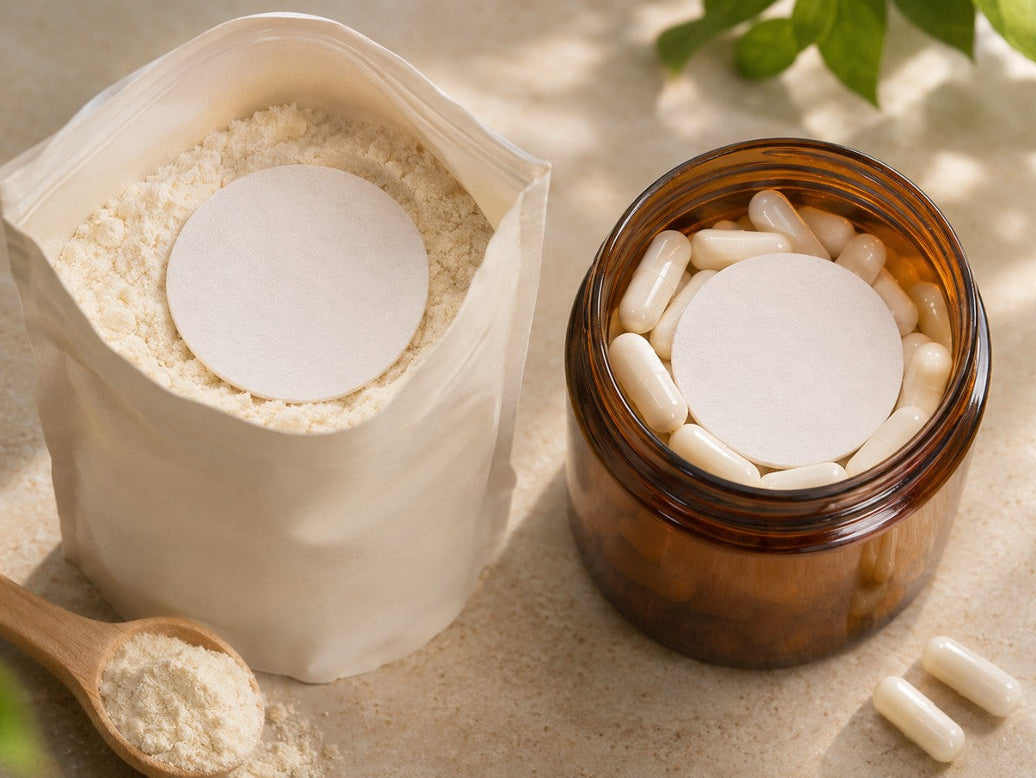
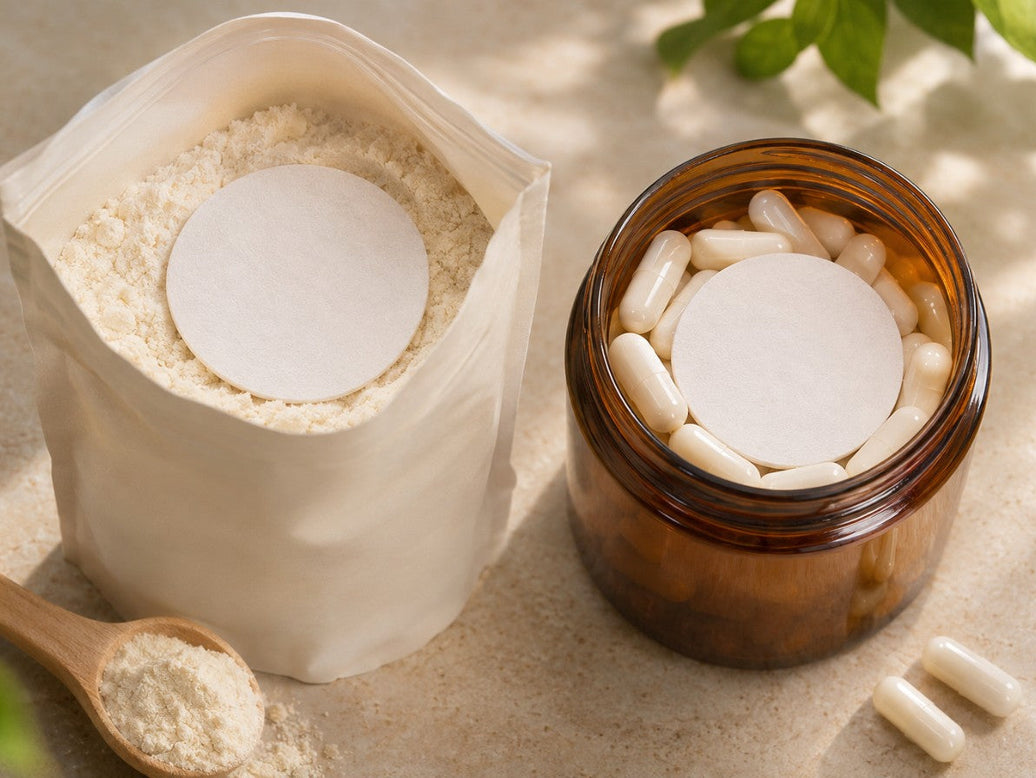
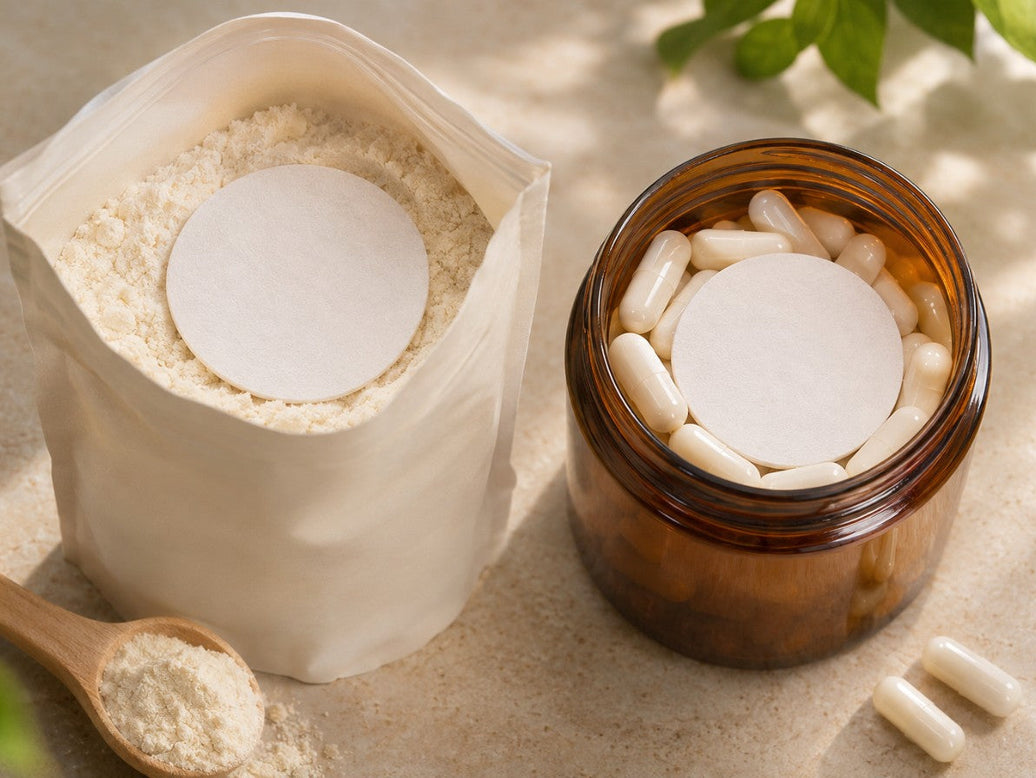
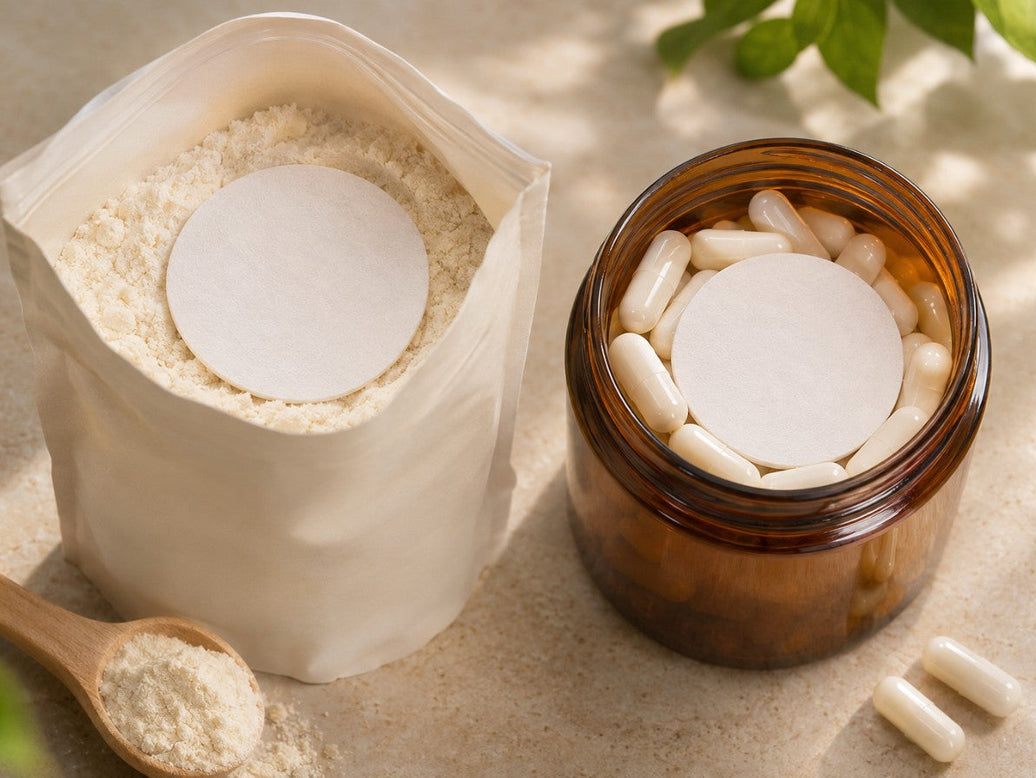
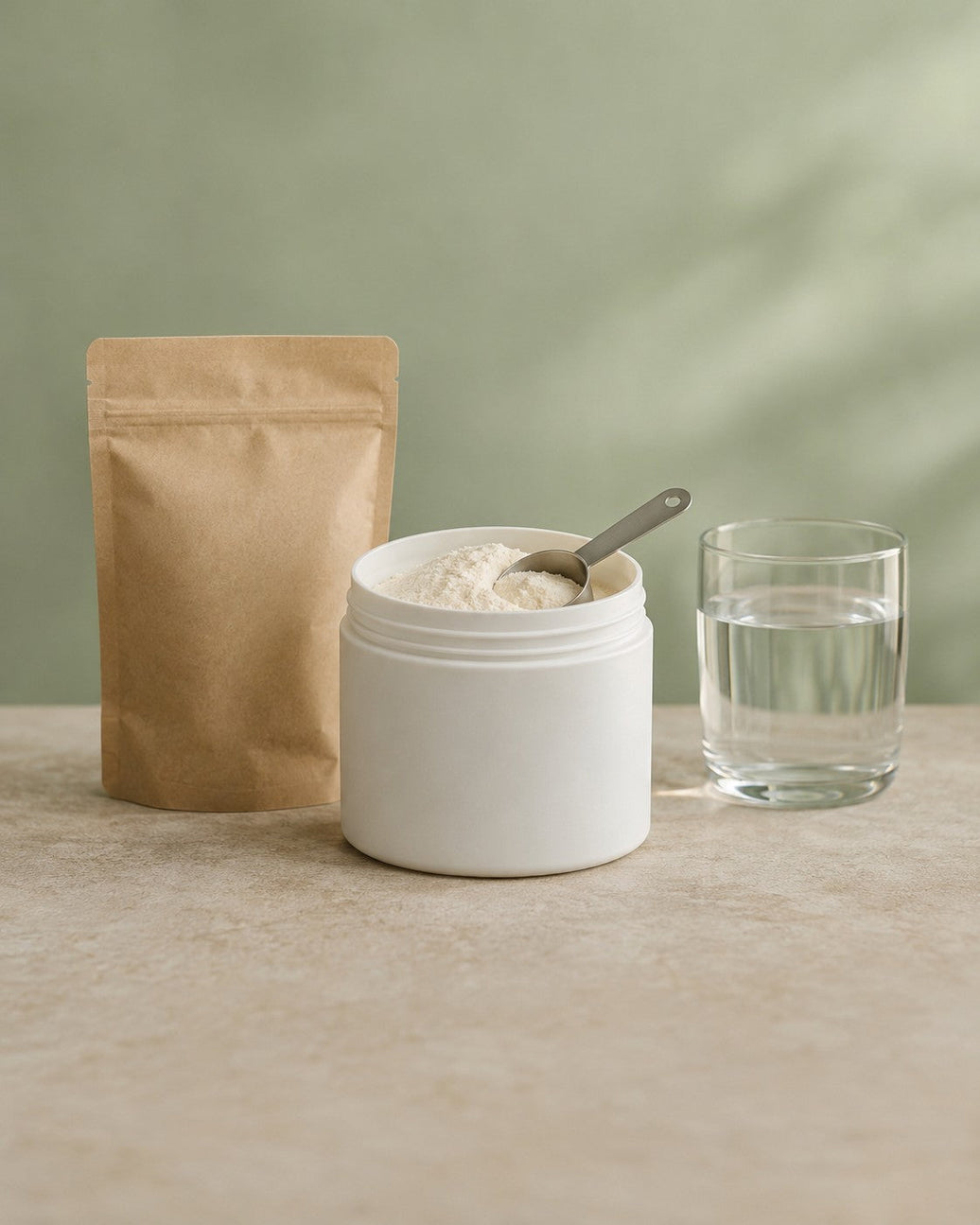
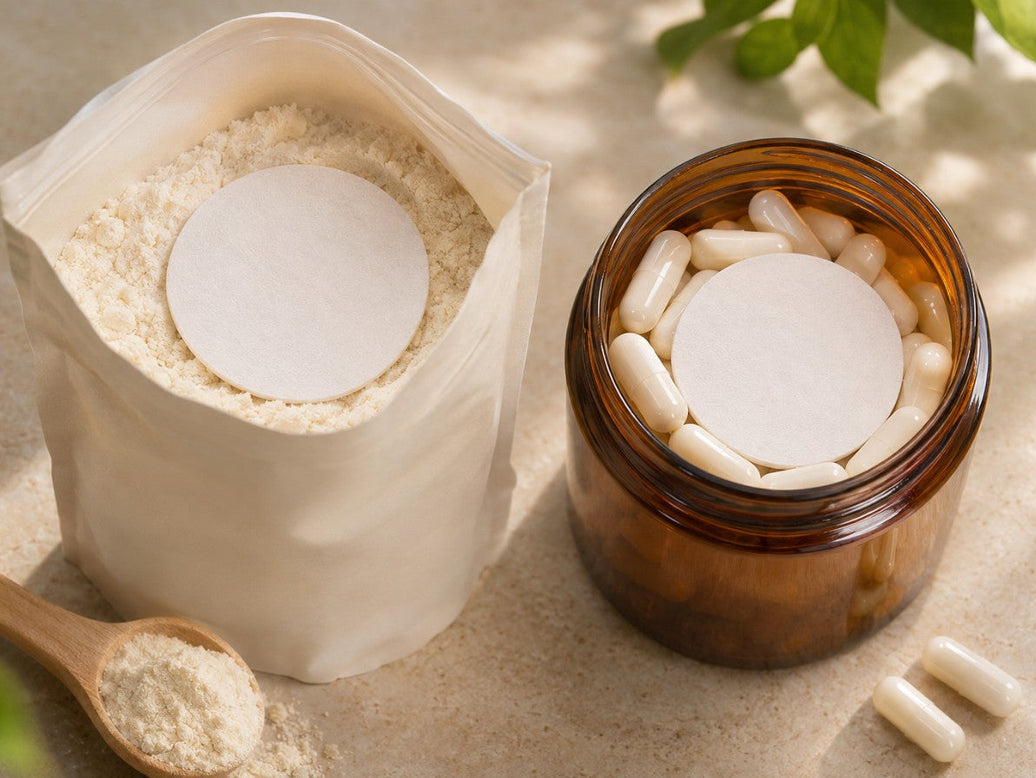
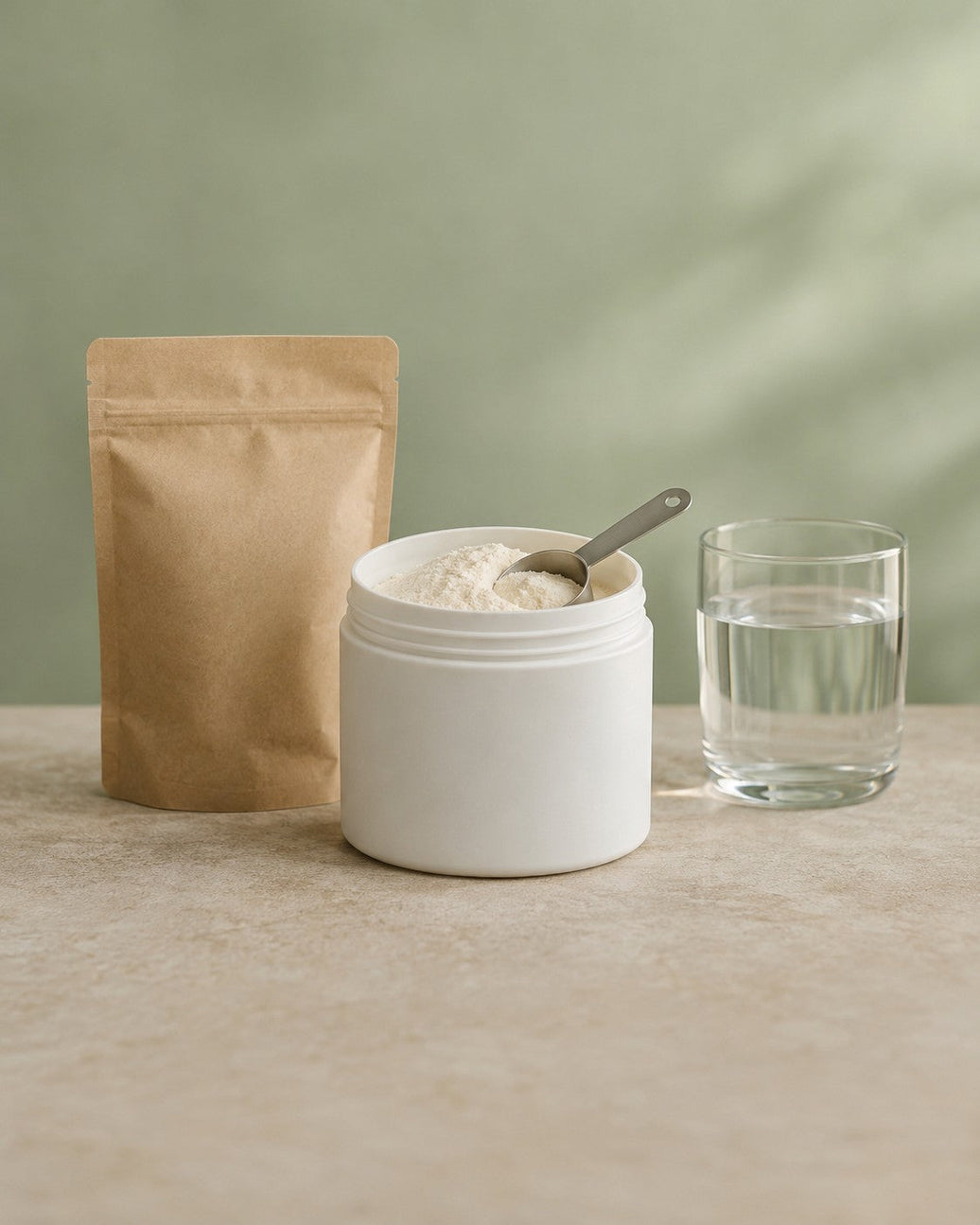
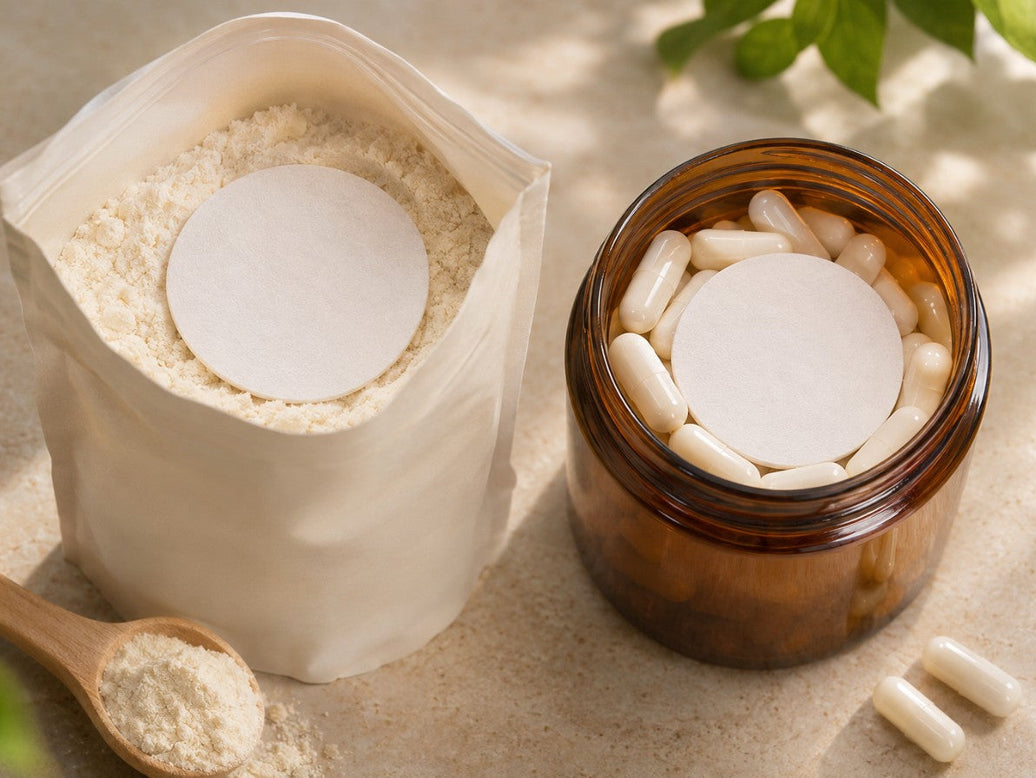
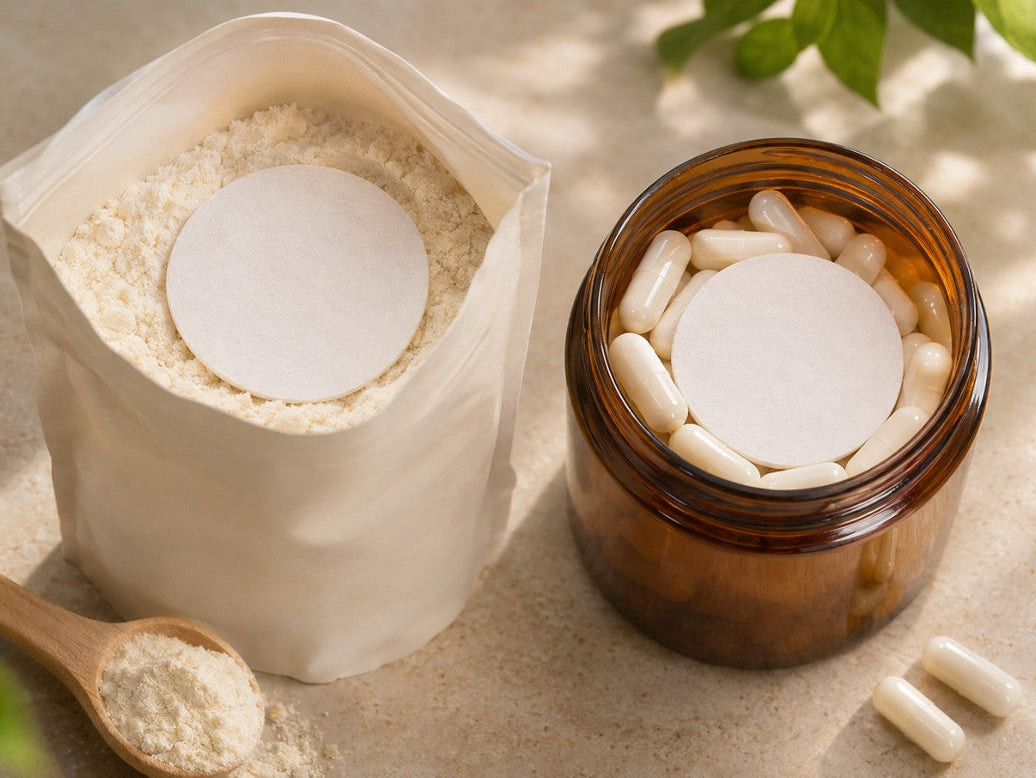
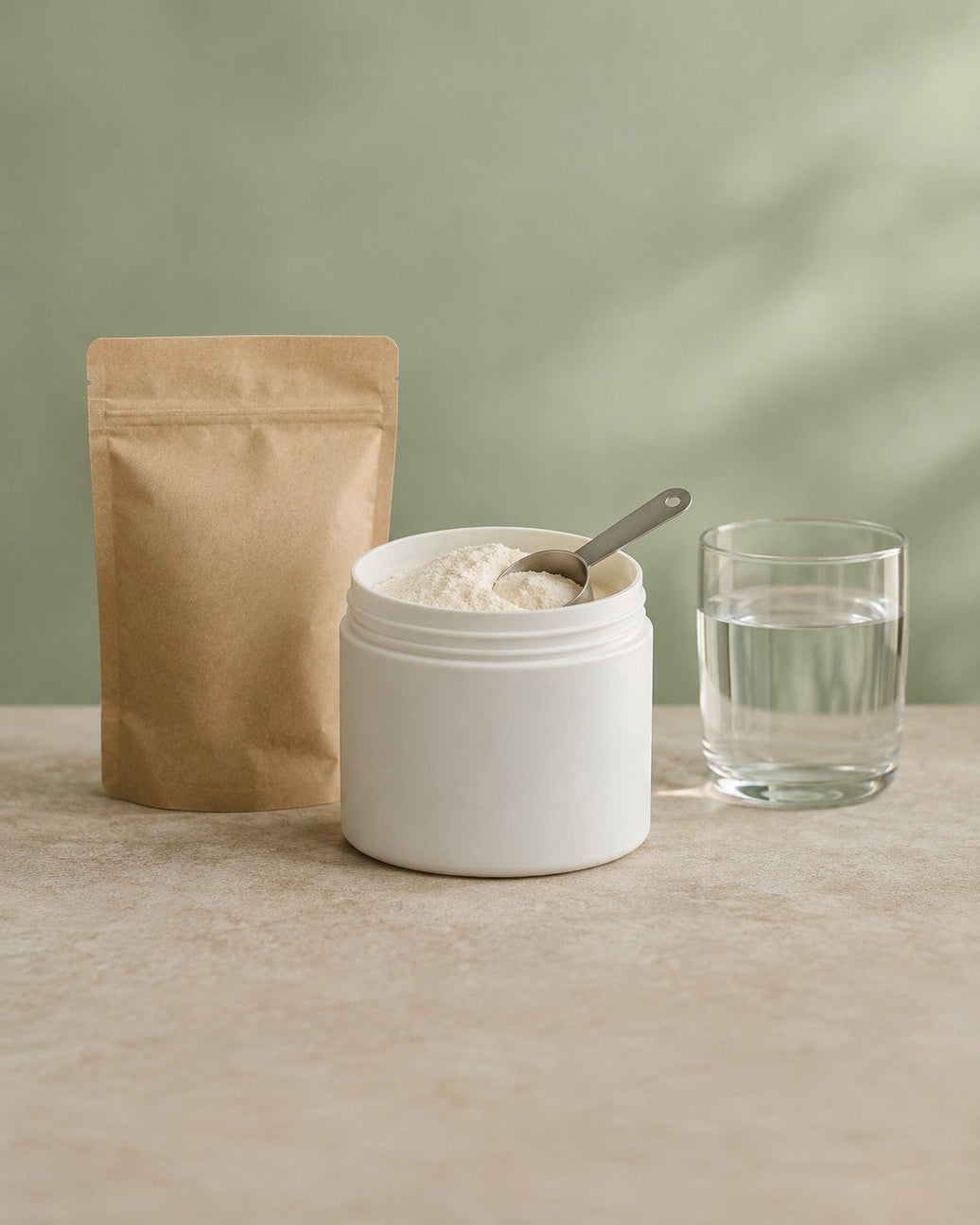
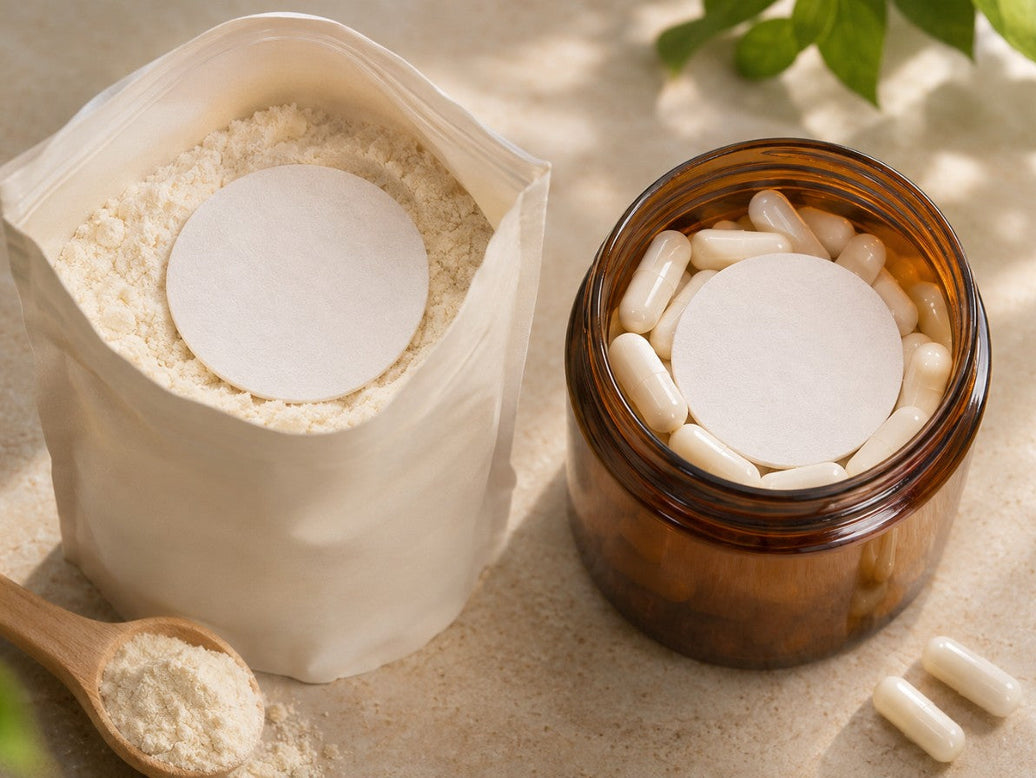
| Powder tub or jar | Barrier container, desiccant card fixed in the lid, sized for daily opening |
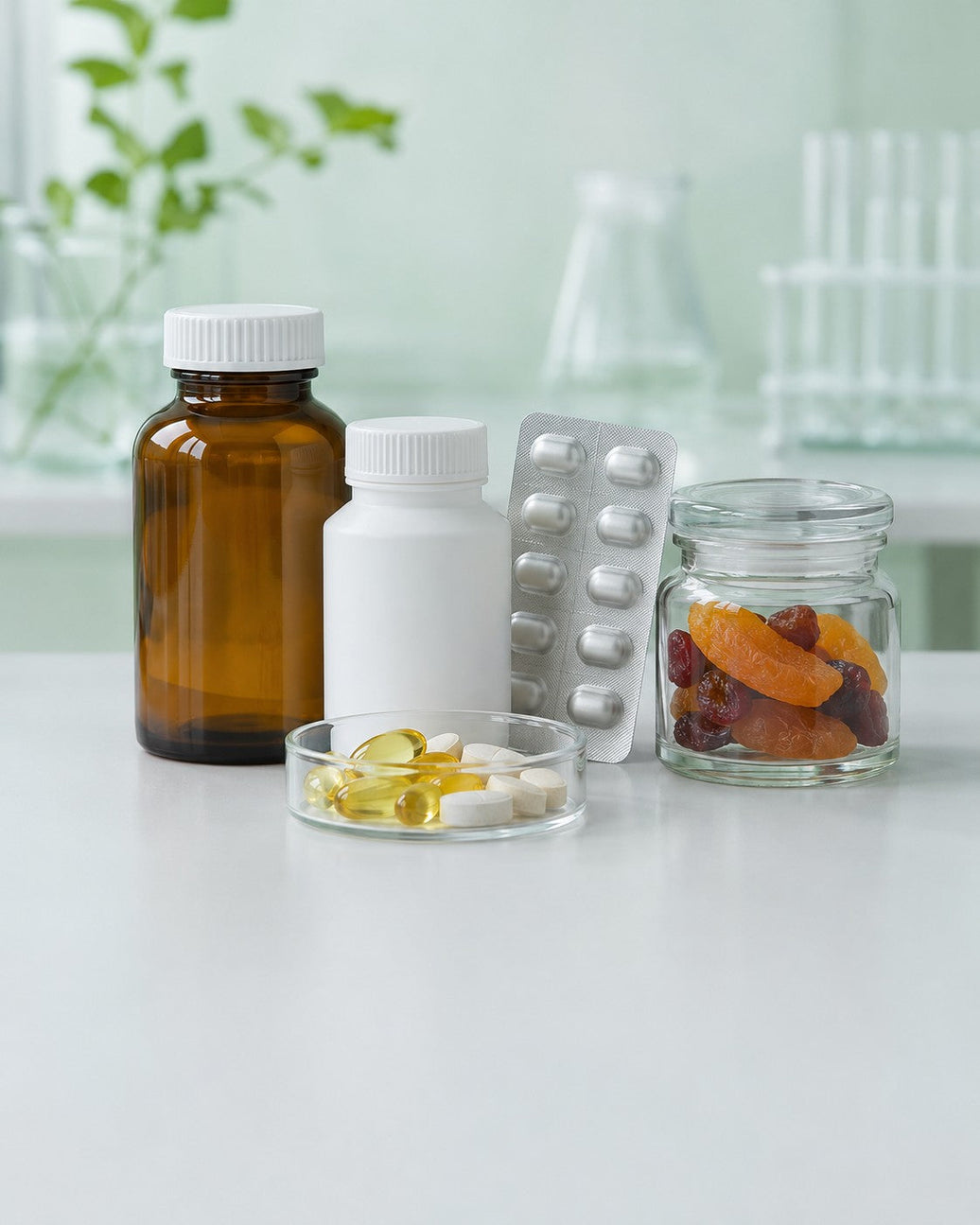
| Capsules in a bottle | HPMC capsules tolerate strong drying; gelatin shells may crack. Card under the cap |
| Sublingual powder or tablets | Blister or small bottle with a desiccant; tablets can soften in humid air |
| Single-dose stick packs | High-barrier film and dry filling; desiccant in outer carton for humid markets |
The capsule trade-off is explained in desiccant for capsule supplements, bottle details in desiccant for HDPE bottles with induction seals, and stick packs in desiccant in stick packs.
Sizing for a low humidity target
For a very hygroscopic ingredient you will usually want the headspace well below room humidity. Size the desiccant on its capacity at that target, not at 90% RH:
- ATMOSIScience fiber desiccant adsorbs more than 10% of its own weight at 20% RH and more than 35% at 50% RH (25 °C).
- If your stability data says the product needs the headspace near 10% RH or lower, a molecular sieve desiccant is usually the better tool. See molecular sieve vs silica gel vs fiber desiccant.
- Add the moisture from each opening, not just permeation through the wall. See desiccant for packs opened 30 times.
Prove it with stability data
- Measure the sorption curve of your finished blend to see where it starts taking up water quickly. See how to read a moisture sorption isotherm.
- Run real-time and accelerated studies on the final pack, with and without the desiccant, including an opening schedule. See accelerated stability testing with desiccant.
- Track assay and breakdown products at each pull, alongside water content or water activity. See water activity vs moisture content.
- Write storage instructions from the data, not from a competitor’s label.
Where Fiber Card fits
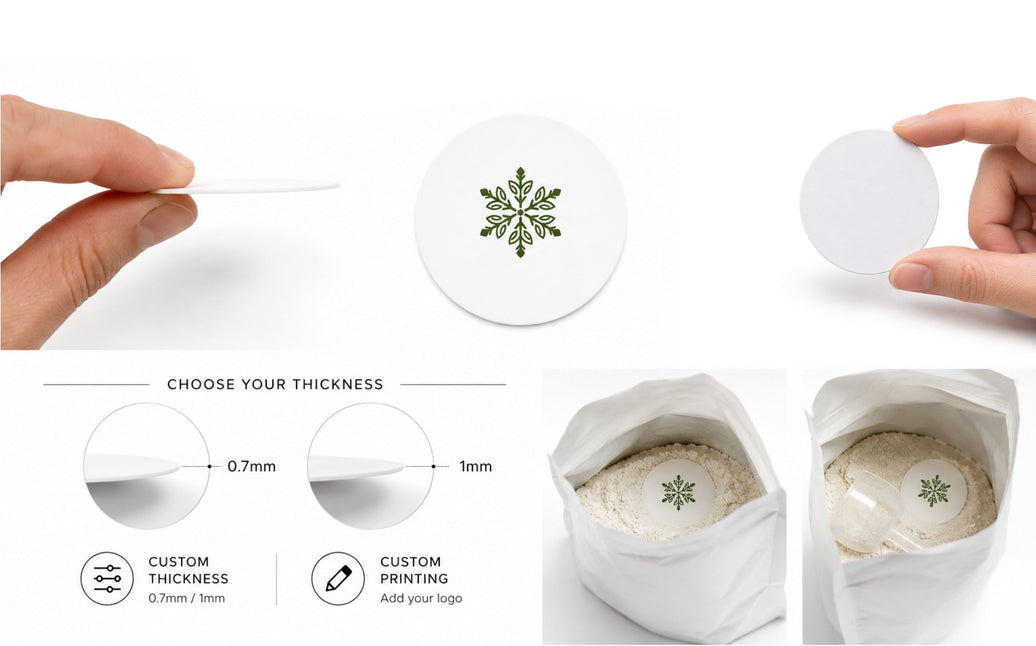
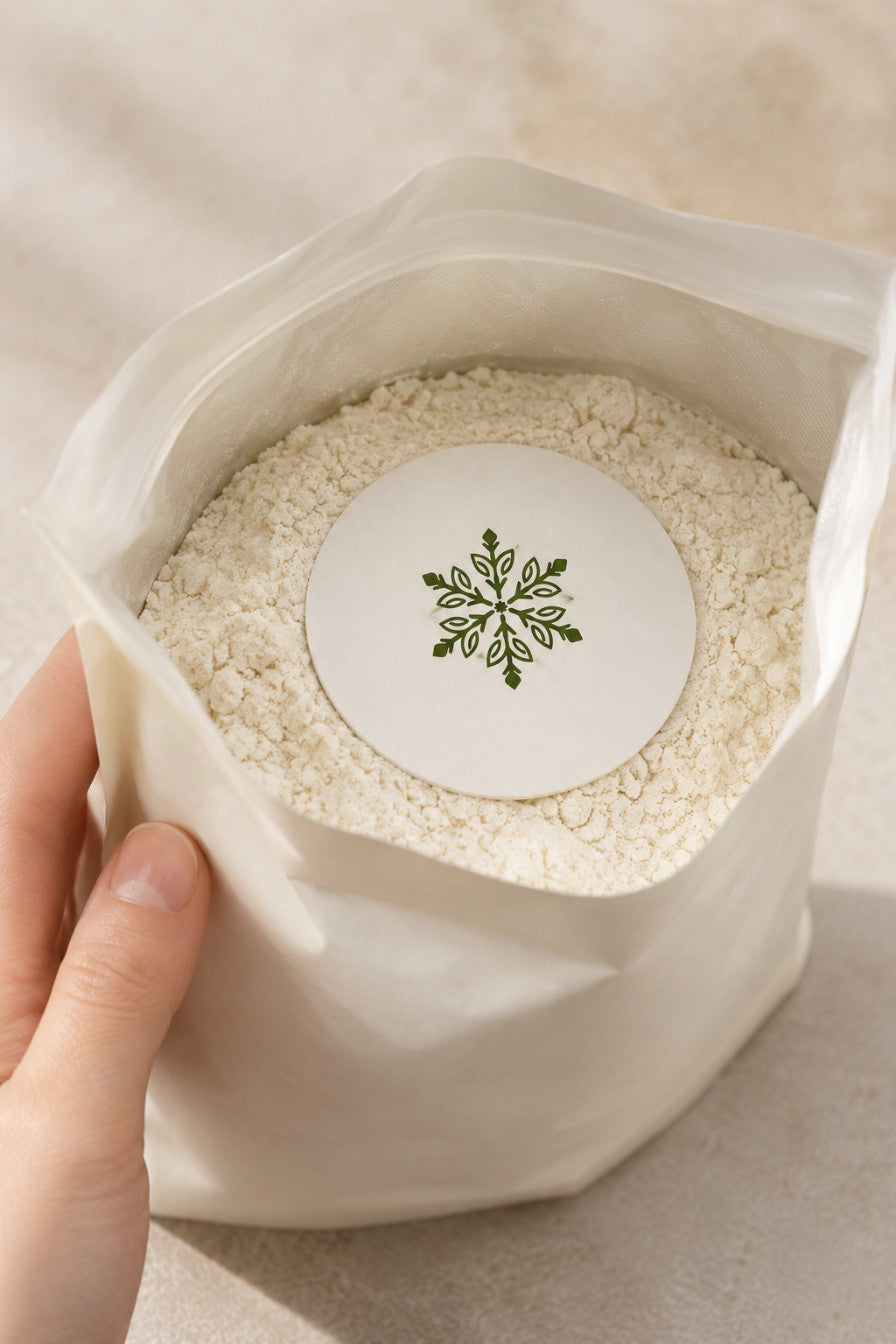
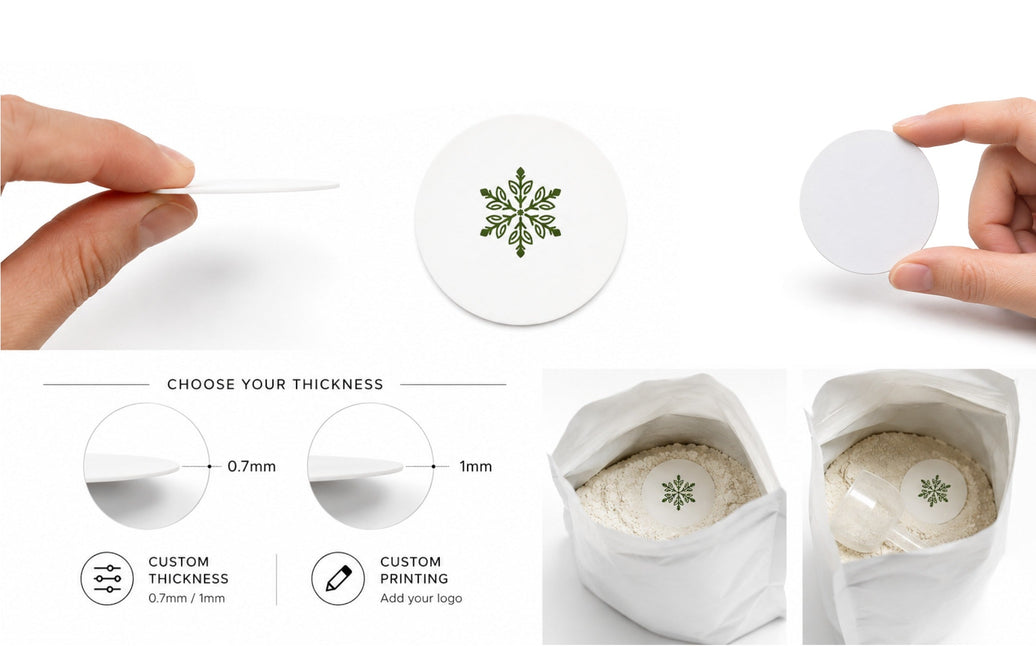
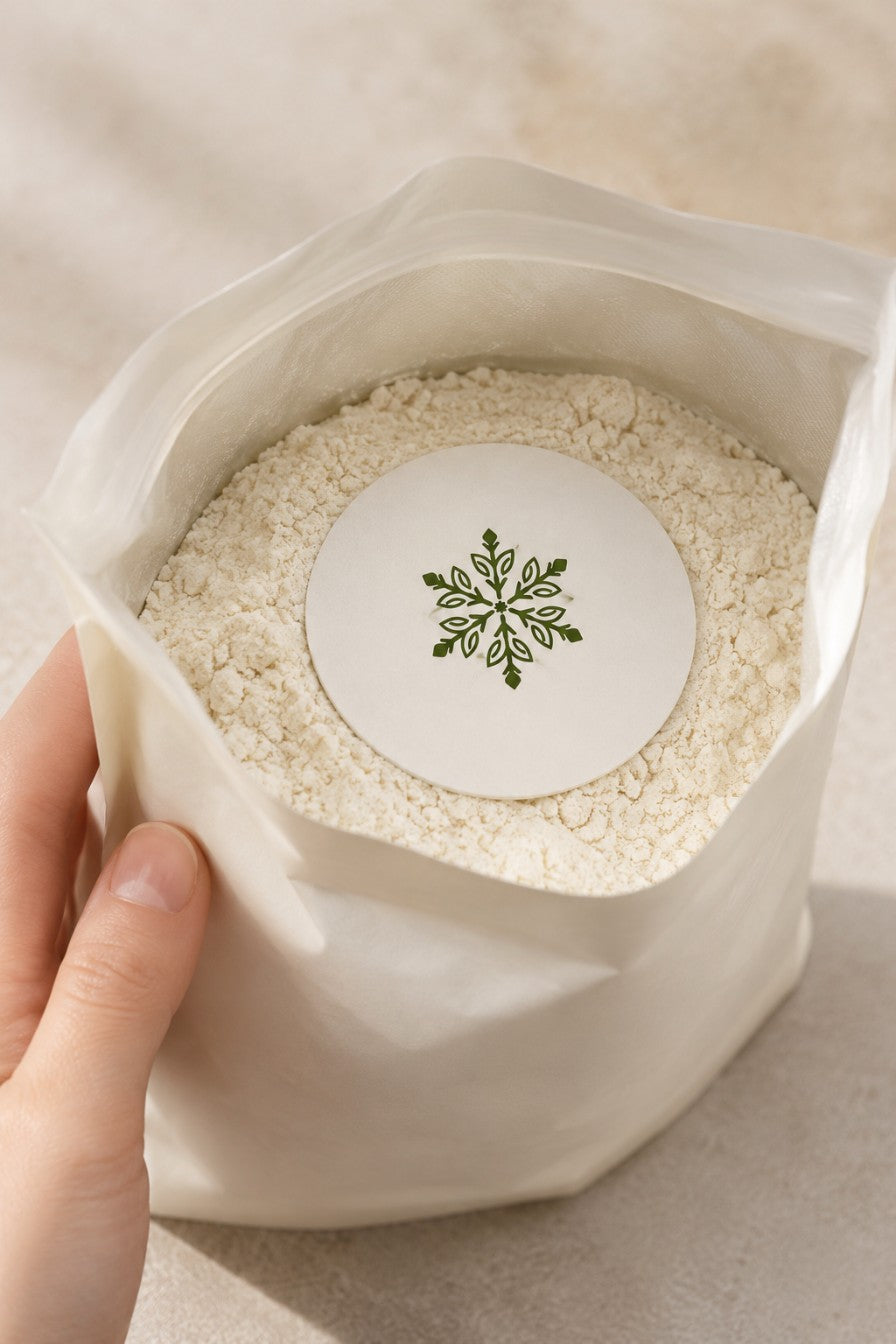
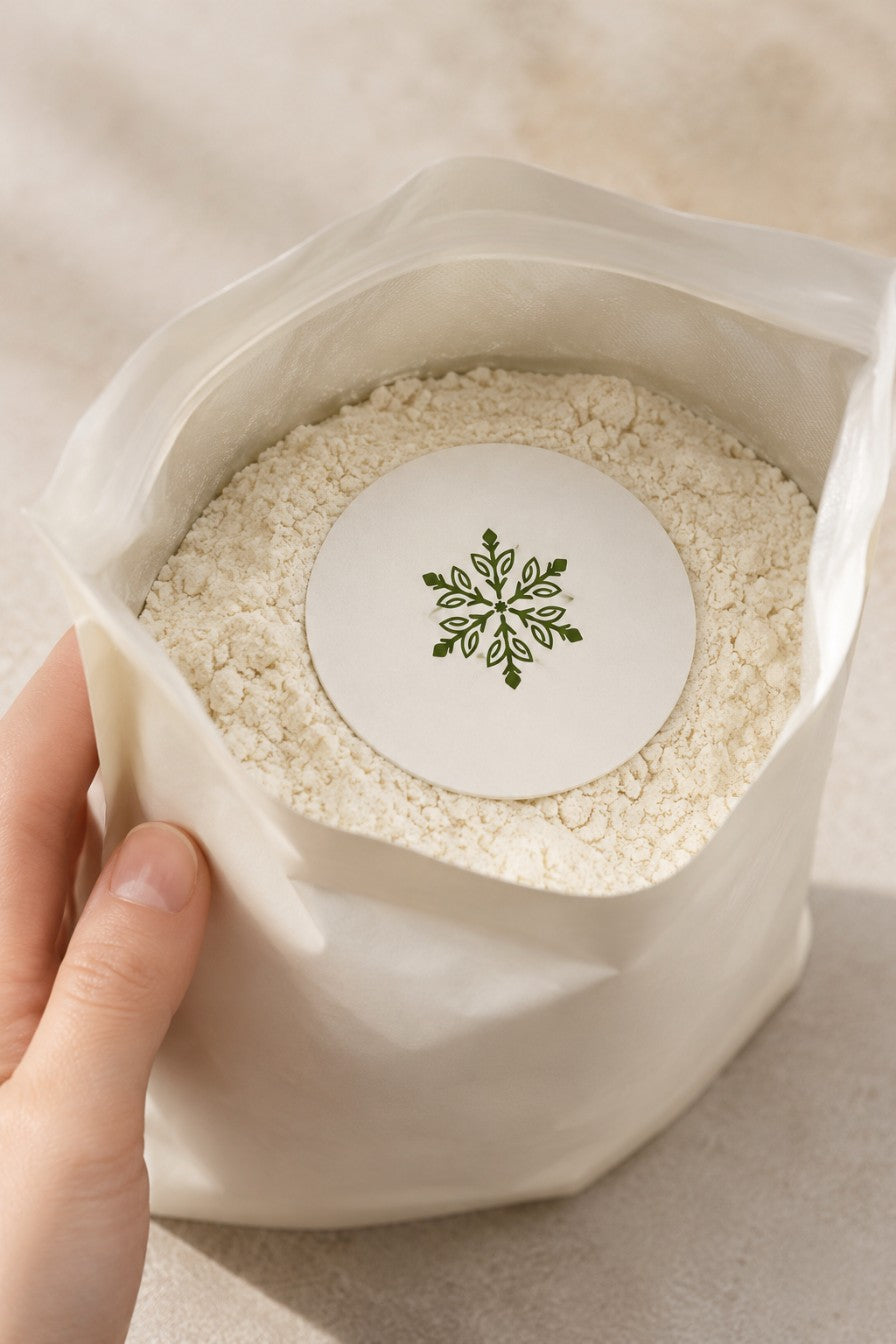
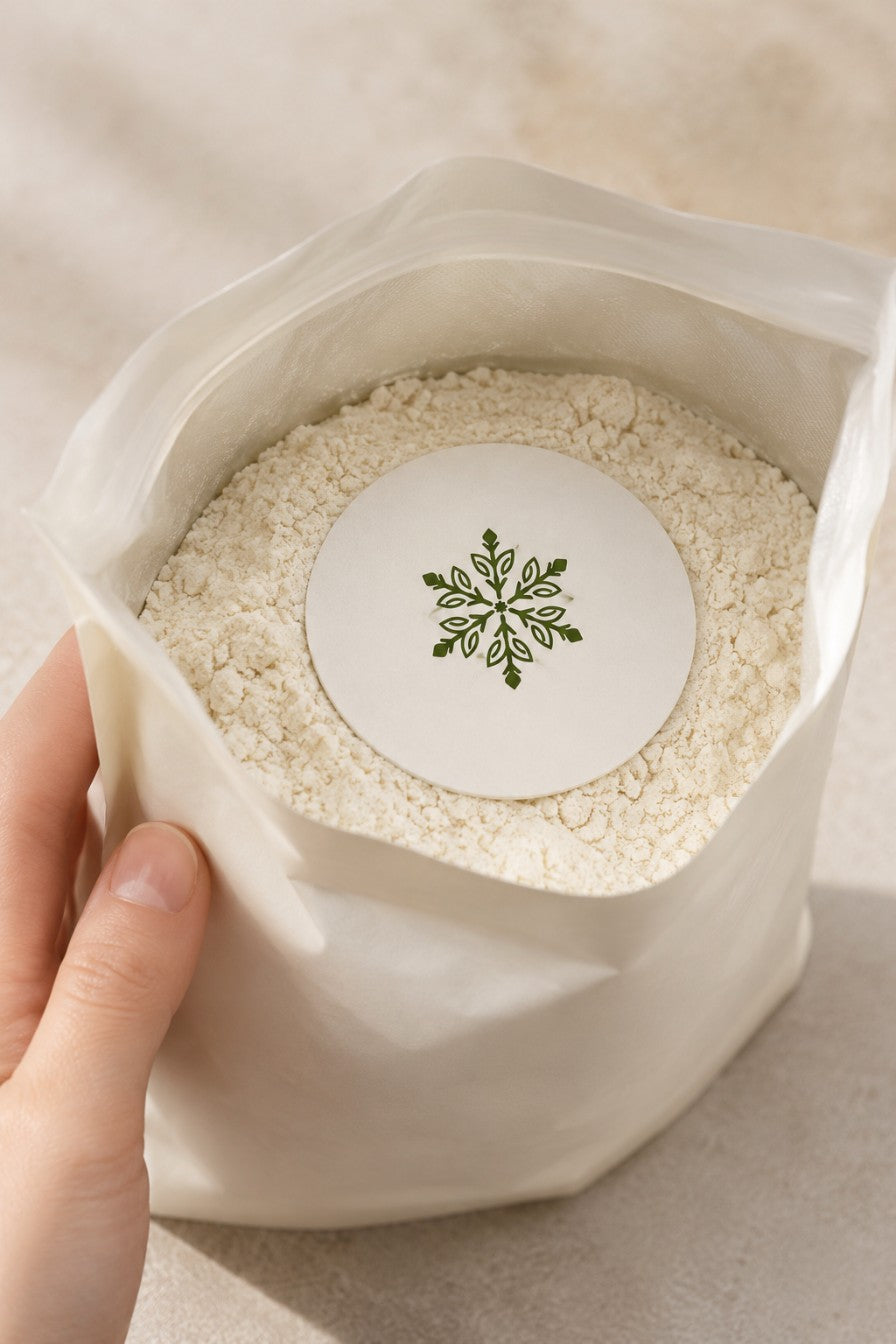
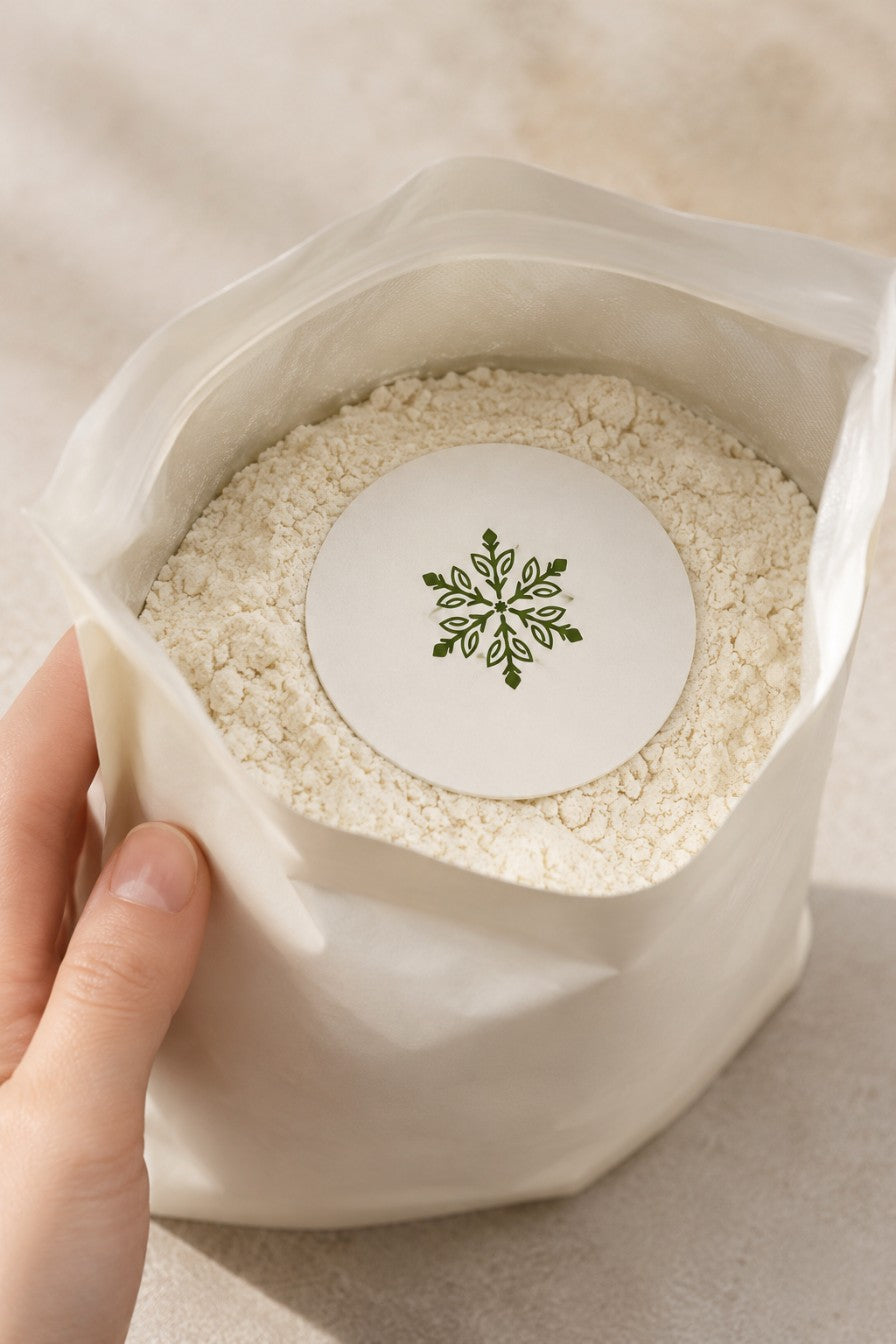
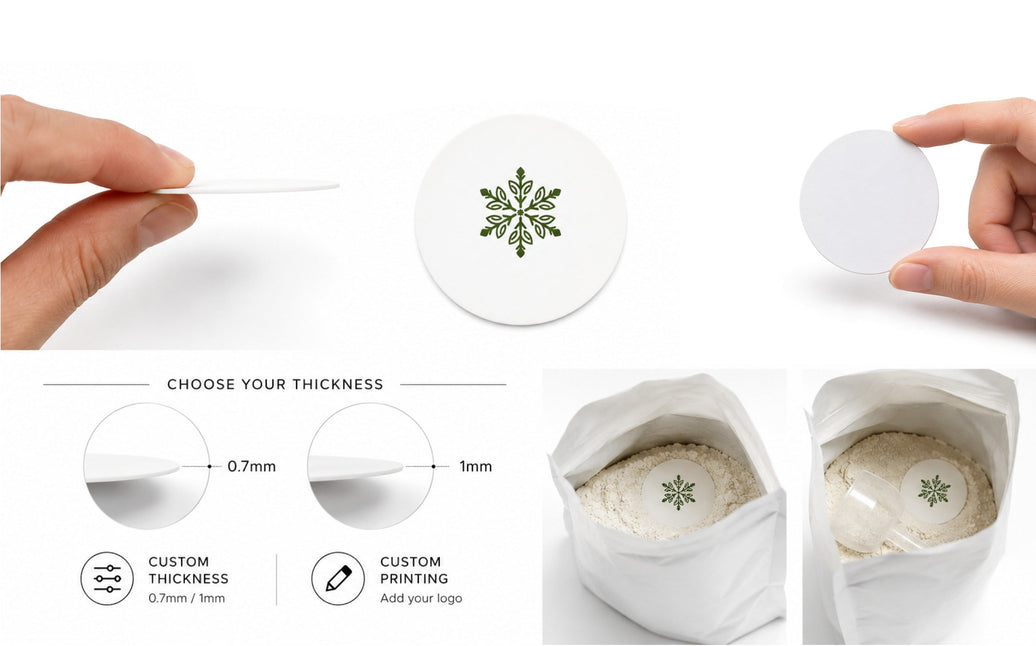
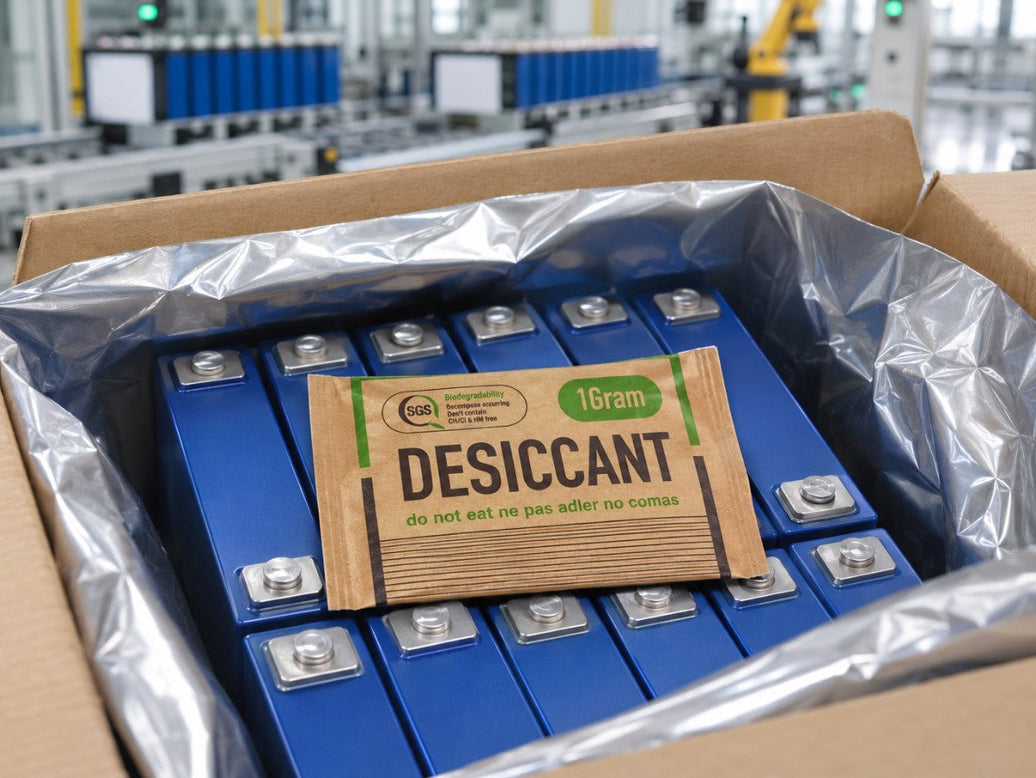
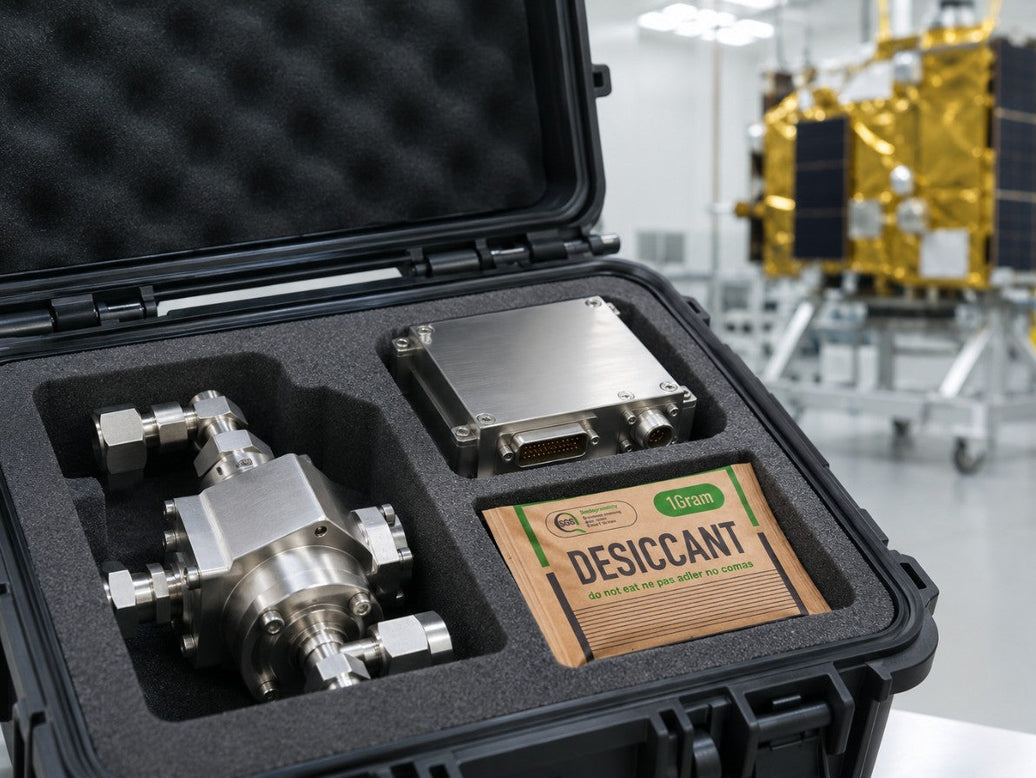
For tubs, jars and HPMC capsule bottles, a paper desiccant card fixed in the lid or under the cap keeps working through daily openings, cannot shed beads into a premium powder, and can be printed with a short storage instruction. Sizes and documents are in the Fiber Card spec guide.
Frequently asked questions
Does NMN need to be refrigerated?
Raw material listings often recommend refrigerated storage. For finished products, follow your own stability data. If you advise refrigeration, also advise closing the pack quickly to limit condensation.
Why does NMN powder clump?
It is very hygroscopic, so it takes up water each time the pack is opened. Clumping is a sign that moisture has reached the powder.
Are NMN capsules better than powder for stability?
Capsules limit how much powder is exposed at each opening, but the bottle still takes in air. HPMC capsules plus a sized desiccant are a common approach.
Can I use the same desiccant for NMN and TMG products?
The format can be the same; the size should come from each product’s own moisture load and sensitivity.
Will a desiccant stop NMN from breaking down?
It reduces one driver, moisture. Temperature, oxygen and formulation also matter, so confirm with stability testing.
Protect a premium longevity product
Tell ATMOSIScience the ingredient, format and pack. We will recommend a Fiber Card size for your target humidity and share the documents your QA team needs.
Prefer email? info@atmosiscience.com