Indicating silica gel is ordinary silica gel with a dye that changes color as the beads take on water. It lets you see when a desiccant is spent without weighing it or measuring the air.
Color guide
| Type | Dry color | Saturated color | Notes |
|---|---|---|---|
| Orange (organic indicator) | Orange | Dark green or colorless | The common cobalt-free choice |
| Blue (cobalt chloride) | Blue | Pink | Cobalt chloride is classed as hazardous in the EU and appears on California's Prop 65 list |
| Non-indicating | White | White | No visual signal |
More on the cobalt issue: cobalt chloride and Prop 65.
Where indicating gel is used
- Equipment breathers and transformer vents
- Gun safes, camera boxes, tool chests
- Reusable canisters you dry out and reuse
Product packaging usually uses non-indicating gel or other desiccants with a separate humidity indicator card.
When to replace or recharge
When most beads have changed color, the gel is near capacity. Many indicating gels can be dried in an oven following the maker's instructions; the color returns as they dry.
For brands
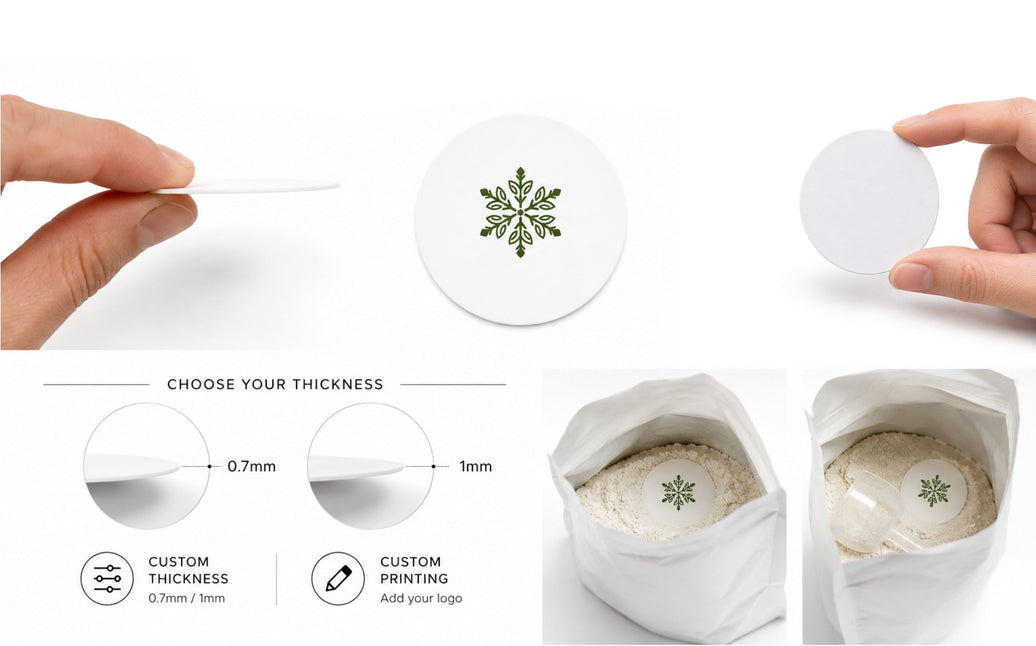
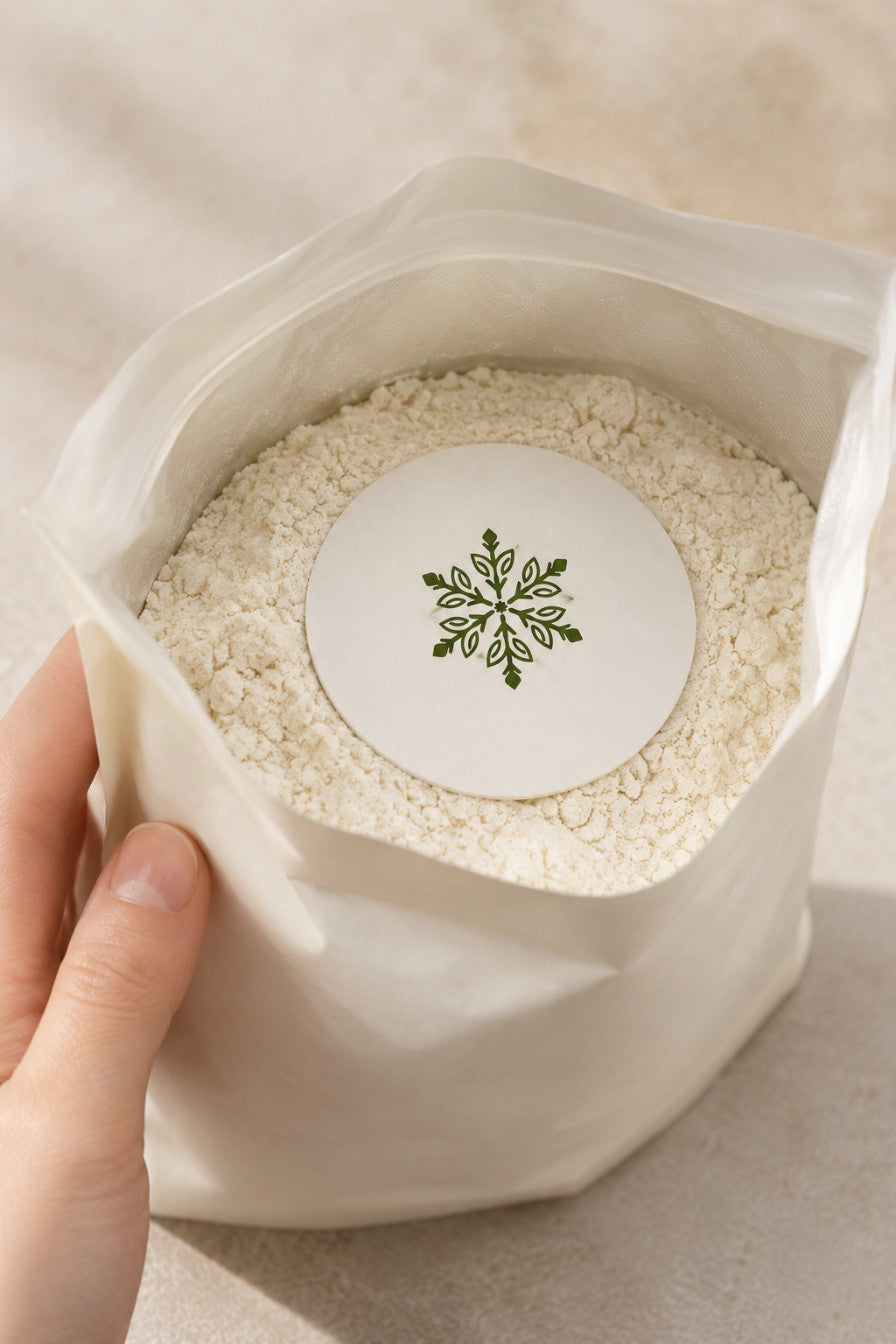
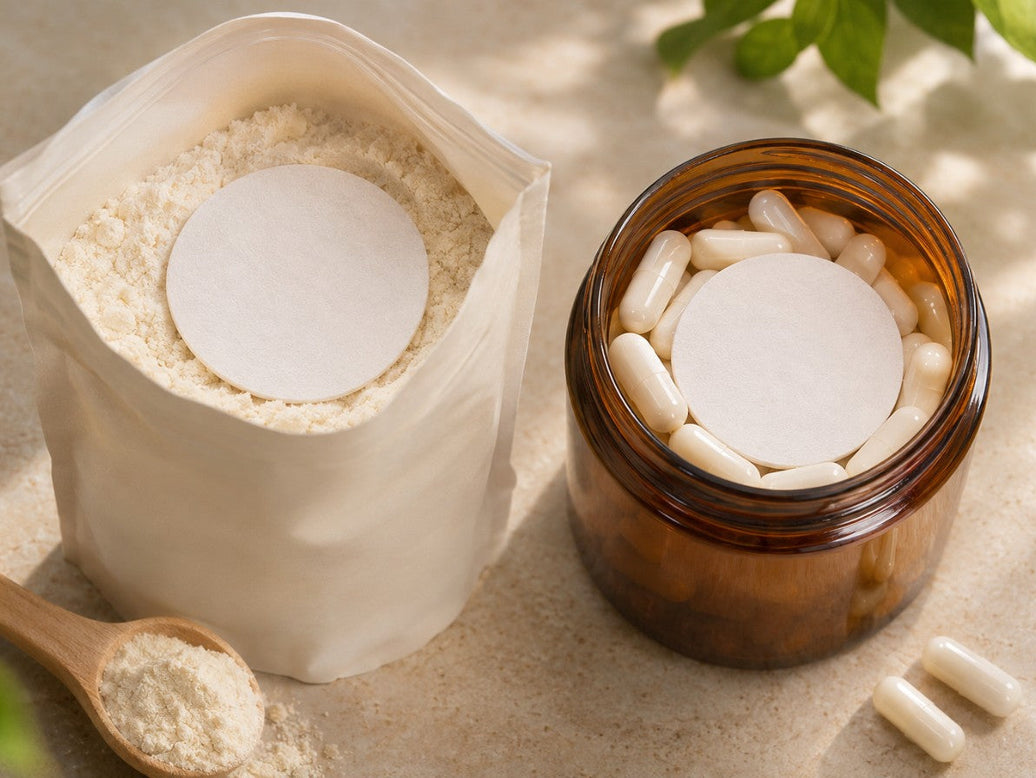
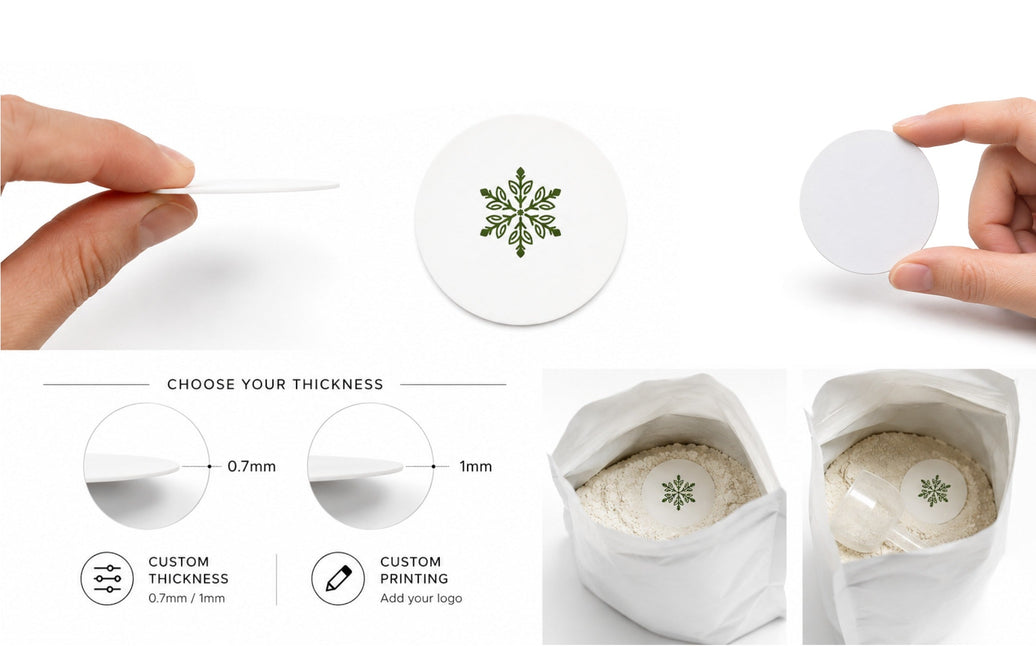
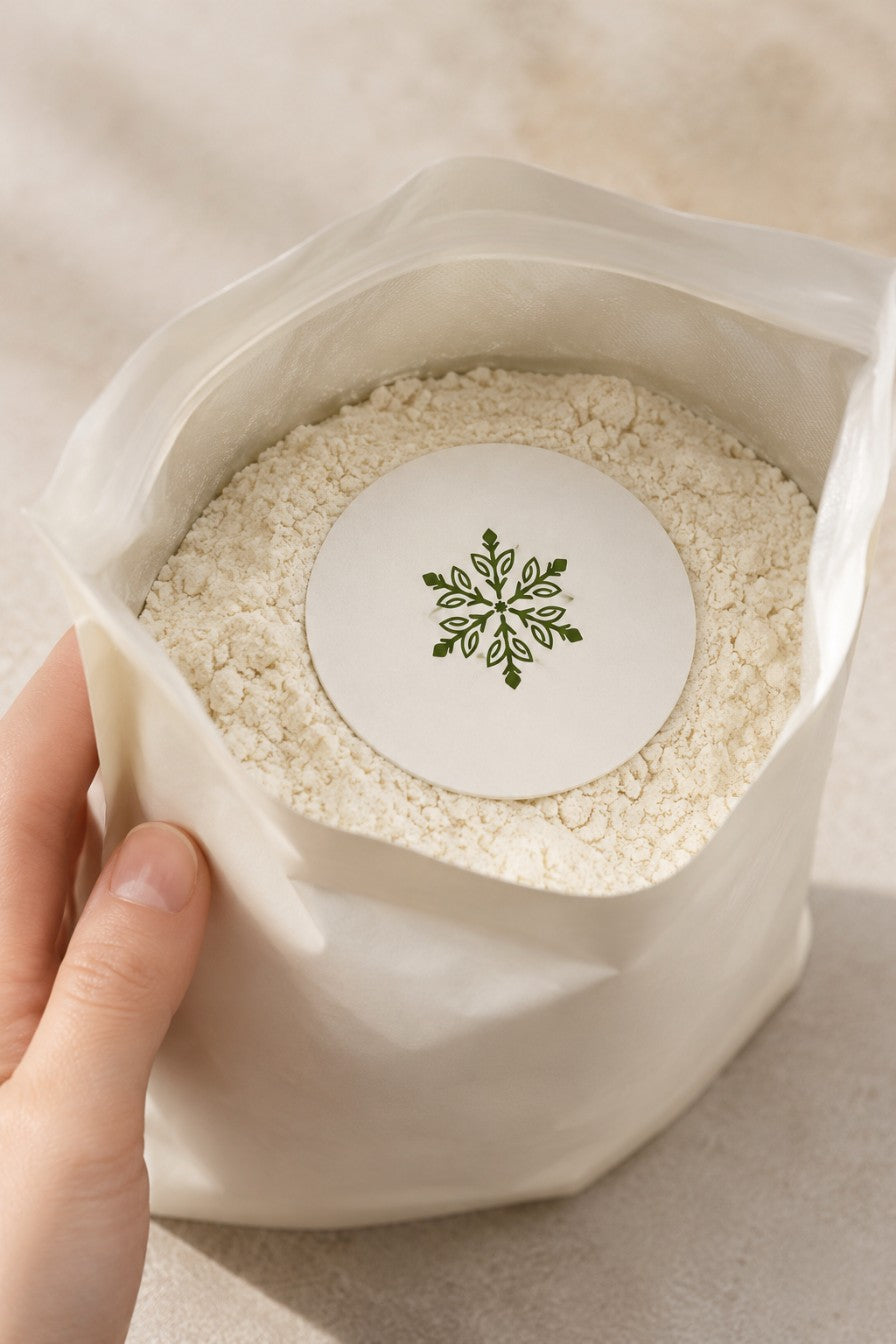
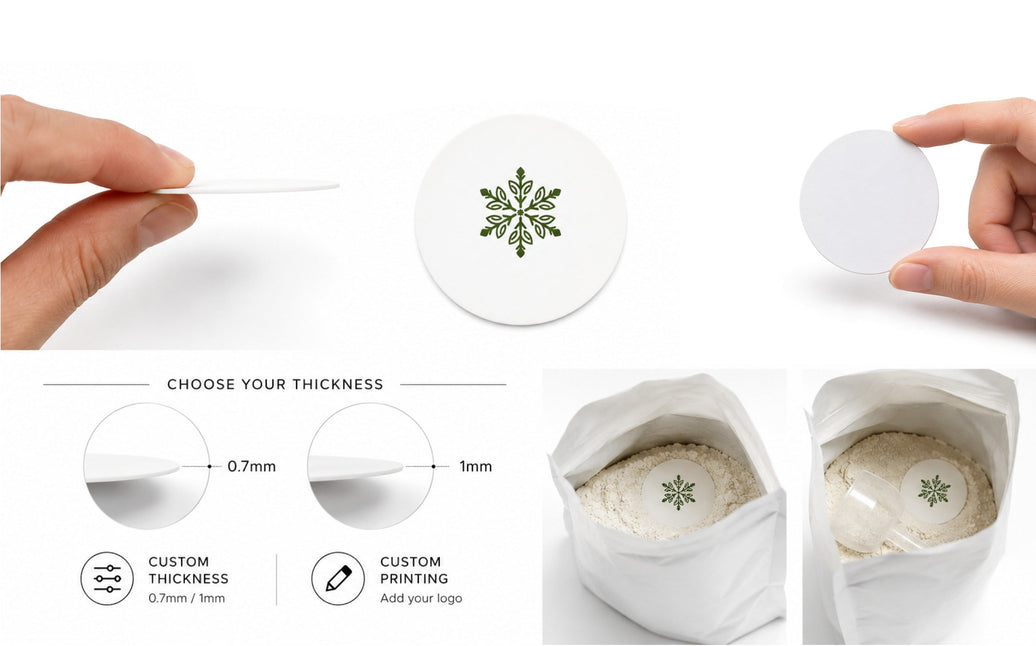
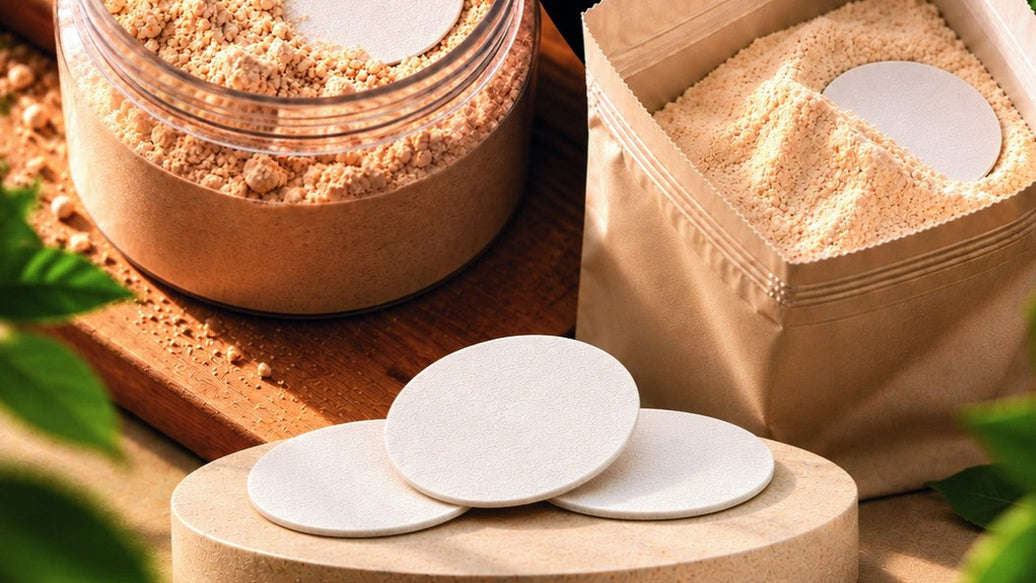
If you need to show that a package stayed dry, a humidity indicator card is a cleaner signal than colored beads. For the desiccant itself, our plant-fiber cards and sachets offer 2 to 3 times silica gel's uptake by weight in our measured data. See fiber desiccant.
FAQ
What does it mean when silica gel turns green?
Orange indicating gel turns green or clear when it's saturated.
Is blue silica gel dangerous?
Blue types contain cobalt chloride, which is restricted in several regions. Handle with care and avoid food contact.
Can indicating silica gel be reused?
Often yes, by drying it as directed.
Keep reading: Silica gel explained · Humidity indicator cards · Reusing desiccant