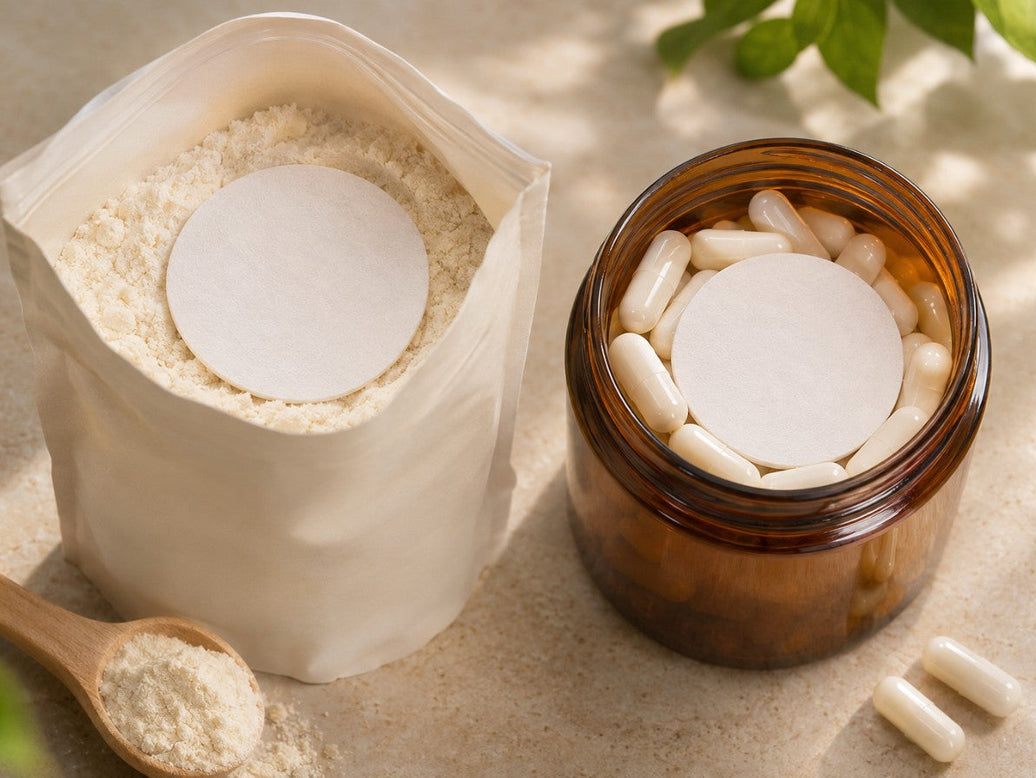
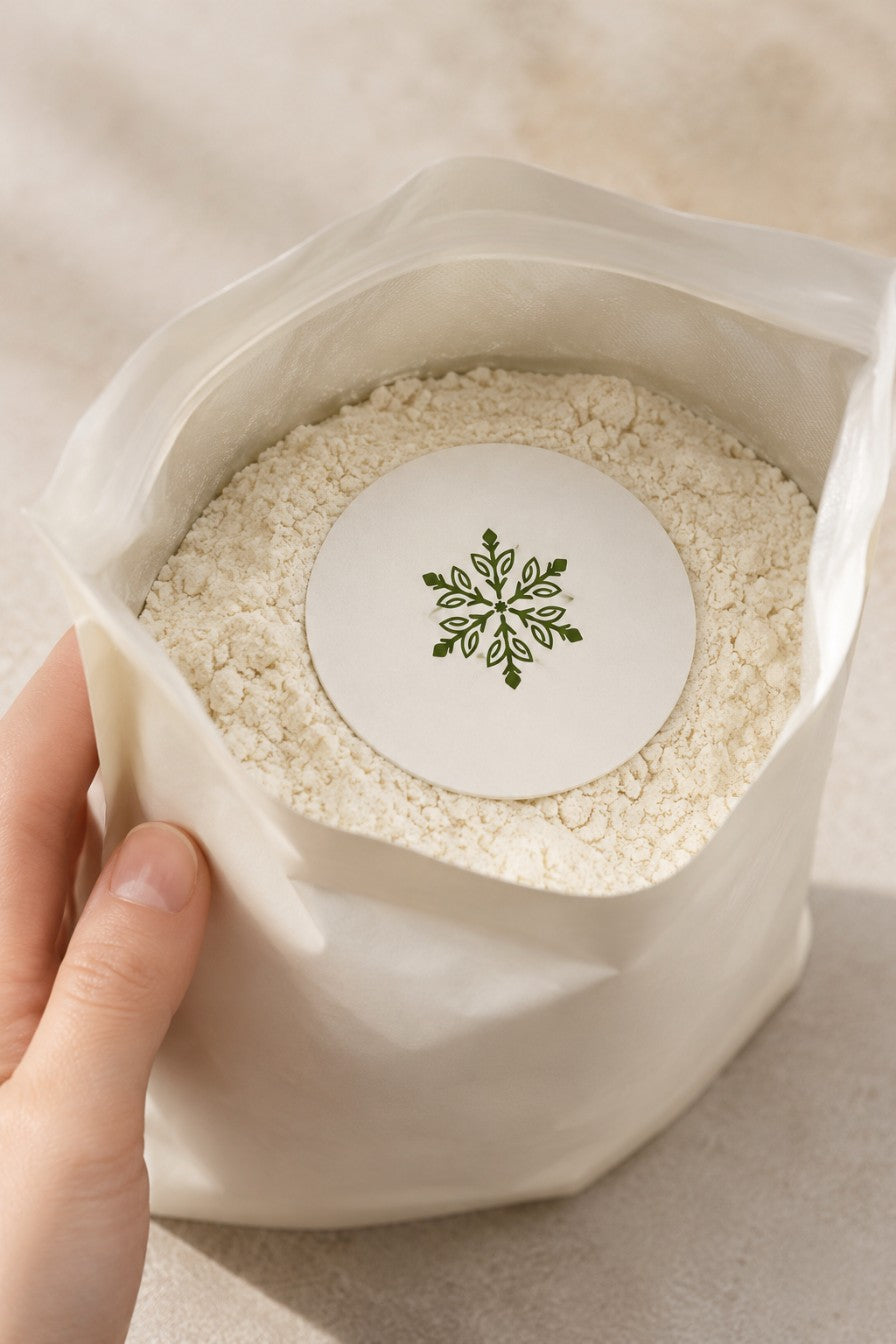
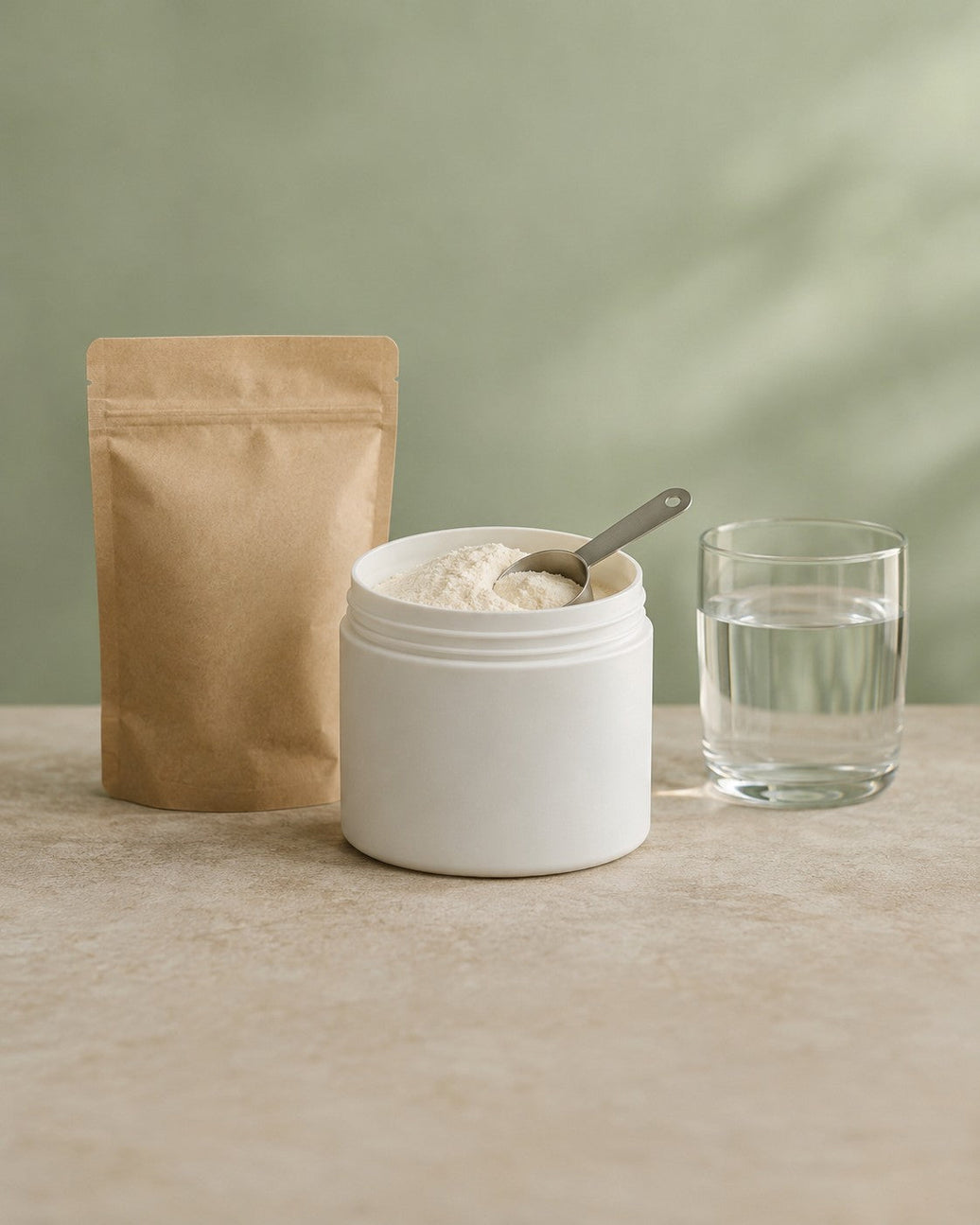
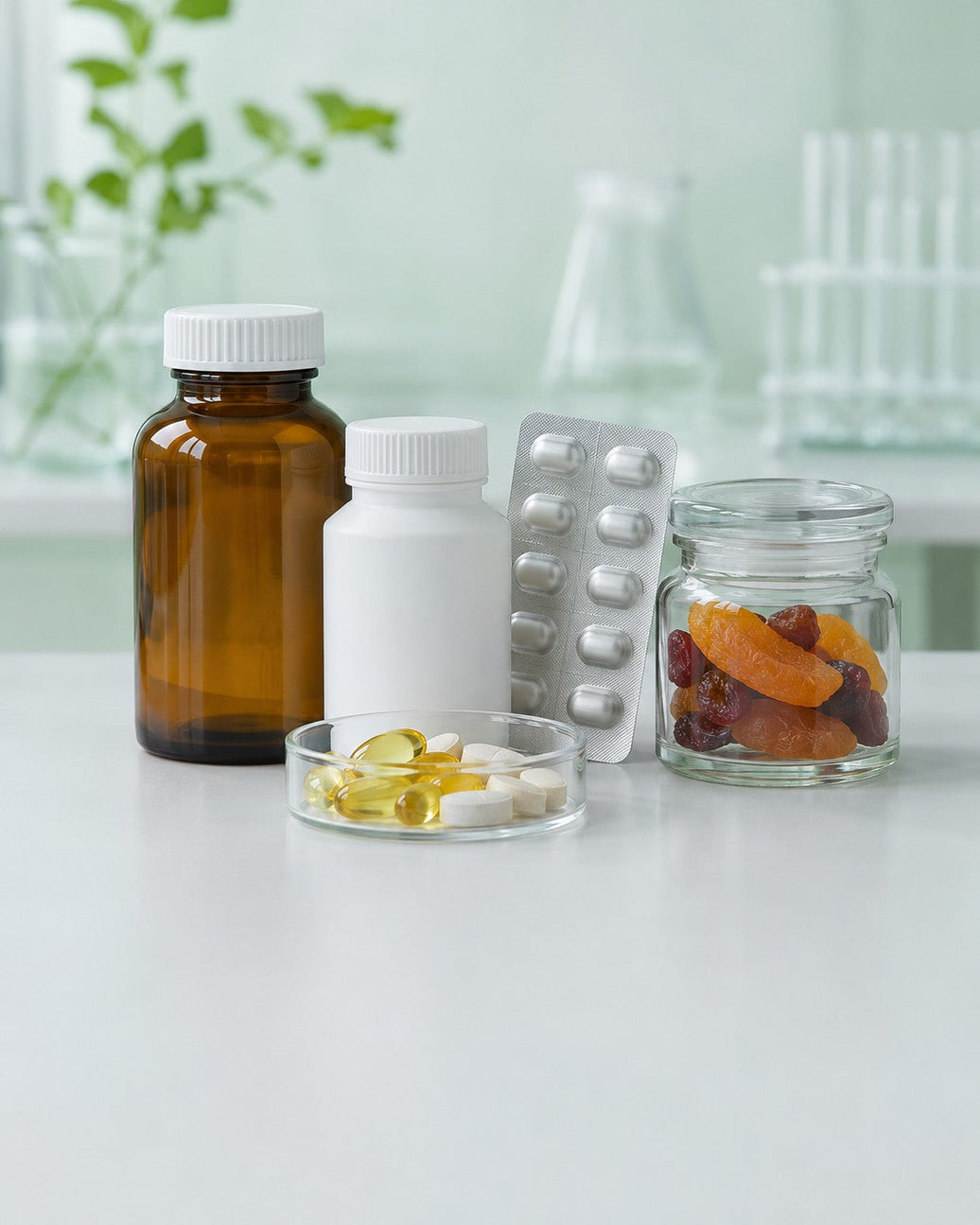
For moisture-sensitive probiotics, the choice between blisters and bottles comes down to when the product is exposed and who controls it.
Comparison
| Blister | Bottle + desiccant | |
|---|---|---|
| Exposure | One dose at a time | All doses after opening |
| Barrier | Depends on blister material; foil-foil is highest | Bottle wall, seal, cap and desiccant |
| Cost per dose | Higher | Lower |
| Line complexity | Blister machine | Standard bottling |
| Customer experience | Travel-friendly | Familiar, refill-friendly |
When bottles work
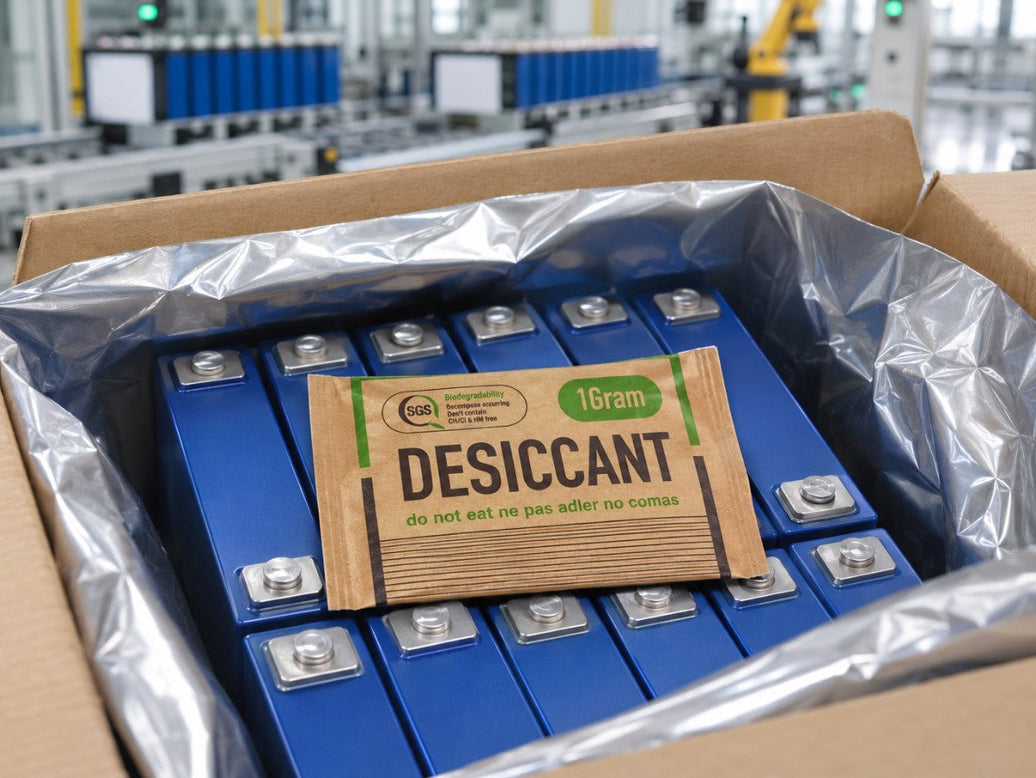
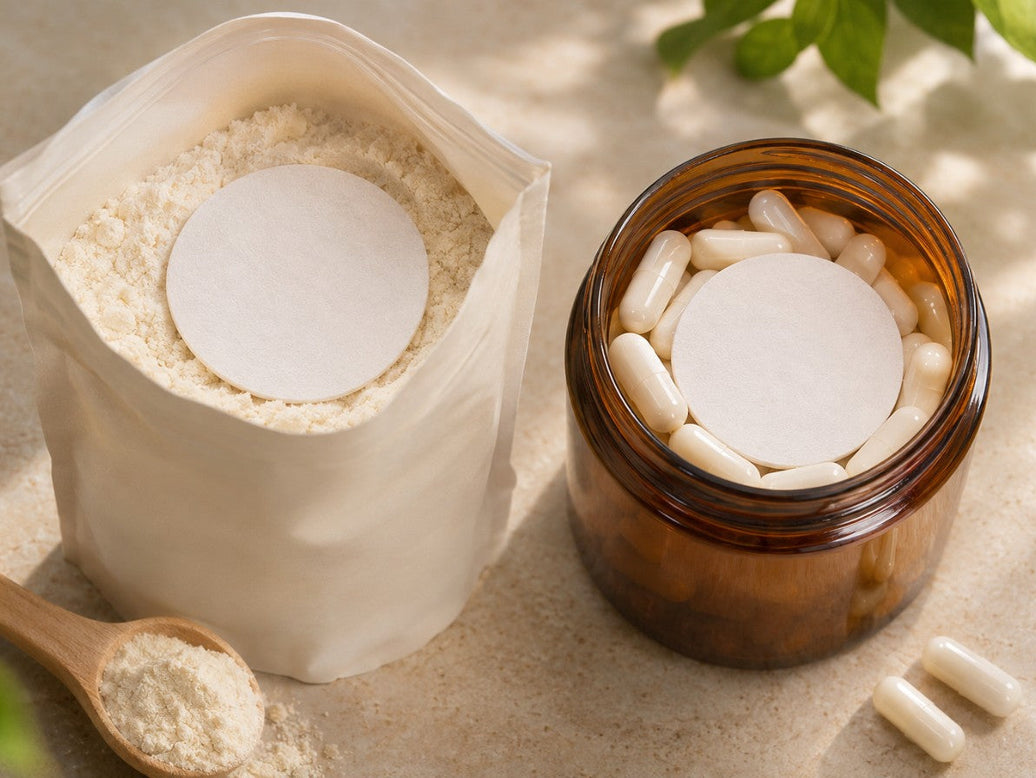
With a good induction seal, a bottle sized to the count, and desiccant sized for both shelf and use period, bottles hold many probiotic products well. The weak point is the last few weeks of use in a humid home.
When blisters are worth the cost
- Very sensitive strains with tight label claims
- Tropical markets
- Travel or sample packs
The hybrid
Bottles for the main product, blister or stick sample packs for trials and travel. See samples and trial packs.
Choosing a probiotic pack?
Tell us the product and format. A real person will reply with desiccant options.
Or email info@atmosiscience.com
FAQ
Are blister packs better for probiotics?
They protect each dose longer after the pack is opened, at a higher cost.
Do blister packs need desiccant?
Usually not inside each cavity; barrier material does the work.
Can a bottle match a blister?
For many strains, a well-sealed bottle with sized desiccant performs well.
Keep reading: Shelf-stable probiotics · Blister, bottle or pouch · Probiotic bottle desiccant