Quick answer: A unit-dose blister has no headspace to put desiccant in, so moisture protection has to come from the lidding and forming films or from a desiccant placed in the secondary pack. A bottle has headspace, which is why it is the format where desiccant does most of the work — as a loose sachet, a canister, or a die-cut card seated in the closure. A pouch sits in between: protection comes mainly from the film structure, with a sachet sized to the permeation rate. Choose the format first, then size the desiccant to it — not the other way round.
"Which desiccant should we use?" is almost always the second question. The first is where in the pack it can physically go, because that constrains everything downstream: dosage, insertion method, line speed, and what the stability file has to demonstrate.
Blisters: the format desiccant mostly cannot enter
A cold-form or thermoform blister cavity is sized to the dosage form. There is no meaningful headspace, no room for an insert, and nothing to attach one to. So in the blister itself, moisture protection is film selection: the barrier properties of the forming web and the lidding foil, and the integrity of the seal between them.
That leaves two places a desiccant can still help:
- The secondary pack. A wallet, carton or overwrap containing multiple blister cards can carry a sachet or card. This is the standard route for products where the blister alone does not deliver the required protection over shelf life.
- Desiccant-loaded packaging components. Where a supplier integrates an adsorbent into a component rather than adding a separate insert.
If the blister is aluminium-aluminium, the barrier is already close to absolute and additional in-pack desiccant adds little. If it is PVC or PVdC-coated, permeation is real and measurable, and the shortfall usually has to be covered outside the cavity.

Bottles: where desiccant earns its place
An HDPE bottle with an induction seal has three things a blister does not: headspace, a closure to mount something in, and repeated opening cycles that keep admitting fresh moisture. All three argue for a desiccant.
Three sub-formats, with different trade-offs:
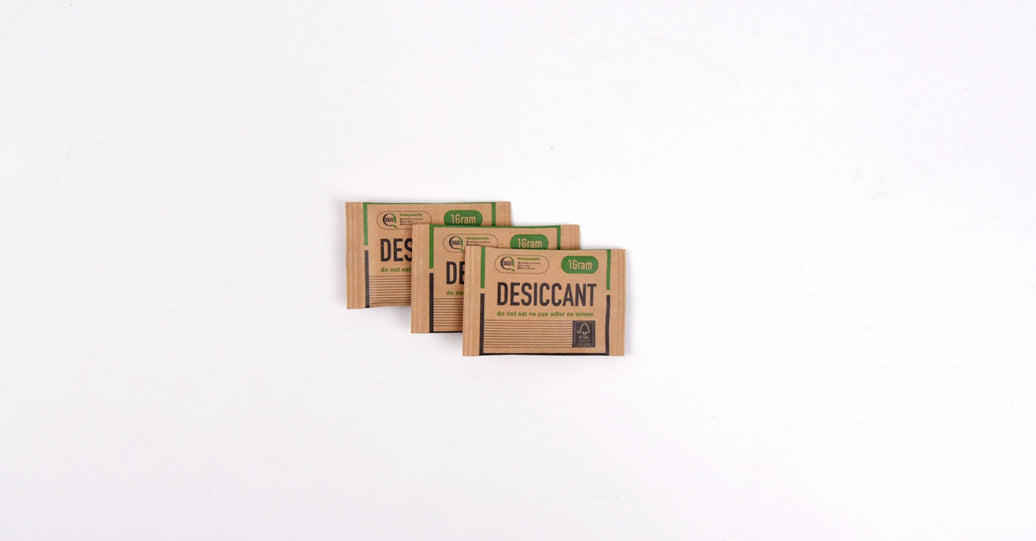
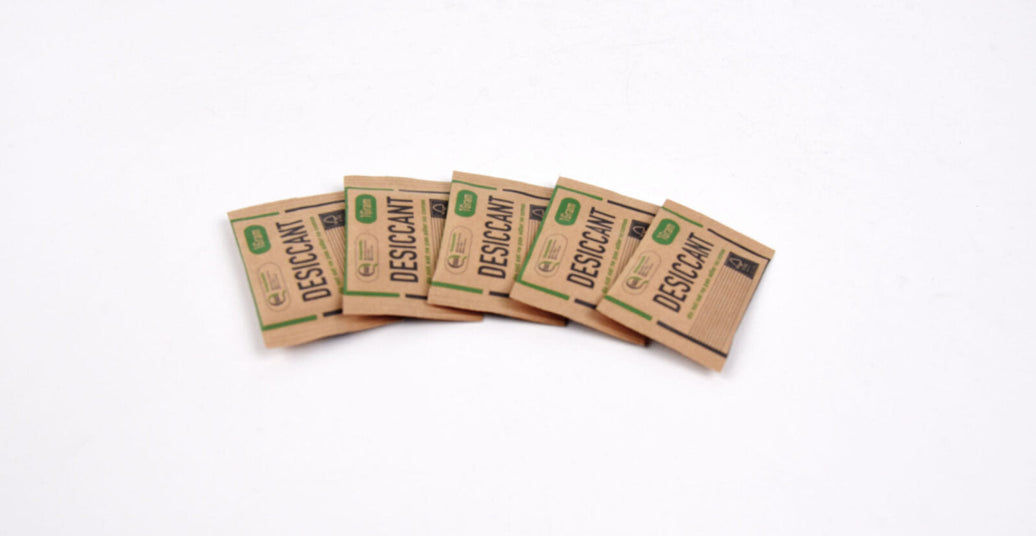
- Loose sachet. Cheapest to insert, well understood, but it moves in the bottle, can obstruct dispensing, and is the format most often discarded by the patient.
- Canister. Rigid, does not shed, easy to handle on automated lines. Takes up more volume than its capacity strictly requires. The comparison is in desiccant canisters vs. sachets.
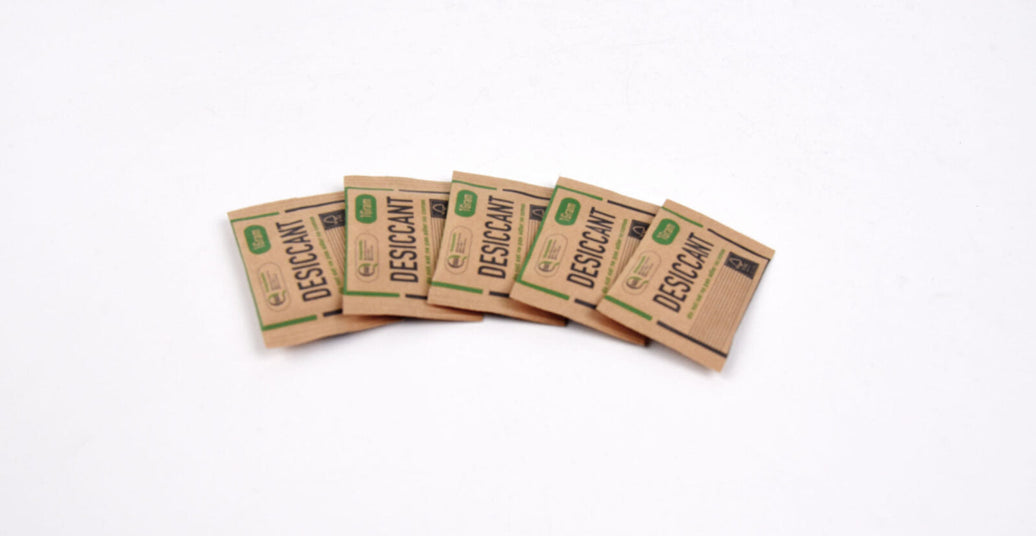
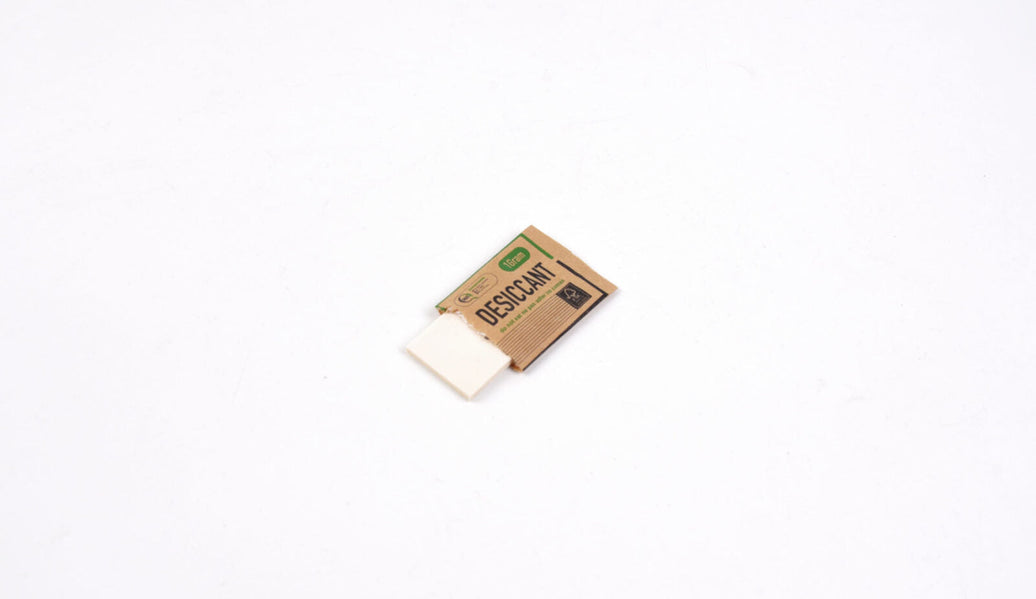
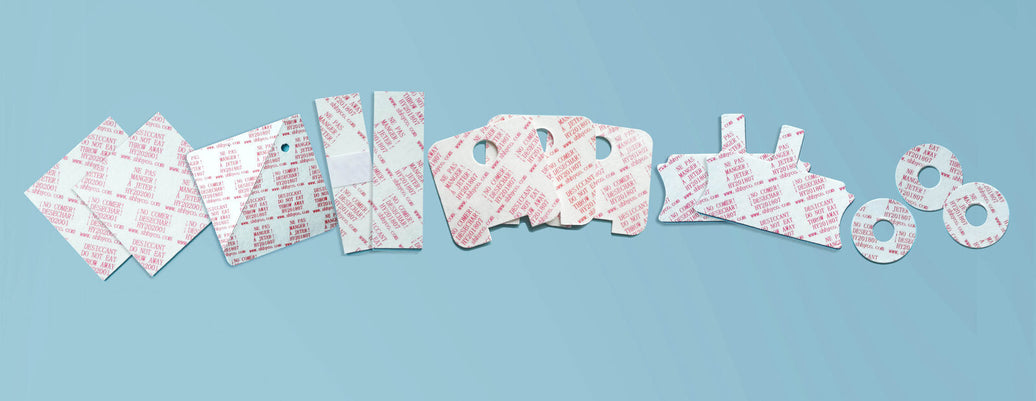
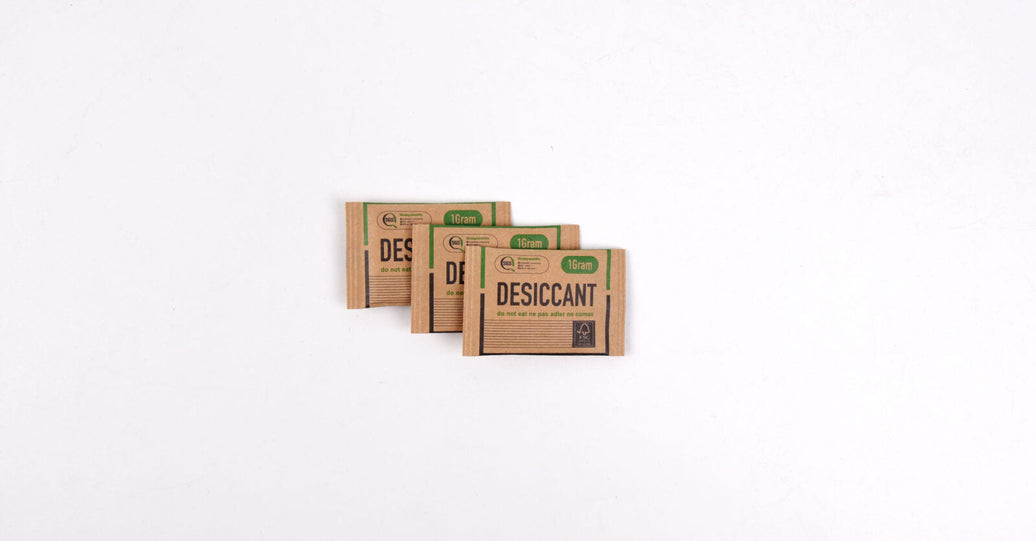
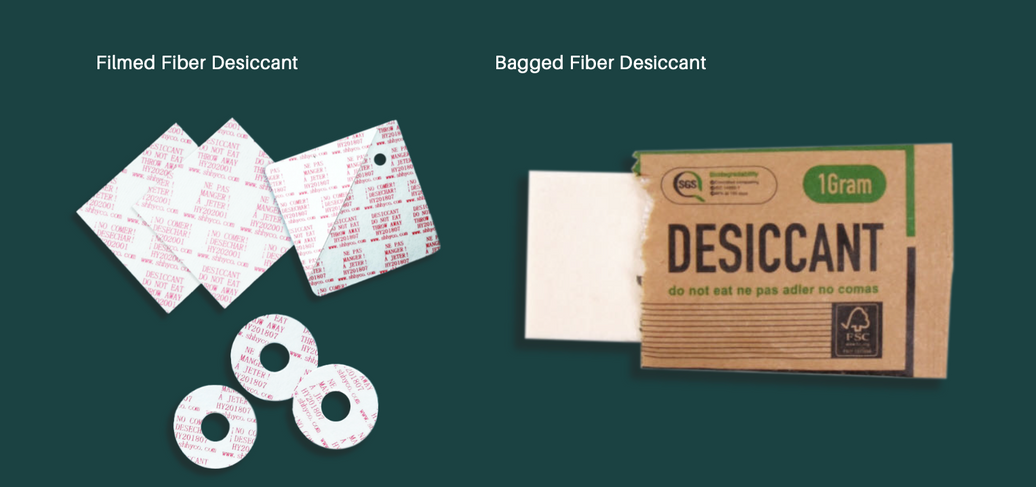
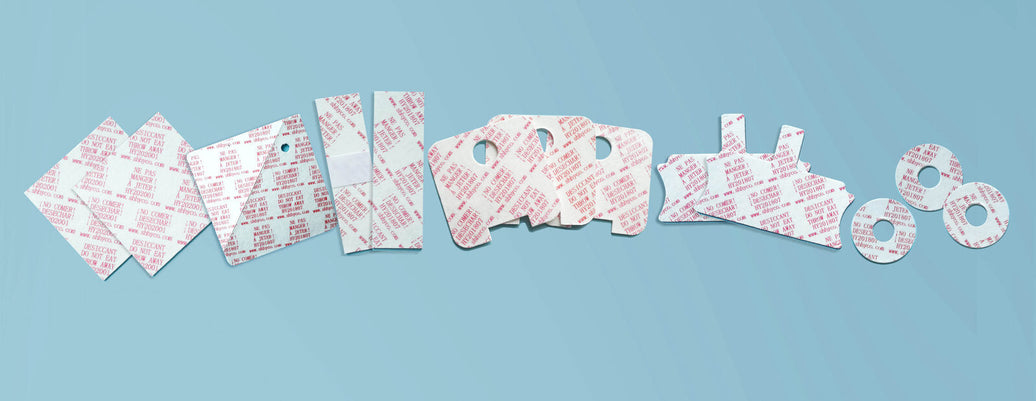
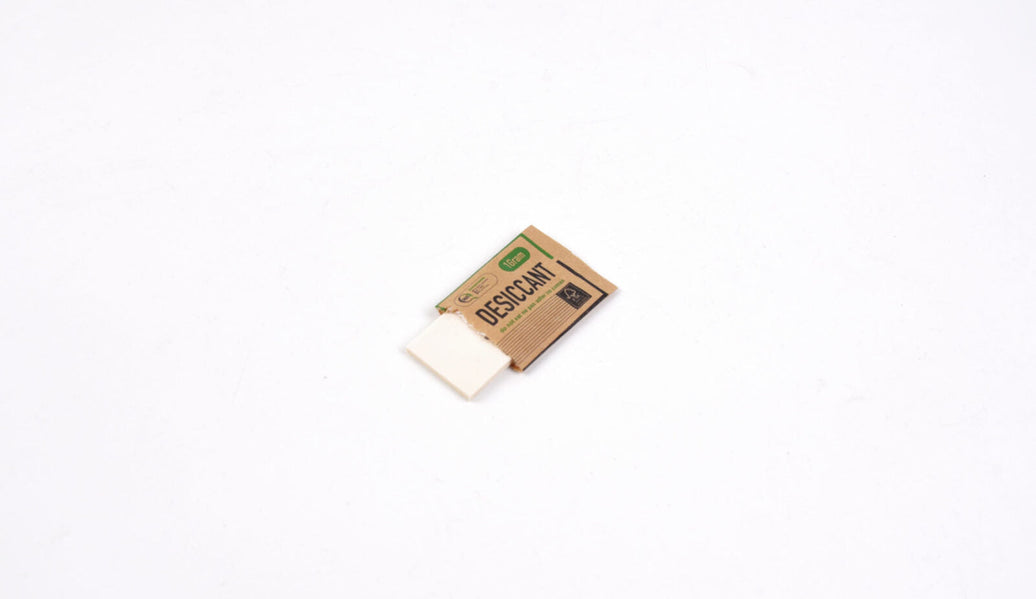
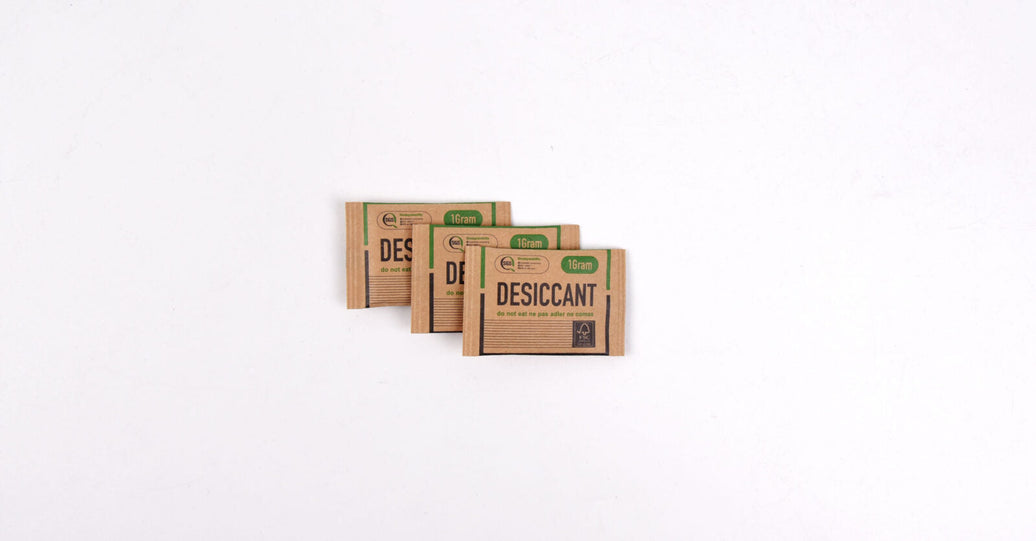
- Die-cut card in the closure. Sits under the liner or in the cap, uses volume that was already dead space, and stays where it was placed. Fiber Card (paper desiccant) is supplied at 0.5 mm and 1.0 mm thickness and can be die-cut circular to the neck diameter. Detail in bottle-cap desiccant inserts.
Placement inside the bottle is not neutral — see desiccant for HDPE bottles with induction seals.
Pouches and sachets: film first, desiccant second
Foil-laminate pouches for lyophilised product, diagnostic components or moisture-sensitive powders behave differently again. The film usually carries most of the barrier duty, and the desiccant's job is to absorb the moisture sealed in at fill plus whatever permeates over shelf life.
Sizing here is genuinely calculable rather than a rule of thumb, because pouch WVTR is a measurable number. The method is in desiccant dosage by MVTR.
Format changes the dosage question entirely
The same drug product in three formats produces three different moisture budgets:
- Blister: permeation only, per cavity, over shelf life. Tiny absolute quantities, very low tolerance.
- Bottle: sealed-in headspace + permeation + opening cycles. Opening cycles frequently dominate, and are the input most often left out.
- Pouch: sealed-in headspace + permeation, with headspace often the larger term because pouches are filled with air.

Capacity per gram, and why it matters more in pharma
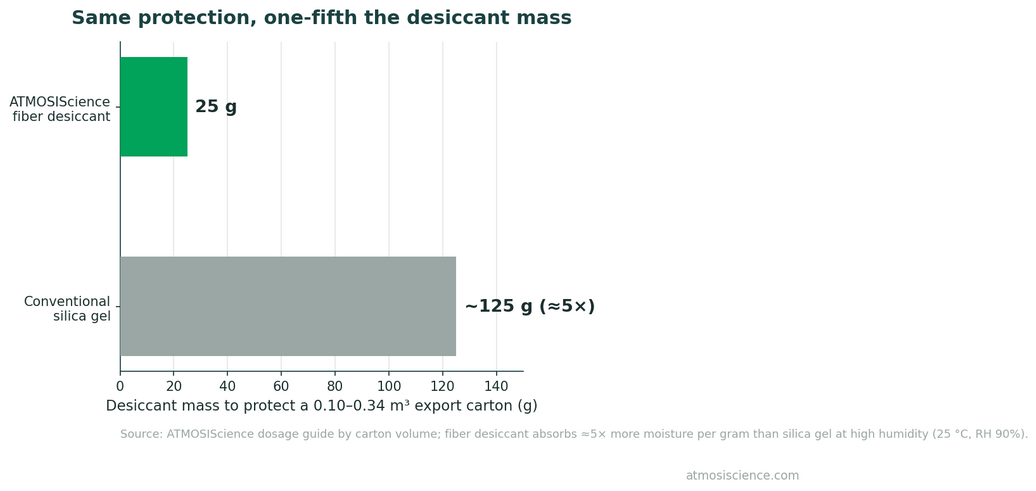
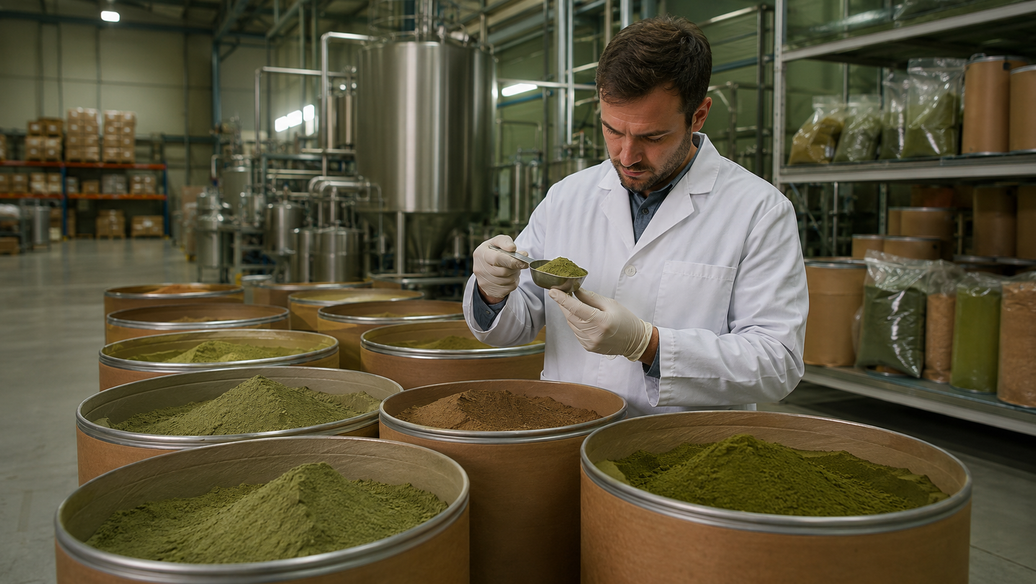
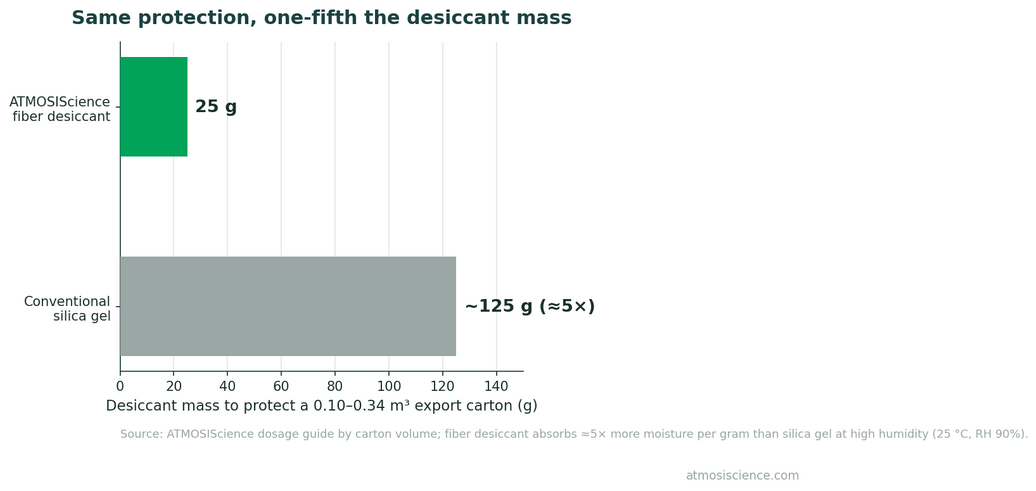
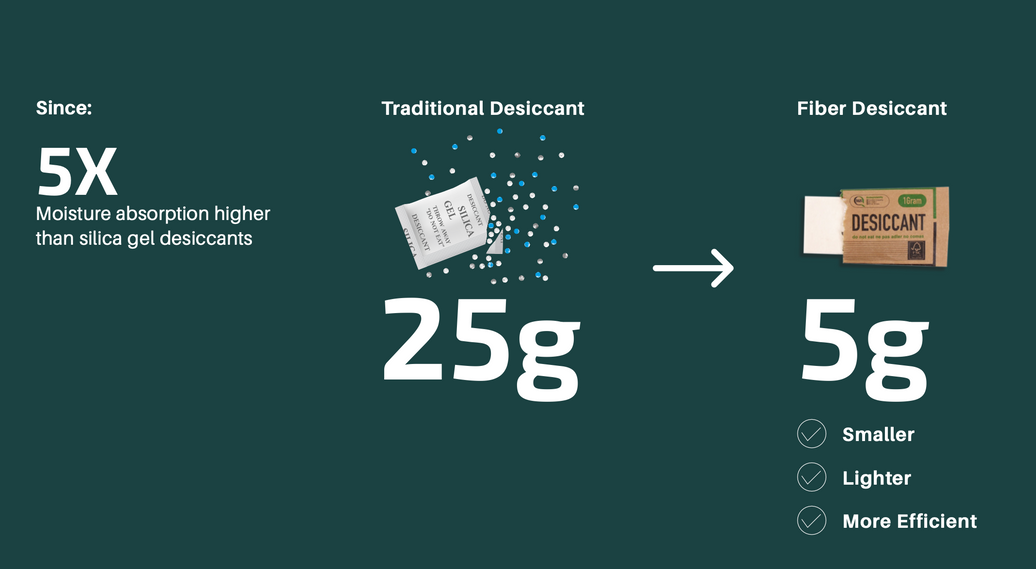
Pharmaceutical packs are volume-constrained by design. A closure liner has millimetres to give. ATMOSIScience fiber desiccant adsorbs more than 35% of its own weight at RH50 and more than 70% at RH90 (25°C), against roughly 30% for common silica gel at RH90, with loss on drying below 10%. For the Fiber Card range, an FF-3 card at 25 × 12 × 1 mm weighs about 0.15 g and performs equivalently to roughly 0.5 g of silica gel; FF-6 (30 × 20 × 1 mm, about 0.35 g) corresponds to roughly 1 g; FF-15 (60 × 25 × 1 mm, about 1.0 g) to roughly 2.5 g.

The equivalence maths is worked through in silica gel equivalency.
Line and documentation consequences
Format choice is also an operations decision. Cards need to be stiff enough to be picked and placed reliably; the constraint is described in desiccant dispenser compatibility. And whichever format is chosen, the qualification file looks similar: material documentation, per-lot COA with stated test conditions, quality-system evidence — ATMOSIScience manufacturing is SGS ISO 9001 certified — and stability data tying the insert to the claimed shelf life. The full checklist is in the desiccant supplier qualification pack.
Frequently asked questions
Can a desiccant go inside a blister cavity?
Not as a separate insert in a conventional unit-dose blister — there is no headspace and no way to retain it. Protection comes from film selection and seal integrity, with any shortfall covered by a desiccant in the wallet, carton or overwrap.
Sachet, canister or card in a bottle?
Canisters suit high-speed lines and rigid handling. Cards in the closure use volume that was already dead and cannot obstruct dispensing. Sachets are cheapest to insert but move around and are the most likely to be thrown away by the patient.
Does aluminium-aluminium blister still need a desiccant somewhere?
Usually not for permeation, since the barrier is close to absolute. Where residual risk remains it is normally about the moisture present at packing rather than what gets in afterwards — which is a filling-room control problem, not an insert problem.
How do we choose between formats when stability data is borderline?
Run the worst-case protocol on each candidate rather than arguing from spec sheets. The method is in how to run a desiccant sample evaluation.
Does switching from silica gel to fiber change the pack drawing?
Often yes, and usually favourably — higher capacity per gram means a smaller insert. Treat it as a controlled change with a documented equivalence rationale rather than a like-for-like substitution.
Match a desiccant format to your pack
Send the container type, film or resin structure, fill and shelf-life target. ATMOSIScience returns a format recommendation, dosage and the qualification documents.
Prefer email? info@atmosiscience.com