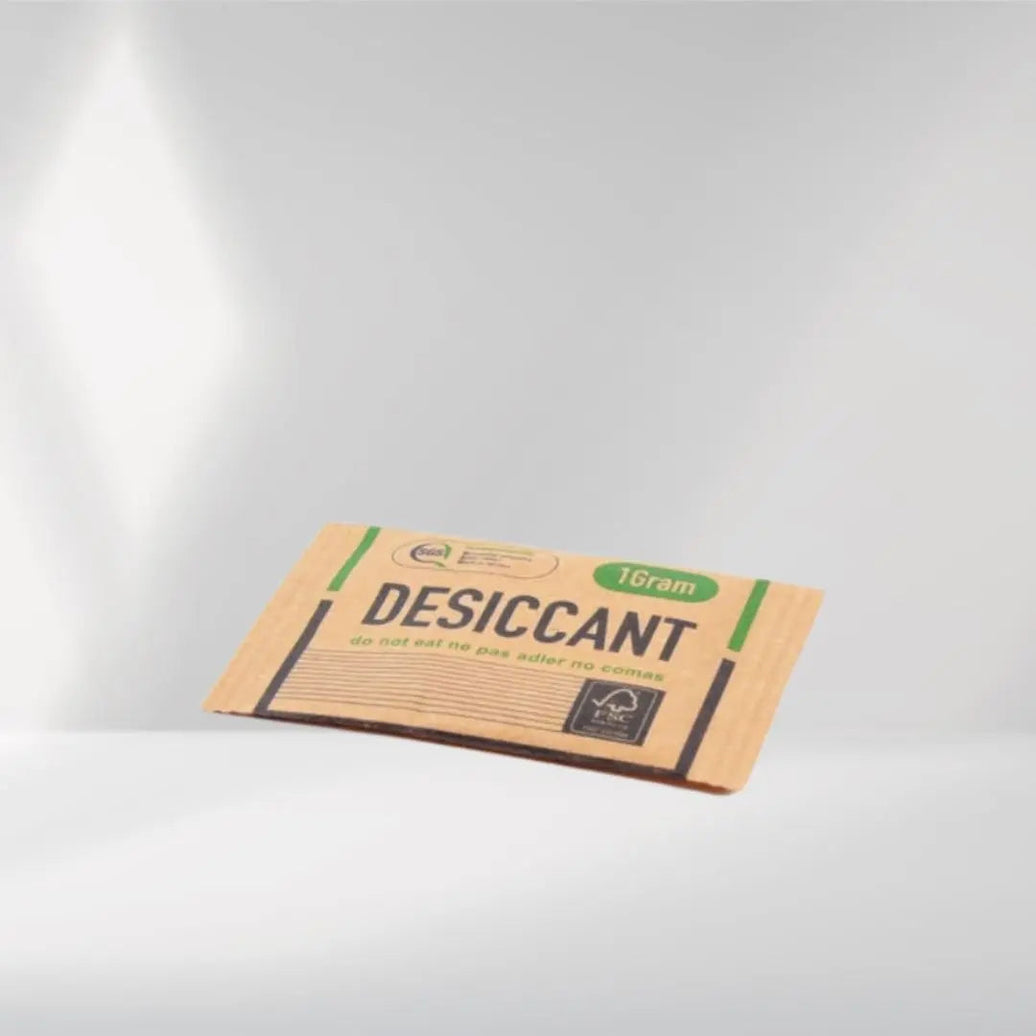
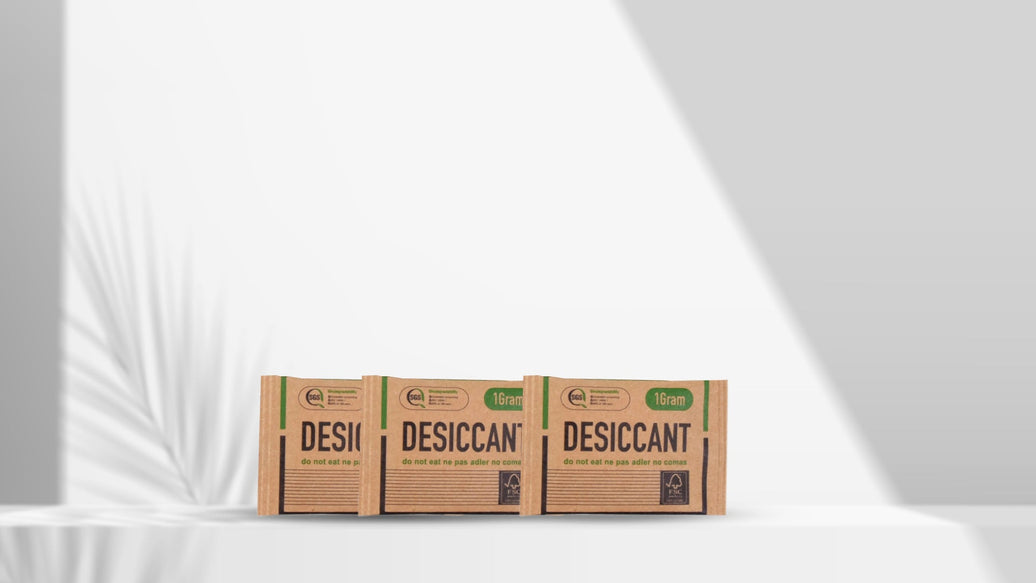
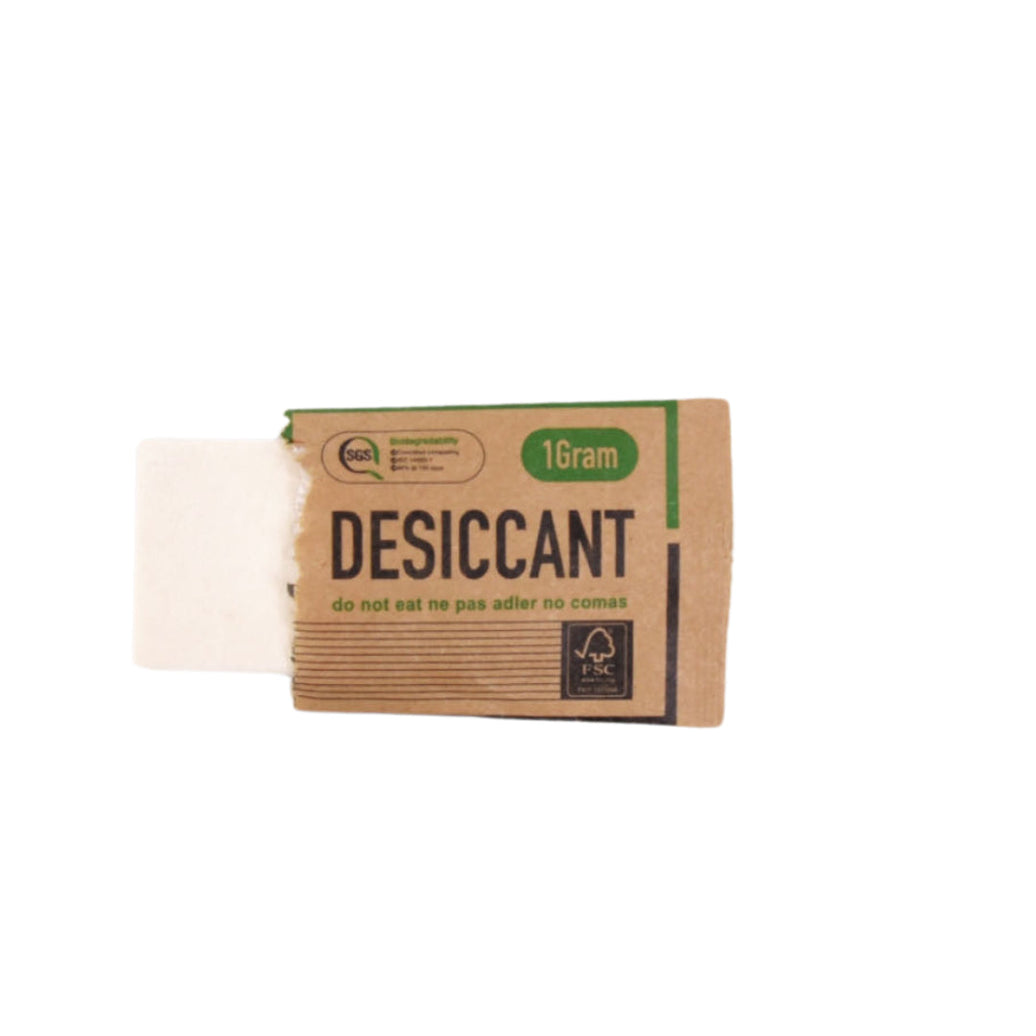
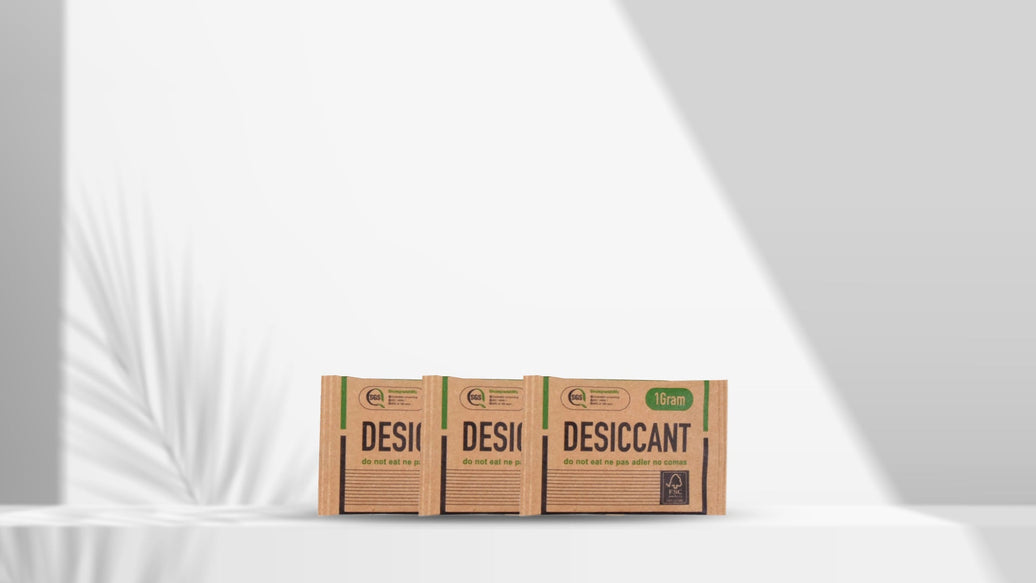
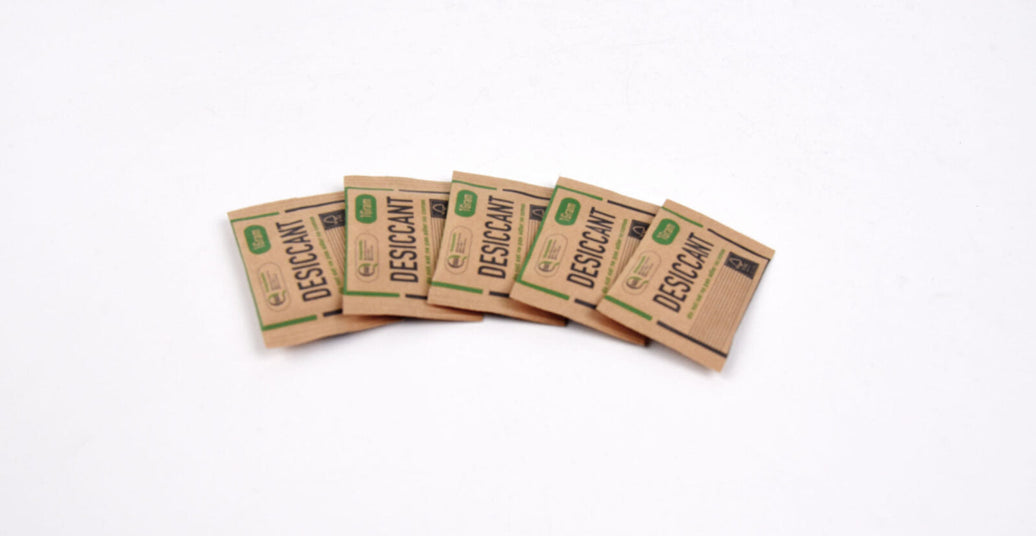
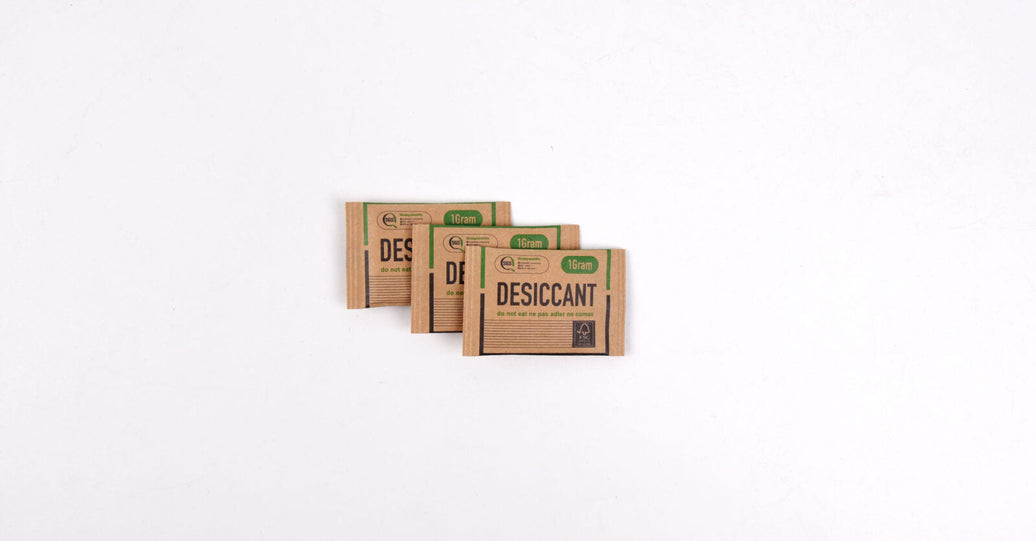
Quick answer: A desiccant sachet does not get its own PPWR label. The packaging unit it sits inside does. From 12 August 2028 — or 24 months after the labelling implementing acts enter into force, whichever is later — that unit must carry harmonised material-composition and sorting pictograms, and a data carrier linking to information including material composition, recycled content and substances of concern. Because the label describes the whole unit, the desiccant's material data has to be in your hands well before the label is designed. That is a 2027 data-collection job, not a 2028 artwork job.
Labelling is the PPWR obligation that packaging teams consistently underestimate, because it looks like an artwork task with a comfortable deadline. It is not. The pictogram is the output. The input is a component-level material dataset that most brands do not currently hold, and the smallest components are the ones missing from the file.
Two dates, not one
Article 12 is often summarised as "2028", which hides a nearer obligation that is already live.
| From | Requirement | Where the desiccant fits |
|---|---|---|
| 12 August 2026 | Producer identification on packaging: name, brand, postal address, electronic contact, plus an identification feature such as a batch or serial number | No separate marking, but the pack's identification must tie back to records that include the component |
| 12 August 2028 (or 24 months after the implementing acts, whichever is later) | Harmonised pictograms for material composition and waste sorting | The pictogram describes the unit; a component in a different material complicates the sorting instruction |
| 12 February 2029 | QR code or equivalent digital data carrier on reusable packaging | Component data must be available to populate the linked record |
The August 2026 producer-identification duty is the one most likely to be quietly non-compliant today, because it is easy to assume an existing address block satisfies it. It requires an electronic contact and an identification feature as well.
Why a QR code does not solve the problem
There is a widespread hope that digital labelling will absorb the complexity — put everything behind a QR code and keep the printed pack clean. Article 12 does not permit that trade in full. A data carrier supplements mandatory printed information; it does not replace all of it. Certain details still have to appear physically on the packaging, and labels including QR codes must be permanently affixed, printed or engraved and clearly visible.
The practical reading for a small pack — a stick pack, a sample sachet, a compact bottle — is that printed real estate is going to get tighter, not looser. That is worth knowing before you commit to a format.

The sorting instruction problem
Here is where the desiccant becomes a live labelling issue rather than a footnote. The harmonised pictogram tells a consumer which bin the packaging goes in. If the pack is paper and the desiccant inside it is paper-compatible, the instruction is simple: paper.
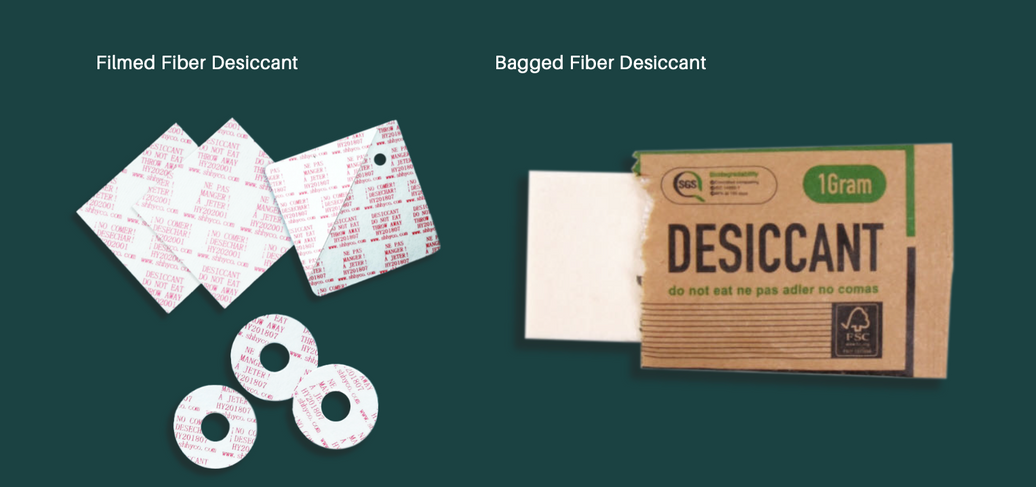
If the pack is paper and the desiccant inside it is silica gel in a plastic-laminated wrapper, the honest instruction becomes conditional — remove the sachet, dispose separately, then recycle the pack. Conditional instructions perform badly in practice, and a component that forces one is a component that degrades the pack's real-world recovery rate.
This connects directly to the recyclability grading in Article 6. A pack whose sorting instruction requires a consumer step is a pack with a worse design-for-recycling position. The grades and their 2030 and 2038 thresholds are set out in the PPWR recyclability grades article, and the mono-material question in choosing a mono-material-compatible desiccant.
What data you need from a desiccant supplier, and when
Working backwards from a 2028 label, the data has to be stable by mid-2027 so that artwork, printing plates and any digital record can be built and validated. Ask for:
- Material composition by mass for every layer — adsorbent core, wrapper, adhesive, ink.
- Mass per unit for each SKU you use, as a controlled figure, not a nominal one.
- Recycled content of each material fraction, if any.
- Substances-of-concern statement, including the heavy-metal sum and any REACH SVHC screening. The distinction between the two regimes is explained in REACH SVHC versus PPWR substances of concern.
- End-of-life stream the component is designed to enter, with test evidence.
- A change-notification commitment, so a silent material change does not invalidate a printed label. See writing a change notification clause.
That last one is the sleeper risk. A printed harmonised pictogram is a legal statement about material composition. If a supplier changes a wrapper laminate without telling you, the label becomes wrong across every pack already printed.
A sequencing suggestion
- Now: confirm your packs carry compliant producer identification, including an electronic contact and identification feature.
- Now: request component-level material and mass data from every packaging supplier, including desiccant, ink and adhesive suppliers.
- 2027 H1: resolve any component that would force a conditional sorting instruction. This is the moment where a material change is cheap; after artwork it is not.
- 2027 H2: build the digital record and draft artwork against the implementing acts once published.
- 2028: print and roll through existing stock.
Frequently asked questions
Does the desiccant sachet itself need a pictogram printed on it?
No. Article 12 applies to packaging placed on the market. A sachet inside a pack is a packaging component and is covered by the host unit's label. The classification reasoning is in is a desiccant sachet packaging under PPWR.
What about the "do not eat" warning — is that a PPWR requirement?
No, that is a product-safety convention rather than a PPWR labelling obligation, and it sits alongside the harmonised pictograms rather than instead of them. Background in the do-not-eat label article.
Is the 2028 date fixed?
Article 12 ties it to the later of 12 August 2028 and 24 months after the labelling implementing acts enter into force. Until those acts are published, the effective date can only move later, not earlier. Planning to the earlier date is the safe assumption.
Do non-EU brands have to comply?
Yes, for product placed on the EU market. The obligation follows the market, not the manufacturer's location. An EU importer or authorised representative typically carries the producer duties.
Where does this sit against the rest of the PPWR timeline?
See the PPWR compliance hub for the full obligation map and what changed on 12 August 2026 for the duties already live.
Get component-level label data for your packs
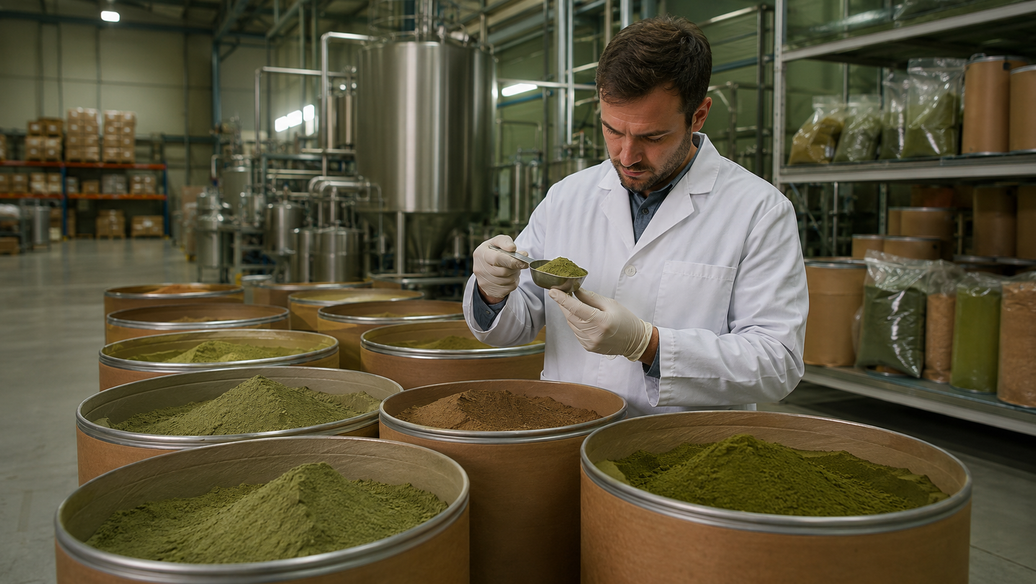
We will send material composition, mass per unit and substances-of-concern statements for the desiccant formats you use, in the form your artwork and technical file need.
Prefer email? info@atmosiscience.com