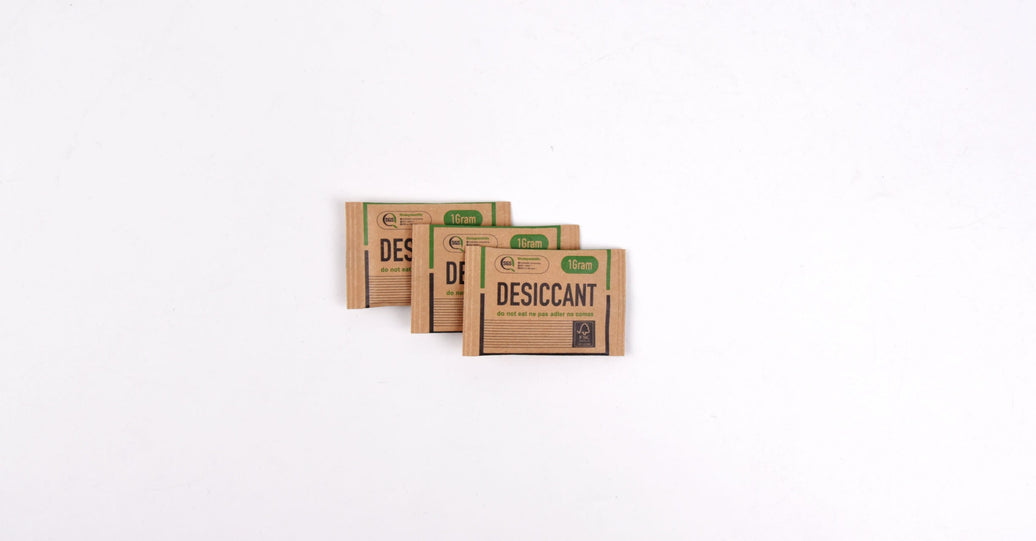
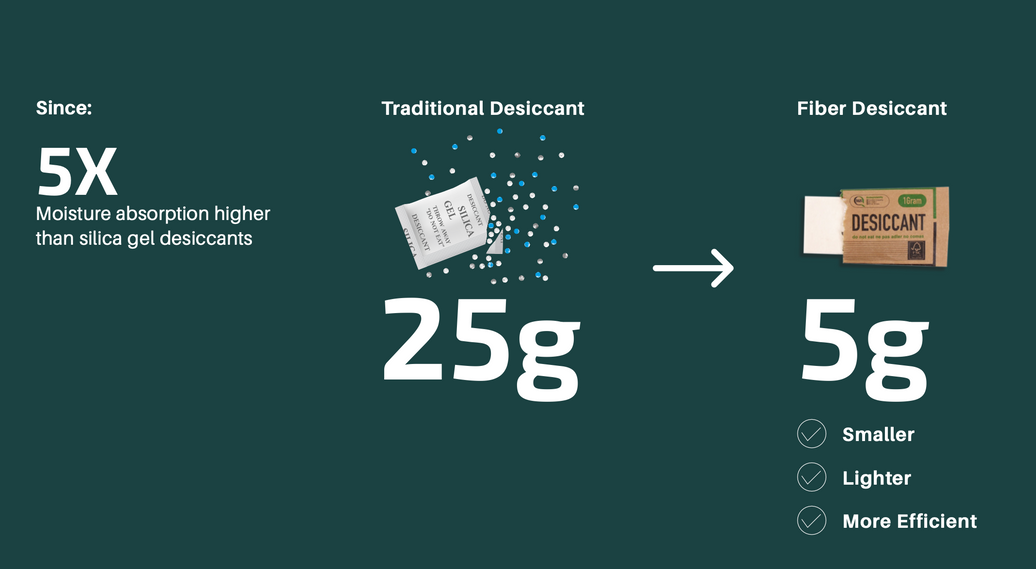
Quick answer: PPWR requires all packaging on the EU market to be recyclable from 12 August 2026, accelerating the shift to fiber-based and mono-material packs. A desiccant added to those packs should not break the recycling or composting stream. A compostable fiber desiccant (natural plant fiber, certified to ASTM D6400 and EN 13432) is designed to travel with fiber and organic-recycling packaging rather than contaminate it — unlike a plastic-wrapped silica sachet.
Recyclability is moving from a marketing nicety to a legal requirement. Under PPWR, a pack that is not recyclable simply cannot go on the EU market after August 2026 — and that puts a spotlight on every component inside the pack, including the little desiccant sachet most brands never thought about.
The recyclability rule, in brief
Regulation (EU) 2025/40 requires packaging placed on the EU market to meet recyclability criteria from 12 August 2026, driving brands toward mono-material and fiber-based structures that recycling systems can actually process. Minimisation rules discourage unnecessary layers, and every item needs a Declaration of Conformity (European Commission).
The desiccant is a contaminant hiding in plain sight
Here is the trap: a brand engineers a beautiful recyclable paper pouch, then drops in a conventional plastic-wrapped silica sachet. That sachet is a mixed-material contaminant in a fiber recycling or composting stream. It can undercut the recyclability claim the rest of the pack was built to earn.

Why a compostable fiber desiccant is stream-compatible
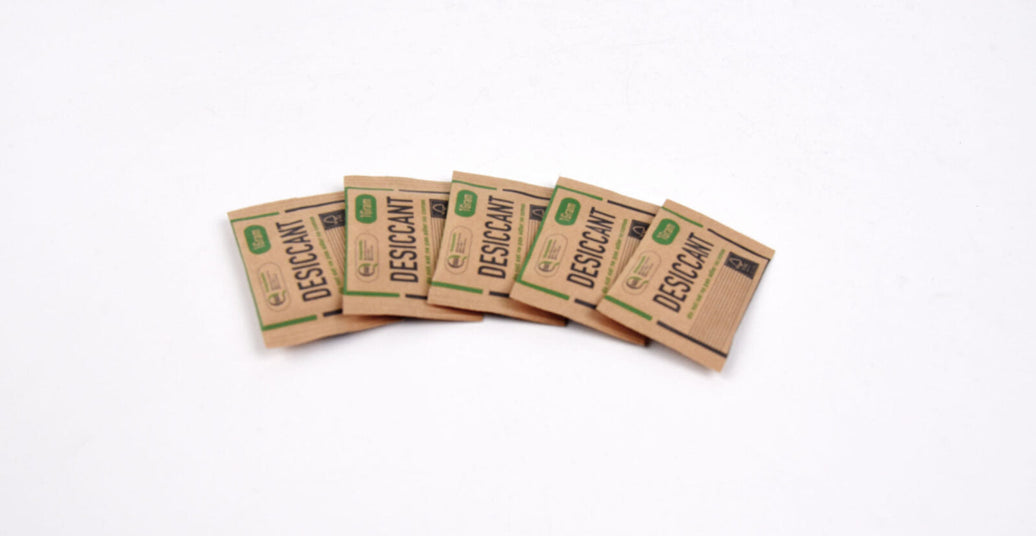
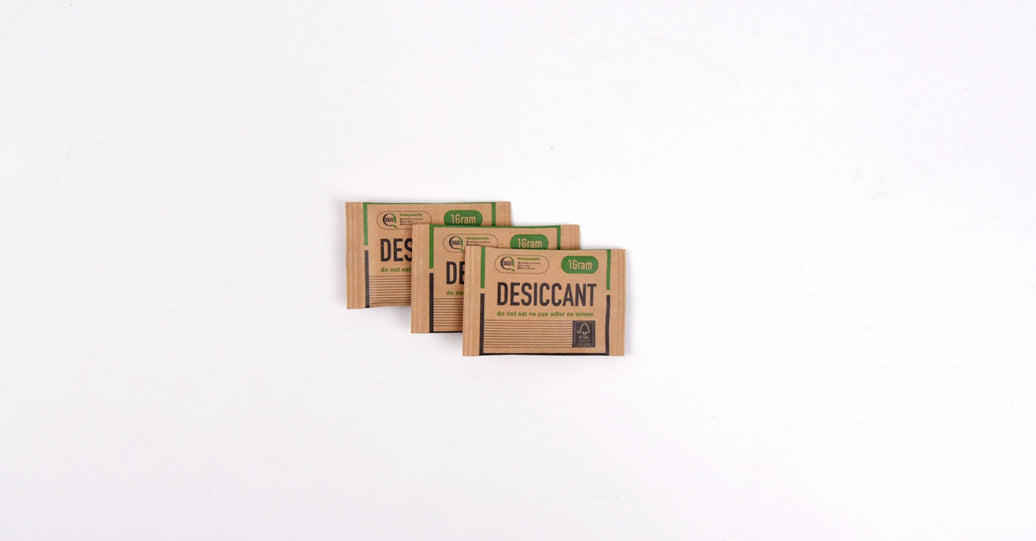
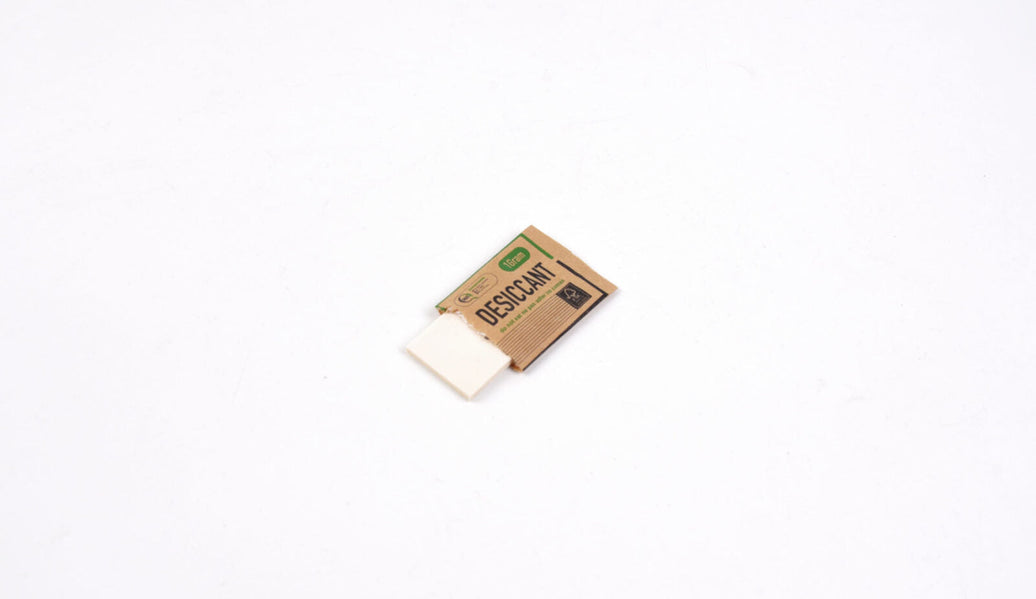
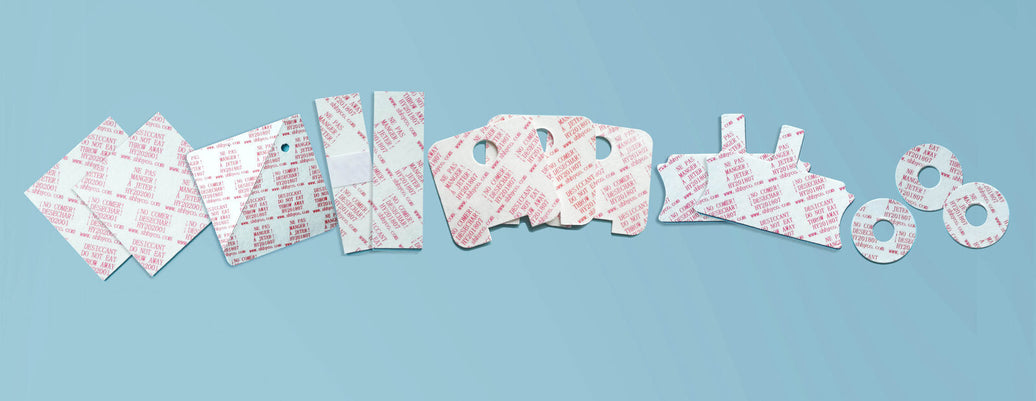
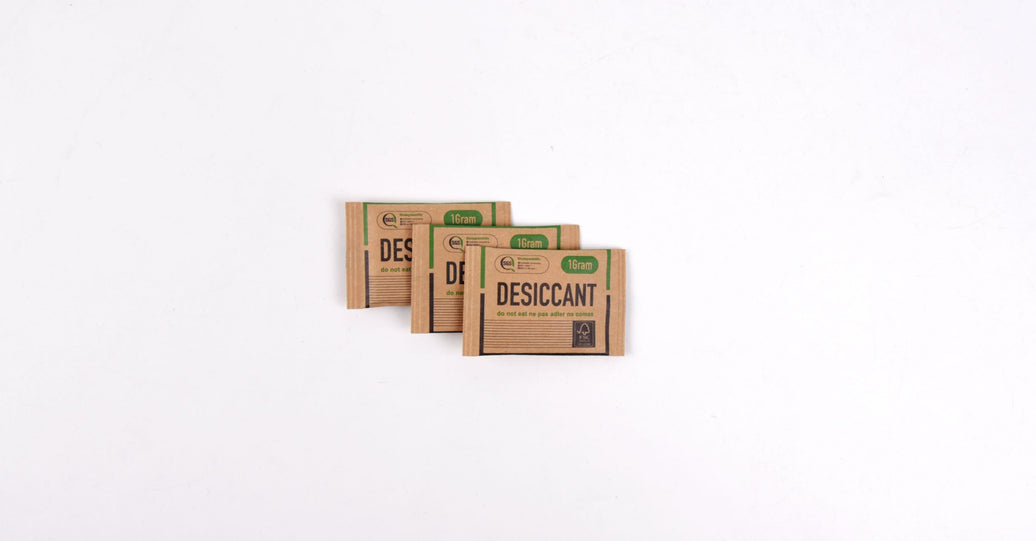
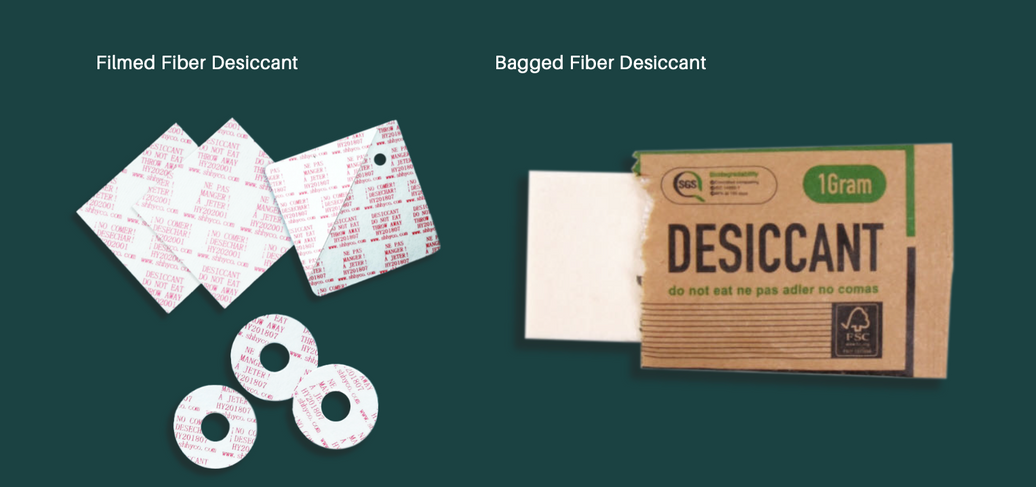
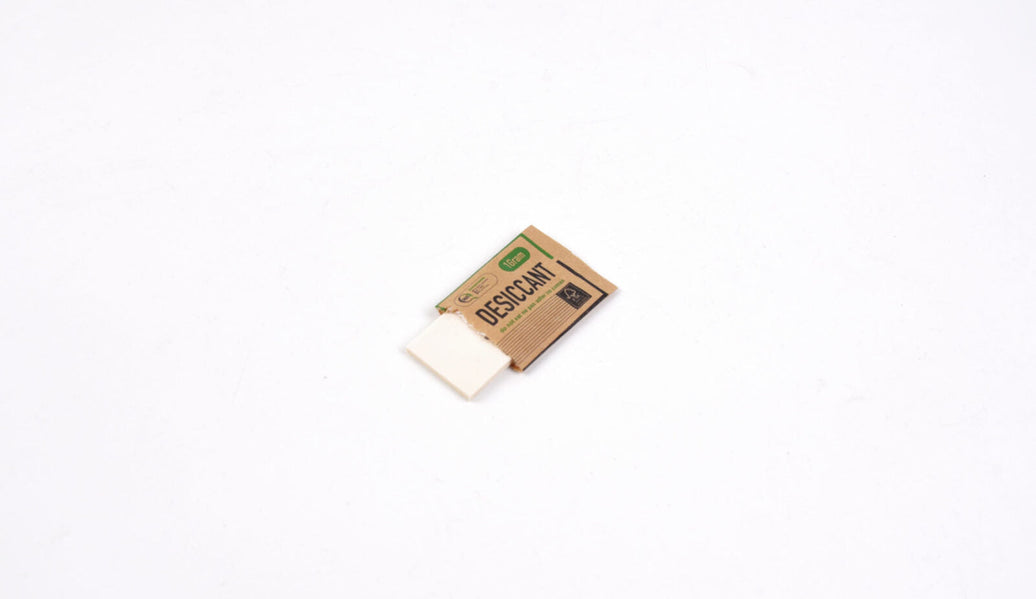
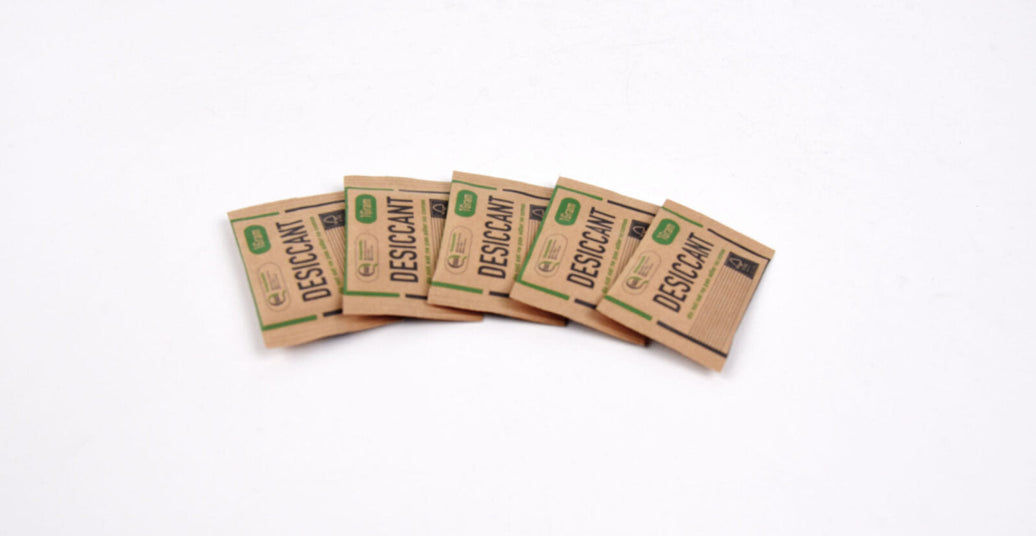
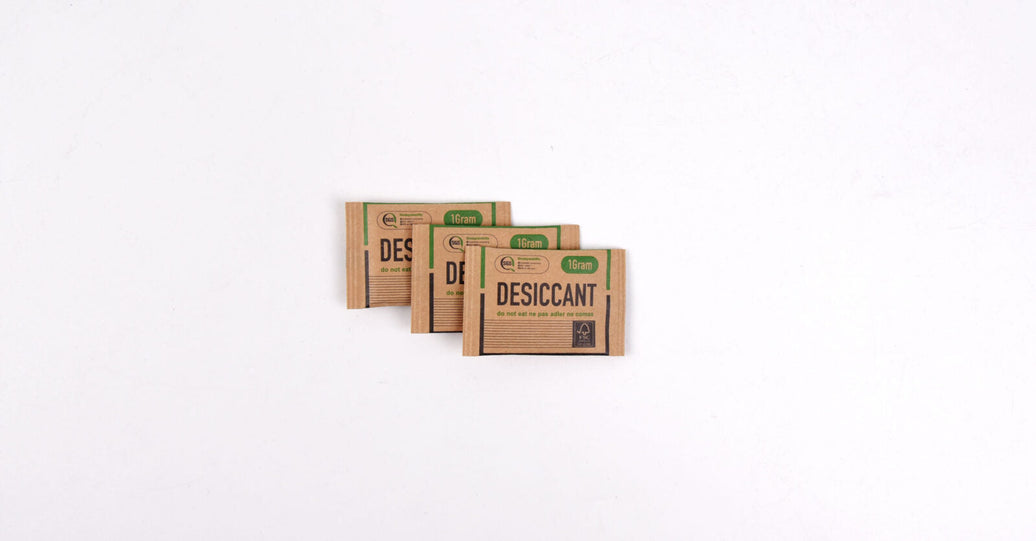
ATMOSIScience fiber desiccant is made from natural plant fiber and wrapped in a compostable film certified to ASTM D6400 and EN 13432. Instead of fighting the pack’s end-of-life route, it matches it: a compostable desiccant in a fiber or compostable pouch travels the same disposal path. It also carries a lower cradle-to-gate carbon footprint than silica gel — 1.44 versus 1.89 kg CO2e per kg on an ISO 14067 basis — which supports the broader sustainability case PPWR is built around.

Design tip: match the desiccant to the pack’s end of life
The clean rule of thumb: match the desiccant’s disposal route to the packaging’s. A recyclable or compostable pack deserves a desiccant that does not derail that route. Composting and recycling infrastructure still varies by region, so confirm the local end-of-life pathway — but choosing a compostable, single-material desiccant removes the obvious contamination risk at the design stage.
Frequently asked questions
Can a plastic desiccant sachet fail my recyclability claim? It can act as a mixed-material contaminant in a fiber stream; a compostable fiber desiccant avoids that conflict.
Is the fiber desiccant recyclable or compostable? It is certified compostable to ASTM D6400 and EN 13432; the substrate is natural plant fiber.
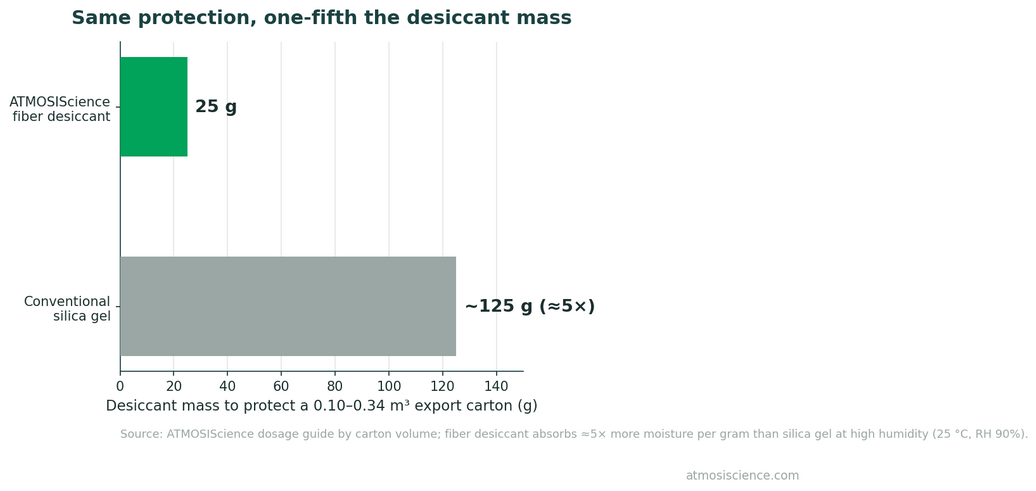
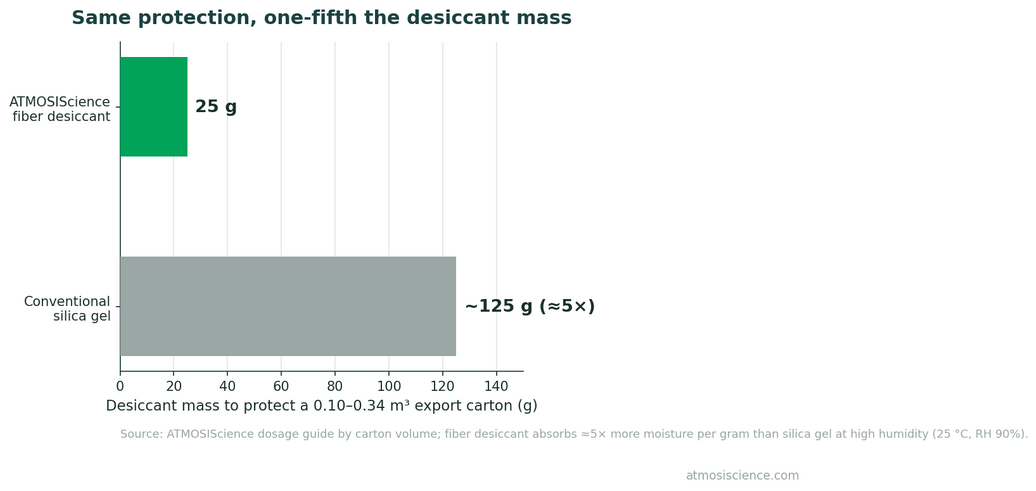
Does compostable mean weaker performance? No — fiber desiccant out-adsorbs silica per gram while being compostable.
Related reading: why weaker PPWR barriers mean more desiccant, which compostability certification your desiccant needs, and compostable desiccant and the Green Claims Directive. Browse the fiber desiccant range.
Designing a recyclable pack for the EU?
Tell us your pack structure and target markets. ATMOSIScience will recommend a compostable, stream-compatible fiber desiccant and send a free sample plus certificates.