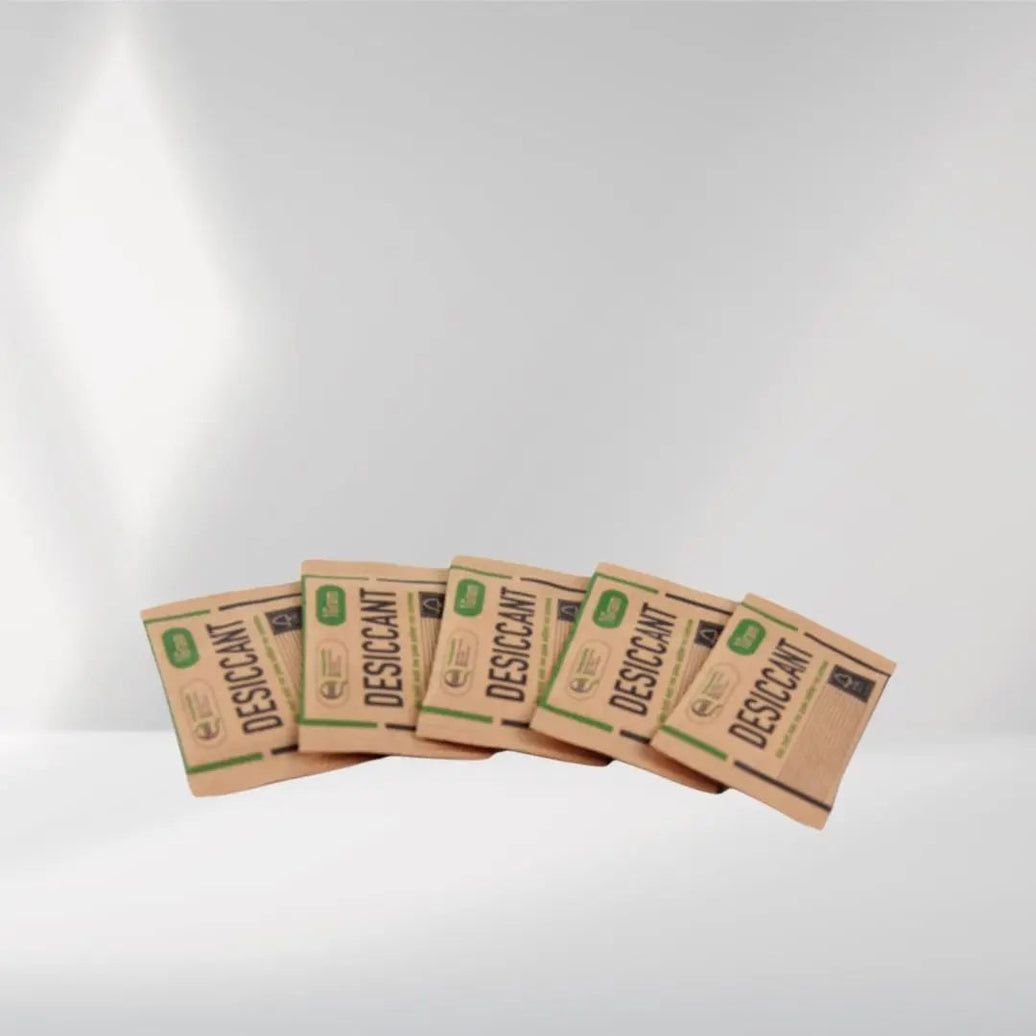
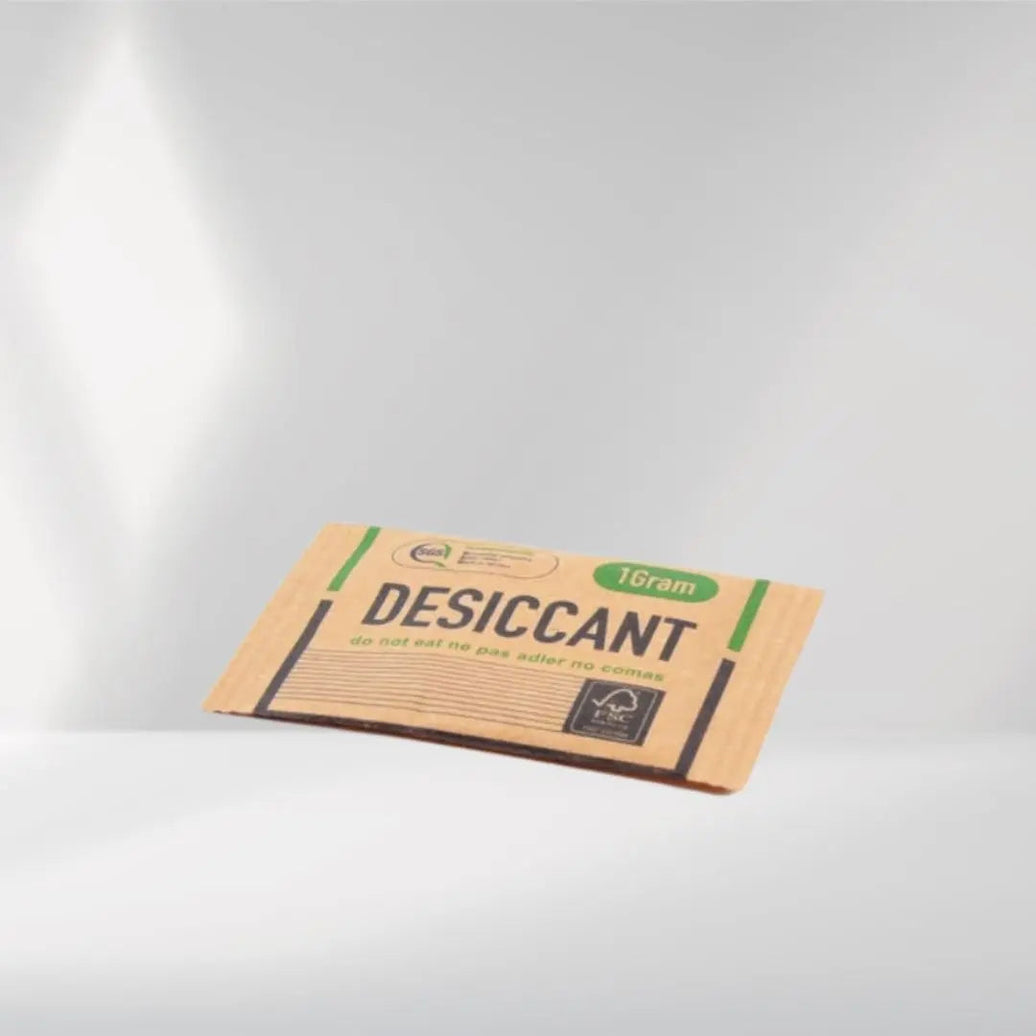
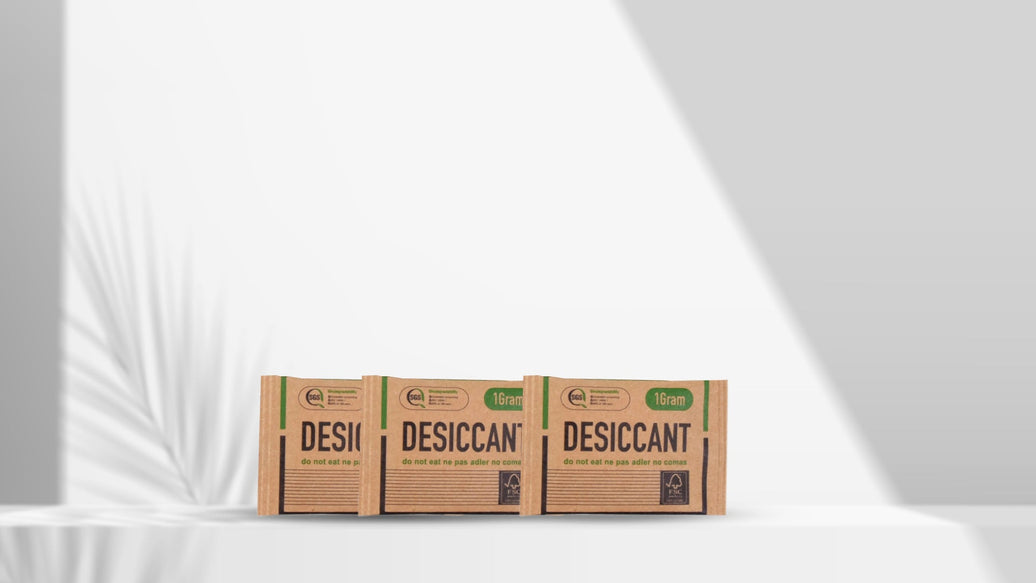
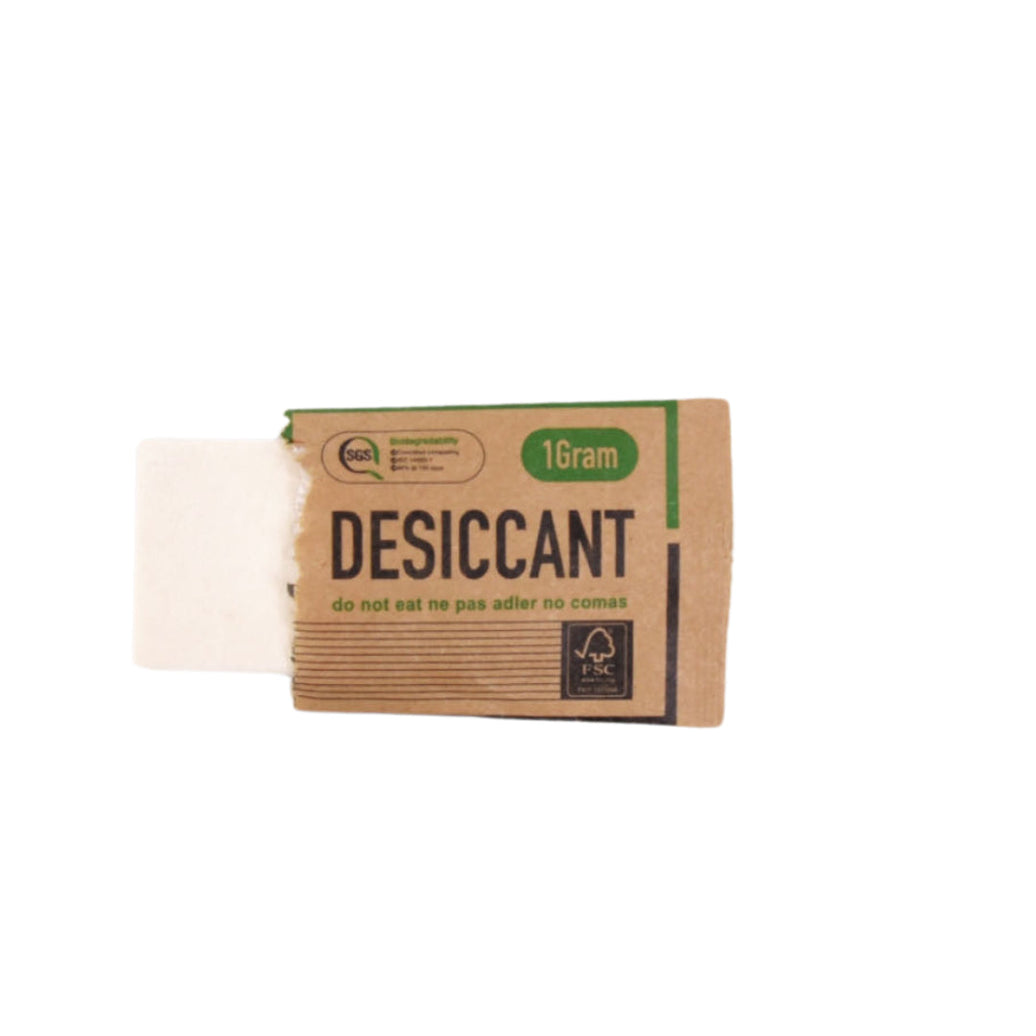
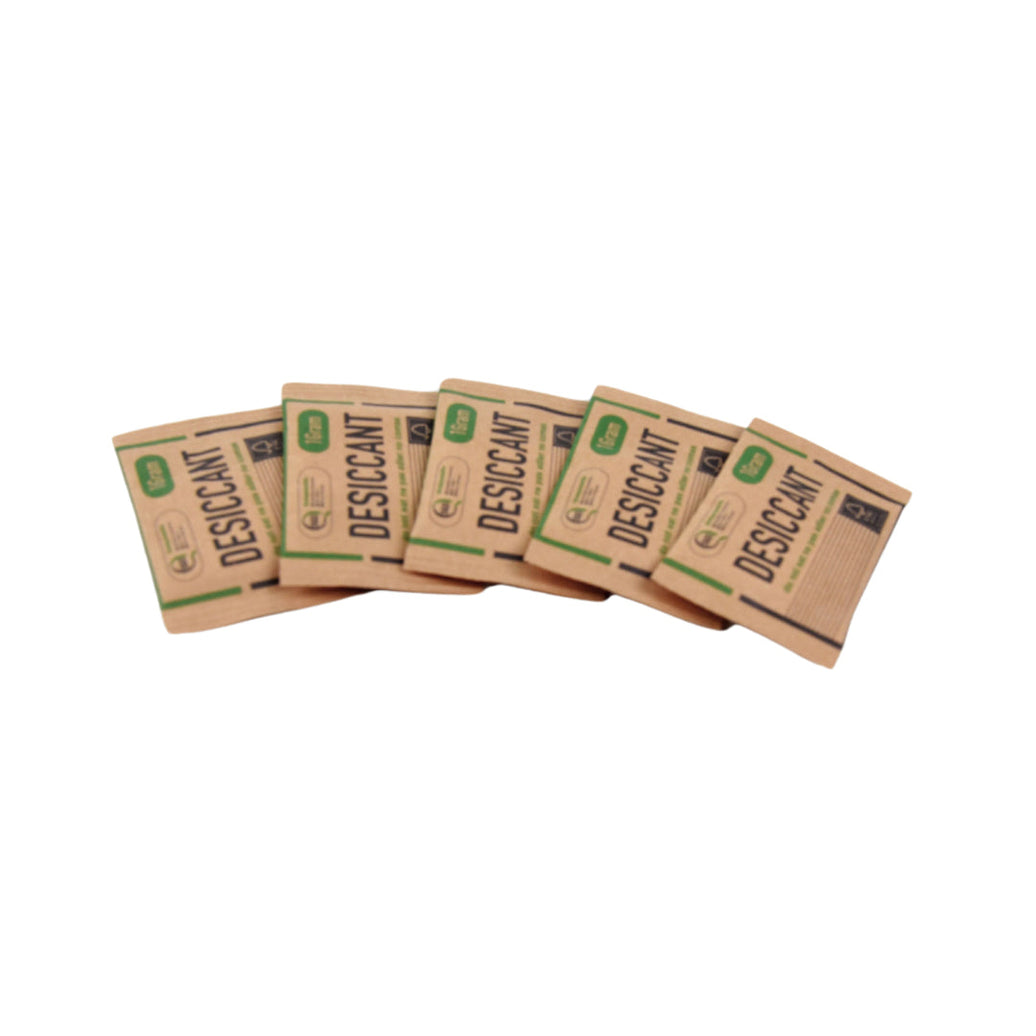
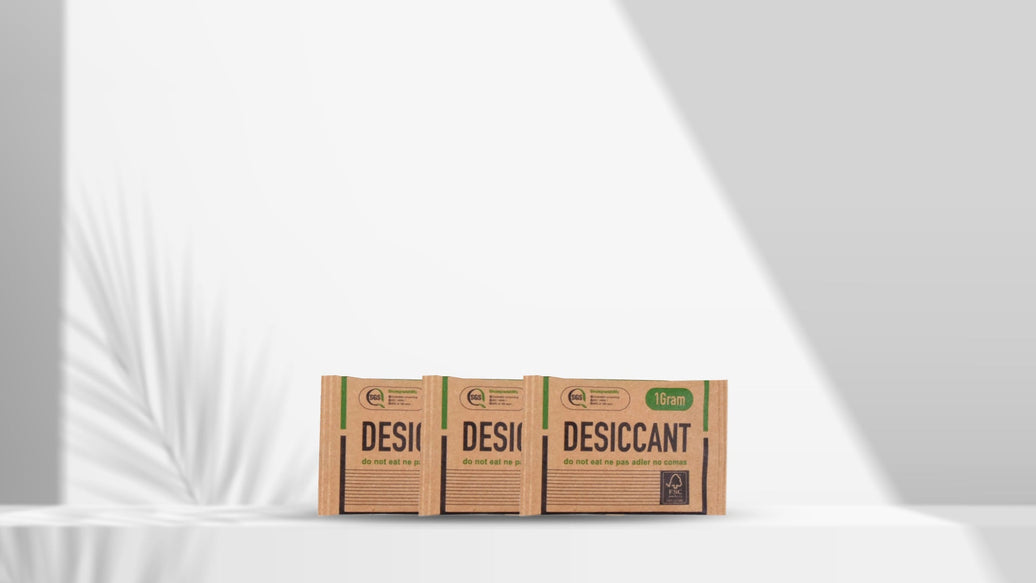
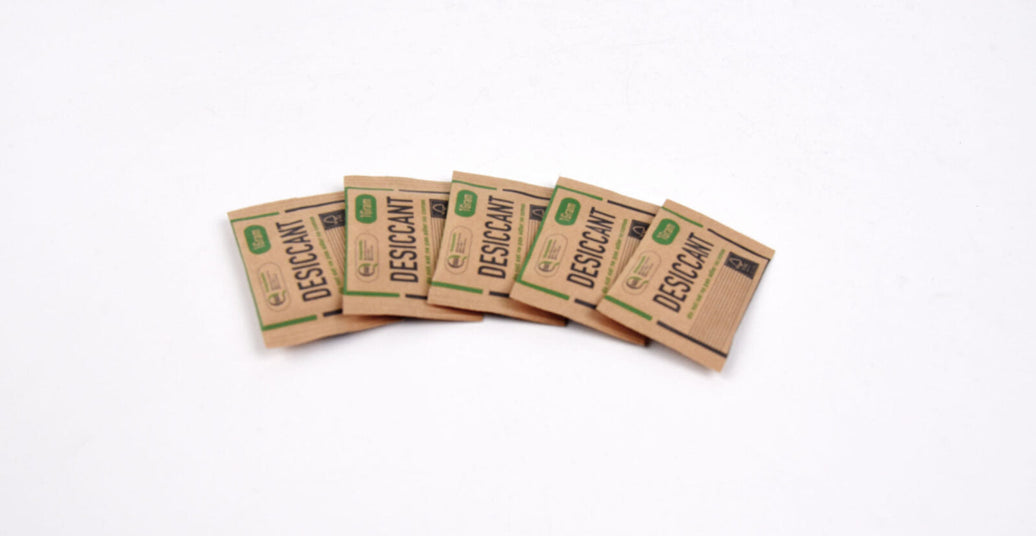
Quick answer: Changing desiccant supplier does not automatically restart your stability programme. What determines the scope of work is whether the new component changes the moisture performance of the package — not whether the label on the sachet changed. Build an equivalence rationale on four axes (capacity under matched conditions, material and food-contact status, physical format and insertion behaviour, and documentation depth), run a short bridging test set against the incumbent, and process it as a controlled change. Full re-validation is only warranted when one of the four axes genuinely moves.
Procurement finds a better price, or the incumbent has a lead-time problem, or a compliance requirement rules out the current material. Then quality asks what it costs to change, and the answer that comes back — "we would have to re-validate everything" — quietly kills the project.
That answer is usually wrong, and it is expensive. It leaves brands locked into single-source supply on a commodity component. What follows is a proportionate way to do it.
Step 1 — Establish what the incumbent actually does
Surprisingly often, nobody knows. The dosage was set years ago, possibly by the co-packer, possibly by rule of thumb. Before comparing anything, write down:
- The product code, dosage per unit and format currently running.
- The stated adsorption capacity with the RH and temperature it was measured at. A capacity number with no conditions is not comparable to anything — see how to compare desiccant spec sheets.
- Whether the current dosage was calculated or inherited.
- What the stability file actually claims about the desiccant.
If the incumbent's capacity was never characterised by condition, the change is an opportunity to fix a weak specification rather than a risk to manage.
Step 2 — Build the equivalence rationale on four axes
Axis 1: capacity under matched conditions
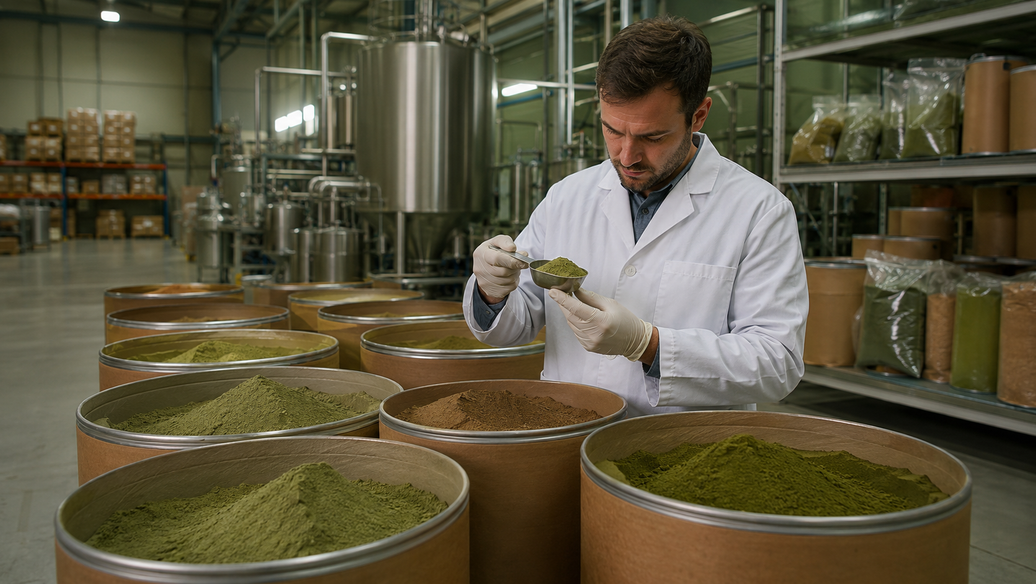
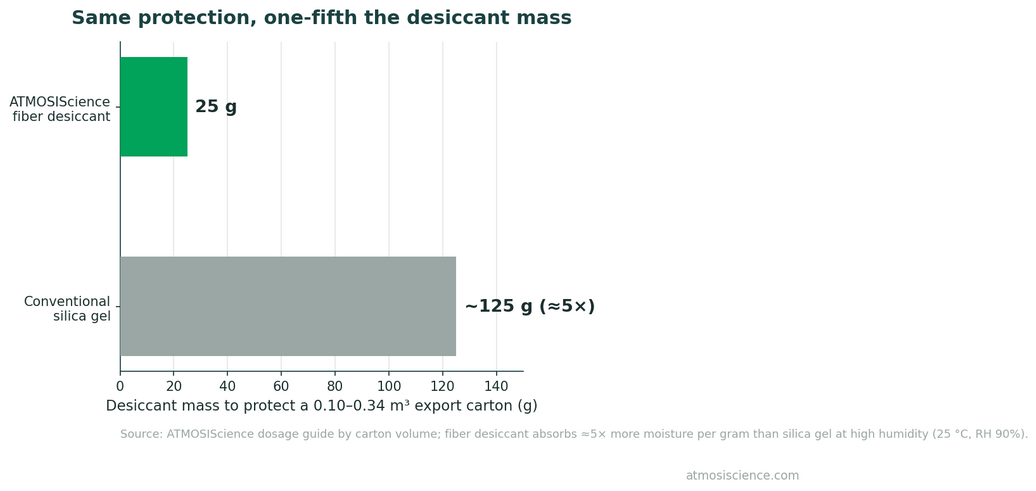
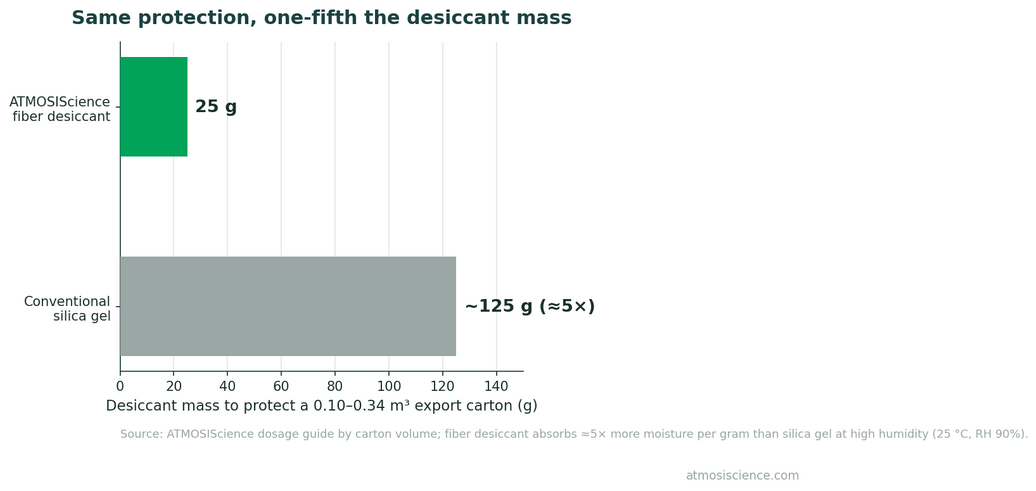
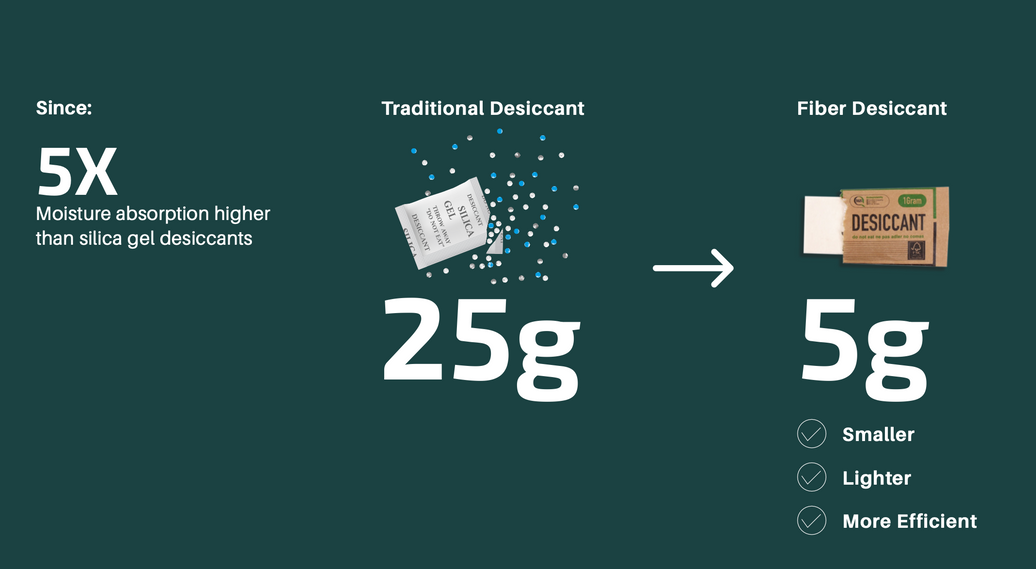
Compare like with like. Silica gel is typically quoted around 30% of its own weight at RH90; ATMOSIScience fiber desiccant is characterised at more than 10% at RH20, more than 35% at RH50 and more than 70% at RH90 (25°C), reaching more than 100% at saturation, with loss on drying below 10%.
Note what that implies for a substitution: matching total capacity often means less mass, not the same mass. Equivalence is by moisture captured, not by grams inserted. The arithmetic is in silica gel equivalency.

Axis 2: material and contact status
Does the new component sit in the same regulatory position? For food and pharmaceutical packs that means food-contact documentation — ATMOSIScience fiber desiccant is supported by FDA 21 CFR 175.300 documentation — plus any market-specific requirements. Scope is explained in food-contact desiccants and FDA 21 CFR.
A material change from a mineral adsorbent to a plant-fiber substrate is a genuine change and should be documented as one — but it is documented once, not re-derived per SKU.
Axis 3: physical format and insertion
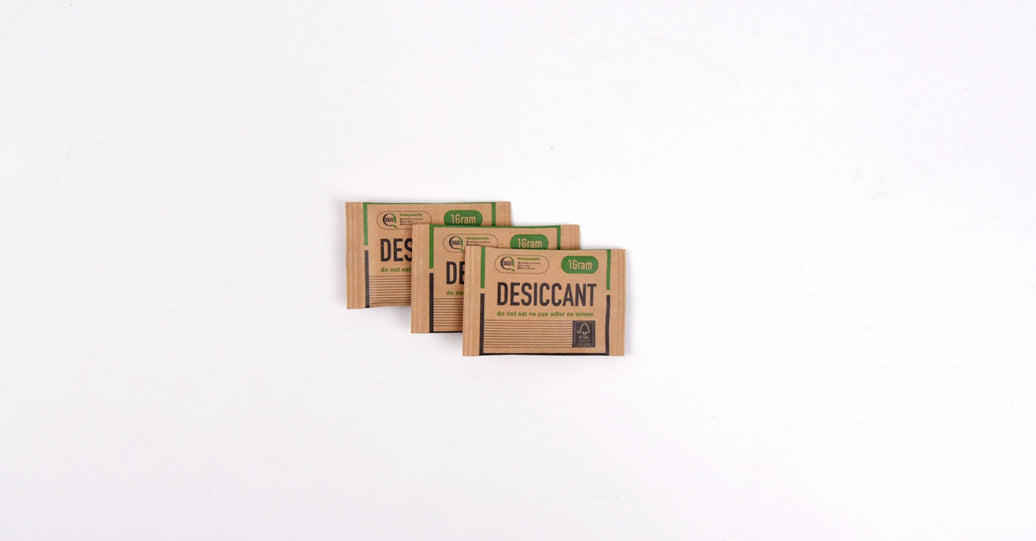
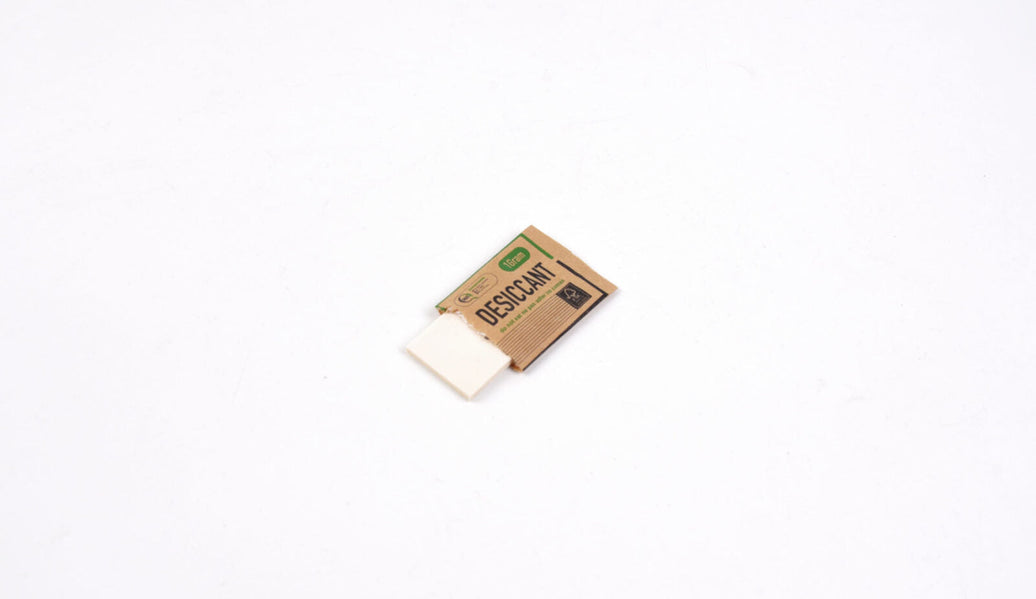
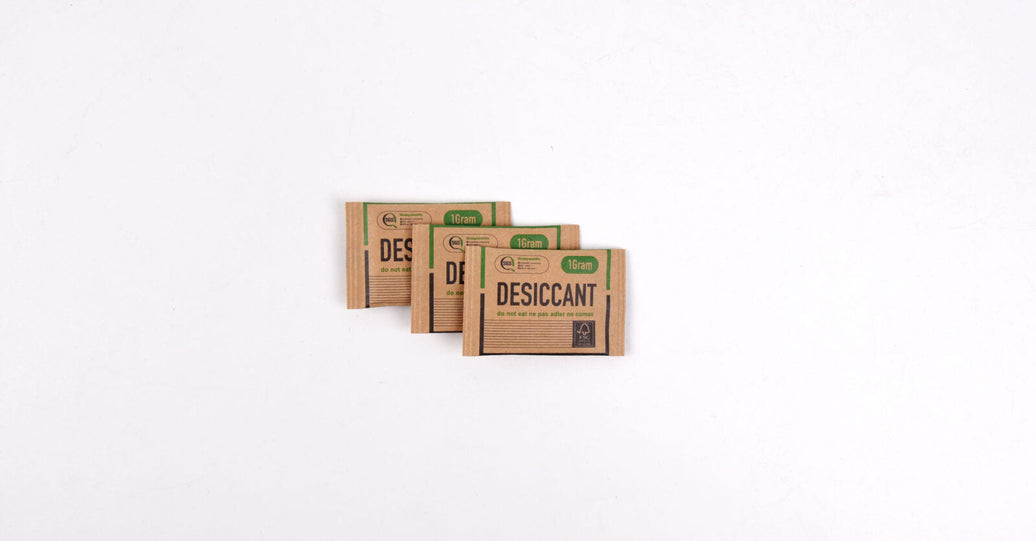
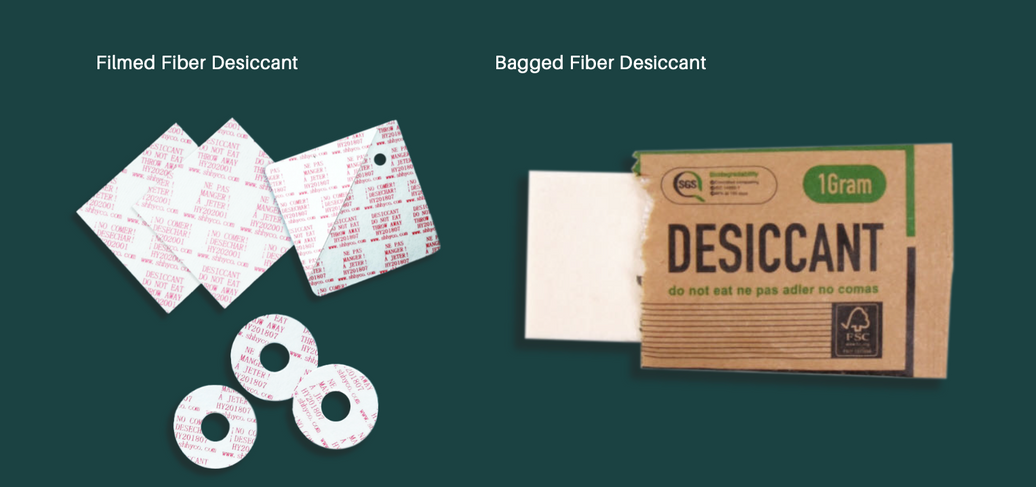
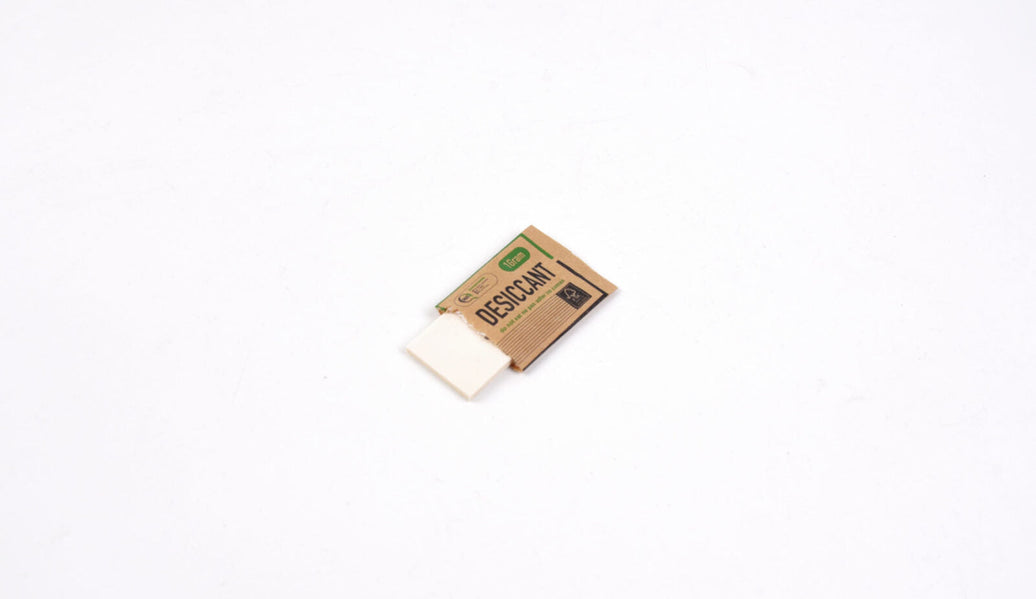
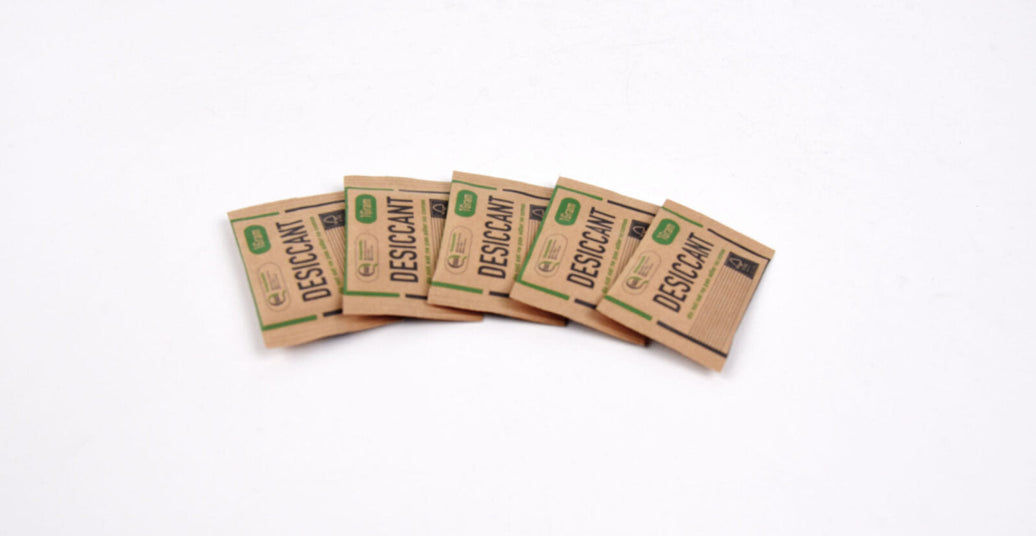
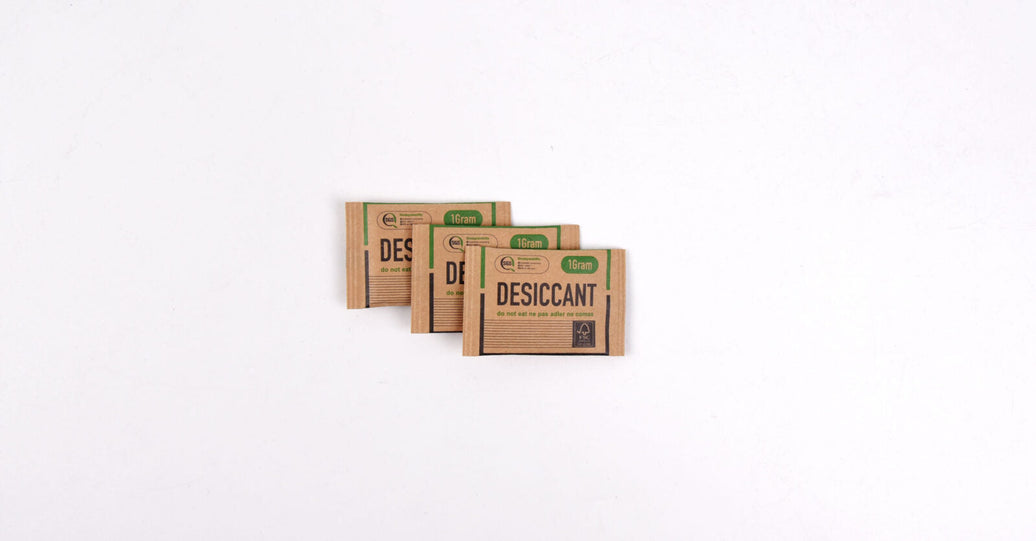
This is where changeovers actually fail, and it has nothing to do with moisture. A sachet with different dimensions, stiffness or surface finish may not feed reliably through an existing dispenser. Validate insertion on the real line before the first commercial run — constraints are described in desiccant dispenser compatibility.
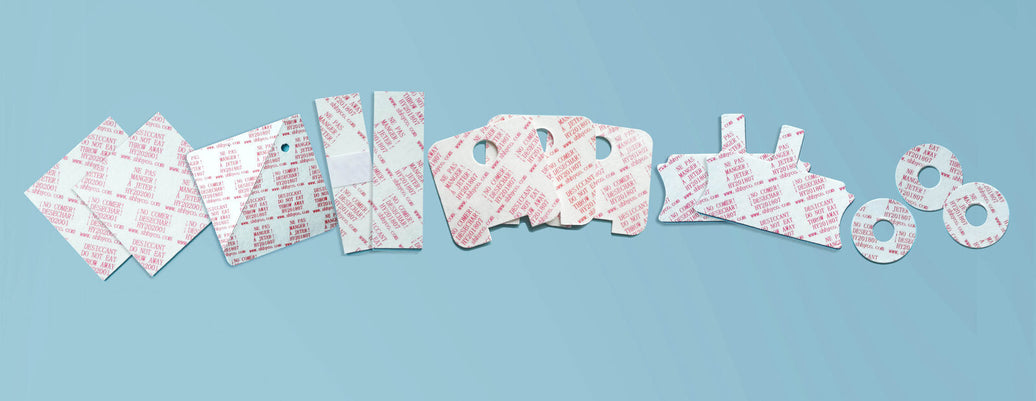
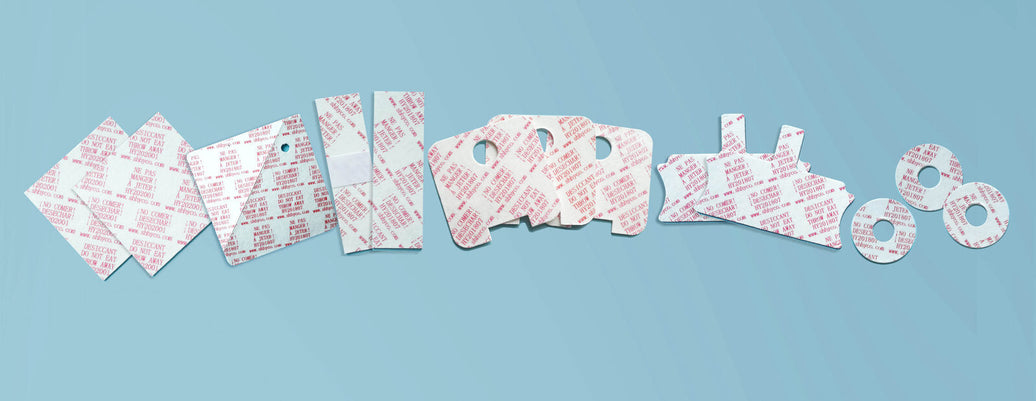
Where format changes deliberately — sachet to die-cut card, for instance — treat it as a packaging change with its own line trial. Fiber Card paper desiccants are supplied at 0.5 mm and 1.0 mm and can be die-cut square or circular.
Axis 4: documentation depth
If the new supplier provides more evidence than the incumbent — per-lot COA with conditions, quality-system certification, compostability certification on the sachet material — the change is a documentation upgrade and should be argued that way in the change record. ATMOSIScience manufacturing is SGS ISO 9001 certified, and the sachet film is certified to ASTM D6400 and EN 13432.
Step 3 — The bridging test set
Rather than a full stability restart, run a side-by-side comparison sized to the risk:
- Worst-case chamber challenge. Incumbent and candidate in identical packs at an aggressive condition, monitored to breakthrough. Protocol in how to run a desiccant sample evaluation.
- In-pack RH tracking using indicator cards at the RH points that matter, so the comparison produces a record rather than an opinion — see humidity indicator cards.
- Line trial at production speed for insertion reliability, seal integrity and any dust or debris.
- Abbreviated accelerated stability on one representative SKU per pack family, not on every SKU — the bracketing logic is in accelerated stability testing with desiccant.
Bracket by pack family. Five SKUs in the same bottle with the same closure and the same film do not need five studies.
Step 4 — Process it as a controlled change
The change record should carry: the equivalence rationale on all four axes, the bridging data, the revised dosage calculation with its inputs, updated specifications and drawings, the new supplier's qualification pack, and — if a co-packer runs the line — written notification and acceptance. Who signs what is set out in who owns the desiccant spec.
When full re-validation genuinely is required
Be honest about the cases where the short route does not apply:
- The dosage form is at the edge of its stability profile and the desiccant is doing critical work.
- The registered dossier names the component specifically, so a variation is needed regardless of technical equivalence.
- Capacity at the relevant humidity band is materially lower, not equivalent.
- The format change alters product contact in a way not previously assessed.
Frequently asked questions
Does changing desiccant supplier require a regulatory variation?
It depends on how the component is described in your registration. Where the dossier names a specific supplier or product, a variation is likely. Where it specifies performance characteristics, an internally documented equivalence assessment is often sufficient. Confirm against your own regulatory affairs position.
Can we run two suppliers in parallel?
Yes, and dual sourcing is usually the point of the exercise. Both must be qualified, both specified, and lot traceability must distinguish them.
How long does a proportionate changeover take?
The chamber and line work is typically the short part. The schedule is normally set by whatever accelerated stability window your risk assessment calls for, plus internal change-control cycle time.
What if the new desiccant needs less mass?
That is a legitimate and common outcome when moving to a higher-capacity material — but the reduction must come from a written dosage calculation, not from matching a supplier's suggested size. Method in desiccant dosage by MVTR.
Does a sustainability-driven switch change the process?
No, but the claim needs its own evidence. If the outer pack carries a compostability claim, the sachet material must carry its own certification — see the sustainable desiccant guide, and for EU obligations the PPWR compliance hub.
Get a written equivalence rationale for your change record
Send your incumbent specification and pack details. ATMOSIScience will produce a side-by-side equivalence document and supply samples for bridging tests.
Prefer email? info@atmosiscience.com