A desiccant can pass every absorption test and still fail on the floor — by jamming the auto-dispenser. For a high-speed pouch or bottle line, insertion reliability is as important as moisture capacity, and it is the spec most often overlooked until a trial stalls the machine at the smallest format. This guide covers the dimensional and mechanical properties that decide whether a desiccant feeds cleanly, so packaging engineers can spec for the line, not just the pack.
Why soft sachets hang up and rigid cards feed
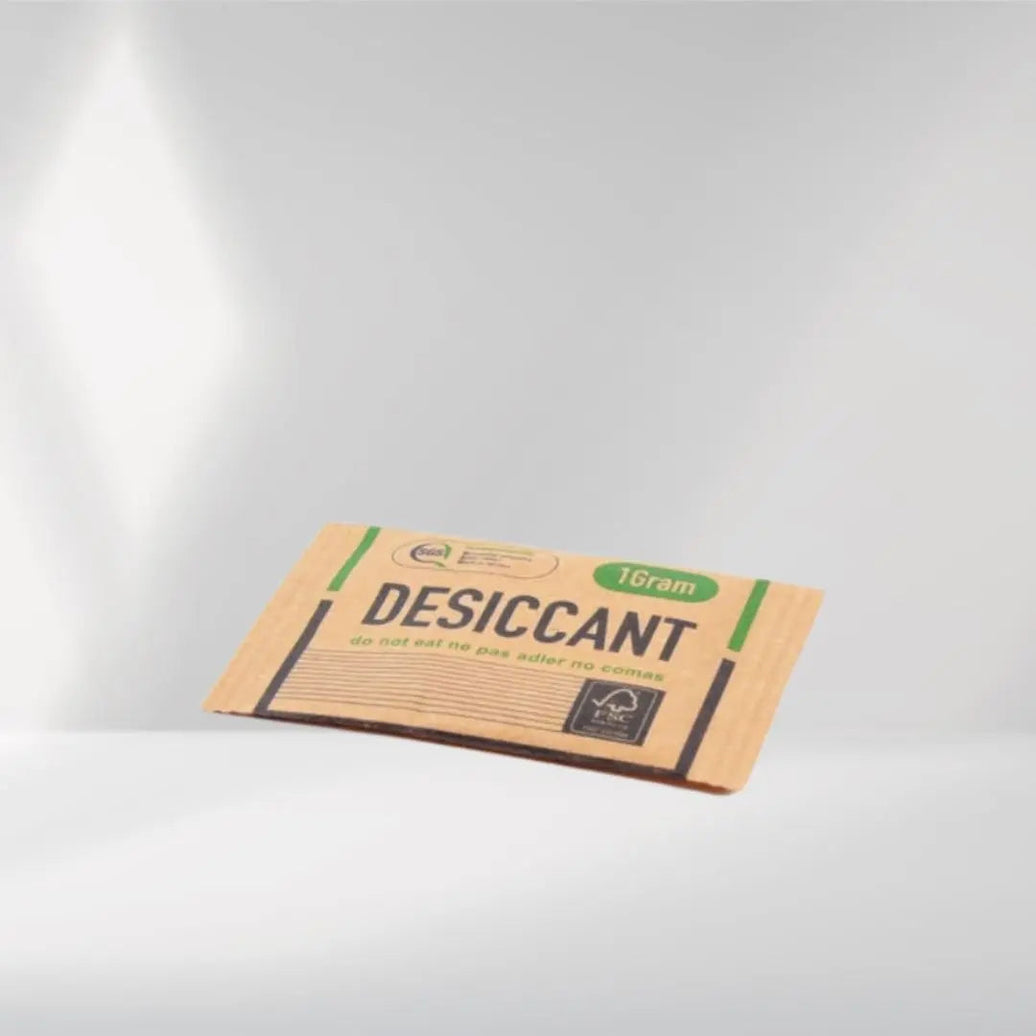
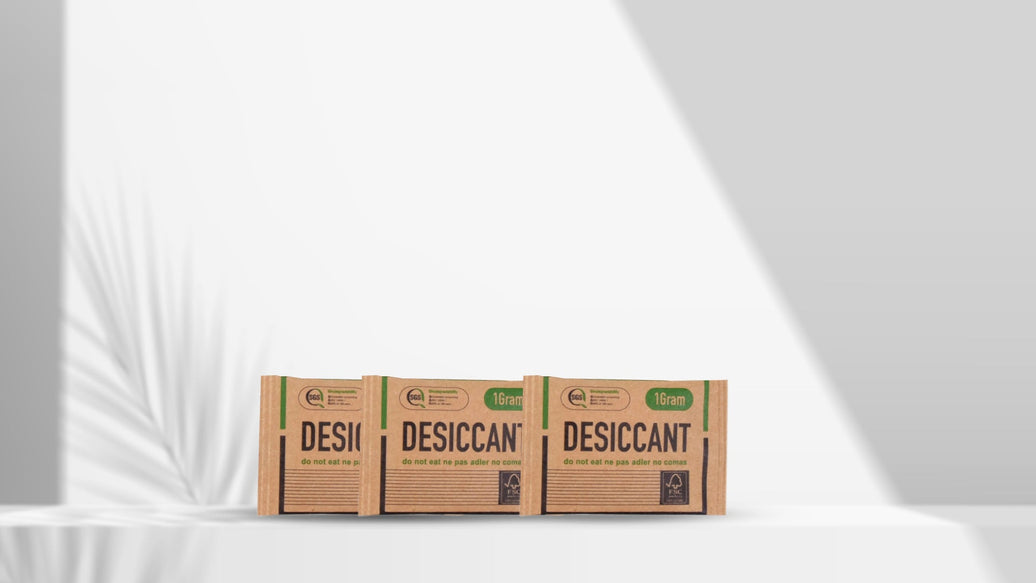
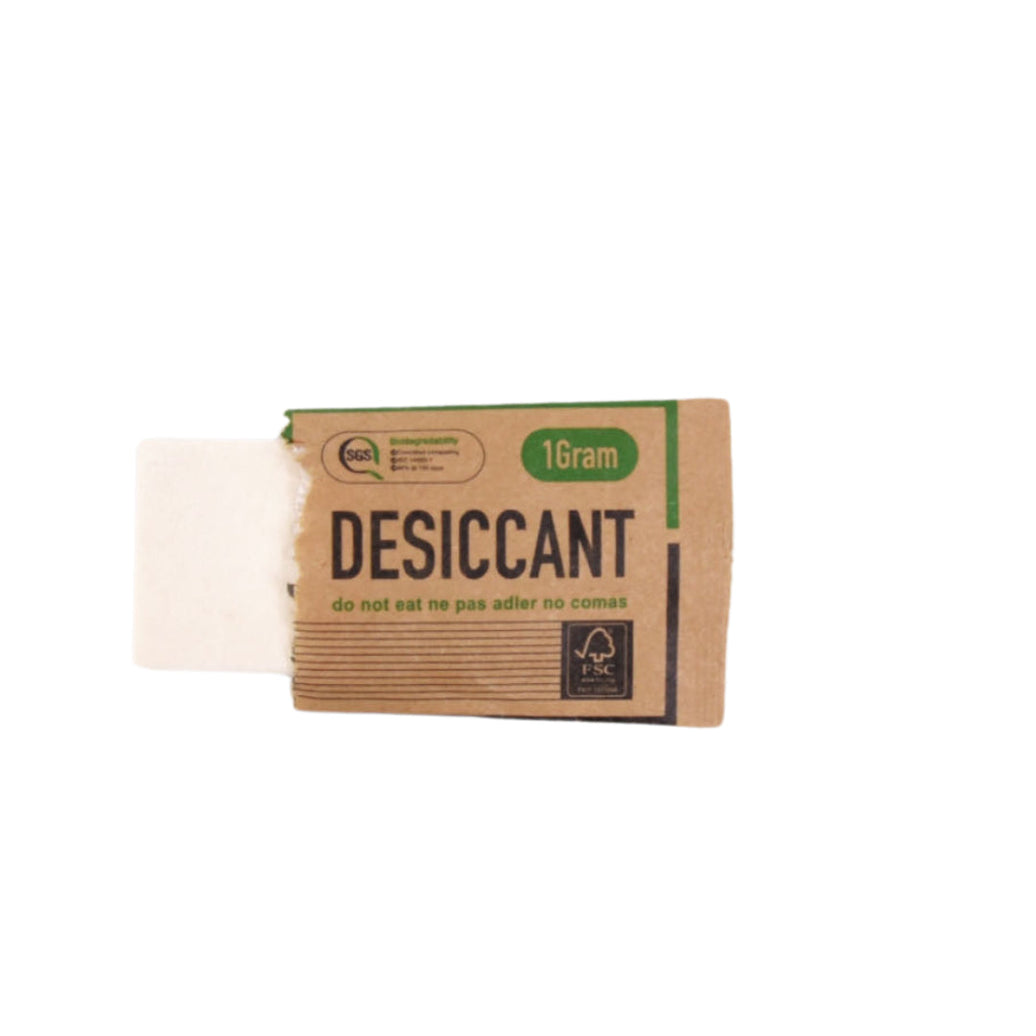
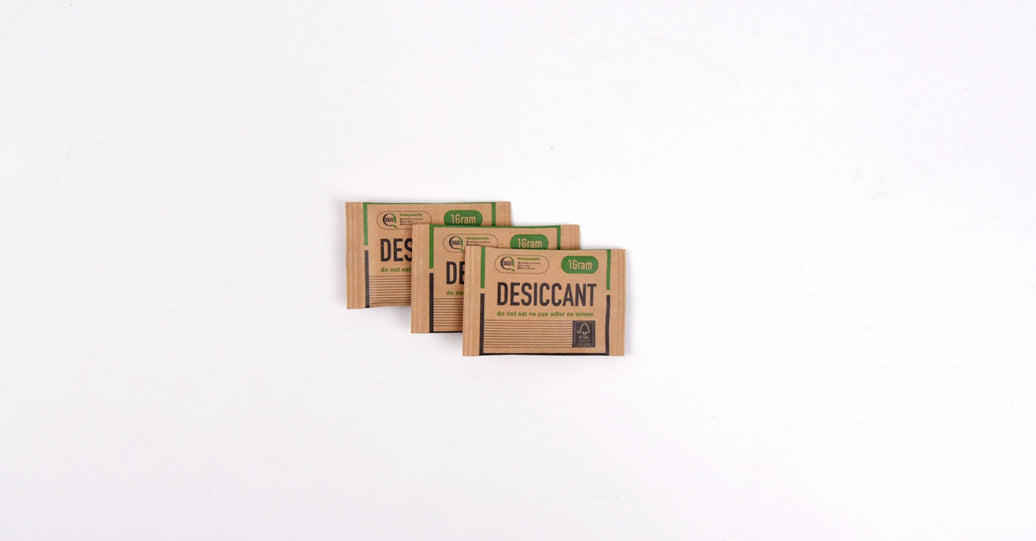
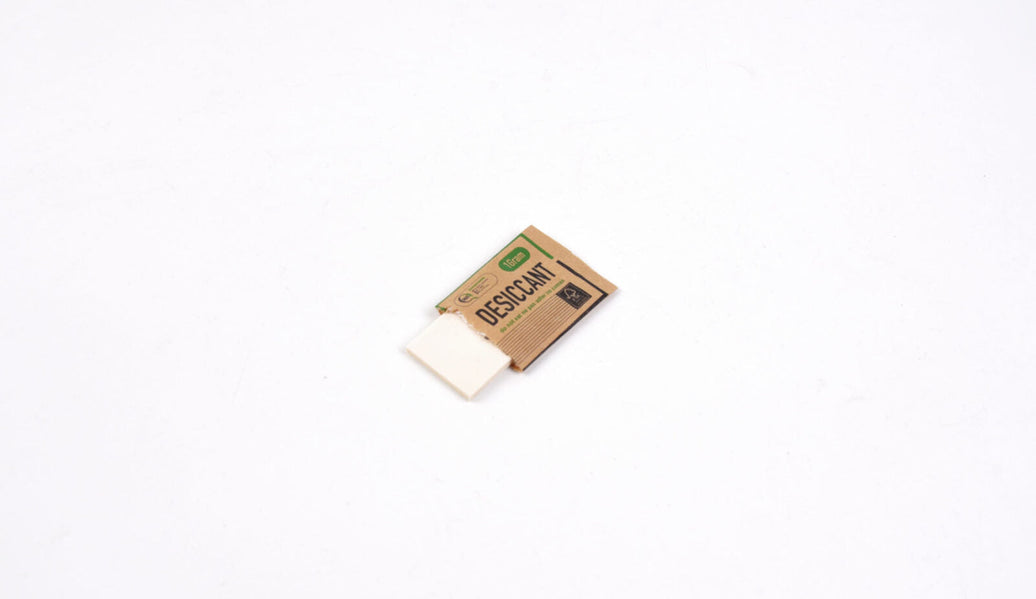
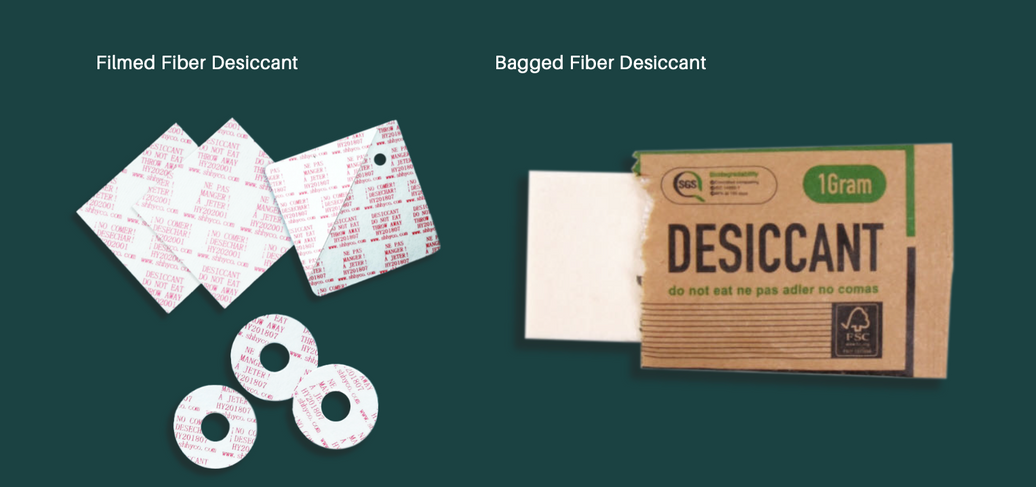
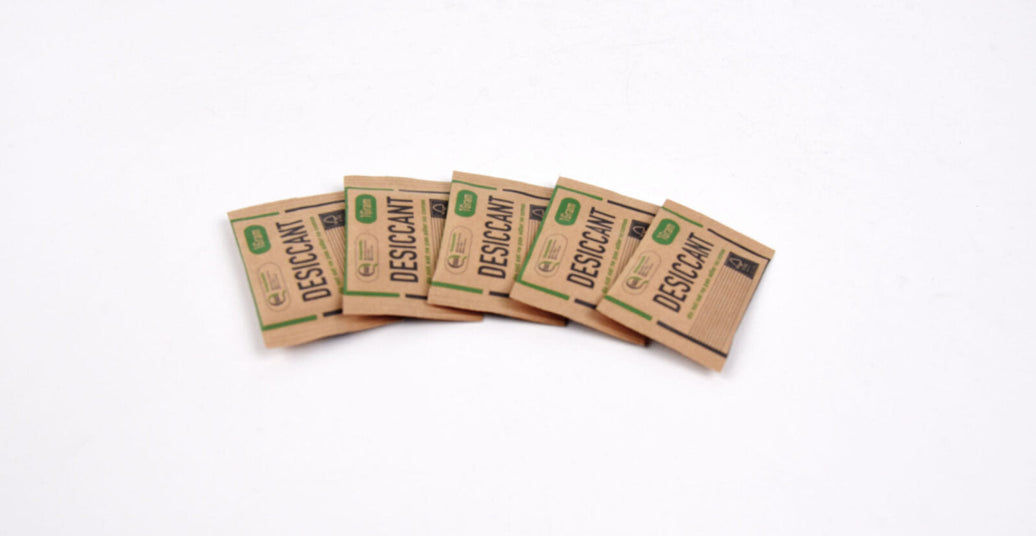
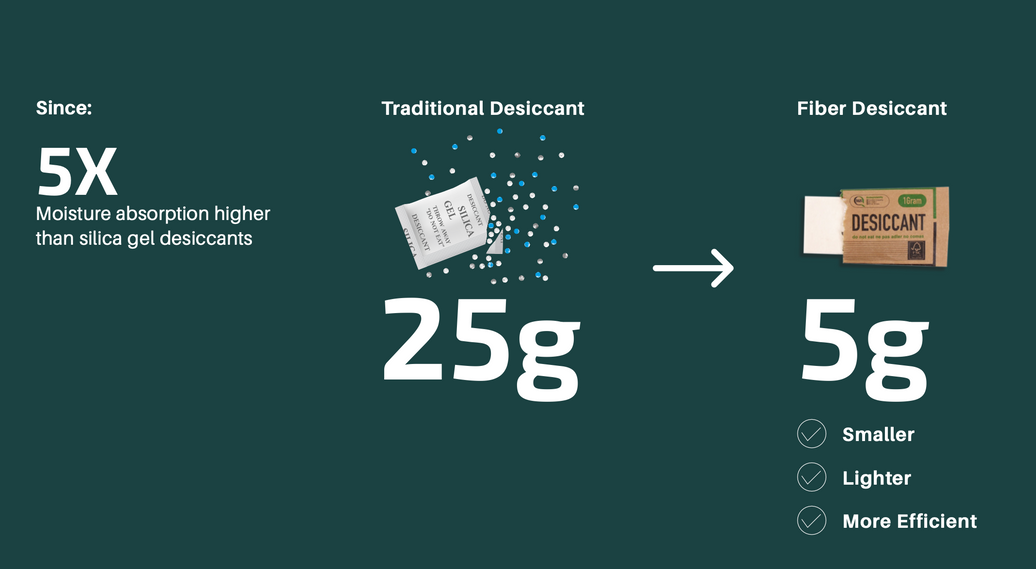
Automated insertion equipment relies on each unit presenting the same shape every cycle. A soft, bead-filled sachet deforms — it slumps, folds, and varies in thickness as the fill shifts — so it hangs up in the feeder or lands askew in the pouch. A rigid card presents a constant, flat profile the mechanism can grip and place. This is a core reason brands moving to automated lines migrate from loose-fill sachets to film desiccant cards; the line-speed impact is quantified in our co-packer insertion guide.
The dimensional spec that governs feeding
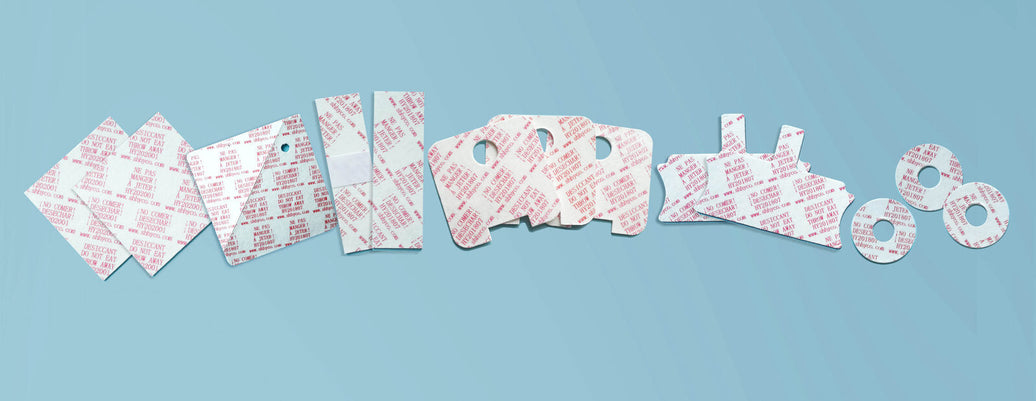
Outer diameter / footprint. Must clear the pouch or bottle opening with margin at the smallest format — the tightest case sets the maximum size. Oversized cards are the most common cause of small-pouch jams.
Thickness and tolerance. Consistent thickness lets the feeder singulate one unit at a time; a wide tolerance causes double-feeds or misses.
Edge condition. Clean die-cut edges without burrs or fibers prevent snagging and torn print.
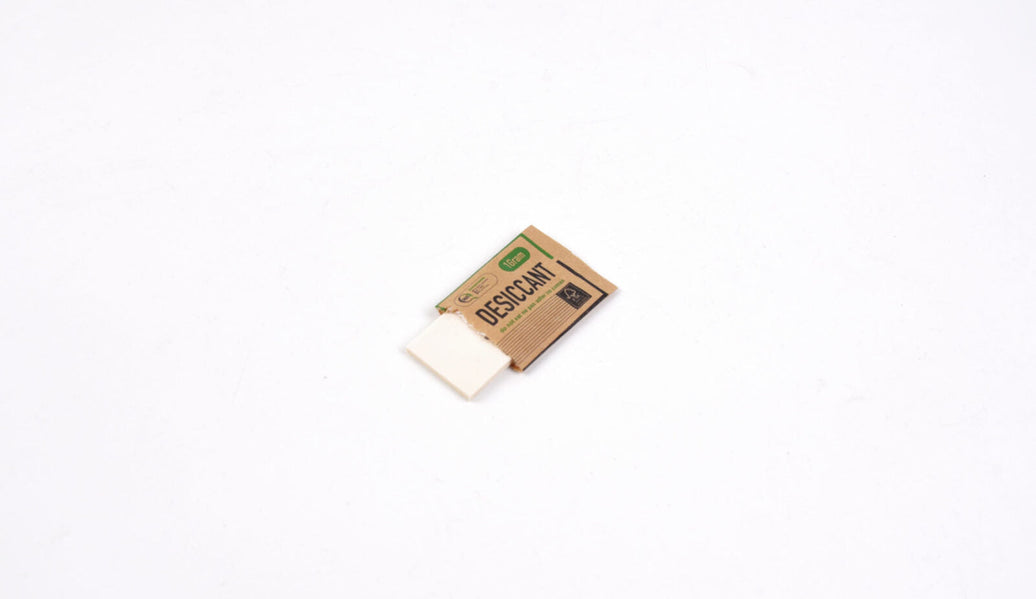
Stiffness. Enough rigidity to be picked and placed without folding — ATMOSIScience film desiccant is stiffer than some credit cards for exactly this reason.
Flatness. A card that sits flat against the pack wall does not block the fill nozzle or protrude past the seal.
Static, dust, and print
Two secondary factors trip up powder lines. First, static: fine powders and some films build charge that makes units stick together or cling to tooling. A dust-free, non-ionic fiber desiccant reduces the particulate that aggravates static. Second, print durability: if the warning or logo is printed, it must survive the feeder without smearing — a reason to specify a card printed and cured for handling, as covered in our guide to custom-printed desiccant cards.
Match the format to the machine
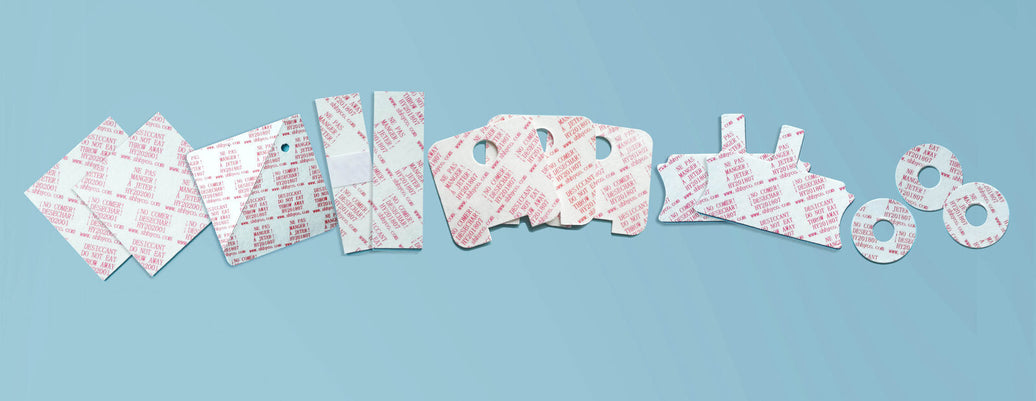
Vertical form-fill-seal (VFFS) pouch lines — drop a die-cut disc or card timed to the fill; footprint and flatness dominate.
Bottle lines with desiccant inserters — die-cut pads sized to the neck; thickness consistency dominates.
Manual or semi-auto fill — more forgiving, but a rigid card still speeds placement and stays visible for the customer.
Whatever the machine, validate at the smallest, fastest format first — the worst-case logic in our sample evaluation protocol.
Frequently asked questions
What causes most small-pouch jams?
An oversized or inconsistent-thickness unit at the tightest format. Spec the footprint and thickness tolerance to the smallest pouch, not the average.
Why does a rigid card beat a sachet on the line?
It presents a constant flat profile the feeder can singulate and place; a soft sachet deforms and hangs up.
Can you match our existing dispenser?
Yes — send your machine type and smallest format and ATMOSIScience will recommend a die-cut spec and provide a fit sheet.
Spec the desiccant to your line
ATMOSIScience die-cuts film desiccant to a dispenser-matched footprint, thickness, and edge, and supplies a fit sheet for your machine. Explore ATMOSIScience desiccant solutions, request a sample of the Fiber Desiccant, or contact our team for a dispenser-matched spec and fit sheet.
Related reading: Co-Packer's Automated Insertion Guide · Sample Evaluation Protocol · Film Desiccant Explained
Get a dispenser-matched desiccant spec
Send your machine type and smallest pack format — our team returns a die-cut footprint, thickness, and edge spec plus a fit sheet so insertion runs clean.