Quick answer: A powder moisture risk audit checks ten points across four stages — raw material and formulation, the filling room, the package itself, and storage/transit. Score one point for every question answered "no." A score of 3 or higher usually means caking complaints, fill-weight drift or shelf-life failures are already costing more than a properly specified desiccant program would.
Most powder brands discover their moisture problem in a complaint email, not an audit. By then the tub has caked on a shelf, the co-packer has logged fill-weight drift, or a retailer has returned a pallet. The ten questions below compress what ATMOSIScience reviews when a powder buyer sends a spec — answer them honestly and the gaps locate themselves.
Stage 1 — Raw material & formulation (Q1–Q3)
1. Do you know your powder's critical water activity?
Every powder has a threshold above which particles bridge and cake. If the answer is "we know moisture content, not water activity," start with water activity vs. relative humidity — they are different specs, and the second one decides shelf life.
2. Has anyone plotted the sorption isotherm?
A moisture sorption isotherm shows exactly how much water the powder picks up at each RH level. Without it, desiccant dosage is guesswork.
3. Are hygroscopic ingredients flagged in the spec?
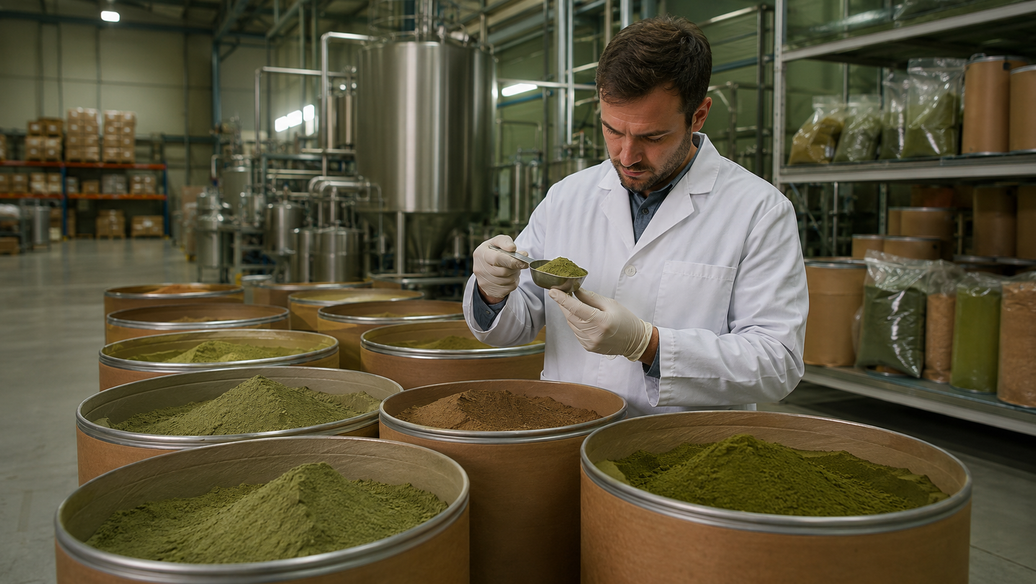
Electrolyte salts, botanical extracts, collagen peptides and spray-dried flavors pull moisture aggressively. One deliquescent ingredient can set the moisture budget for the whole blend.
Stage 2 — The filling room (Q4–Q5)
4. Is RH in the filling area measured and logged?
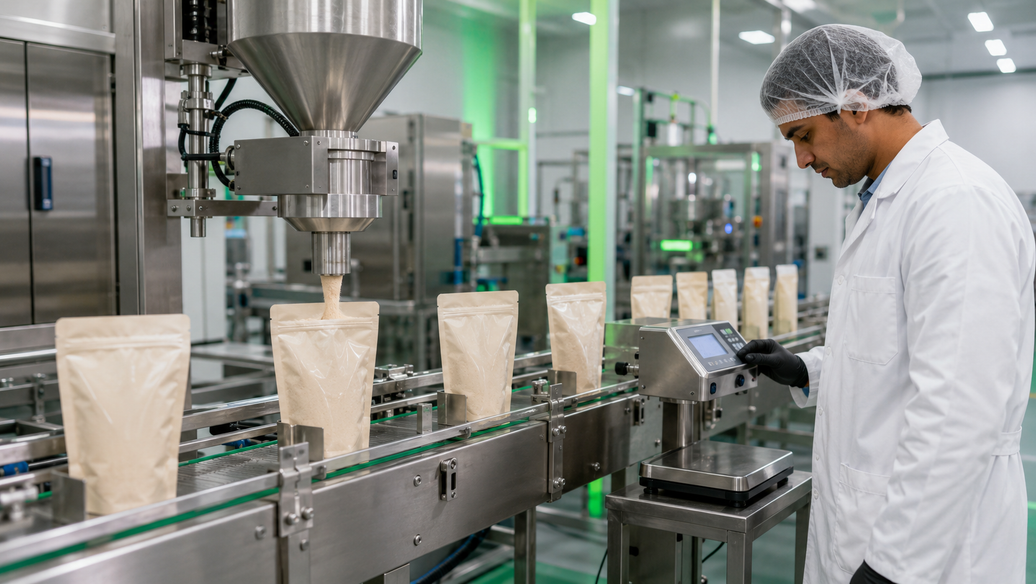
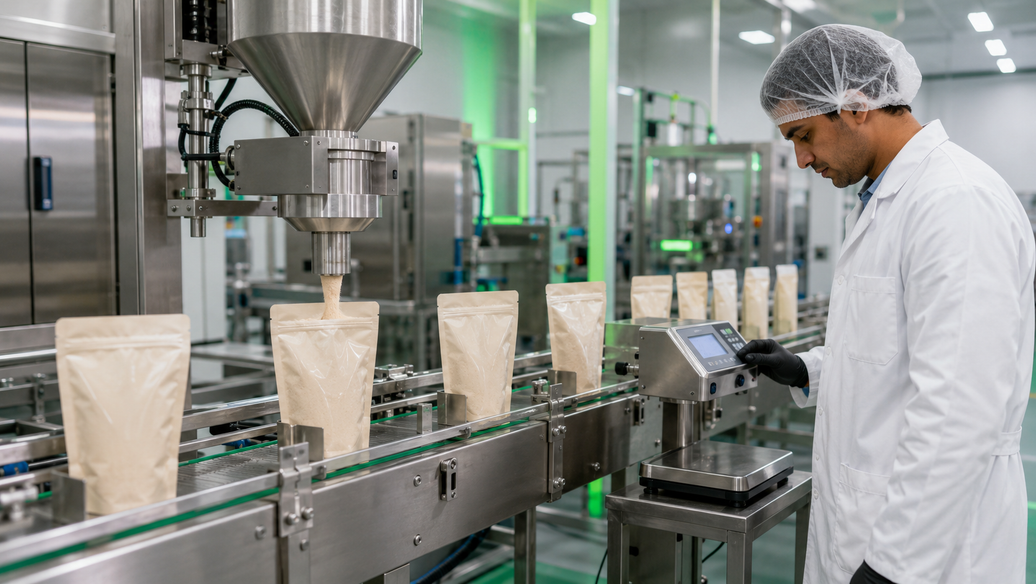
Powders equilibrate with room air in minutes once bulk bags open. Unlogged filling-room humidity shows up later as inconsistent fill weights — bulk density shifts with moisture, so the same volumetric dose weighs differently on humid days.
5. Is open-bag exposure time limited by SOP?
A written limit (and a reseal rule) is one of the cheapest controls available. No SOP means exposure time is whatever the shift allows.

Stage 3 — The package (Q6–Q8)
6. Was headspace moisture calculated, not assumed?
The air sealed inside a tub or pouch carries water before the first opening cycle. Dosage should start from headspace volume — the method is in the desiccant dosage guide.
7. Does the desiccant match the package format?
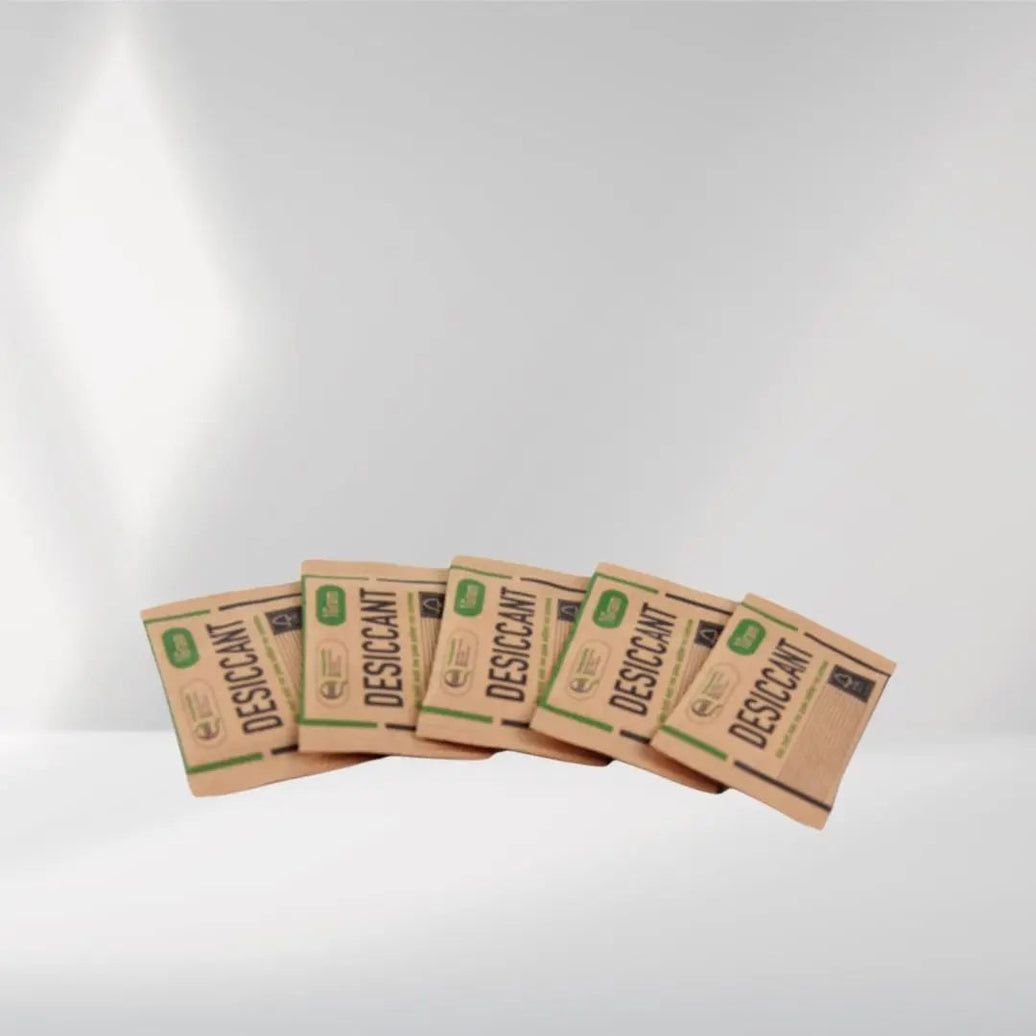
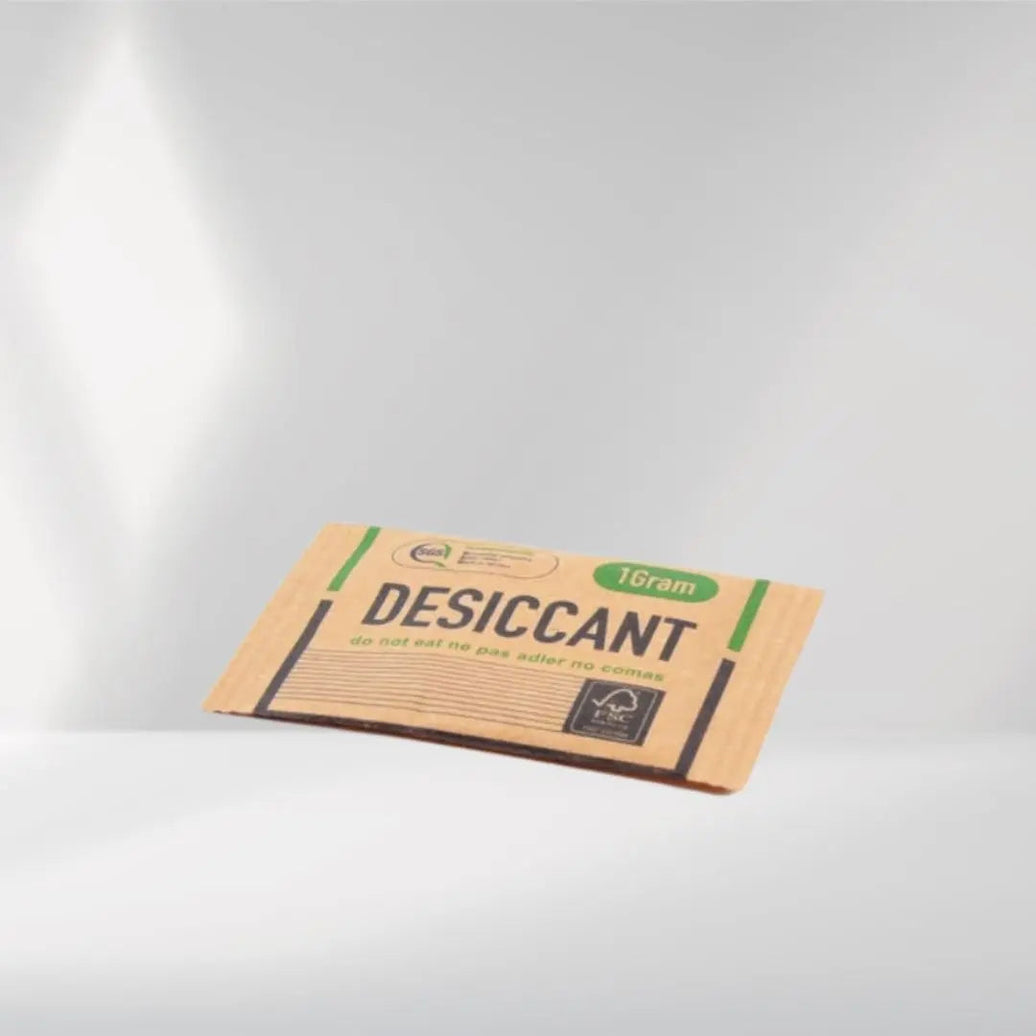
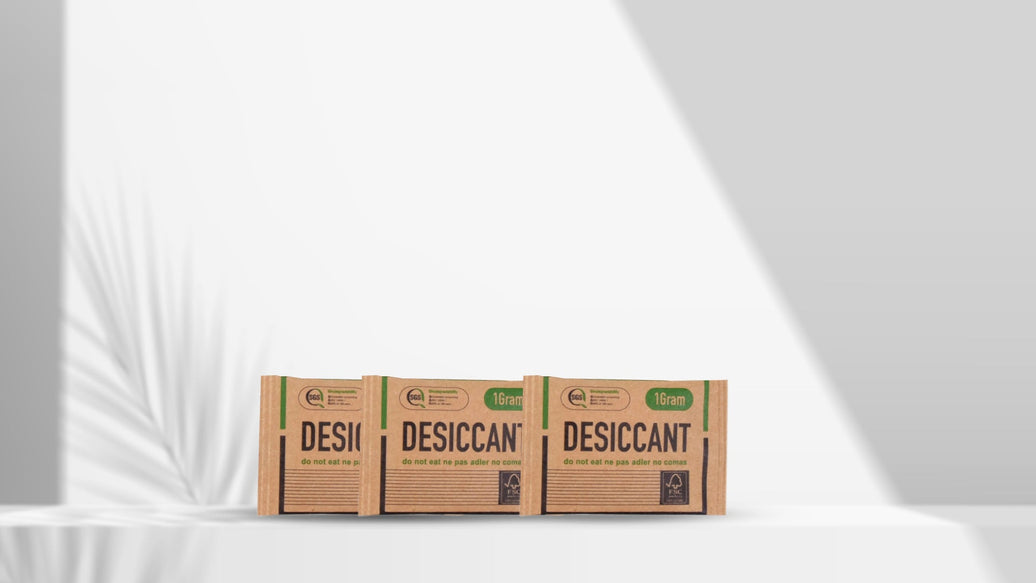
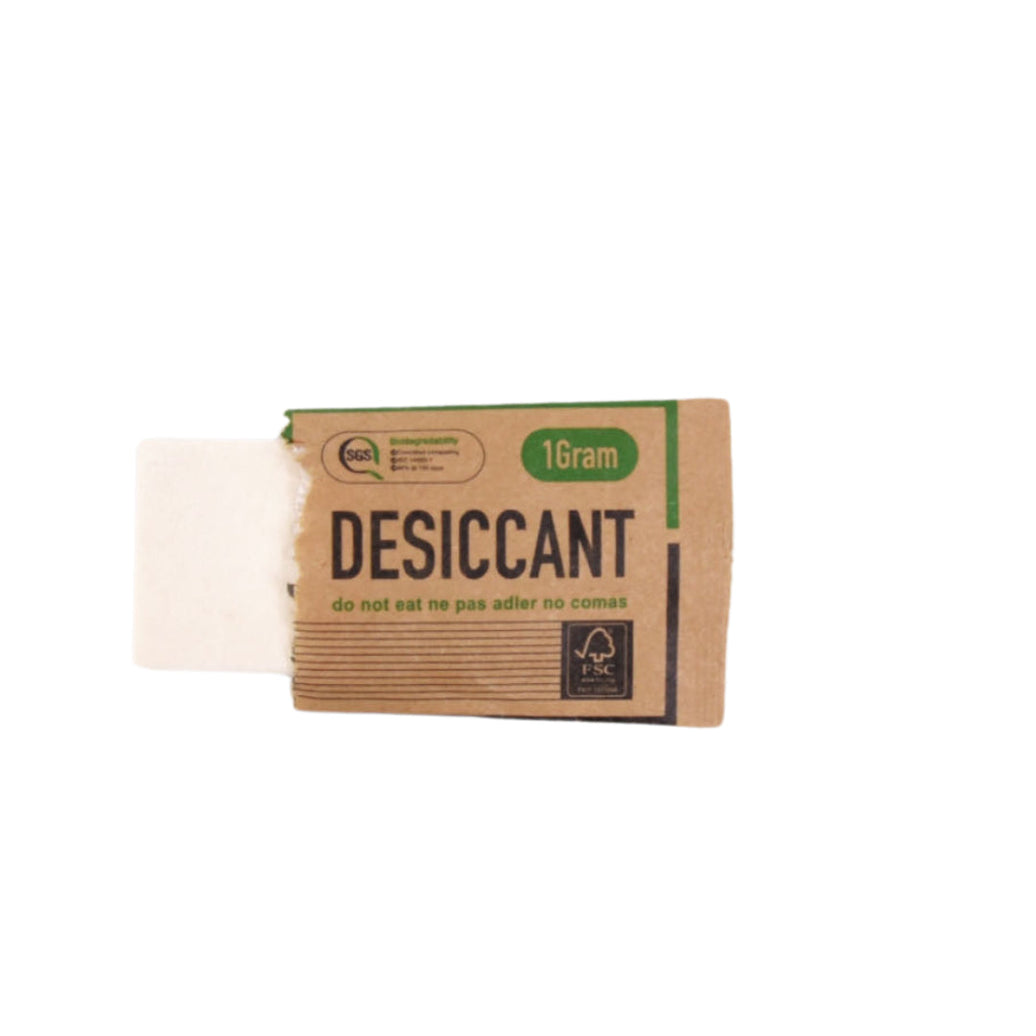
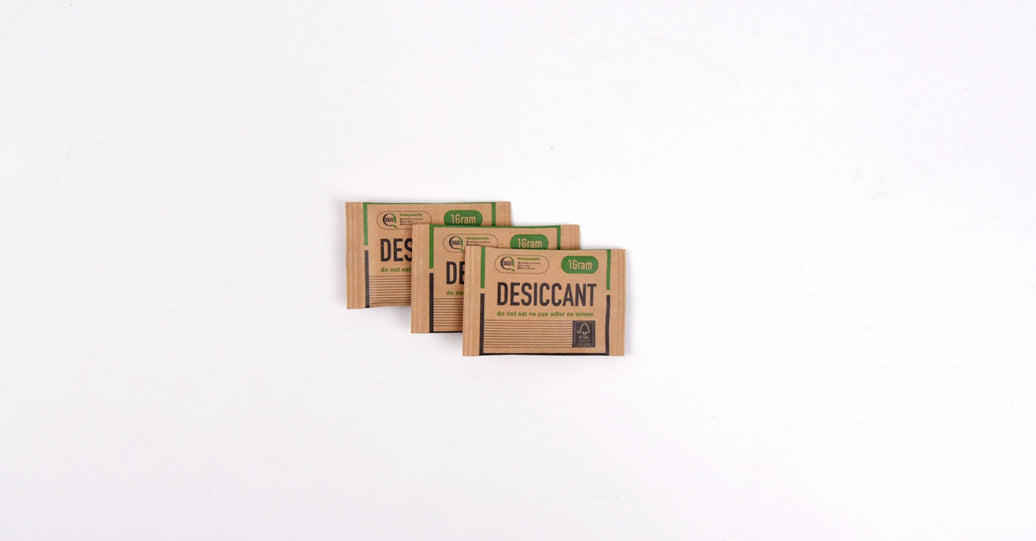
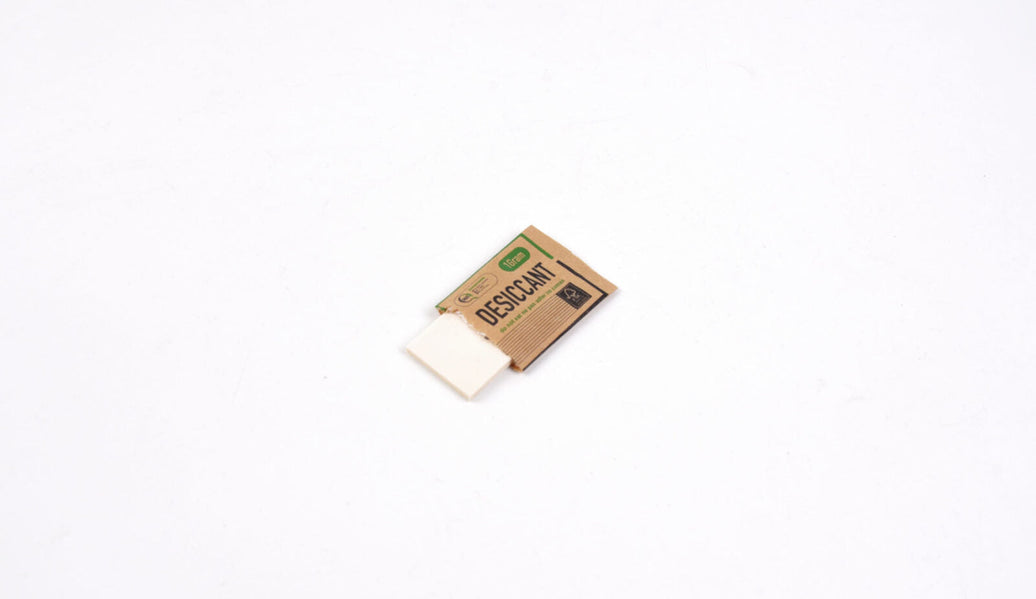
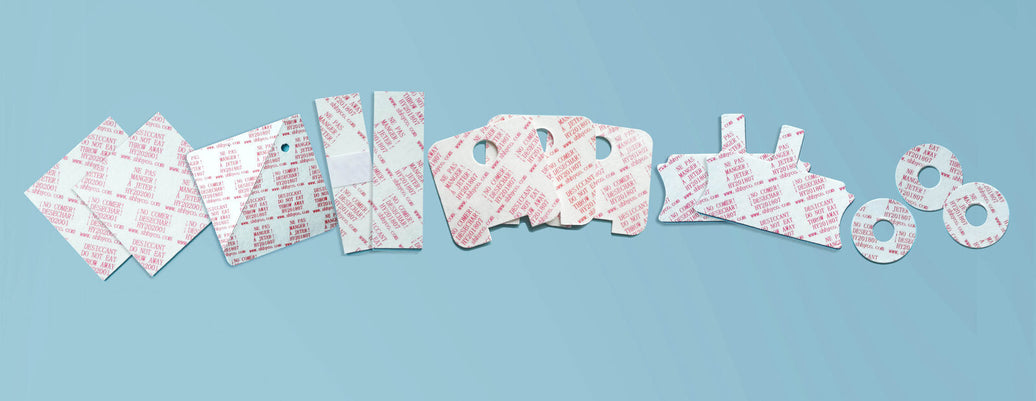
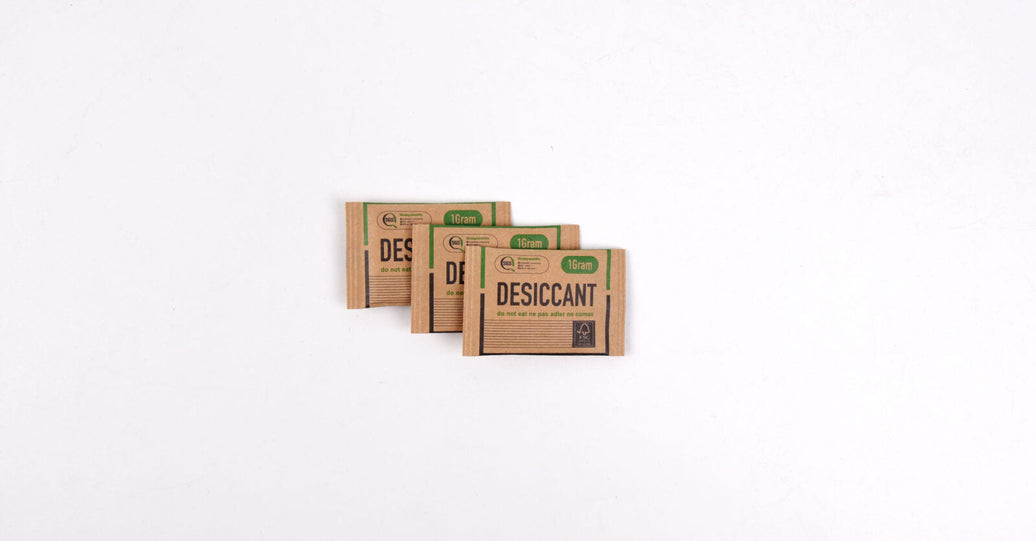
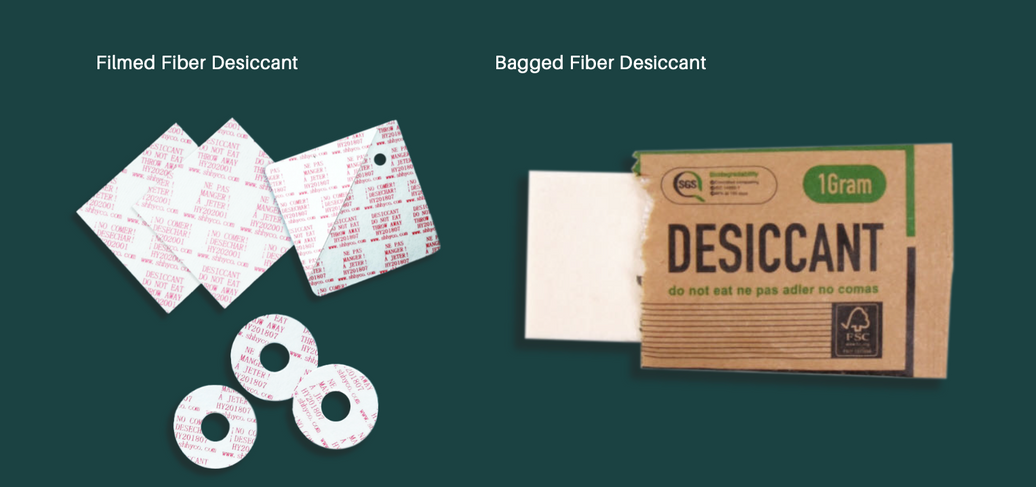
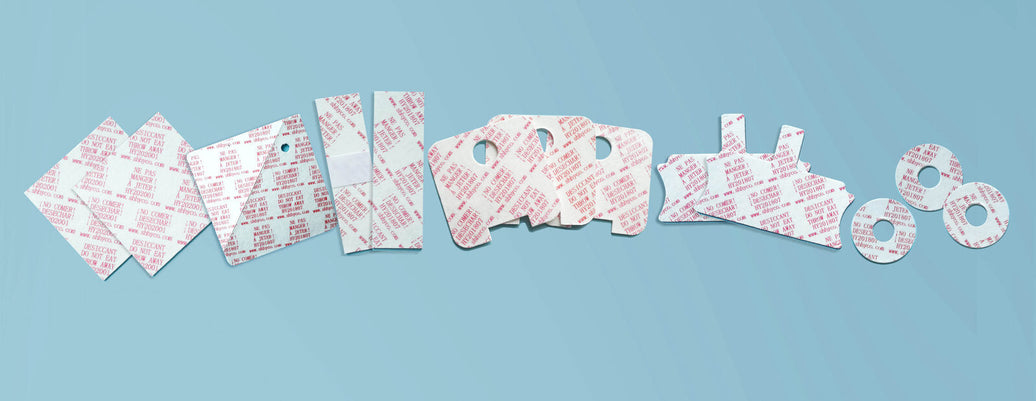
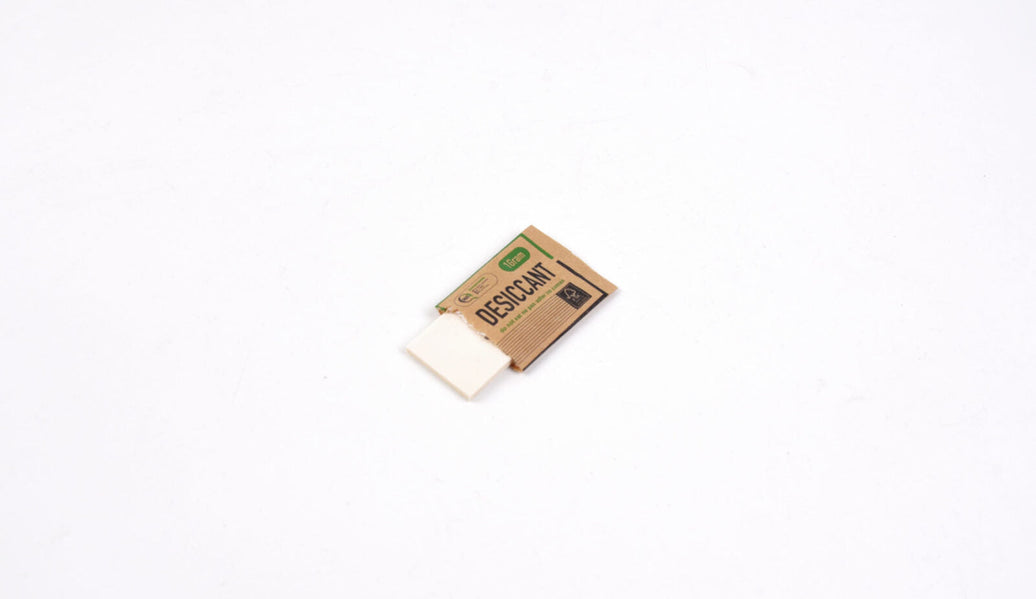
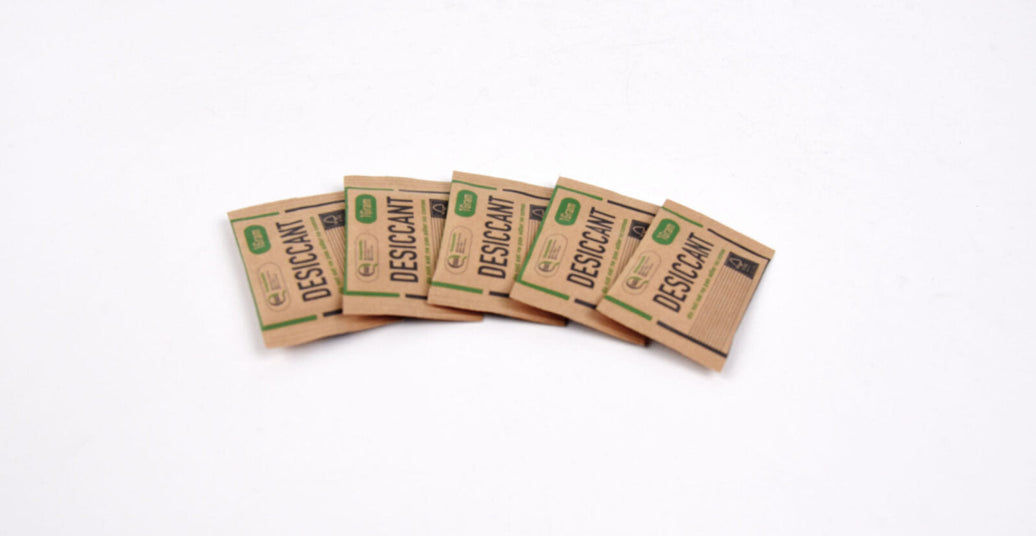
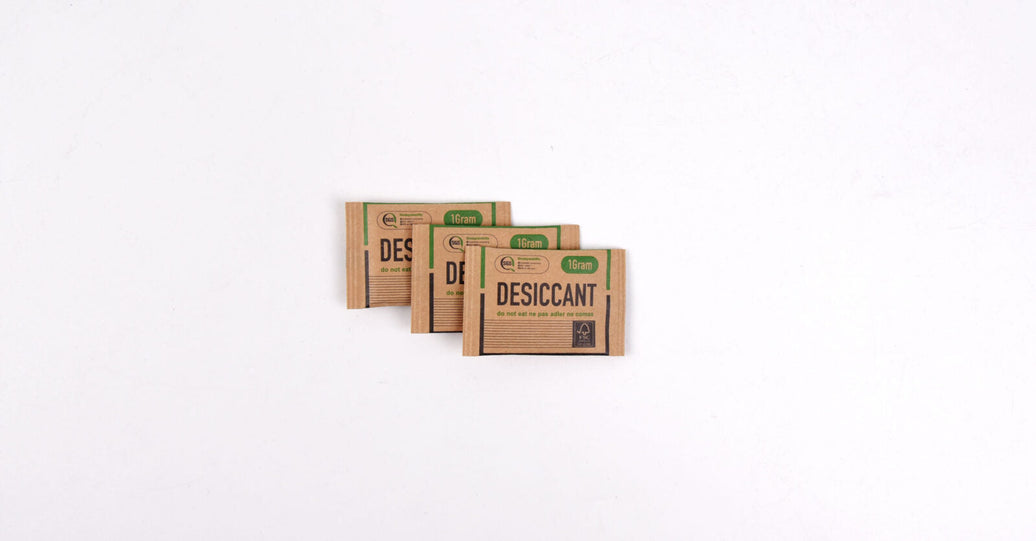
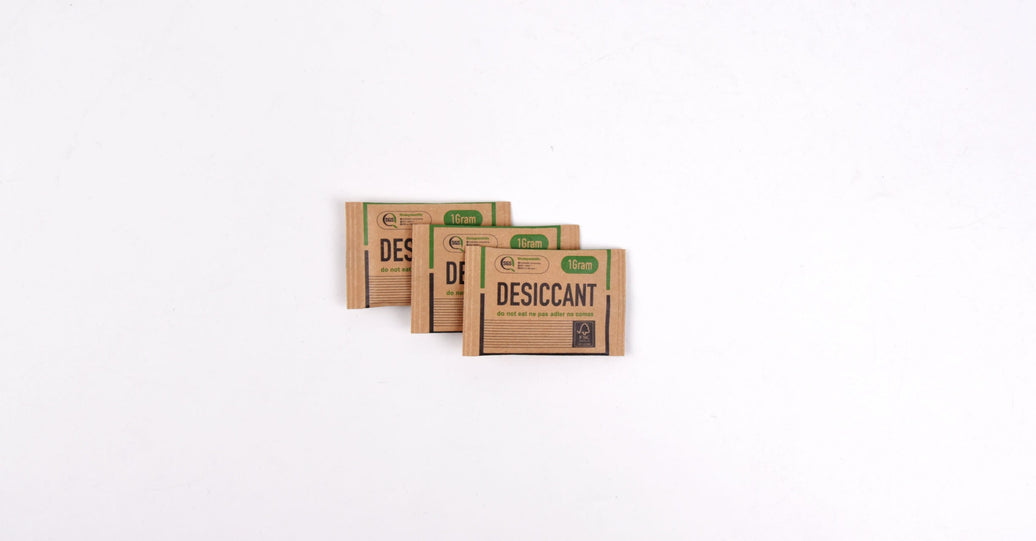
A loose sachet in a stick-pack carton, or a bulky canister in a slim pouch, is a format mismatch. Sachets from 1 g to 1,000 g, thin film cards (0.5–1.0 mm) and cap inserts each fit different geometries.
8. Is the desiccant itself documented food-safe?
For food and supplement contact, the file should include food-contact documentation — what to require is covered in food-contact desiccants and FDA 21 CFR.
Stage 4 — Storage & transit (Q9–Q10)
9. Do cartons cross a climate boundary?
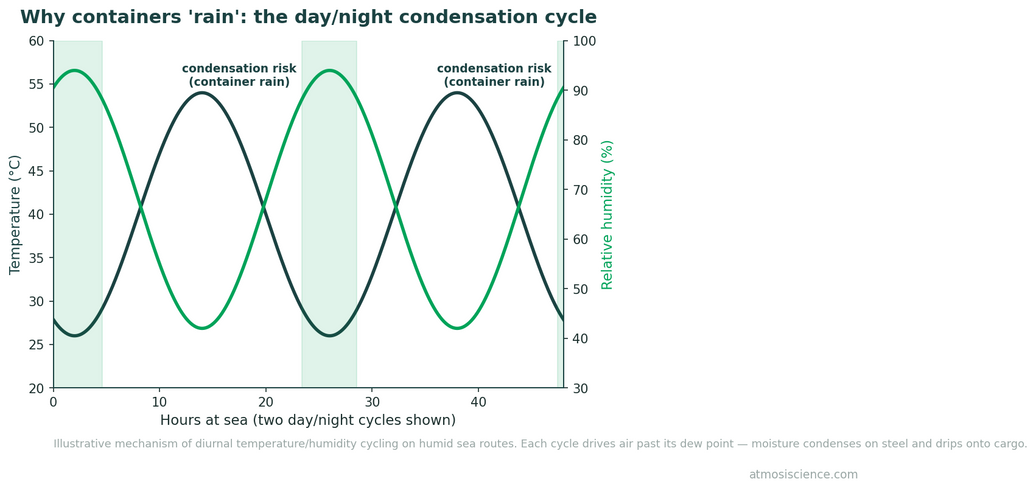
Sea freight from Asia, un-conditioned 3PL warehouses, or summer truck trailers all cycle temperature — and cycling temperature means condensation risk inside cartons.
10. Is anyone verifying RH at destination?
A humidity indicator card costs cents and turns "we think it arrived dry" into a reading. Without verification, the first data point is a complaint.
Scoring the audit
0–2 "no" answers: moisture risk is managed; review annually. 3–5: gaps are likely already visible as caking complaints or line variance — prioritize the package-stage fixes first, they pay back fastest. 6+: the moisture budget is uncontrolled end-to-end; a structured desiccant program (dosage by headspace, verified adsorption data, documented food contact) typically resolves most points at once.
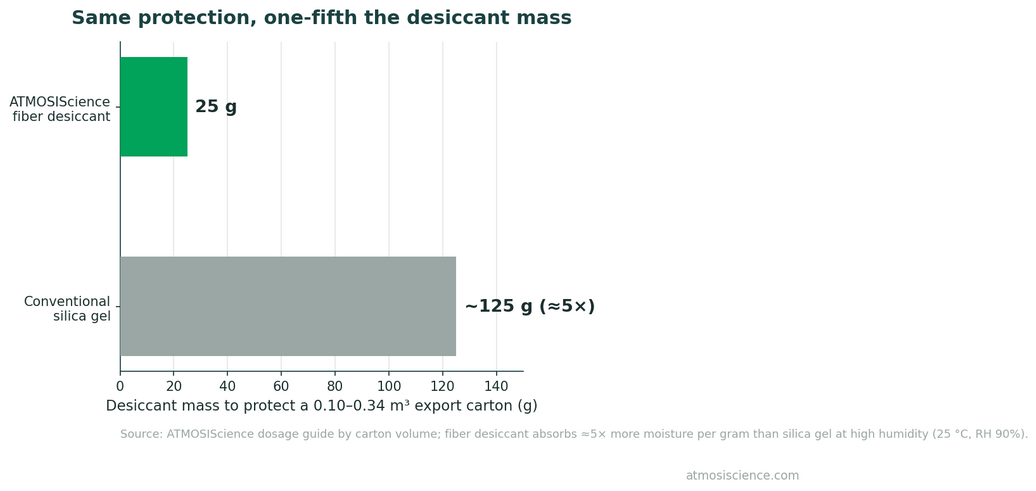
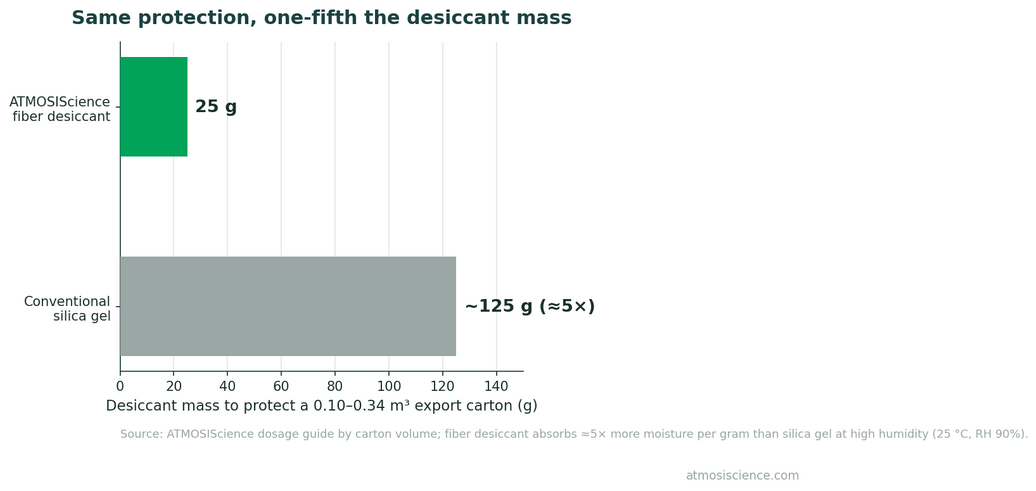
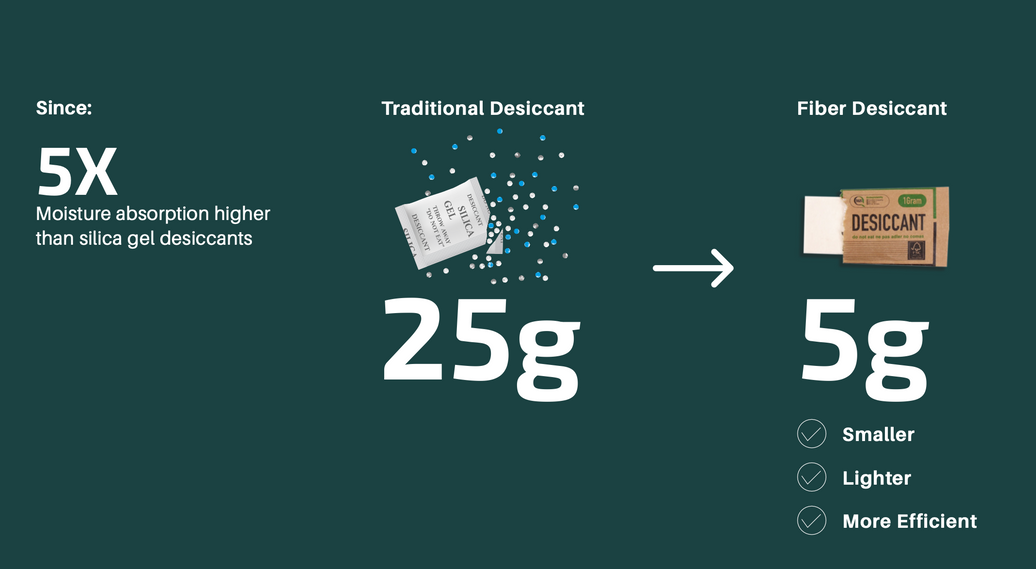
For reference: ATMOSIScience fiber desiccant adsorbs more than 10% of its own weight at 20% RH, more than 35% at 50% RH and more than 70% at 90% RH (25°C) — capacity data that lets dosage be calculated rather than guessed.
FAQ
How often should a powder brand run this audit?
Once per year, plus any time the formula, co-packer, package format or shipping lane changes. Each of those resets the moisture budget.
What is the fastest single fix on the list?
Question 6 — calculating headspace dosage. It requires no equipment, uses numbers already on the spec sheet, and typically corrects both under-protection and over-spending in one pass.
Who should own the audit internally?
QA owns questions 1–3 and 8, operations owns 4–7, and logistics owns 9–10. The audit works best as a one-page shared scorecard.
Does a desiccant fix all ten points?
No. A desiccant closes the package and transit gaps (Q6–Q10). Formulation and filling-room gaps need process controls — a desiccant just buys margin for error.
Send your audit score — get a spec review back
Share your answers (or just the questions you answered "no" to) and an ATMOSIScience technical specialist will map each gap to a dosage, format and documentation fix. No obligation, no generic brochure — a reply about your powder, from a person.