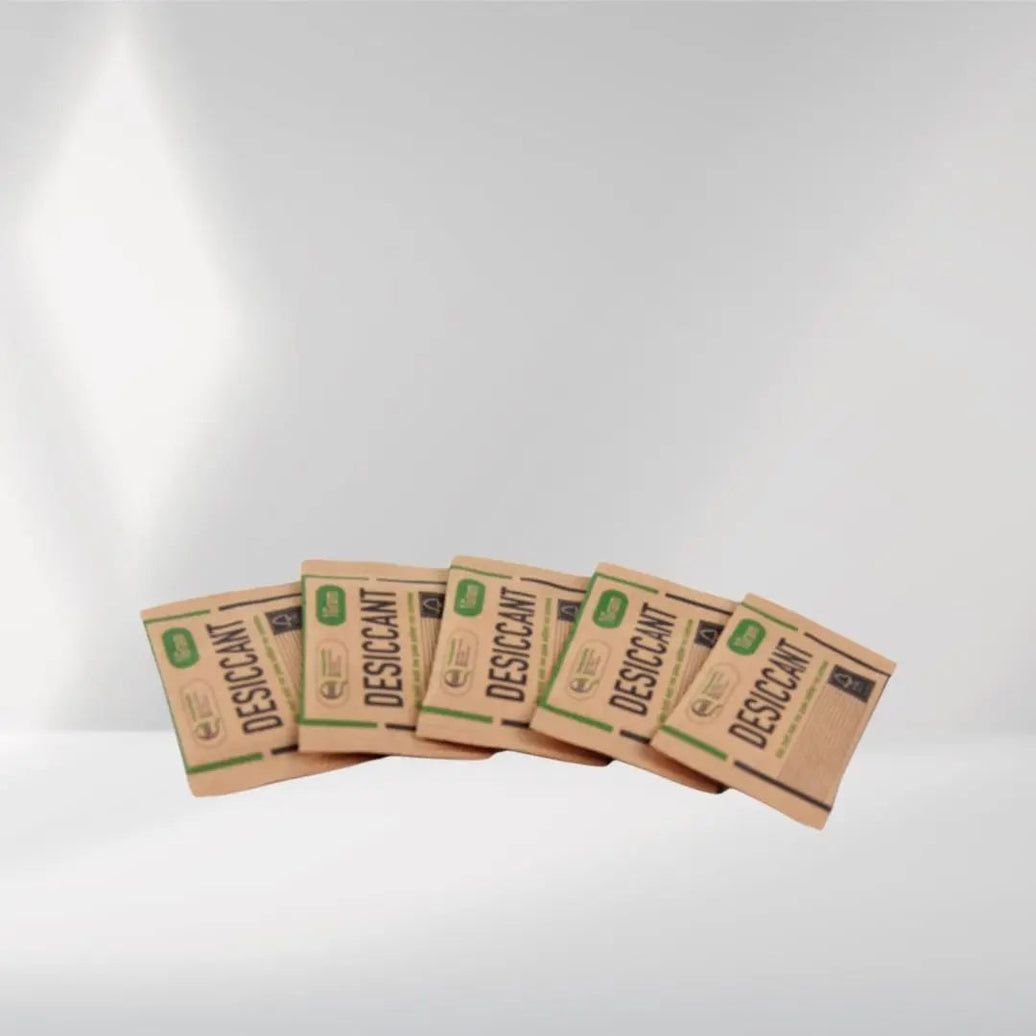
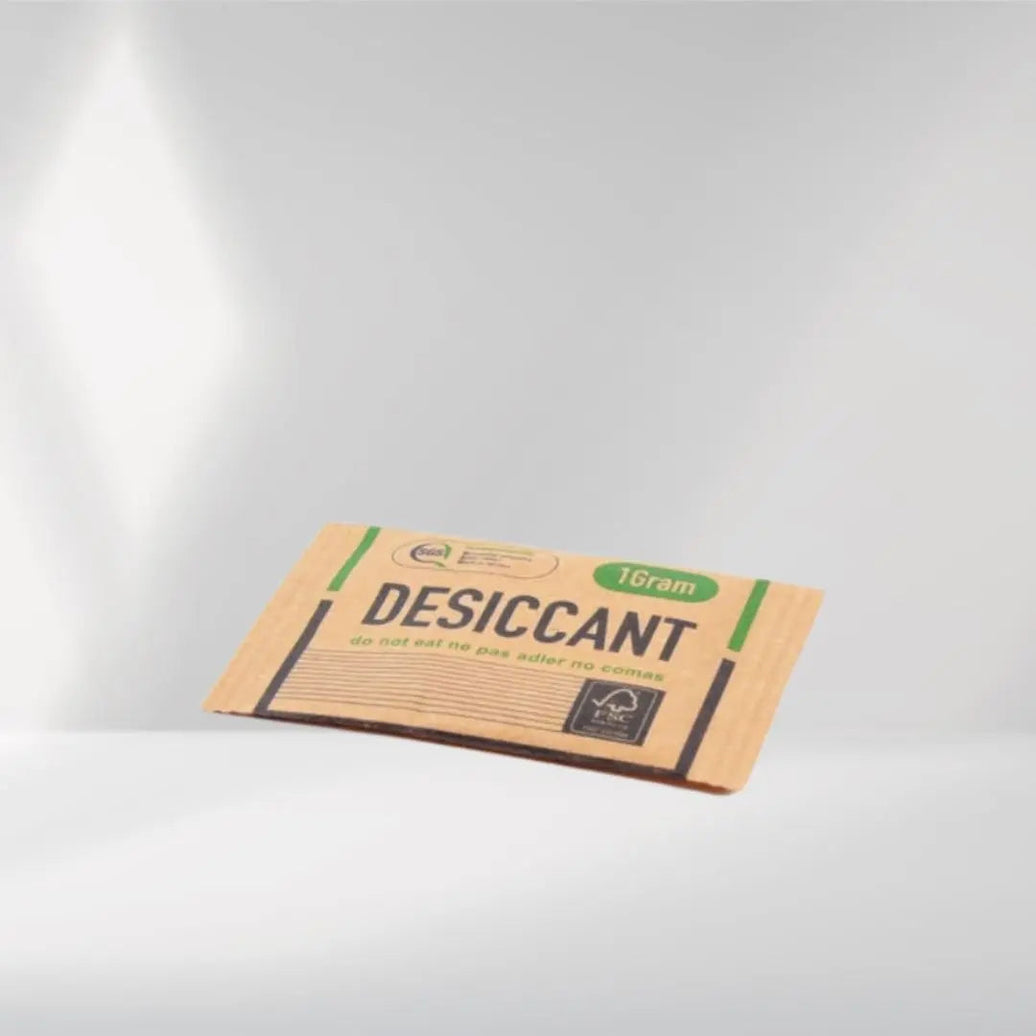
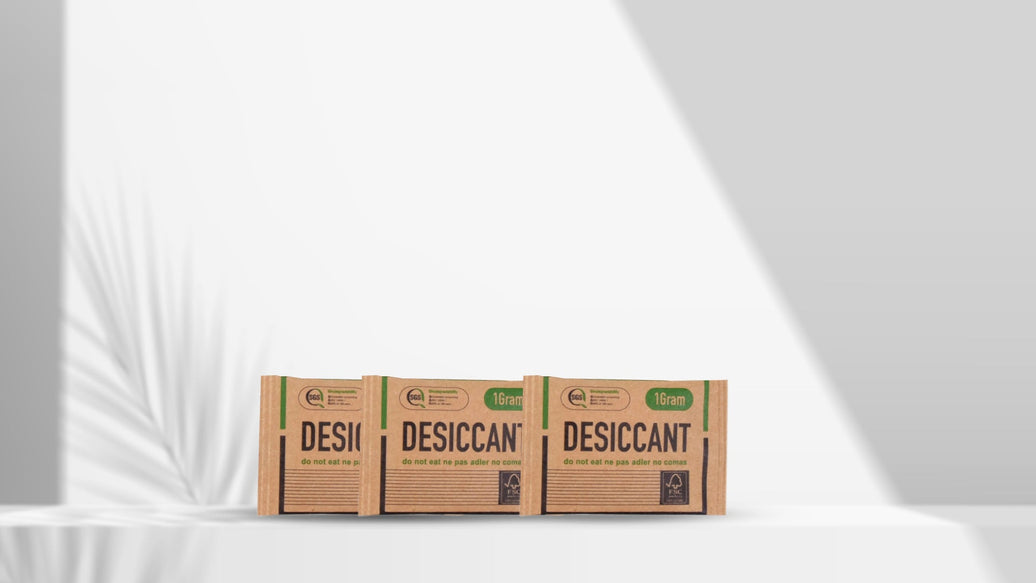
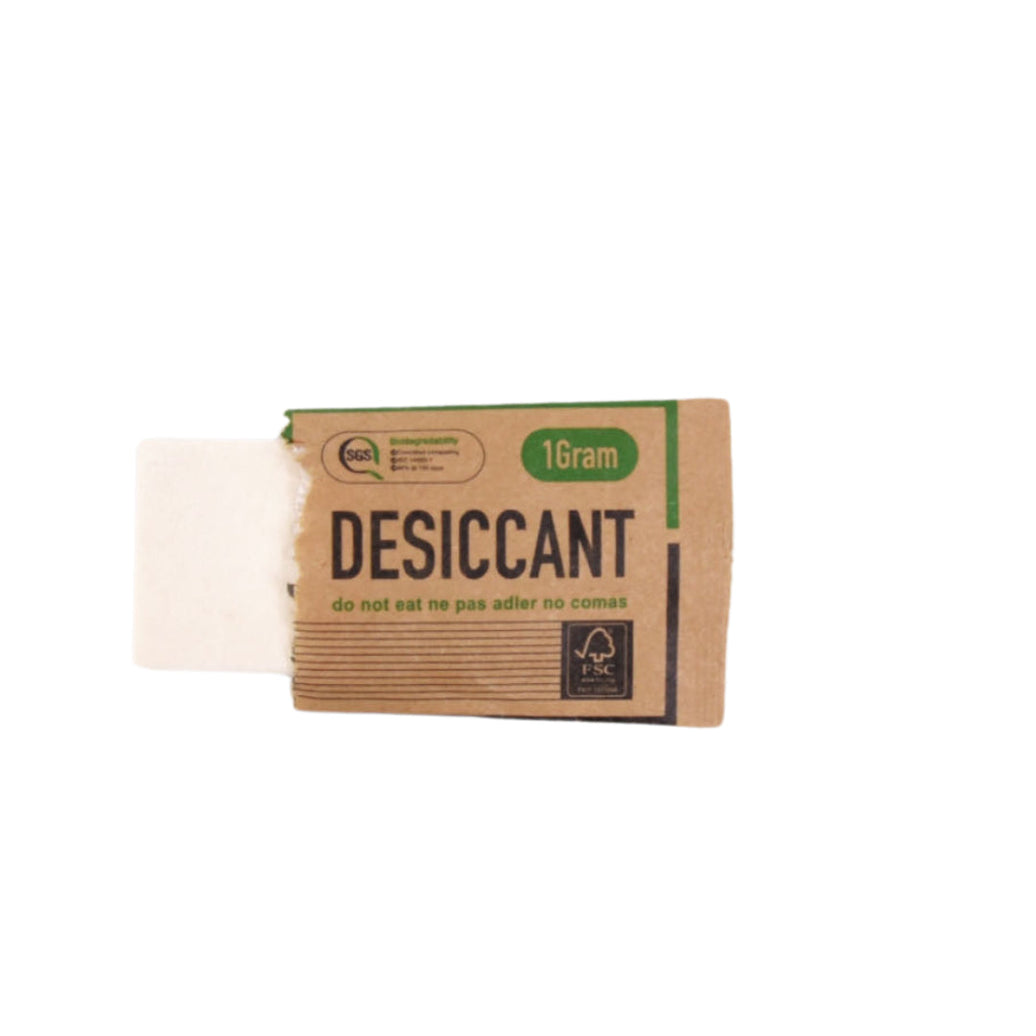
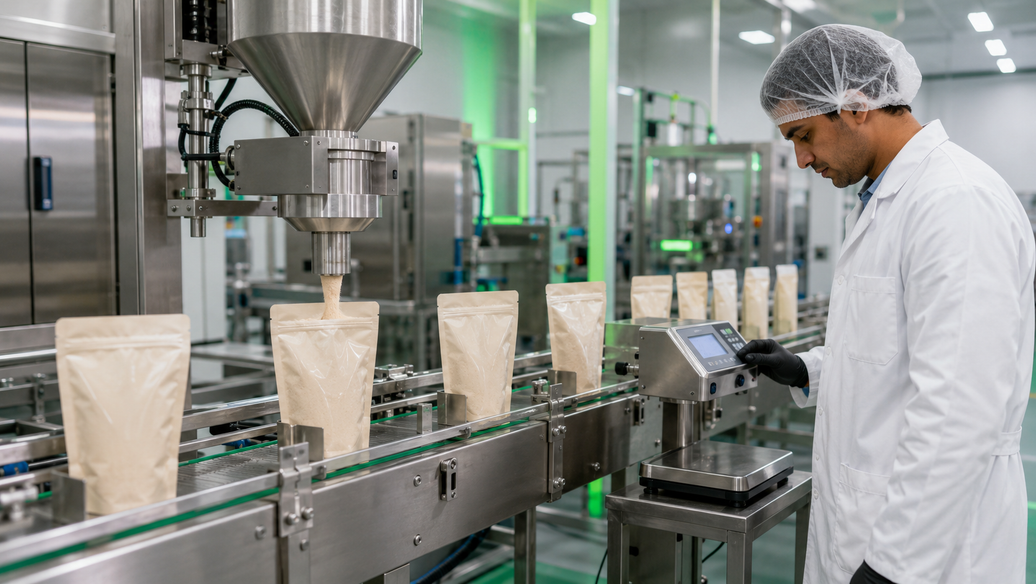
Quick answer: Freeze-dried candy and snacks are extremely porous, so they reabsorb atmospheric moisture within minutes of exposure — turning crunchy product sticky, chewy or clumped and cutting shelf life. Protection needs a moisture barrier pouch plus a desiccant sized to the pouch headspace and the product's high surface area, inserted fast during filling, with dust-free construction so particles don't cling to sugary surfaces. Verification with a humidity indicator card catches barrier failures before customers do.
Freeze-dried candy went from novelty to one of the fastest-moving snack categories — and brought a packaging problem with it. The same open, porous structure that makes the product light and crunchy makes it a moisture sponge. A pouch that protects a protein bar can fail a freeze-dried strawberry, because the failure mode is faster and more visible: texture.
Why freeze-dried products fail so fast
Freeze-drying removes water and leaves a rigid, highly porous matrix with enormous internal surface area. Exposed to humid air, that surface pulls moisture back rapidly — the crunch softens, sugars turn tacky, and pieces bridge into clumps. Because the change is textural, customers notice immediately and return product or leave reviews. The moisture doesn't have to be dramatic; a slightly leaky seal over a few humid weeks is enough.
The three-part protection a freeze-dried SKU needs
1. A real moisture barrier
A high-barrier film or foil pouch is the foundation — a desiccant cannot compensate for a permeable bag, only for the moisture sealed in plus slow permeation. Passive barrier bags without active control are examined in desiccant vs. oxygen absorbers vs. nitrogen flush — for many freeze-dried snacks moisture is the primary enemy, so the desiccant does the heavy lifting.

2. A desiccant sized to headspace and surface area
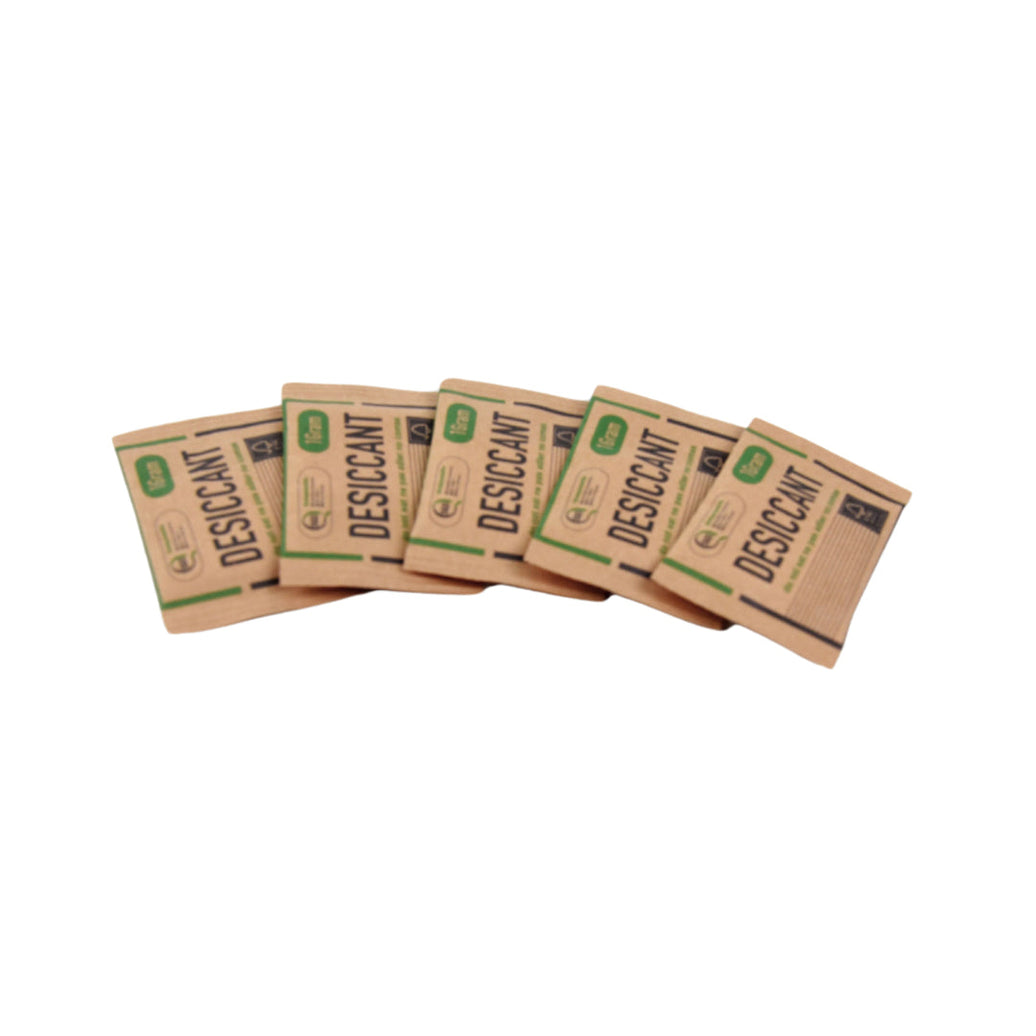
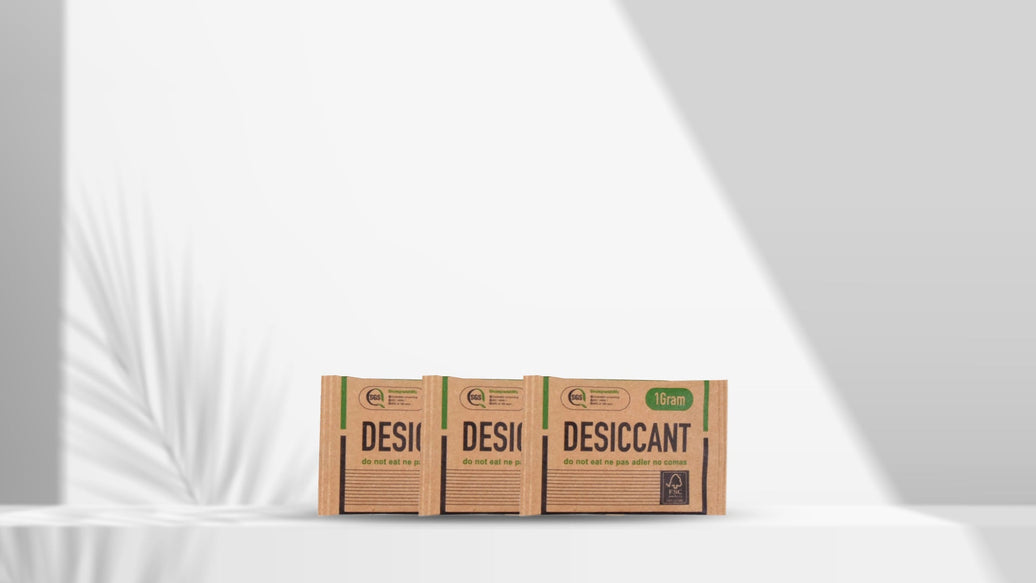
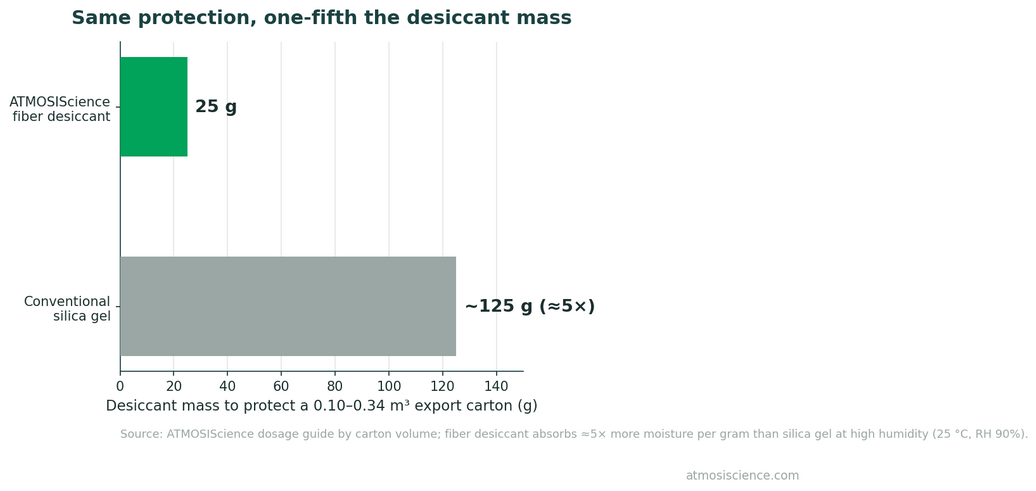
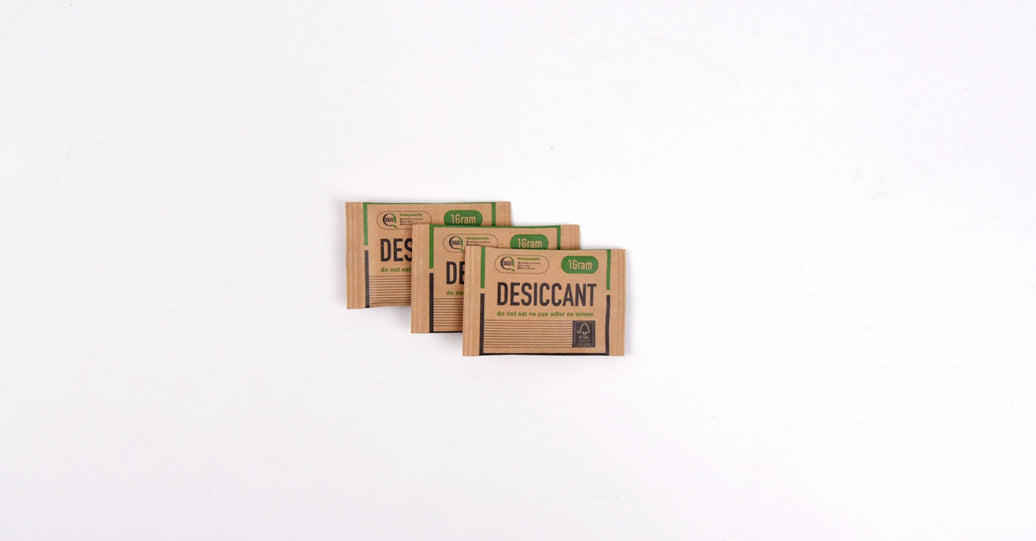
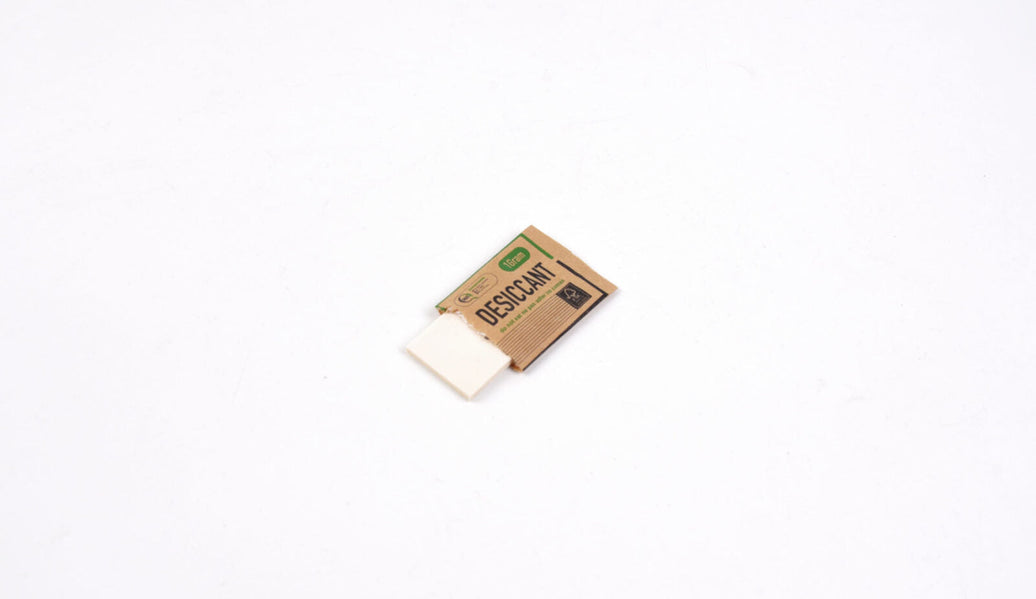
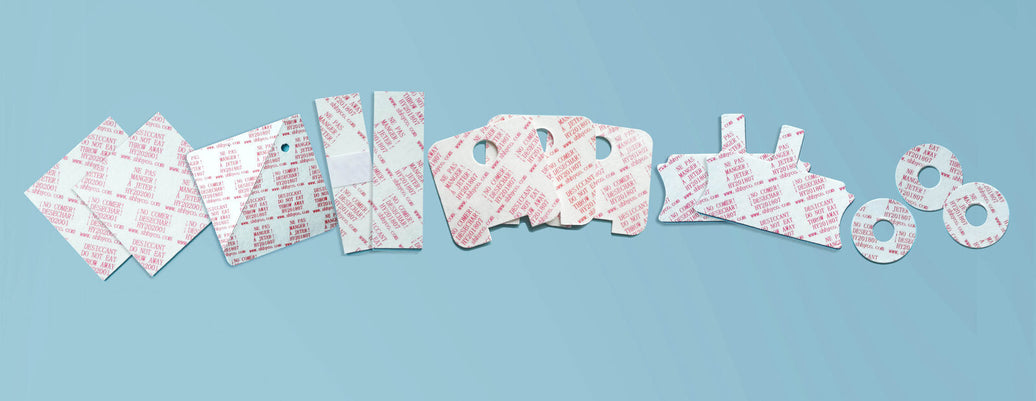
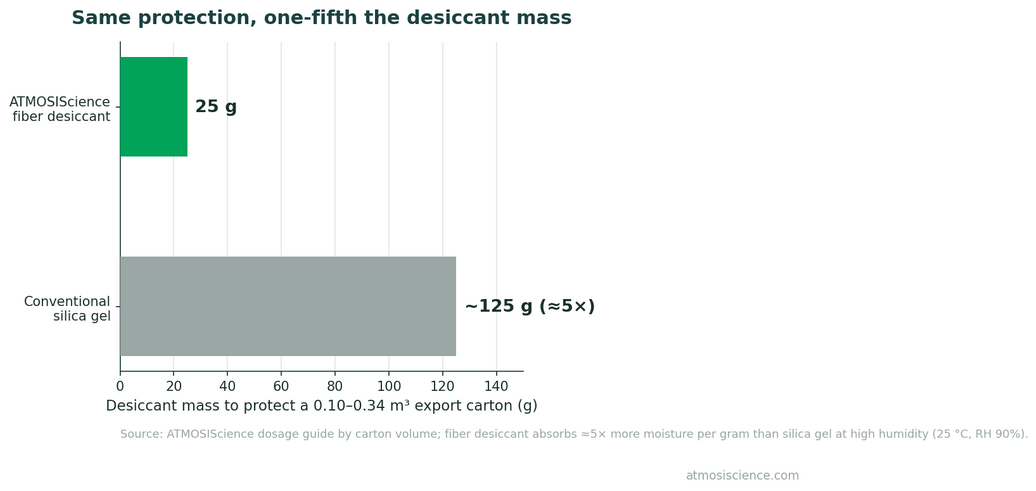
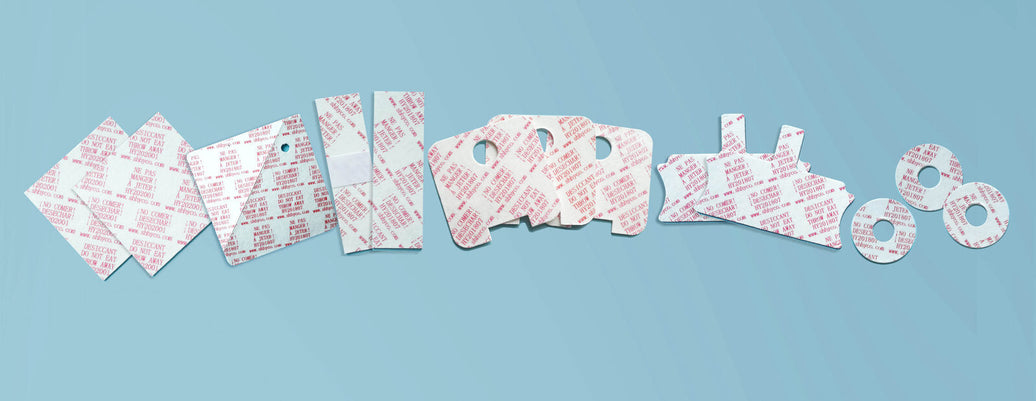
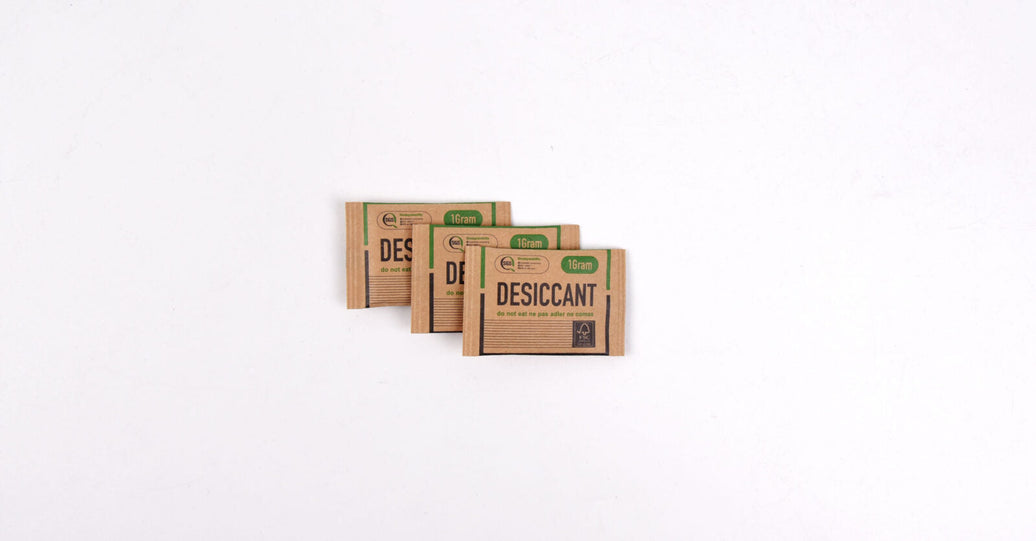
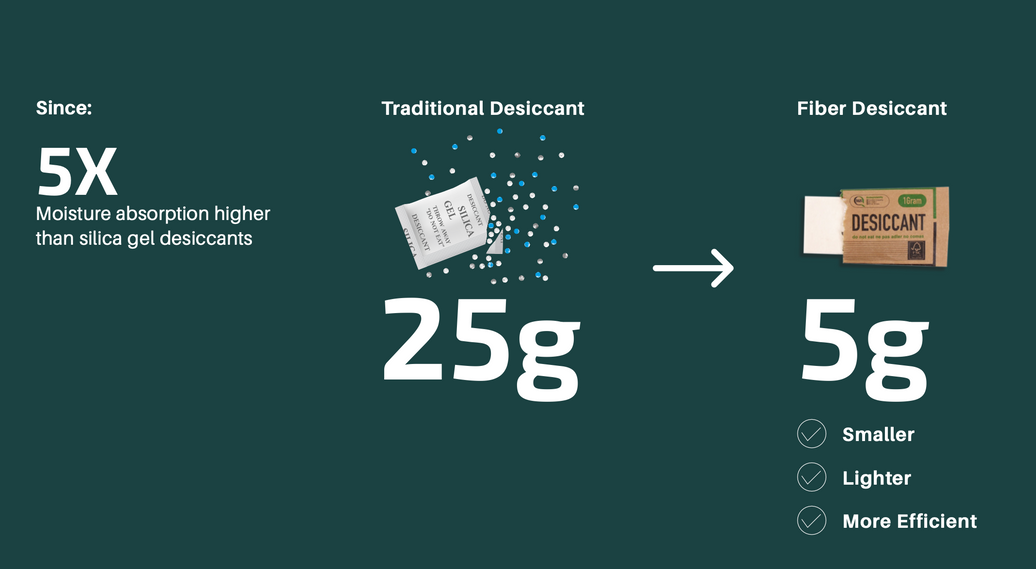
Dosage starts from pouch headspace volume (method in the dosage guide), then accounts for the product's high avidity for moisture and any opening cycles in resealable bags. High capacity per gram helps keep the sachet small in a light, voluminous pack — fiber holds more than 70% of its weight at 90% RH (25°C).
3. Dust-free construction
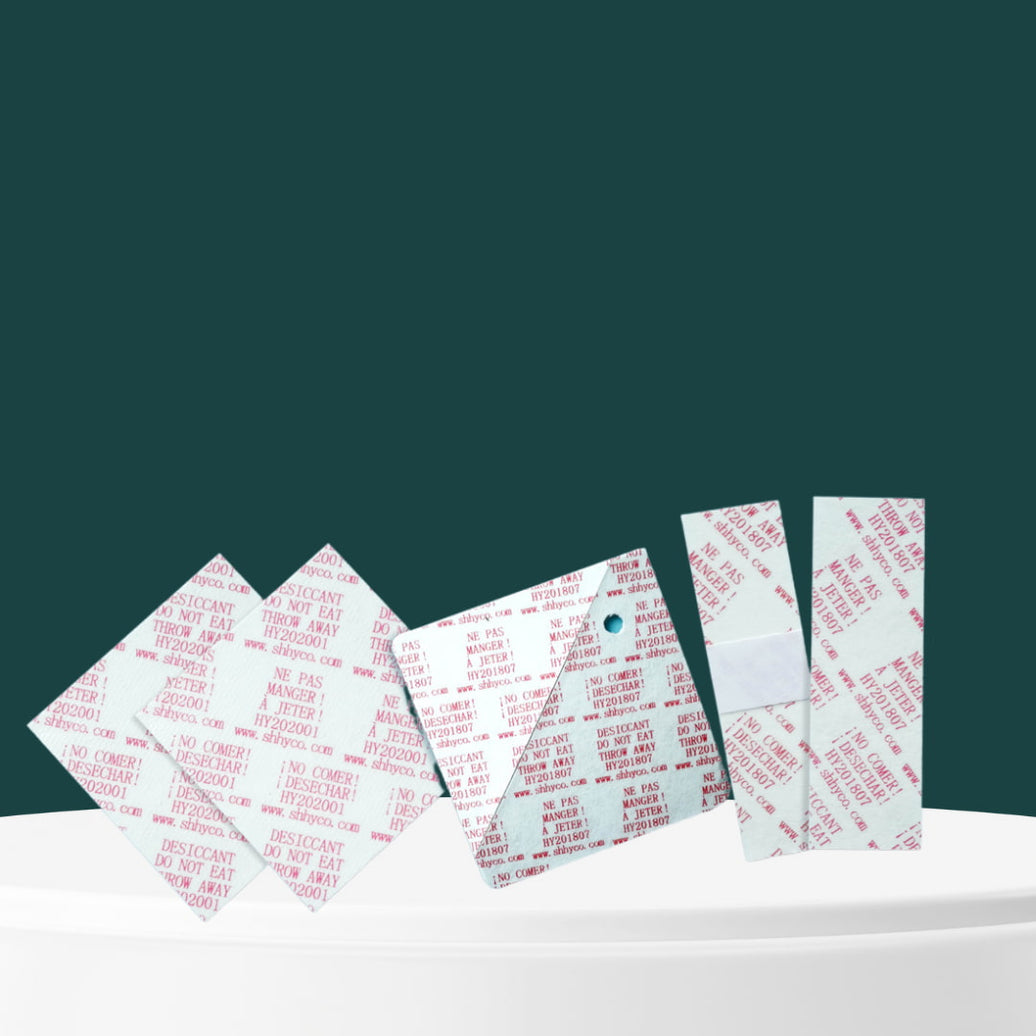
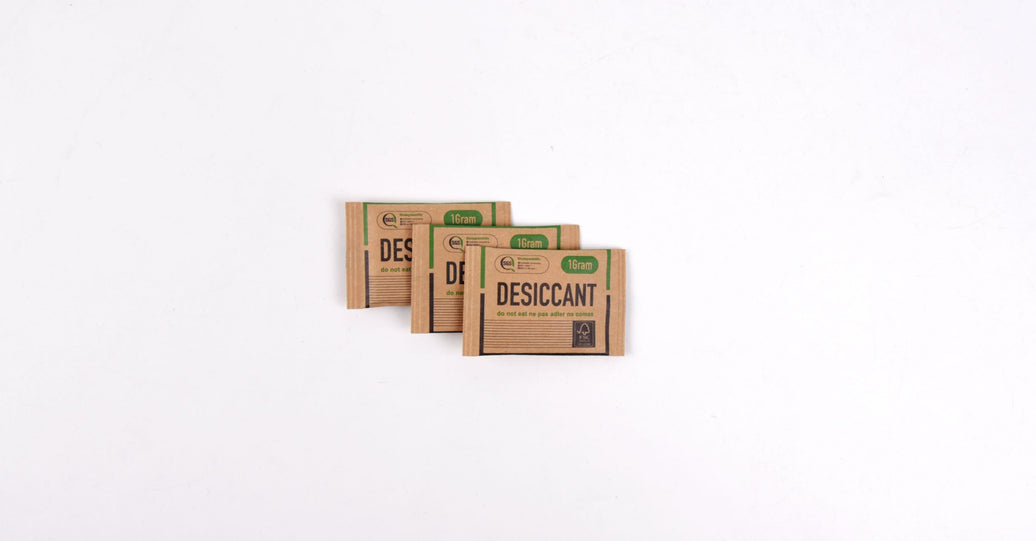
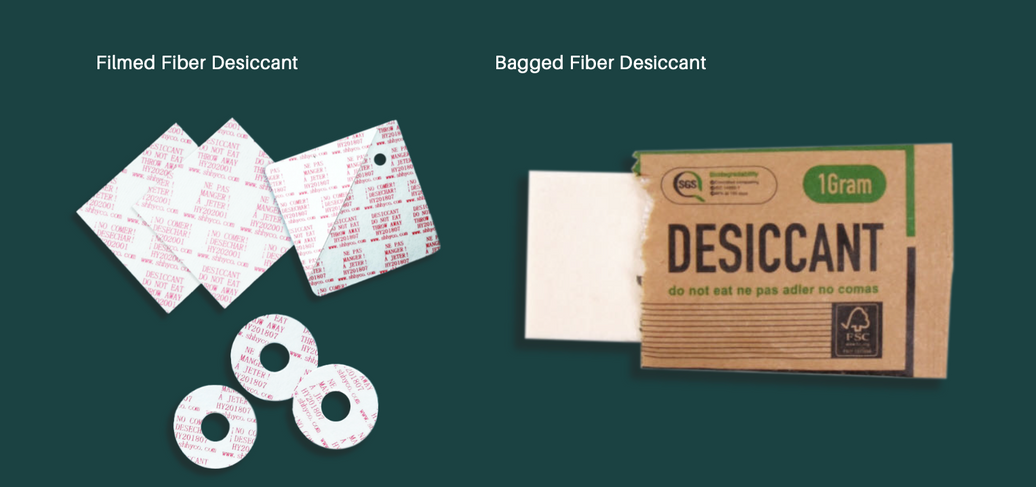
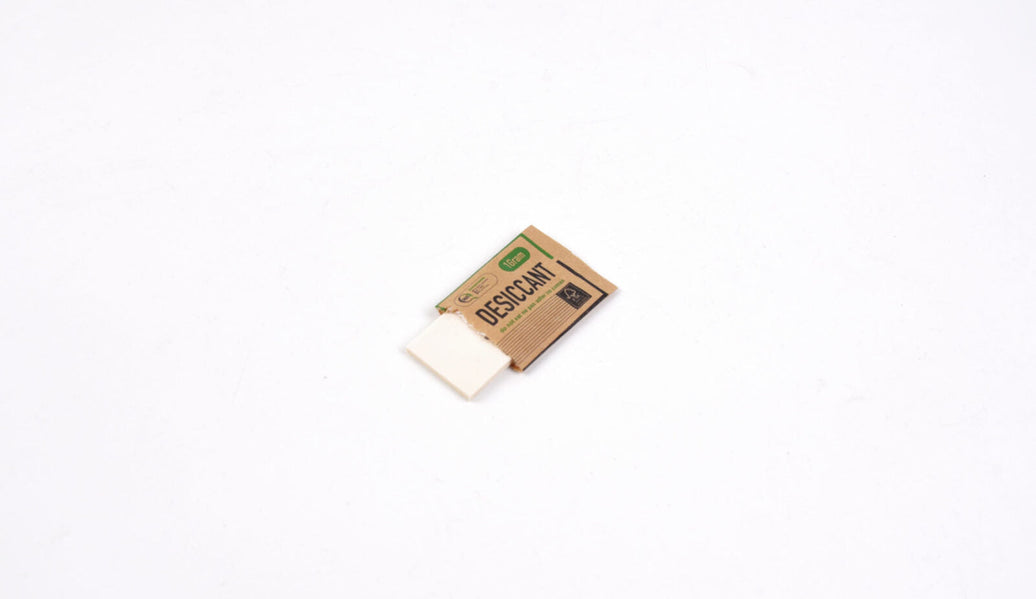
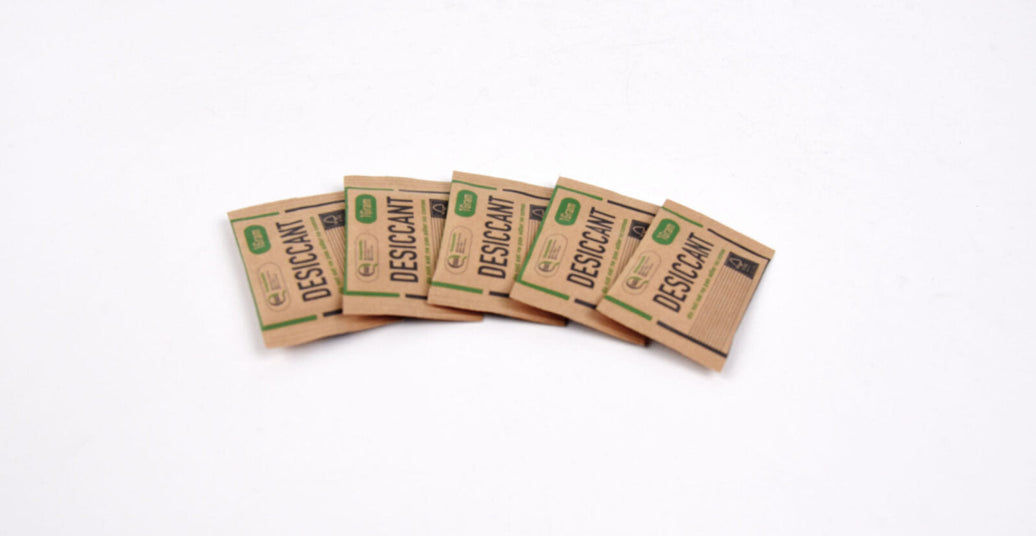
Sugary, sticky-prone surfaces will hold onto any loose desiccant dust. A bagged or paper-wrapped fiber substrate avoids the loose-particle problem inherent to some silica and clay fills — the contamination distinction is in loose-fill desiccant risks.

The food-contact and sustainability angle
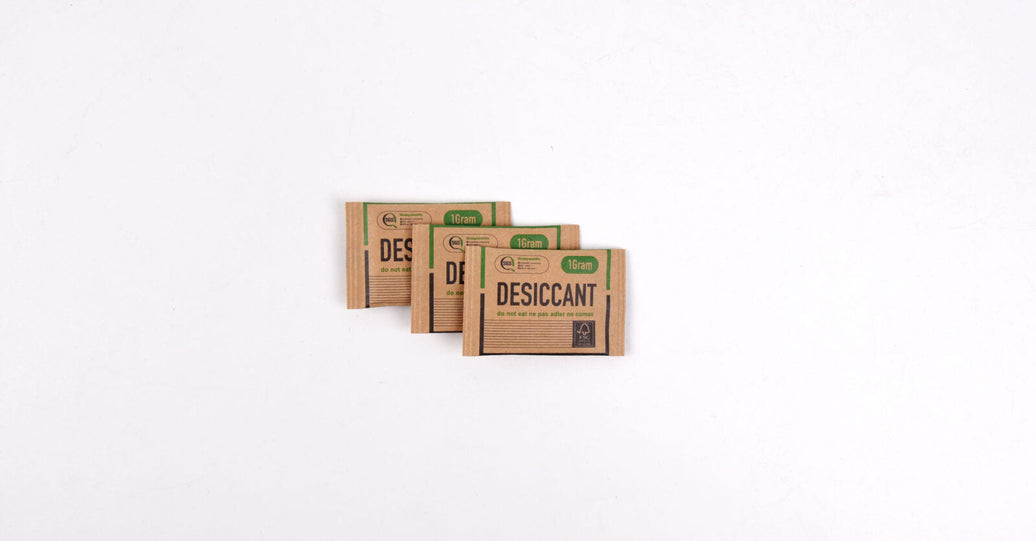
Freeze-dried candy is a food-contact application, so the desiccant should carry food-contact documentation — see food-contact desiccants and FDA 21 CFR. Many freeze-dried brands are DTC and sustainability-forward; compostable fiber sachets (films meeting ASTM D6400 / EN 13432) fit that brand promise where a plastic silica packet contradicts it — relevant as EPR fees rise, per US packaging EPR laws.
Verify before the customer does
A humidity indicator card in QC pouches (or every pouch, for premium SKUs) turns a silent barrier failure into a caught one. For a category where a single soft, clumped bag generates a bad review, that visibility is cheap.
FAQ
Can a resealable pouch stay crunchy after opening?
Partially — each reseal traps new humid air, so resealable freeze-dried packs need extra desiccant capacity budgeted per opening, and customers should press out air before resealing. No desiccant makes an open bag permanent.
Is oxygen the problem, or moisture?
For most freeze-dried candy, moisture drives the texture failure. Where oils are present (some snacks), oxygen matters too — the decision framework is in desiccant vs. oxygen absorbers.
How small can the sachet be?
As small as the headspace math allows — high capacity per gram means a modest sachet often suffices, which matters in a light pack where a bulky insert looks wrong.
Does compostable desiccant keep product as dry as conventional?
Yes — the fiber substrate's capacity is independent of the wrap's compostability. Green here is not a performance trade-off.
Launching or fixing a freeze-dried SKU?
Send the pouch size, product and shelf-life target — ATMOSIScience will recommend a dust-free, food-documented desiccant sized to keep the crunch, with a compostable option if it fits your brand. Samples available for a shelf-life trial.