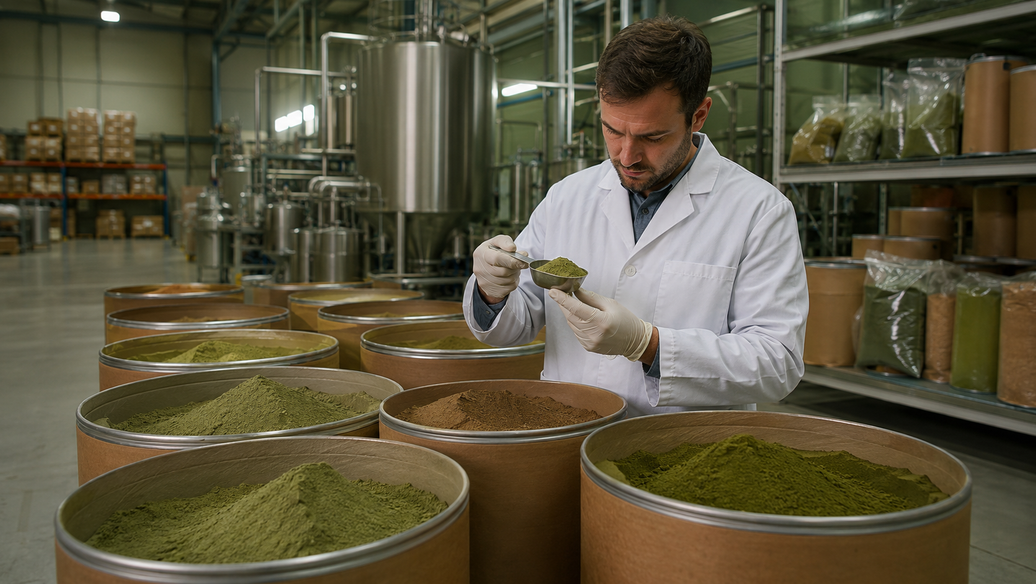
Quick answer: A blend that mixed correctly can still fail uniformity, and humidity is a common reason. Too dry, and static charging drives fine particles to separate and adhere to equipment. Too humid, and moisture migrates between ingredients with different water activities, forming agglomerates that behave as a separate particle size. Both mechanisms produce assay variance that looks like a mixing problem. The intervention point is the environment — blend room humidity and in-pack control — not longer mixing time.
The investigation usually starts in the wrong place. Content uniformity fails, so mixing time gets extended, blender speed gets adjusted, and the sampling plan gets scrutinised. Meanwhile the actual variable moved in the blend room three weeks earlier when the season changed.
Two failure modes, opposite directions
Too dry: static-driven segregation
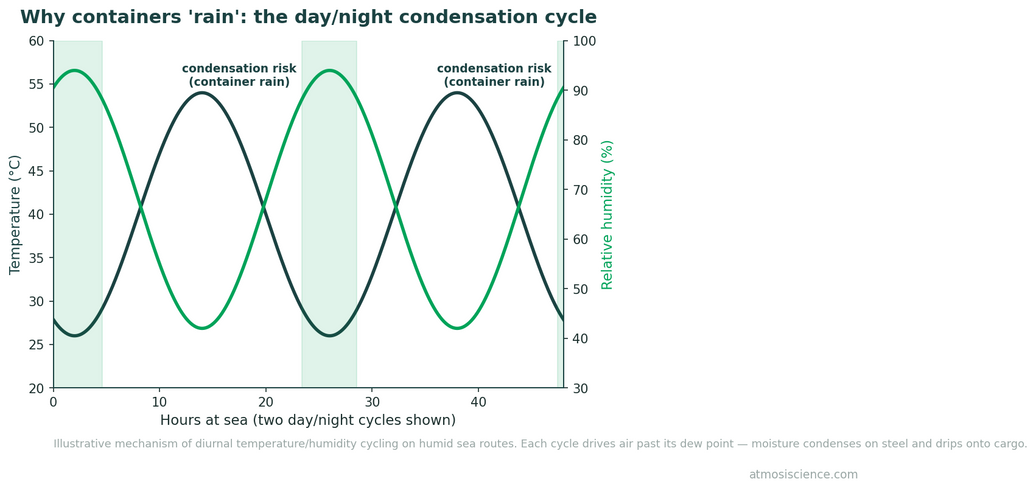
Below roughly 30% RH, powders accumulate and hold electrostatic charge. Triboelectric charging during blending, transfer and filling then does several unhelpful things at once. Fine particles — which are frequently the active or the most potent component — adhere to vessel walls, chutes and hoppers instead of staying in the blend. Charged particles repel one another and separate by size. Flow becomes erratic, so fill weights scatter. And material accumulating on equipment surfaces represents active that is not in the product.
The result is a blend that is uniform in the blender and non-uniform by the time it reaches a pouch.
Too humid: migration and agglomeration
Above the caking threshold for the formulation, the opposite mechanism runs. Water condenses at particle contact points, dissolves a small amount of surface material, and recrystallises into solid bridges as conditions shift. Those agglomerates then behave as large particles and segregate from the fines by a completely different route.
Where the blend contains ingredients with different water activities, moisture also migrates between components until they equilibrate. A deliquescent electrolyte sitting beside a dry protein will pull water from it, changing both. Underlying mechanism: why powders cake.

Why it reads as a mixing problem
Content uniformity is sampled from the blender or from finished units. Both are downstream of the mechanism, so the data shows variance without showing cause. Three patterns point toward humidity rather than mixing:
- Seasonality. Failures cluster in winter (heating dries the plant) or in the wet season. A mixing problem does not have a calendar.
- Position dependence. Variance correlates with sampling location or with run position — first pouches versus last — rather than being randomly distributed.
- Same recipe, different rooms. A blend that passes at one site and fails at another with identical equipment and procedure is describing its environment.
Where to intervene
- Measure before adjusting. Log temperature and RH continuously in the blend room, the transfer path and the filling room. Overlay the log on uniformity results. If the correlation is there, it is usually obvious.
- Establish the formulation's window. The static threshold sits at the low end, the caking threshold at the high end, and the operating window is between them. The sorption isotherm defines the upper bound: reading an isotherm.
- Control the room to the window. Usually the highest-leverage fix and usually an HVAC conversation, not a packaging one.
- Screen components by water activity before blending. Two ingredients at very different aw will equilibrate after blending regardless of how well they mixed. Method: water activity vs. moisture content.
- Hold the condition in-pack. Room control ends at the seal. In-pack desiccant is what maintains the window through distribution, and a two-way material holds a band rather than driving toward the static end: the certain-humidity principle.
The fill-weight connection
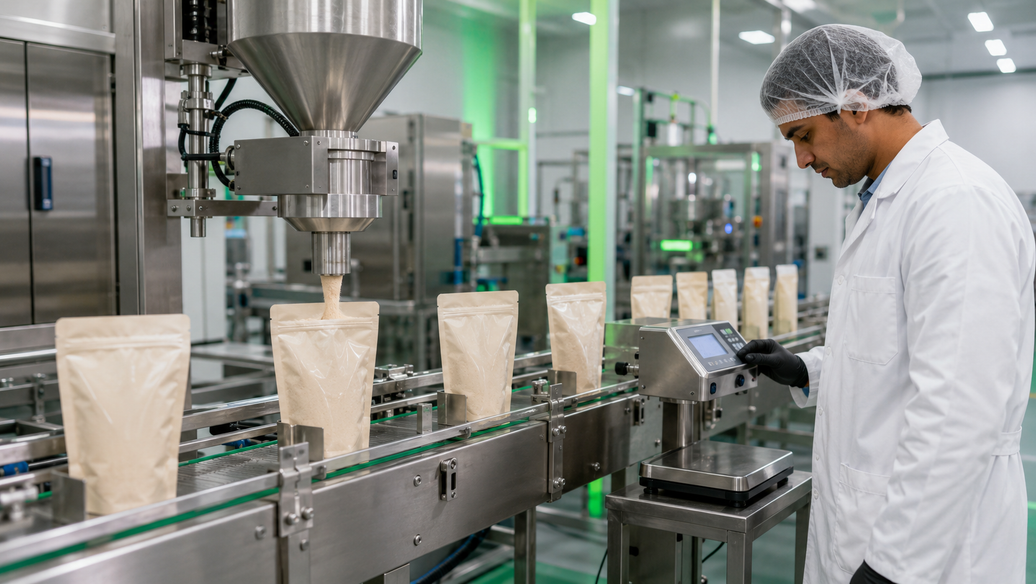
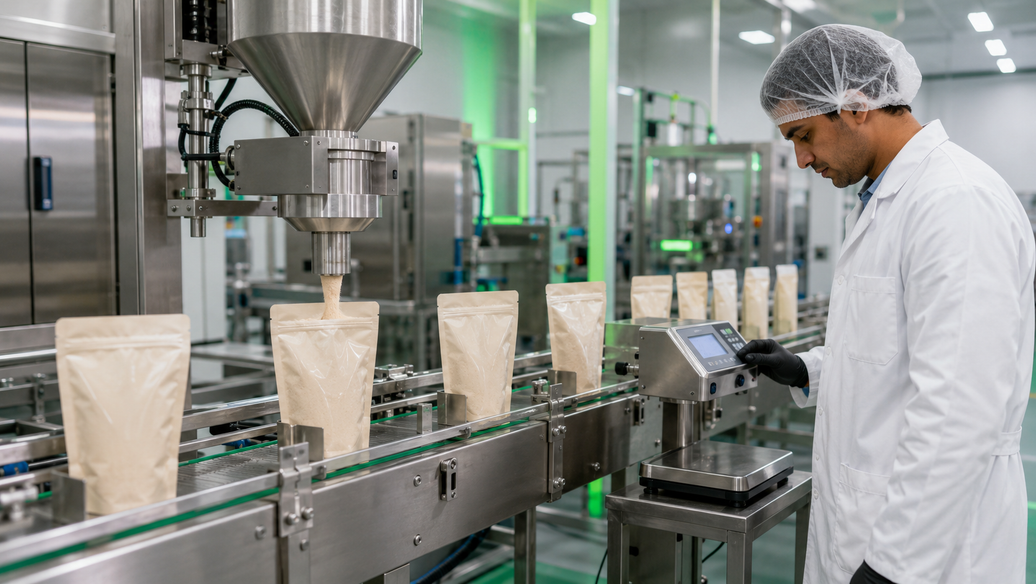
The same mechanism shows up earlier and more cheaply in fill-weight data. Auger fillers meter by volume; when flow properties shift with humidity, delivered mass shifts with them. Overfill to protect the label claim and you give away product on every unit. Fill-weight variance is effectively a free leading indicator for blend behaviour — it moves before the assay does. Detail: how in-plant humidity taxes powder packing lines.
Specifying the in-pack side
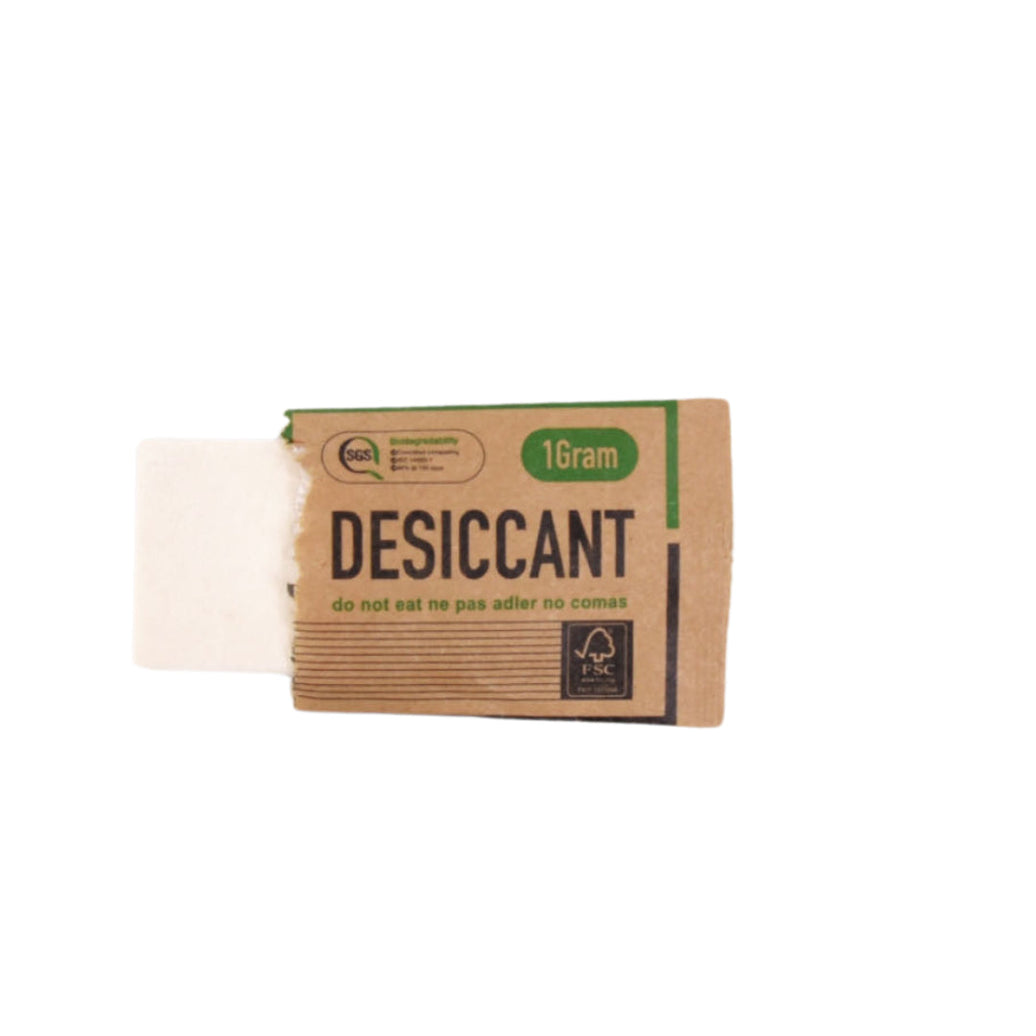
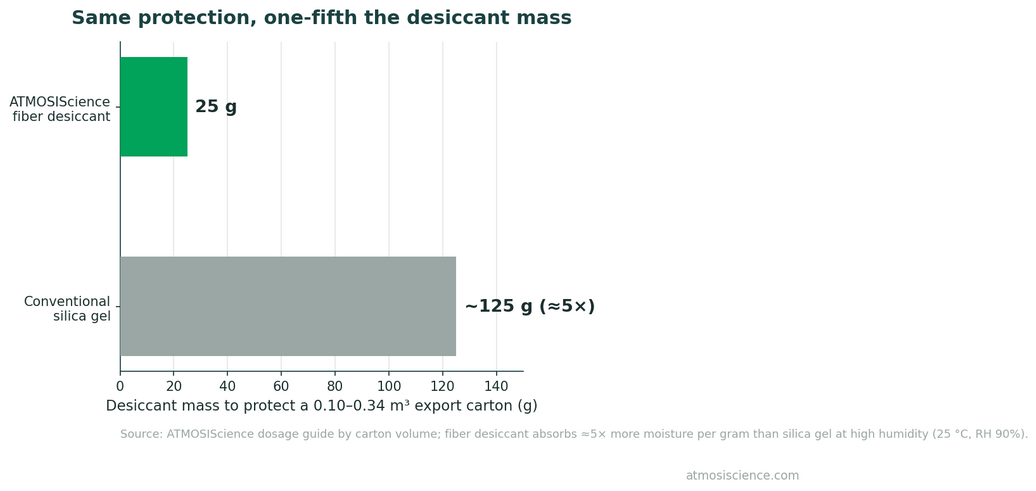
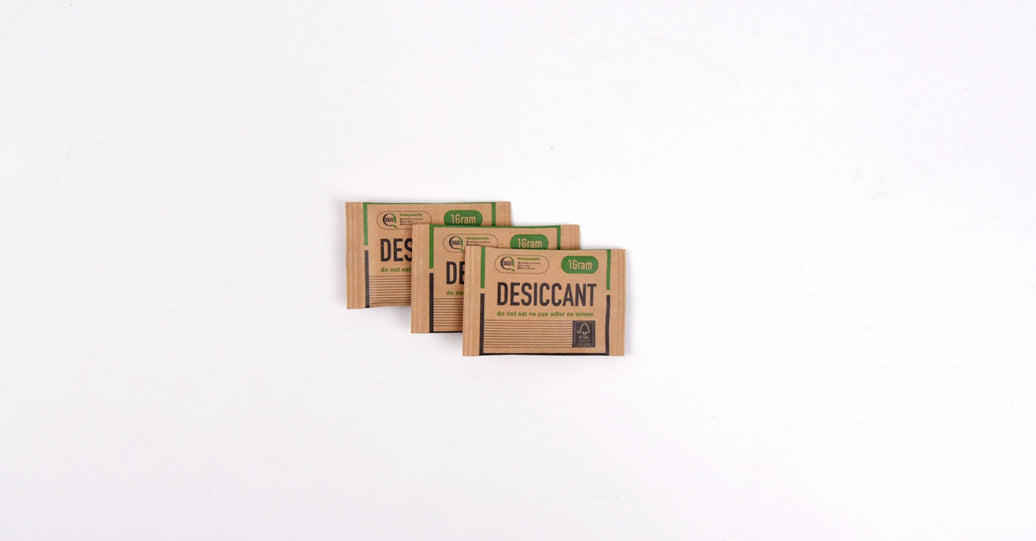
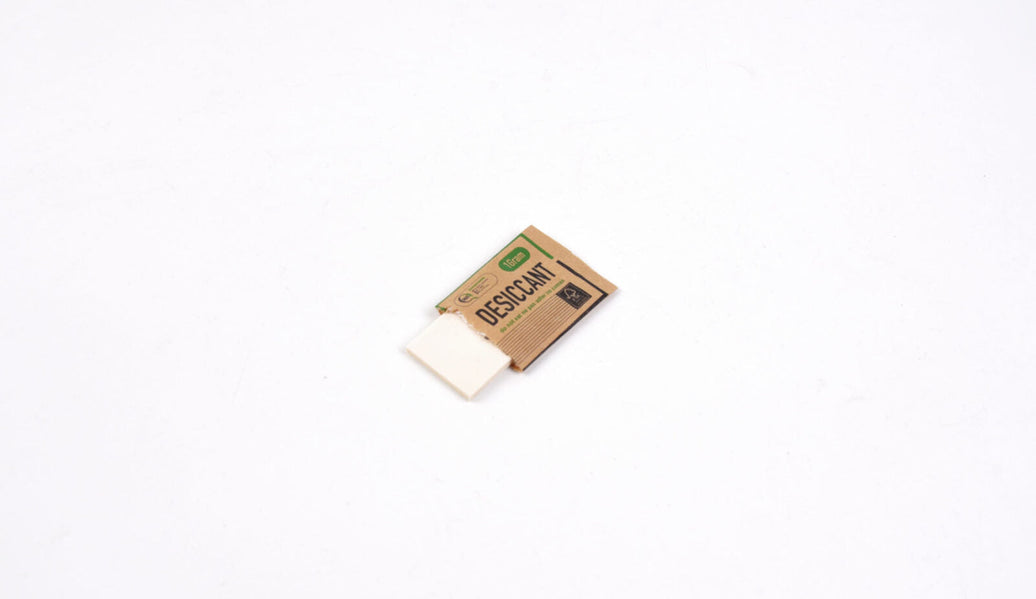
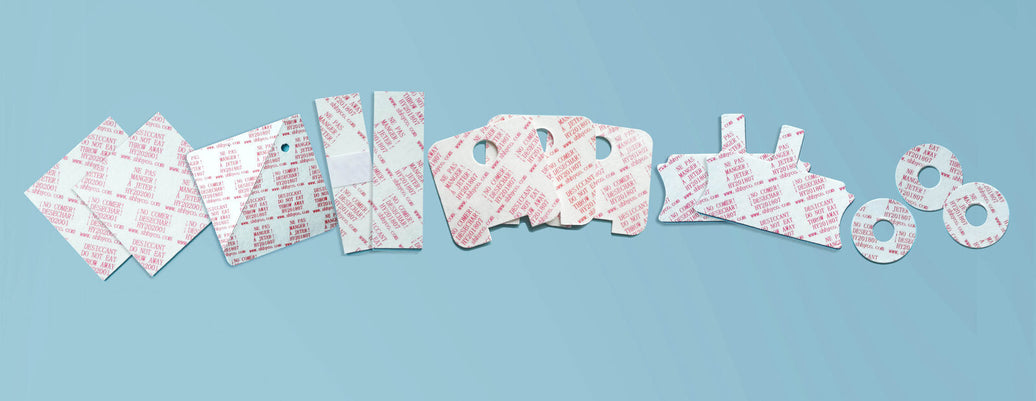
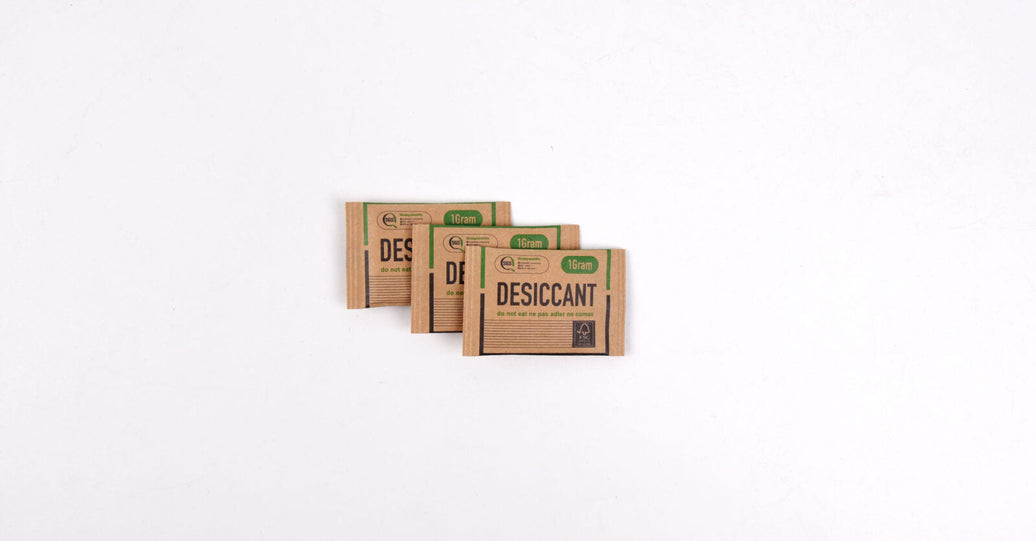
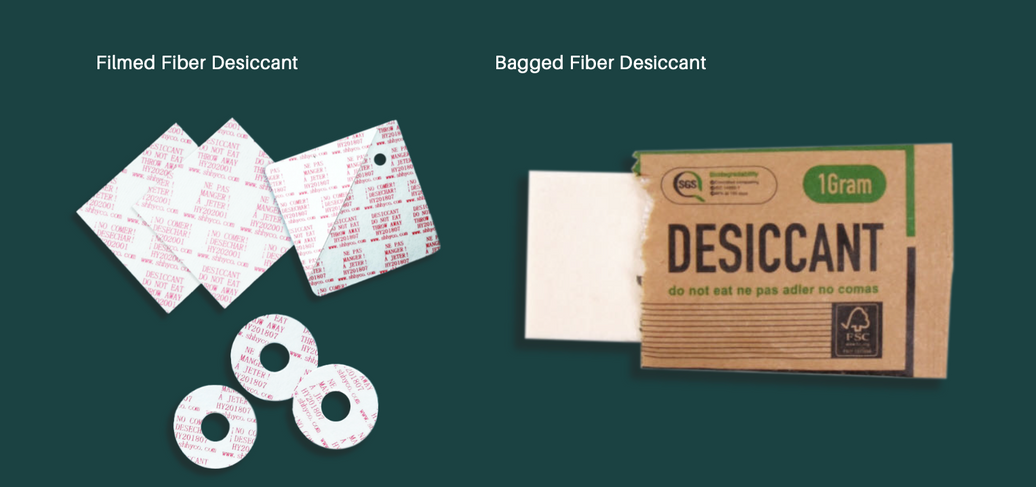
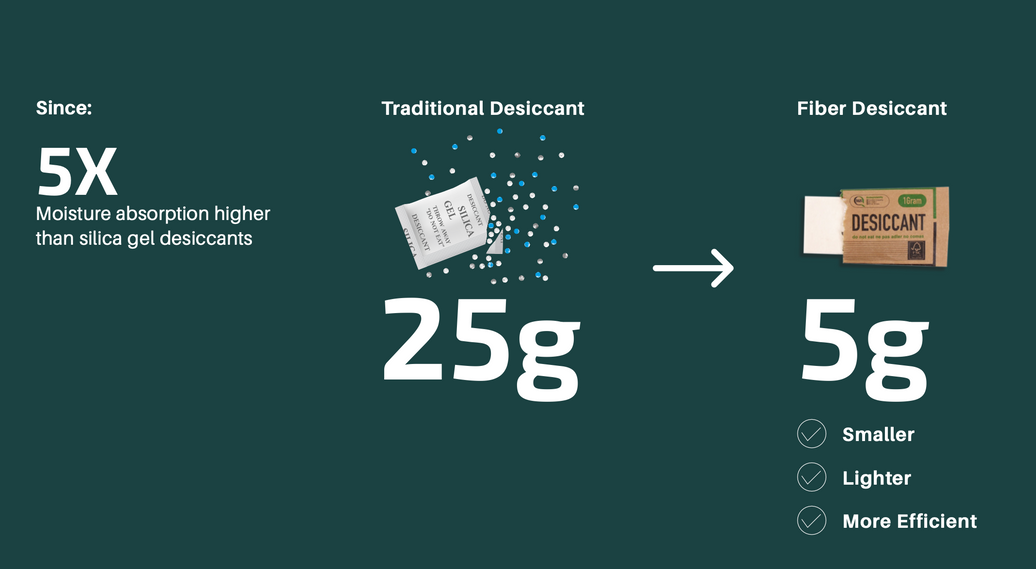
For blends with a defined humidity window, three properties matter. Direction — a two-way material holds the band; a one-way material can push the product into the static regime. Cleanliness — loose-fill desiccant sheds particulate into a product already being assayed for uniformity, which is a poor combination. And capacity at the working RH, since a material is only useful at the humidity your package actually sits at.
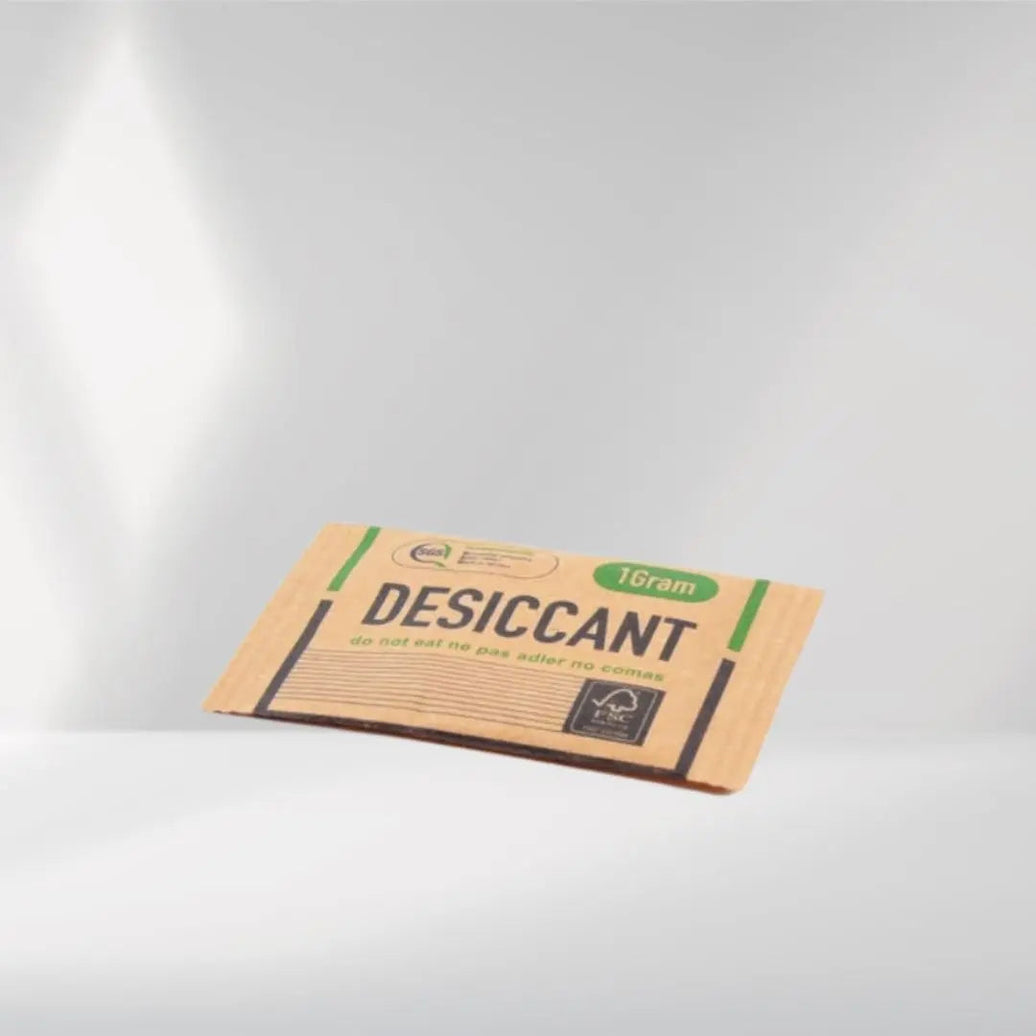
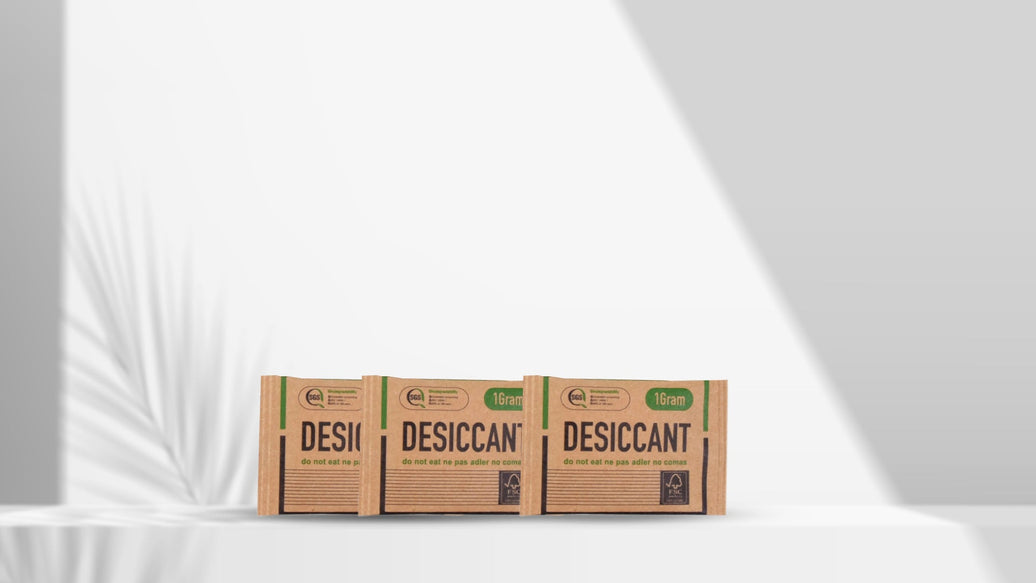
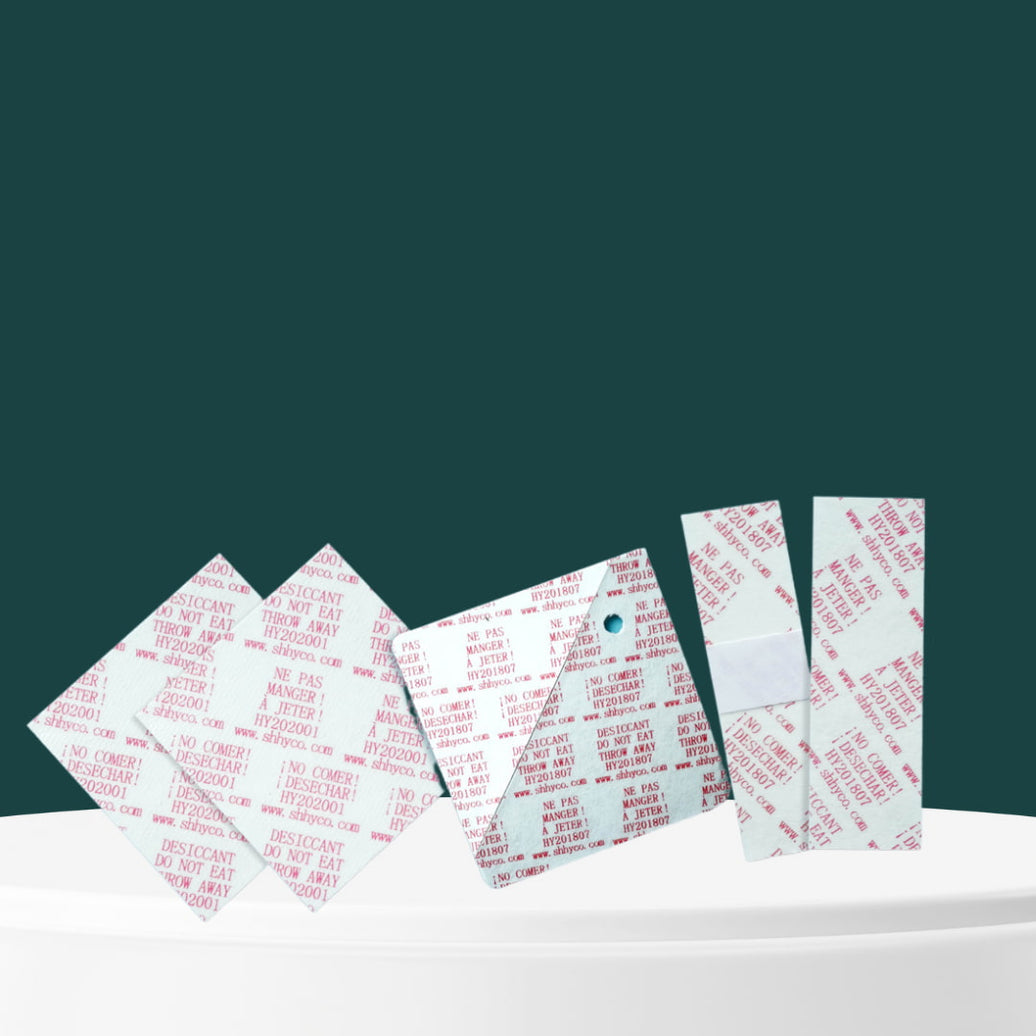
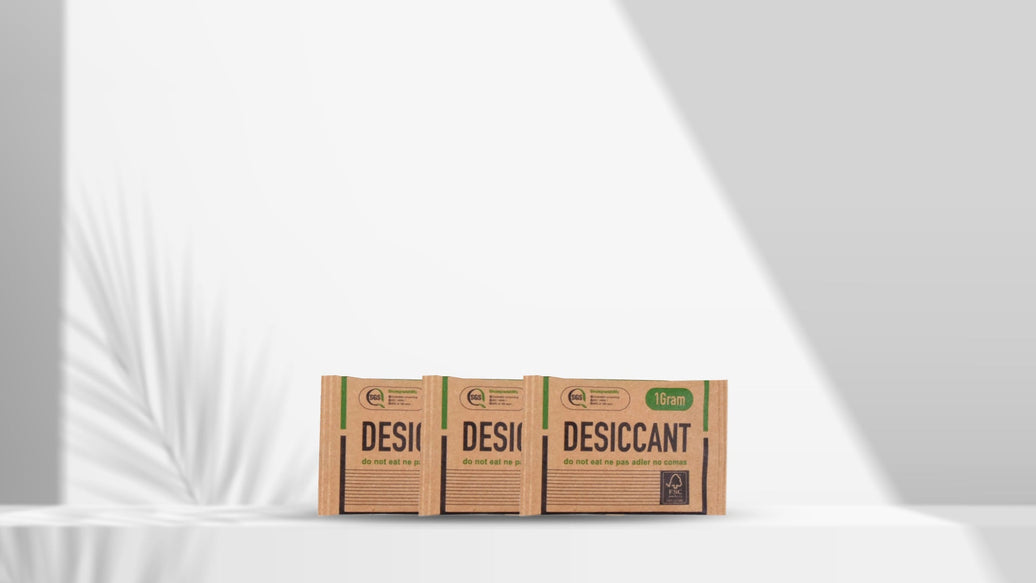
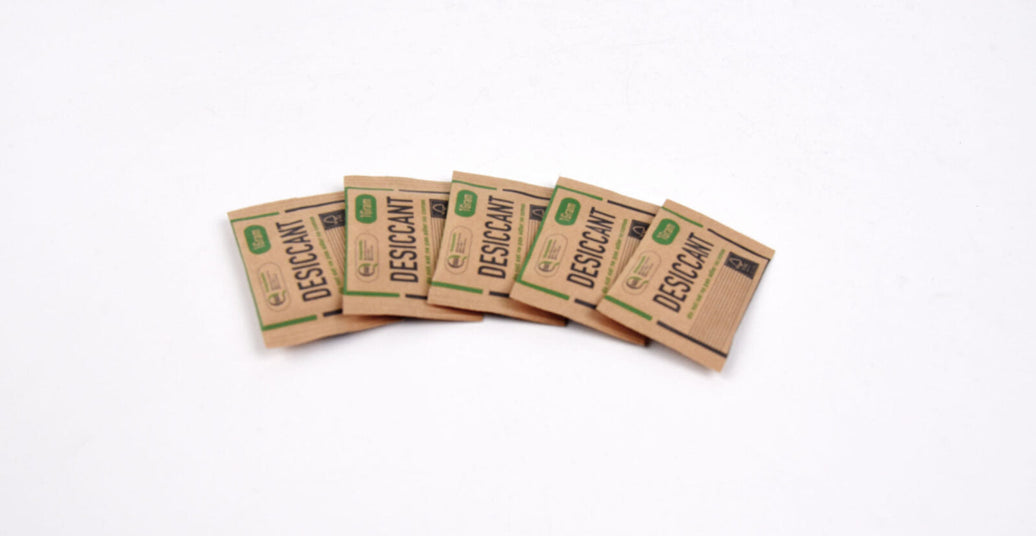
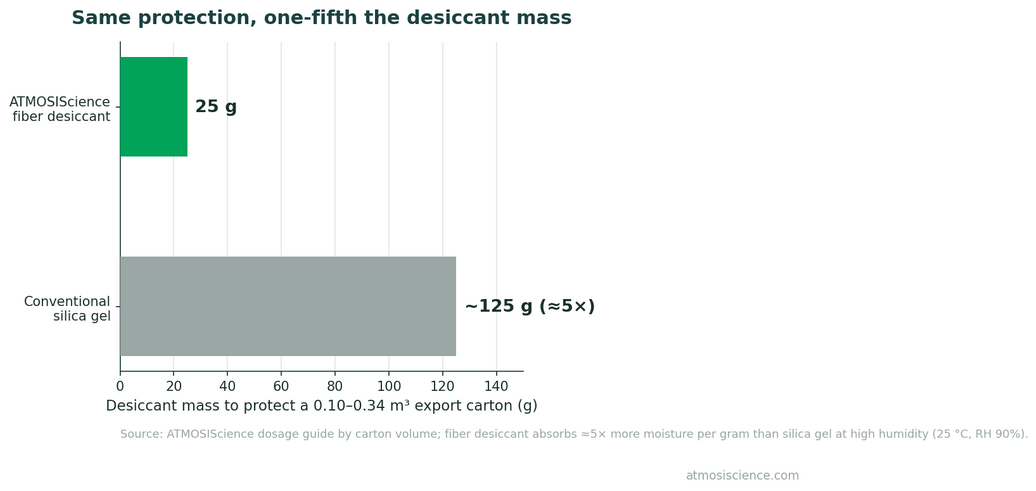
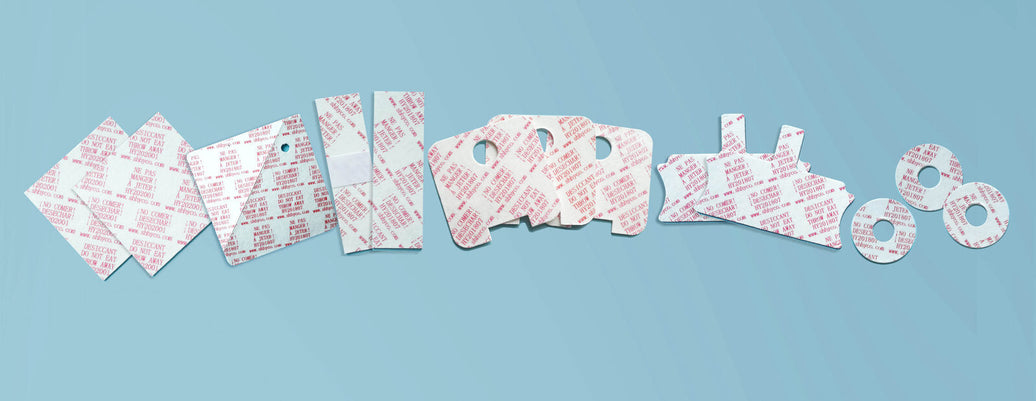
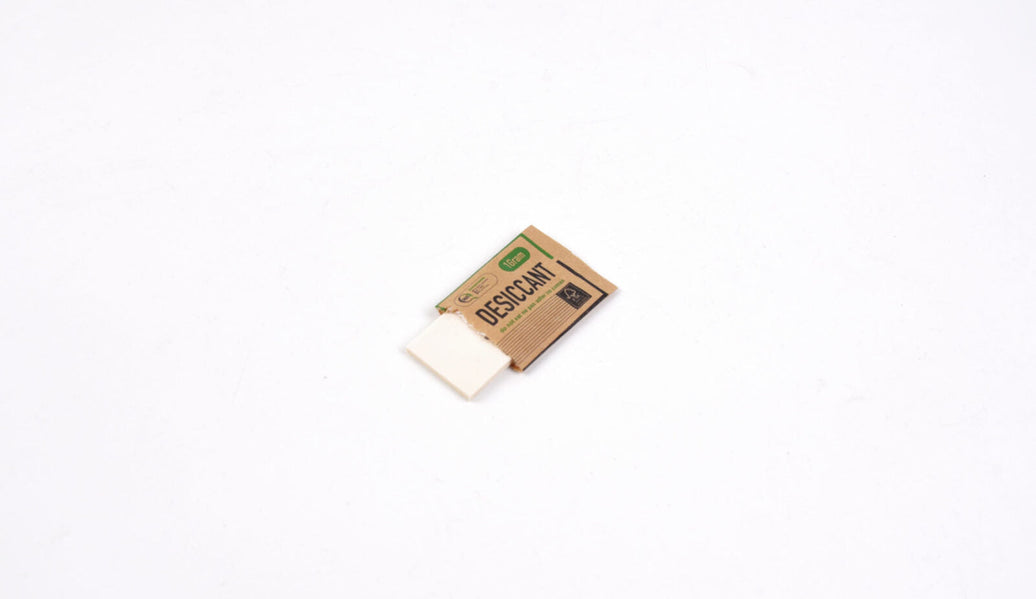
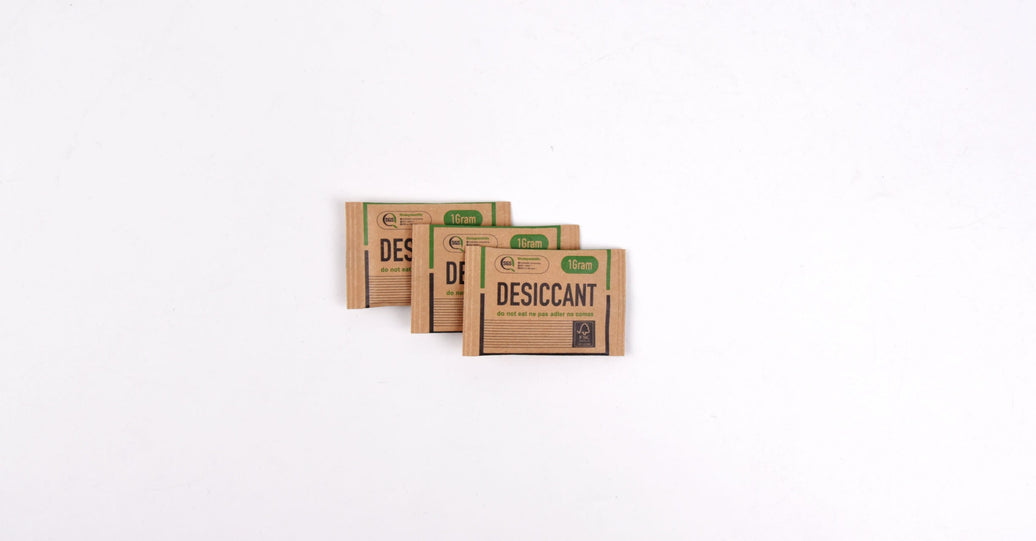
On the fiber platform: adsorption above 10% of own weight at RH20, above 35% at RH50 and above 70% at RH90 at 25°C, loss on drying below 10%, dust-free bound-pad construction, and pouches from 1 g to 1,000 g. Category targets: the RH reference table.
Frequently asked questions
What RH should a blend room run at?
Formulation-dependent, but 35–50% RH avoids both the static regime and the caking regime for many powder blends. The specific window comes from the isotherm and from static behaviour observed on the actual equipment.
Can an antistatic additive replace humidity control?
It can reduce charging, but it is a formulation change with its own qualification burden and it does nothing about the humid-side failure mode. Environmental control addresses both directions.
Does an in-pack desiccant fix a blend that failed uniformity?
No. It preserves the condition of a blend that was uniform at fill. A blend that failed before sealing cannot be repaired by packaging.
How long does re-equilibration take after blending?
Hours to days depending on particle size, packaging and the size of the water-activity gap between components. Sampling immediately after blending can therefore miss a segregation that appears later.
Is this only a pharmaceutical concern?
No. Supplement blends, sports nutrition, electrolyte and greens powders, spice blends and premixes all show the same behaviour. Pharmaceutical operations simply test for it more formally. Related: desiccant for vitamins and mineral premixes.
Hold your blend window through distribution
Send the blend, target humidity window and pack format. ATMOSIScience returns an in-pack recommendation and samples for equilibrium testing.
Prefer email? info@atmosiscience.com