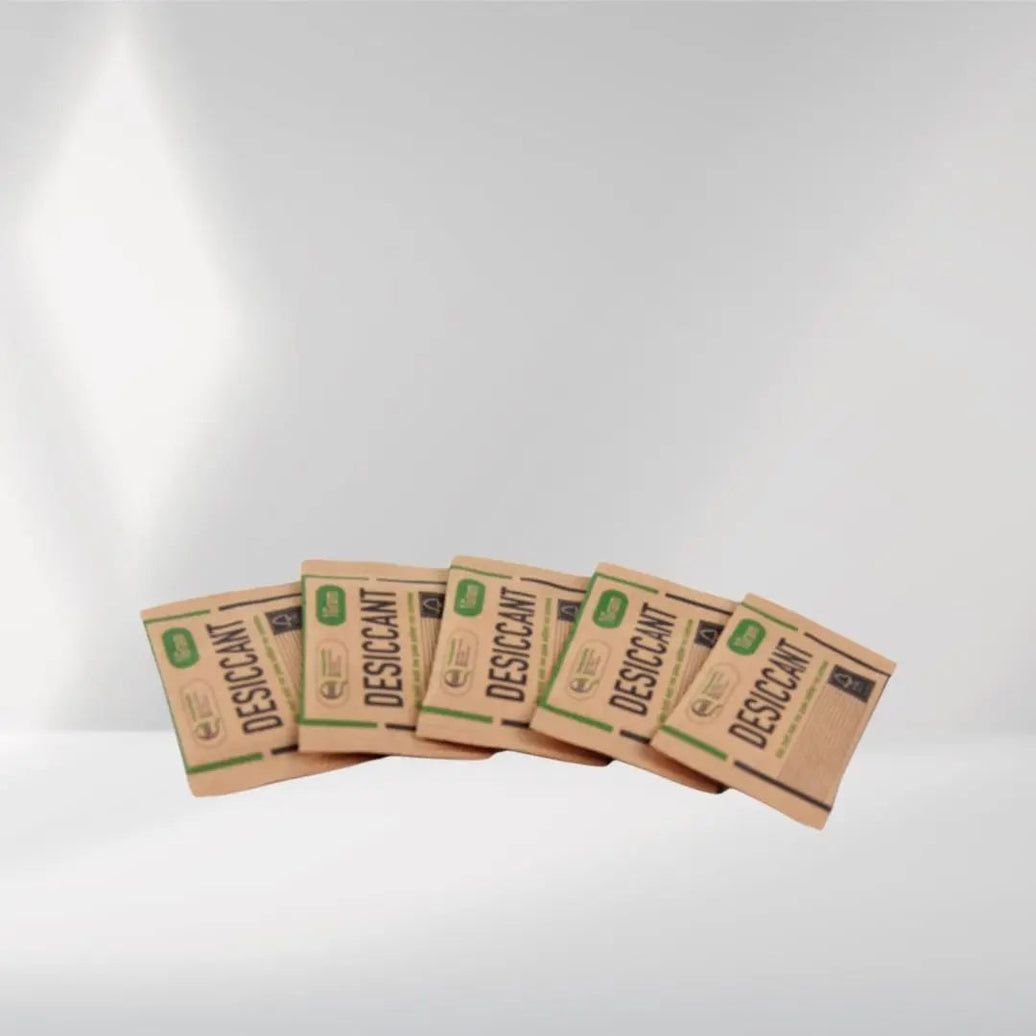
In a vitamin or mineral premix, moisture is not just a flow problem — it is a potency problem. Water is the reaction medium that lets ascorbic acid oxidize, iron salts rust, and effervescent systems pre-react on the shelf. A premix that tests to label claim at manufacture can drift below spec by end of shelf life if headspace humidity is left uncontrolled. For the co-manufacturers and brand owners who blend these premixes, that is a failed COA and a rejected lot.
This guide covers which vitamin and mineral actives are moisture-sensitive, why premixes concentrate the risk, and how to spec desiccant protection that holds potency across an 18–24 month claim.
The moisture-sensitive actives in a premix
Vitamin C (ascorbic acid). Hygroscopic and oxidation-prone. Adsorbed moisture mobilizes the oxidation that turns ascorbic acid to dehydroascorbic acid and beyond — visible as yellowing and measurable as potency loss. It is one of the most common overage-driving actives precisely because it degrades with moisture and time.
Magnesium salts. Magnesium citrate and glycinate are deliquescent; magnesium citrate can absorb 12–18% of its weight in water at 75% RH within 48 hours, cementing the whole premix.
Iron salts. Ferrous sulfate and fumarate oxidize in the presence of moisture, shifting color and reducing bioavailable iron — and catalyzing the degradation of neighboring vitamins.
B-vitamins and choline. Thiamine and choline salts are hygroscopic and can drag the blend's critical humidity down.
Because a premix is engineered to concentrate many actives, the most sensitive one sets the storage spec for all of them — and cross-reactions accelerate once free moisture appears. The general mechanism is in our pillar on why powders cake.
Premixes are usually a bulk-packaging problem
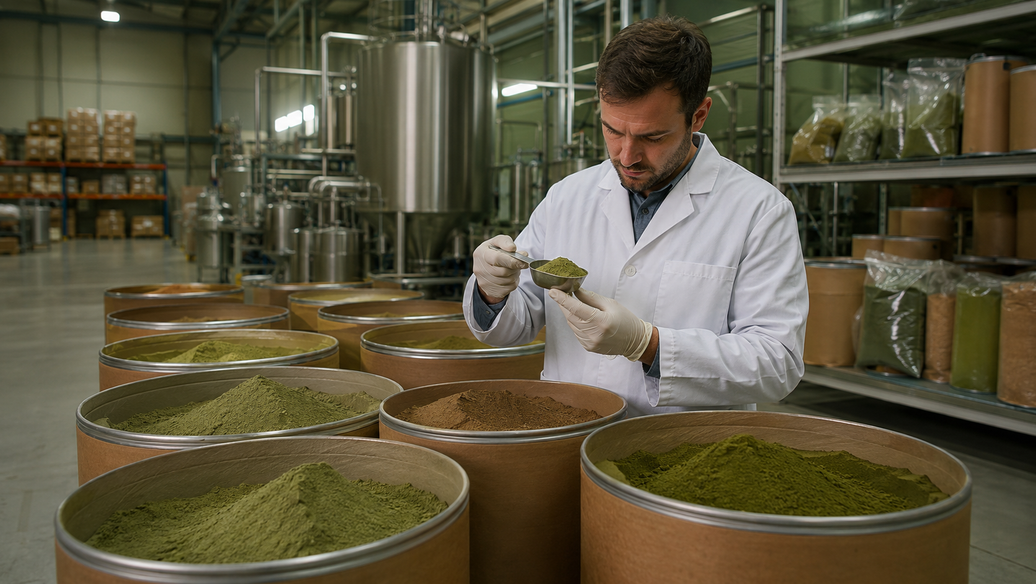
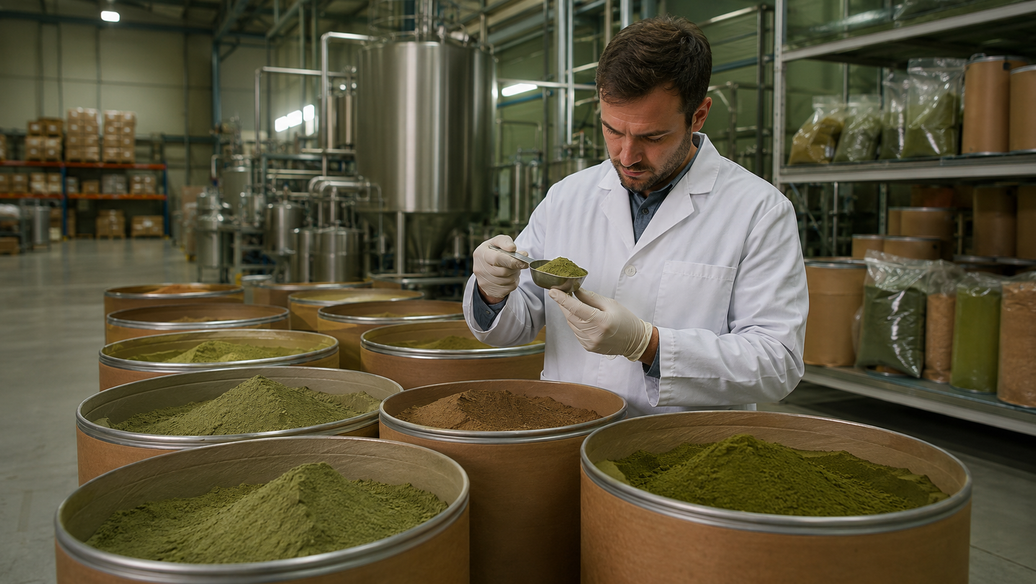
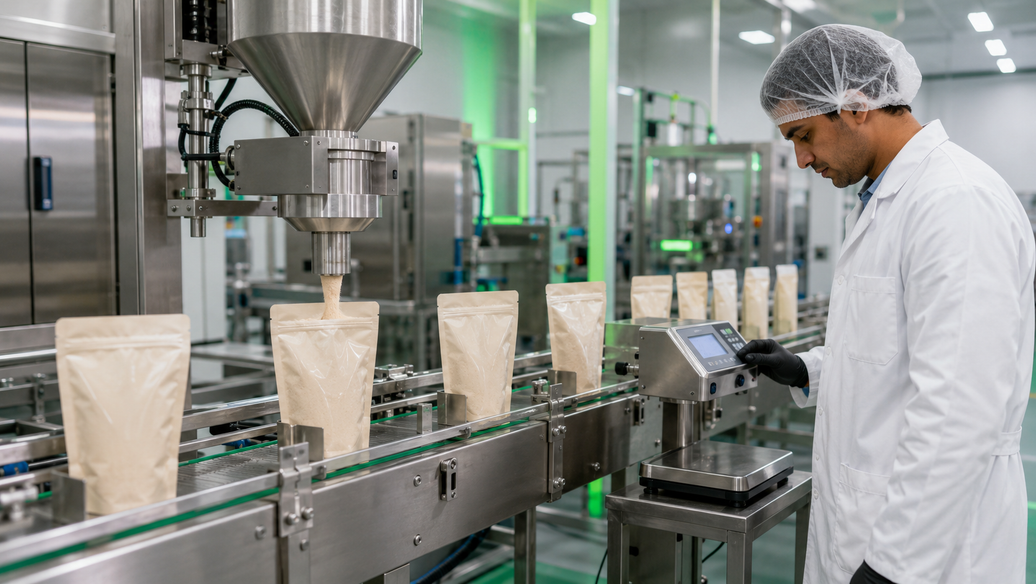
Unlike a finished consumer tub, most vitamin and mineral premix ships B2B in drums, pails, or bulk-lined boxes, then sits in a warehouse before it is dosed into tablets, capsules, gummies, or finished powders. Two exposure windows matter:
Warehouse dwell. Weeks to months in a drum where the liner headspace equilibrates with plant humidity. High-capacity sachets in the liner hold that headspace dry.
Re-opened drums. A drum drawn down over several production runs is re-opened repeatedly, each time admitting humid air onto a partially used, high-value premix. This is where capacity and reusability earn their keep.
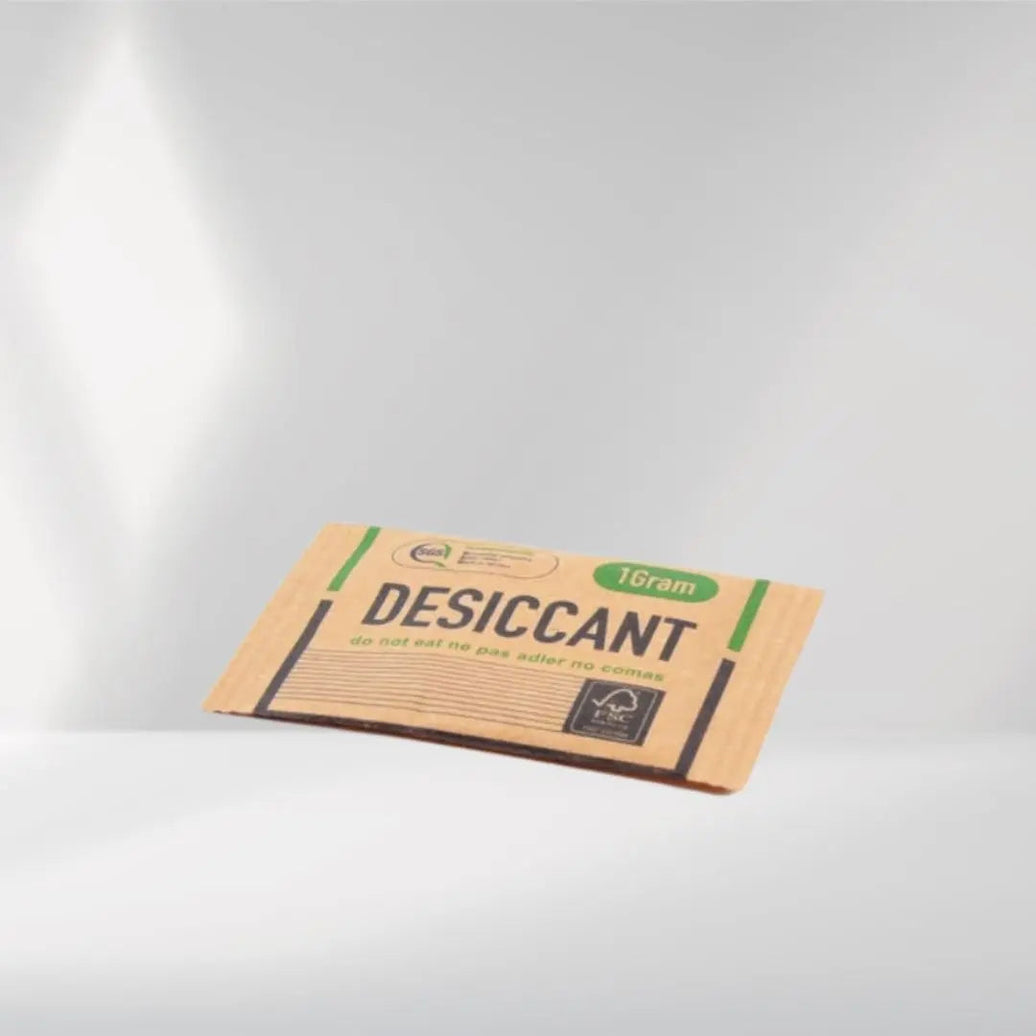
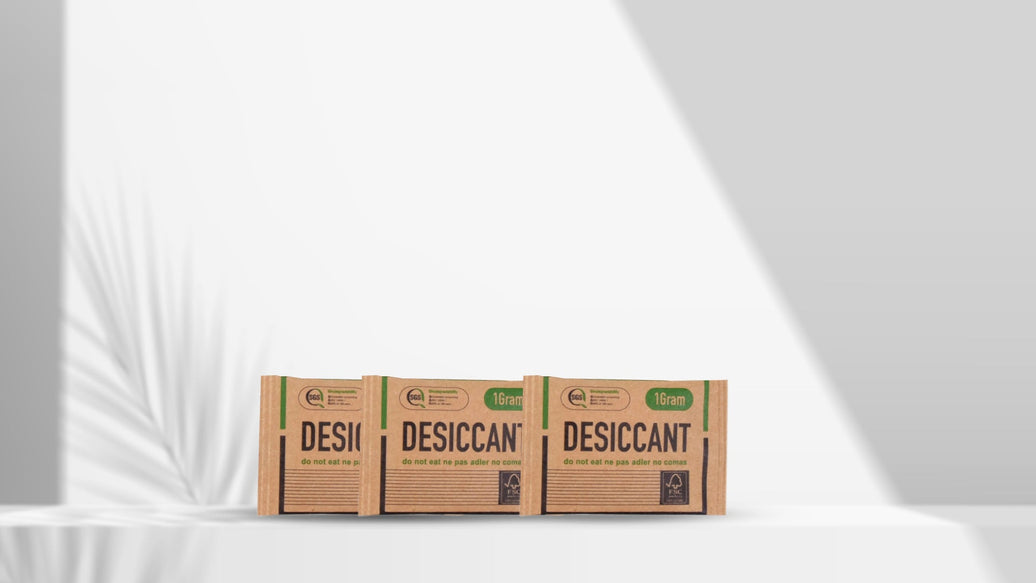
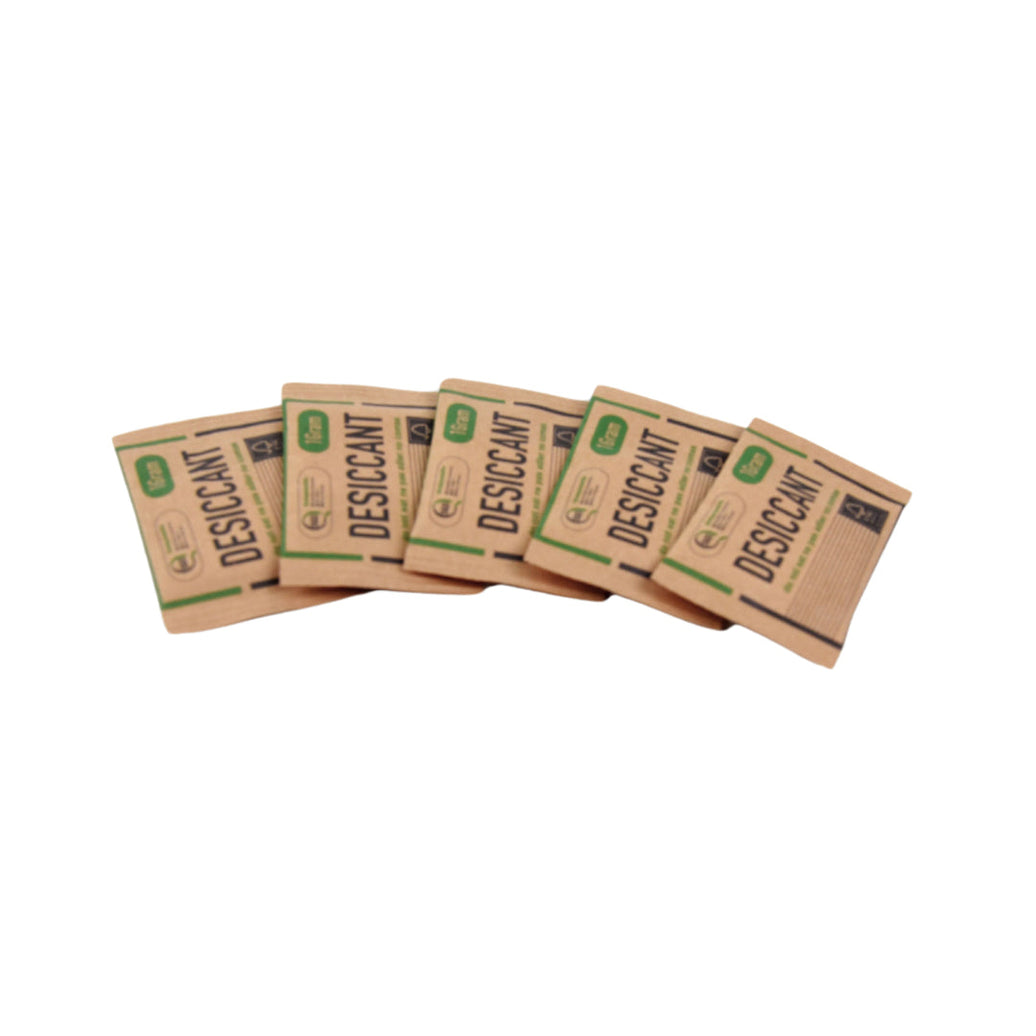
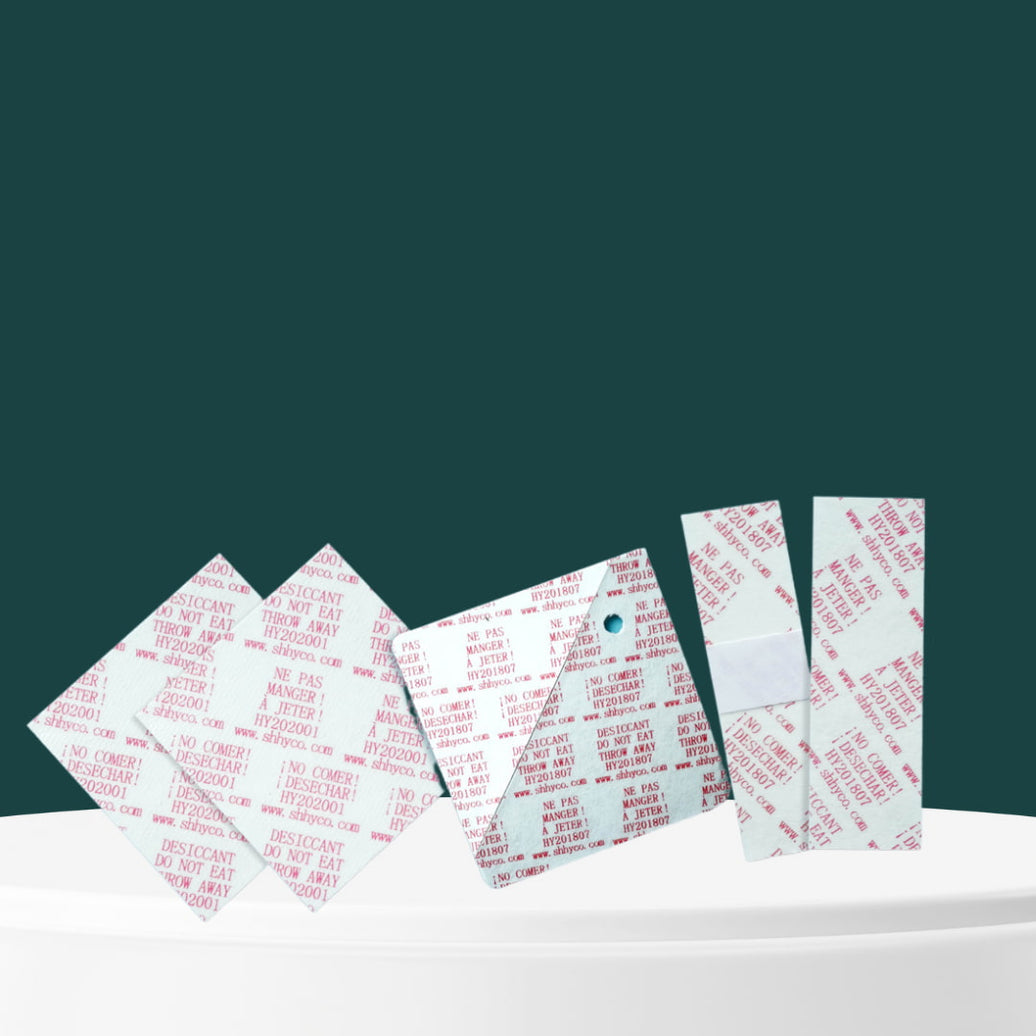
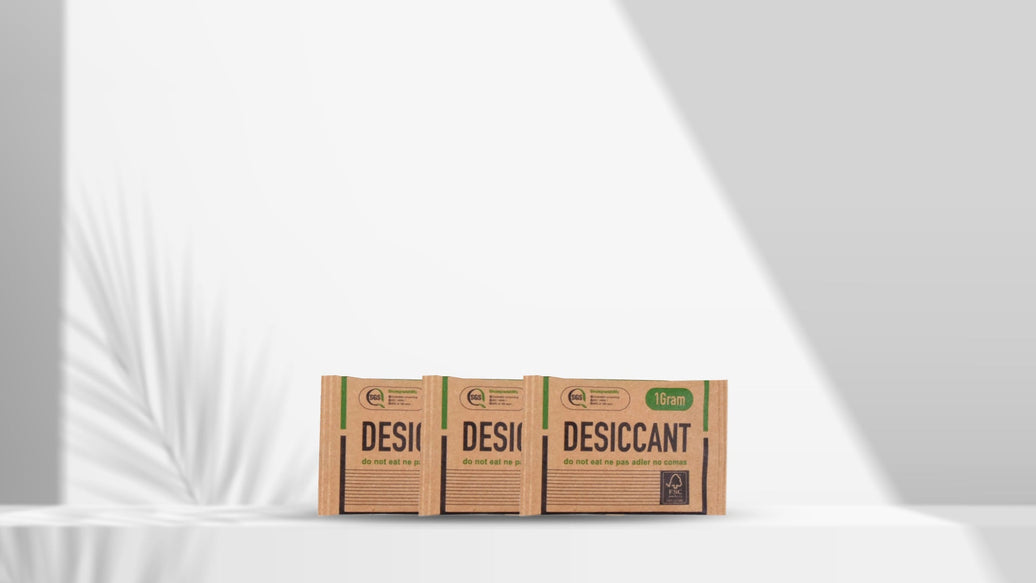
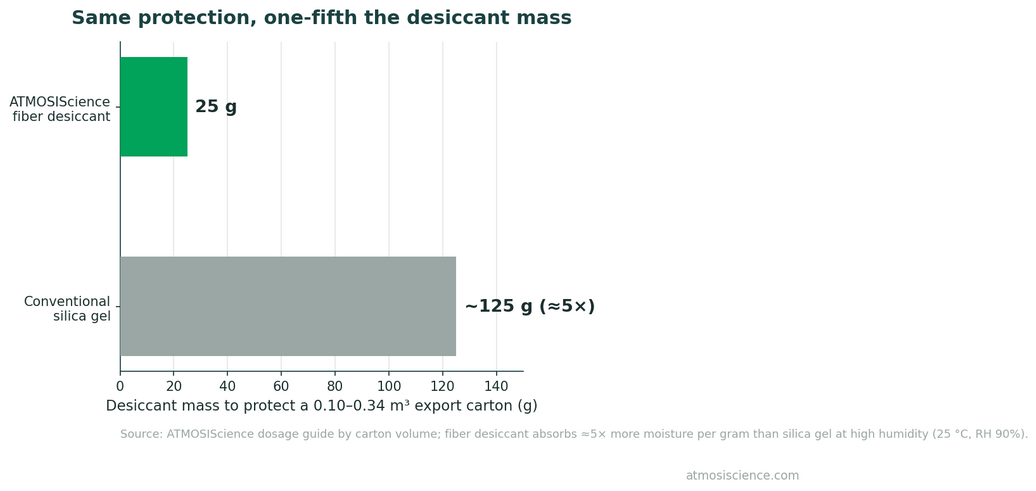
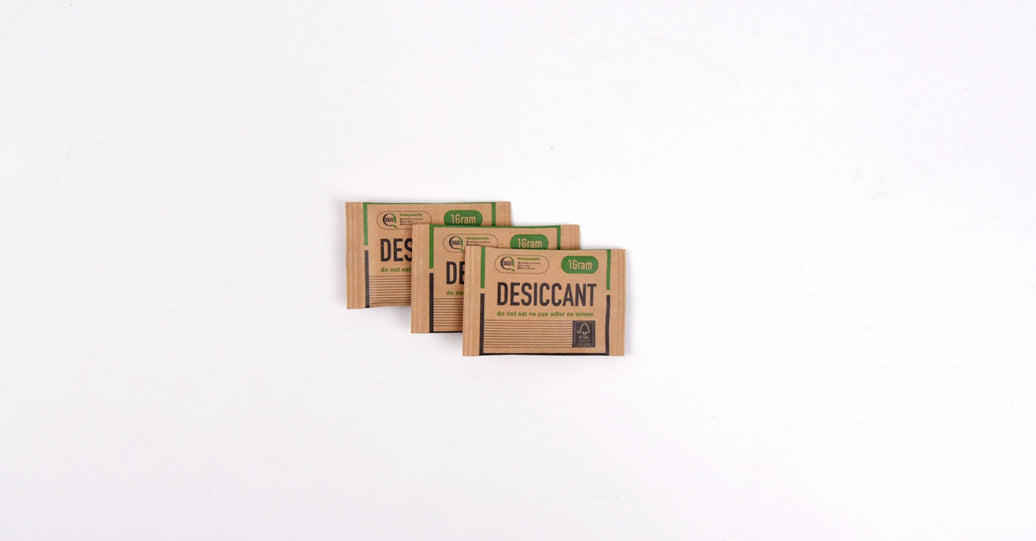
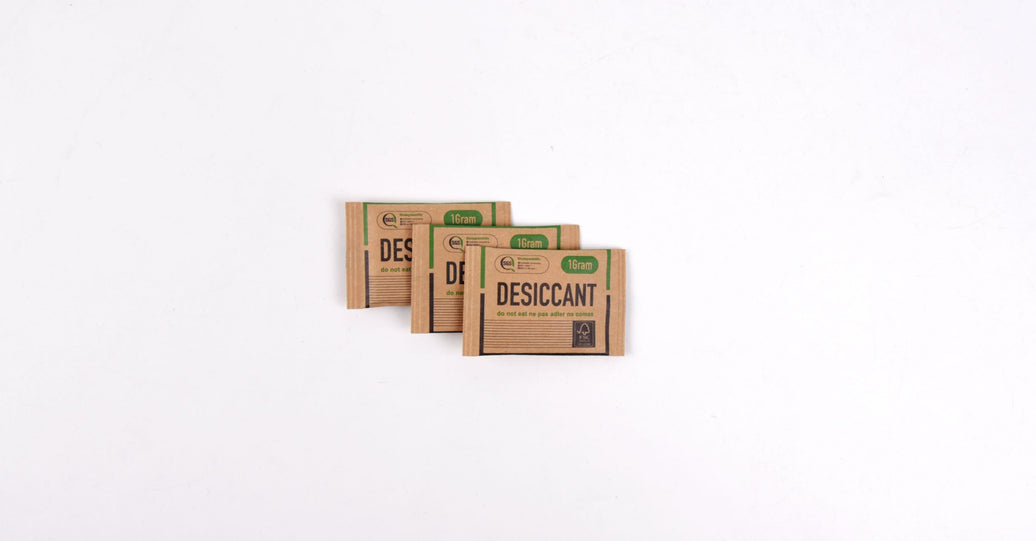
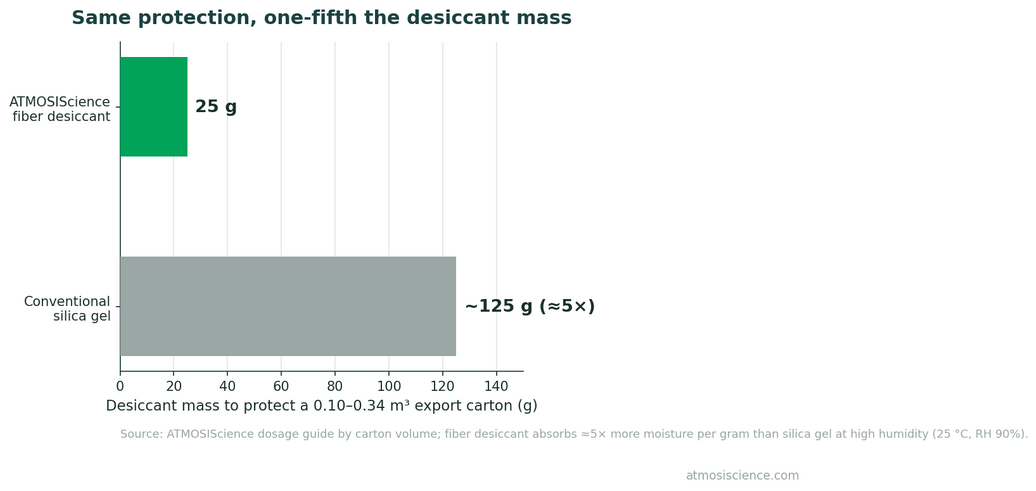
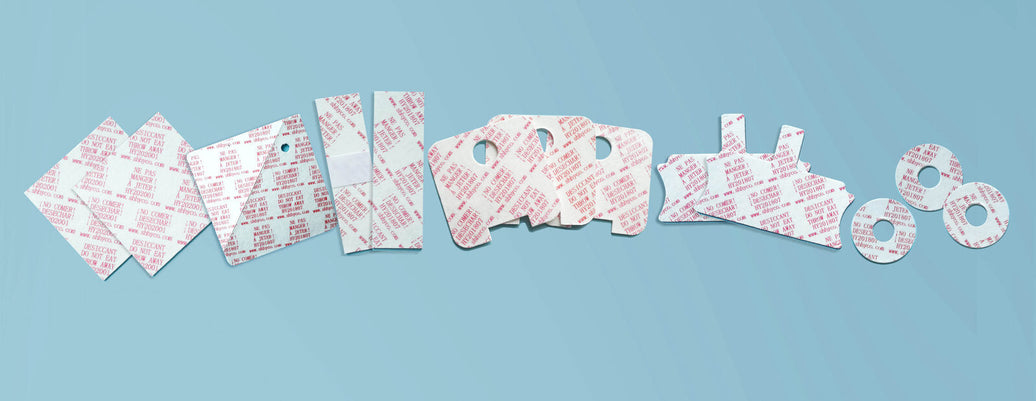
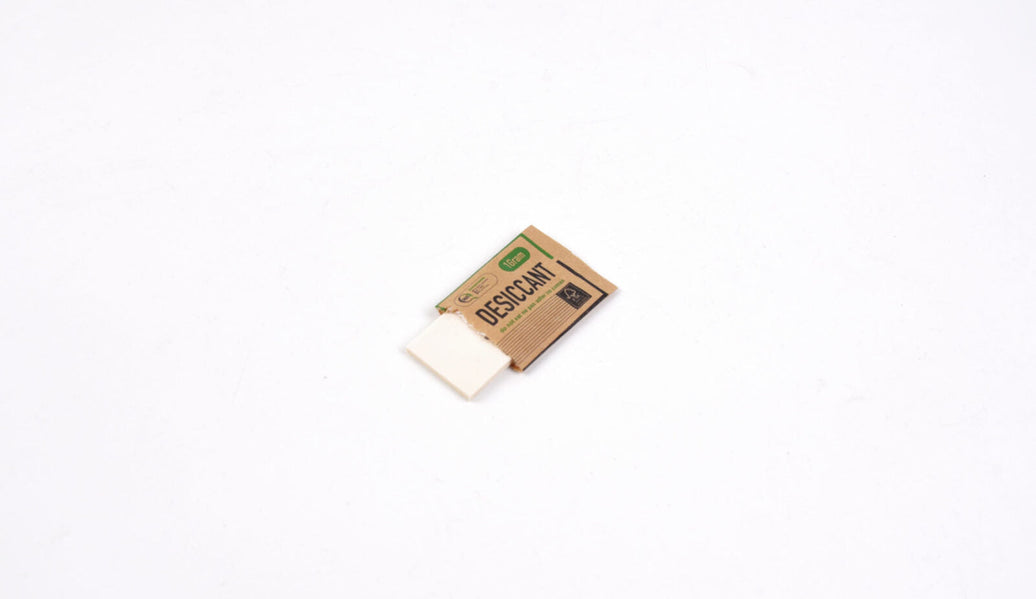
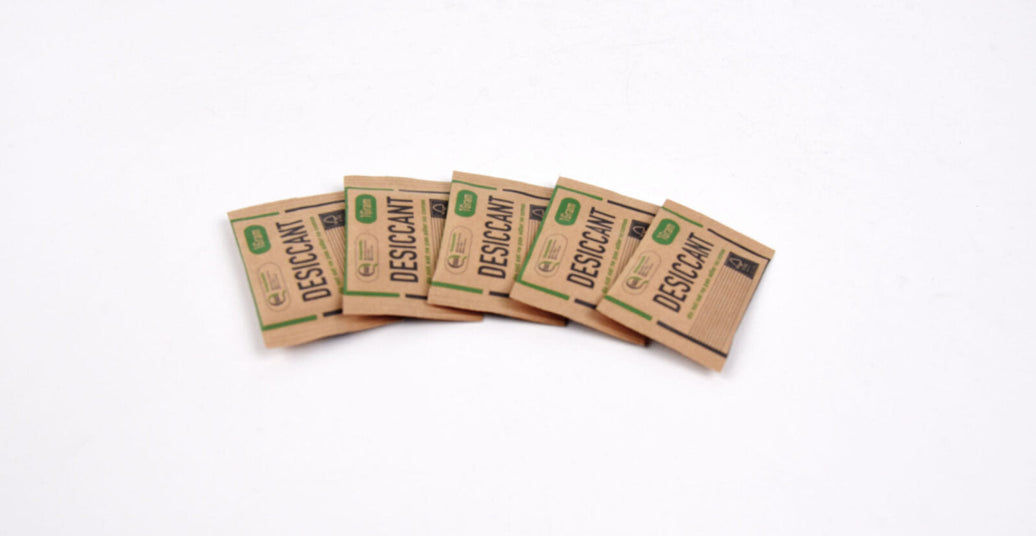
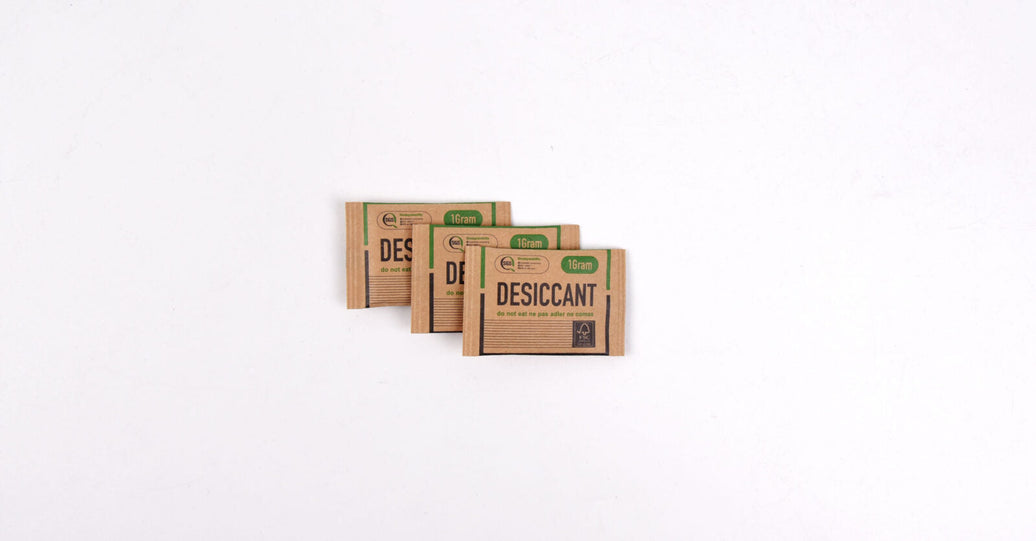
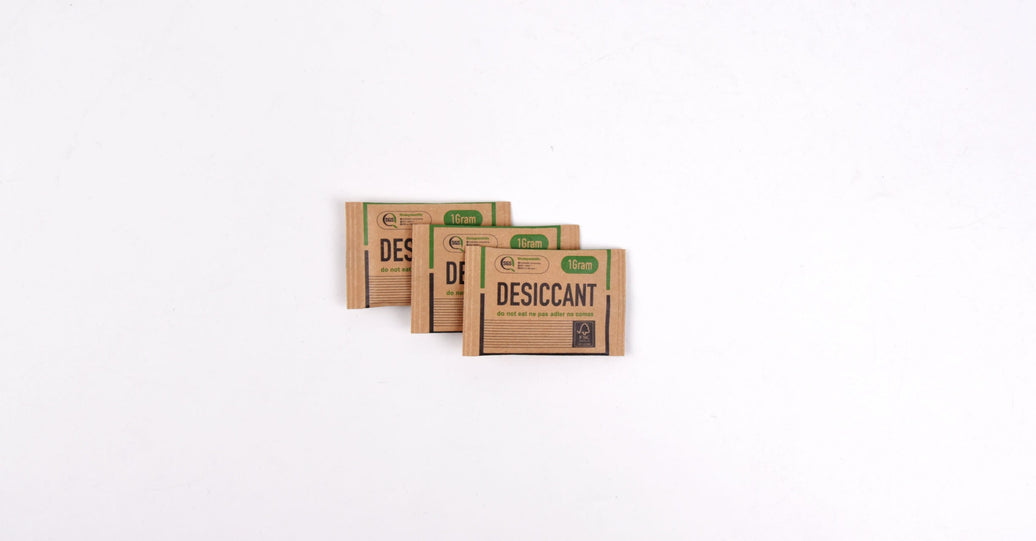
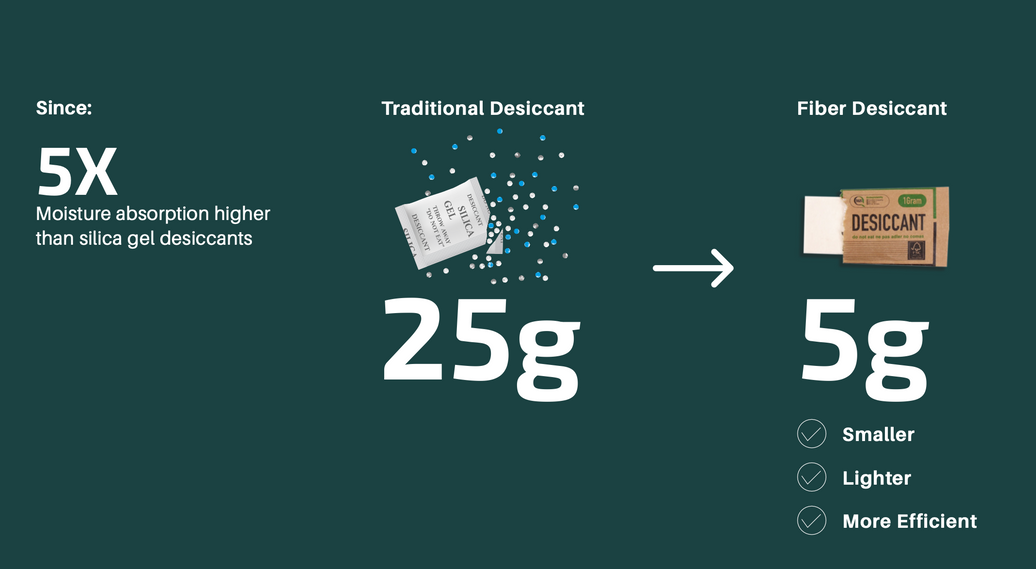
Sizing follows headspace: roughly 25 g of fiber desiccant protects a standard 0.10–0.34 m³ carton, about 5x the efficiency of silica gel by weight, so fewer, lighter units per drum. Dosage math by volume is in our dosage guide.
Why fiber desiccant fits regulated premix supply
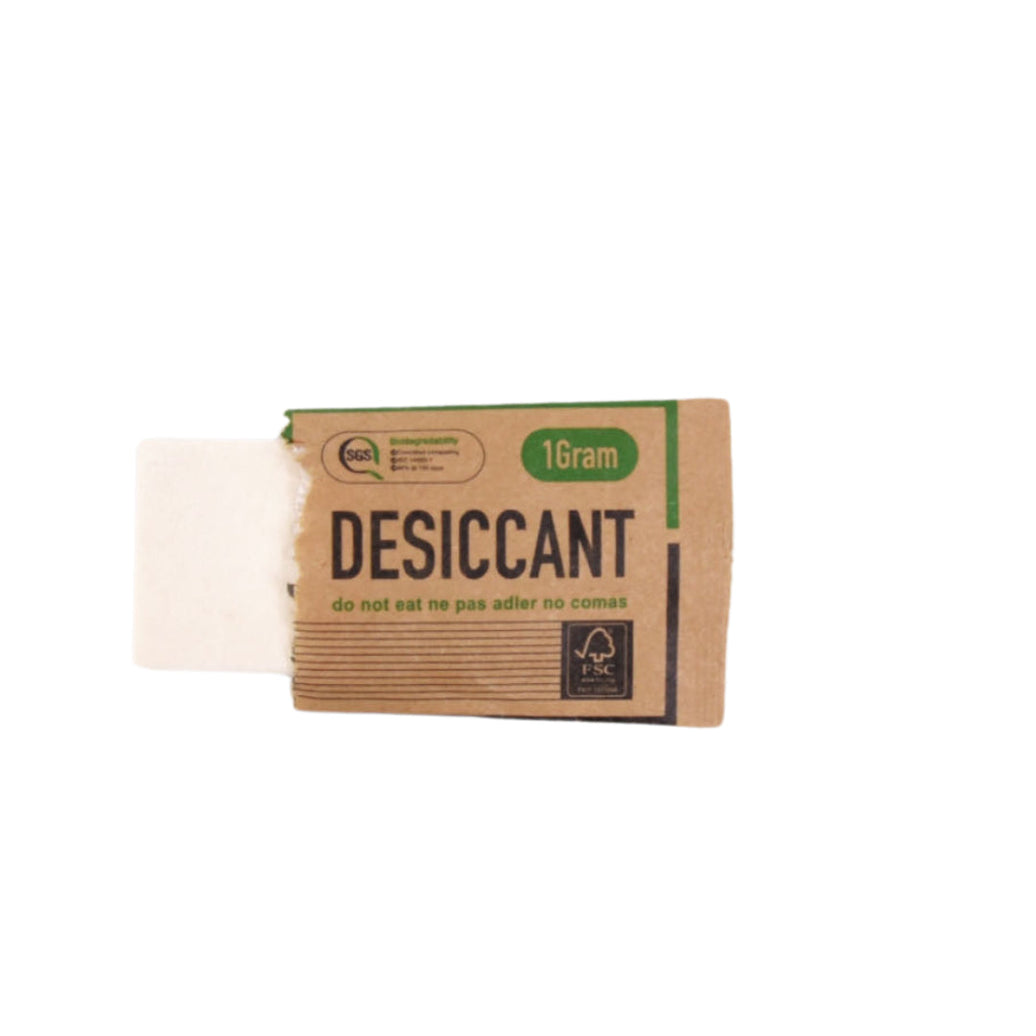
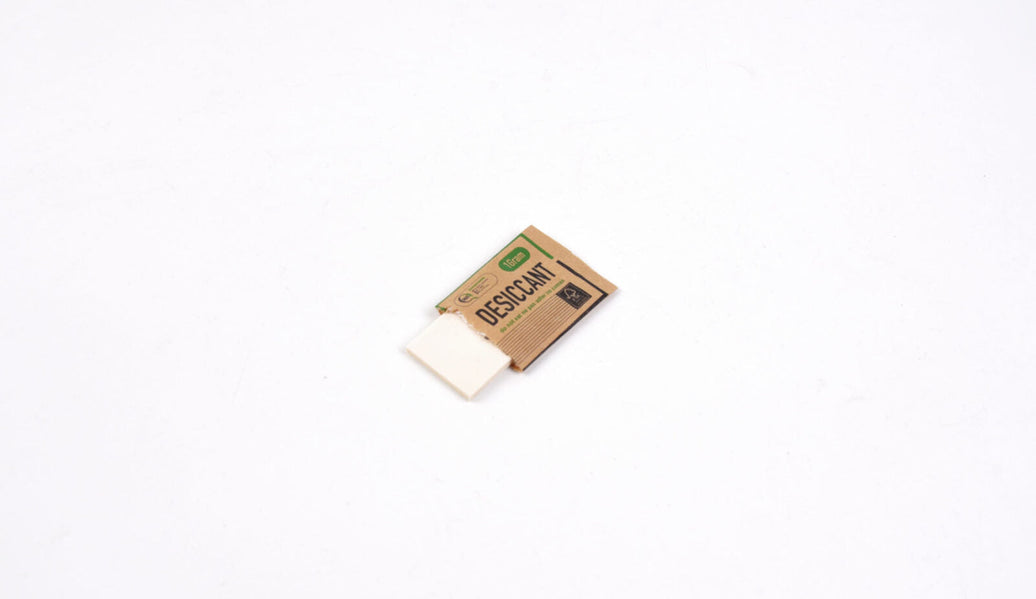
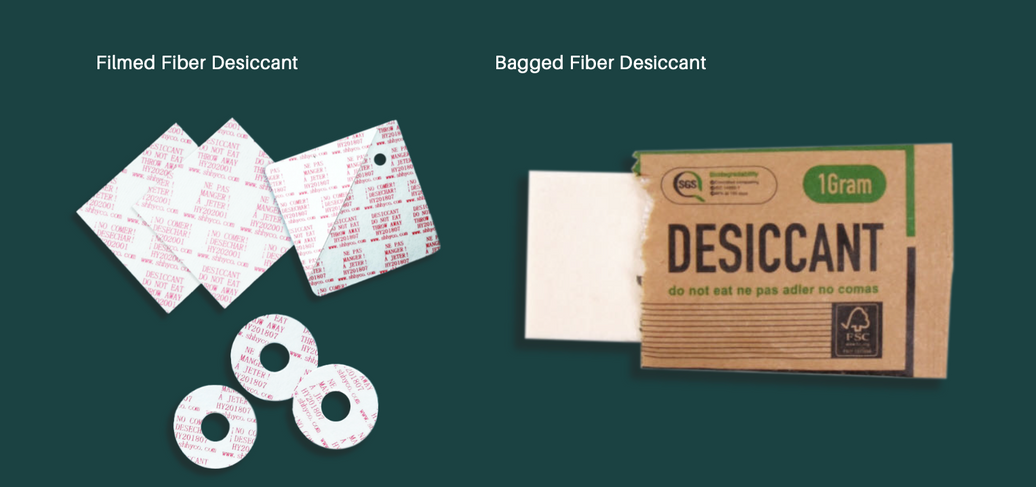
Dust-free and non-contaminating. A premix headed into tablets or capsules cannot tolerate silica or clay fines — foreign particulate in a dosed API stream is a deviation. Fiber desiccant binds its active into a plant-fiber matrix with nothing to shed, as explained in our article on loose-fill desiccant risks.
High, reusable capacity. Over 70% of its weight at 25°C and 90% RH versus roughly 30% for silica gel, and reactivatable — useful across multiple drum openings.
Two-way control. Some premixes dislike over-drying (it can embrittle certain excipients or shift static). Fiber desiccant holds a target RH band rather than dumping to zero; the mechanism is in how fiber desiccant works.
Documentation a premix QA team requires
Premix suppliers live and die by documentation. ATMOSIScience fiber desiccant ships with SGS ISO 9001 manufacturing (Cert. CN05/31171), full raw-material disclosure (lignocellulose fiber, calcium chloride, PLA, food-grade paper, water), and ASTM D6400 / EN 13432 compostability certificates. If you also supply pharma-grade premix, the compliance checklist is in our guide to FDA-compliant desiccants.
Frequently asked questions
Does a desiccant actually protect potency, or just flow?
Both. By keeping headspace RH low it slows the moisture-mediated oxidation and hydrolysis that degrade vitamin C, iron, and effervescent systems — which shows up as retained assay, not just free flow.
Can desiccant reduce our overage?
It can support a tighter overage strategy by shrinking moisture-driven loss, but always validate against stability data before changing formulation.
Is it compatible with premix headed into tablets and capsules?
Yes — dust-free construction means no particulate migrates into the dosed stream, and full raw-material disclosure supports your own change-control file.
Protect the assay, not just the flow
ATMOSIScience supplies dust-free, high-capacity fiber desiccant for vitamin and mineral premix at drum and bulk scale, with the documentation regulated supply chains require. Explore ATMOSIScience desiccant solutions, request a sample of the Fiber Desiccant, or contact our team for certificates and a bulk quote.
Related reading: Desiccant for API & Pharmaceutical Powders · Desiccant for Dietary Supplements · Supplier Qualification Pack
Get a desiccant spec & bulk quote for your premix
Tell us your actives, drum or pouch format, and shelf-life claim — we respond with a capacity calculation, certificates, and bulk pricing your QA can file.