Quick answer: An anti-caking agent is a flow aid formulated into the powder — it separates particles so they slide past each other. A desiccant sits in the package and removes water vapour from the headspace so the particles never get wet enough to bridge in the first place. Anti-caking agents manage the symptom at a fixed dose you cannot change after filling; desiccants manage the cause and keep working through the whole shelf life. Most moisture-sensitive powders need both, and the mistake is using more of one to compensate for the absence of the other.
This question usually surfaces in a room with two functions who do not normally share a spreadsheet. R&D owns the formula and the anti-caking agent. Packaging owns the film and the sachet. Caking complaints land on QA, who then has to work out which lever actually moved.
Two different physics problems
Caking begins when adsorbed water forms liquid bridges between particles. Those bridges then either dry into solid crystalline bonds or feed a slow deliquescence, and the powder becomes a brick.
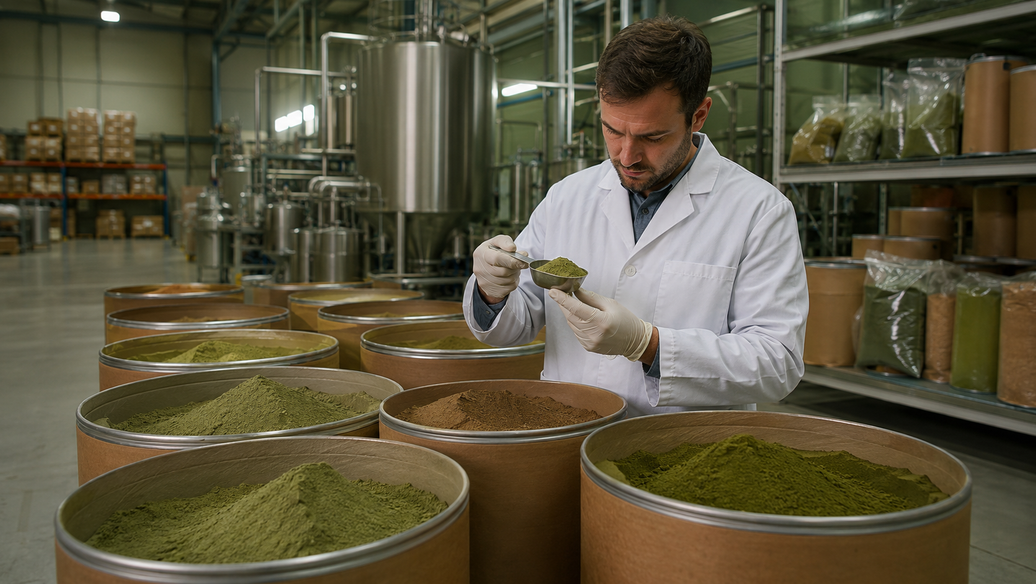
An anti-caking agent — silicon dioxide, tricalcium phosphate, magnesium stearate, calcium silicate and similar — interrupts contact geometry. Fine particles coat the host particle and physically hold surfaces apart, and some also carry a small amount of moisture themselves. It is a formulation-side fix, dosed in percent of batch weight, locked in at blending.
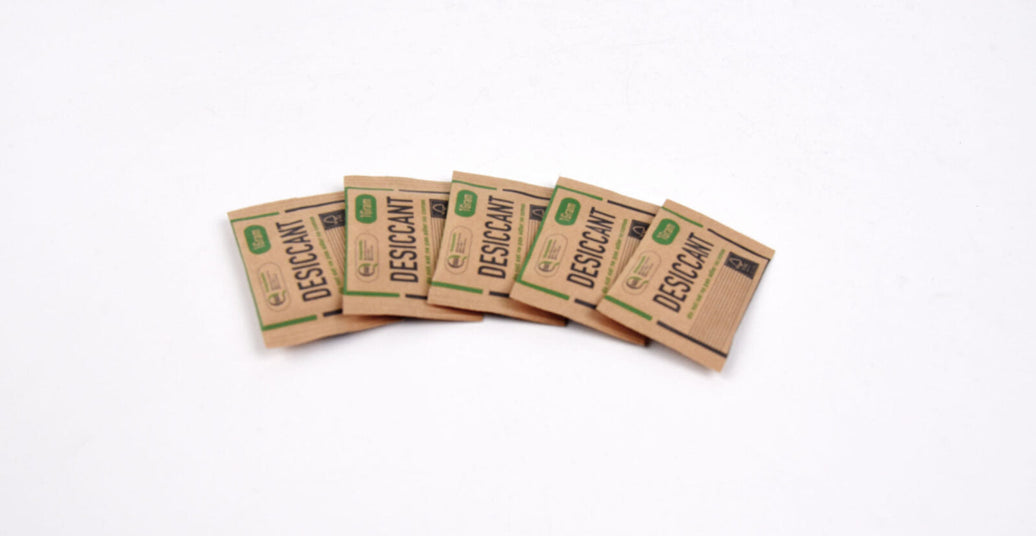
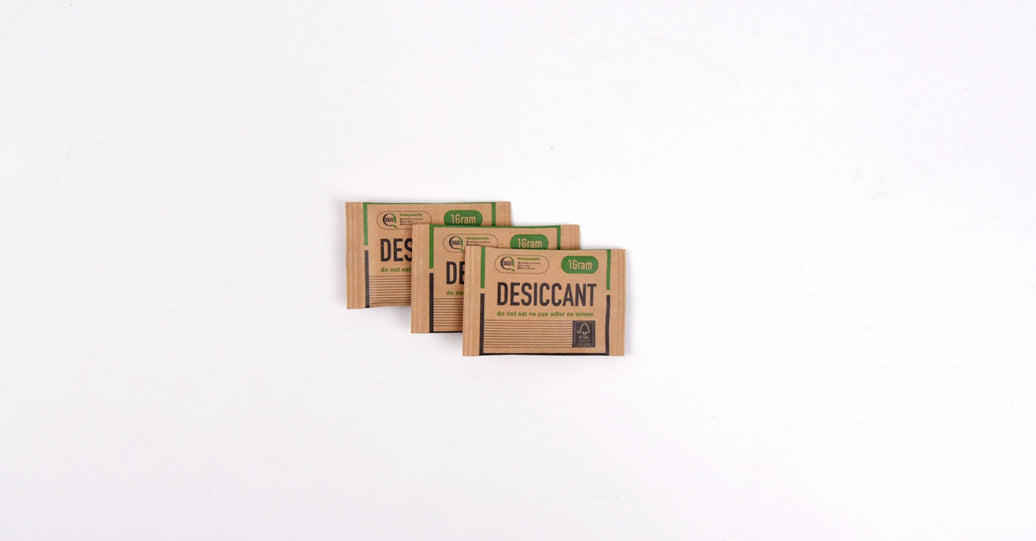
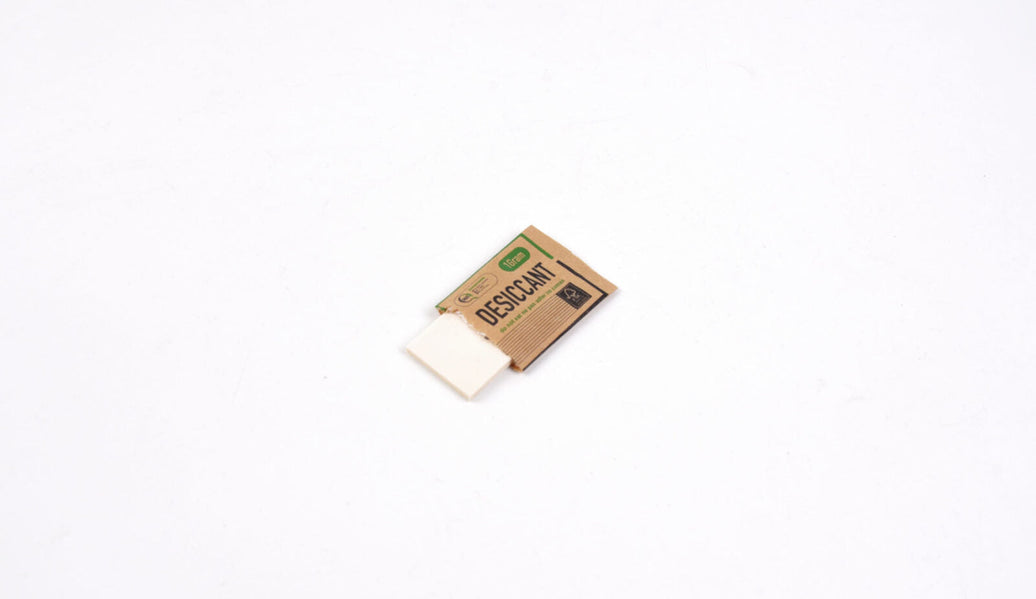
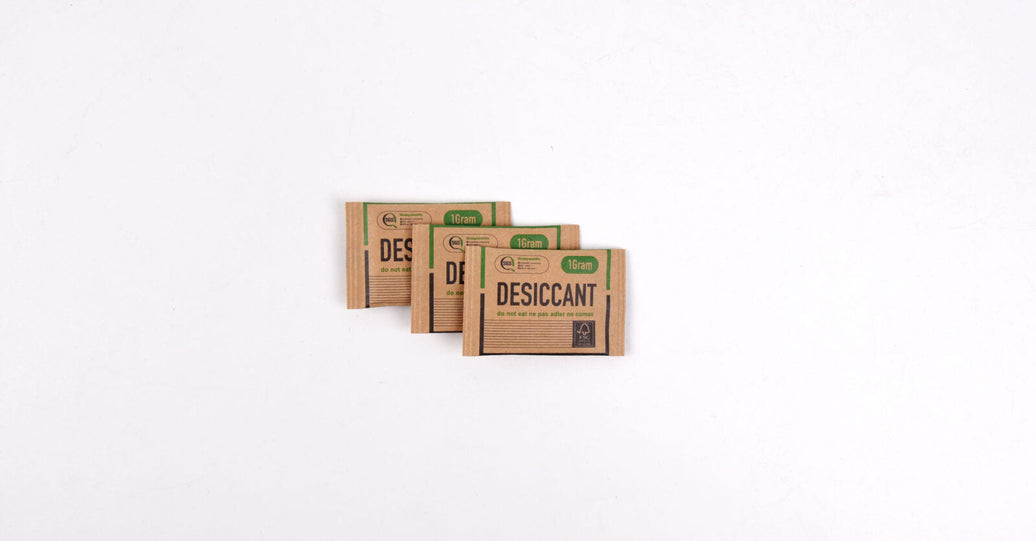
A desiccant attacks the water. It lowers the equilibrium relative humidity of the sealed headspace, so the water available to build bridges never arrives at the particle surface. It is a packaging-side fix, dosed in grams per pack, and it continues to act every day the pack sits in a distribution centre.

Where each one wins
| Situation | Better lever |
|---|---|
| Powder bridges in the hopper during filling | Anti-caking agent, plus in-plant humidity control |
| Product arrives fine, cakes after 6–9 months on shelf | Desiccant — the moisture is entering through the film |
| Consumer opens a tub 30 times over 8 weeks | Desiccant, sized for repeated headspace refresh |
| Clean-label brief forbids added excipients | Desiccant — it is packaging, not an ingredient |
| Scoop drag and poor dispersibility at first open | Anti-caking agent |
| Deliquescent actives — electrolytes, some amino acids | Both, and a tighter barrier film |
The clean-label argument nobody makes out loud
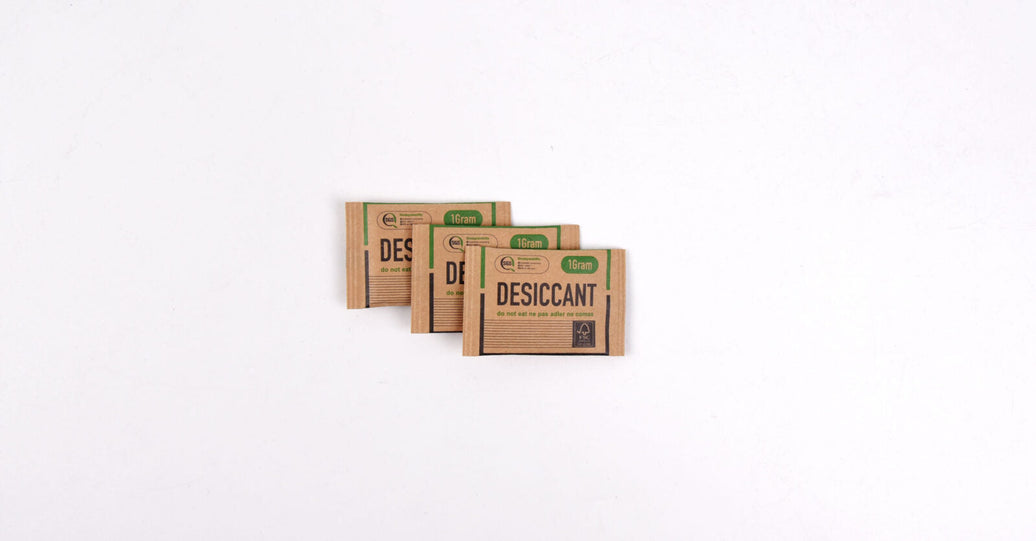
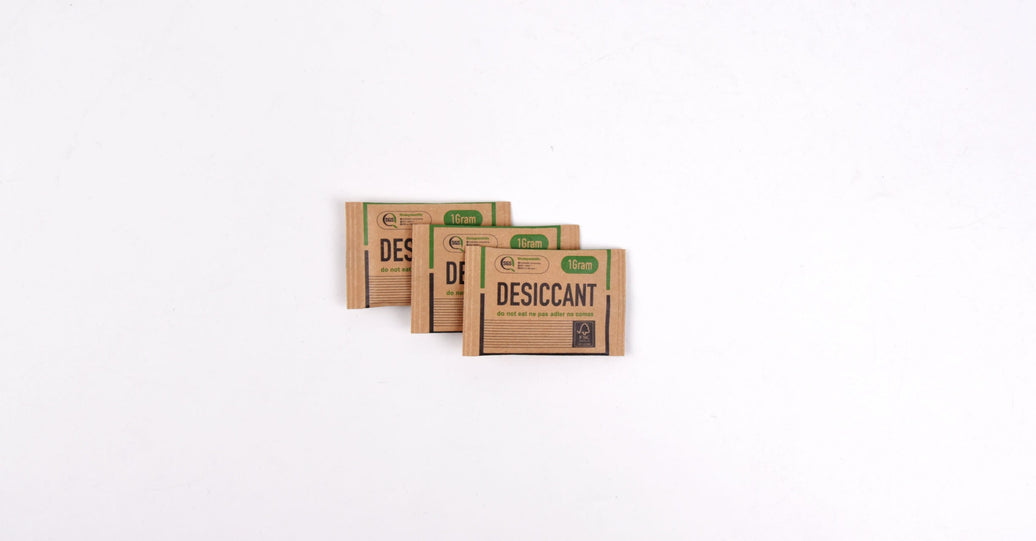
Every anti-caking agent is a declared ingredient. Silicon dioxide on a supplement facts panel invites questions from exactly the consumer segment that pays a premium. A desiccant is packaging: it appears in the artwork as a "do not eat" warning, not on the ingredient list.
For brands trimming their label, the practical route is to hold the anti-caking agent at the minimum that keeps the filling line running, then let the pack carry the shelf-life burden. That reallocation is only safe if the desiccant is correctly sized against the film's water vapour transmission rate — dosage by MVTR covers that calculation.
Why dust is the deciding spec on a powder line
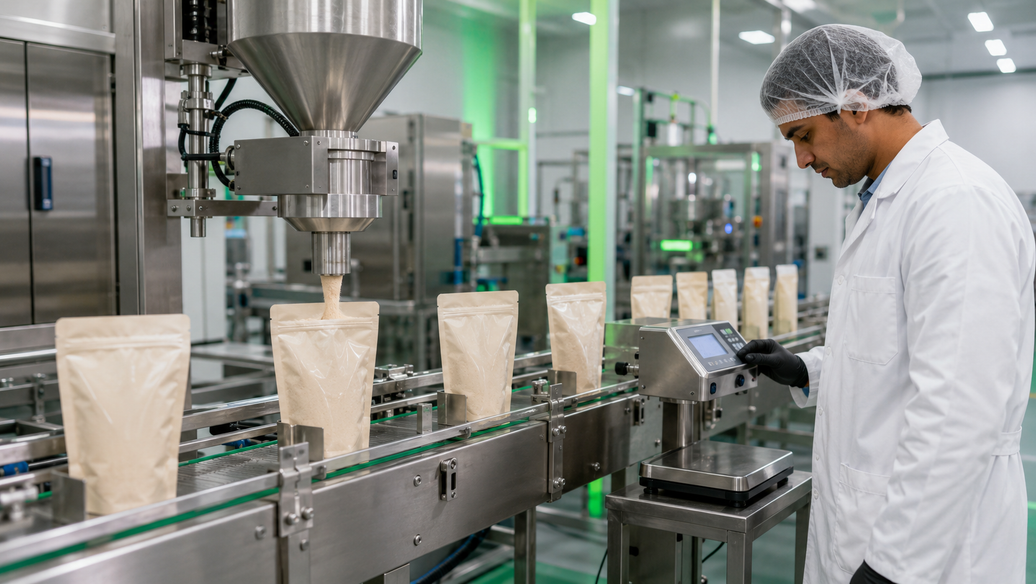
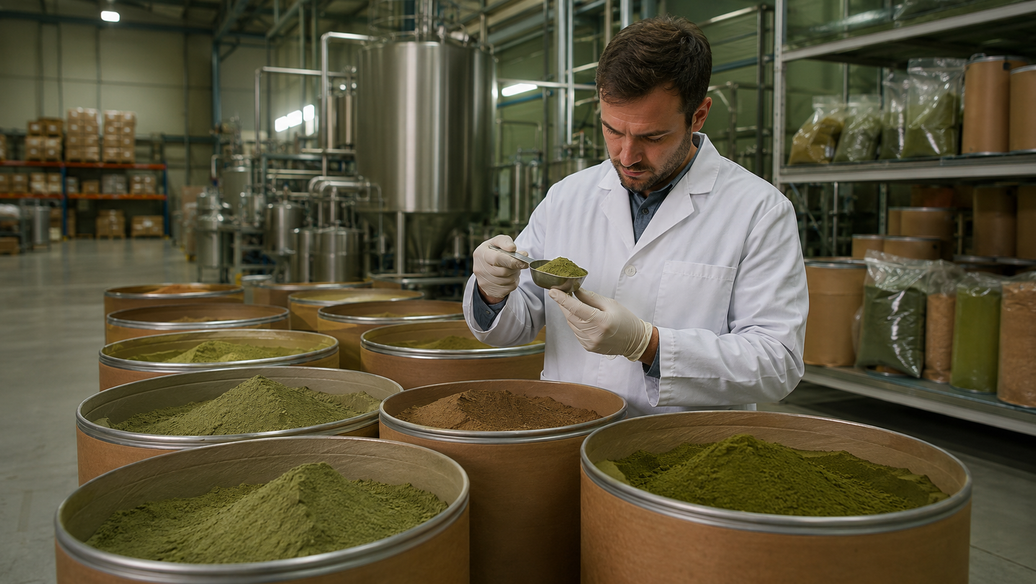
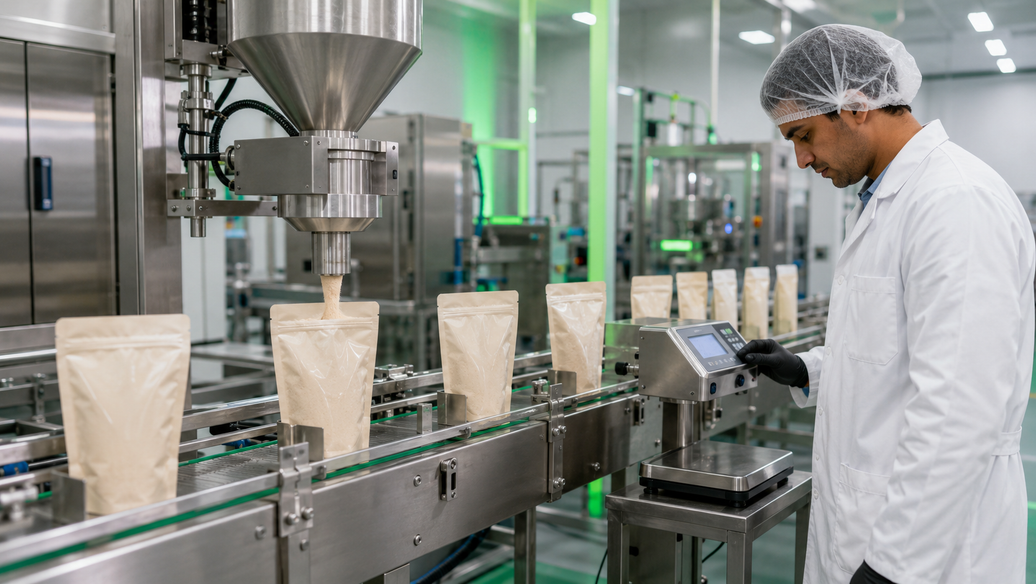
There is a version of this decision that has nothing to do with caking. Powder plants run metal detection, vision inspection and often nitrogen purge. A desiccant that sheds beads or fines into that environment creates a foreign-body risk and a false-reject rate that quality will not tolerate.
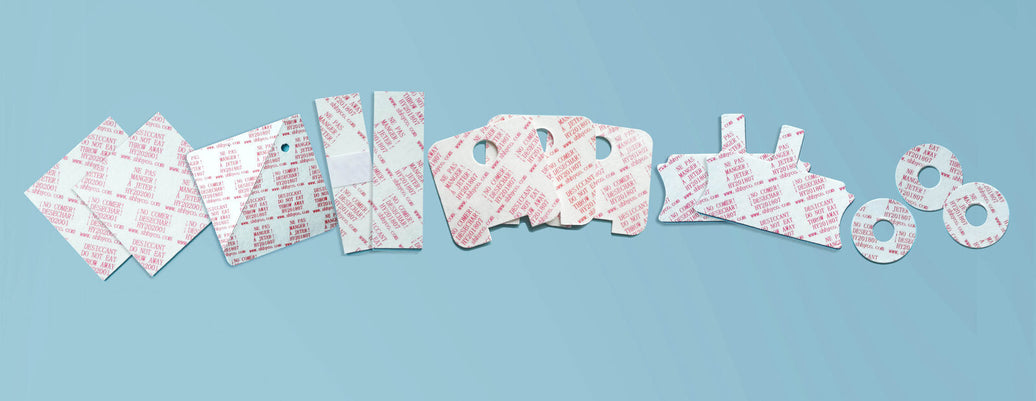
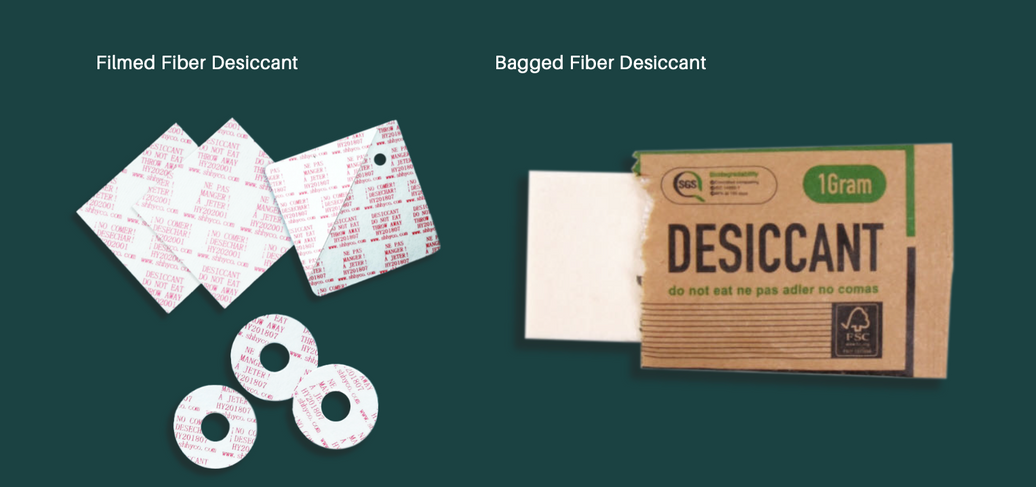
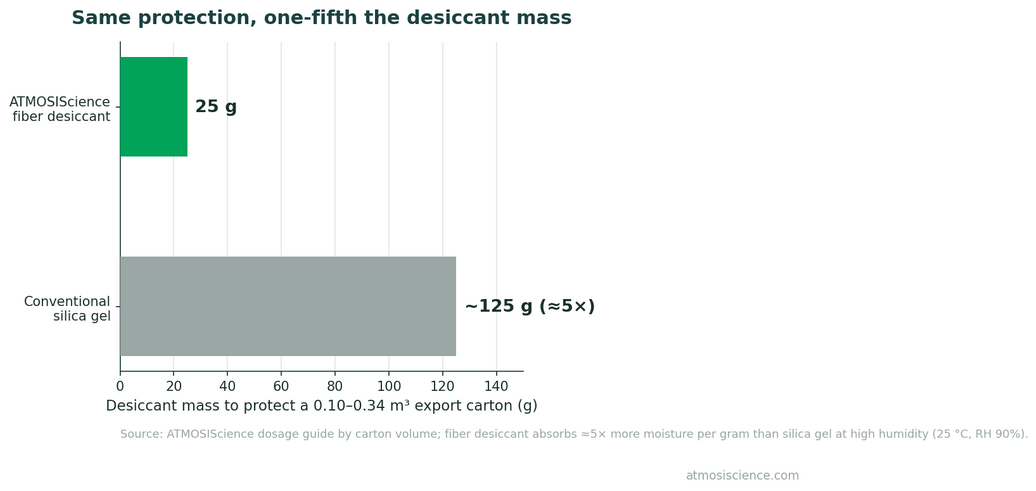
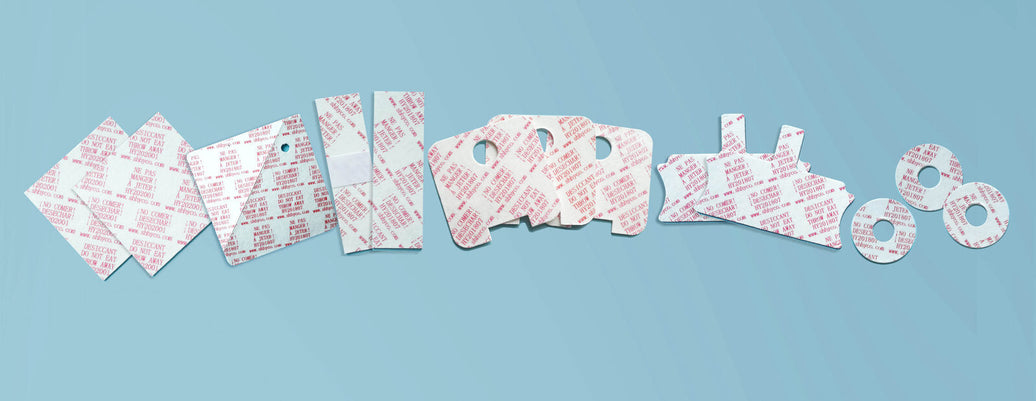
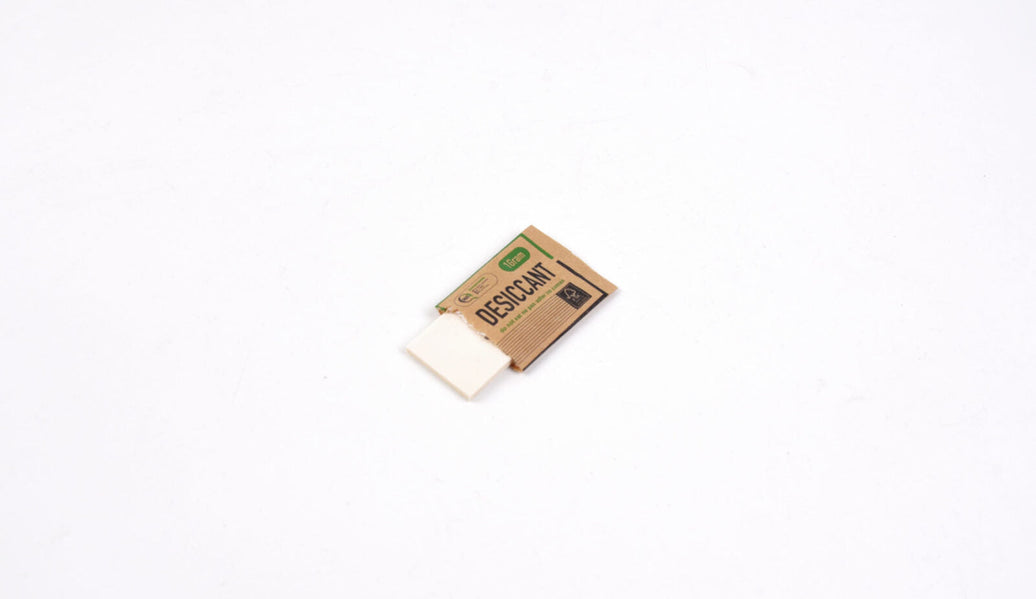
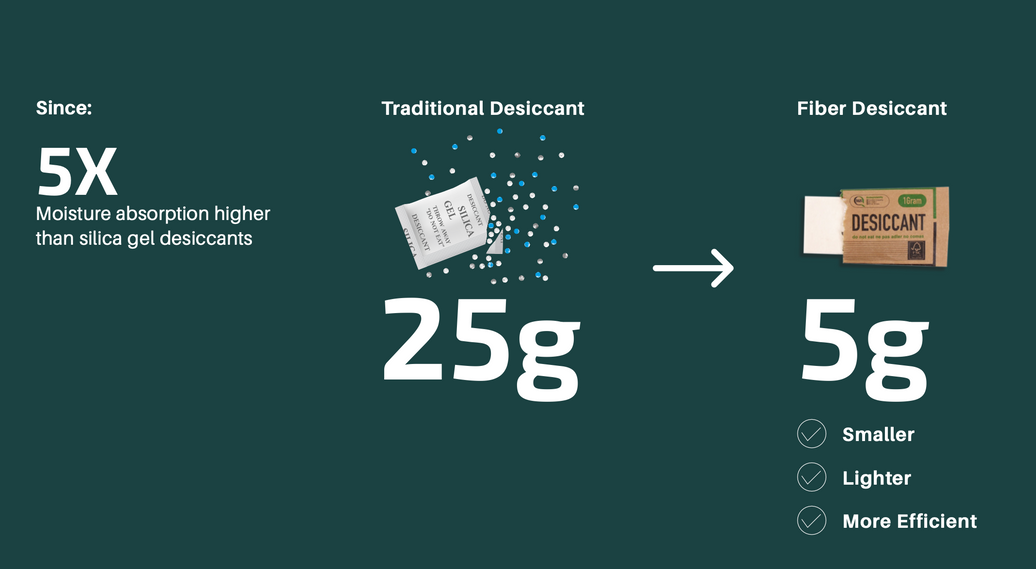
ATMOSIScience fiber desiccant is built around a lignocellulose substrate roughly 2.5 mm thick with calcium chloride bound into the composite, bagged in a compostable nonwoven or food-safe Tyvek® overwrap. There is no loose fill to escape a compromised seal. That construction is the reason it clears powder-line reviews that loose-fill formats fail — the detail is in loose-fill desiccant risks in food packaging.

How to run the comparison properly
Do not A/B a formula change against a packaging change in the same trial. Fix the anti-caking level, then run three desiccant doses against a no-desiccant control through an accelerated condition, and measure water activity rather than appearance. Caking is a lagging indicator; aw moves first. The method is set out in water activity vs. relative humidity, and the caking threshold itself is read off your own sorption isotherm.
FAQ
Can a desiccant replace an anti-caking agent entirely?
Sometimes, for powders that are hygroscopic but not intrinsically cohesive. It rarely works for powders whose flow problem is particle shape or fat content rather than moisture.
Will a desiccant over-dry a powder?
It can, and for some products that is a real risk — over-dried powders can become dusty, static-prone and harder to disperse. Where a target window matters more than a floor, two-way humidity control is the correct specification.
Does an anti-caking agent affect desiccant sizing?
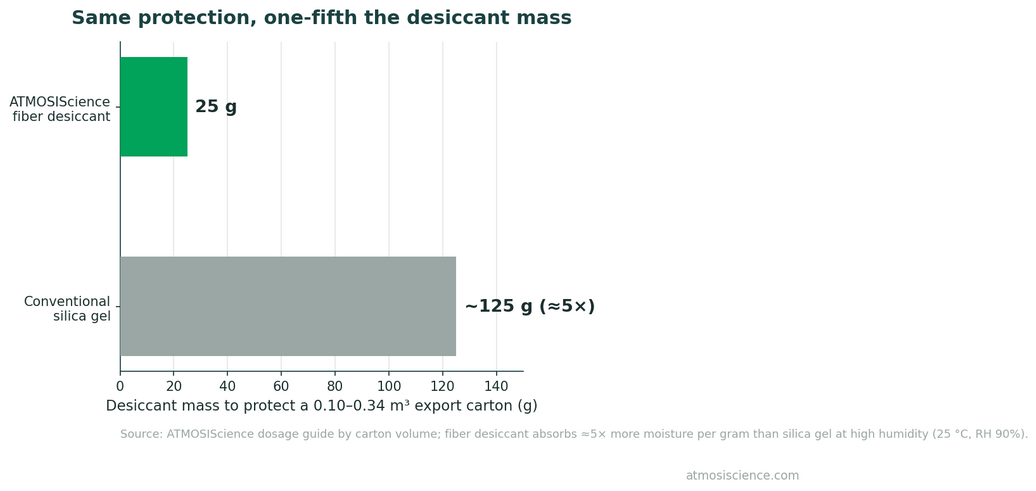
Not directly. Sizing follows headspace volume, initial moisture load and film barrier. A flow aid does not reduce the water entering through the film.
Is silicon dioxide the same material as silica gel desiccant?
Chemically related, functionally different. Food-grade colloidal silicon dioxide is a fine flow aid dosed into the powder. Silica gel desiccant is a porous bead in a sachet. They are not interchangeable.
Which one do co-packers prefer?
Co-packers generally prefer whichever does not change their blending validation. That usually means a packaging-side fix — provided the desiccant format runs on their existing dispenser.
Trying to cut your anti-caking dose?
Send your powder, film structure and target shelf life. Our team will size the desiccant side of the equation so you know how much formulation headroom you actually have.
Prefer email? info@atmosiscience.com