Quick answer: Traceability for a desiccant breaks at the line, not at the supplier. The supplier lot is on the carton; the finished pack records the product batch; nothing links the two unless someone writes the desiccant lot into the batch record at changeover. Fix it with three controls: record the desiccant lot on the batch record every time a carton is opened, reconcile sachets issued against packs produced at the end of the run, and hold a retained sample of each incoming desiccant lot. That is enough to complete a one-hour mock recall.
Recall exercises used to stop at ingredients. They no longer do. Packaging components that enter the primary pack are now routinely included, and a desiccant sachet is the component most likely to have no trace at all.
Where the chain breaks
The typical picture looks complete until it is tested:
- Goods-in records the supplier lot on the delivery note. Good.
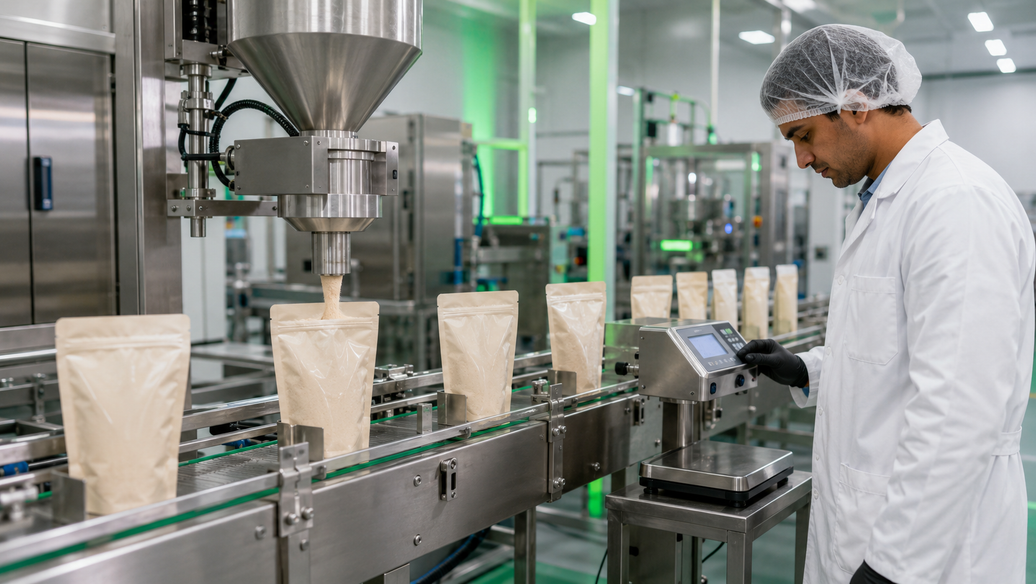
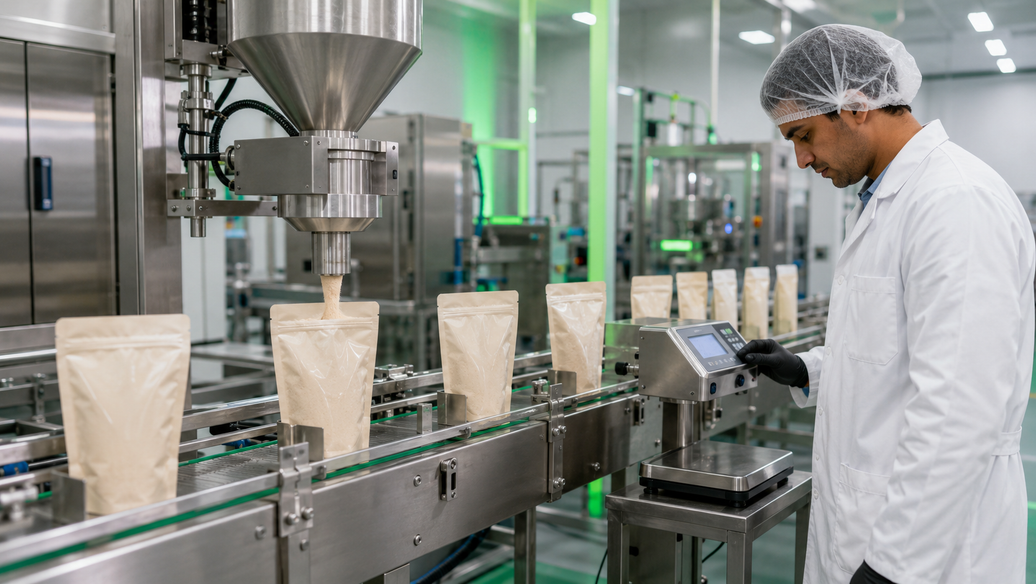
- The carton goes to the line. The operator loads the dispenser hopper. No record.
- A second carton, possibly a different lot, is added mid-run when the hopper empties. No record.
- The batch record shows product batch, film reel and cap lot. The desiccant is absent.
When the mock recall asks “which finished batches contain desiccant lot X?”, the honest answer is a date range, which is not a trace.

Three controls that close it
1. Lot capture at changeover
Add a field to the batch record: desiccant lot number, carton opened at, operator initials. Every carton, including the mid-run replacement. This is a five-second entry that converts a date range into a trace.
If the line runs continuously across two production batches, record the crossover so both batches carry both lots. Overlapping lots are normal; unrecorded overlapping lots are the problem.
2. Mass balance at the end of the run
Sachets issued, minus sachets returned, minus rejected packs, should equal packs produced. A material discrepancy means either a missing insert or an uncounted carton, and either finding is worth having before a customer complaint arrives. Missing inserts are also a shelf-life risk, since the pack has no moisture protection at all.
3. Retained samples
Hold a small retained sample of each incoming desiccant lot for the shelf life of the longest product it went into, stored sealed. If a moisture complaint arrives eighteen months later, the retained sample is the only way to distinguish a desiccant problem from a film problem or a filling-room humidity problem. The distinction matters because the corrective actions are entirely different — see desiccant failure modes.
What to require from the supplier side
Traceability upstream is the supplier’s obligation and should be written into the specification:
- A lot code on every carton, printed rather than handwritten, with a documented coding convention.
- A certificate of analysis referencing that lot code, not a generic product code. Reading a desiccant CoA covers what should be on it.
- Retention of manufacturing records for a stated period, so a query can be answered years later.
- Manufacturing site identification, because a multi-site supplier that switches plants silently defeats the trace. That belongs in a change-control clause — see desiccant change control.
Running the mock recall
Test the trace in both directions and time it.
- Backward: pick a finished pallet at random. Identify the desiccant lot from the batch record, then the delivery, then the certificate of analysis. Target: under 30 minutes.
- Forward: pick a supplier lot from goods-in. Identify every finished batch it entered and where that stock now sits. Target: under 60 minutes including customer shipment detail.
- Mass balance: reconcile quantity received against quantity used and quantity remaining, within an agreed tolerance.
Most schemes expect the forward trace with mass balance inside four hours; the reason to target one is that the desiccant is only one component of many being traced on the same day.
What a desiccant recall would actually look like
Genuine desiccant recalls are rare and usually concern labelling or foreign body risk rather than performance. The more common scenario is a customer-side quality hold: a distributor reports caking, the brand needs to know which lots are affected, and the answer determines whether the hold covers one pallet or one quarter. Traceability is the difference between those two outcomes, and the cost difference is set out in the caked-batch cost worksheet.
Frequently asked questions
Does the desiccant lot need to appear on the finished pack?
No. It needs to be linkable to the finished pack’s own batch code through internal records.
How long should retained samples be kept?
Shelf life of the longest product it entered, plus a margin. For a 24-month supplement, three years is a common choice.
What if the supplier ships mixed lots in one carton?
Do not accept it. Single lot per carton is a reasonable specification requirement and most manufacturers already work that way.
Is barcode scanning at the line worth it?
If changeovers are frequent, yes. For a line running two cartons a shift, a written entry is adequate and far cheaper.
Ask us for the traceability clauses
The ATMOSIScience team can share the lot coding convention, CoA format and record retention terms to drop straight into your specification.
Prefer email? info@atmosiscience.com