Quick answer: Sizing moisture protection for Latin American destinations on sailing time alone underestimates the exposure, often badly. The controlling variable is usually not the ocean leg but the port dwell and customs clearance at the destination, where a container can sit in tropical heat and humidity for days or weeks with no ventilation. Size to total door-to-door time including a realistic clearance allowance, treat the destination as a high-humidity climate zone throughout the year for coastal ports, and prepare the product documentation early because a document query is itself a cause of extended dwell.
Exporters who have shipped successfully into Northern Europe or North America sometimes assume Latin America is a longer version of the same problem. It is a different problem, and the difference is concentrated at the destination rather than on the water.
Why the clearance leg dominates
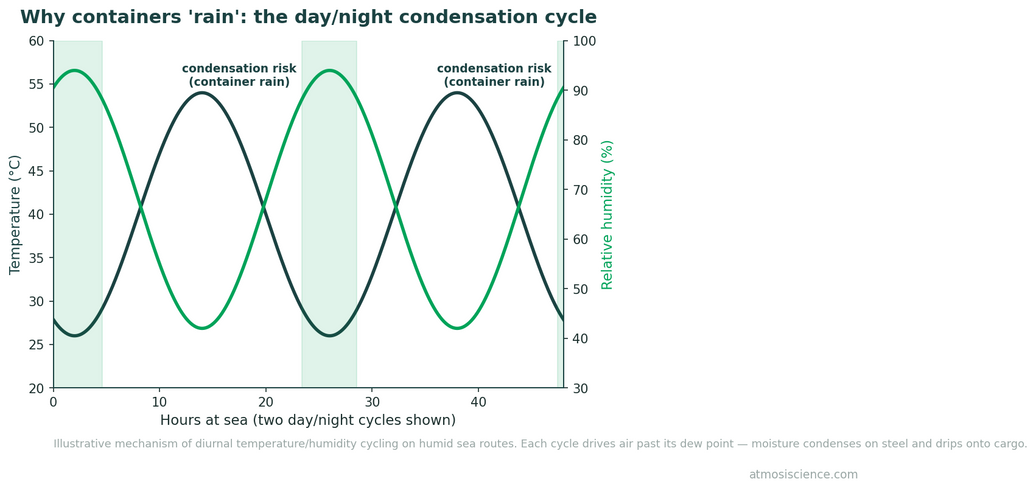
A container's moisture exposure is the integral of humidity over time. On the ocean leg, that integral is at least predictable — you know the sailing schedule. At the destination, dwell time is variable and can be long, and it happens in the worst possible conditions: a steel box sitting in direct sun in a tropical port, cycling through condensation events every night.
The practical consequence is that a desiccant sized for a 30-day sailing can be fully saturated before the container is even released. Everything after that point is unprotected, and the last days before delivery are often the most humid ones.
This is the same failure shape we describe in why desiccants fail in sea freight — running out of capacity before running out of journey — but the clearance variable makes it more likely rather than less.

Building a realistic exposure profile
Rather than a single transit number, build the profile in segments and add them.
| Segment | What to establish | Source |
|---|---|---|
| Origin staging | Days between packing and container loading, and the humidity of the store | Your own warehouse records |
| Ocean leg | Sailing days plus transhipment stops — transhipment adds dwell in a hot port | Carrier schedule; ask specifically about transhipment |
| Port dwell and clearance | Realistic worst case, not the average | Your freight forwarder's actual data for that port and product category |
| Inland leg and storage | Whether the destination warehouse is climate controlled | Ask the importer directly, in writing |
That third row is the one to spend effort on. Forwarders have the data. Asking "what is your 90th percentile clearance time for this product category at this port" produces a far more useful number than a published average.
Climate: treat coastal ports as year-round high humidity
Major Latin American gateways — Santos, Callao, Cartagena, Guayaquil, Buenaventura and others — sit in climates where ambient humidity is high for most of the year. Unlike temperate routes, there is no low-risk season to plan around for coastal destinations.
Inland and high-altitude destinations behave differently, and the difference is worth capturing rather than averaging away. A shipment to a highland city passes through the humid port anyway, so port exposure applies regardless, but the storage phase at destination may be much milder.
The general framework for tropical climate zones is in shipping to Zone IV markets, and the pharmaceutical stability version in the ICH Zone IVb checklist.
Two layers, not one
For moisture-sensitive powders on these routes, container-level and pack-level protection do different jobs and both are usually justified.
Container level manages the atmosphere inside the box and reduces condensation onto cartons and pallets. It protects the outer packaging, the labels and the pallets, and it slows the rate at which moisture reaches the primary packs.
Pack level is what actually protects the product. It is sized against the primary pack's barrier properties and the total door-to-door exposure. Method in desiccant dosage by MVTR.
Where budget forces a choice, pack level wins. A damaged carton is a cosmetic problem; a caked powder is a rejected shipment.
Documentation that prevents dwell
Because clearance delay is itself a moisture risk, documentation quality is a moisture control measure. For food, supplement and pharmaceutical powders entering Latin American markets, expect requirements around ingredient declarations, certificates of analysis, free-sale or health certificates, and country-of-origin evidence — with requirements differing meaningfully between countries and changing over time.
For the packaging components specifically, have ready: the desiccant's safety data sheet, its food-contact compliance statement, the certificate of analysis for the supplied lot, and country-of-origin documentation. The pack your 3PL and broker will ask for is listed in desiccant export documentation, and how to read the COA in a QA manager's line-by-line guide.
Confirm current requirements with a local regulatory adviser or your importer for each destination market before shipping. Requirements in this region change, and a document that satisfied a clearance last year may not this year.
Frequently asked questions
How much extra capacity should I allow for clearance delay?
Size to your forwarder's realistic worst-case dwell rather than a fixed multiplier. Where no data exists, building the study around a defined worst case is more defensible than a rule of thumb — see the worst-case test protocol.
Do humidity indicator cards help on these routes?
They are useful, because they convert an invisible risk into evidence at the point of receipt. Which RH points to specify is covered in the humidity indicator card article. They also strengthen a cargo claim if one becomes necessary.
Is a fibre desiccant suitable for tropical routes?
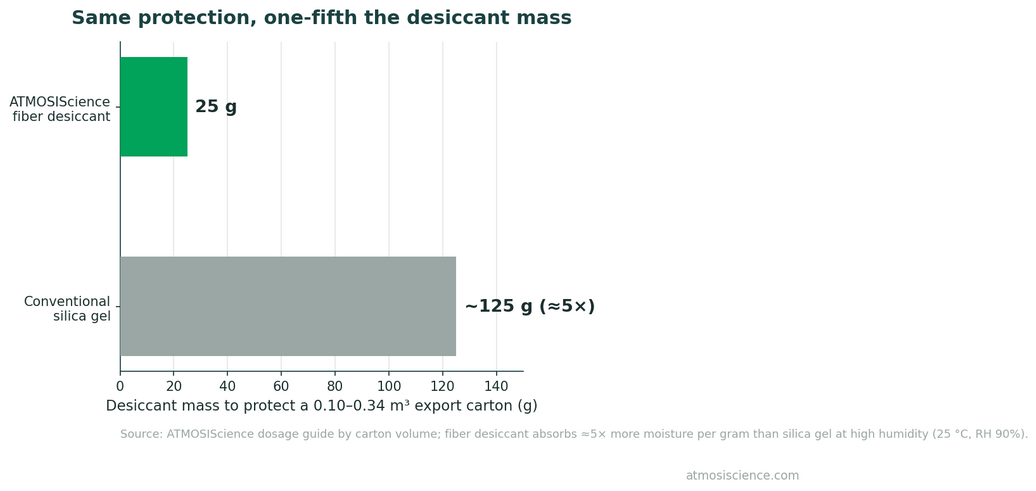
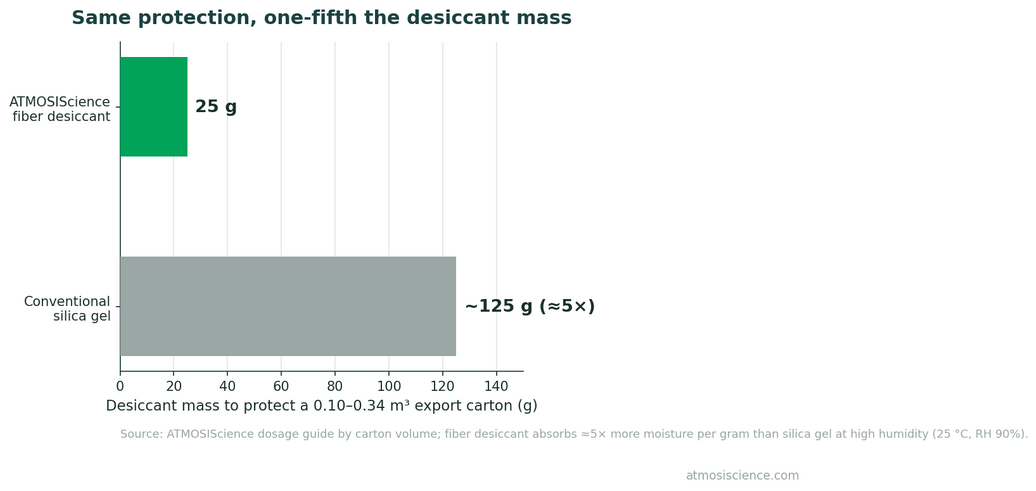
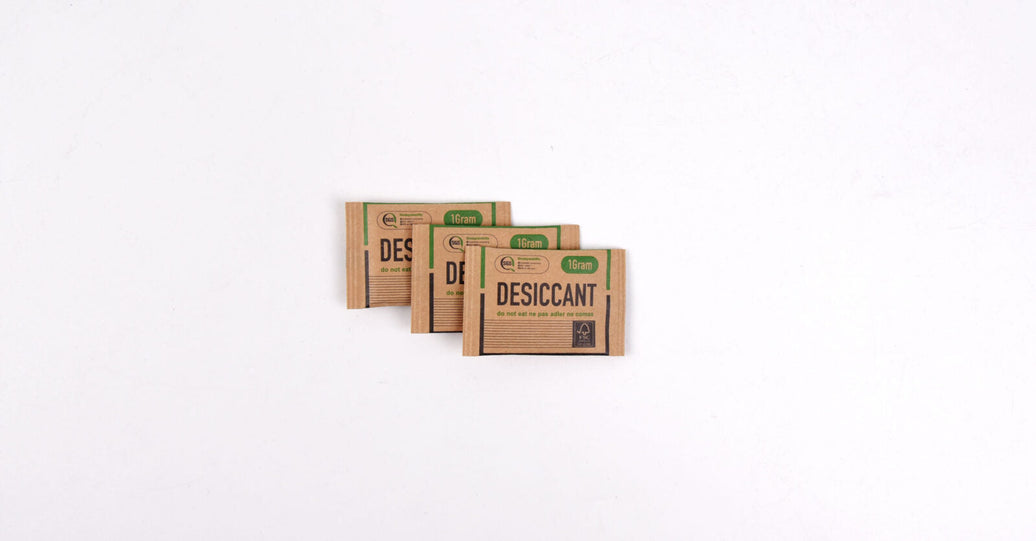
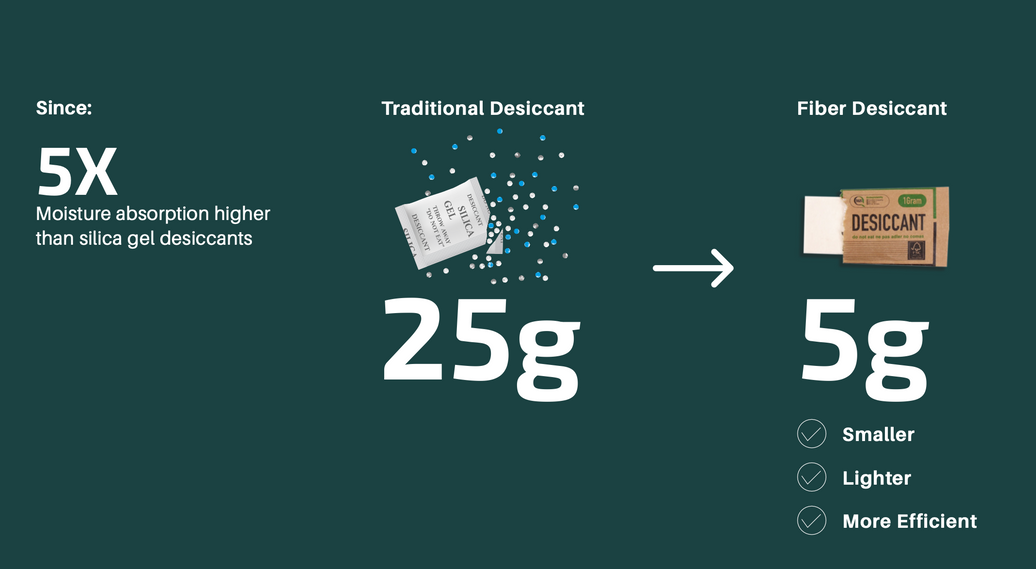
Adsorption capacity rises with humidity band, so a high-humidity route exercises the upper part of the curve where a fibre desiccant performs strongly. The relevant figure is capacity at the humidity actually seen, not at standard test conditions — see moisture capacity is not adsorption rate.
What about mould on the packaging itself?
Cartons and pallets can grow mould in tropical containers even when the product is protected. Whether a desiccant can itself support growth is tested and answered in the 28-day fungal challenge test.
If cargo arrives damaged, what evidence do I need?
Most of it has to be captured before unstuffing. The list surveyors and insurers ask for is in moisture damage cargo claims.
Size your Latin America shipment with us
Send the route, expected dwell and pack format and we will recommend container-level and pack-level protection, plus the documents to have ready.
Prefer email? info@atmosiscience.com